
Tabelog 100 #77
Our verdict
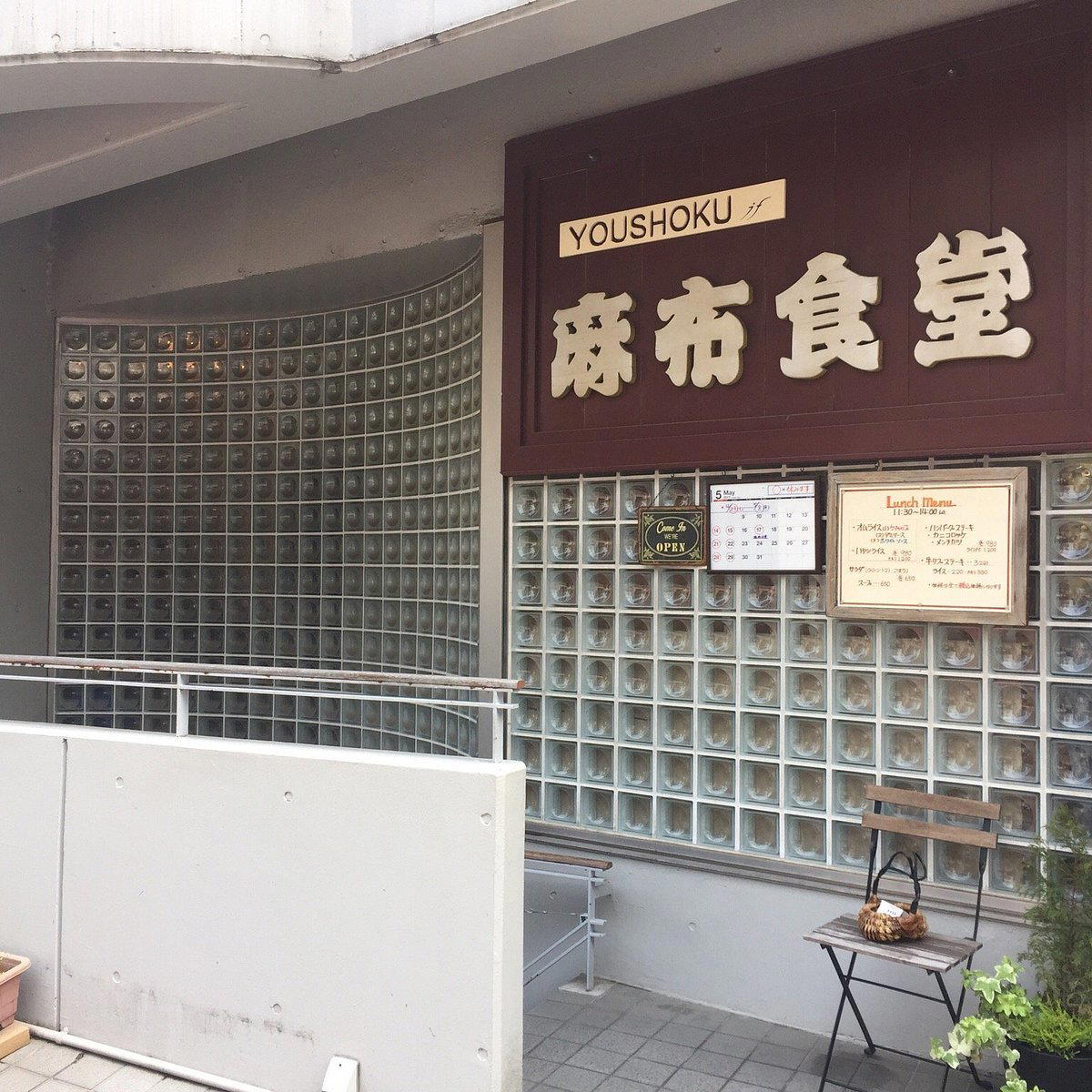
Azabu Shokudo occupies a basement address in Nishi-Azabu, a neighbourhood that has quietly accumulated some of Tokyo's more considered dining rooms away from the Michelin spotlight. Positioned below street level on a residential stretch of 西麻布4-chome, it sits within a dining tier that values depth of cellar and kitchen precision over conspicuous recognition, a useful frame for understanding where it fits among Tokyo's mid-to-upper independent restaurants.

Pearl is the En Primeur Club membership app, where members save venues, book tables and use the concierge.
The menu
What to order
- Omurice (Ketchup)
- Omurice (Demi-glace)
Below Street Level in Nishi-Azabu: A Neighbourhood That Earns Its Reputation Quietly
There is a particular category of Tokyo dining room that operates without a publicist, a verified social account, or a Michelin plaque in the window, and yet draws a clientele that knows exactly what it is doing. Nishi-Azabu, the quieter western extension of Azabu that bleeds into Hiroo, is the neighbourhood most associated with this pattern. The streets around 4-chome are lined with buildings that conceal serious kitchens at basement level, away from the tourist circuits of Roppongi or the conspicuous wealth of Azabu-Juban. Azabu Shokudo (麻布食堂) sits at 西麻布4-18-1, in the B1 floor of Azabu West, a positioning that tells you something before you have read a single review. In Tokyo, basements mean intention. You do not find a restaurant here by accident.
For context on the broader dining scene in which it operates, see our full Tokyo restaurants guide.
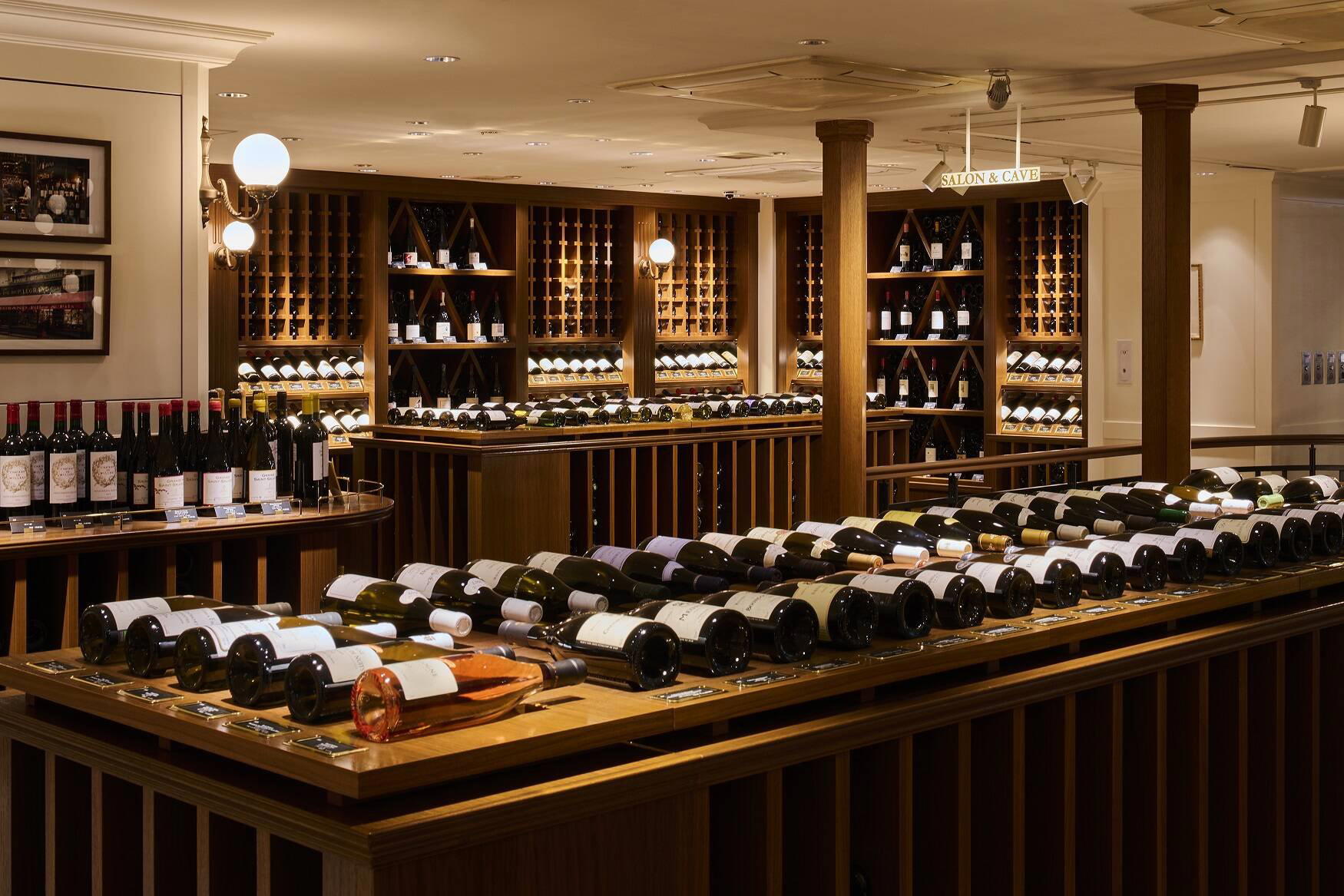
The Cellar as Editorial Statement
In Tokyo's competitive restaurant market, the wine list has become one of the clearest differentiators between restaurants that are serious and those that are merely accomplished. The city's leading Michelin-rated rooms, L'Effervescence with its natural wine focus, Sézanne with its Franco-Japanese precision, and RyuGin with a cellar calibrated to kaiseki seasonality, each use the wine program as a philosophical extension of the kitchen. The question worth asking of any independent room in this city is whether the glass programme reflects genuine curation or simply follows a distributor's default list.
The name 食堂 (shokudo) is itself a deliberate tension. In Japanese, shokudo denotes a casual canteen, the kind of place where workers eat set lunches and nobody considers the glassware. Pairing that word with the Azabu address and a basement format creates a deliberate friction that speaks to a current tendency in Tokyo dining: the studied informality of rooms that take both food and drink seriously without requiring ceremony in return. This is not the format of the ten-seat omakase counter, where the relationship between guest and itamae is the entire point. It is something adjacent but distinct, a space where the wine list and the kitchen can share equal billing without either subordinating the other.
That framing matters when considering how to read a cellar here. Tokyo's neighbourhood independent restaurants in the Azabu-Hiroo corridor have, over the past decade, developed wine programs that rival the lists of much larger operations. The customer base, internationally travelled, professionally mobile, accustomed to Burgundy and Barolo on expense accounts in other cities, creates demand that a shokudo in Shibuya or Ikebukuro would not face. The result is a cohort of modest-looking rooms with cellars that would not embarrass a Paris bistrot with three times the floor space.
The relevant competitive frame for Azabu Shokudo is not the Michelin three-star rooms of central Tokyo. It is the cluster of intelligent independents that have made Nishi-Azabu and the surrounding streets into a dining destination for residents rather than tourists. In that context, the basement address is an asset: lower rents historically allow operators here to allocate more margin to product quality, whether that means a wider by-the-glass programme, better sourcing, or a cellar that holds older vintages rather than moving purely on current releases.
At the top tier of Tokyo's independent wine-led dining, Crony has built recognition on a format that pairs innovative Franco-Japanese cooking with a programme weighted toward natural and low-intervention producers. Harutaka at the sushi counter level operates in a different register entirely, where the beverage programme is secondary to the sequence of nigiri. Azabu Shokudo's 食堂 framing suggests something in between: a room where food and drink are co-equal, and where the absence of formal ceremony is itself a curatorial choice.
Beyond Tokyo, the instinct to build serious cellars inside deliberately humble formats is not unique to this city. HAJIME in Osaka and Gion Sasaki in Kyoto each occupy their own tier within Japan's broader fine dining conversation, and both demonstrate how regional operators outside Tokyo have used wine and sake programmes to signal seriousness to a knowing audience. The same dynamic plays out in smaller cities: akordu in Nara, Goh in Fukuoka, and smaller operations like 一本木 奈加川制 in Nanao, 幻の山乃 in Sapporo, 湖畔荘 in Takashima, and 羽根屋 in Nishikawa Machi all point to the same national pattern: Japan's most considered dining rooms often carry names that deliberately undersell the experience inside.
Internationally, the precedent is clear. Le Bernardin in New York built its identity around a cellar that supports rather than competes with the kitchen; Atomix, also in New York, operates a beverage programme that treats Korean ferments and European wine with equal editorial seriousness. The through-line is a philosophy that the glass and the plate should be in genuine conversation, not merely coexisting. Whether Azabu Shokudo's programme achieves that standard is a question that warrants direct investigation; what the address and format signal is that the aspiration is present. Comparable formats in the same neighbourhood corridor, see also Birdland in Sakai and Bistro Ange in Toyohashi for contrasting provincial takes, confirm that Japan's appetite for this format extends well beyond the capital.
Getting There and Planning Your Visit
The restaurant sits in the basement of Azabu West at 西麻布4-18-1, 港区, Tokyo 106-0031. The nearest subway access is Hiroo Station (H02) on the Hibiya Line, from which the walk through residential Nishi-Azabu takes approximately ten to twelve minutes. Roppongi Station (H04/E23) on the Hibiya and Oedo lines is a comparable distance in the opposite direction. Neither approach is direct, which reinforces the neighbourhood's character as a place people seek out rather than stumble across. Reservations: Dress: No formal dress code is indicated; Nishi-Azabu's general register skews smart-casual. Budget:
Frequently asked questions
What part of town is Azabu Shokudo (麻布食堂) in?
Azabu Shokudo (麻布食堂) is located at 西麻布4-18-1 (麻布ウェストB1F), 港区, 東京都, 106-0031, Tokyo.
Where exactly is Azabu Shokudo located and how do I get there?
Azabu Shokudo occupies the basement level (B1F) of Azabu West at 西麻布4-18-1, 港区, Tokyo 106-0031. The closest subway station is Hiroo (H02) on the Tokyo Metro Hibiya Line, with Roppongi also within reach. The basement entrance in this part of Nishi-Azabu is easy to miss without a specific address in hand.
What's the must-try dish at Azabu Shokudo (麻布食堂)?
The kitchen's approach, consistent with the basement room's editorial character, favours produce-led cooking where the day's best ingredients shape what arrives at the table. Ask the staff what's driving the menu that evening.
Can I walk in to Azabu Shokudo (麻布食堂)?
Walk-in availability is not confirmed for this address at 西麻布4-18-1, 港区, Tokyo. Basement rooms of this type in Nishi-Azabu typically fill through repeat guests and word-of-mouth rather than online reservation systems. Arriving without a booking is a risk worth weighing, particularly on weekends.
What's the signature at Azabu Shokudo (麻布食堂)?
The signature here is less a single dish than a format: a wine-serious basement room in Nishi-Azabu that operates without the infrastructure of a PR-backed Tokyo restaurant. That combination of considered wine selection and independence from the Michelin circuit defines what the room is known for among regulars.
How does Azabu Shokudo (麻布食堂) handle allergies?
No formal allergy policy is documented for Azabu Shokudo. For a basement independent at 西麻布4-18-1, the most reliable approach is to communicate dietary requirements directly when making a reservation or on arrival. Kitchens of this size tend to accommodate specific needs with more flexibility than larger operations, but advance notice is advisable.
Is Azabu Shokudo (麻布食堂) worth the price?
Pricing is not publicly listed for Azabu Shokudo, which positions it alongside Nishi-Azabu independents that let the bill reflect what you order rather than a fixed menu structure.
A Lean Comparison
Comparable venues nearby, for context on price, style, and recognition.
| Venue | Cuisine | Price | Awards | Notes |
|---|---|---|---|---|
| Azabu Shokudo (麻布食堂)This venue (the venue you are viewing) | Yoshoku Omurice | $20–30 | Tabelog 100 #77 | Not listed |
| Chuka Soba Benten | Traditional Japanese Ramen & Tsukemen | Not listed | Tabelog 100 #61 | Nerima, Traditional Japanese Ramen & Tsukemen |
| Mahakala | Kushikatsu Izakaya | $30–50 | Not listed | Meguro, Kushikatsu Izakaya |
| DAIJU | Yakiniku & Morioka cold noodles | $20–30 | Tabelog 100 #22 | Toshima, Yakiniku & Morioka cold noodles |
| Hana Goori Kakigori | Japanese Kakigori (Shaved Ice) | $20–30 | Not listed | Roppongi, Japanese Kakigori (Shaved Ice) |
| Gyukatsu Motomura Behind Shinjuku Alta Branch | Japanese Beef Cutlet (Gyukatsu) | $10–20 | Not listed | Shinjuku, Japanese Beef Cutlet (Gyukatsu) |
Recognition history
Dated appearances from independent guides and award organizations, with the underlying list record or original source where available.
Tabelog 100 #77 · No. 77
Tabelog · Tabelog 100 - Yoshoku - EAST - 2025
Continue exploring
More in Tokyo
Restaurants in Tokyo
All restaurants in Tokyo →









Details
- Cozy
- Classic
- Casual Hangout
- Sake Program
- A La Carte
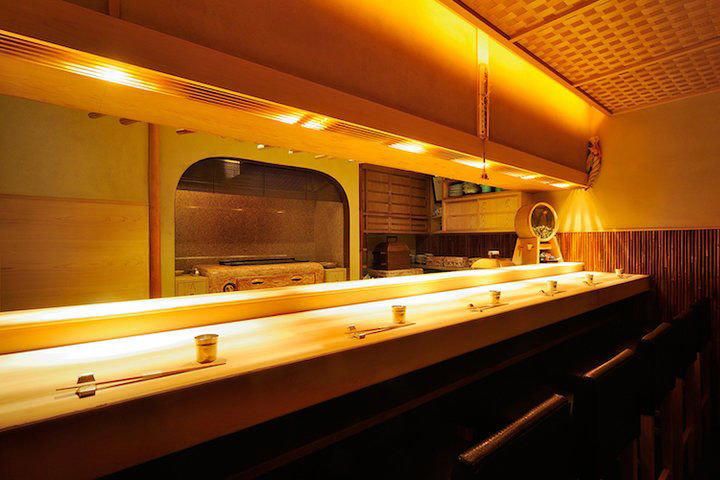
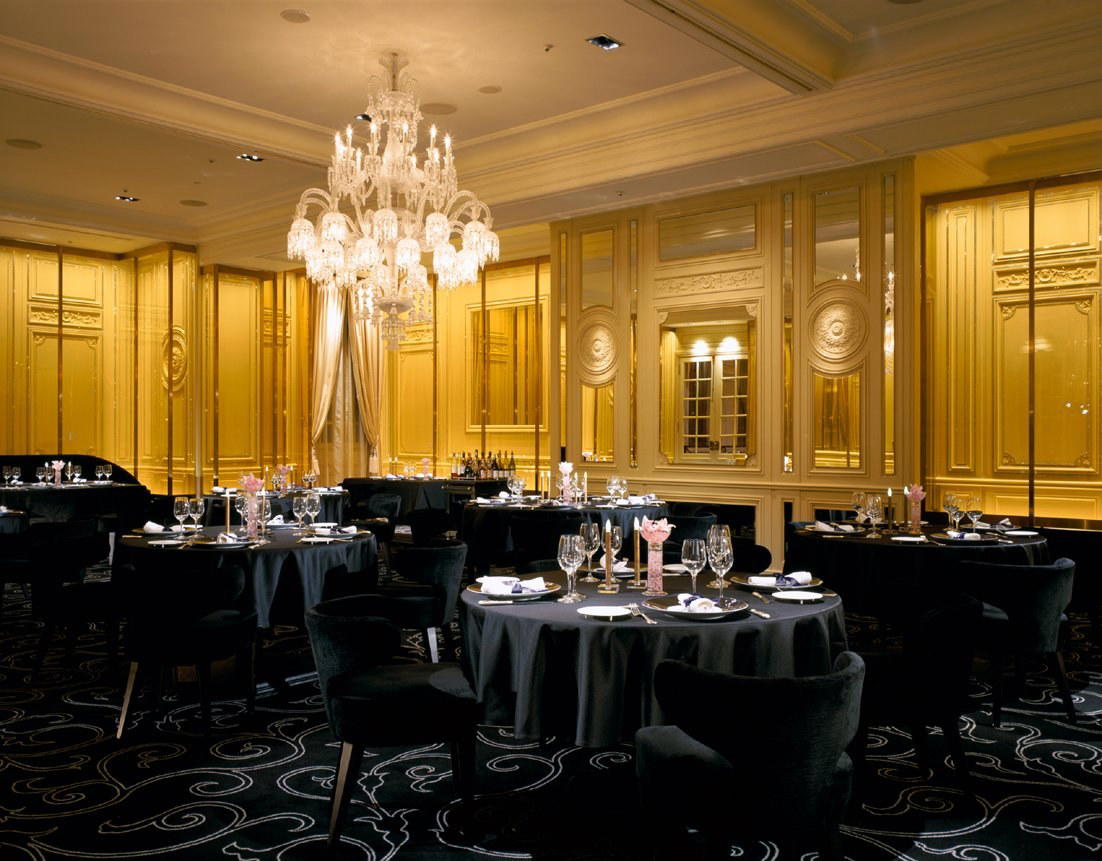
Charming, cozy, and inviting atmosphere with friendly staff, providing a quiet dining experience.