Re:s Cafe Bar & Sweets occupies a corner of Tokyo where the city's appetite for precise, category-blurring spaces runs deepest. The name signals the format: part cafe, part bar, part sweets counter, a combination that tracks a wider shift in how Tokyo's mid-register dining scene is evolving beyond single-discipline venues. For visitors building a picture of the city's contemporary food culture, it functions as a useful reference point alongside the capital's more formally structured options.

Pearl is the En Primeur Club membership app — saves, bookings, and concierge access live there. Same editors, same standards.
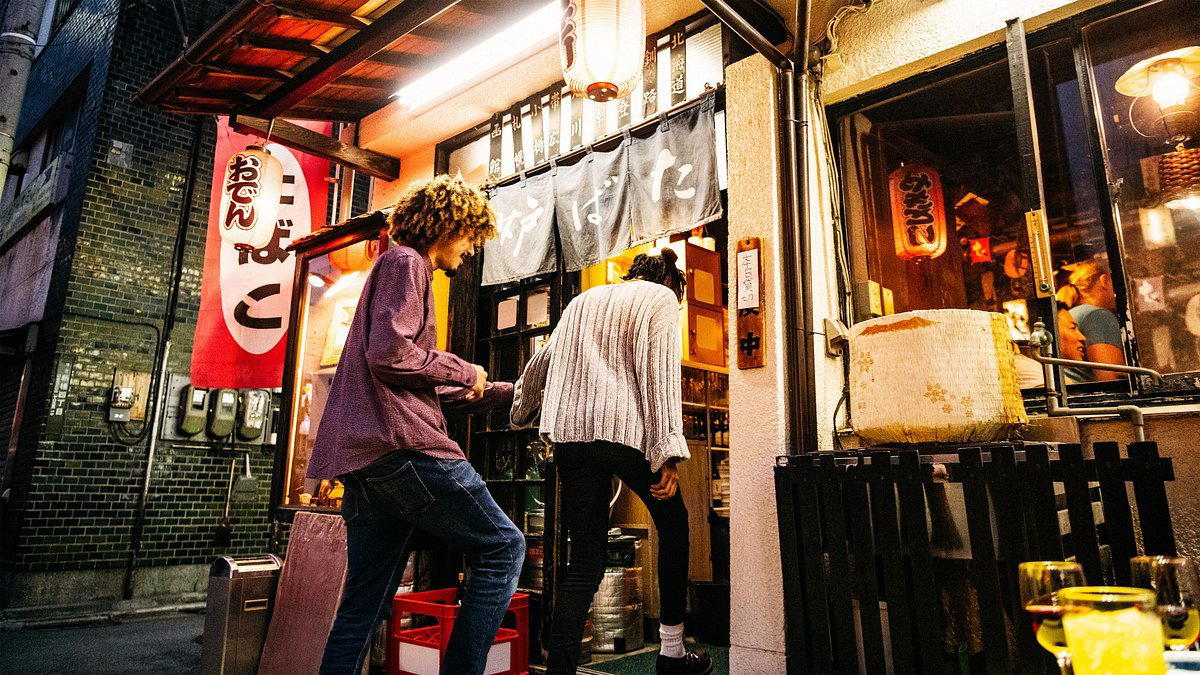
Where Tokyo's Informal Drinking and Dessert Culture Converge
Tokyo has long produced venues that refuse clean categorisation. The city's drinking culture, built on meticulous attention to craft, and its dessert tradition, which takes pastry and confectionery as seriously as any European kitchen, have increasingly found common ground in a format that borrows from both: the cafe-bar hybrid with a serious sweets offering. Re:s Cafe Bar & Sweets sits inside that pattern, a venue whose name does not try to disguise its ambiguity but leans into it. The format is less a compromise between categories than a deliberate position within a scene that has been moving in this direction for several years.
This kind of multi-register space has become one of the more telling features of Tokyo's contemporary mid-tier food culture. Where stronger examples from the market remains rigidly disciplined, the omakase counters of Ginza, the kaiseki rooms of Akasaka, the formal French tasting menus practised at venues like L'Effervescence and Sézanne, the layer beneath has grown considerably more fluid. Cafes pour natural wine alongside single-origin filter coffee. Bars plate elaborate dessert courses. The boundaries that once separated a kissaten from a cocktail bar have become largely notional.
The Neighbourhood Frame
Tokyo's dining geography is granular enough that the ward or even the block in which a venue sits shapes its character substantially. The city is not one dining scene but dozens of overlapping micro-scenes, each with its own logic, price register, and customer base. A sweets-forward cafe-bar in Shimokitazawa operates in an entirely different context than the same format would in Roppongi or Marunouchi. Understanding a venue in Tokyo requires understanding its neighbourhood first, because the neighbourhood defines the crowd, the pace, and the kind of ambition that makes sense there.
These areas, wherever exactly Re:s Cafe Bar & Sweets sits within them, tend to attract operators who are working outside the traditional discipline silos. They draw a clientele that expects craft, in the coffee, in the cocktails, in the sweets, but not ceremony. The experience is informal in manner while remaining precise in execution, a combination Tokyo has become particularly skilled at producing.
How Re:s Fits Tokyo's Broader Sweets and Bar Conversation
Japan's dessert culture operates at a level of technical refinement that is sometimes underappreciated by visitors arriving with a primary focus on sushi or ramen. Wagashi, the traditional confectionery tied to tea ceremony, represents one pole of a tradition that extends through Western-influenced patisserie, to the kakigori specialists, to the soft-serve counters that have become objects of serious culinary attention. Tokyo's bar programme has developed along similarly precise lines: the highball service, the ice-cutting ritual, the infusion programmes that have become standard at the city's better cocktail venues all reflect a commitment to technique that parallels the kitchen.
A venue that combines these two disciplines, bar craft and sweets precision, is not simply offering convenience. It is making an argument about how the two traditions speak to each other. The dessert course as a pairing problem, the cocktail as a structural counterpart to sugar and fat: these are the kinds of conversations that define this format at its most considered. Whether Re:s Cafe Bar & Sweets operates at that level of explicit dialogue or positions itself in a more relaxed register is information that would require direct visit intelligence to confirm. What the format itself signals is an interest in that conversation.
For visitors who want to understand Tokyo's drinking and sweets culture in a single sitting, this category of venue offers something that the more formally stratified restaurant world does not. A kaiseki dinner at RyuGin or a sushi counter at Harutaka delivers extraordinary discipline within a single tradition. A cafe-bar-sweets hybrid delivers something different: a cross-section of the informal register, the daily culture of how Tokyo eats and drinks when it is not performing for a special occasion.
Placing Re:s in the Wider Japan Circuit
Tokyo's informal dining scene does not exist in isolation. Visitors building a broader Japan itinerary will find analogues and counterpoints in other cities. Osaka's food culture, represented at the leading end by places like HAJIME, has its own set of hybrid and informal operators working below that formal tier. Kyoto's equivalent, anchored by venues like Gion Sasaki, tends toward a more restrained interpretation of informality. Nara's akordu and Fukuoka's Goh both reflect regional takes on serious cooking that sidestep the Tokyo mainstream. Further afield, the regional dining scenes in Nanao at 一本木 名川制, in Sapporo at 夕仙山乃, in Takashima at 湖畔庵, and in Nishikawa Machi at 庄羽屋 each demonstrate how far Japan's food culture extends beyond its three major urban centres.
In that geography, Tokyo's cafe-bar hybrids like Re:s represent something specific: the informal end of a capital city that takes even its casual formats seriously. The comparison is instructive when set against international peers. The technically precise cocktail programmes at New York venues like Atomix or the refined seafood tradition at Le Bernardin operate at different points on the formality spectrum, but they reflect the same underlying principle: that craft is not the exclusive property of fine dining. Tokyo's cafe-bar-sweets scene has arrived at that conclusion through its own route.
Back within Tokyo, the contrast with the city's more innovation-forward French-influenced kitchens, such as Crony or the more approachable end of venues catalogued in our full Tokyo restaurants guide, reinforces the point. Re:s Cafe Bar & Sweets operates in a register that the Michelin constellation and the kaiseki lineage do not occupy. It belongs to a different, less scrutinised, but no less characteristically Tokyo conversation about what drinking and eating together ought to feel like. It also sits in a regional comparable set that includes thoughtful operators in secondary cities: Bistro Ange in Toyohashi, Birdland in Sakai, venues that share an interest in craft without the formal apparatus of the destination restaurant tier.
Planning Your Visit
Planning details are below. Reservations: Walk-in friendly. Address: Not confirmed. Dress: Casual. Budget: About $20 per person.
How It Stacks Up
Comparable venues nearby, for context on price, style, and recognition.
| Venue | Cuisine | Price | Notes |
|---|---|---|---|
| Re:s Cafe Bar & SweetsThis venue — the venue you are viewing | Japanese Dessert Cafe | $$ | Not listed |
| Ogawa | Traditional Yakitori | $$ | Chūō |
| Tokyo Dosanjin | Traditional Soba Noodle Restaurant | $$ | Meguro |
| Gekko | Traditional Japanese Izakaya & Bar | $$ | Shinjuku |
| Kishida Ya | Traditional Tokyo Izakaya | $$ | Chūō |
| Sanmalo Toukyou ten | Specialty ramen (shoyu, niboshi & seasonal chilled bowls) | $$ | Chiyoda |









At a Glance
- Cozy
- Modern
- Casual Hangout
Current opening hours
- Monday
- Closed
- Tuesday
- 11 AM–5 PM
- Wednesday
- 11 AM–5 PM
- Thursday
- 11 AM–5 PM
- Friday
- 11 AM–5 PM
- Saturday
- 11 AM–5 PM
- Sunday
- 11 AM–5 PM
Hours can change for holidays and private events. Last verified .
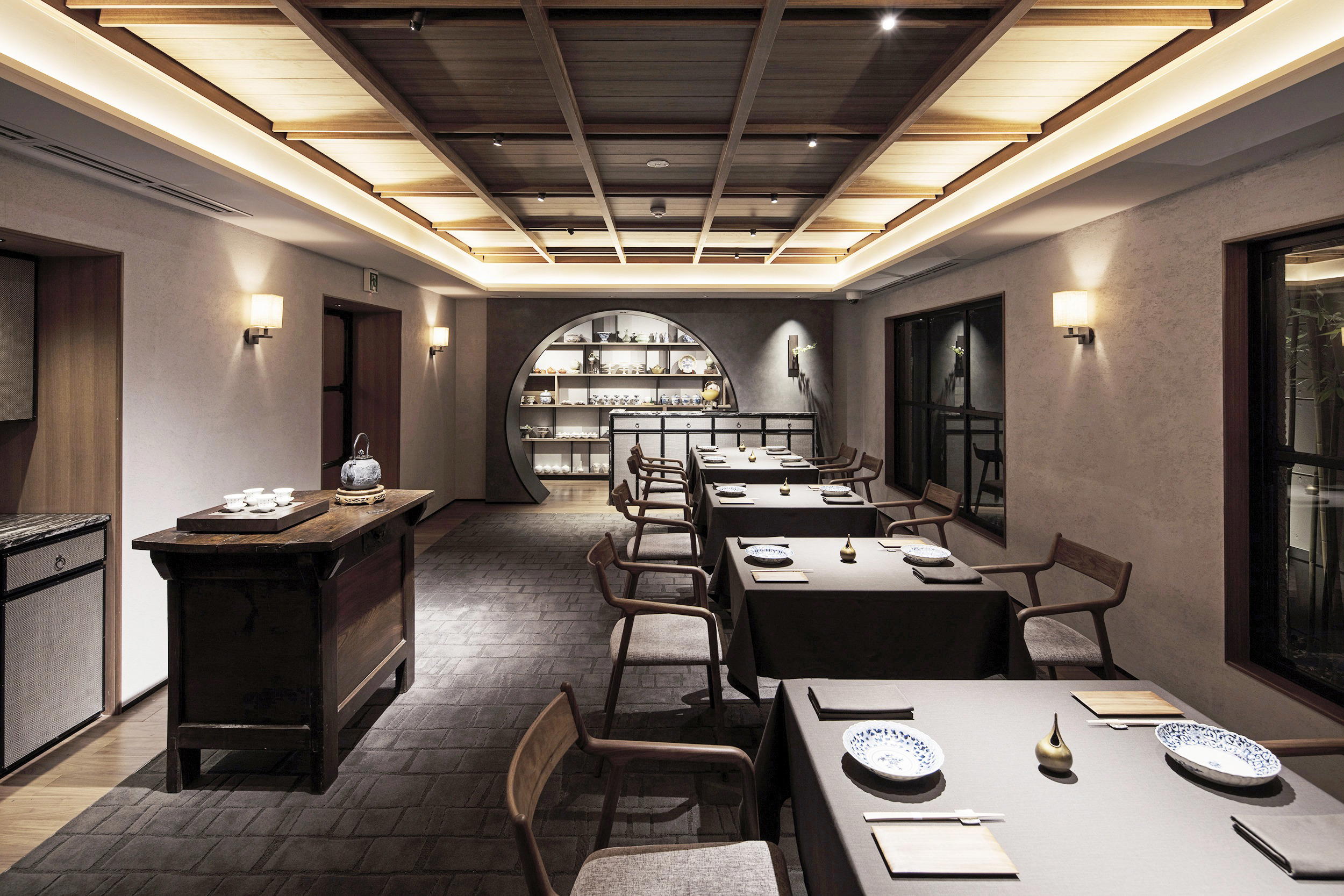
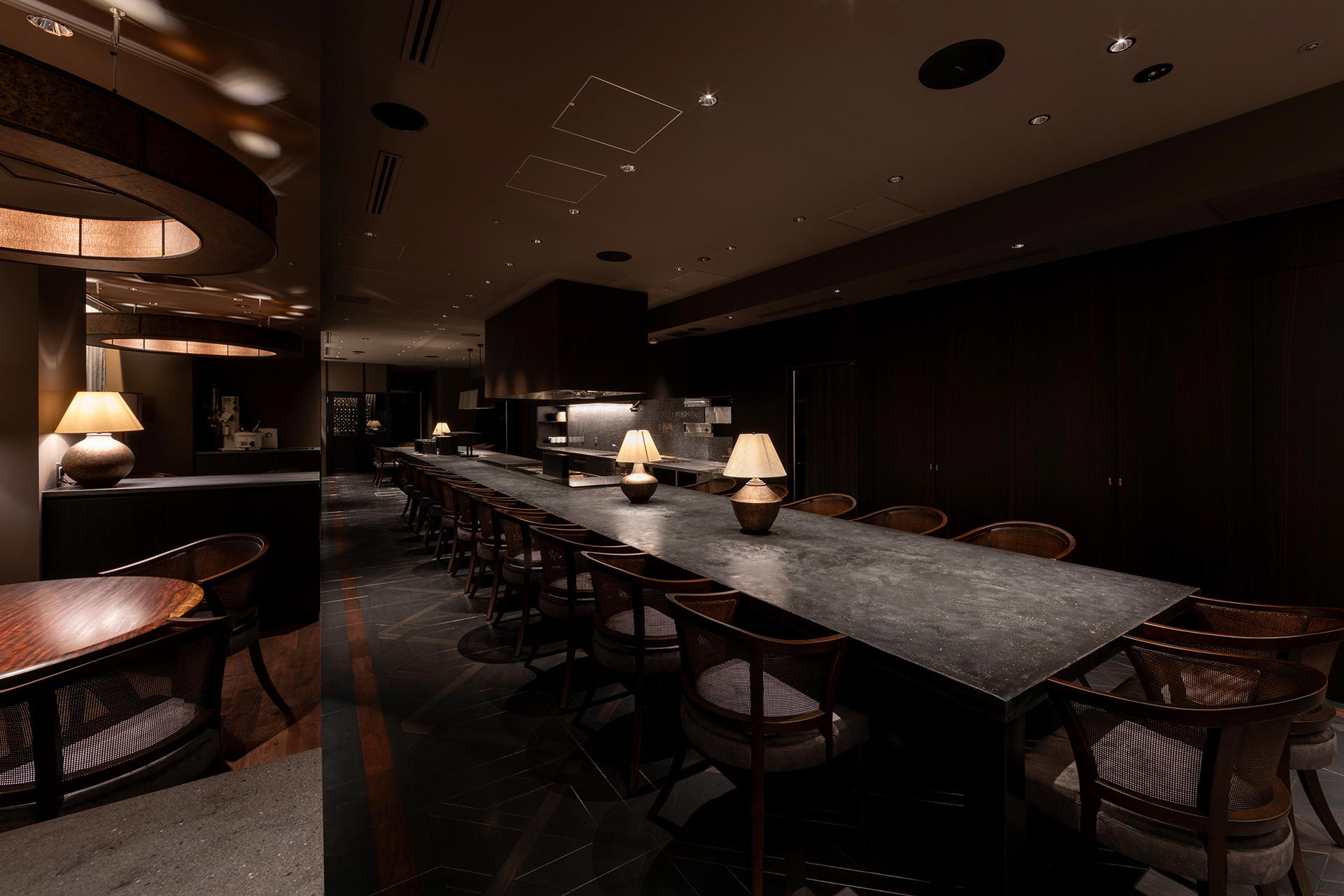
Warm and inviting atmosphere well-suited for unwinding with sweet treats.