In Roppongi's backstreets, Hainan Jeefan Shokudo brings Singapore-style Hainanese chicken rice to a Tokyo neighbourhood better known for high-concept dining. The format is direct: poached chicken, fragrant rice cooked in chicken stock, and the trio of sauces that define the dish across Southeast Asia. An accessible counter to Tokyo's ¥¥¥¥ fine-dining corridor.
Pearl is the En Primeur Club membership app — saves, bookings, and concierge access live there. Same editors, same standards.
- Address
- 六本木6-11-16 (中銀マンシオン裏手), 港区, 東京都, 106-0032
 Saves & bookings on Pearl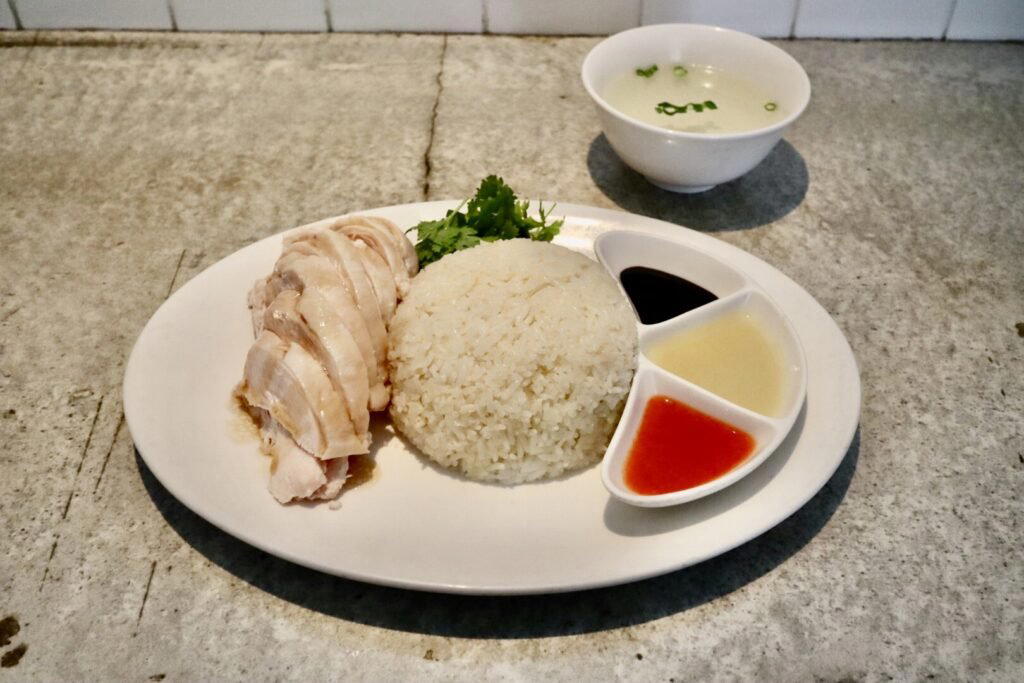
Behind Chukgin Mansion: Roppongi's Southeast Asian Counter
The backstreets behind Chukgin Mansion in Roppongi sit a short walk from some of Tokyo's most formally dressed dining rooms. RyuGin and L'Effervescence operate within the same neighbourhood radius, pulling reservations months in advance and pricing menus well into the ¥¥¥¥ tier. Hainan Jeefan Shokudo (海南鶏飯食堂) is a Singaporean Hainanese chicken rice restaurant in Roppongi, Tokyo, with an accessible price point of about $20 per person. The address, 六本木6-11-16, listed against the rear of that residential block, is the kind of location that signals intent.
Hainanese chicken rice is one of Southeast Asia's most studied dishes precisely because its apparent simplicity is deceptive. The dish originated with Hainanese immigrants to the Malay Peninsula and Singapore in the late nineteenth and early twentieth centuries, where it evolved into a civic food: hawker-stall fare judged rigorously by locals who know exactly what the rice should smell like, what temperature the chicken should hold, and which combination of chilli sauce, ginger paste, and dark soy produces the correct finish. In Singapore, it carries national-dish status. In Tokyo, the format is rarer, which gives a specialist address genuine standing.
The Sourcing Logic Behind a Poached Bird
Hainanese chicken rice is, in ingredient terms, an argument about provenance compressed into a single plate. The dish has almost no place to hide: poached chicken, rice cooked in the resulting stock, and three sauces. When the ingredients are of ordinary quality, the dish is ordinary. When the chicken carries flavour from the bone outward, the signal of a properly raised bird, the stock deepens, the rice absorbs something worth tasting, and the plate becomes coherent. This is why sourcing sits at the centre of any serious version of the dish.
Tokyo's position within Japan's food supply chain is an asset here. The city draws from regional producers across the archipelago, and chicken specifically benefits from Japan's strong poultry farming traditions in prefectures including Miyazaki, Kagoshima, and Aichi, where breeds like Jidori are raised on longer timelines than standard commodity birds. The fat distribution and flavour of a Jidori-style bird translates directly into the quality of the poaching stock, and by extension into the rice. Tokyo's ingredient access makes quality sourcing structurally possible in a way it might not be elsewhere. The editorial point is that this dish rewards that access more directly than most.
The sauces, which in Singapore's hawker tradition are freshly made daily, are the dish's other sourcing variable. Chilli sauce in this context is not a generic condiment; it is built from fresh chillies, ginger, garlic, and lime in proportions that vary by stall and region. Ginger paste functions similarly: the quality of the root and the moment of preparation matter. A shokudo format, the Japanese term for a simple, direct eating house, suggests daily preparation over batch production.
What the Shokudo Format Signals
In Japanese dining, the word shokudo carries a specific register. It implies a focused, unpretentious operation: a short menu, consistent execution, accessible pricing, and a format built around the food rather than around the dining event. This contrasts with the kaiseki and omakase structures that define much of Tokyo's international dining reputation. Harutaka and Sézanne represent that higher-ceremony end of the spectrum; Hainan Jeefan Shokudo represents the other pole, where the value proposition is directness.
This is not a compromise. Some of Tokyo's most consistent eating happens at exactly this format level, where the kitchen is not managing a theatrical experience but is simply cooking the same dish well, repeatedly, over years. The Roppongi location places it within reach of both the neighbourhood's residential population and visitors using the area as a base for the city's broader dining circuit. For someone whose evening involves Crony or a longer tasting menu elsewhere, Hainan Jeefan Shokudo represents the kind of lunch or early-meal option that doesn't compete with dinner but complements it.
Roppongi in Context
Roppongi's dining identity is layered. The district built its international reputation on nightlife and a density of foreign-facing restaurants, but the last decade has seen a quieter accumulation of serious culinary addresses across multiple formats and price points. The area around Roppongi Hills and the Midtown complex holds several destination-level restaurants, while the surrounding streets contain a mix of neighbourhood spots less visible to visitors navigating by guidebook. Hainan Jeefan Shokudo's location, behind a residential building rather than on a main thoroughfare, places it in that second category.
Elsewhere in Japan, HAJIME in Osaka and Gion Sasaki in Kyoto represent the high-ceremony end of the national dining spectrum, while akordu in Nara and Goh in Fukuoka illustrate how regional cities are developing distinctive dining identities. Further afield, specialist addresses like 一本杉 川島亭 in Nanao, 奥田亭 in Sapporo, 琵琶湖荘 in Takashima, and 庄羽屋 in Nishikawa Machi show how Japan's secondary cities reward itinerary depth. For poultry-focused eating specifically, Birdland in Sakai and ingredient-driven neighbourhood spots like Bistro Ange in Toyohashi offer useful comparison points. Internationally, Le Bernardin in New York City and Atomix in New York City anchor the premium end of their respective categories.
Planning Your Visit
Location: 六本木6-11-16 (中銀マンシオン裏手), Minato-ku, Tokyo 106-0032, rear of Chukgin Mansion, accessed from the backstreets off Roppongi's main corridor. Reservations are recommended. Budget: About $20 per person. Dress code: casual.
Cuisine Context
Comparable venues nearby, for context on price, style, and recognition.
| Venue | Cuisine | Price | Notes |
|---|---|---|---|
| Hainan Jeefan Shokudo (海南鶏飯食堂)This venue — the venue you are viewing | Singaporean Hainanese Chicken Rice | $$ | Not listed |
| YOGORO | Japanese Curry | $$ | Shibuya |
| 根深 | Tempura Kakiage | Not listed | Minato |
| La Precieuse Yotsuya ten | Dining | Not listed | Chiyoda |
| いこま寿司 | Traditional Edomae Sushi | $$ | Setagaya (Umegaoka) |
| Tempura Kurokawa | Traditional Tempura & Tendon | $$ | Chūō |







At a Glance
- Cozy
- Intimate
- Casual Hangout
- Group Dining
- After Work
- Terrace
- Standalone
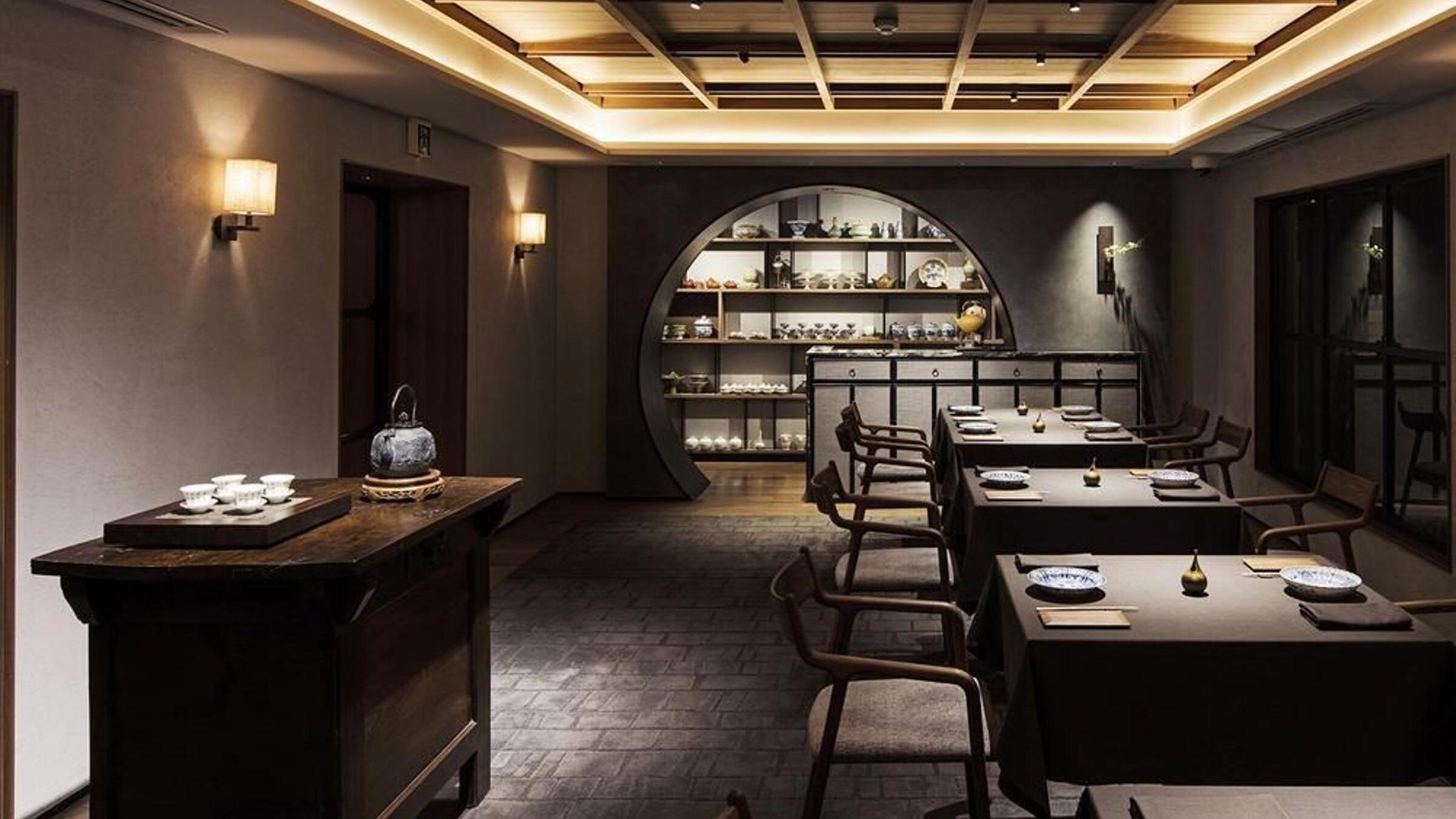
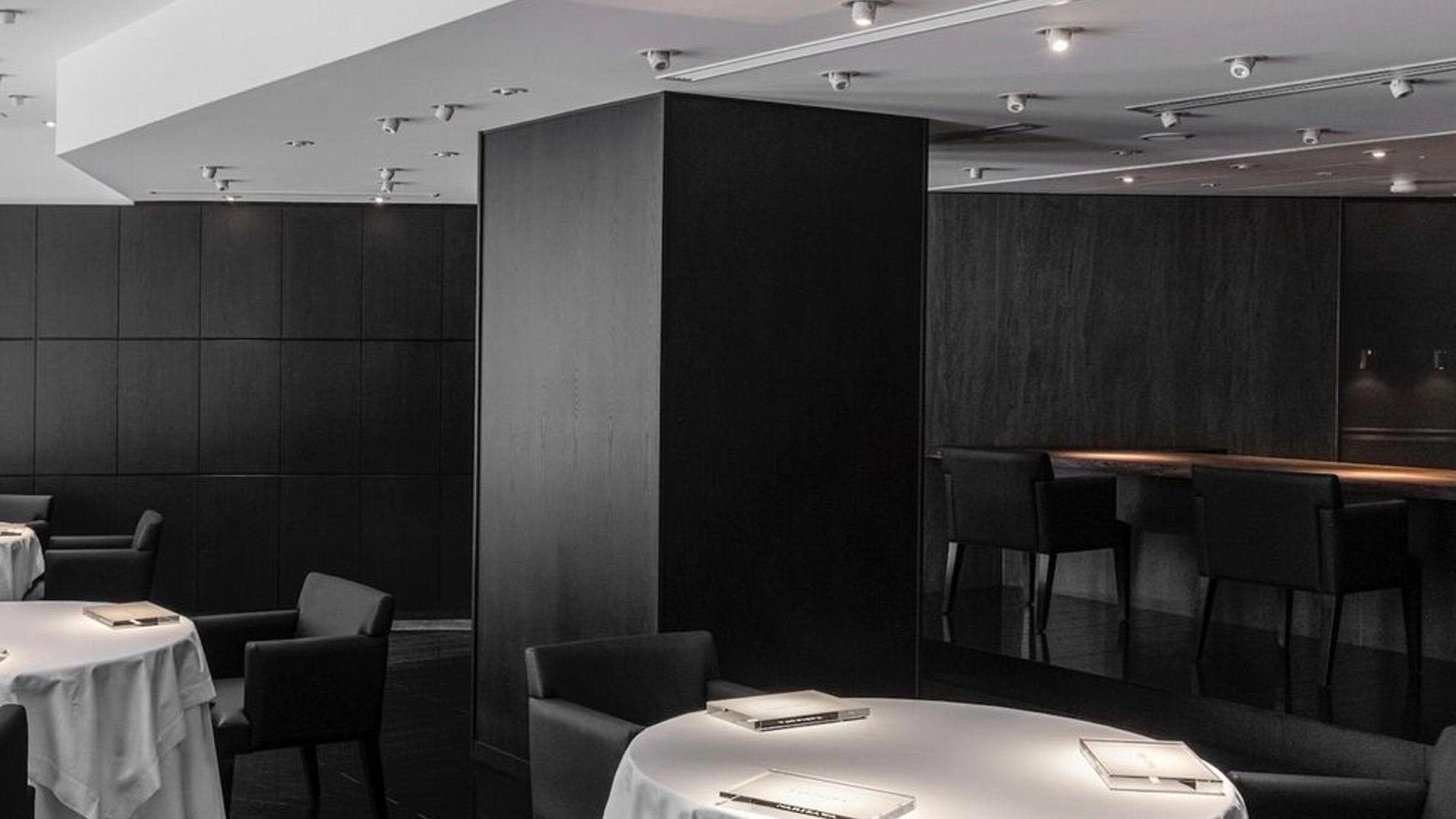
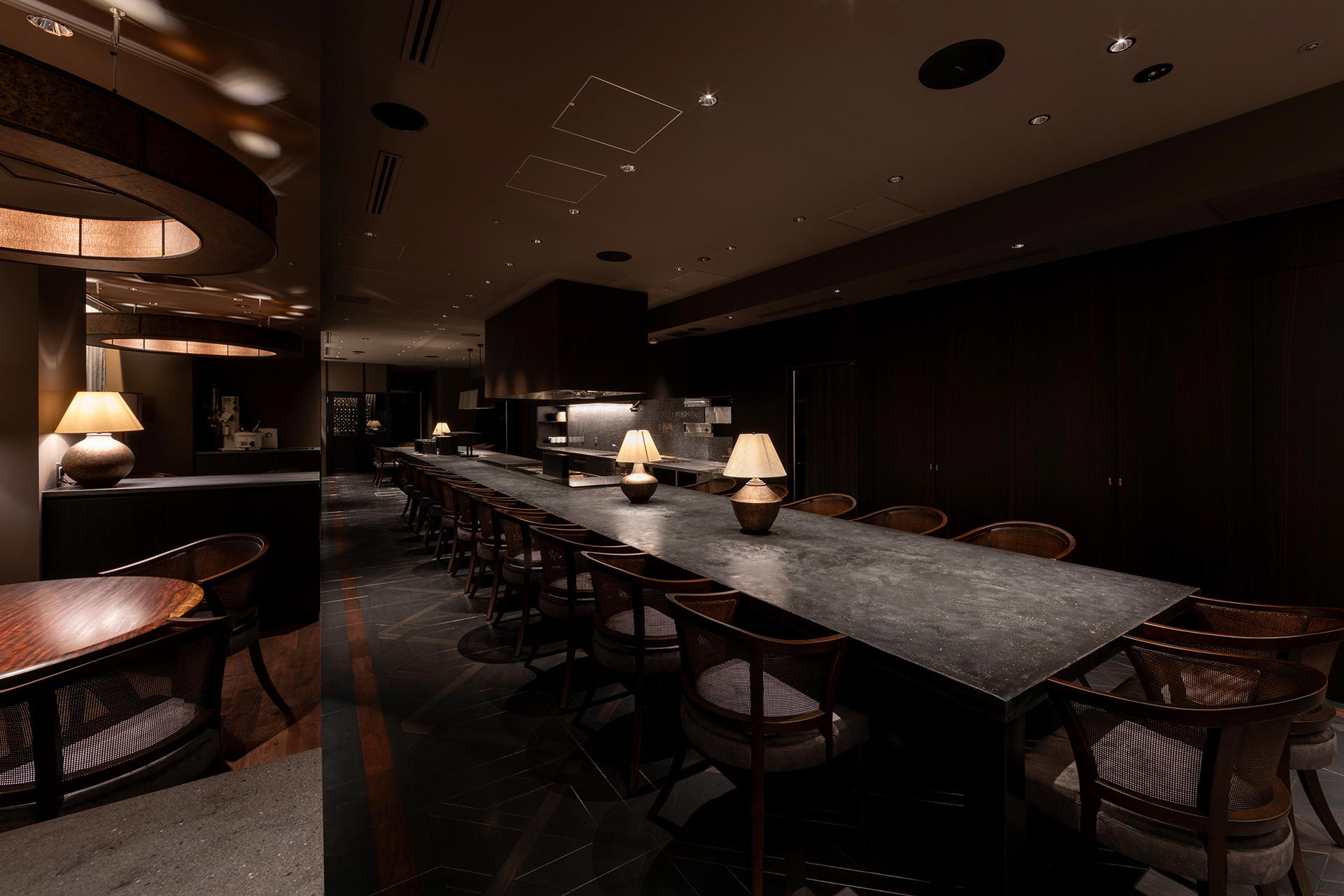
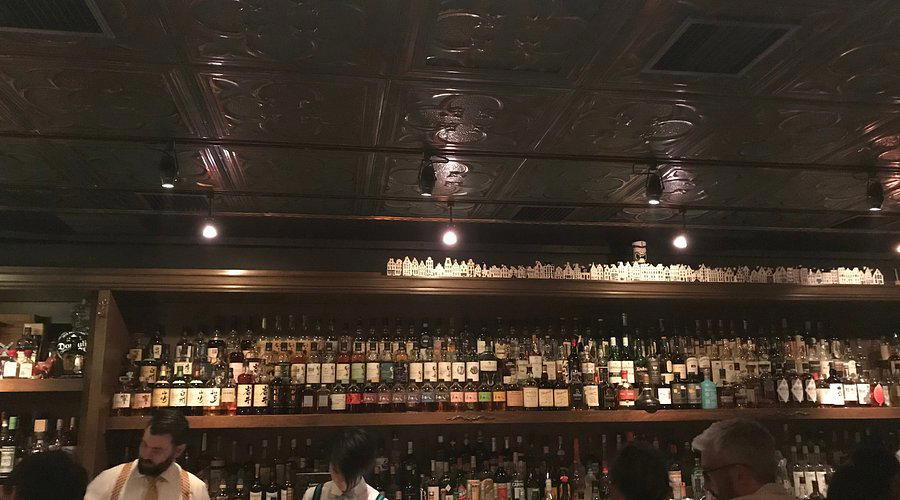
Sparsely decorated with dark wood and simple furnishings; intimate and casual neighborhood diner atmosphere with a quiet backstreet location.