いこま寿司 is a sushi restaurant in Setagaya, Tokyo, operating in one of the city's quieter residential wards rather than the high-visibility corridors of Ginza or Roppongi. The address alone signals a neighbourhood-rooted approach distinct from the capital's destination-dining circuit. Visitors seeking sushi outside the central omakase tier will find Setagaya's local counter culture worth investigating.
Pearl is the En Primeur Club membership app — saves, bookings, and concierge access live there. Same editors, same standards.
- Address
- 松原6-4-5, 世田谷区, 東京都, 156-0043
- Directions
- Get directions
 Saves & bookings on Pearl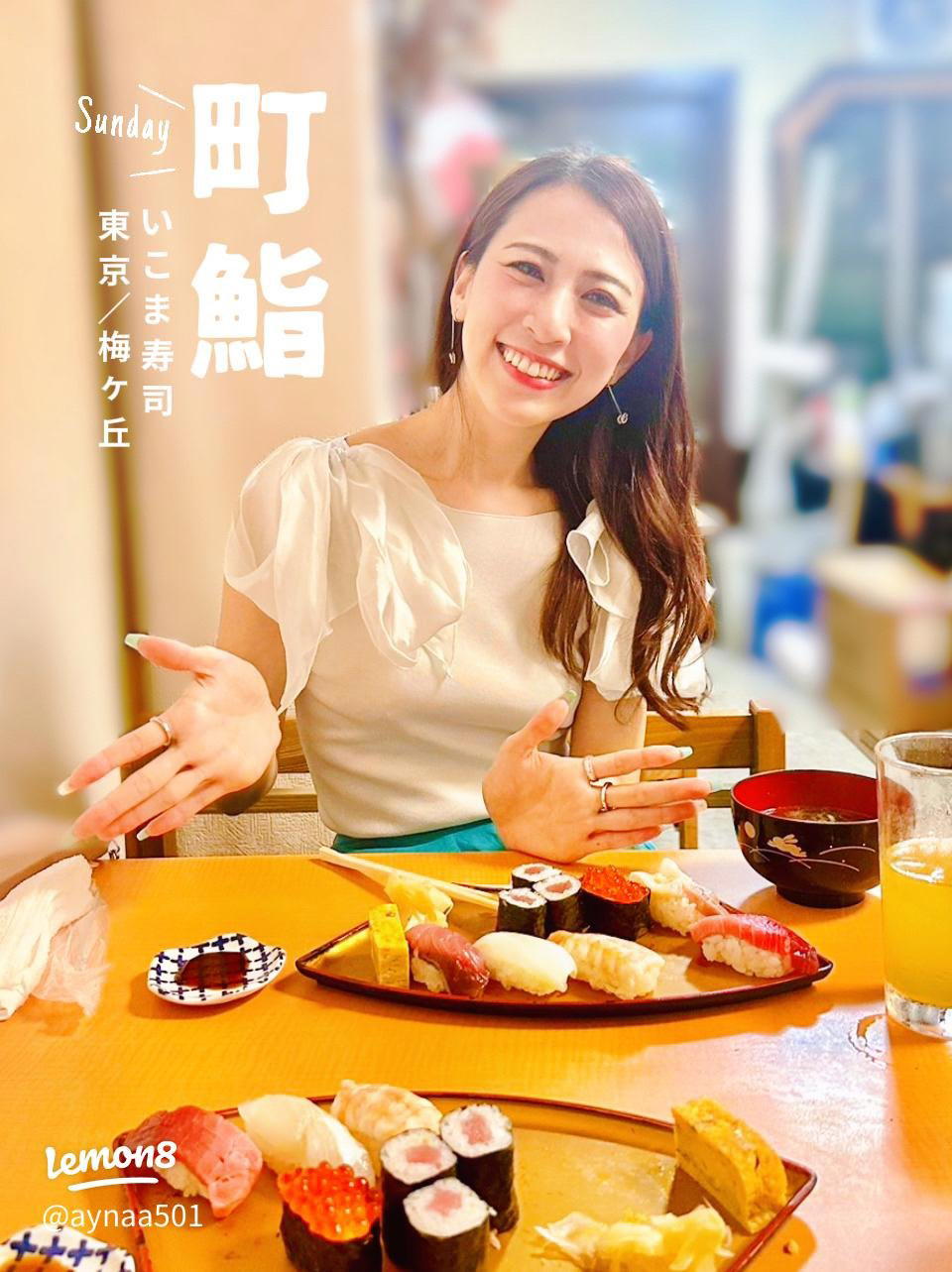
Setagaya and the Residential Sushi Tradition
Tokyo's sushi conversation tends to collapse into a handful of familiar postcodes: Ginza, Azabu-Juban, Roppongi. The counters in those districts, places like Harutaka at the high-omakase tier, price against an international clientele and carry the weight of Michelin attention. What that focus consistently obscures is the parallel track of neighbourhood sushi that has run through Tokyo's residential wards for generations, largely indifferent to the destination-dining circuit and sustained by local regulars rather than visiting critics.
Setagaya-ku sits southwest of the Yamanote loop, a sprawling ward of low-rise streets, shotengai shopping arcades, and the kind of dining that exists primarily because residents need it. いこま寿司, addressed at Matsubara 6-4-5, operates within that fabric. Matsubara is a quiet sub-neighbourhood between Shimo-Kitazawa and Sangenjaya, two areas with their own distinct characters, and the address places いこま寿司 firmly in the residential grain of the ward rather than at a transit hub or commercial strip.
What the Neighbourhood Counter Represents
The sushi tradition in Tokyo was never exclusively a luxury format. Before omakase became the dominant frame through which international audiences understood the cuisine, neighbourhood sushi-ya functioned as accessible, technically grounded dining that required no ceremony or advance planning. This tier of establishment has contracted in the city's central wards as real estate pressure and the economics of destination dining have pushed out lower-margin operations. In Setagaya, that contraction has been slower, and the residential counter tradition persists in a form that has largely vanished from Chiyoda or Minato.
The cultural weight of the local sushi-ya goes beyond convenience. These counters historically represented a direct relationship between itamae and neighbourhood: a chef who knew returning customers, sourced for a consistent local clientele, and operated on the understanding that the same diners would return week after week. That dynamic produces a different kind of craft than the performance-oriented omakase counter, where each seating is often a one-time encounter with a traveller or special-occasion diner. The neighbourhood format, at its leading, rewards regulars with a quality of attention that doesn't require a reservation made months in advance or a five-figure bill.
For context on how Tokyo's premium dining tier operates, the gap between a counter like Harutaka and a Setagaya neighbourhood sushi-ya is not just financial. It reflects two distinct relationships between chef and guest, two different conceptions of what an evening at a sushi counter is for. Neither is a lesser version of the other; they belong to different traditions with different measures of success.
Sushi in the Broader Japanese Fine Dining Context
Japan's restaurant culture is usefully understood as a set of overlapping tiers rather than a single hierarchy. At the summit of the formal dining spectrum, kaiseki houses like RyuGin represent one apex, while French-inflected kitchens such as L'Effervescence and Sézanne occupy another. Innovative formats, including Crony, add a further dimension. Sushi sits across multiple tiers simultaneously: from the ¥¥¥¥ omakase counter with months-long booking queues to the neighbourhood sushi-ya where the barrier to entry is geographic proximity and the willingness to show up.
That range is worth holding in mind when considering any Tokyo sushi address. The critical variables are not only quality and price but format, relationship, and what the diner is actually seeking. A Setagaya counter is not a compromise version of Ginza omakase; it is a different proposition entirely, one rooted in the ward's social fabric rather than in the logic of destination dining.
Beyond Tokyo, the tradition of locally anchored Japanese restaurants extends across the country. Gion Sasaki in Kyoto and HAJIME in Osaka each demonstrate how deeply rooted restaurant culture can be outside the capital's high-visibility circuits. Regional addresses like Goh in Fukuoka and akordu in Nara further illustrate the geographic spread of serious Japanese dining, while more locally embedded counters such as 一本木 宝川制 in Nanao, 古代山乃 in Sapporo, 湖畔荘 in Takashima, 庄羽屋 in Nishikawa Machi, Birdland in Sakai, and Bistro Ange in Toyohashi point to the same phenomenon of high-craft dining operating at neighbourhood scale, far from critical spotlight.
The international comparators are also instructive: Le Bernardin in New York City and Atomix in New York City occupy the destination-dining tier in their respective categories. The gap between those addresses and a neighbourhood restaurant on the Upper West Side is structurally similar to the gap between Ginza omakase and a Setagaya sushi-ya. Both pairs represent legitimate excellence operating at different scales and for different purposes.
Approaching いこま寿司
That absence is, in its own way, characteristic of the neighbourhood tier: these establishments rarely pursue recognition and rarely need to. Their sustainability comes from the Matsubara streets around them, not from appearing in international press.
What can be said with confidence is that the address in Setagaya-ku places いこま寿司 in a ward with a genuine residential dining culture, at a remove from the tourist-facing sushi economy of central Tokyo. For those already in Setagaya, or those whose itinerary takes them through the southwestern wards, it represents the kind of local encounter that a Ginza counter cannot replicate by design.
Know Before You Go
- Address: 松原6-4-5, 世田谷区, 東京都, 156-0043
- Nearest area: Matsubara, between Shimo-Kitazawa and Sangenjaya, Setagaya-ku
- Price range: About US$15 per person
- Booking: Format not confirmed; walk-in availability unknown
- Dress code: Casual
- Awards: None recorded
Budget Reality Check
Comparable venues nearby, for context on price, style, and recognition.
| Venue | Cuisine | Price | Notes |
|---|---|---|---|
| いこま寿司This venue — the venue you are viewing | Not listed | $$ | Not listed |
| Maidreamin Shibuya Store | Shibuya, Japanese Maid Cafe | $$ | Not listed |
| TORAYA TOKYO | Not listed | $$ | Chiyoda, Traditional Japanese Wagashi & Tea Café |
| 食堂 わた | Shinjuku, Casual Japanese Izakaya | $$ | Not listed |
| kitchen and CURRY | Setagaya, Seasonal Japanese Curry | $$ | Not listed |
| Yakitori Miyagawa | Chūō, Traditional Yakitori Izakaya | $$ | Not listed |









At a Glance
- Classic
- Cozy
- Casual Hangout
- Sake Program
Cozy, year-worn interior evoking traditional charm with a welcoming neighborhood feel.