
YOGORO belongs to Tokyo’s compact curry-counter tradition rather than the city’s luxury dining economy. Its Jingumae room, 13-seat scale, cash-only rhythm, and Tabelog Curry TOKYO 100 selection in 2024 make it a useful reference point for how serious casual dining works in Shibuya: small spaces, low prices, and little tolerance for over-planning.
Pearl is the En Primeur Club membership app — saves, bookings, and concierge access live there. Same editors, same standards.
- Address
- 東京都渋谷区神宮前2-20-10 小松ビル 1F
- Phone
- +81337469914
- Website
- tabelog.com
 Saves & bookings on Pearl
The approach to a small Tokyo curry room changes the meal before the first order. Jingumae sits between Harajuku’s fashion traffic, Sendagaya’s quieter backstreets, and Kita-Sando’s practical station grid, so dining here is less grand arrival than street-level city reading. Curry shops in this part of Tokyo often work in tight containers: counter seats, a few tables, condensed service, quick turnover, and a room that asks diners to follow flow rather than ceremony.
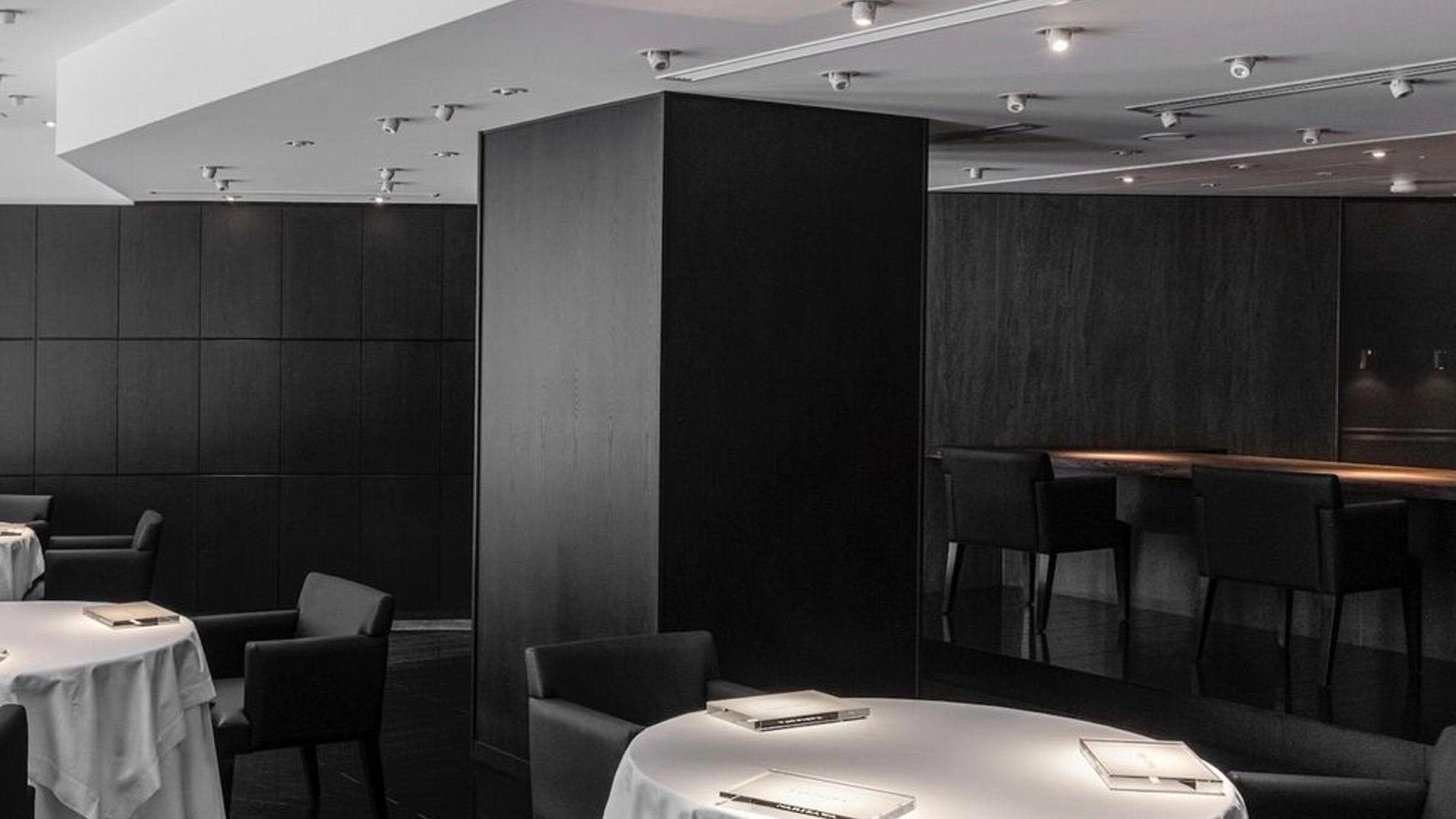
YOGORO fits that grammar. The room has 13 seats, split between four counter places and nine table seats, placing it closer to Tokyo’s serious everyday dining culture than its reservation-driven tasting-menu economy. That matters. In Tokyo, curry is not just a budget category; it has hierarchies, obsessive regulars, and specialist lists. Selection for Tabelog Curry TOKYO 100 in 2024 puts this Jingumae address inside that specialist conversation, while the low spend bracket keeps the experience grounded in the city’s lunch-and-early-evening rhythms.
A compact Jingumae room built for curry, not theatre
Tokyo’s small restaurants often show intent through layout before menu language. A four-seat counter changes the room: single diners are absorbed without fuss, pairs sit close to the working rhythm, and larger groups feel less natural. The table arrangement, one table for five and two tables for two, suggests practical movement rather than lingering spectacle. In a city where premium dining can make scarcity performative, better casual specialists make constraint functional.
That spatial discipline belongs to Tokyo curry tradition. The category rewards focus: a narrow kitchen, small dining room, and format repeated with precision across lunch and dinner without multi-course choreography. YOGORO’s non-smoking policy and counter seating keep the experience clean-lined and direct. The signal is not luxury; it is compression. Every seat has a job, every table has a limit, and the meal sits in the city’s everyday specialist tier.
The Jingumae comparison set clarifies this. MOKUBAZA sits in a slightly higher dinner spend bracket; Handmade buckwheat Matsunaga occupies the soba lane with a comparable lunch economy; EMILIA and Jingumae Higuchi belong to more expensive sit-down categories. Curry at this level competes less with fine dining than with other precision casual formats: soba, ramen, yakitori, tonkatsu, and small Japanese counters where repeatability marks seriousness. For a broader city map, start with Our full Tokyo restaurants guide, then compare adjacent formats such as 124. KAGURAZAKA (Yakitori), 12/10 Shinjuku ten, and . 鮪と炭火焼き うお炭 秋葉原店.
Tokyo curry as a serious casual category
Many visitors mistake Tokyo curry for a fallback meal. The city’s curry culture is broader: Japanese curry-rice shops, spice-curry specialists, South Asian-influenced counters, café hybrids, and neighborhood institutions share a public conversation without serving the same purpose. A Tabelog Curry TOKYO 100 selection separates the specialist tier from generic lunch. It does not turn the meal into fine dining, which is the point.
YOGORO opened in 2009, giving it a longer run than many trend-led curry rooms in Tokyo’s fashion-adjacent districts. Its 3.79 listing score also matters locally: Tabelog ratings in Japan cluster tightly, and numbers above the mid-threes can signal sustained diner confidence rather than casual popularity. The better reading is not universal ranking, but held relevance in a crowded city category where diners have many substitutes within a short train ride.
Price reinforces that role. A JPY 1,000 to JPY 1,999 bracket places the meal among Tokyo’s value-dense specialist lunches and casual dinners, where room, queue discipline, payment method, and turnover can matter as much as décor. This is where Tokyo differs from many luxury-food cities. Seriousness is not always tied to a tasting menu, sommelier, or design commission. It can sit in a narrow room with a counter, limited seats, and a category locals judge closely.
Travelers building a curry itinerary can compare beyond Tokyo with 3 Chome no Curry Ya San and [Curry Senmon Ten] Maruyama Kyoju. in Sapporo. The contrast helps: Tokyo’s curry scene is dense, quick-moving, and neighborhood-specific, while regional specialists reveal different spice preferences, room sizes, and service habits. For other Japan detours, [ki:] in Kyoto.cafe in Osaka.know in Kumamoto, (Shoku) Vietnam in Kawasaki, and -Grilled beef Sukiyaki- KAMAKURA TANUKIAN 鎌倉 たぬき庵 in Kamakura show how casual formats shift outside central Tokyo.
How to read the room before committing
The practical intelligence is simple: physical scale defines the experience. With 13 seats and no private rooms, this is not for a complicated group meal or long business dinner. It suits one or two diners comfortable with a compact room and direct meal. Parking is unavailable, normal for this part of Tokyo and another reason the station approach matters. Cash-only payment also places it in the older Tokyo casual-dining tradition, where a serious food address may remain operationally plain.
Service pattern matters too. Reservations are unavailable, so timing is the diner’s main tool. This is common among small Tokyo specialists, especially where the kitchen runs a focused menu and the room turns naturally. Sunday and public-holiday closures shape planning, and weekday service with a lunch break means this is not an anytime backup. Treat it as a fixed part of a Jingumae or Harajuku day, not an improvised final stop after a long evening elsewhere.
For visitors using YOGORO in a larger Tokyo plan, the neighborhood pairs naturally with design retail, galleries, and low-key coffee rather than hotel dining circuits. Compare the city by category through Our full Tokyo hotels guide, Our full Tokyo bars guide, Our full Tokyo wineries guide, and Our full Tokyo experiences guide. For a lighter visual counterpoint, 2D Cafe shows how Tokyo can make room design the central draw. Further afield, Jōdo Saké Bar in Los Angeles and Onigiri Time in Pasadena show Japanese casual formats changing meaning when they travel. In Jingumae, the value is the original urban condition: small room, narrow category, serious local scrutiny, and little excess around the meal.
Comparable Spots, Quickly
Comparable venues by category and price.
| Venue | Cuisine | Price | Notes |
|---|---|---|---|
| YOGOROThis venue — the venue you are viewing | Japanese Curry | $$ | Not listed |
| Zero One Curry A.o.D. | South Indian Curry & Natural Wine | $$ | Minato |
| spice kitchen moona | Spice-driven Indian & Asian curry bar | $$ | Setagaya |
| Accha Kana | European-style curry house in Futakotamagawa | $$ | Setagaya |
| Eric South Toukyou gaaden terasu ten | South Indian Curry & Biryani | $$ | Chiyoda |
| NANDHINI Toranomon ten | Authentic South Indian (Halal) Restaurant | $$ | Minato |
Recognition history
Dated appearances from independent guides and award organizations, with the underlying list record or original source where available.
Tabelog 100 #24 · No. 24
Tabelog · Tabelog 100 - Curry - TOKYO - 2024













At a Glance
- Intimate
- Cozy
- Classic
- Solo
- Casual Hangout
- Standalone
A small, simple, no-frills curry spot with a cozy, intimate feel that reviewers describe as a low-profile address.