In Roppongi's dense dining corridor, 根深 occupies the intersection where classical Japanese technique meets produce sourced well beyond Tokyo's immediate radius. The kitchen applies structured, method-driven cooking to ingredients whose character comes from specific regional provenance across Japan. For those working through the capital's serious restaurant tier, it belongs on the shortlist alongside the neighbourhood's other precision-focused addresses.
Pearl is the En Primeur Club membership app — saves, bookings, and concierge access live there. Same editors, same standards.
- Address
- Japan, 〒106-0032 Tokyo, Minato City, Roppongi, 6 Chome−8−28 宮﨑ビル 202
- Phone
- +81 70-2488-0214
- Website
- omakase.in
- Directions
- Get directions
 Saves & bookings on Pearl
Roppongi sits at a particular crossroads in Tokyo's restaurant geography. It carries the legacy of a district that has, at various points, housed some of the city's most formally ambitious kitchens alongside tourist-facing operations that dilute the signal. The serious addresses here have learned to signal their intent through format rather than fanfare: deliberate pacing and a sourcing philosophy that anchors the cooking in something traceable. 根深, located at Japan, 〒106-0032 Tokyo, Minato City, Roppongi, 6 Chome−8−28 宮﨑ビル 202, operates in that mode.
Where Local Sourcing Meets Structured Technique
Tokyo's upper-tier dining has shifted as much through sourcing as through style. Kitchens that once imported prestige and method from France or Scandinavia now compete on the specificity of their domestic sourcing. Producers in Akita, Oita, Kyushu, and Hokkaido have become reference points in the same way that particular Burgundy appellations are cited in European fine dining. 根深 positions itself within this current: the name itself, translating roughly as "deep-rooted," telegraphs an orientation toward what is under the soil rather than what arrives by air freight.
This approach has found its strongest expression in restaurants across Japan that pair classical structure, whether European or kaiseki-derived, with ingredients that carry genuine regional identity. HAJIME in Osaka has long operated on this logic, as has Gion Sasaki in Kyoto, where kaiseki discipline is applied to produce whose provenance is stated with the precision of a wine label. In Nara, akordu threads Basque technique through Japanese ingredients with notable coherence. 根深 enters this conversation from a Roppongi address, which places it in a different competitive gravity, closer to the capital's international dining audience and the expectations that come with it.
The Roppongi Context
Among Tokyo's premium dining neighbourhoods, Roppongi operates differently from Ginza or Minami-Aoyama. Ginza's omakase counters, including the sushi tier where Harutaka operates, tend toward a ritual formalism that is legible to an international audience precisely because the format is codified. Minami-Aoyama houses kitchens like L'Effervescence, where French technique has been reinterpreted through a distinctly Japanese sensibility over many years of settled identity. Roppongi, by contrast, has always accommodated more variation in its dining register, which creates space for a restaurant like 根深 to establish its position without the weight of a single dominant neighbourhood format.
Nearby, RyuGin has held a defining position in the Roppongi fine dining tier for well over a decade, with its kaiseki framework updated by a kitchen that treats seasonal Japanese produce with scientific precision. That presence sets a high-water mark for the area's serious cooking and provides a useful calibration point: any new address in this postcode is implicitly measured against it. Crony, which operates a French-inflected innovative format nearby, represents another point on the same map.
Technique as the Carrier, Not the Message
The editorial angle that applies most cleanly to 根深 is the relationship between imported method and indigenous material. Japanese kitchens that have absorbed French brigade structure, or Scandinavian fermentation protocols, or Spanish technique, face a distinct creative challenge: whether the technique serves the ingredient or the other way around. When technique becomes the message, the result is a kitchen that showcases craft but communicates little about place. When technique is the carrier, the ingredient's provenance and character arrive intact at the table.
This distinction maps directly onto what separates the strongest kitchens across Japan's regional dining circuit. Goh in Fukuoka and Abon in Ashiya both demonstrate how regional ingredients, handled with technical discipline, produce a cooking identity that is neither purely traditional nor purely international. Further north, affetto akita in Akita and aki nagao in Sapporo work with cold-climate produce whose density and mineral quality reward kitchens trained to extract rather than mask. In Imabari and Oita, Akakichi and Aji Arai are among a cohort that has made local sourcing a structural commitment rather than a garnish on the menu description. Ajidocoro in Yubari District extends this logic into Hokkaido's agricultural interior.
The question 根深 poses for Tokyo is whether a kitchen in Roppongi can maintain the sourcing integrity that regional addresses hold almost by default, given the supply chain distances and the expectations of an internationally mobile dining audience. The answer, based on what the restaurant signals through its positioning, appears to be affirmative.
Comparative Tier and Value Logic
Tokyo's upper-end dining has stratified more sharply over the past five years. The Michelin-anchored tier, where per-person costs can exceed ¥40,000 at counters benchmarked against Sézanne or the sushi rooms of Ginza, operates at a remove from restaurants that price against a different comparable set. Kitchens oriented around local-ingredients-global-technique tend to occupy a middle premium band where the value proposition rests on the narrative of provenance rather than the credential of accolades.
For context, globally recognised kitchens that have mastered this same intersection, such as Le Bernardin in New York City on the technique-mastery side, or Lazy Bear in San Francisco on the creative-provenance side, demonstrate that this format sustains strong loyalty among diners who prioritise coherence of vision over category prestige. 根深, operating in the same register from a Tokyo address, inherits both the opportunity and the burden of that comparison.
Know Before You Go
Cuisine-First Comparison
Comparable venues nearby, for context on price, style, and recognition.
| Venue | Cuisine | Price | Notes |
|---|---|---|---|
| 根深This venue — the venue you are viewing | Tempura Kakiage | Not listed | Not listed |
| Tomita at NRT | Tsukemen Ramen | $$ | Narita Airport |
| 海月 | japanese | Not listed | Shibuya |
| Tonkatsu Meguro Kogane | Traditional Tonkatsu (Hayashi SPF Pork) | $$ | Shinagawa |
| Hototogisu | Michelin-Starred Seafood Ramen | $$ | Shinjuku |
| Saryo Tsujiri Daimaru tokyo ten | Traditional Japanese matcha café & parfaits | $$ | Chiyoda |








At a Glance
- Date Night
- Business Dinner
- Sake Program
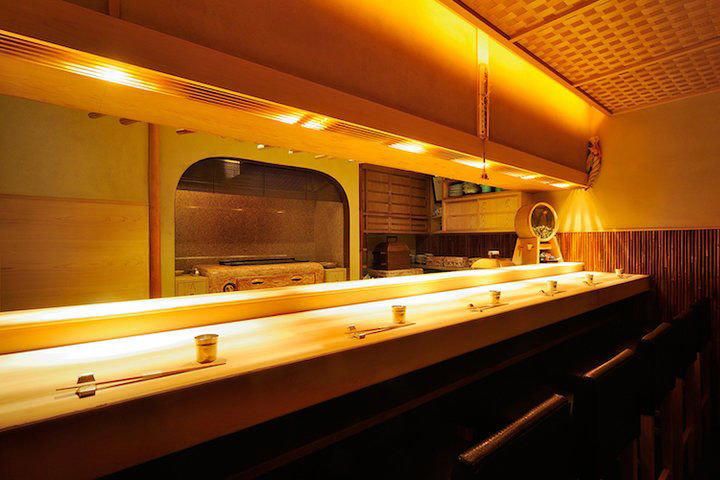
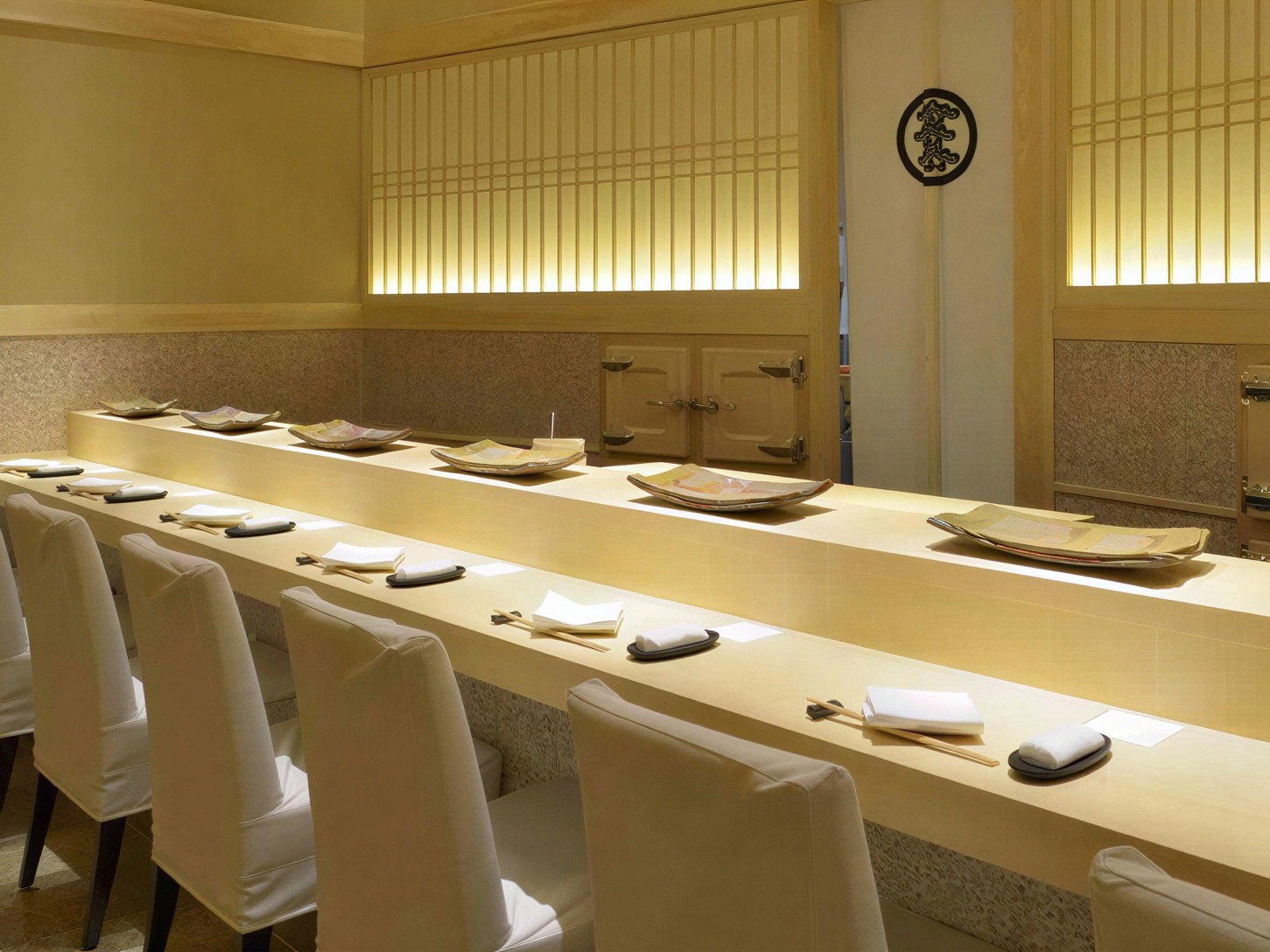
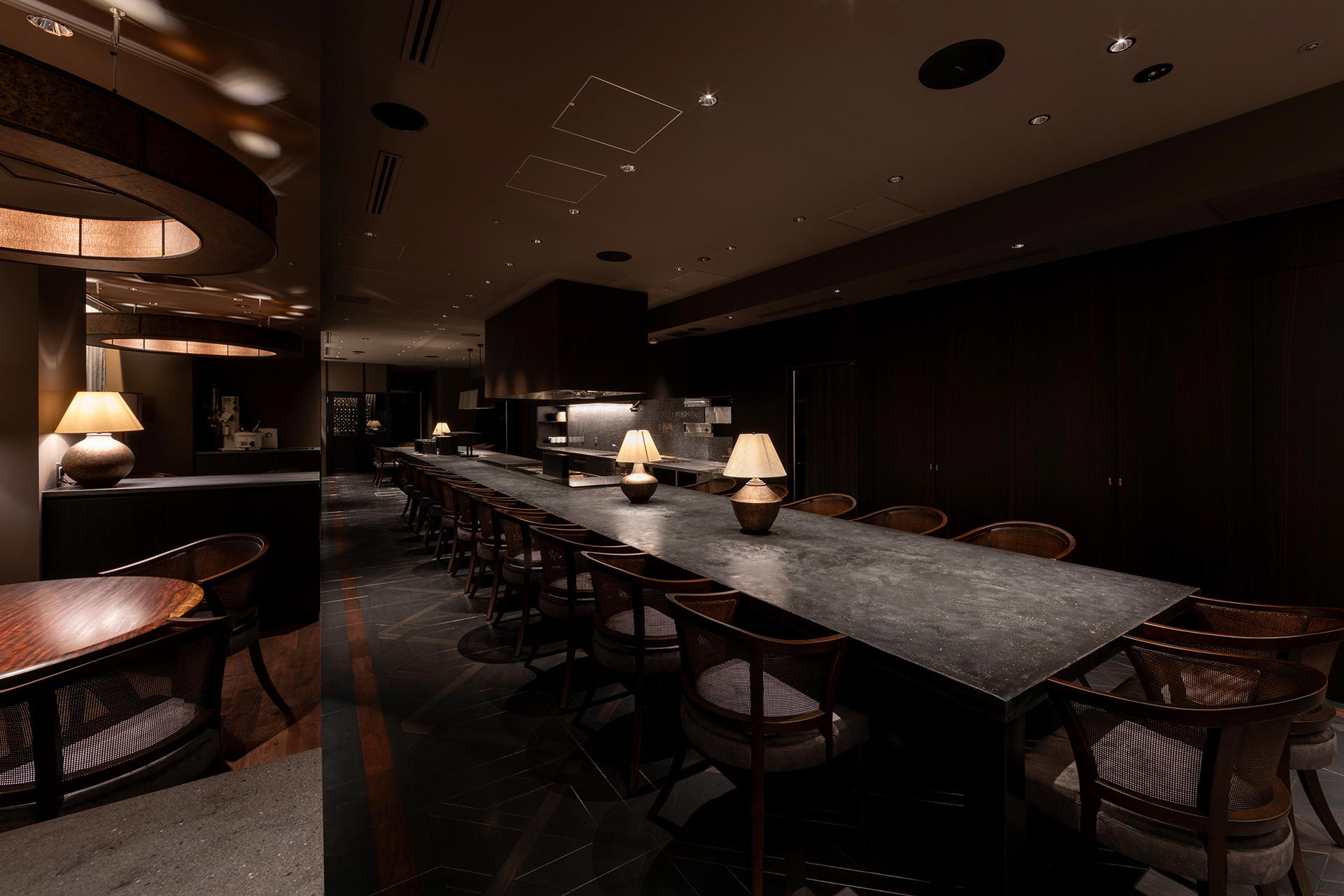
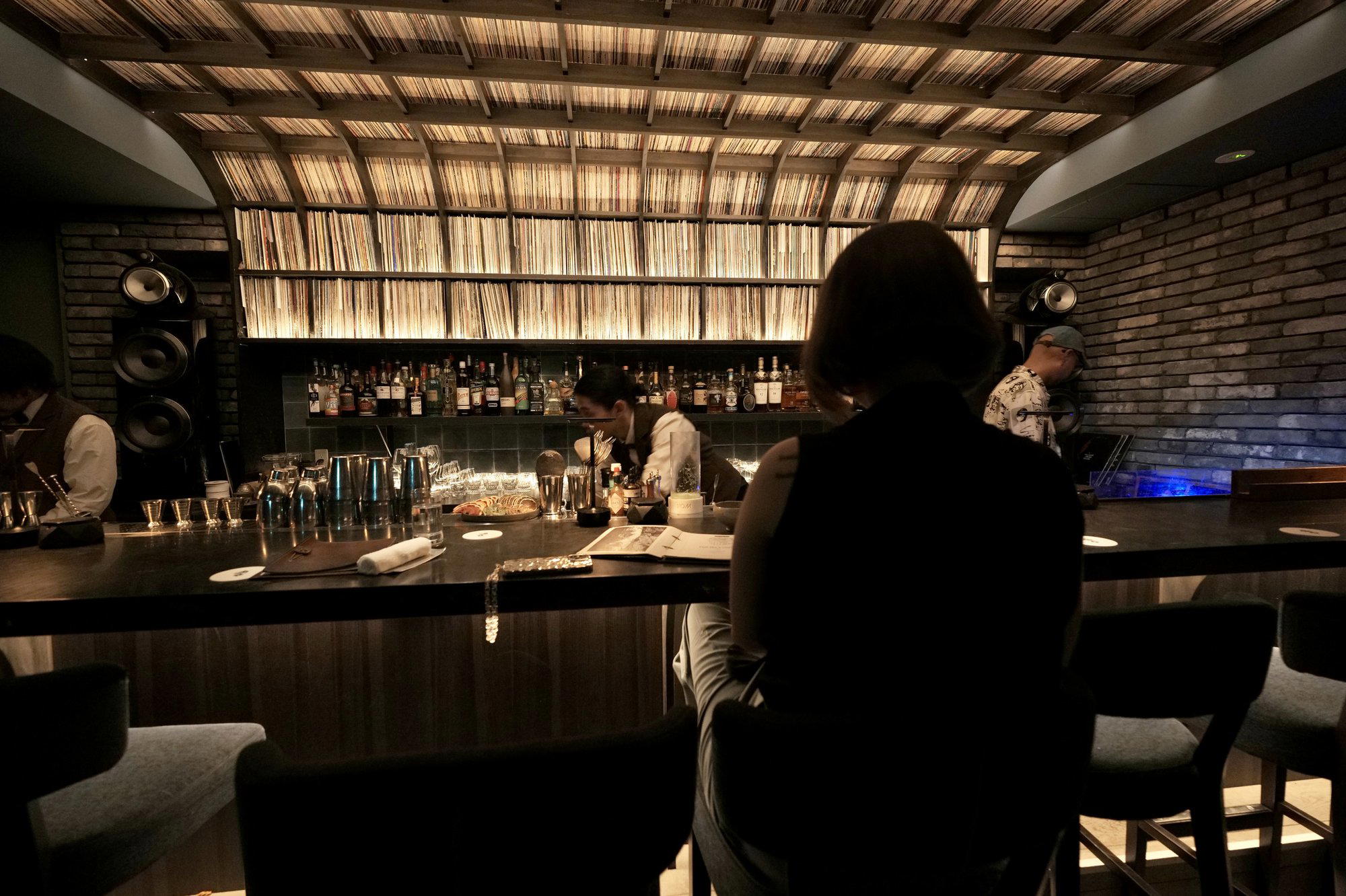
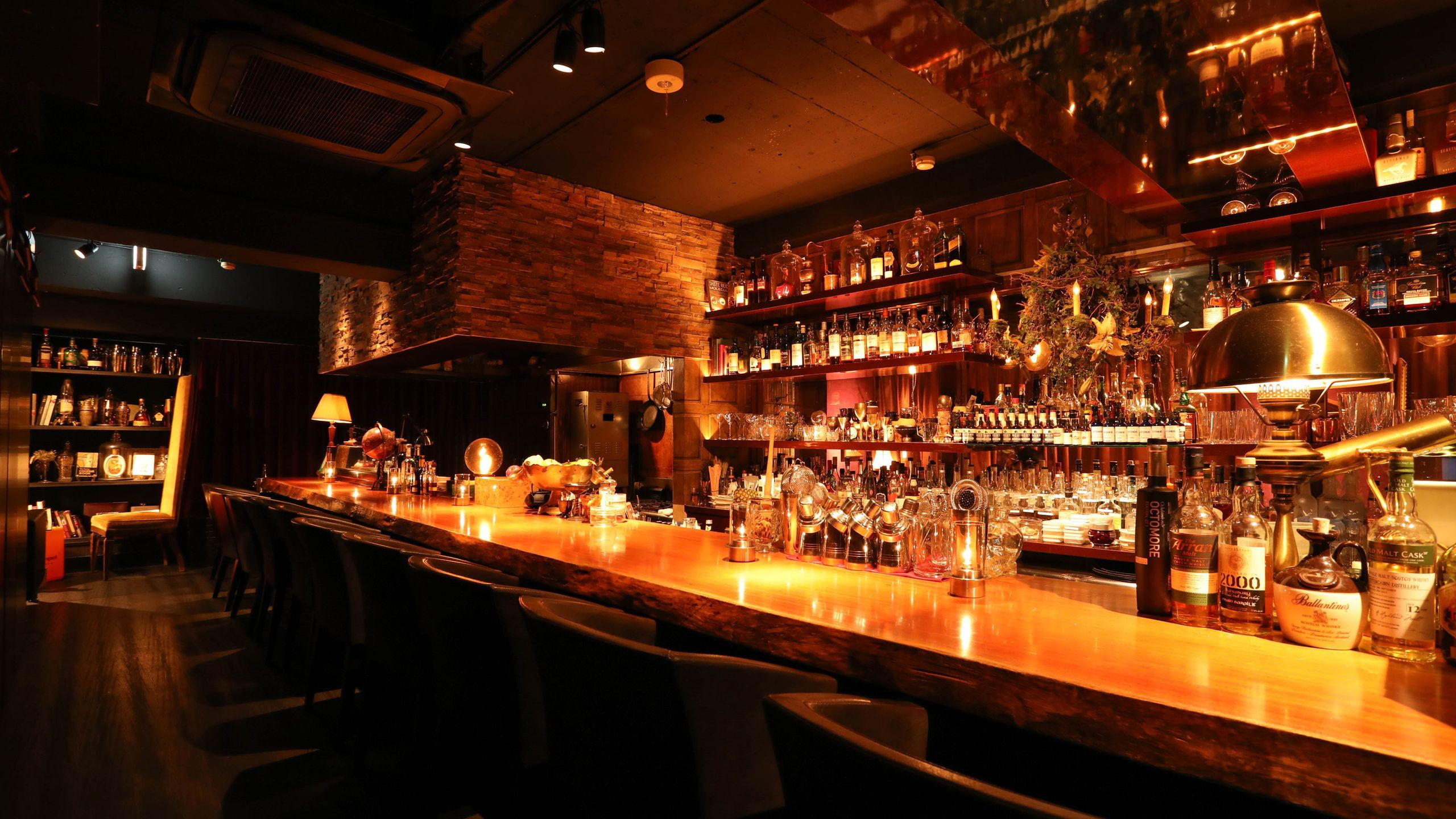
Traditional Japanese tempura dining atmosphere.