

1 Michelin Star · Tabelog Bronze #442
Our verdict
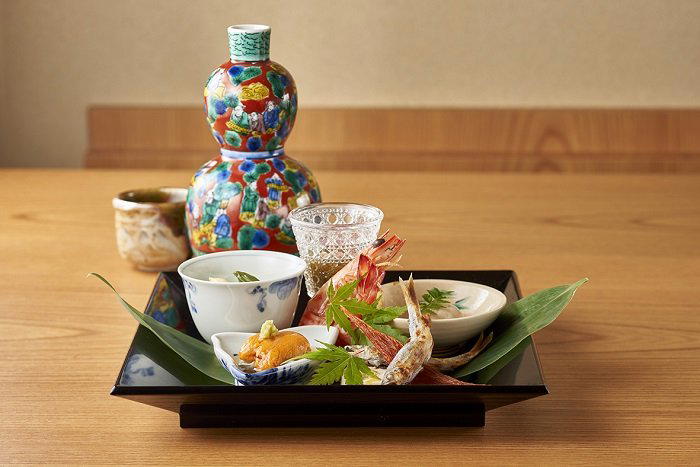
A ten-seat counter in Nakagyo Ward, Gokomachi Tagawa has held the Tabelog Bronze Award every year from 2018 through 2026 and earned a Michelin star in 2024. Dinner runs JPY 30,000–39,999, with the kitchen's focus on seasonal ingredients treated without distraction, charcoal-grilled wagyu and eel, and a closing course of clay-pot rice prepared three ways.

Pearl is the En Primeur Club membership app, where members save venues, book tables and use the concierge.
The menu
What to order
- Seared Conger Eel Sashimi
- Charcoal-Grilled Wagyu Beef
- Pufferfish Shirako
A Counter in the Middle of Kyoto
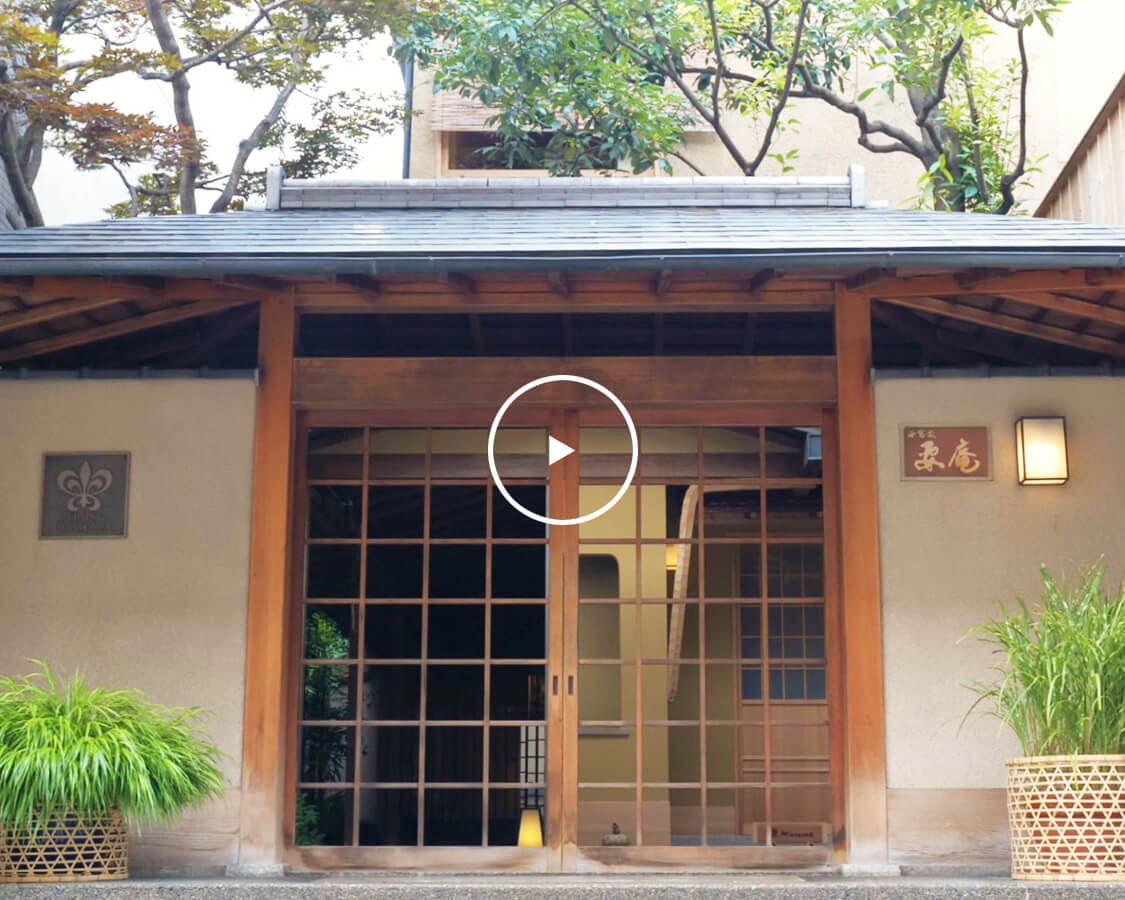
The residential streets off Gokomachi-dori in Nakagyo Ward carry none of the visual weight of Gion or Higashiyama. There are no stone lanterns framing doorways, no tourists pausing to photograph the street. The neighbourhood sits comfortably between Kyoto City Hall and the old merchant quarter, and the buildings here tend to be quiet, domestic in scale, the kind of place where a ten-seat restaurant occupies a converted townhouse and is listed simply as a house restaurant. That physical restraint is a fair introduction to what happens inside. Gokomachi Tagawa is approximately eight minutes on foot from Kyoto Shiyakusho Mae station, and the absence of fanfare at street level is deliberate context, not an oversight.
The Kaiseki Tradition and Where This Counter Sits
Kyoto kaiseki has always been defined by restraint and seasonality, but the category has stratified sharply over the past decade. At one end, heavily capitalised rooms with full front-of-house teams and formal tatami chambers compete for three-Michelin-star recognition, venues like Isshisoden Nakamura and Kikunoi Roan occupy that tier, each operating within a different register of ceremony and scale. At the other end, a smaller cohort of counter-format restaurants has carved a distinct niche: fewer seats, a direct line between kitchen and diner, and a format that positions the cook's technique rather than the room's architecture as the primary object of attention.
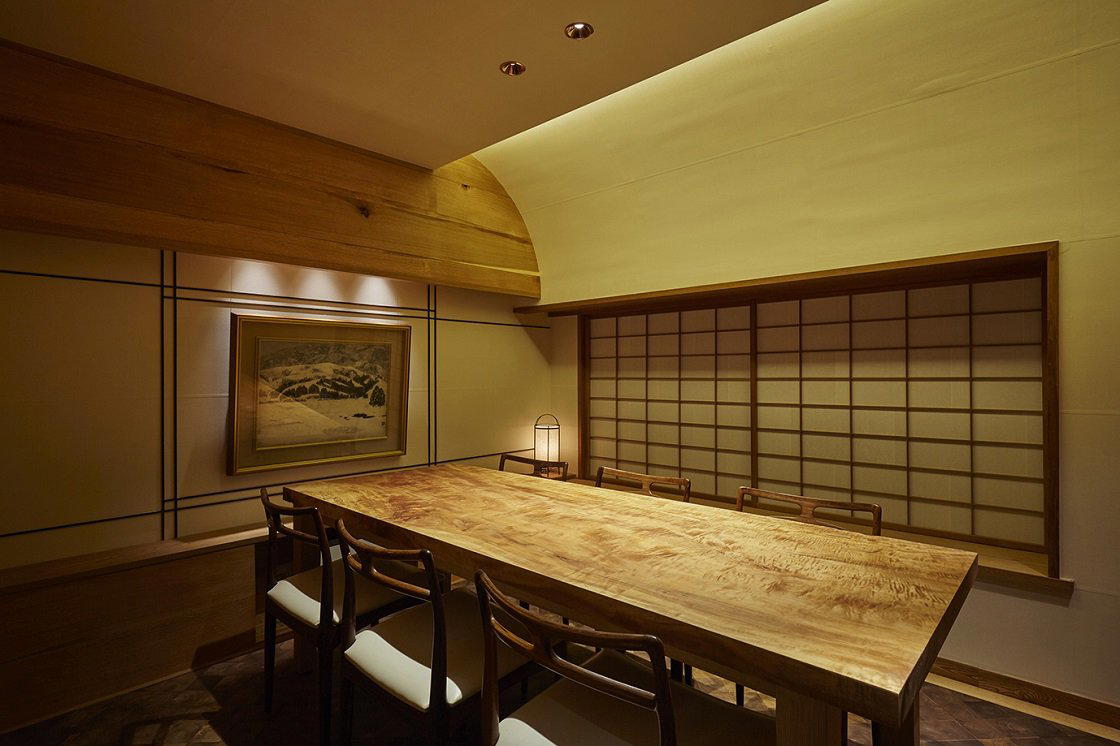
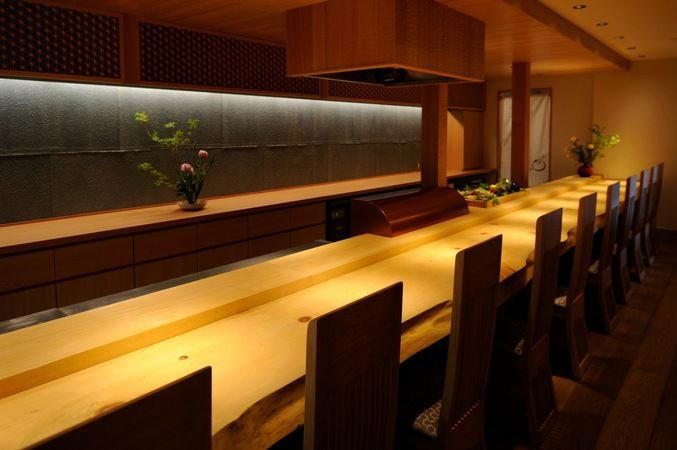
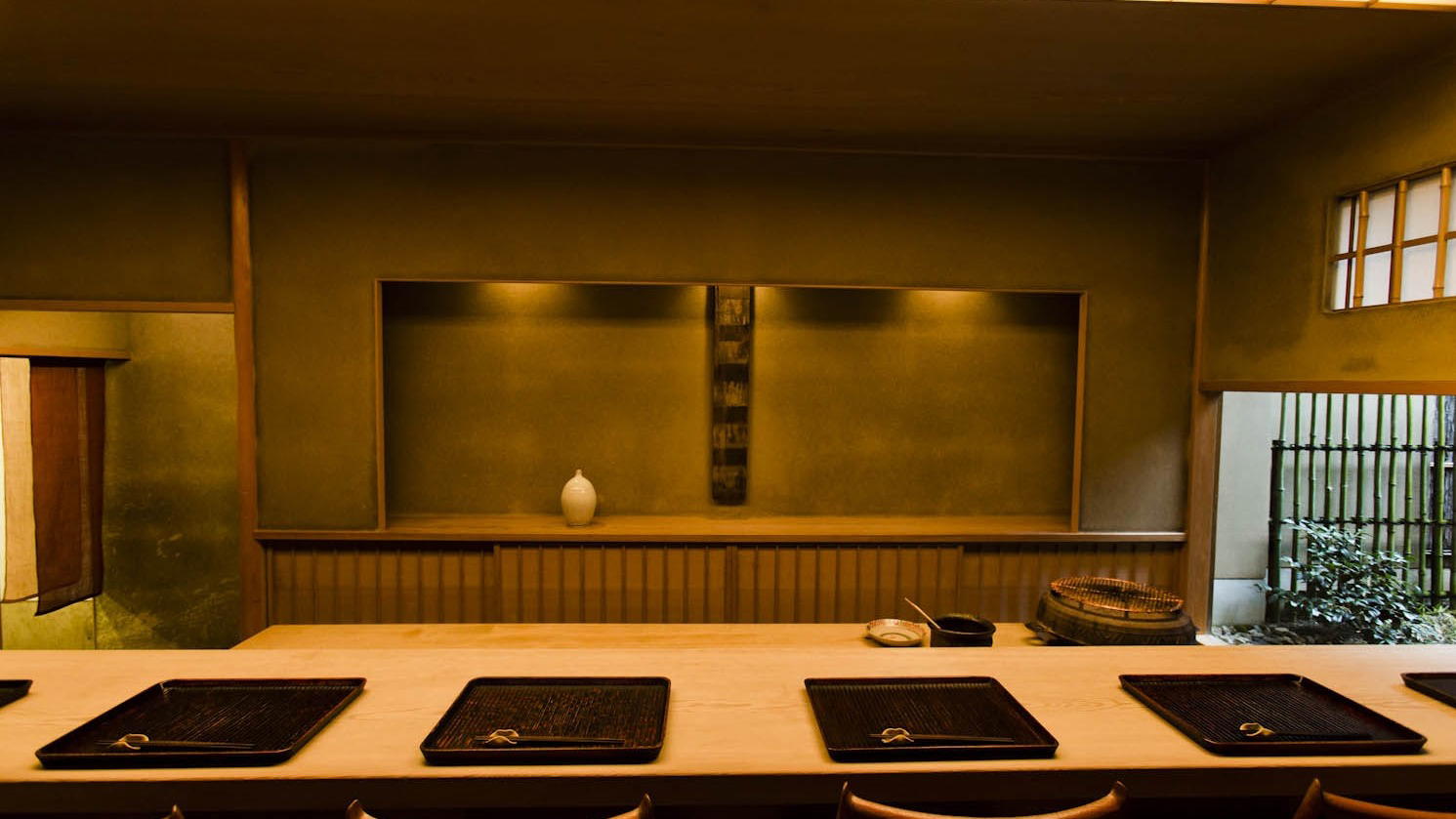
Gokomachi Tagawa belongs firmly to that second group. The counter seats ten, all ten are counter seats, and there are no private rooms. The format is analogous to what has become a recognised style in Kyoto's dining scene, stripped of architectural spectacle, the cooking must carry the evening. Comparable rooms in other Japanese cities operate on the same logic: Myojaku in Tokyo and Azabu Kadowaki both anchor multi-course Japanese cooking to the counter format, using proximity to the kitchen as part of the offering. Goh in Fukuoka operates by similar principles in a different regional idiom. What separates the credible examples of this format from the undifferentiated ones is consistent critical recognition over time.
Eight Consecutive Years of Recognition
The Tabelog Award is the closest thing Japan has to a comprehensive, peer-reviewed critical benchmark for restaurant quality. Unlike Michelin, which uses anonymous inspectors and an opaque methodology, Tabelog aggregates a large volume of verified diner reviews and applies a scoring algorithm that is deliberately resistant to manipulation. A score of 4.24 out of 5.0 places Gokomachi Tagawa in a bracket that fewer than a few hundred restaurants in Japan occupy. The Bronze Award, which the restaurant has held every year from 2018 through 2026, represents sustained performance across roughly eight years of changing seasons, changing ingredients, and changing diners' expectations, a much harder signal to maintain than a single-year accolade.
Selection for the Tabelog Japanese Cuisine WEST "Tabelog 100" list in 2021, 2023, and 2025 adds a further layer of verification. The Tabelog 100 identifies the hundred most highly regarded Japanese cuisine restaurants in western Japan, and three separate selections indicate that the restaurant's standing is not a function of novelty. Opened in February 2017, the restaurant has now operated for eight years in a city with one of the highest concentrations of serious Japanese cuisine restaurants anywhere in the world. The 2024 Michelin one-star recognition rounds out a credential set that is more consistent than many Kyoto rooms that carry higher Michelin star counts.
For broader regional context, comparable recognition profiles appear at restaurants like Gion Matayoshi and Kenninji Gion Maruyama within Kyoto, and at HAJIME in Osaka at the more decorated end of the Kansai spectrum. The difference is structural: Gokomachi Tagawa achieves its standing without either the marketing apparatus or the large format of its more visible peers.
What the Kitchen Does
The stated philosophy, seasonal ingredients without extravagant presentation or gimmicks, describes the dominant ethic of Kyoto's counter kaiseki tradition, not a departure from it. The value of that approach lies in execution. Bincho charcoal grilling is technically demanding: binchota burns at a consistent high temperature without smoke, and the window between properly charred surface and overcooked interior is narrow. Applying that technique to wagyu beef and eel requires calibration that comes from repetition and precision, not from novelty of concept. The meal's closing sequence of three clay-pot rices, plain, mountain vegetables, and seafood, grounds the progression in a format that is traditional in Japanese cooking and also an effective test of ingredient quality, since there is nothing to hide behind.
The drink list covers sake, shochu, and wine. BYO drinks are permitted, which at this price tier is a meaningful operational choice: it removes the beverage margin from the restaurant's economics and places trust in the diner to bring something that matches the kitchen's register. Groups of five or more can request private lunch access, which gives the space a corporate or celebratory use case that the evening format does not easily accommodate.
Understanding the Price and Format
Dinner at Gokomachi Tagawa runs JPY 30,000 to JPY 39,999 per person, plus a 10% service charge. At the current exchange rate, that bracket sits roughly between £160 and £210 before drinks, comparable to the lower end of Michelin one-star pricing in London or New York, and considerably less than what several of Kyoto's two- and three-star rooms charge for similar seasonal formats. Kodaiji Jugyuan operates in the same general price corridor within Kyoto, though in a very different spatial and stylistic register.
The reservation structure reflects the counter's capacity constraints. Bookings require advance reservation; same-day seating is not available. Online reservations are open around the clock through the restaurant's official website, and the 100% cancellation fee on the day of reservation is standard practice for small-format rooms at this level across Japan, where a single no-show represents 10% of the evening's covers. Groups of six or more require a phone reservation rather than an online booking. The dress code is minimal but specific: socks are required, perfume is discouraged, and a light jacket is recommended given the variation in counter temperature depending on seat position.
Credit cards are accepted across the main schemes, Visa, Mastercard, JCB, Amex, and Diners. There is no parking at the restaurant; paid lots are available nearby, though the proximity to Kyoto City Hall station makes arriving by subway the more practical option for most visitors.
Placing This on a Longer Kyoto Itinerary
Nakagyo Ward sits between Gion to the east and the Nishiki market area to the west, which makes Gokomachi Tagawa a natural fit within a central Kyoto day rather than a separate excursion. The evening-only format (service begins at 18:00) means the counter does not compete with daytime programmes. Visitors building a serious Kyoto dining itinerary often find that the counter format works well as an anchor evening rather than an add-on, since the meal is structured, unhurried, and occupies a full evening's attention.
For context on where this restaurant sits within Kyoto's broader dining scene, see our full Kyoto restaurants guide. Parallel guides covering hotels, bars, wineries, and experiences in Kyoto cover the full itinerary picture. Elsewhere in Japan, Harutaka in Tokyo, akordu in Nara, and 1000 in Yokohama and 6 in Okinawa represent other reference points in the same conversation about Japan's counter-format fine dining outside Tokyo.
What to Eat at Gokomachi Tagawa
The kitchen operates a single set menu built around seasonal produce, so the question of what to order is largely answered by the date of your visit. The structural elements that recur across seasons include charcoal-grilled preparations, wagyu beef and eel grilled over bincho charcoal are documented as central to the counter's identity, and a closing trio of clay-pot rices in three preparations: plain, mountain delicacies, and seafood. These are not supplementary courses; the clay-pot rice sequence is the meal's conclusion and functions as the kitchen's most direct statement on ingredient quality. The awards trail (Tabelog Bronze from 2018 through 2026, Michelin one star since 2024, three Tabelog 100 selections) provides the clearest available signal that the kitchen's interpretation of seasonal Japanese cooking lands consistently across the year rather than peaking in a single season.
A Tight Comparison
| Venue | Cuisine | Price | Awards | Notes |
|---|---|---|---|---|
| Gokomachi TagawaThis venue (the venue you are viewing) | Modern Japanese Charcoal Omakase | $200–300 | 1 Michelin Star · Tabelog Bronze #442 | Not listed |
| Gion Sasaki | Modern Kaiseki | $300–500 | 3 Michelin Stars · La Liste Top Restaurants | Kaiseki, Japanese |
| cenci | Innovative Italian-Japanese Fusion | $100–150 | 1 Michelin Star · World's 50 Best #76 | Italian |
| Ifuki | Sumibi Kappo Kaiseki | $200–300 | 2 Michelin Stars · La Liste Top Restaurants | Kaiseki |
| Kyokaiseki Kichisen | Kyoto Kaiseki | $200–300 | 2 Michelin Stars · La Liste Top Restaurants | Japanese |
| Kyo Seika | Modern Chinese Fine Dining | $150–200 | 1 Michelin Star · Tabelog Bronze #216 | Chinese |
Recognition history
Dated appearances from independent guides and award organizations, with the underlying list record or original source where available.
Michelin 1 Star
Michelin
Tabelog Bronze #442
Tabelog
Full recognition history (5 entries)
Tabelog Bronze
Tabelog
Tabelog 100 #58 · No. 58
Tabelog · Tabelog 100 - Japanese cuisine - WEST - 2025
Michelin 1 Star
Michelin
Continue exploring
More in Kyoto
Restaurants in Kyoto
All restaurants in Kyoto →
Bars in Kyoto
All bars in Kyoto →
Hotels in Kyoto
All hotels in Kyoto →

Wineries in Kyoto
Browse all →
Details
- Intimate
- Cozy
- Elegant
- Sophisticated
- Special Occasion
- Date Night
- Chefs Counter
- Open Kitchen
- Sake Program
- Local Sourcing
- Omakase
- Counter Dining
- Sake
Current opening hours
- Monday
- 6–10 PM
- Tuesday
- 6–10 PM
- Wednesday
- 6–10 PM
- Thursday
- 6–10 PM
- Friday
- 6–10 PM
- Saturday
- 6–10 PM
- Sunday
- 6–10 PM
Hours can change for holidays and private events. Hours as of .
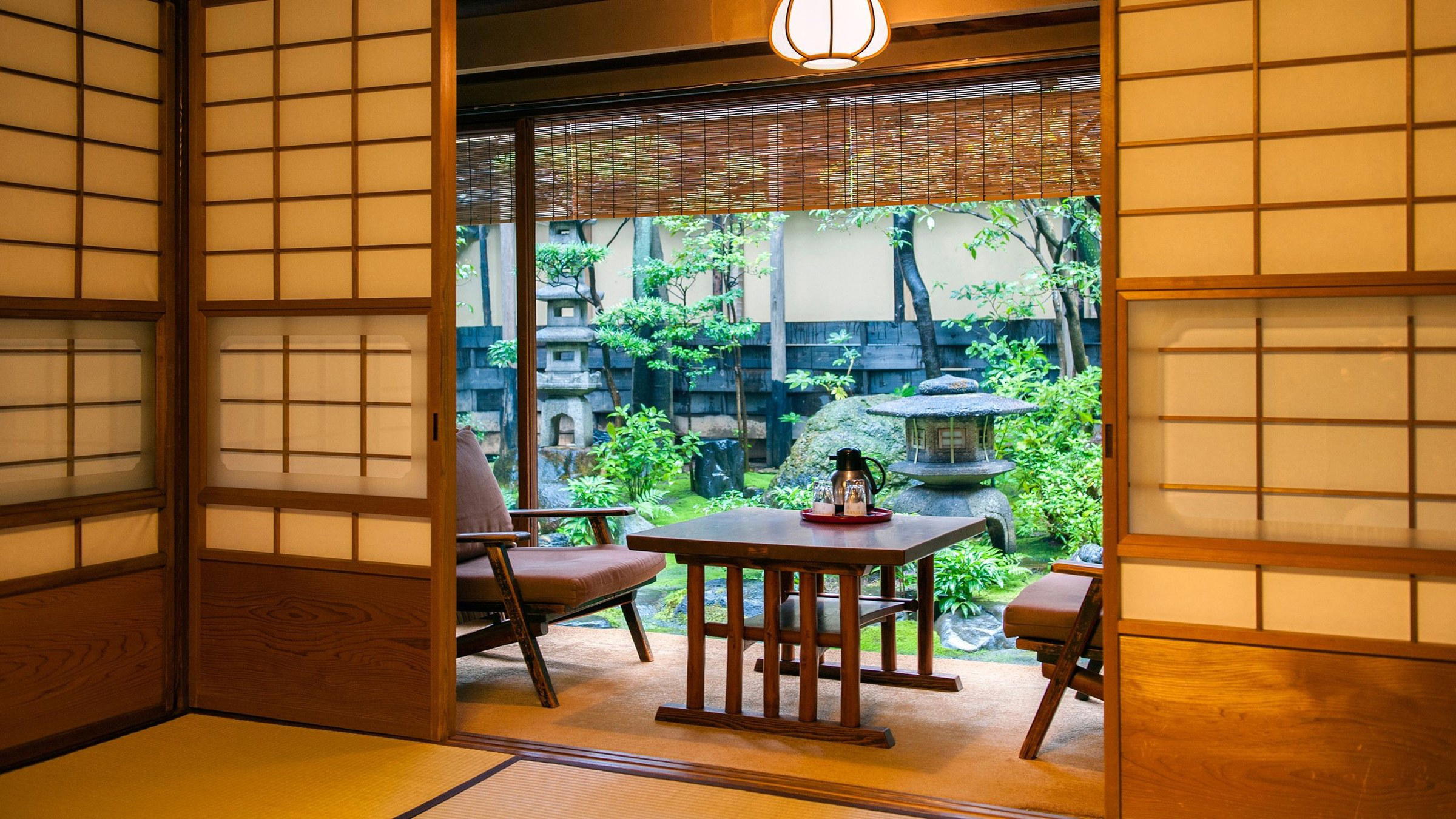
Relaxed yet focused intimate atmosphere at a 12-seat wooden counter with aromas from the live charcoal grill and soft natural light from a small courtyard.