1 Michelin Star · Relais Chateaux Award
Our verdict
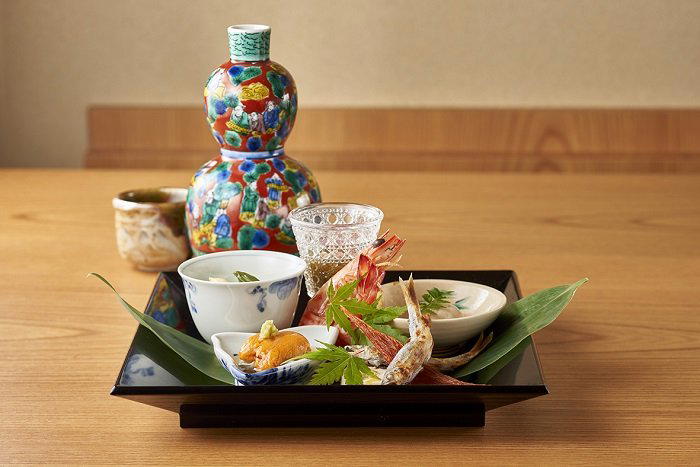
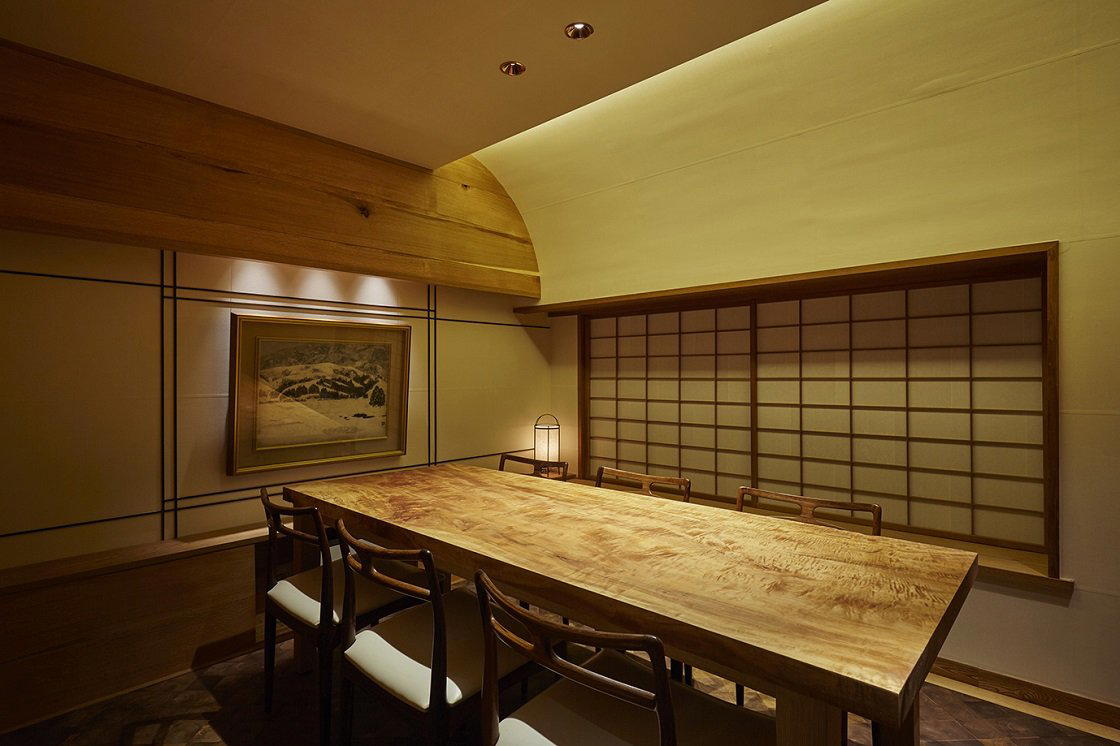
Private tea-arbor rooms and a seasonally focused kaiseki define Kanamean Nishitomiya in Kyoto, where the owner-chef greets guests in the kitchen and pairs tuna with caviar and soba with truffles for quietly daring refinement.

Pearl is the En Primeur Club membership app, where members save venues, book tables and use the concierge.
A Ryokan Table in the Heart of Nakagyo
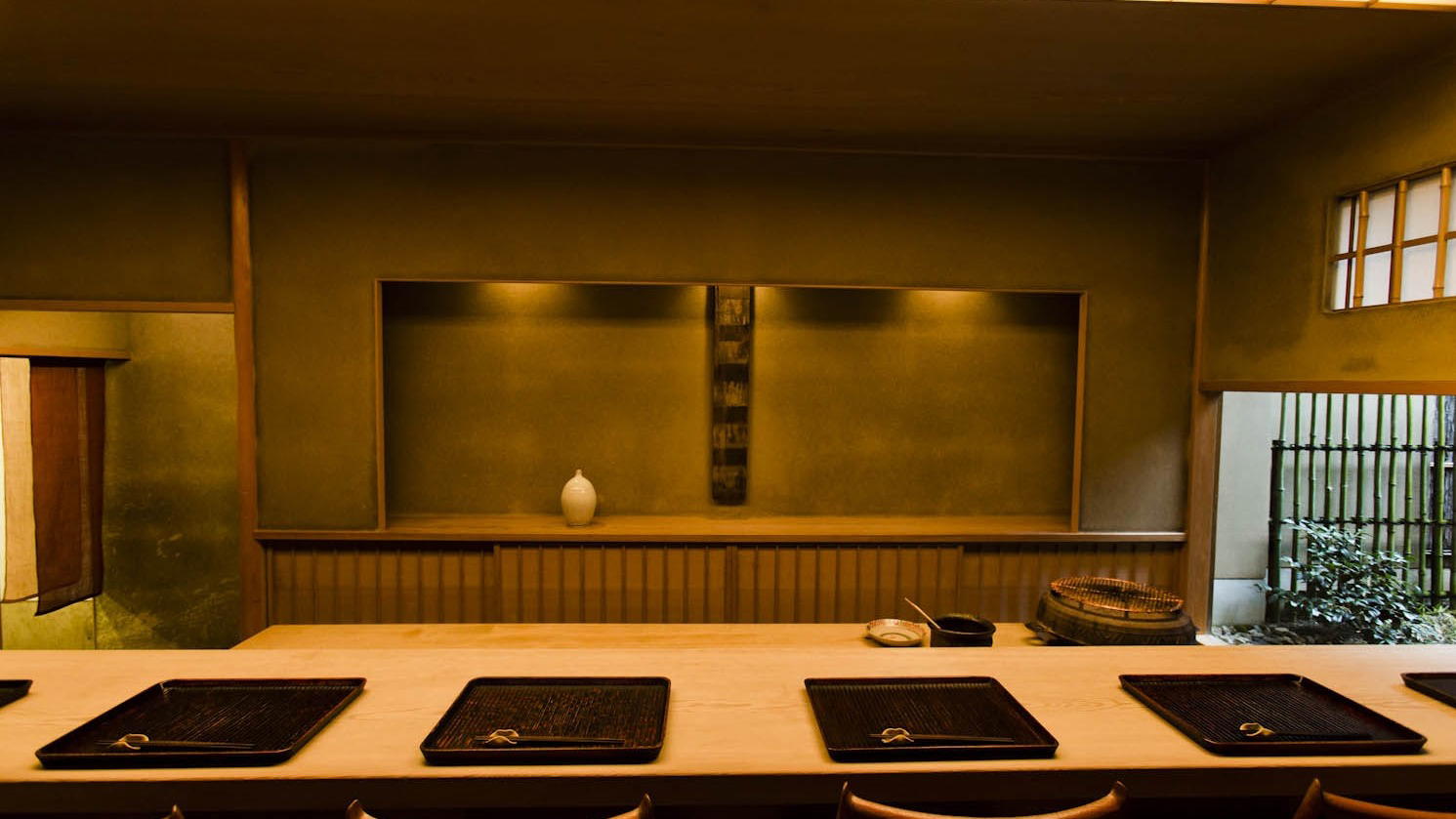
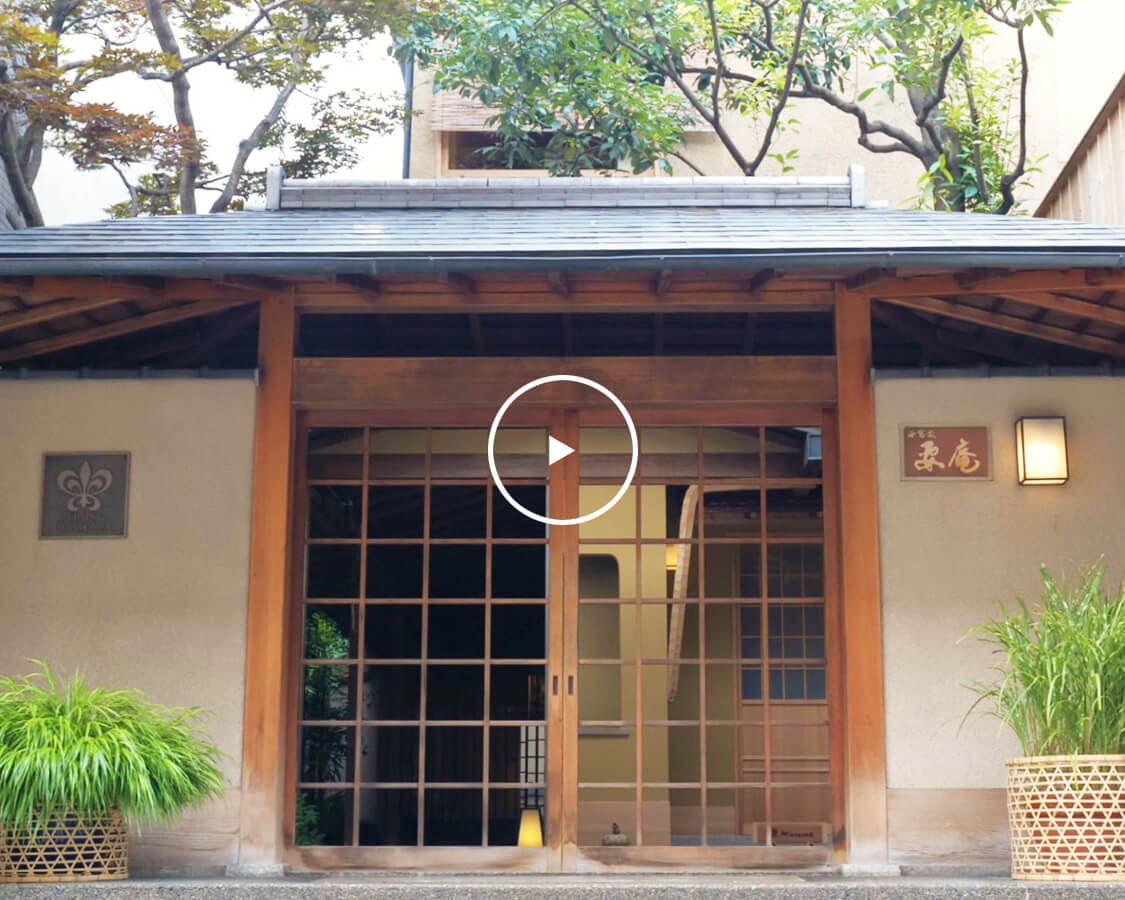
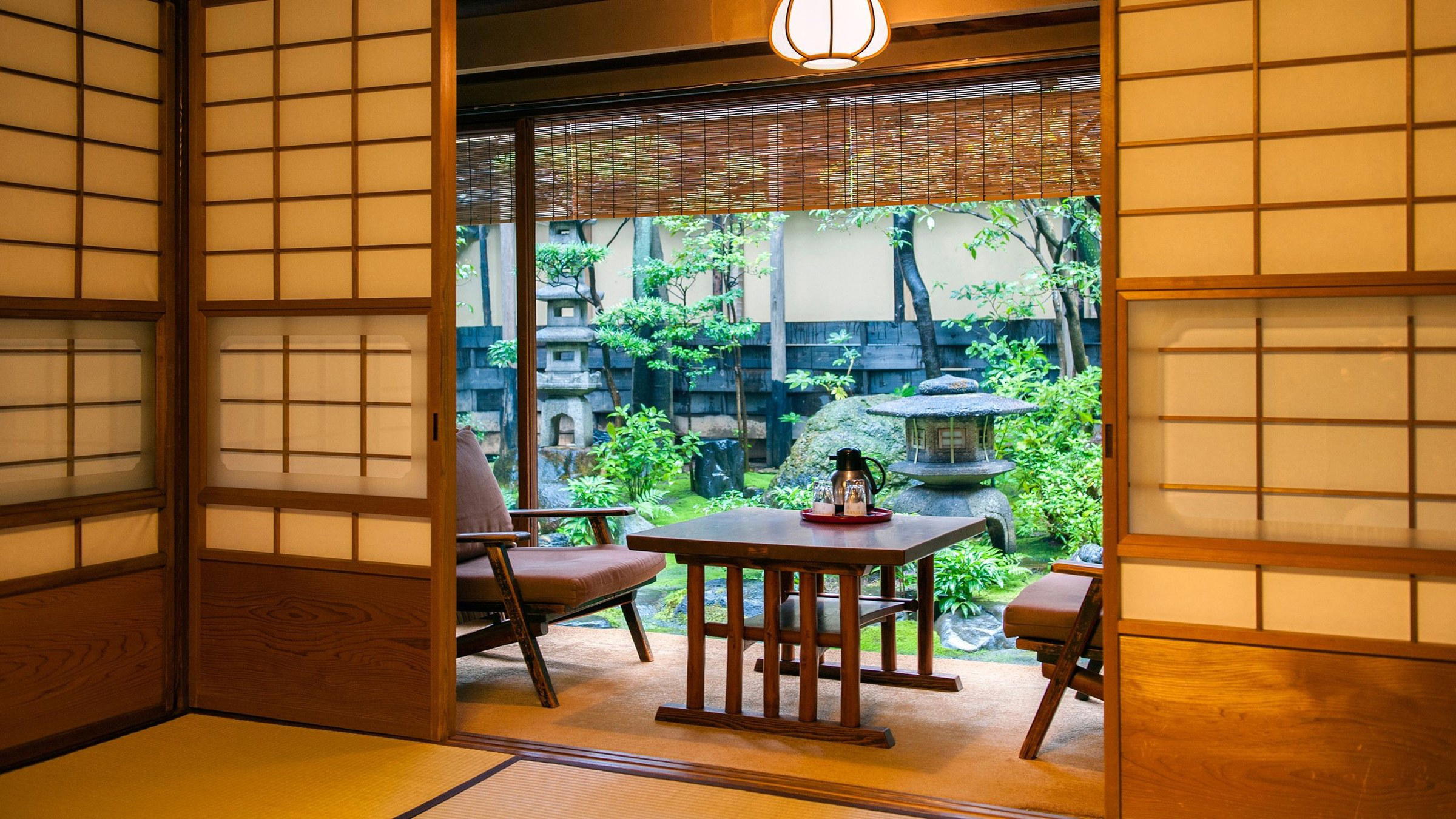
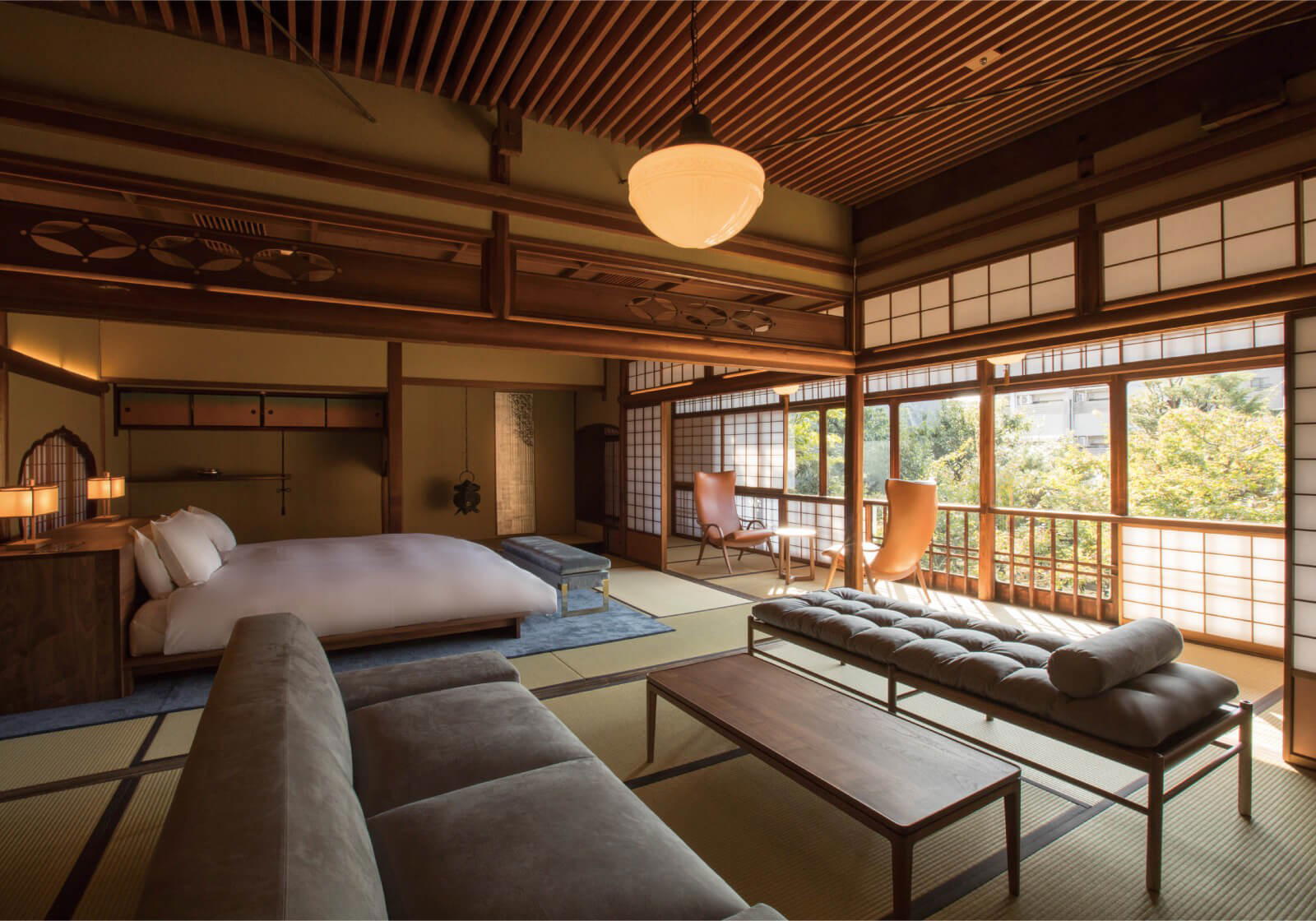
The crossing of Tominokoji and Rokkaku streets sits near the geometric center of old Kyoto, where the machiya streetscape has survived urban pressure better than most of the city's commercial corridors. Arriving at Kanamean Nishitomiya, guests pass through a gate into a property that integrates a ryokan, a Japanese garden, and a dining room, an arrangement that places the meal inside a larger ritual of hospitality rather than treating it as a transaction. That physical framing matters, because Kansai dining culture has long treated the room, the garden view, and the service manner as inseparable from the food on the tray. This is not incidental aesthetics; it is a structural argument about what a meal is for.
Kansai Kaiseki and What Sets It Apart from Tokyo
The gap between Kansai and Kanto dining traditions is real and consequential, and Kyoto sits at its philosophical center. Tokyo's premium Japanese dining has historically leaned on product drama, market-sourced seafood at the peak of its season, presented with technical precision and minimal interference. Kyoto's kaiseki tradition works differently. The emphasis falls on composition: how dashi is drawn, how temperature and texture alternate across courses, how a dish reads within the sequence of a meal rather than as an independent statement. Seasonal ingredients matter enormously in Kansai cooking, but they are always subordinate to the logic of the whole.
Kanamean Nishitomiya operates inside that tradition while holding a self-conscious position about what tradition means. The house maxim, that "tradition is just the continuation of innovation", is not a marketing slogan but a working principle with a five-generation family history behind it. Kyoto's most durable restaurants have generally survived because they renewed their vocabulary while keeping the grammar intact. The proprietors here have visited prominent restaurants and wineries internationally, folding outside references into a practice that remains rooted in Nakagyo Ward. That is a Kansai move: absorption without assimilation, curiosity without drift.
Peer context helps clarify the positioning. Isshisoden Nakamura and Kikunoi Roan represent the city's deep-rooted kaiseki lineage at different price tiers, while Gion Matayoshi and Kenninji Gion Maruyama operate in Gion with a different neighbourhood character. Kanamean Nishitomiya's ryokan integration and its downtown Nakagyo address distinguish it from that Gion cluster; the experience is less about the Hanamachi atmosphere and more about private, contained immersion.
Five Generations and a Michelin Star
A five-generation family operation in Kyoto's hospitality sector is not a casual credential. It means the house has navigated the post-war reconstruction of the city's economy, the tourism booms of the 1980s and 1990s, and the structural disruption of recent years. The Michelin Guide awarded Kanamean Nishitomiya one star in its 2024 edition, placing it in a tier that includes some of Kyoto's most carefully considered Japanese tables. At the ¥¥¥¥ price point, it sits alongside Kodaiji Jugyuan and other premium Kyoto addresses where the full experience, room, service, sequence, justifies the spend.
Within Kansai's broader dining picture, the restaurant fits a pattern of family-run houses that have earned Michelin recognition not through media strategy but through accumulated craft: HAJIME in Osaka and akordu in Nara represent different points on the same regional arc of serious, quietly sustained ambition.
The Ryokan Format and What It Changes About the Meal
Eating in a ryokan setting changes the pacing and purpose of a meal in ways that a freestanding restaurant cannot replicate. The garden view, the progression from outdoor arrival to inner rooms, and the sense of spatial enclosure all work to slow the diner's clock before the first course arrives. Kyoto's kaiseki tradition evolved alongside the ryokan format precisely because the meal was designed to occupy a substantial portion of an evening, not to deliver calories efficiently.
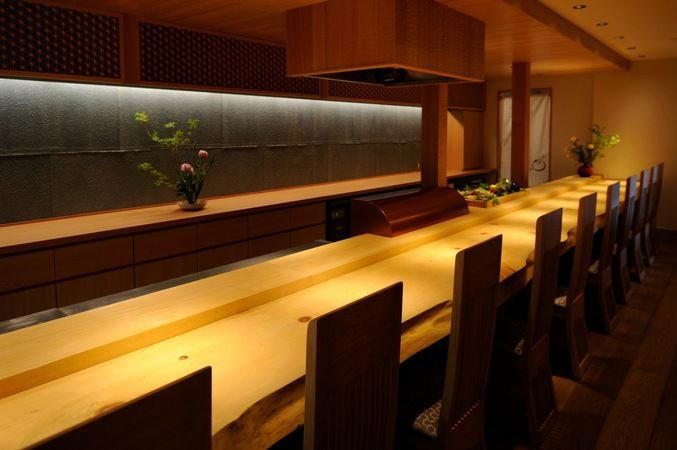
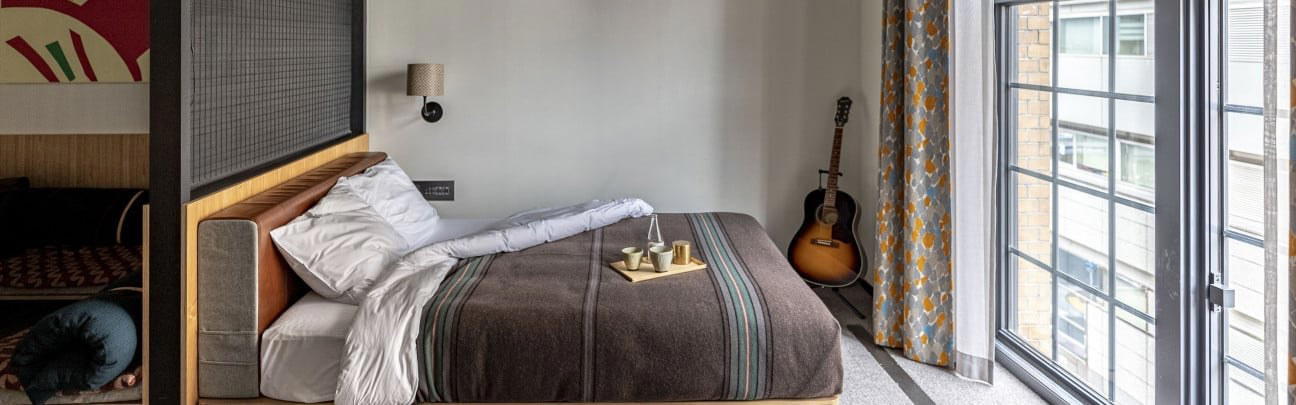
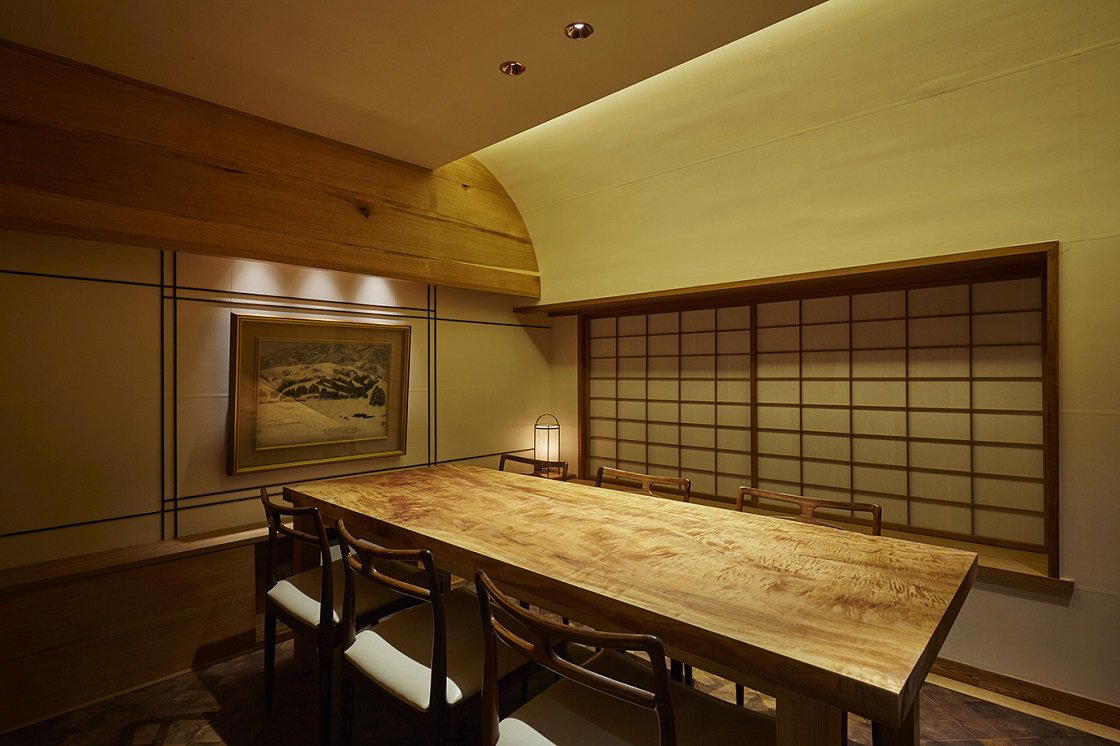
At Kanamean Nishitomiya, the intimate setting that the property describes as a house characteristic is consistent with this model. Small seating capacities are a feature of the format, not a constraint, because low guest numbers allow cooks and front-of-house staff to function as a unified team. The house's stated philosophy of unity between kitchen and service is a Kyoto hospitality ideal, omotenashi as a collective practice, not a scripted performance. That unity reads differently from Tokyo's technically precise but more compartmentalized high-end service culture.
Comparing the Kyoto Tier
At the ¥¥¥¥ level in Kyoto, the competitive set is small and specific. Gion Sasaki holds three Michelin stars and operates at a price and formality ceiling that places it in a different conversation. Ifuki and Kyokaiseki Kichisen, both at two stars and ¥¥¥¥, occupy the bracket immediately above Kanamean Nishitomiya in award terms, though Michelin star count does not map cleanly onto overall dining experience in a city where the ryokan-integrated format introduces variables the guide struggles to quantify. For travelers comparing Kyoto's premium tier with what Tokyo's leading tables offer, the reference points in the capital look different: Harutaka in Tokyo, Myojaku, and Azabu Kadowaki operate inside a more product-driven, counter-focused tradition. Kanamean Nishitomiya sits firmly on the Kansai side of that divide: composed, sequential, spatially considered.
Beyond Kansai, Japan's regional dining spectrum extends to Goh in Fukuoka, 1000 in Yokohama, and 6 in Okinawa, each shaped by distinct local ingredient cultures and hospitality norms that resist reduction to a single national style.
Planning Your Visit
Kanamean Nishitomiya is located at 562 Honeyanocho, Nakagyo Ward, approximately a one-minute walk from the Tominokoji-Rokkaku intersection. JR Kyoto Station is 3 kilometres away; Osaka International Airport is 52 kilometres. The property operates at the ¥¥¥¥ price tier, appropriate for a one-star Michelin house with ryokan integration and downtown Kyoto positioning. Reservations at this level of Kyoto dining are advisable well in advance, particularly during cherry blossom season (late March to mid-April) and autumn foliage season (November), when the city's capacity for premium hospitality is stretched tightly against visitor demand.
For broader trip context, EP Club's full Kyoto restaurants guide, Kyoto hotels guide, Kyoto bars guide, Kyoto wineries guide, and Kyoto experiences guide cover the city's full premium tier.
Know Before You Go
- Address: 562 Honeyanocho, Nakagyo Ward, Kyoto, 604-8064, Japan
- Price Range: ¥¥¥¥
- Awards: Michelin 1 Star (2024)
- Format: Ryokan with Japanese garden; intimate setting
- Nearest Major Station: JR Kyoto Station, approx. 3 km
- Nearest Airport: Osaka International, approx. 52 km
- GPS: 35.0069, 135.7646
- Access on Foot: 1-minute walk from Tominokoji-Rokkaku crossing
- Peak Seasons: Late March to mid-April (cherry blossom); November (autumn foliage), book early
Frequently asked questions
What distinctions does Kanamean Nishitomiya have?
Kanamean Nishitomiya has received recognition including: The ‘kaname’ is the crucial pivot pin of a folding fan. Taking that pivotal role, the husband-and-wife proprietors tour the famous restaurants and wineries of the world, blending the thoughtfulness and passion they find there with Kyoto’s s….
How would you describe the cuisine at Kanamean Nishitomiya?
What do regulars order at Kanamean Nishitomiya?
The restaurant operates within the kaiseki tradition, meaning the menu is set and seasonal rather than à la carte. At the ¥¥¥¥ price tier with a Michelin star (2024), the kitchen dictates the progression, regulars return for the format and the evolution of the menu across visits, not a single signature dish.
What does dinner at Kanamean Nishitomiya typically cost?
Pricing at Kanamean Nishitomiya is listed as ¥¥¥¥.
Where do I go for Kanamean Nishitomiya?
Kanamean Nishitomiya is located at 562 Honeyanocho, Nakagyo Ward, Kyoto, 604-8064, Japan, Kyoto.
Is Kanamean Nishitomiya reservation-only?
Given the intimate setting and five-generation ryokan format in Nakagyo Ward, advance booking is strongly advisable. A Michelin 1-star rating typically compresses availability quickly; walking in without a reservation at the ¥¥¥¥ tier in Kyoto carries real risk, particularly during spring and autumn peak seasons.
A Credentials Check
Comparable options at a glance, pulled from our tracked venues.
| Venue | Cuisine | Price | Awards | Notes |
|---|---|---|---|---|
| Kanamean NishitomiyaThis venue (the venue you are viewing) | Kaiseki and Teppanyaki | $300–500 | 1 Michelin Star · Relais Chateaux Award | Not listed |
| Gion Sasaki | Modern Kaiseki | $300–500 | 3 Michelin Stars · La Liste Top Restaurants | Kaiseki, Japanese |
| cenci | Innovative Italian-Japanese Fusion | $100–150 | 1 Michelin Star · World's 50 Best #76 | Italian |
| Ifuki | Sumibi Kappo Kaiseki | $200–300 | 2 Michelin Stars · La Liste Top Restaurants | Kaiseki |
| Kyokaiseki Kichisen | Kyoto Kaiseki | $200–300 | 2 Michelin Stars · La Liste Top Restaurants | Japanese |
| Kyo Seika | Modern Chinese Fine Dining | $150–200 | 1 Michelin Star · Tabelog Bronze #216 | Chinese |
Recognition history
Dated appearances from independent guides and award organizations, with the underlying list record or original source where available.
Michelin 1 Star
Michelin
Relais Chateaux Award
Relais Chateaux
Full recognition history (4 entries)
Relais Chateaux Award
Relais Chateaux
Michelin 1 Star
Michelin