

1 Michelin Star · Tabelog Bronze #324
Our verdict
Noguchi Tsunagu belongs to Kyoto’s counter-led Japanese dining culture, where refinement is measured in pacing, seasonality, and the tension between omakase structure and à la carte freedom. Its Michelin one-star recognition in 2024 and Tabelog Bronze recognition in 2026 place it in a serious tier without turning the experience into ceremony for ceremony’s sake.

Pearl is the En Primeur Club membership app, where members save venues, book tables and use the concierge.
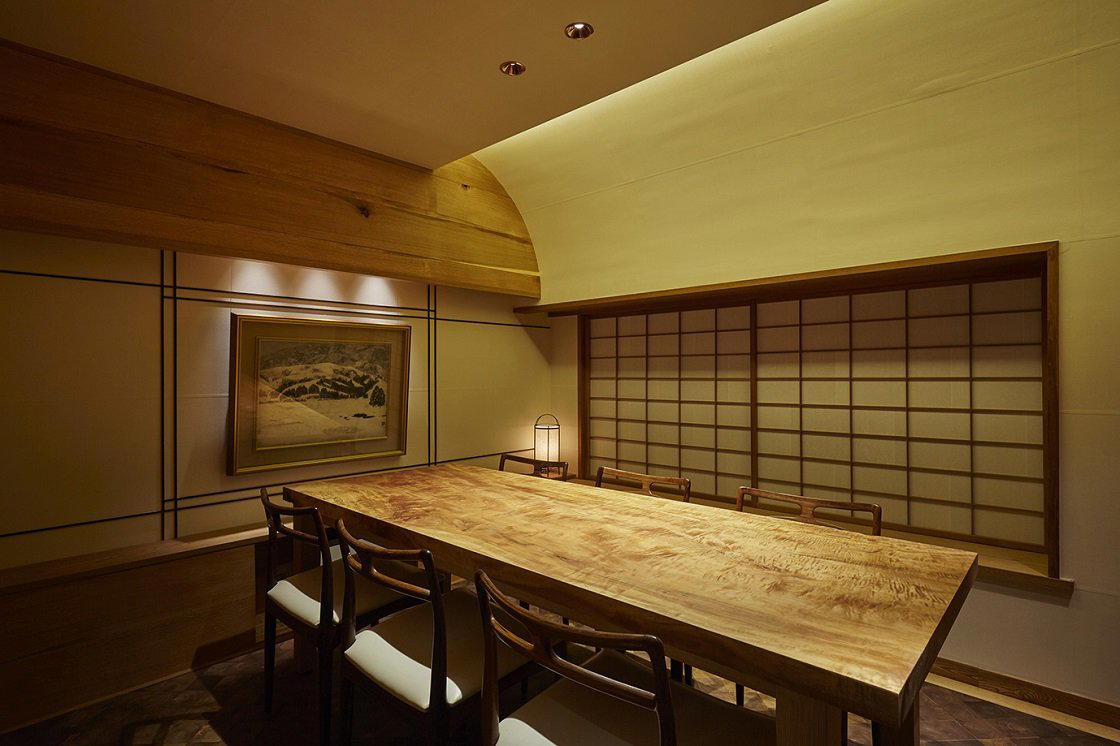
In Kyoto, the first signal at a serious Japanese counter is rarely spectacle: a narrow hush, seats facing the kitchen, conversation fading as the first course appears. Noguchi Tsunagu fits that register: controlled, intimate, attentive rather than showy. Where Tokyo rewards velocity, novelty, and the next reservation, Kyoto asks whether restraint makes small changes matter.
That divide shapes the restaurant. Its format alternates between omakase set menus and à la carte options, a middle ground in a city where formal kaiseki can feel scripted and casual kappo can depend on counter regulars. Michelin one-star recognition in 2024 and Tabelog Bronze recognition in 2026 place Noguchi Tsunagu where technique is assumed; the point is format: not fixed luxury, but Kyoto discretion, pacing, and seasonal judgment.
Kyoto restraint, not Tokyo acceleration
The Tokyo-versus-Kyoto comparison is often reduced to cliché: Tokyo innovates, Kyoto preserves. Better to read structure. Tokyo’s high-end dining is compressed by competition, late trains, international attention, and a reservation economy built on urgency. Kyoto’s stronger rooms use quietness as pressure. A counter meal in Gion or Higashiyama may turn on timing between dishes, the handoff between grilled and simmered courses, or leaving a seasonal ingredient nearly alone.
Noguchi Tsunagu sits in Higashiyama, where old-city hospitality remains visible without nostalgia. Here Japanese cuisine is judged less by abundance than sequence: temperature, texture, broth, rice, and sake moving logically enough for the diner to feel the arc without a speech. Compared with Gion Kajisho, Gion Rohan, Gion Matayoshi, Kappo Umetsu, and Gion Mamma, the distinction is not just price band or formality, but how firmly the restaurant asks the guest to accept a counter-led rhythm rather than treat dinner as named signatures in parade.
That matters because Kyoto’s serious Japanese restaurants can intimidate visitors who know Tokyo sushi counters but less about kappo and kaiseki grammar. Sushi has a clear global code: rice, fish, sequence, tempo. Kyoto Japanese dining is more elastic, moving through small cooked dishes, seasonal vegetables, fish preparations, broth, grilled elements, and rice without one headline. Noguchi Tsunagu’s mix of omakase and à la carte options gives it a wider vocabulary than a tasting-menu-only room while keeping the counter central.
What the awards imply, and what they do not
A Michelin star in Japan carries different weight by city and category. In Kyoto, one star can mark a serious restaurant not positioned as a grand-occasion room. Tabelog Bronze adds a local signal: Japanese diners use Tabelog intensely, so its higher awards help read domestic demand. Together, the recognitions point above casual kappo and below Kyoto’s rarefied, heavily ceremonial end.
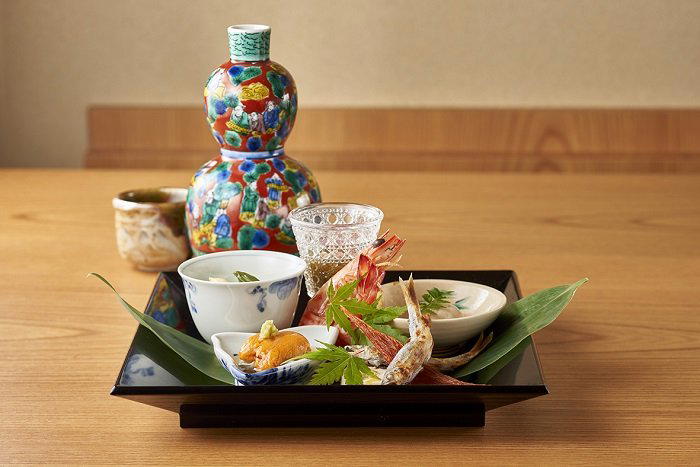
Expect precision rather than theatre. Its Japanese category and fish-focused kitchen language place it in a tradition where procurement, knife work, grilling, simmering, and seasoning are judged in small margins. Sake and wine both appear in the beverage frame, reflecting contemporary Kyoto: refined Japanese food no longer belongs only with nihonshu. Serious rooms often accommodate sake-led and wine-led drinking without making pairings the event.
Tokyo can make transparency dramatic: open kitchens, ingredient provenance, social-media-engineered menus, and counters where chef movement becomes performance. Kyoto’s more persuasive rooms resist that speed. They ask diners to notice intervals, how a meal tightens or relaxes, and the handling of seasonality rather than its announcement. Noguchi Tsunagu speaks that second language.
For readers mapping the city, it belongs to a Kyoto dining circuit that rewards close comparison. Aji Fukushima, Aoikonshin Yamada, Ayanokoji Karatsu, Chiso Aida, and Choshoku Kishin show different readings of Kyoto Japanese cooking, from breakfast ritual to counter formality. For wider planning, Our full Kyoto restaurants guide is the better starting point than treating one dinner as a complete education.
The right diner for this counter
Noguchi Tsunagu is strongest for travelers who understand that Kyoto dining is not optimized for instant legibility. Its value is letting the meal unfold without demanding constant explanation. Diners seeking loud energy, rapid novelty, or famous dish names will misread it. The better fit is someone comparing Kyoto’s serious Japanese counters with Tokyo’s faster, sharper dining culture and wanting to feel the pacing difference, not hear it described.
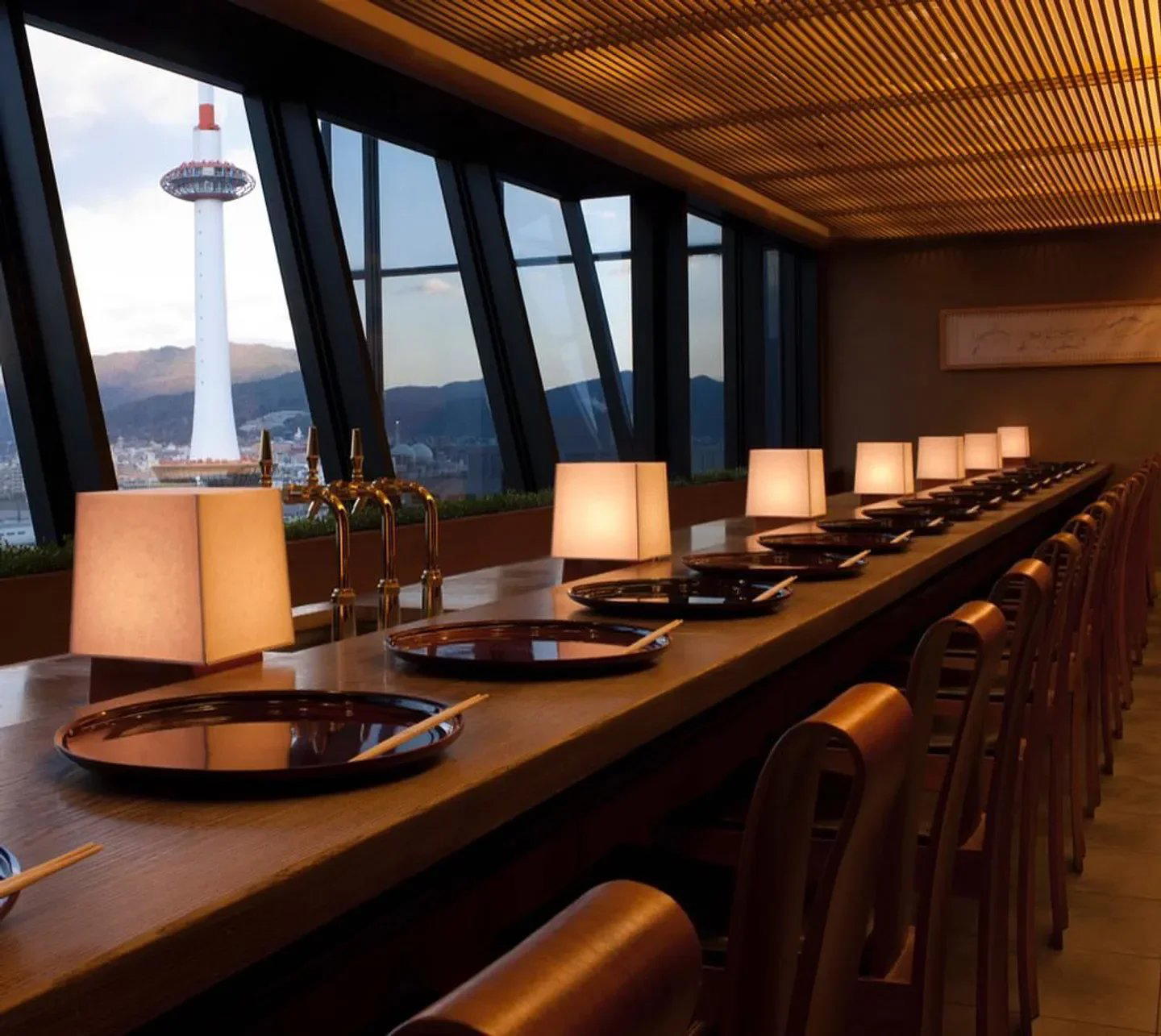
The room’s scale reinforces that point. A counter-led restaurant changes the economics of attention: fewer seats mean less distance between guest and kitchen, and less room for casual drift. In Kyoto, intimacy is not automatically luxurious; it can be demanding. The guest must meet the restaurant halfway, especially when the menu moves through seasonal categories rather than familiar global fine-dining markers.
For a Kyoto trip, the restaurant belongs in an itinerary separating dining, drinking, hotels, and culture rather than compressing them into one overplanned evening. The city’s luxury hotels often move differently from its small Japanese counters; Our full Kyoto hotels guide helps frame that choice. After dinner, Kyoto’s bar culture has its own formality and quiet codes, covered in Our full Kyoto bars guide. Regional drinking context belongs in Our full Kyoto wineries guide, while temples, craft visits, and private cultural formats are better sorted through Our full Kyoto experiences guide.
It also helps to place Kyoto in a wider Japanese and international frame. A beef-focused room such as -Grilled beef Sukiyaki- KAMAKURA TANUKIAN 鎌倉 たぬき庵 in Kamakura works from a different grammar of comfort and richness. Tokyo listings such as 鮪と炭火焼き うお炭 秋葉原店 in Tokyo show a metropolitan appetite for specialization and volume.cafe in Osaka and.know in Kumamoto show how Japanese dining categories shift by city and occasion, while (Shoku) Vietnam in Kawasaki and [Curry Senmon Ten] Maruyama Kyoju. in Sapporo sit far from Kyoto’s counter formalism. Abroad, 715, Japanese in Los Angeles and 99 sushi bar, Japanese in Alcobendas underline how Japanese cuisine changes once it leaves Japan: technique may travel, but Kyoto restraint depends on local habits of season, service, and silence.
The editorial read is clear: this is a restaurant for understanding Kyoto seriousness. Not bigger, louder, or more theatrical than Tokyo, but more compressed. The appeal lies in counter discipline, flexibility between set-menu structure and à la carte choice, and recognized Japanese dining that remains reserved without feeling inert.
Frequently asked questions
What's the address for Noguchi Tsunagu?
Noguchi Tsunagu is located in Kyoto.
Is Noguchi Tsunagu expensive?
Pricing at Noguchi Tsunagu is listed as ¥¥¥.
What should I expect cuisine-wise at Noguchi Tsunagu?
Noguchi Tsunagu serves Japanese cuisine.
What is Noguchi Tsunagu known for?
Noguchi Tsunagu is primarily known for Japanese in Kyoto.
Cuisine and Credentials
Comparable venues in the metro at similar price points.
| Venue | Cuisine | Price | Awards | Notes |
|---|---|---|---|---|
| Noguchi TsunaguThis venue (the venue you are viewing) | Modern Kaiseki | $150–200 | 1 Michelin Star · Tabelog Bronze #324 | Not listed |
| Nijo Minami | Michelin-Starred Kyoto Kaiseki | $200–300 | 1 Michelin Star | Nakagyō |
| Nijojo Furuta | Michelin 1-Star Kyoto Kaiseki | $200–300 | 1 Michelin Star | Nakagyō |
| Sushi Kappo Nakaichi | Traditional Omakase Sushi & Kyoto Kaiseki | $150–200 | 1 Michelin Star | Higashiyama |
| Wagokoro Izumi | Traditional Kyoto Kaiseki | $300–500 | 1 Michelin Star | Shimogyō |
| Kentan Horibe | Traditional Kyoto Kaiseki | $150–200 | 1 Michelin Star | Nakagyō |
Recognition history
Dated appearances from independent guides and award organizations, with the underlying list record or original source where available.
Michelin 1 Star
Michelin
Tabelog Bronze #324
Tabelog
Full recognition history (3 entries)
Michelin 1 Star
Michelin
Continue exploring
More in Kyoto
Restaurants in Kyoto
All restaurants in Kyoto →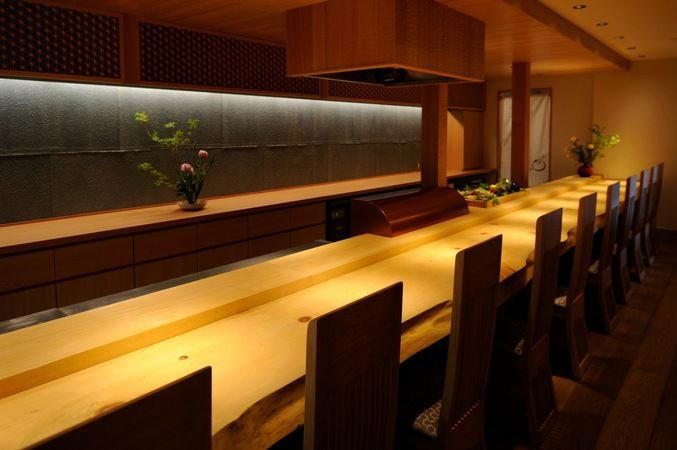
Bars in Kyoto
All bars in Kyoto →
Hotels in Kyoto
All hotels in Kyoto →
Wineries in Kyoto
Browse all →
Details
- Elegant
- Sophisticated
- Intimate
- Minimalist
- Special Occasion
- Date Night
- Chefs Counter
- Open Kitchen
- Sake Program
- Local Sourcing
- Tasting Menu
- A La Carte
- Counter Dining
- Sake Program
Current opening hours
- Monday
- 5:30–11 PM
- Tuesday
- 5:30–11 PM
- Wednesday
- 5:30–11 PM
- Thursday
- Closed
- Friday
- 5:30–11 PM
- Saturday
- 5:30–11 PM
- Sunday
- 5:30–11 PM
Hours can change for holidays and private events. Hours as of .
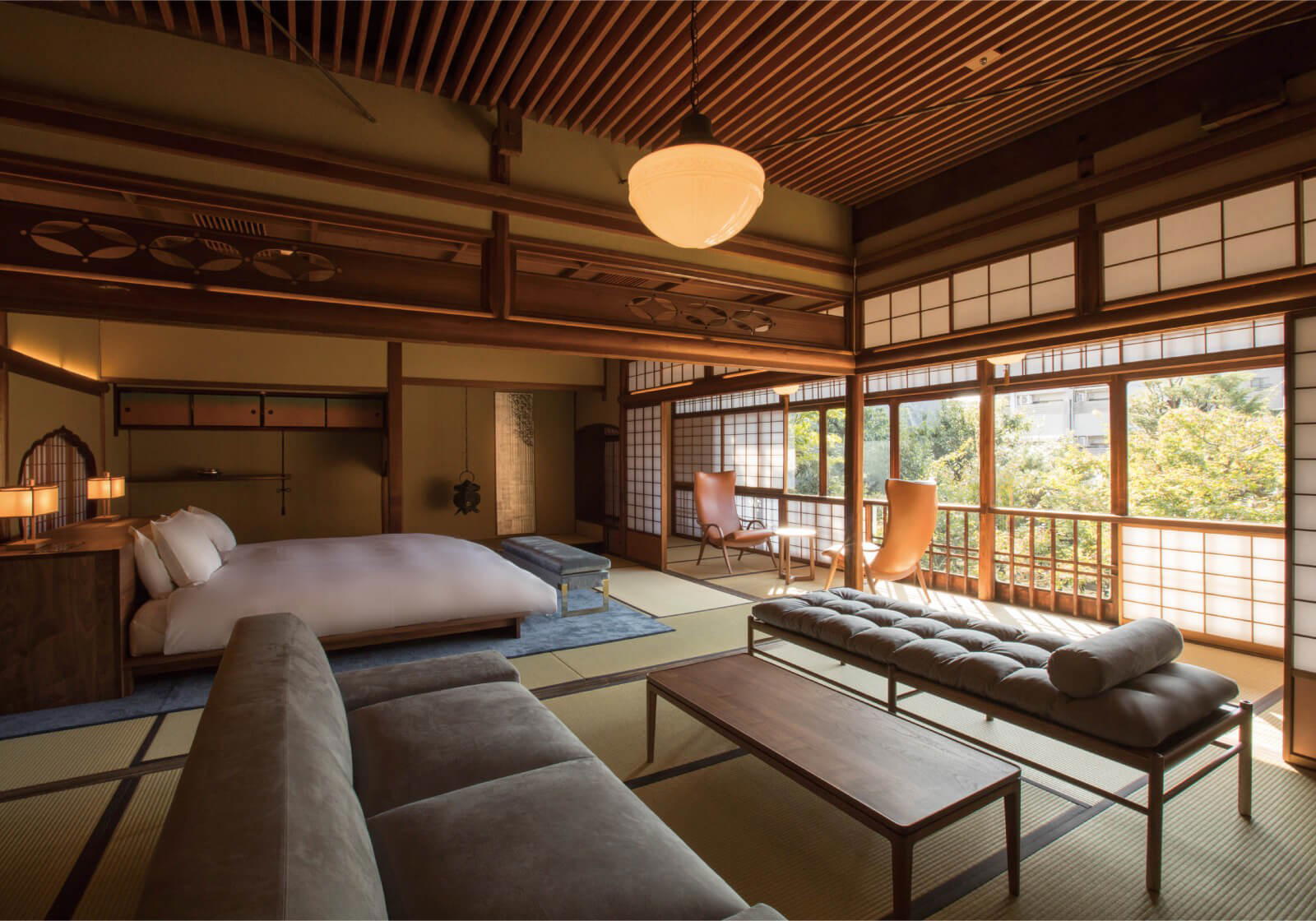
Minimalist interior in a renovated traditional Kyoto home with unvarnished timber counter, elegant Japanese decor, stylish and relaxing atmosphere.