
1 Michelin Star
Our verdict
A Michelin-starred counter in the heart of Gion where seasonal menus run to over a hundred items, drawing from mountain and sea in equal measure. The kitchen operates in full view, with soup tailored individually for each diner and somen prepared across multiple single-ingredient dashi. A focused, high-effort expression of Kyoto's seasonal cooking tradition at the ¥¥¥ price tier.

Pearl is the En Primeur Club membership app, where members save venues, book tables and use the concierge.
The menu
What to order
- Matsuba crab
- Homemade mullet roe
- Mackerel Oshizushi
- Nodoguro Nitsuke
Gion After Dark: The Counter as Communal Table
The streets of Gionmachi Minamigawa shift register as evening arrives. The tourist foot traffic thins, machiya facades close in around the lamplight, and the neighbourhood reasserts the purpose it has held for centuries: a place where Kyoto's working and social life happens in private, at close quarters, over food and drink. It is in this context that a counter restaurant like Gion Okada makes most sense. The format is not theatrical in the way that a tasting-menu dining room is theatrical. It is intimate in the way that all serious izakaya-adjacent dining in Japan is intimate: a few metres of hinoki or lacquered cedar separating the diner from the kitchen, the sounds of preparation audible, the smells sequential rather than simultaneous.
Gion Okada holds a Michelin one star as of 2024, placing it in a defined tier within Kyoto's dining hierarchy. It sits below the three-star intensity of Isshisoden Nakamura and the two-star formality of Ifuki, but it operates with a seriousness of intent that separates it from casual neighbourhood dining. The ¥¥¥ price positioning keeps it in the same bracket as Kenninji Gion Maruyama and peer counters in the ward, rather than in the ¥¥¥¥ tier occupied by kaiseki institutions like Kikunoi Roan or Gion Sasaki.
The Menu as a Seasonal Document
In most cities, a hundred-item menu signals breadth at the expense of depth. In Kyoto's leading seasonal kitchens, it signals something different: an attempt to account for the full inventory of what the current season makes available, without ranking those ingredients into a predetermined hierarchy. The menu at Gion Okada reportedly runs to over a hundred items, drawing from both mountain and sea, and the effect on paper is something close to an annotated field guide to the moment.
This approach belongs to a specific tradition within Japanese dining culture, one that sits adjacent to kaiseki but operates with the social looseness of izakaya. The distinction matters. Kaiseki imposes a fixed sequence designed to guide the diner through a composed arc. The izakaya spirit, even when applied at a starred level, preserves optionality: the diner navigates the menu rather than being guided through it, selecting in the moment, ordering across categories, responding to what the kitchen recommends or what the season has pushed to the front. At Gion Okada, this manifests in preparation methods that vary by the diner's preference, hamo sashimi offered either parboiled or skin-seared, and soup composed individually for each person at the counter. That level of customisation at volume implies a kitchen operating at real pace and coordination.
The somen noodle soup preparation is worth examining as a signal of kitchen philosophy. Rather than a unified dashi base served to the table, the kitchen crafts individual dashi from single ingredients, tilefish or clam among the documented options. Single-ingredient dashi is not a shortcut; it removes the layering that blended stocks provide, which means each individual base needs to be correct on its own terms. It is a technique-forward choice that reads as a statement about clarity over complexity, a priority that runs through much of Kyoto's food culture and distinguishes it from the richer, more assertive stocks common in Osaka and Tokyo.
Counter Seating and the Kitchen as Stage
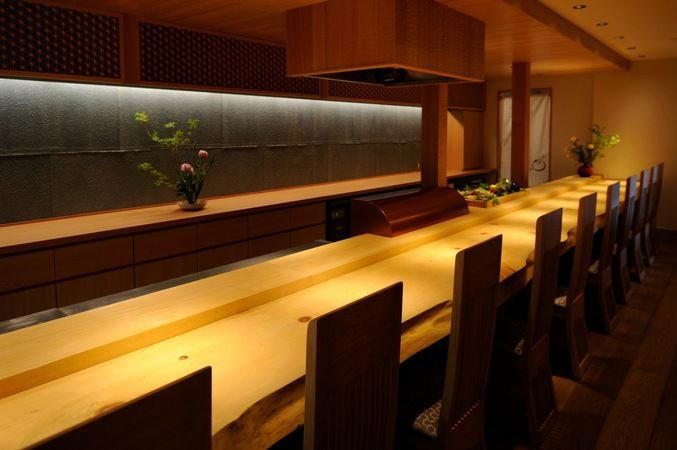
Restaurants where the kitchen is visible to diners have become a global design standard, but the Japanese counter format predates that trend by generations. The counter is not a design gesture here; it is the original format, built around the logic of a chef and apprentices working at close range while diners observe the sequence of preparation. At Gion Okada, sitting at the counter is described as providing a front-row view of the kitchen operating in full coordination, the chef and apprentices working in sync across a menu that runs to considerable length.
This format produces a different social dynamic than table dining. Conversation across the counter between diner and kitchen staff is expected, not exceptional. Recommendations shift based on what the kitchen is preparing at a given moment, and the order in which dishes arrive reflects both the diner's choices and the kitchen's rhythm. It is, in this respect, closer to the model of a serious izakaya than a kaiseki sequence, which makes Gion Okada's Michelin recognition interesting: the star validates the quality of the cooking, but the social format remains deliberately informal. Several of Kyoto's better-regarded counter restaurants operate in this register, including Gion Matayoshi and Kodaiji Jugyuan, each placing kitchen visibility and seasonal specificity at the centre of the experience.
Gion in the Wider Japan Context
Kyoto's dining reputation rests on seasonal precision and restraint, qualities that distinguish its leading restaurants from the bolder flavour profiles that define dining in Osaka or the technical ambition that drives Tokyo's leading counters. A one-star kitchen in Gion is operating in a city where the benchmark is set by centuries of court cuisine, temple cooking, and the discipline of kaiseki. The competitive pressure is downward as much as upward: restaurants at Gion Okada's level are compared not only to starred peers but to the broader tradition they represent.
For visitors moving between Japan's dining cities, the contrast is instructive. Harutaka in Tokyo and Azabu Kadowaki operate in a capital-city register defined by precision and international visibility. HAJIME in Osaka represents the avant-garde strand of Kansai cooking. akordu in Nara draws on the quieter, more temple-adjacent culinary identity of Japan's ancient capital. Gion Okada belongs to neither the capital-city nor the avant-garde bracket; its frame of reference is Kyoto's own, meaning the seasonal grid, the single-ingredient discipline, and the social format of the counter.
Farther afield, Goh in Fukuoka, 1000 in Yokohama, and 6 in Okinawa each represent regional cooking traditions with their own seasonal logic. Tokyo's Myojaku offers a useful point of comparison for those tracking Japanese dining across cities. Each of these settings produces a distinct answer to the same question Gion Okada is answering: what does cooking with what the season gives you actually look like in practice?
Planning a Visit
Gion Okada is located at 570-6 Gionmachi Minamigawa in Higashiyama Ward, a few minutes' walk from Gion-Shijo Station on the Keihan Line. The area is walkable to several of Kyoto's best-regarded Gion restaurants, and the evening timing aligns naturally with the neighbourhood's character, which settles and quietens after the main afternoon tourist hours. The ¥¥¥ price point positions the meal as a serious but not extreme outlay by Michelin-starred standards in this city; comparable in spend to other one-star counters in the district rather than to the ¥¥¥¥ kaiseki institutions a few streets away.
For a fuller picture of what the city offers across price tiers and categories, see our full Kyoto restaurants guide, our full Kyoto hotels guide, our full Kyoto bars guide, our full Kyoto wineries guide, and our full Kyoto experiences guide.
Frequently asked questions
What should I order at Gion Okada?
Does Gion Okada accept walk-ins?
Comparable options at a glance, pulled from our tracked venues.
| Venue | Cuisine | Price | Awards | Notes |
|---|---|---|---|---|
| Gion OkadaThis venue (the venue you are viewing) | Michelin-Starred Kyoto Kappo Kaiseki | $150–200 | 1 Michelin Star | Not listed |
| Gion Sasaki | Modern Kaiseki | $300–500 | 3 Michelin Stars · La Liste Top Restaurants | Kaiseki, Japanese |
| cenci | Innovative Italian-Japanese Fusion | $100–150 | 1 Michelin Star · World's 50 Best #76 | Italian |
| Ifuki | Sumibi Kappo Kaiseki | $200–300 | 2 Michelin Stars · La Liste Top Restaurants | Kaiseki |
| Kyokaiseki Kichisen | Kyoto Kaiseki | $200–300 | 2 Michelin Stars · La Liste Top Restaurants | Japanese |
| Kyo Seika | Modern Chinese Fine Dining | $150–200 | 1 Michelin Star · Tabelog Bronze #216 | Chinese |
Recognition history
Dated appearances from independent guides and award organizations, with the underlying list record or original source where available.
Michelin 1 Star
Michelin
Full recognition history (2 entries)
Michelin 1 Star
Michelin
Continue exploring
More in Kyoto
Restaurants in Kyoto
All restaurants in Kyoto →

Bars in Kyoto
All bars in Kyoto →


Hotels in Kyoto
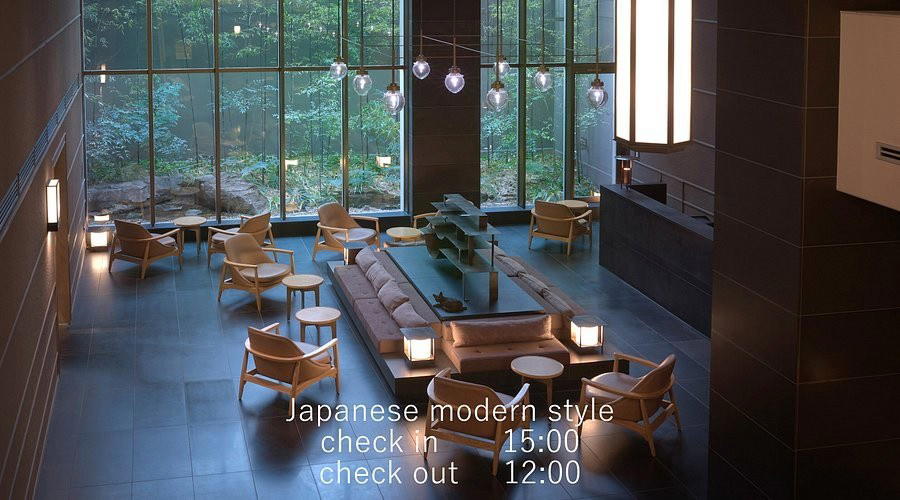
All hotels in Kyoto →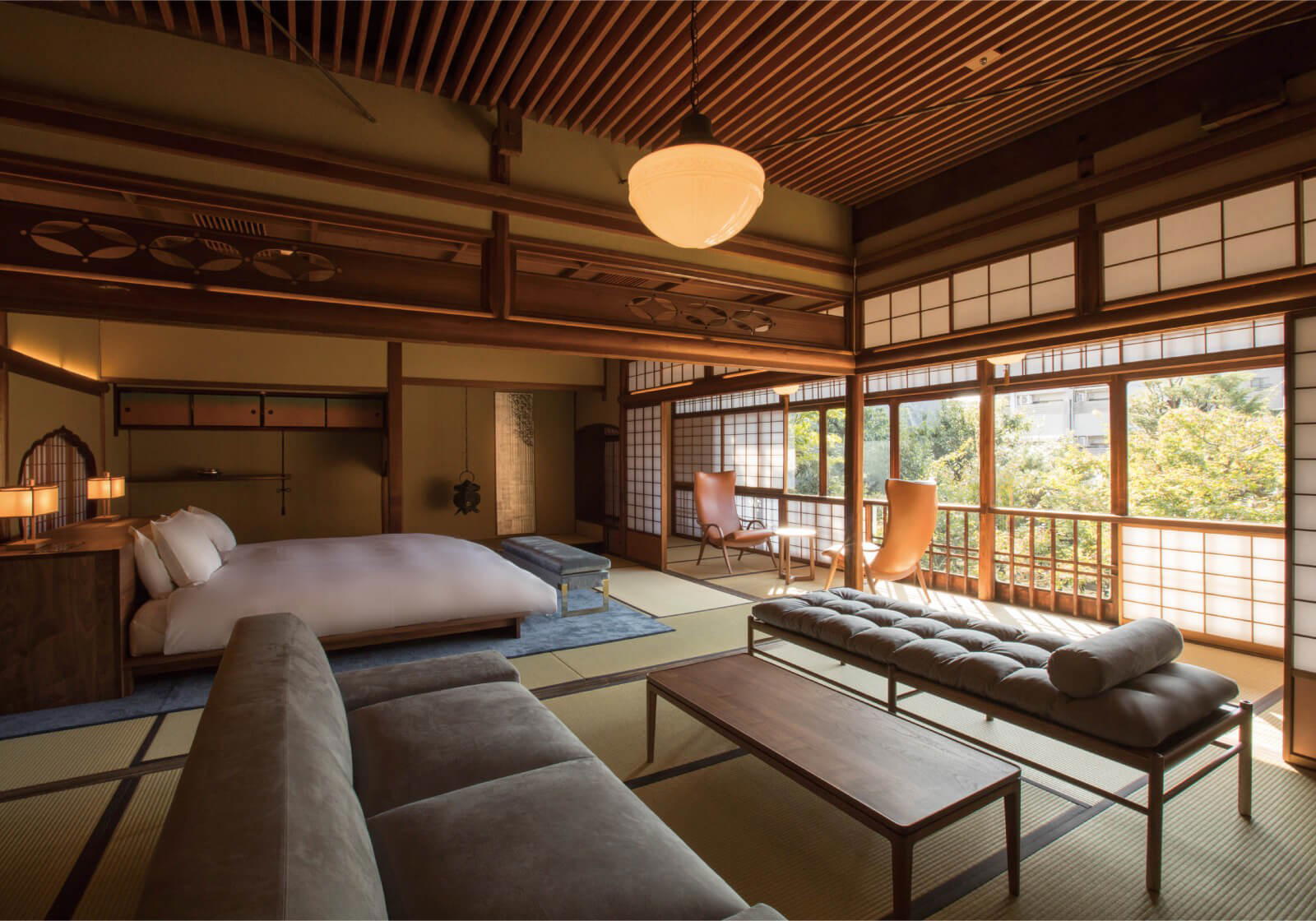

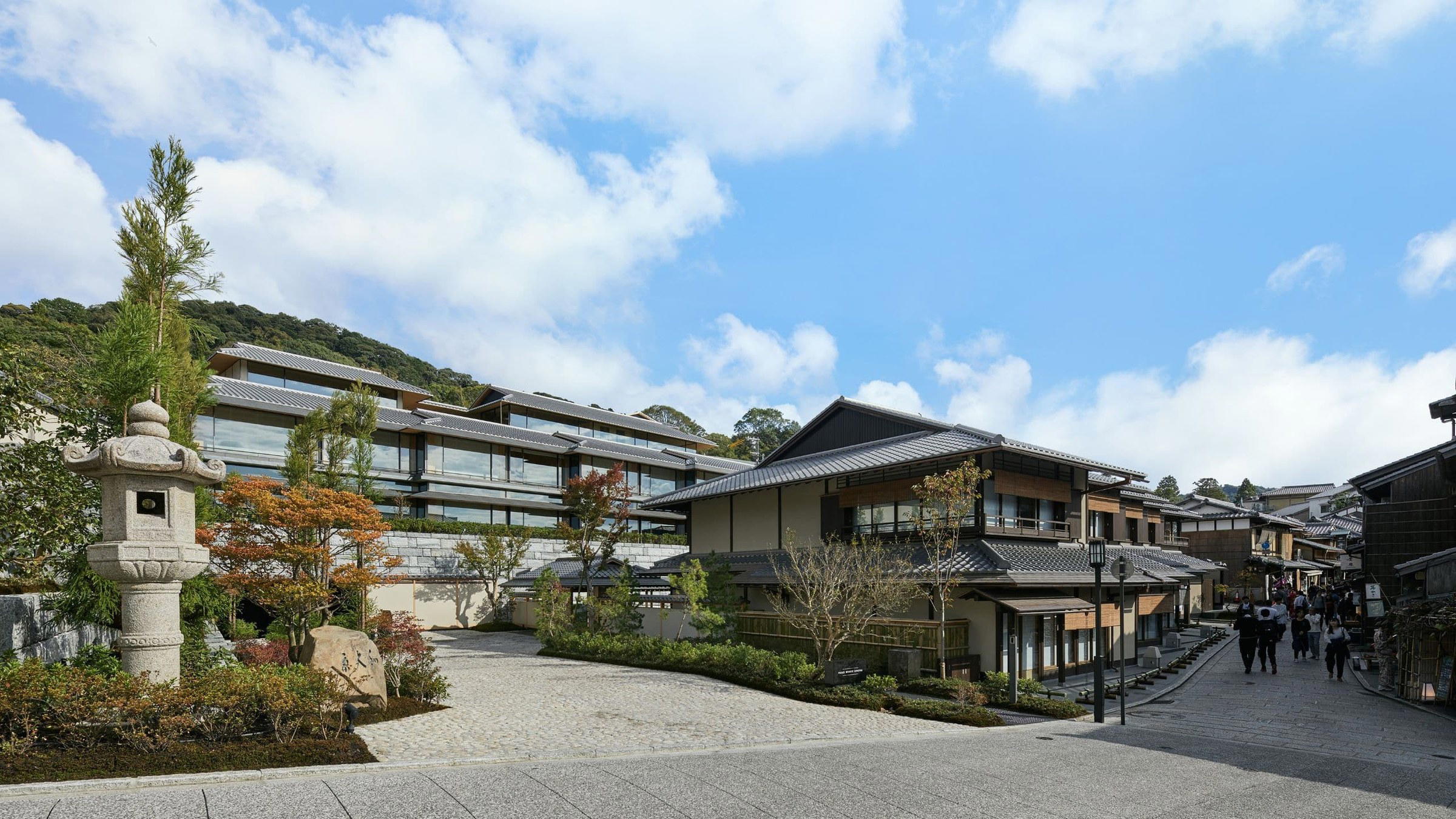
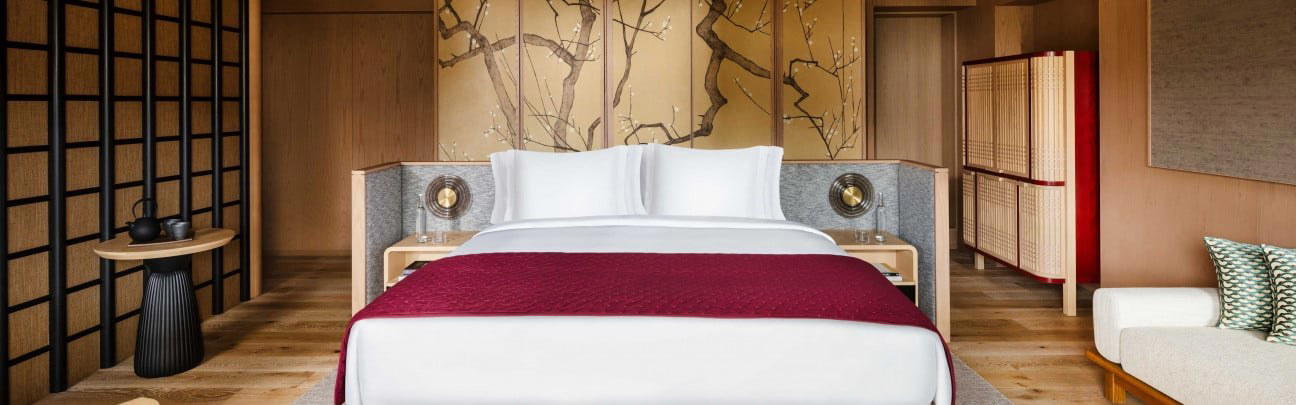
Wineries in Kyoto
Browse all →
Details
- Intimate
- Elegant
- Sophisticated
- Classic
- Special Occasion
- Date Night
- Celebration
- Business Dinner
- Chefs Counter
- Open Kitchen
- Sake Program
- A La Carte
- Omakase
- Counter Dining
- Sake
Current opening hours
- Monday
- 5–11 PM
- Tuesday
- 5–11 PM
- Wednesday
- 5–11 PM
- Thursday
- 5–11 PM
- Friday
- 5–11 PM
- Saturday
- 5–11 PM
- Sunday
- Closed
Hours can change for holidays and private events. Hours as of .
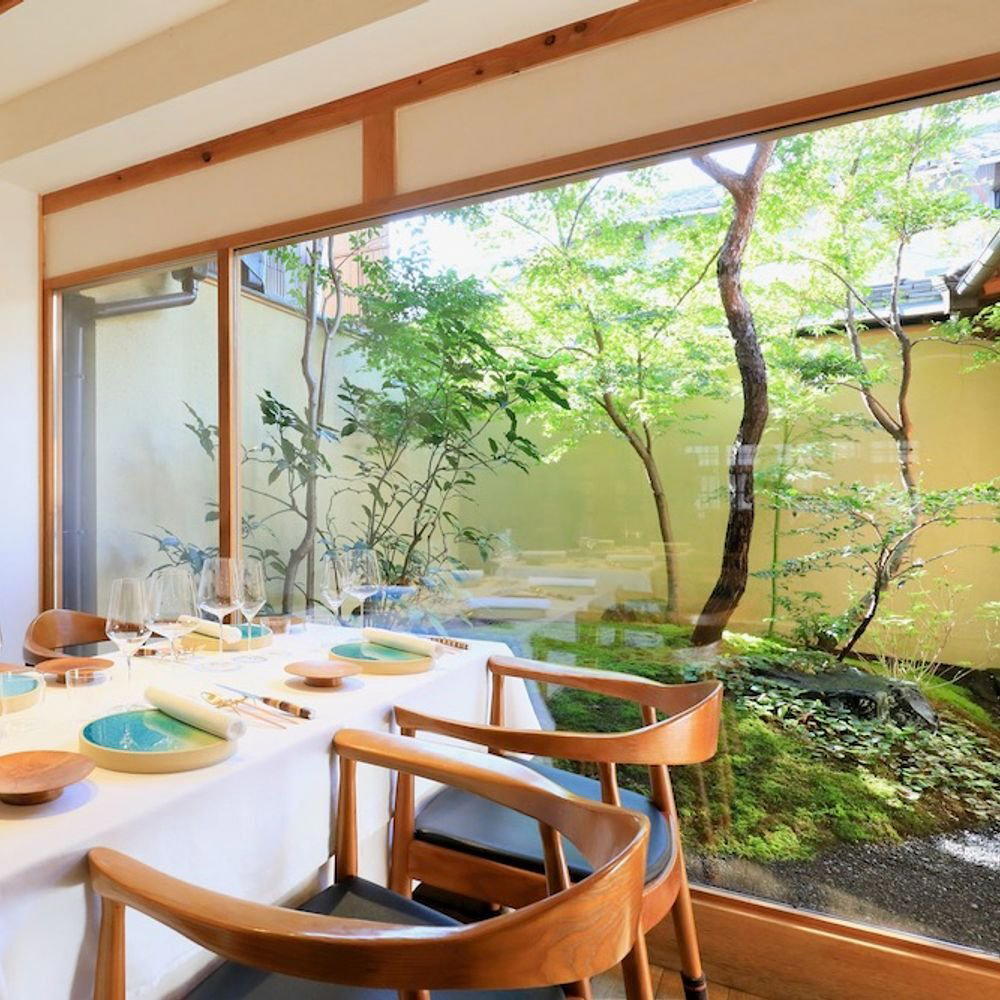
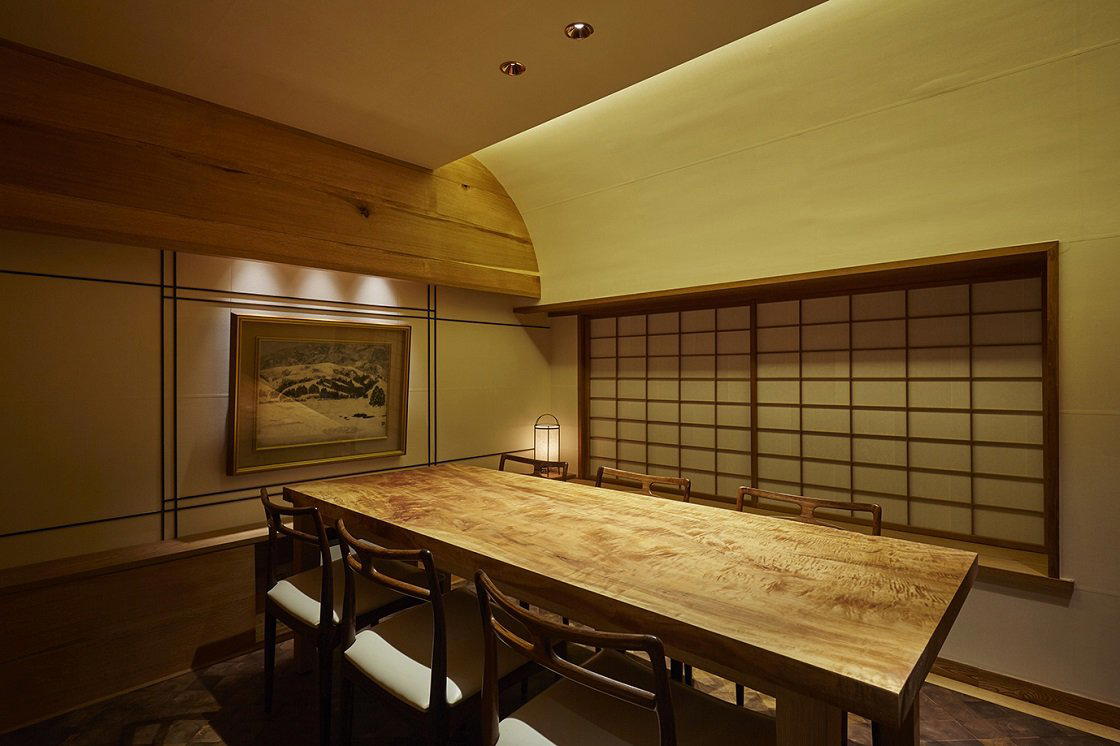
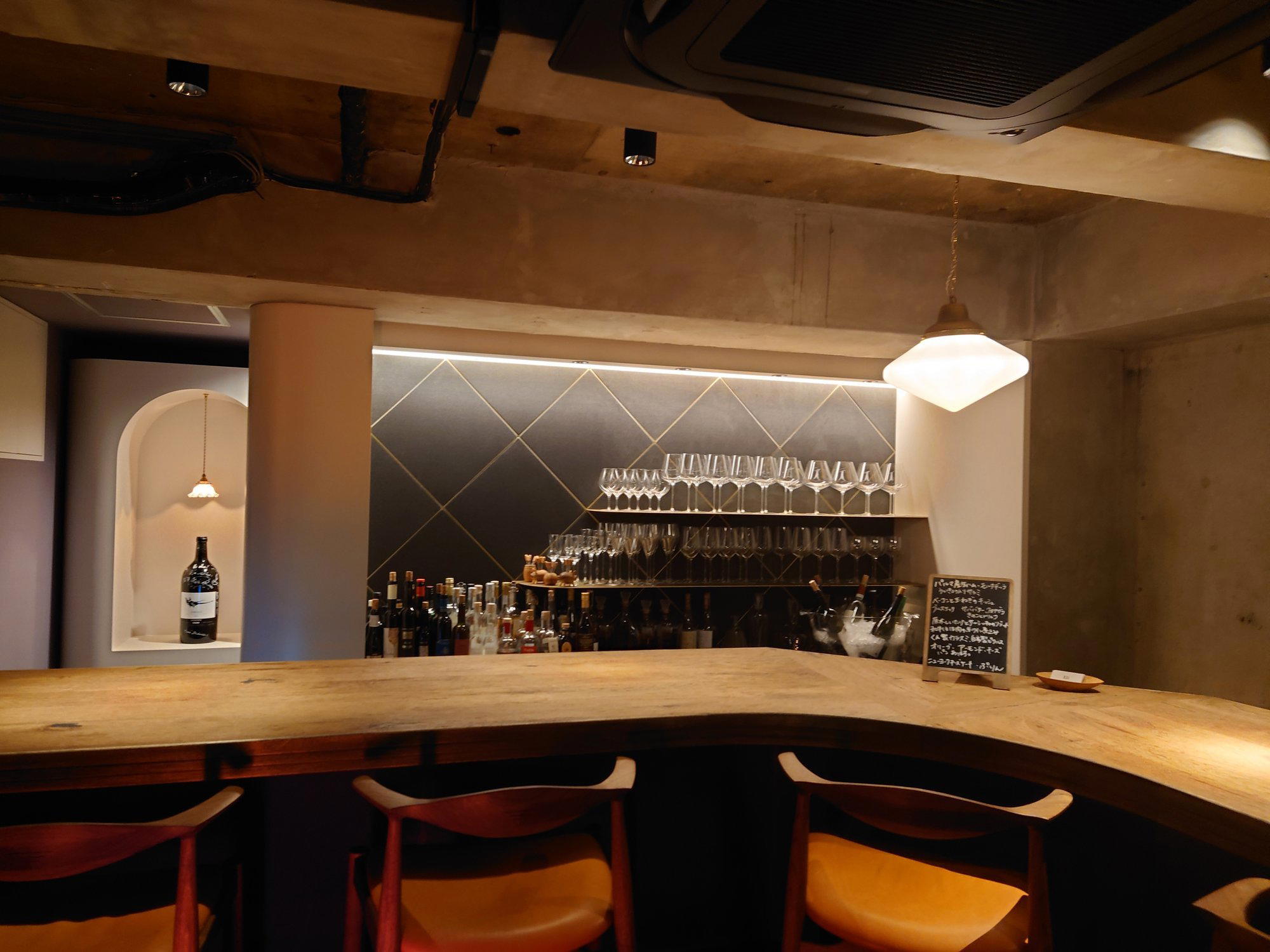
Warm, inviting atmosphere with a beautifully crafted wooden counter seating just ten, enveloped in a cozy wooden interior fostering intimacy and personal connection with the chef.