

1 Michelin Star
Our verdict
A Michelin-starred Japanese restaurant in Kyoto's Nakagyo Ward, Mirei draws on the cross-cultural perspective of chef-owner Yuzo Nakao, whose formative years in the port city of Nagasaki shaped an à la carte philosophy that diverges from Kyoto's kaiseki mainstream.

Pearl is the En Primeur Club membership app, where members save venues, book tables and use the concierge.
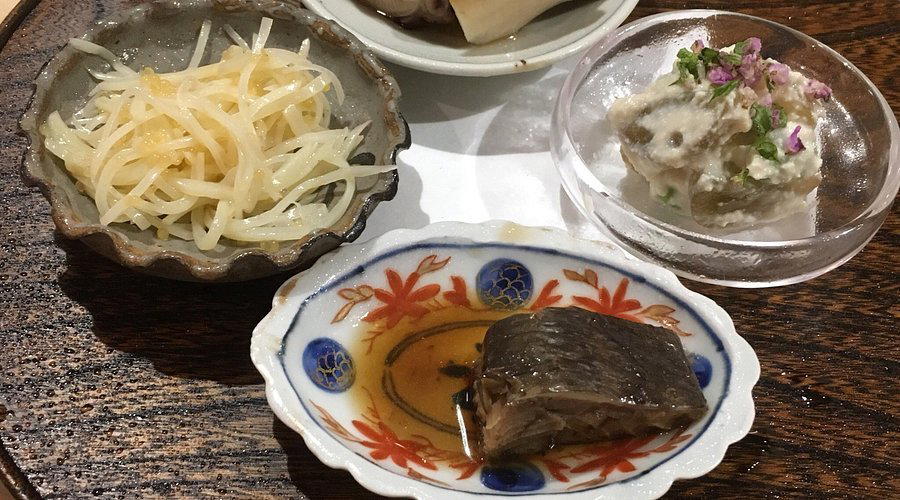
Where Nagasaki's Cosmopolitan Past Meets Kyoto's Seasonal Present
Nakagyo Ward sits at the geographic and commercial heart of Kyoto, a district whose streets compress centuries of merchant culture, temple precincts, and contemporary dining into a walkable grid. It is not where most visitors expect to find a Michelin-starred counter with roots in a southern port city, which is precisely what makes the address worth attention. Mirei, on Kameyacho, occupies this position quietly: no grand signage, no queue-management system, no omakase theatre in the mould of the better-publicised counters further east in Gion or Higashiyama.
The physical approach reflects the broader character of mid-range Nakagyo dining: understated exteriors that shift register the moment you are seated. That restraint is not accidental. Kyoto has always used minimalism as a form of confidence, and Mirei's room reads within that tradition even as its menu departs from it in significant ways.
The Nagasaki Axis: How a Port City's Openness Shapes the Plate
Kyoto's restaurant culture is dominated by kaiseki, the multi-course seasonal format that has become the city's default statement of culinary seriousness. Mirei does not sit inside that grammar in the conventional sense.
Chef-owner Yuzo Nakao grew up in Nagasaki, a city whose centuries as one of Japan's few permitted international trading ports left a culinary openness that still distinguishes it from other Japanese regional traditions. Nagasaki absorbed Dutch, Chinese, and Portuguese influences at a time when the rest of Japan maintained strict isolationism, and that layered cosmopolitanism became a local identity rather than an anomaly. The restaurant's name references the French painter Jean-François Millet, a deliberate signal that Western cultural reference is not a graft here, but part of the formative environment that shaped Nakao's thinking. In the context of Kyoto's historically inward-facing culinary tradition, that framing carries weight.
This matters editorially because it positions Mirei within a smaller cohort of Kyoto restaurants where the chef's regional background creates a productive friction with the city's dominant aesthetic. The result is not fusion in the diluted sense, but a Japanese kitchen that treats Western cultural reference as native rather than borrowed.
À La Carte in a City of Fixed Menus
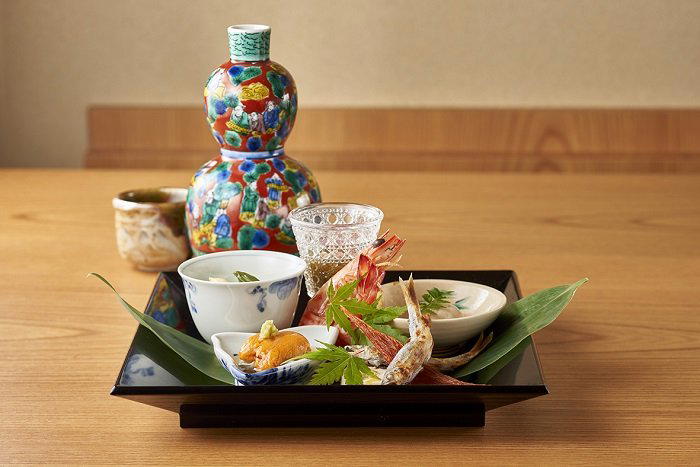
The structural decision that most clearly separates Mirei from its Michelin-starred peers in Kyoto is the à la carte format. Across the city's starred Japanese restaurants, the tasting menu or fixed kaiseki progression is close to universal. Diners at those establishments cede sequencing entirely to the kitchen. Nakao's approach reverses that compact: the menu is varied and guest-led, and the kitchen accommodates the fact that no two guests share the same appetite or set of preferences.
That philosophy has a practical consequence. At a kaiseki counter, the chef's seasonal argument is made in full across every course, whether or not a given diner is receptive to every element. At Mirei, the guest curates their own path through what is available, which shifts the dynamic toward dialogue rather than declaration. It is a less common model in Kyoto's starred tier, and it places Mirei in closer alignment with certain mid-range French bistro formats than with the kaiseki tradition it operates alongside.
Comparison venues in the ¥¥¥ tier in Kyoto include others across the broader Kyoto dining scene, but within the Japanese fine-dining category at this price point, Mirei's à la carte commitment remains a distinguishing structural feature.
What the Menu Signals
The dish that the venue's own awards notes single out is the pureed soup of young onions, peaches, chestnuts, and Kyoto yams, a construction that sequences seasonal produce across what might read as incompatible flavour registers. Peach in a savoury soup context is not a standard kaiseki move; it gestures toward the kind of produce-led seasonal thinking found in contemporary French kitchens. The Kyoto yam grounds the preparation in local ingredient sourcing, while the peach and chestnut sequence reads as a seasonal timeline compressed into a single bowl. That combination of local grounding and cross-cultural structural thinking reflects exactly the Nagasaki-inflected approach the restaurant's positioning describes.
The OAD ranking of 348th in Japan for 2025 places Mirei within a large but still selective tier of nationally recognised Japanese restaurants, below the top-tier cluster of three-star Tokyo counters such as Harutaka in Tokyo and establishments like HAJIME in Osaka, but within the range of destinations that serious dining travellers build itineraries around. For regional comparisons further afield, the OAD list places it in a peer band that includes destinations like akordu in Nara, Goh in Fukuoka, 1000 in Yokohama, and 6 in Okinawa, restaurants with individual critical reputations rather than mass recognition.
For Japanese-format fine dining in Tokyo specifically, counters like Myojaku and Azabu Kadowaki represent the kind of peer conversation Mirei's Michelin recognition puts it into at the national level.
Critical Assessment: What the Awards Data Implies
A single Michelin star in Kyoto is awarded in one of the most competitive prefectures in Japan for starred dining. Kyoto has a higher density of starred restaurants per capita than almost any other city outside Tokyo, which means the bar for recognition is calibrated against a field that includes multiple two- and three-star operations in formats that have refined their approach over generations.
The OAD ranking at 348 in 2025 sits below Mirei's Michelin tier position in terms of absolute rank, which is not unusual: OAD rankings weight critic and industry-professional opinion heavily, and lesser-known or quieter restaurants sometimes rank below their Michelin equivalents in OAD simply due to lower survey visibility. That gap can itself be a useful signal about a restaurant's character, it tends to favour places that have not yet become circuit destinations for international dining tourists.
Planning Your Visit
Mirei is located in Nakagyo Ward at Kameyacho 143-2. The ¥¥¥ price range positions it below the ¥¥¥¥ tier occupied by many of Kyoto's kaiseki flagships. Specific booking methods, hours, and seating capacity are not published through available channels at time of writing; direct contact via the address or local concierge services is the recommended approach for reservations.
| Venue | Cuisine | Price Tier | Format | Recognition |
|---|---|---|---|---|
| Mirei | Japanese | ¥¥¥ | À la carte | Michelin 1 Star (2024), OAD #348 Japan (2025) |
| Gion Sasaki | Kaiseki / Japanese | ¥¥¥¥ | Kaiseki tasting | Michelin-starred |
| Ifuki | Kaiseki | ¥¥¥¥ | Kaiseki tasting | Michelin-starred |
| cenci | Italian | ¥¥¥ | Tasting menu | Michelin-starred |
| Kyo Seika | Chinese | ¥¥¥ | À la carte / set | Michelin-starred |
For broader planning across the city, see our full Kyoto restaurants guide, our full Kyoto hotels guide, our full Kyoto bars guide, our full Kyoto wineries guide, and our full Kyoto experiences guide.
Frequently asked questions
What should I expect atmosphere-wise at Mirei?
Mirei sits in Nakagyo Ward, Kyoto's commercial and working-city core, which carries a more everyday energy than the temple-adjacent streets of Gion or Higashiyama. The address at Kameyacho 143-2 places it away from the main tourist circuits, and the à la carte format signals a less ceremonial dining structure than the kaiseki rooms that define Kyoto's starred scene. A single Michelin star confirmed in 2024 and a ranking of #348 on Opinionated About Dining's Japan list establish the calibre without the formal rigidity those credentials sometimes imply.
Is Mirei award-winning?
Mirei has received recognition including: The French painter Jean-François Millet was the inspiration behind the restaurant's name—Western culture being a major influence in the owner-chef Yuzo Nakao's hometown of Nagasaki, an international port city for centuries. Recognising that….
What should I eat at Mirei?
The dish foregrounded in Mirei's own awards documentation is the pureed soup of young onions, peaches, chestnuts, and Kyoto yams, a preparation that sequences ingredients across seasons and draws on the local yam tradition while stepping outside the kaiseki framework. Beyond that, the à la carte structure means the menu shifts across multiple options rather than locking guests into a fixed progression, which is an architectural distinction from almost every other Michelin-starred table in the city. Order the soup regardless of what else you choose.
What price level is Mirei?
Pricing at Mirei is listed as ¥¥¥.
Where exactly is Mirei?
Mirei is located at Japan, 〒604-0865 Kyoto, Nakagyo Ward, Kameyacho, 143-2, Kyoto.
Awards and Standing
| Venue | Cuisine | Price | Awards | Notes |
|---|---|---|---|---|
| MireiThis venue (the venue you are viewing) | Modern Kyoto Kaiseki A La Carte | $150–200 | 1 Michelin Star | Not listed |
| Gion Sasaki | Modern Kaiseki | $300–500 | 3 Michelin Stars · La Liste Top Restaurants | Kaiseki, Japanese |
| cenci | Innovative Italian-Japanese Fusion | $100–150 | 1 Michelin Star · World's 50 Best #76 | Italian |
| Ifuki | Sumibi Kappo Kaiseki | $200–300 | 2 Michelin Stars · La Liste Top Restaurants | Kaiseki |
| Kyokaiseki Kichisen | Kyoto Kaiseki | $200–300 | 2 Michelin Stars · La Liste Top Restaurants | Japanese |
| Kyo Seika | Modern Chinese Fine Dining | $150–200 | 1 Michelin Star · Tabelog Bronze #216 | Chinese |
Recognition history
Dated appearances from independent guides and award organizations, with the underlying list record or original source where available.
Michelin 1 Star
Michelin
Opinionated About Dining Top Restaurants in Japan Recommended
Opinionated About Dining
Full recognition history (4 entries)
Opinionated About Dining Top Restaurants in Japan Ranked #348
Opinionated About Dining
Michelin 1 Star
Michelin
Continue exploring
More in Kyoto
Restaurants in Kyoto
All restaurants in Kyoto →
Bars in Kyoto
All bars in Kyoto →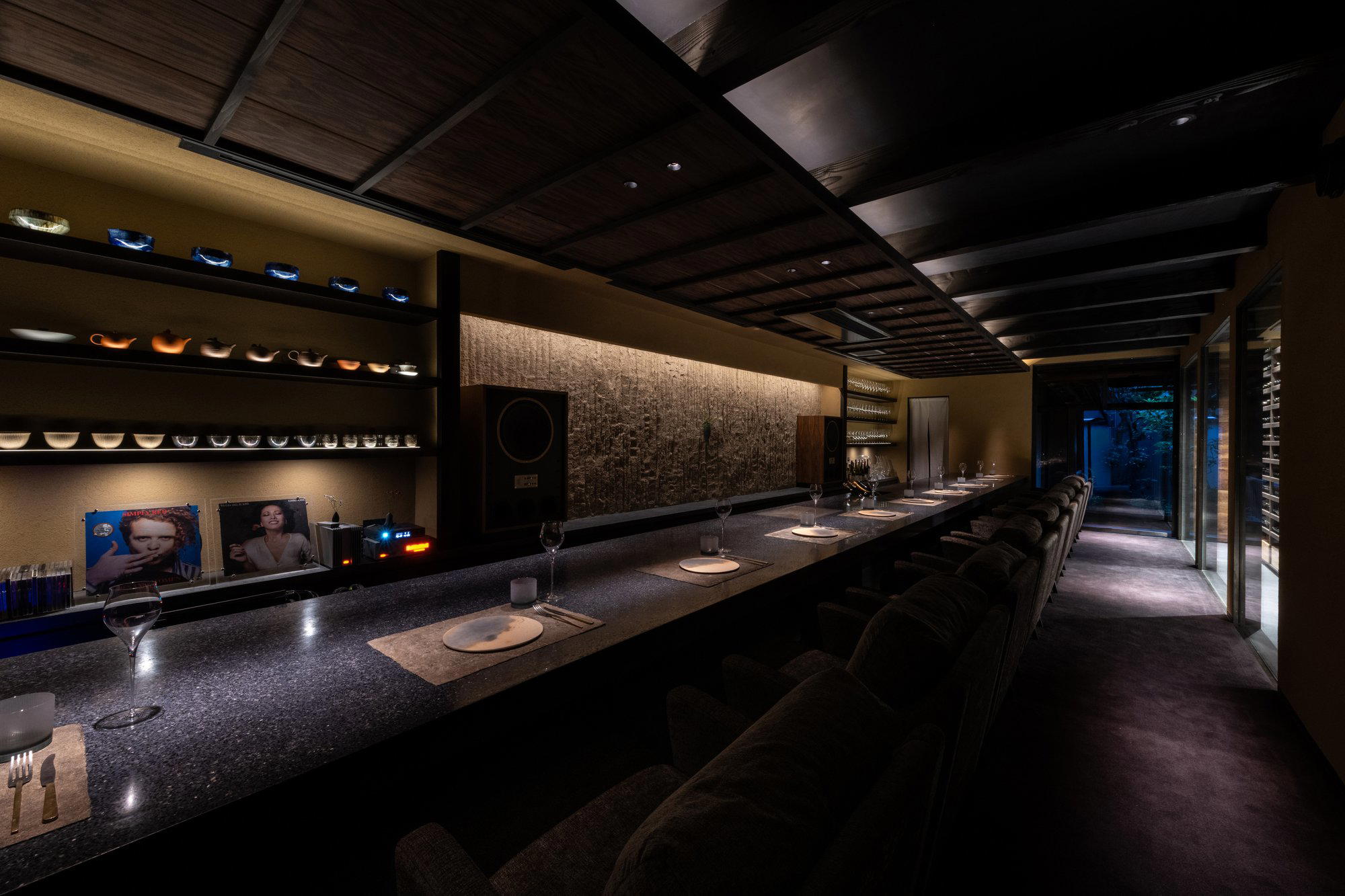

Hotels in Kyoto
All hotels in Kyoto →
Wineries in Kyoto
Browse all →
Details
- Cozy
- Elegant
- Intimate
- Sophisticated
- Date Night
- Special Occasion
- Chefs Counter
- Open Kitchen
- Sake Program
- A La Carte
- Counter Dining
- Sake
Current opening hours
- Monday
- 5–10:30 PM
- Tuesday
- 5–10:30 PM
- Wednesday
- Closed
- Thursday
- 5–10:30 PM
- Friday
- 5–10:30 PM
- Saturday
- 5–10:30 PM
- Sunday
- 5–10:30 PM
Hours can change for holidays and private events. Hours as of .
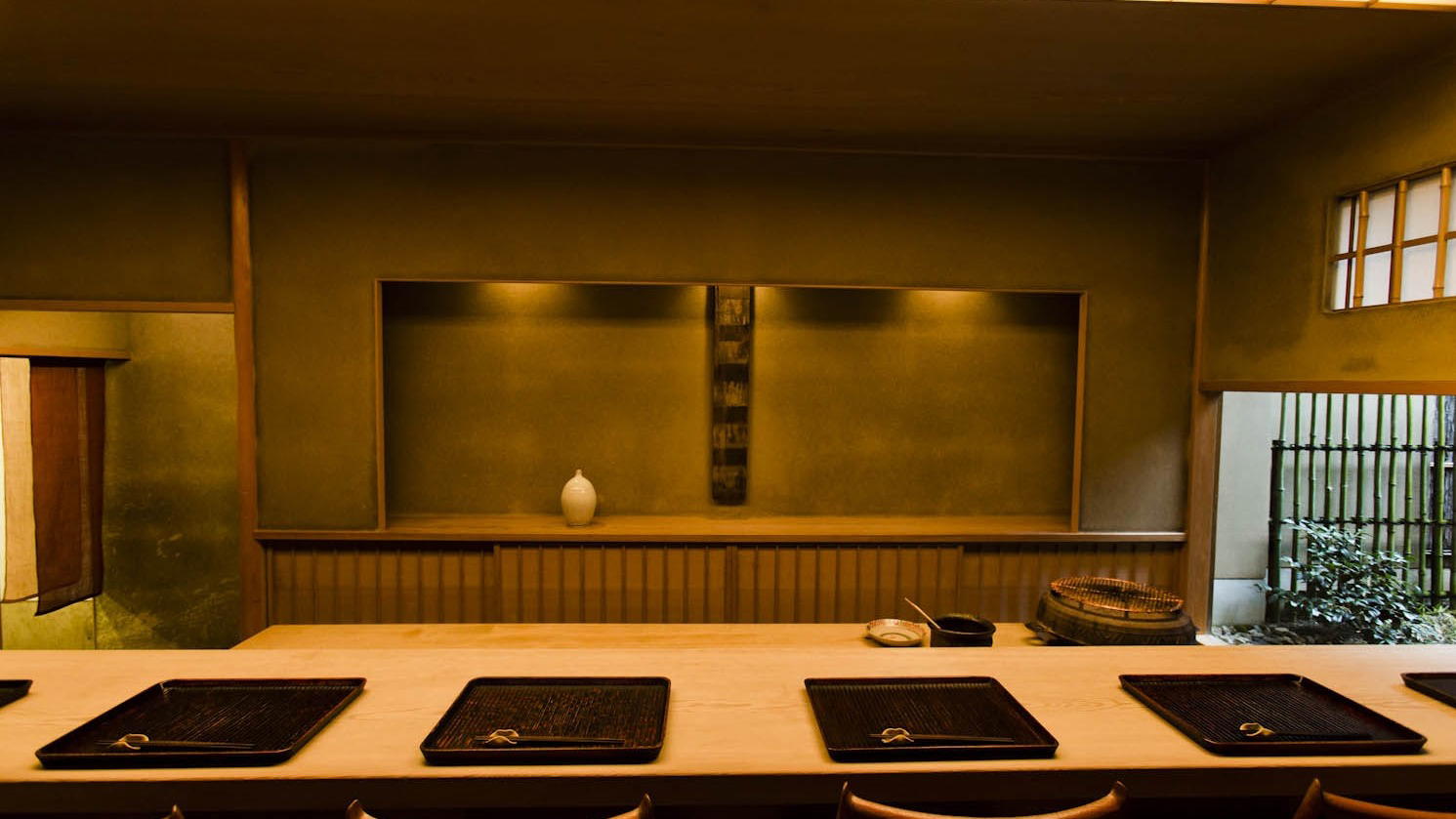
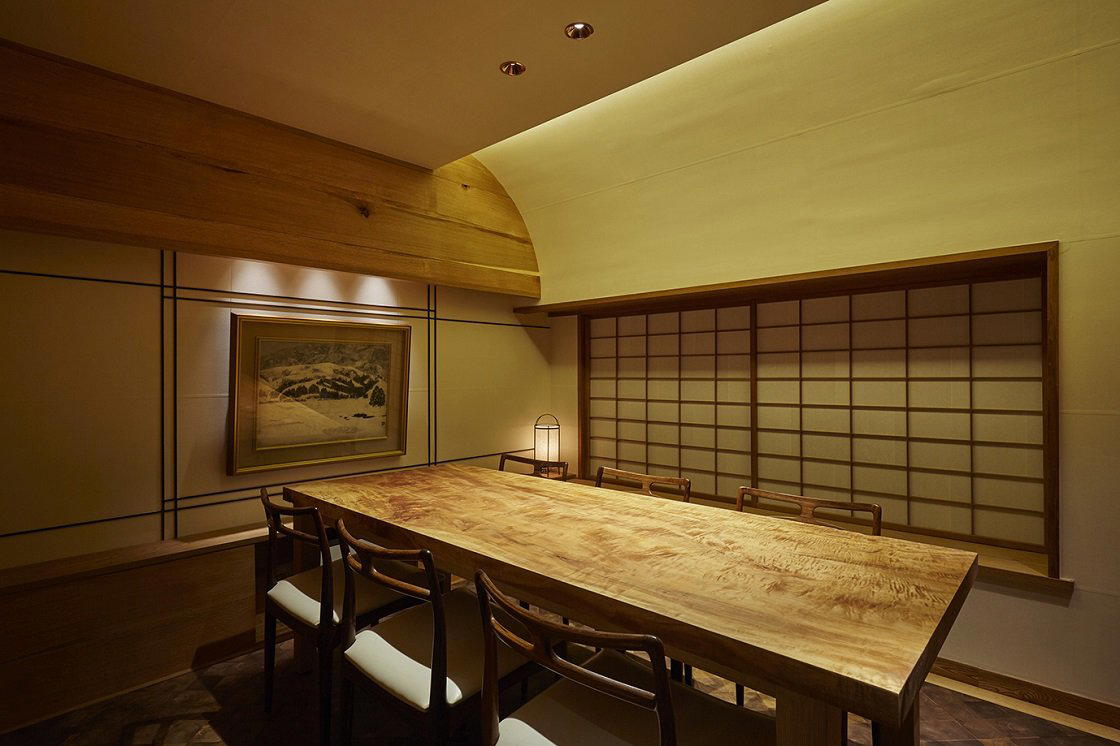
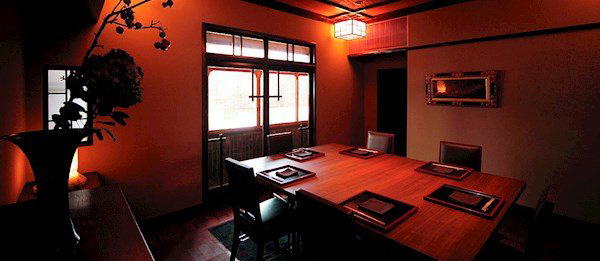
Cozy counter seating around open kitchen with simple Japanese style evoking Millet's paintings, relaxed yet refined atmosphere.