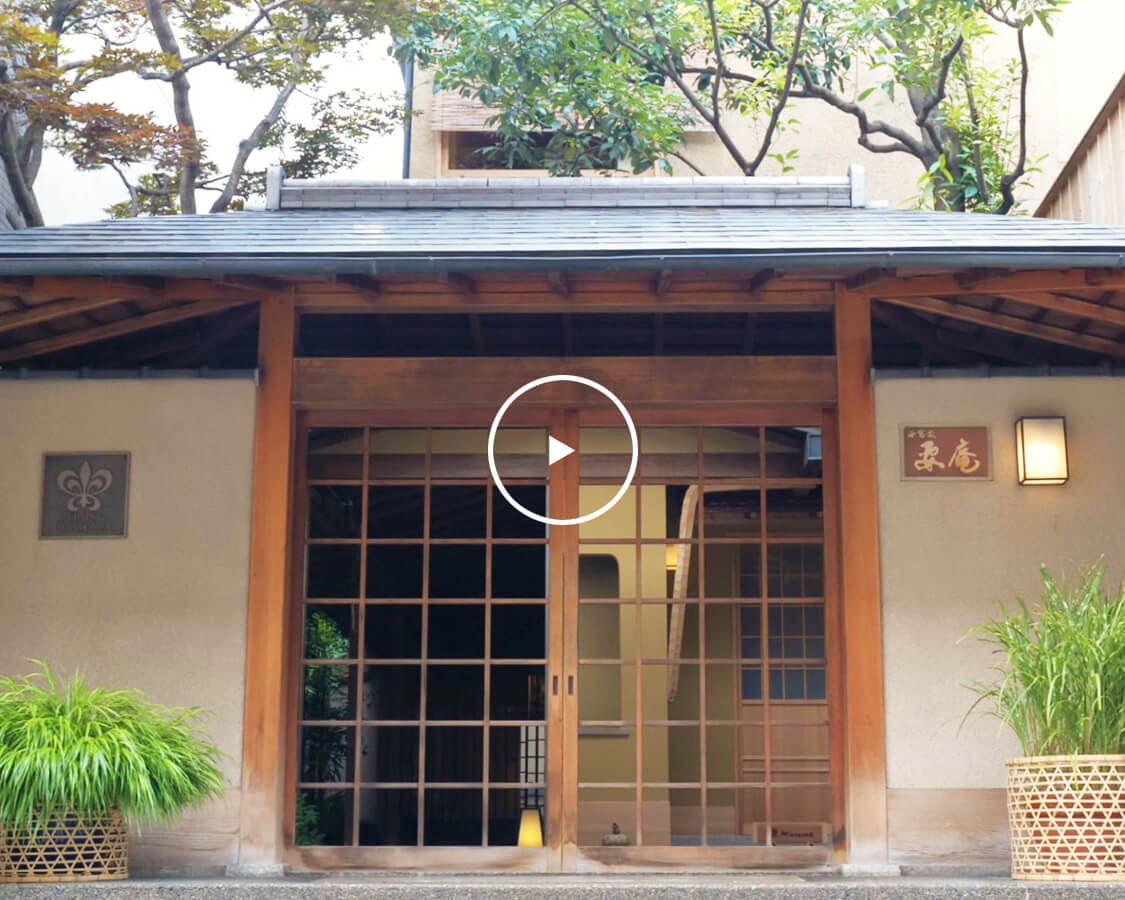
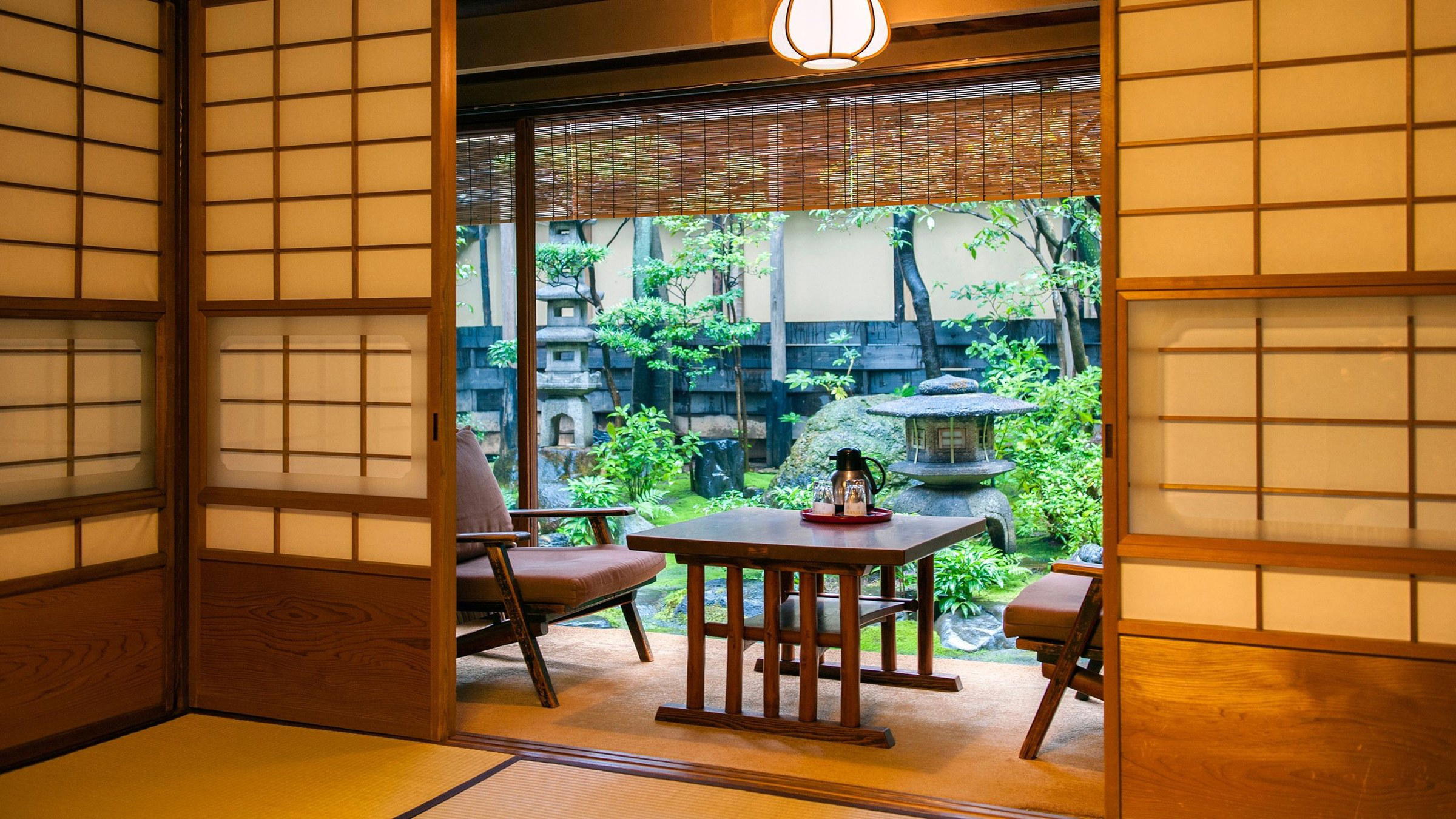
1 Michelin Star
Our verdict
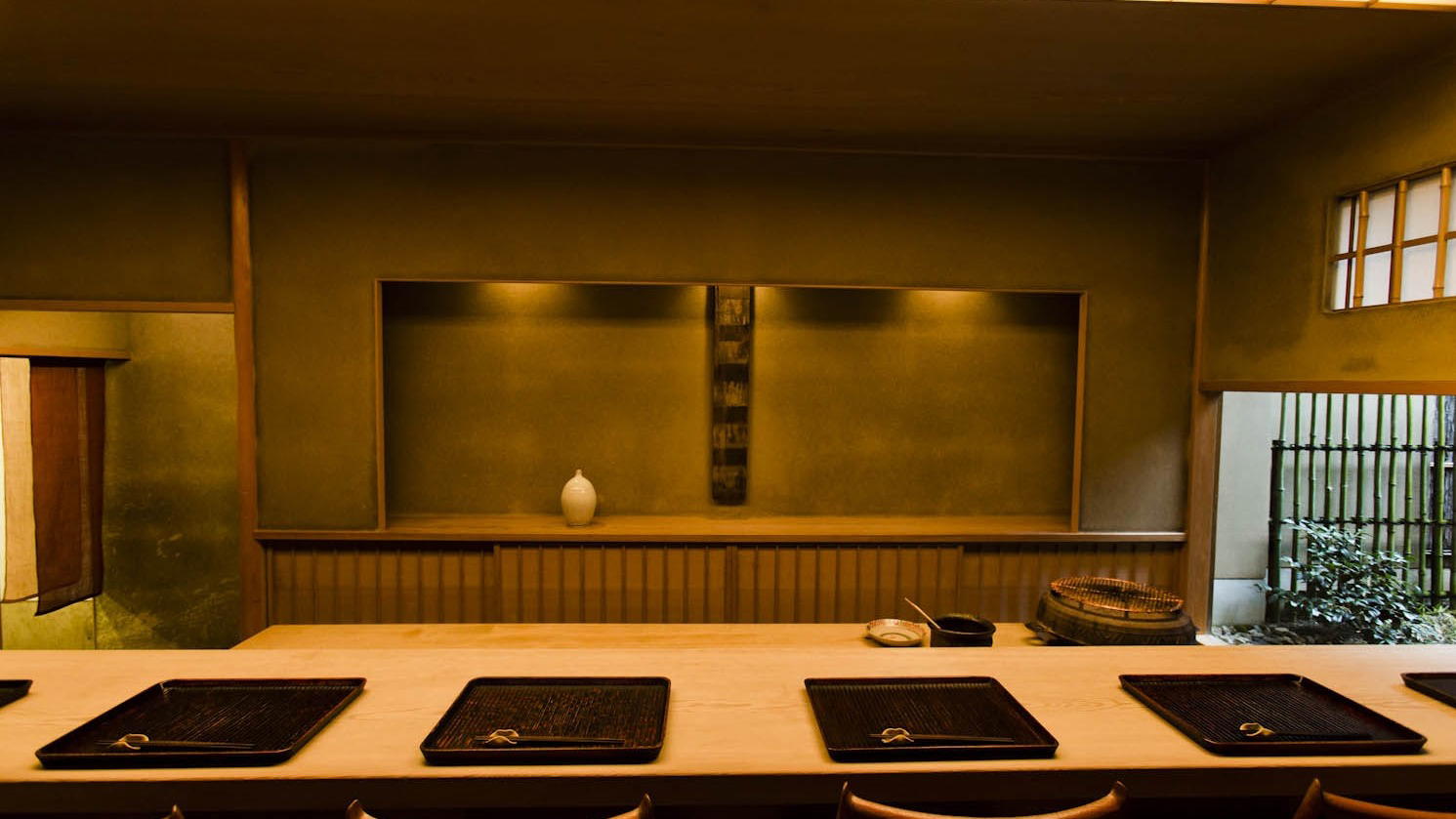
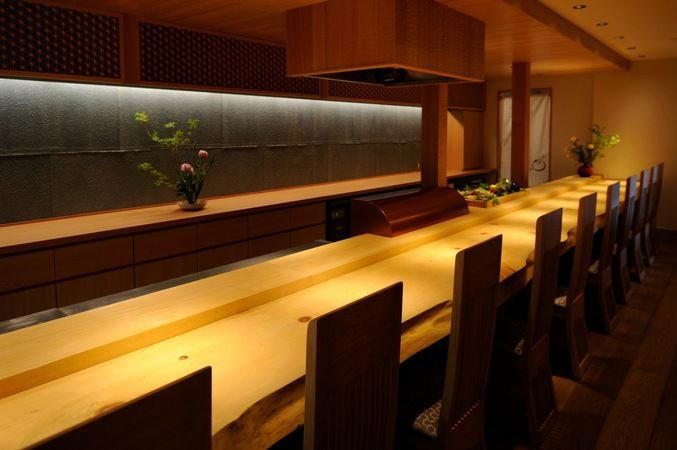
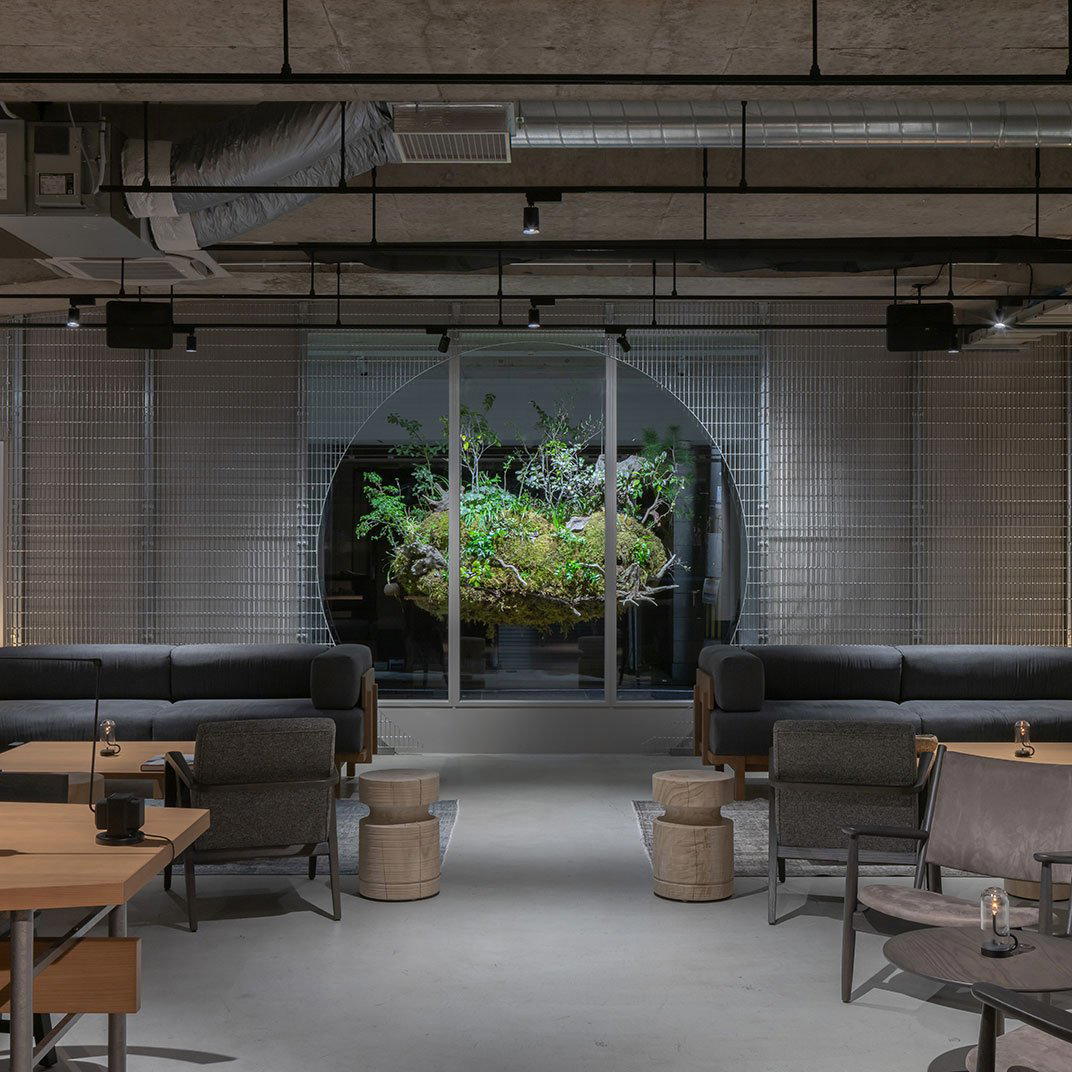
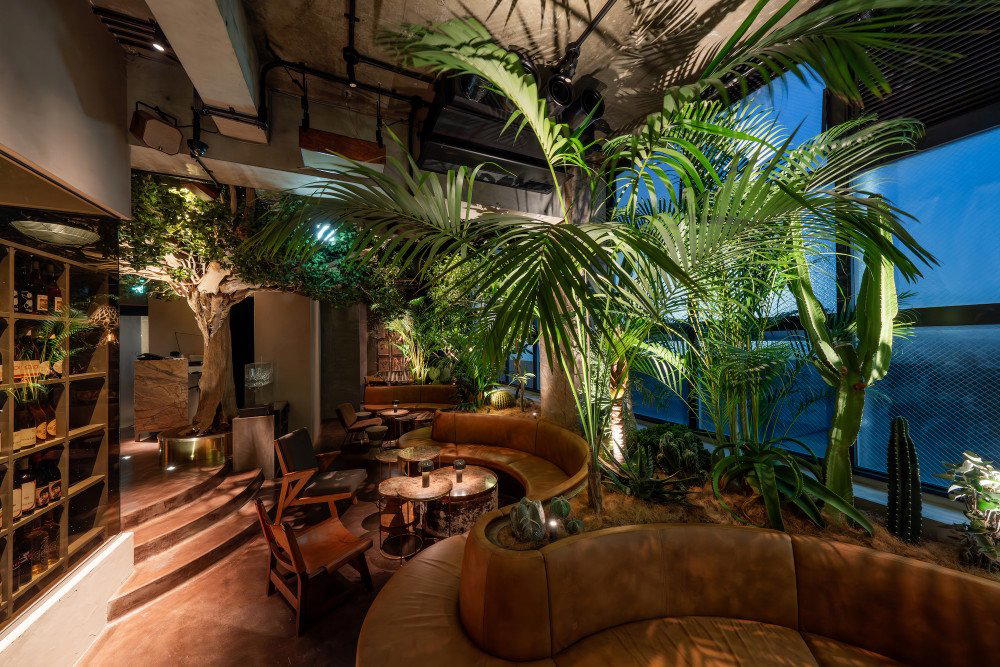
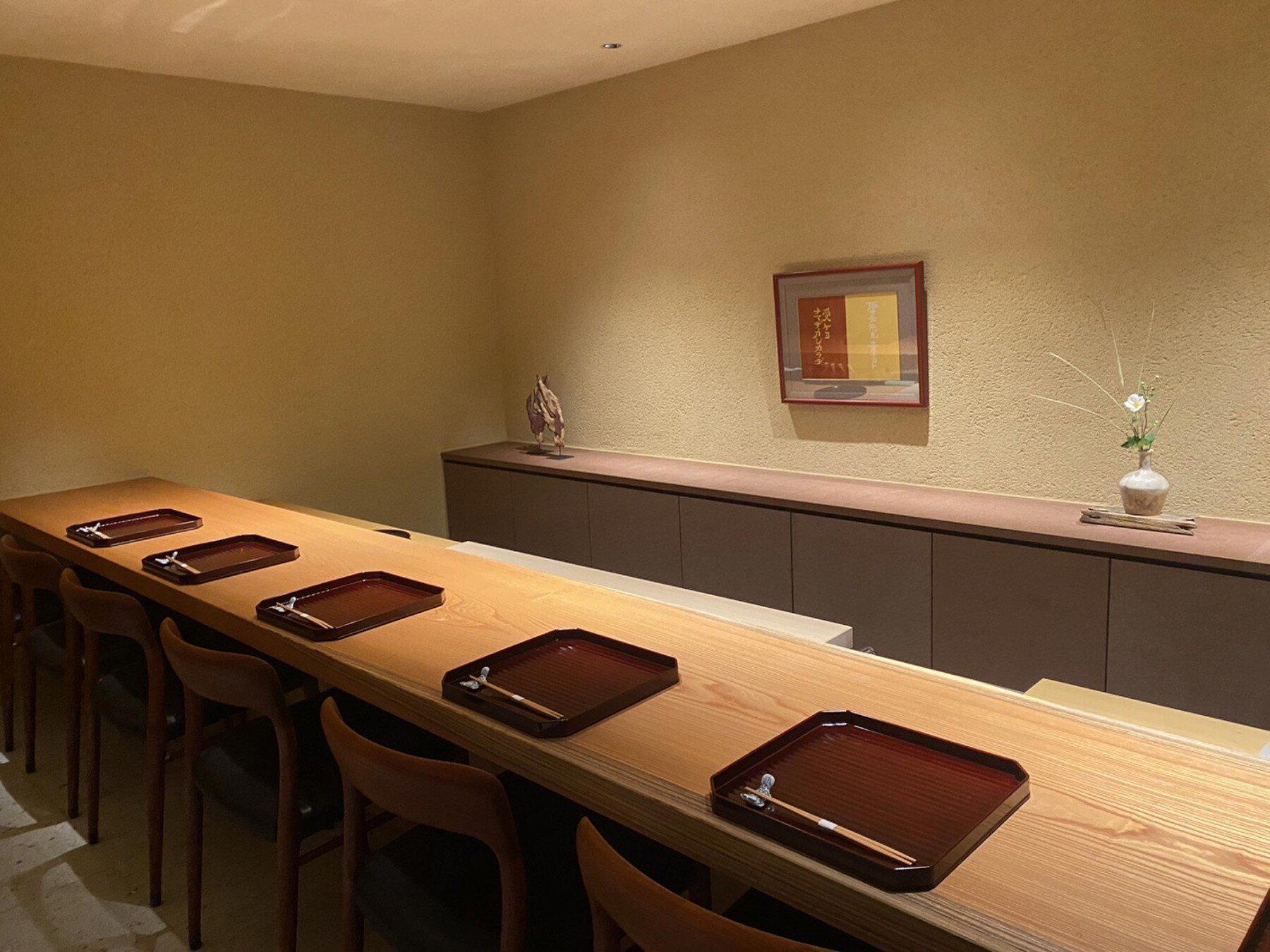
In Nakagyo Ward, Miyawaki works within the conventions of Japanese cuisine rather than against them, using precise technique to draw out what is already present in each ingredient. Salted kombu on tsukuri, tofu skin folded into pureed soup, fish and vegetables paired with fruit: the menu is modern in sensibility but grounded in native flavour. The interior, Japanese in structure and Scandinavian in its chairs, reads the same way.

Pearl is the En Primeur Club membership app, where members save venues, book tables and use the concierge.
A Room That Signals Intent
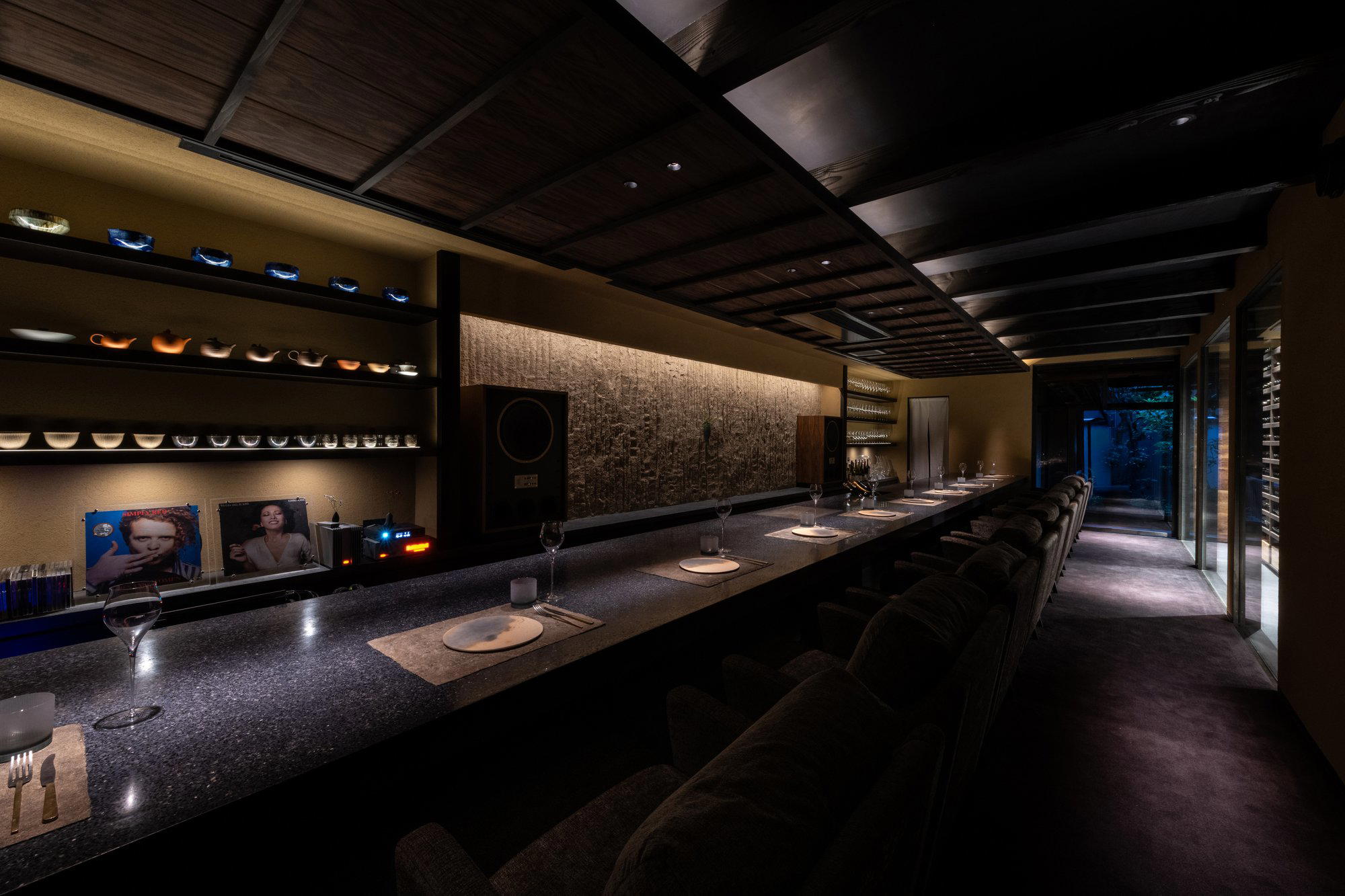
Before a dish arrives, the room at Miyawaki makes a quiet argument. The structure and material palette are Japanese, the kind of spare, considered space that Kyoto restaurants have refined over generations. But the chairs are Scandinavian, and that small detail is not decorative. It signals the same thing the cooking will: a kitchen that holds the logic of Japanese cuisine firmly while allowing outside references in where they serve the food rather than the concept.
Nakagyo Ward, where Miyawaki sits on Shikiamicho, occupies a middle band of the city, away from the tourist-dense corridors of Higashiyama and south Gion. This part of Kyoto rewards the kind of visitor who reads addresses rather than follows crowds. The neighbourhood density means the restaurant does not perform for passing foot traffic. It operates for people who came specifically.
How the Kitchen Thinks About Ingredients
The dominant tradition in Kyoto fine dining is kaiseki, a sequential format with roots in tea ceremony hospitality that places seasonal produce, provenance, and restraint at its centre. Restaurants like Kikunoi Honten, Gion Sasaki, and Hyotei represent different registers of that tradition, from institution to progressive. Miyawaki operates in a space adjacent to that lineage without being formally positioned inside it. The kitchen respects the conventions of Japanese cuisine as a working discipline, not as a framework to be dismantled, and the creative touches it introduces are in service of the ingredient rather than the statement.
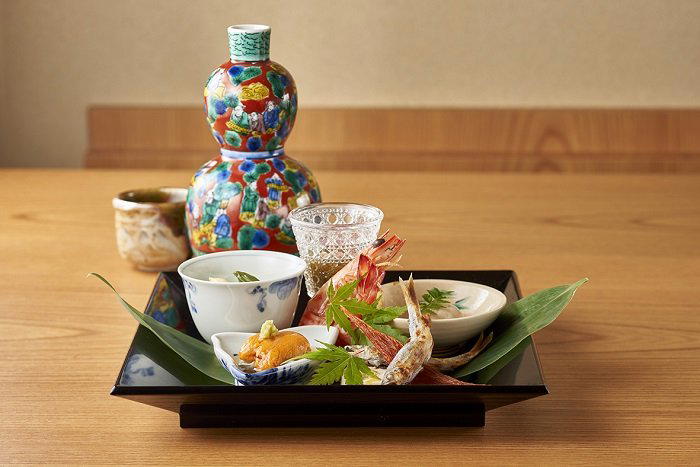
The treatment of tsukuri illustrates this clearly. Tsukuri, the Japanese term for sliced raw fish presented as a course, is one of the most form-bound elements in Japanese fine dining. Dressing it with salted kombu rather than serving it straight with soy is an intervention, but a considered one. Kombu is itself a foundational material in Japanese cooking, the base of dashi and a key carrier of umami. Using it as a seasoning layer on the fish amplifies what is already there rather than introducing a foreign register. The dish becomes more itself.
Same logic applies to the soup course. Tofu skin, or yuba, is a Kyoto speciality with a long association with Buddhist temple cooking in the city. It appears here grated and incorporated into pureed soup, a technique that extracts sweetness from the skin and integrates it into the body of the dish rather than presenting it as a textural element on leading. This is the kind of move that requires knowledge of an ingredient's full range of behaviour, not just its conventional applications.
Pairing fish and vegetables with fruit to add lightness sits in a different register from the kombu and yuba techniques but serves the same overall principle. The acidity and fragrance of fruit can open up the natural sweetness of seafood and soften the earthiness of vegetables without adding weight. It reads as modern in sensibility, which it is, but it also aligns with a broader Japanese instinct for balancing flavour through contrast rather than addition.
Kyoto's Smaller Counter Tier
Kyoto's recognised dining tier is anchored by multi-generational kaiseki houses and Michelin-tracked restaurants. Below that formal upper bracket, a smaller cohort of restaurants operates with fewer seats, less institutional history, and menus that are harder to categorise cleanly. This is the tier Miyawaki occupies. The advantage of this position is creative latitude. A kitchen not carrying the weight of a three-hundred-year lineage can move between reference points without the same institutional pressure. Mizai and Isshisoden Nakamura represent other points on that Kyoto spectrum, each working with Japanese culinary tradition at different degrees of formality.
For context outside Kyoto, the approach at Miyawaki has parallels elsewhere in Japan. HAJIME in Osaka pursues a similarly disciplined modern Japanese aesthetic, while akordu in Nara shows how a different regional context shapes what modern Japanese cooking can mean. At the international end, kitchens like Atomix in New York City demonstrate how far Japanese culinary logic travels when applied with precision, and Le Bernardin in New York City offers a useful comparison point for how restraint-led cooking can maintain authority in a demanding market. Closer to Kyoto's Pacific coast orientation, Goh in Fukuoka and Harutaka in Tokyo both show what focused Japanese technique looks like when the kitchen narrows its scope to a specific tradition. 1000 in Yokohama and 6 in Okinawa each illustrate how regional identity inflects what counts as modern Japanese in different parts of the country.
Ingredient Respect as an Environmental Position
Japanese kaiseki tradition is, in its structure, already an argument for sustainability, though the word rarely appears in its vocabulary. The seasonal constraint is not cosmetic: using what is available at its peak moment and letting the ingredient lead the composition reduces the need for intervention, which in turn reduces waste, over-processing, and the energy cost of forcing out-of-season produce. When Miyawaki uses salted kombu as a seasoning layer, it is also using an ingredient that requires no soil, minimal freshwater, and grows without agricultural inputs. Kombu and other sea vegetables have attracted renewed attention in sustainability discussions precisely because their production footprint is low relative to land-farmed alternatives.
Yuba, similarly, is a product of soy milk processing that makes use of material often treated as secondary. Incorporating it into soup as a primary flavour element rather than a garnish reflects an approach to ingredients that aligns with what the food industry more broadly calls whole-ingredient or zero-waste cooking. The fruit pairings with fish and vegetables point in the same direction: using the acidity and fragrance of fruit to do work that would otherwise require heavier saucing or reduction reduces both waste and kitchen labour.
None of this is framed as an environmental programme at Miyawaki. It is framed as cooking. But the outcomes align, and in a city where Buddhist temple cuisine has practised this logic for centuries, the approach has roots that go considerably deeper than the current sustainability conversation.
Planning Your Visit
Location: Shikiamicho 122-1, Nakagyo Ward, Kyoto. Reservations: Booking details are not publicly listed; direct contact through local concierge or specialist reservation services is recommended. Dress: Smart casual is appropriate for Kyoto restaurants at this level; the interior's quiet formality suggests avoiding overly casual clothing. Budget: Timing: Evenings tend to suit the kaiseki-adjacent format; confirming whether lunch service is available before visiting is advisable.
For a broader picture of where Miyawaki sits in the city's dining options, see our full Kyoto restaurants guide. Visitors planning a longer stay can also refer to our Kyoto hotels guide, Kyoto bars guide, Kyoto wineries guide, and Kyoto experiences guide.
Frequently asked questions
Can I bring kids to Miyawaki?
Miyawaki operates as a considered counter-format restaurant in Nakagyo Ward where the kitchen prioritises precise, sequential cooking in a spare, quiet room. That format works better for older children comfortable with a slow, multi-course pace than for young diners. Contact a local concierge before booking to confirm suitability.
What is the atmosphere like at Miyawaki?
The room pairs a Japanese structural palette with Scandinavian chairs, producing an interior that is spare without being cold. The overall register is calm and deliberate, consistent with the kitchen's approach of restraint and precision rather than theatrical presentation.
Is Miyawaki Michelin-listed?
Miyawaki has received recognition including: Japanese decor with Scandinavian chairs creates a harmonious modern Japanese interior. The chef respects the boundaries of Japanese cuisine while overlaying some creative touches. Tsukuri are dressed with salted kombu, enhancing umami. Tofu….
What's the must-try dish at Miyawaki?
The tsukuri dressed with salted kombu has drawn specific editorial attention for the way it amplifies umami without masking the fish's native character. The pureed soup incorporating grated tofu skin is equally indicative of the kitchen's method: familiar Kyoto ingredients handled with a quietly inventive hand.
Awards and Standing
Comparable options at a glance, pulled from our tracked venues.
| Venue | Cuisine | Price | Awards | Notes |
|---|---|---|---|---|
| MiyawakiThis venue (the venue you are viewing) | Modern Kaiseki | $200–300 | 1 Michelin Star | Not listed |
| Gion Sasaki | Modern Kaiseki | $300–500 | 3 Michelin Stars · La Liste Top Restaurants | Kaiseki, Japanese |
| cenci | Innovative Italian-Japanese Fusion | $100–150 | 1 Michelin Star · World's 50 Best #76 | Italian |
| Ifuki | Sumibi Kappo Kaiseki | $200–300 | 2 Michelin Stars · La Liste Top Restaurants | Kaiseki |
| Kyokaiseki Kichisen | Kyoto Kaiseki | $200–300 | 2 Michelin Stars · La Liste Top Restaurants | Japanese |
| Kyo Seika | Modern Chinese Fine Dining | $150–200 | 1 Michelin Star · Tabelog Bronze #216 | Chinese |
Recognition history
Dated appearances from independent guides and award organizations, with the underlying list record or original source where available.
Michelin 1 Star
Michelin