1 Michelin Star
Our verdict
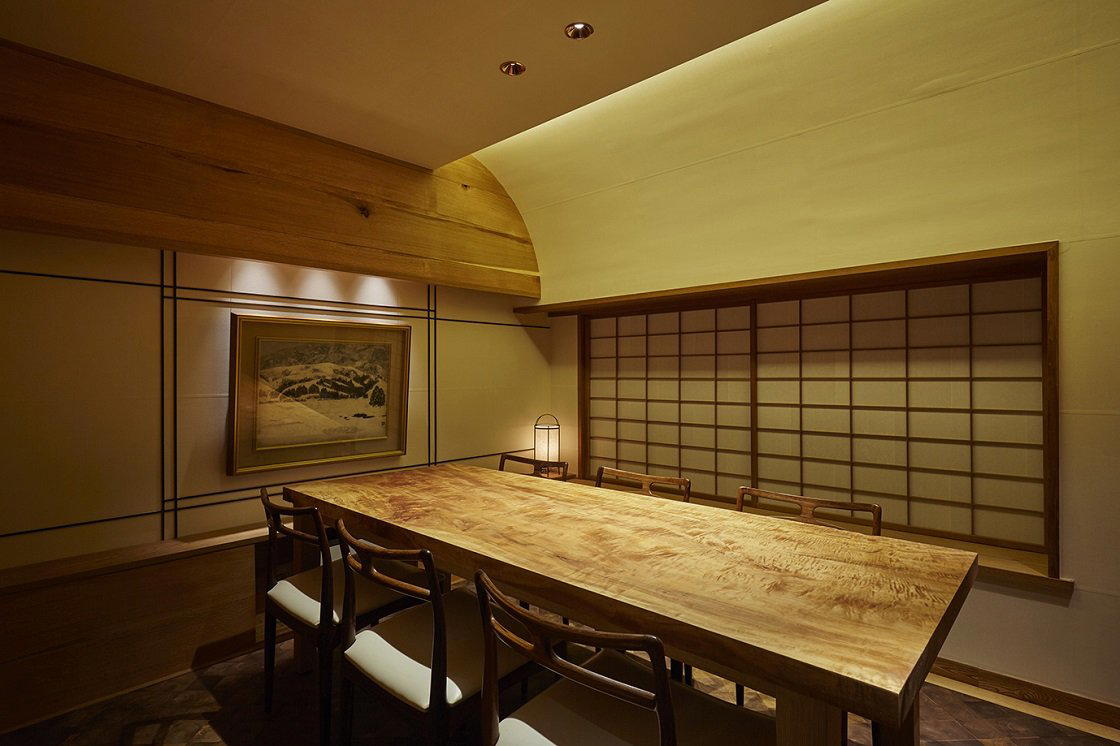
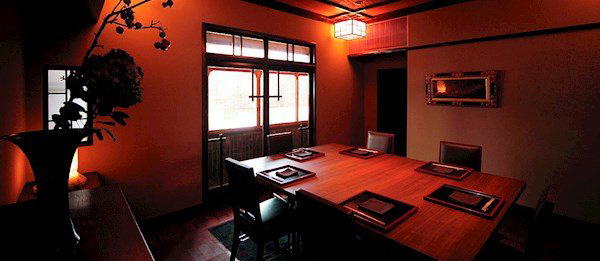
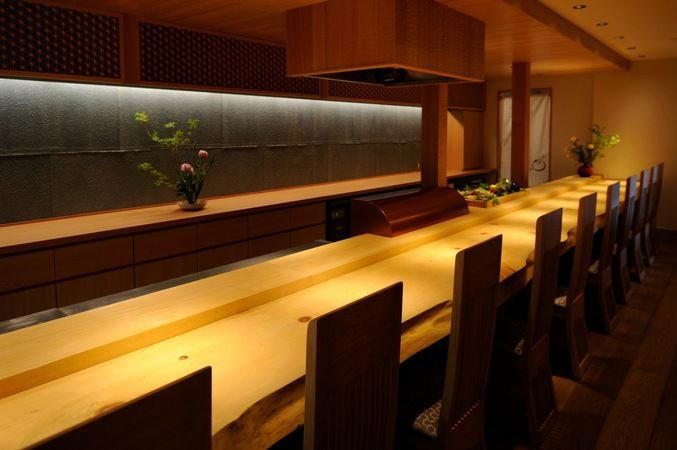
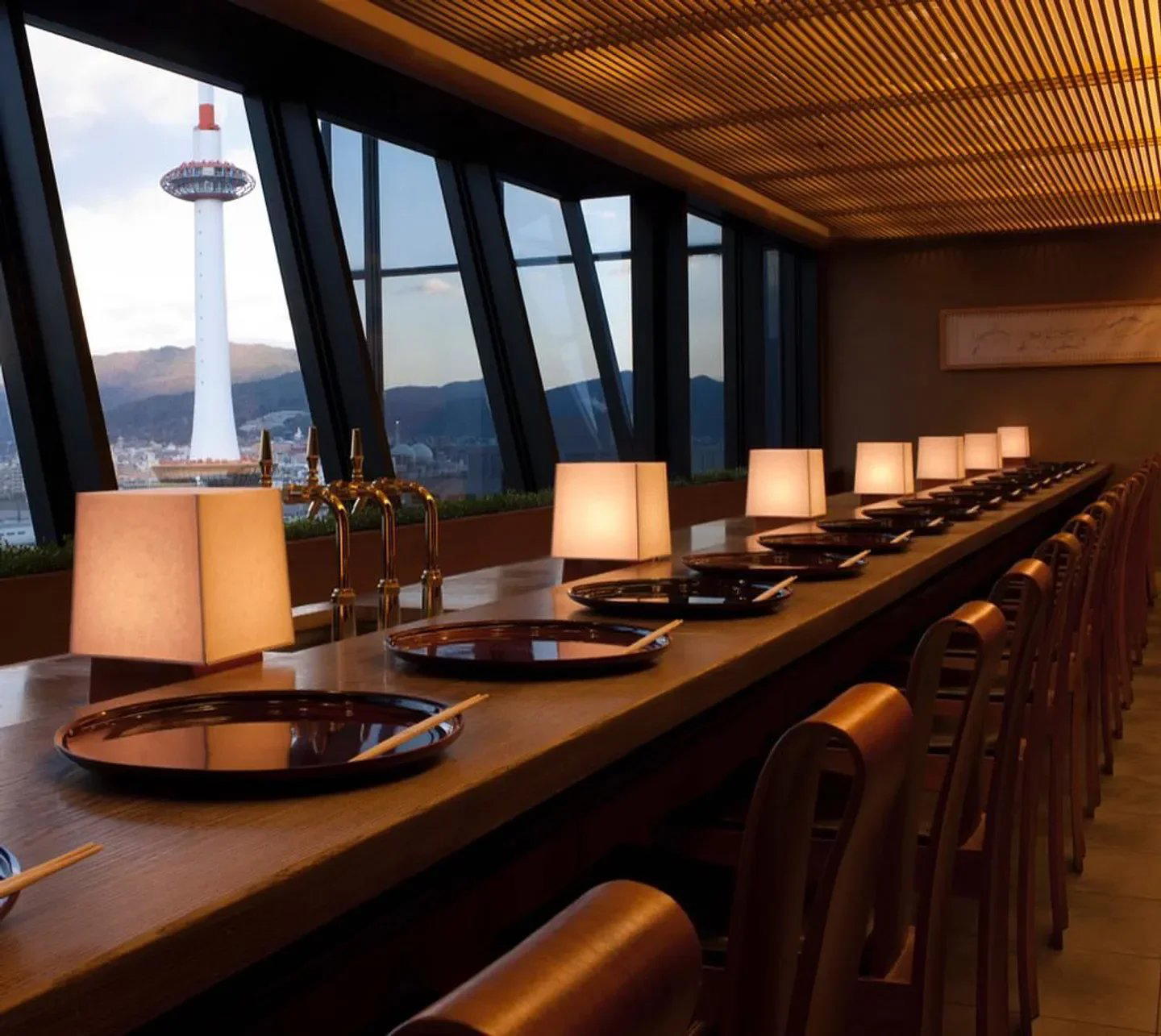
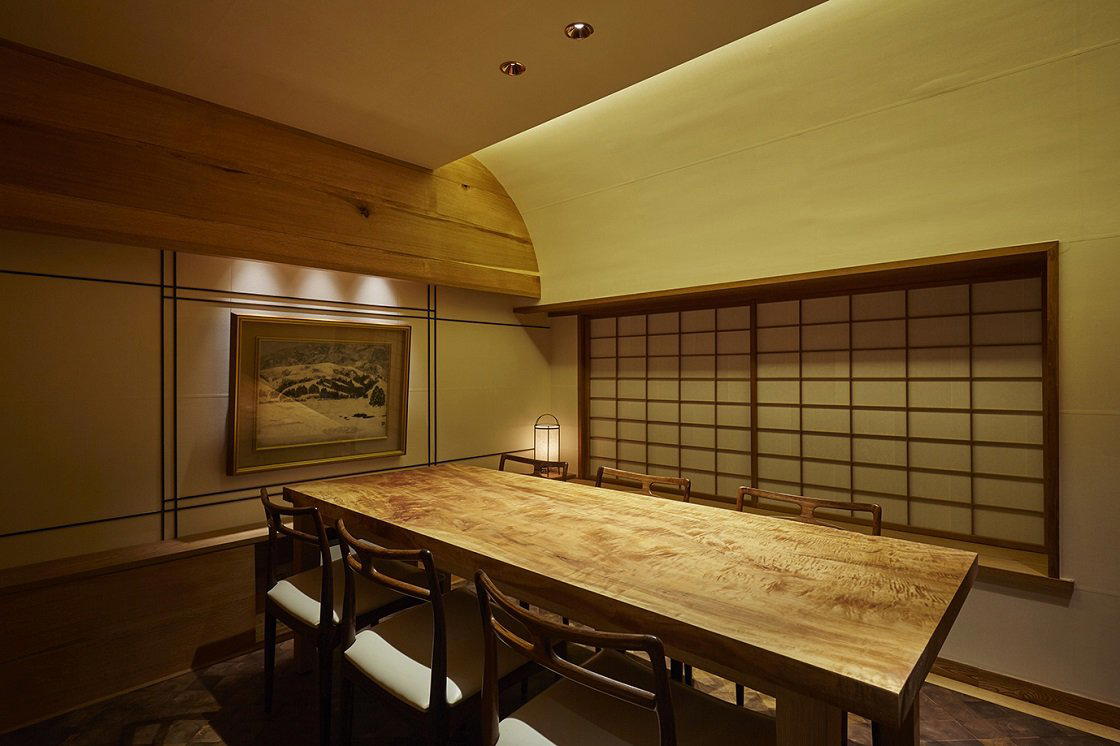
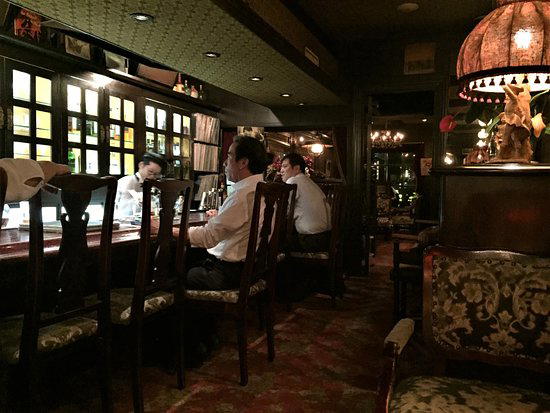
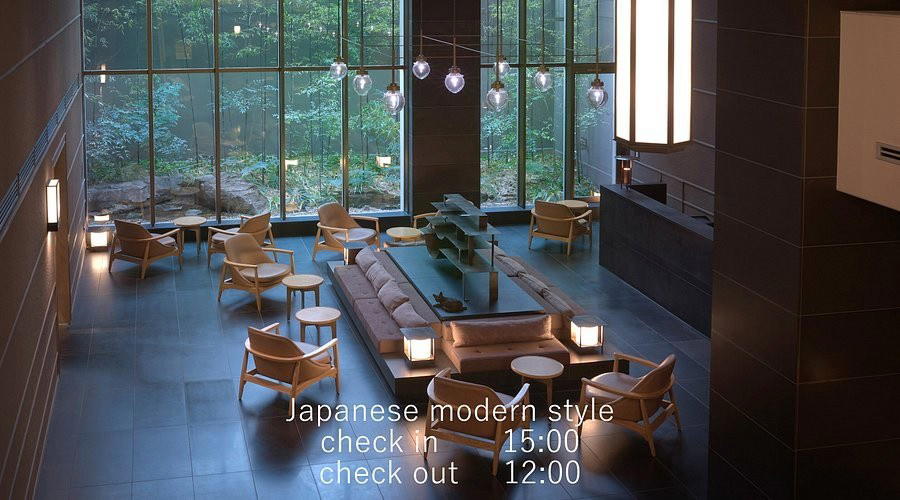
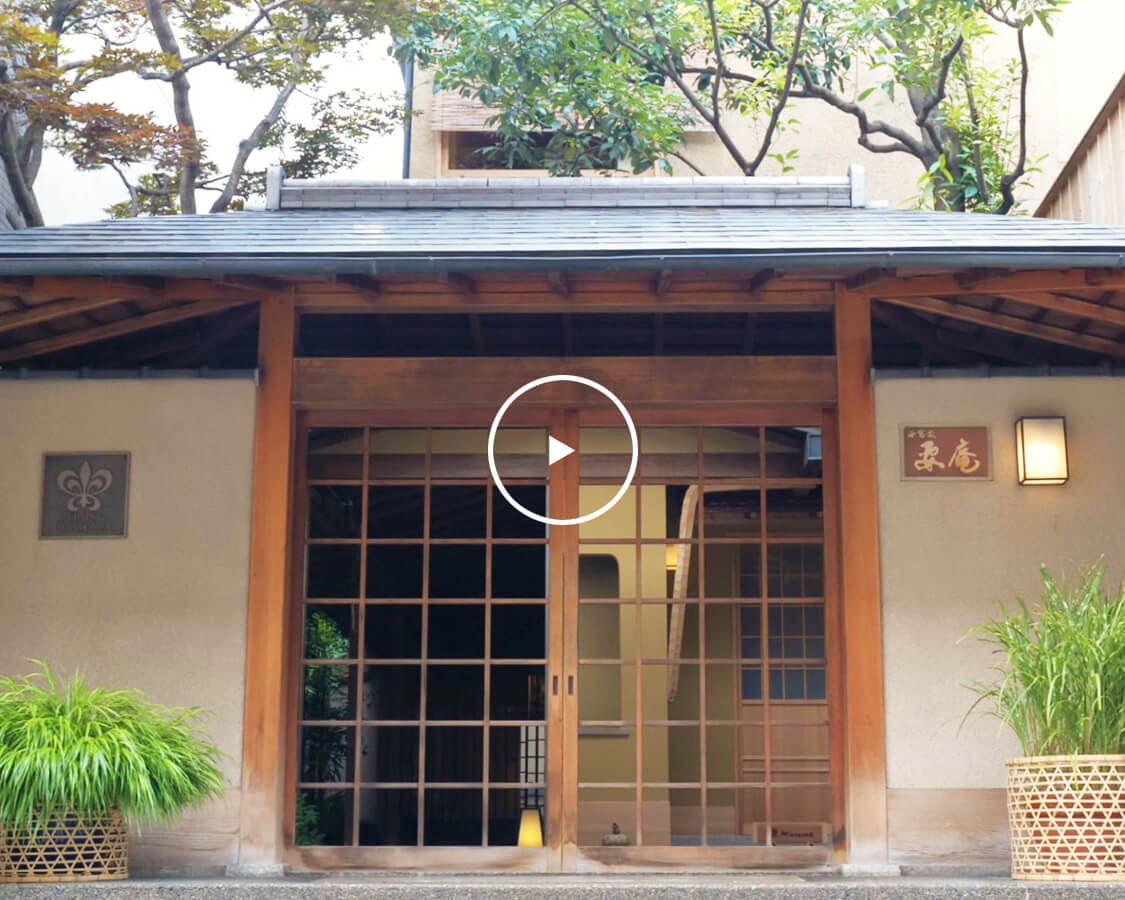
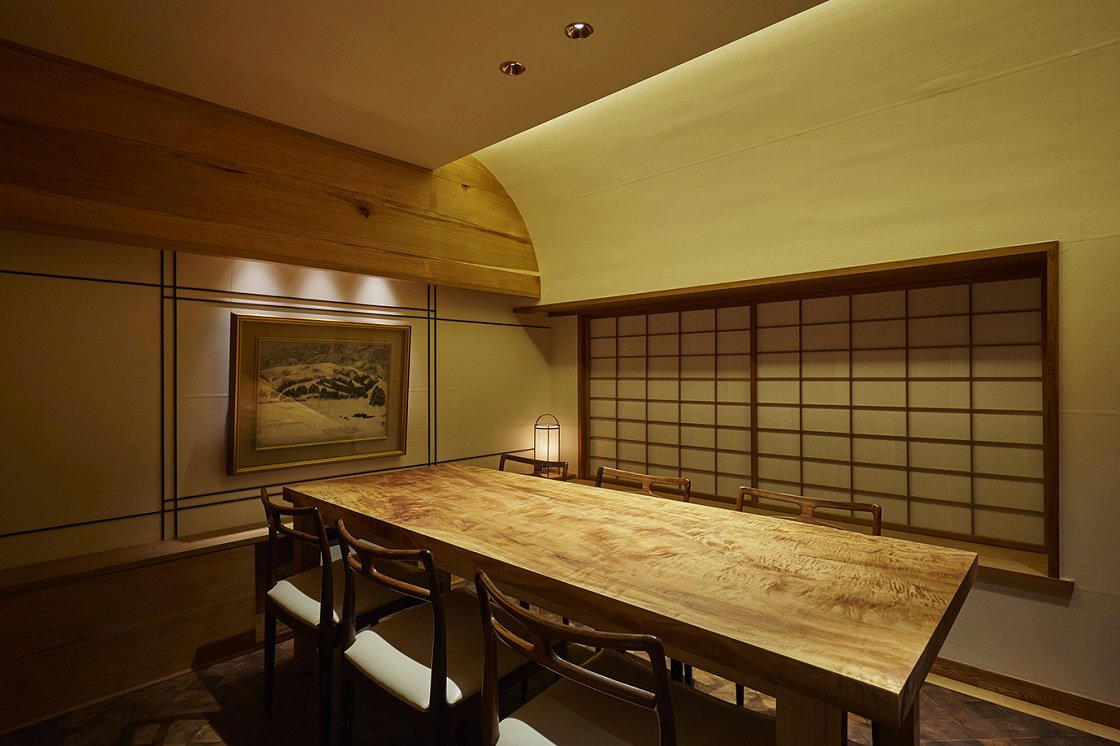
A Michelin-starred counter on Gion's southern lane, Sushi Kappo Nakaichi has operated for half a century by combining Tokyo sushi technique with the seasonal rhythms of Kyoto cuisine. The omakase moves through appetisers, wanmono, and grilled courses before sushi arrives at the close, with fish sourced from the Seto Inland Sea. Guests may select additional pieces from wooden nameplates hung on the wall, served on vessels collected across decades.

Pearl is the En Primeur Club membership app, where members save venues, book tables and use the concierge.
The menu
What to order
- Otoro (fatty tuna belly)
- Uni (sea urchin)
- Seiko gani (queen snow crab)
- Anago (sea eel)
- Narezushi (fermented fish)
Where Gion's Streets End and the Counter Begins
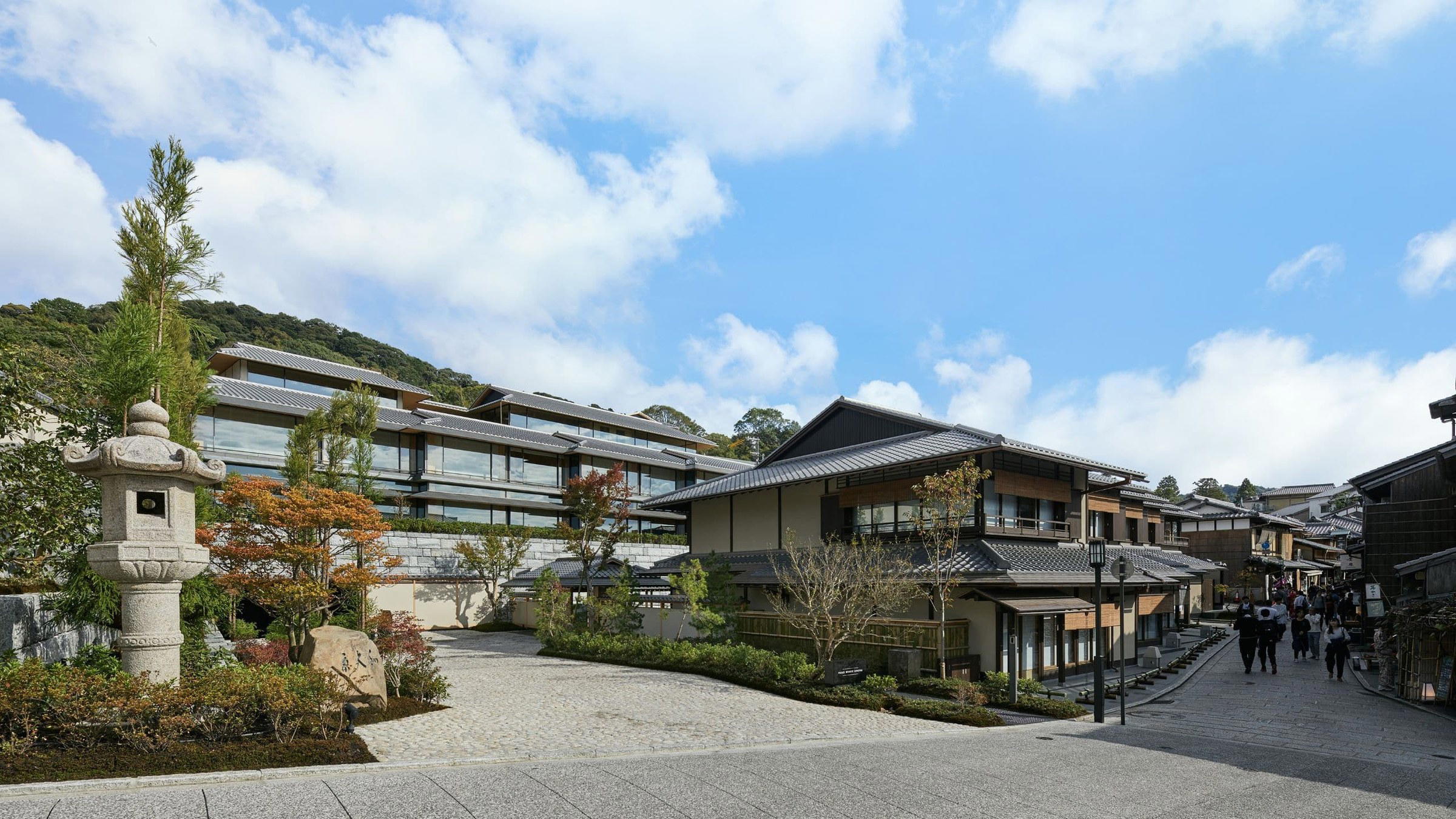
Gionmachi Minamigawa is not a street that forgives distraction. The southern lane of Gion runs beneath dark wooden eaves and paper lanterns whose light barely reaches the pavement, and the addresses along it include some of the most closely held dining reservations in Japan. In this specific stretch of Higashiyama Ward, a restaurant's staying power is measured not in seasons but in decades. Sushi Kappo Nakaichi has held its address here for fifty years, long enough to have become part of what the lane communicates about Kyoto dining at its most considered.
That longevity places it in a different register from the newer Michelin-flagged counters that have multiplied across the city since the guide arrived in force. Where many of Kyoto's starred restaurants are projects of the last fifteen years, Nakaichi represents a tradition that predates the city's current premium dining reputation entirely. The 2024 Michelin Star arrives as external confirmation of something the neighbourhood has understood for some time.
A Format That Kyoto Made Its Own
Kappo, as a format, occupies a middle position in the formal hierarchy of Japanese dining. Less bound by ritual than kaiseki, less constrained than omakase sushi, it allows the kitchen to work across categories: raw preparations, simmered dishes, grilled courses, and composed bowls can all appear in a single progression. At Nakaichi, that flexibility is used to build a bridge between two culinary cities.
Tokyo sushi technique, developed around the clean, assertive rice-forward style of the Edo tradition, sits alongside Kyoto's seasonal logic, where wanmono (clear-broth bowl courses) and carefully composed appetisers carry the flavour of whichever ingredient is at its short annual peak. The synthesis is not a novelty act. Half a century of refinement has settled the format into something that reads as native to the neighbourhood rather than as a conceptual exercise. For comparison, kaiseki-focused addresses like Isshisoden Nakamura and Kikunoi Roan operate within a more codified seasonal framework; Nakaichi's kappo format gives the kitchen room to move between registers within a single meal.
The Sequence and the Seto Inland Sea
The omakase at Nakaichi follows a structure that front-loads the kitchen's range before arriving at sushi. Appetisers establish the seasonal thread, wanmono delivers the clarity and restraint that defines Kyoto's palate, and grilled preparations add a different textural register. Sushi comes last, a deliberate inversion of the sushi-bar norm, which typically centres the meal on nigiri from the first course. Placing it at the close changes its function: here it acts as punctuation rather than premise.
Fish comes from the Seto Inland Sea, the shallow, sheltered body of water between Honshu, Shikoku, and Kyushu that has supplied Kyoto's kitchens for centuries. Before refrigeration made distant sourcing possible, Kyoto's fish culture was defined almost entirely by what the Inland Sea could deliver, often cured, pressed, or marinated to survive the journey overland. The use of Seto Inland Sea fish at Nakaichi is not nostalgic posturing; it is a continuation of a supply relationship that shaped the flavour logic of the entire region.
The wooden nameplates hung on the wall introduce a different register. Guests may choose additional pieces from the display, a practice with roots in the informal sushi-ya culture of Tokyo's working neighbourhoods, where boards listing daily fish served as both menu and theatre. Its presence here, inside a Michelin-starred kappo counter on one of Kyoto's most formal dining streets, is the twist the venue's own description references. It softens the frame without undermining the precision of what came before.
Vessels as Evidence
The ceramics at Nakaichi are part of the record. A collection assembled across decades, the pieces used for service carry the kind of irregularity and depth that only comes from years of deliberate acquisition rather than single-order procurement. In Kyoto's fine dining context, where ceramicists and lacquerware producers have supplied restaurant tables for generations, the vessels on a counter tell you something about the kitchen's relationship to craft and to time. The food arrives in a context that reinforces its argument.
This places Nakaichi in a tradition shared by a number of Gion addresses. Gion Matayoshi and Kenninji Gion Maruyama similarly present their food against a material backdrop that reads as an extension of the neighbourhood's craft inheritance. In each case, the choice of vessel is an editorial act, not decoration.
Nakaichi in Kyoto's Starred Sushi Context
Kyoto's Michelin ecosystem runs heavily toward kaiseki and its variations. Addresses like Kodaiji Jugyuan and the higher-tier kaiseki houses at ¥¥¥¥ price points, including Gion Matayoshi, operate in a different segment of the market. Nakaichi's ¥¥¥ positioning places it below the ¥¥¥¥ kaiseki tier while holding a Michelin star, a combination that remains relatively rare in the city and makes it one of the more accessible entry points into Gion's serious dining scene.
For visitors tracking Japan's broader dining geography, the comparison set extends beyond Kyoto. Harutaka in Tokyo operates at the top of the capital's omakase sushi tier, offering a useful reference point for how the Tokyo-trained technique Nakaichi draws on looks in its home context. Further afield, HAJIME in Osaka and Goh in Fukuoka represent how other Kansai and Kyushu cities have built their own starred identities. Within the Japanese tradition more broadly, Myojaku and Azabu Kadowaki in Tokyo show how kappo and Japanese counter dining continues to evolve in the capital.
Nakaichi's position on Gionmachi Minamigawa also means it sits within walking distance of a cluster of addresses that together define what serious dining in this part of the city looks like. The lane rewards the traveller who treats an evening here as a neighbourhood itinerary rather than a single-destination event. For a full orientation, our full Kyoto restaurants guide maps the wider scene, and our Kyoto hotels guide, bars guide, wineries guide, and experiences guide cover the city's other registers. For visits further afield in the Kansai and Kinki region, akordu in Nara offers a different angle on the area's dining range, and 1000 in Yokohama and 6 in Okinawa extend the map to Japan's coastline dining culture.
When to Come
Kyoto's seasonal calendar organises itself around a handful of peak windows. Cherry blossom in late March and early April and the autumn colour peak in November draw visitor numbers that compress reservation availability across the city. Gion addresses with long-standing local clientele tend to fill early in both periods. Visiting in the quieter months, mid-January through February, or the stretch between the summer Gion Matsuri in July and the autumn rush, gives more room to book and a version of the city that is more legible without the crowds. The seasonal logic built into kappo menus also means the food itself shifts noticeably across the year, with winter bringing different Seto Inland Sea catches and warming preparations that change the character of the meal.
Planning Your Visit
Reservations: Given the 2024 Michelin recognition and the address's fifty-year history on one of Gion's most established dining streets, advance booking is necessary. Contact through a hotel concierge or specialist reservation service is the most reliable approach for international visitors, as direct booking may require Japanese-language communication. Budget: ¥¥¥ pricing places this in the mid-tier of Kyoto's starred dining, below the ¥¥¥¥ kaiseki houses and consistent with the omakase kappo format. Dress: Kyoto's fine dining culture reads smart-casual to formal; erring toward the latter on Gionmachi Minamigawa is appropriate. Access: The address is 570-196 Gionmachi Minamigawa, Higashiyama Ward, Kyoto, within the Gion district and reachable on foot from the Shijo or Gion-Shijo stations.
Frequently asked questions
Where exactly is Sushi Kappo Nakaichi?
Sushi Kappo Nakaichi is located at 570-196 Gionmachi Minamigawa, Higashiyama Ward, Kyoto, 605-0074, Japan, Kyoto.
What's the cuisine at Sushi Kappo Nakaichi?
Does Sushi Kappo Nakaichi have a Michelin star or similar recognition?
Sushi Kappo Nakaichi has received recognition including: The shop has operated as Sushi Kappo for half a century. Sushi techniques acquired in Tokyo are married with Kyoto cuisine in an omakase service with a twist of originality. Appetisers, wanmono and grilled items bring seasonal flavours in s….
What's the must-try dish at Sushi Kappo Nakaichi?
The structure of the omakase places sushi at the end of a sequence that moves through appetisers, wanmono, and grilled courses first, so the sushi itself arrives as a considered finish rather than the entire focus. The wall-hung wooden nameplates, from which guests select additional pieces, are the detail that separates Nakaichi from a standard counter: order from them.
What should I budget for a meal at Sushi Kappo Nakaichi?
Pricing at Sushi Kappo Nakaichi is listed as ¥¥¥.
Do I need a reservation for Sushi Kappo Nakaichi?
Yes. Nakaichi holds a 2024 Michelin star and has operated on Gionmachi Minamigawa for fifty years, which together put it in sustained demand among both Kyoto regulars and visiting diners. Advance booking is advisable; walk-ins on this particular stretch of Gion are a poor strategy during cherry blossom and autumn colour seasons.
What's the signature at Sushi Kappo Nakaichi?
The defining move is the hybrid format itself: Tokyo sushi technique grafted onto a Kyoto kappo sequence, with fish drawn from the Seto Inland Sea. Add to that a ceramics collection assembled over decades, used for every course, and the wall-mounted wooden sushi nameplates that let guests steer the closing stage of the meal.
City Peers
| Venue | Cuisine | Price | Awards | Notes |
|---|---|---|---|---|
| Sushi Kappo NakaichiThis venue (the venue you are viewing) | Traditional Omakase Sushi & Kyoto Kaiseki | $150–200 | 1 Michelin Star | Not listed |
| Gion Sasaki | Modern Kaiseki | $300–500 | 3 Michelin Stars · La Liste Top Restaurants | Kaiseki, Japanese |
| cenci | Innovative Italian-Japanese Fusion | $100–150 | 1 Michelin Star · World's 50 Best #76 | Italian |
| Ifuki | Sumibi Kappo Kaiseki | $200–300 | 2 Michelin Stars · La Liste Top Restaurants | Kaiseki |
| Kyokaiseki Kichisen | Kyoto Kaiseki | $200–300 | 2 Michelin Stars · La Liste Top Restaurants | Japanese |
| Kyo Seika | Modern Chinese Fine Dining | $150–200 | 1 Michelin Star · Tabelog Bronze #216 | Chinese |
Recognition history
Dated appearances from independent guides and award organizations, with the underlying list record or original source where available.
Michelin 1 Star
Michelin
Full recognition history (2 entries)
Michelin 1 Star
Michelin