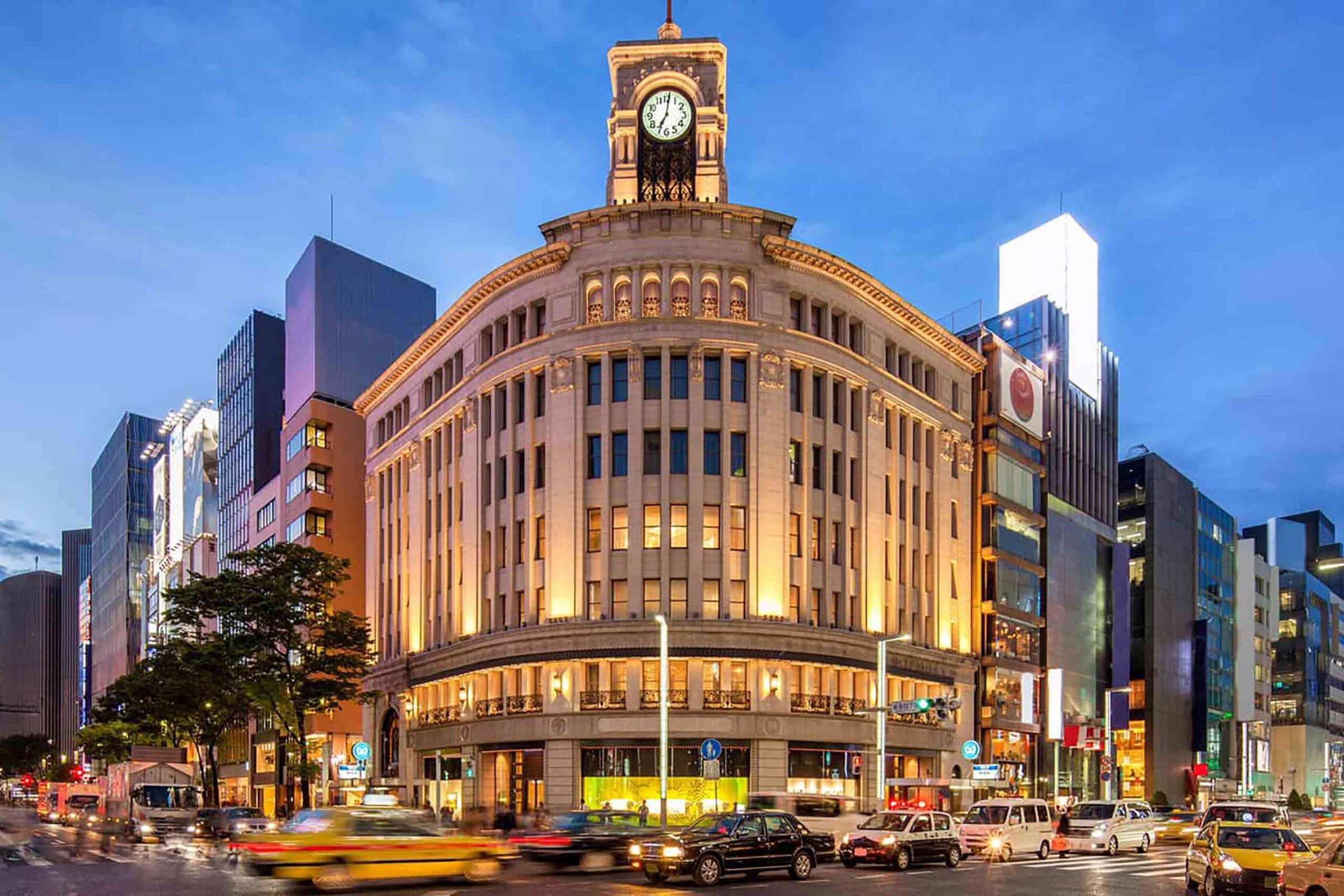
On the fifth floor of HULIC & new GINZA NAMIKI6, Ginza Cobau occupies a address that signals premium positioning in one of Tokyo's most competitive dining corridors. The restaurant operates in the tradition of technique-led cooking where imported methods meet Japanese seasonal produce, a format that Ginza has quietly made its own. Booking ahead is advisable given the district's demand curve for counter and omakase-format dining.
Pearl is the En Primeur Club membership app — saves, bookings, and concierge access live there. Same editors, same standards.
- Address
- Japan, 〒104-0061 Tokyo, Chuo City, Ginza, 6 Chome−6−5 HULIC & newGINZA NAMIKI6 5F
- Phone
- +81355685510
- Website
- zaikon.co.jp
- Directions
- Get directions
 Saves & bookings on Pearl
What the Fifth Floor of Ginza Tells You Before You Sit Down
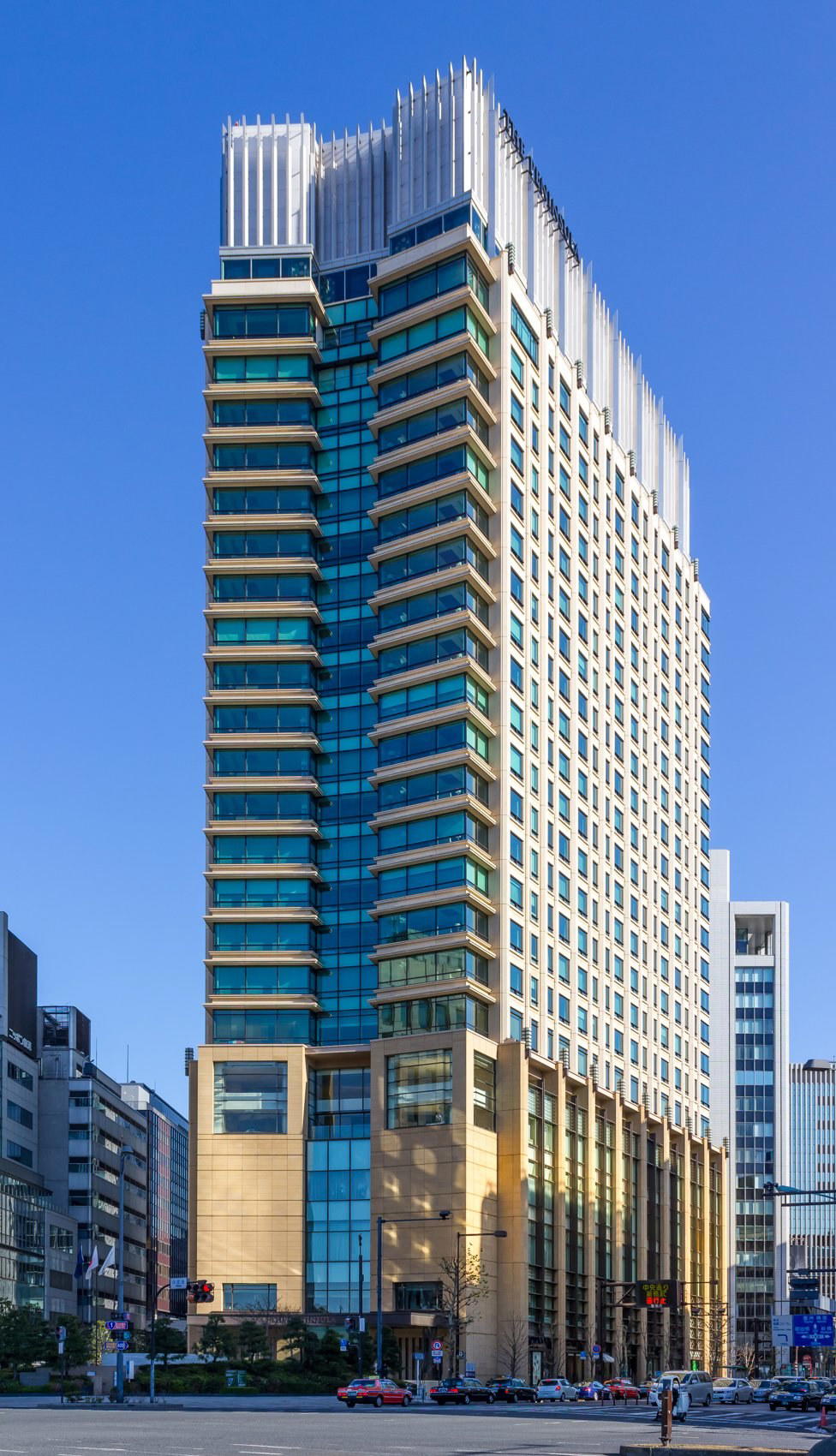
Arriving at HULIC & new GINZA NAMIKI6 on Ginza 6-chome, the building itself frames the experience. The address sits in a stretch of Ginza that has become, over the past decade, the preferred location for restaurants that want footfall credibility without the ground-floor exposure of the main Chuo-dori strip. The fifth-floor position follows a pattern well-established in Tokyo's dining culture: elevation as a filter, removing the casual browser and signalling that the guest has made a deliberate choice simply by taking the lift. Ginza Cobau operates within that tradition.
Ginza as a dining district has always run on this logic. The neighbourhood concentrates some of Tokyo's highest per-cover restaurant investment within a few blocks, producing competition measured in craft precision rather than price alone. Properties like Harutaka anchor the sushi tier at ¥¥¥¥, while RyuGin defines the kaiseki register at the same price level. Within that company, any new address must establish its category quickly and hold it through consistency. Cobau's location in this building places it firmly in that upper tier.
Local Ingredients, European Geometry
One consequential shift in Tokyo's restaurant scene over the past fifteen years has not been the arrival of foreign chefs, but the consolidation of a hybrid method: European technique applied to Japanese seasonal produce with enough discipline that neither element overwhelms the other. This is not fusion in the 1990s sense. It is something more precise, a structural approach to cooking where the logic of classical French or Italian preparation meets the ingredient specificity that Japanese sourcing culture demands.
Ginza has become a natural home for this format. The district's proximity to high-end wholesale channels, its international clientele, and its history as the address where Western and Japanese commercial culture first intersected in Meiji-era Tokyo all contribute to an environment where cross-technical cooking feels native rather than imported. Restaurants operating in this mode, across the country, range from L'Effervescence in Minami-Aoyama, where French technique meets seasonal Japanese foraging logic, to HAJIME in Osaka, where produce sourcing and plating precision operate at a level that earned three Michelin stars. The tradition is national, but its Ginza expression has particular density.
What distinguishes the format at this level is the sourcing discipline. Japanese ingredient culture operates on granular provenance, which prefecture, which farm, which season of which year. When a kitchen applies European technique to that raw material, the result either honours the product's specificity or obscures it. The leading counters in this mode do the former, using classical method as a frame that makes Japanese seasonal produce more legible, not less. That is the interpretive standard against which any restaurant in this category is measured, whether it is a French-trained kitchen in Ginza or a destination address like Gion Sasaki in Kyoto or akordu in Nara, where cross-cultural cooking meets historically layered local produce.
The Ginza Competitive Set
Placing Ginza Cobau in its peer group requires understanding how the district's leading addresses differentiate within a broadly similar price and ambition tier. Crony, operating in the innovative French category at ¥¥¥¥, represents one approach: a menu where French architecture is pushed toward experimentation, with Japanese produce as a recurring protagonist. L'Effervescence represents another: a more classical French foundation with a locavore sourcing philosophy that has earned sustained Michelin recognition. RyuGin remains the kaiseki anchor, a format that inverts the equation by using Japanese structure to incorporate global technique as accent rather than base.
Cobau sits in a neighbourhood where each of these addresses is within a short walk, which creates a comparative pressure that is, in its way, useful for the diner. The choice between them is not a matter of quality differential but of register: what kind of cook do you want to watch, and what relationship between the technique and the ingredient do you find most compelling? For those who want to extend their Tokyo itinerary beyond the capital, the same question plays out at Goh in Fukuoka and, in a more regional register, at addresses like affetto akita in Akita or aki nagao in Sapporo, where local produce specificity becomes even more pronounced.
Internationally, the cross-technique format has peers at Le Bernardin in New York City, where classical French method is applied to seafood with a precision that mirrors the Japanese omakase commitment to product integrity, and at Lazy Bear in San Francisco, where a tasting-menu format draws on multiple culinary traditions without anchoring to any single one. The comparison is useful because it shows how the Ginza model, though locally inflected, is part of a broader global movement toward technique-led menus that foreground ingredient provenance.
Booking and Practical Planning
| Venue | Category | Price Tier | Format |
|---|---|---|---|
| Ginza Cobau | Modern Yakiniku with Wagyu | ¥¥¥¥ | Counter / tasting |
| Harutaka | Sushi | ¥¥¥¥ | Omakase counter |
| L'Effervescence | French | ¥¥¥¥ | Tasting menu |
| RyuGin | Kaiseki | ¥¥¥¥ | Kaiseki progression |
| Crony | Innovative French | ¥¥¥¥ | Tasting menu |
The Quick Read
Comparable venues nearby, for context on price, style, and recognition.
| Venue | Cuisine | Price | Notes |
|---|---|---|---|
| Ginza CobauThis venue — the venue you are viewing | Chūō, Modern Yakiniku with Wagyu | $$$$ | Not listed |
| Mon cher ton ton (六本木 モンシェルトントン) | Roppongi, Teppanyaki with Kobe Beef | $$$$ | Not listed |
| 精进料理 醍醐 | Not listed | $$$$ | Minato (Atago), Shojin-ryori Buddhist vegetarian kaiseki |
| 銀座 下鴨茶寮 東のはなれ | Chiyoda, Kyoto Kaiseki Tea House | $$$$ | Not listed |
| Honten Yamashina | Not listed | $$$$ | Chūō, Modern Wagyu Teppanyaki & Steakhouse |
| Ginza Furuta | Not listed | $$$$ | Chūō, Noto-Kanazawa Regional Japanese Kaiseki |





At a Glance
- Elegant
- Sophisticated
- Modern
- Minimalist
- Intimate
- Date Night
- Business Dinner
- Special Occasion
- Celebration
- Private Dining
- Sake Program
- Extensive Wine List
Current opening hours
- Monday
- 5–11:30 PM
- Tuesday
- 5–11:30 PM
- Wednesday
- 5–11:30 PM
- Thursday
- 5–11:30 PM
- Friday
- 5–11:30 PM
- Saturday
- 12–11 PM
- Sunday
- 12–11 PM
Hours can change for holidays and private events. Last verified .
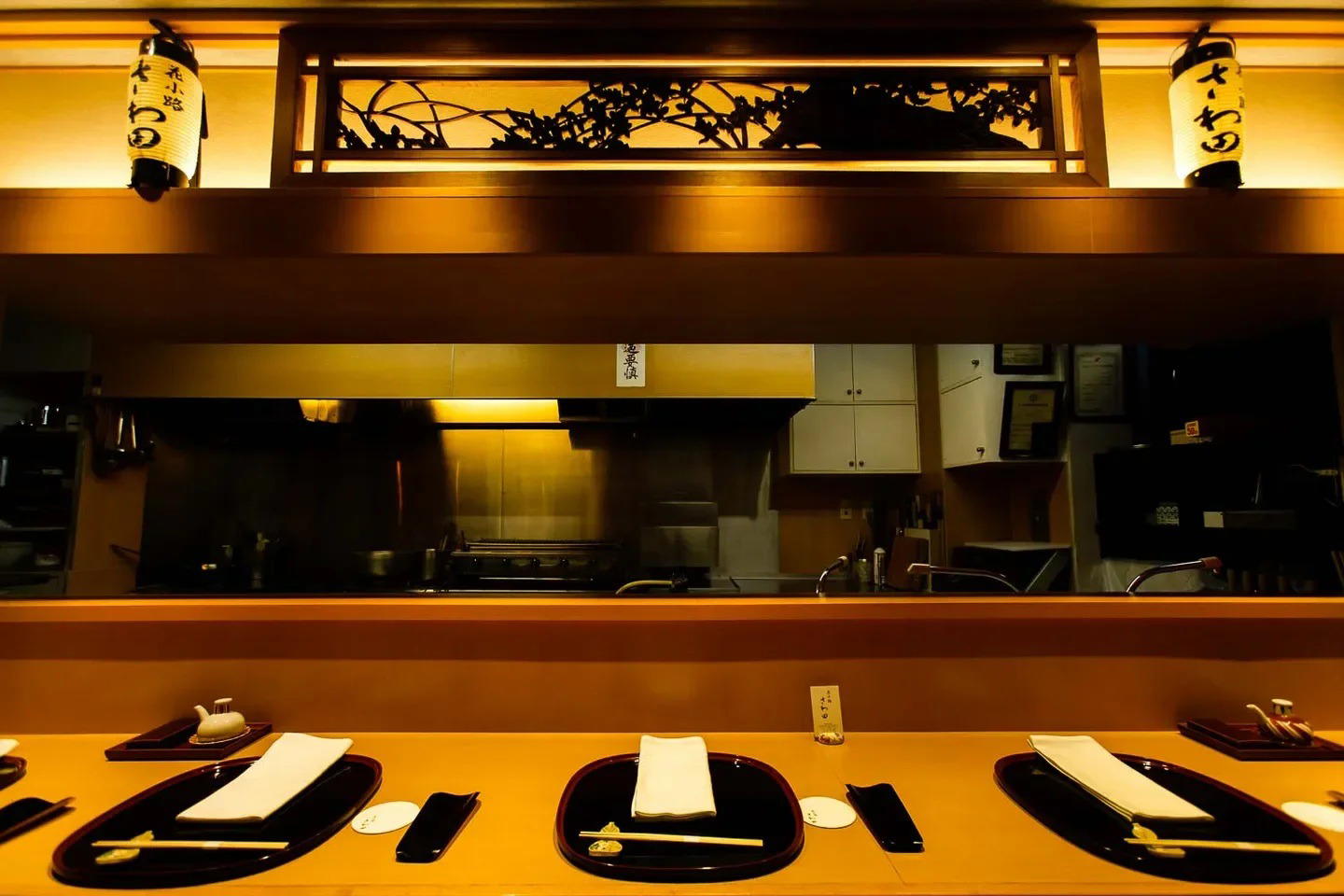
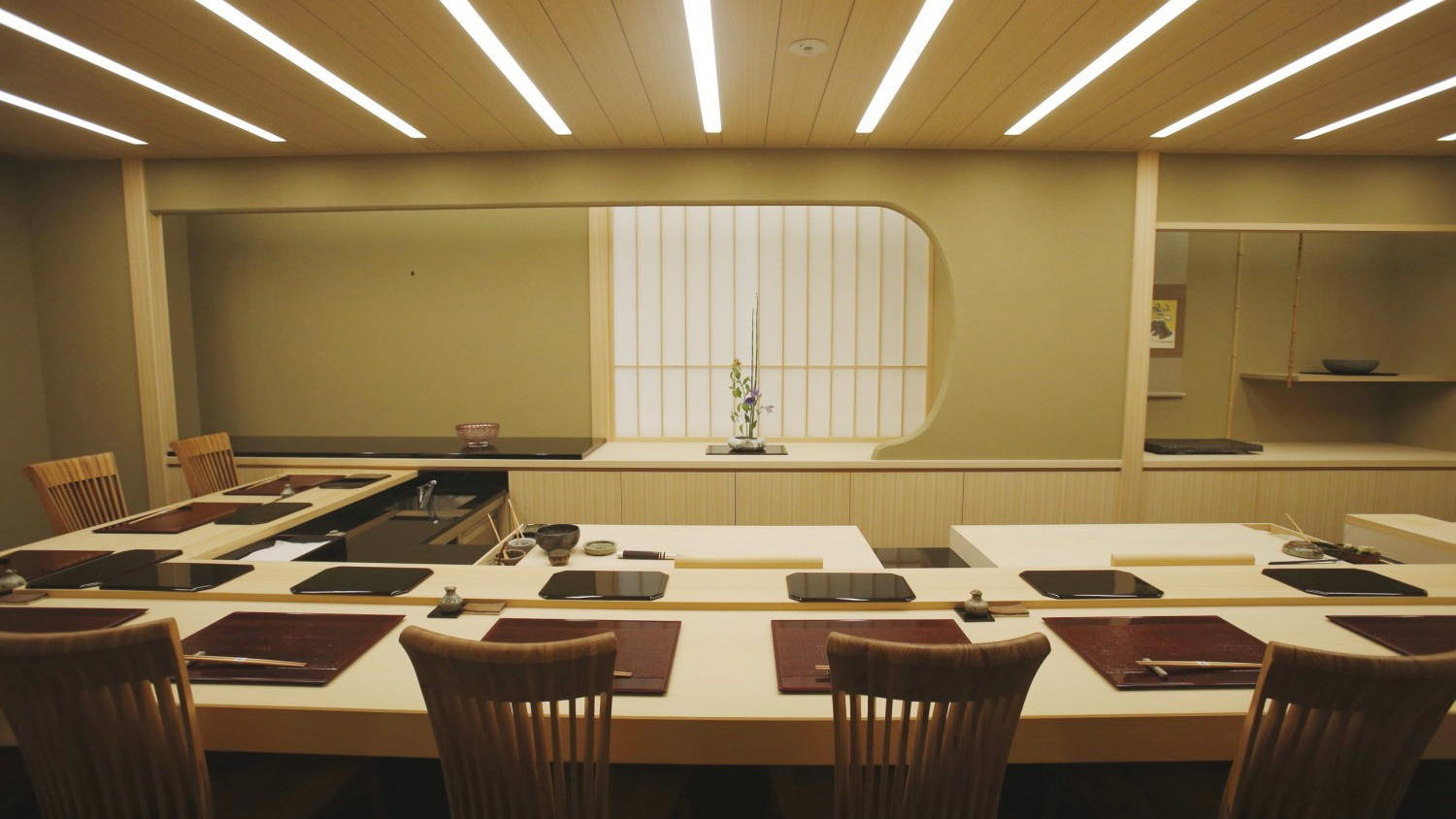
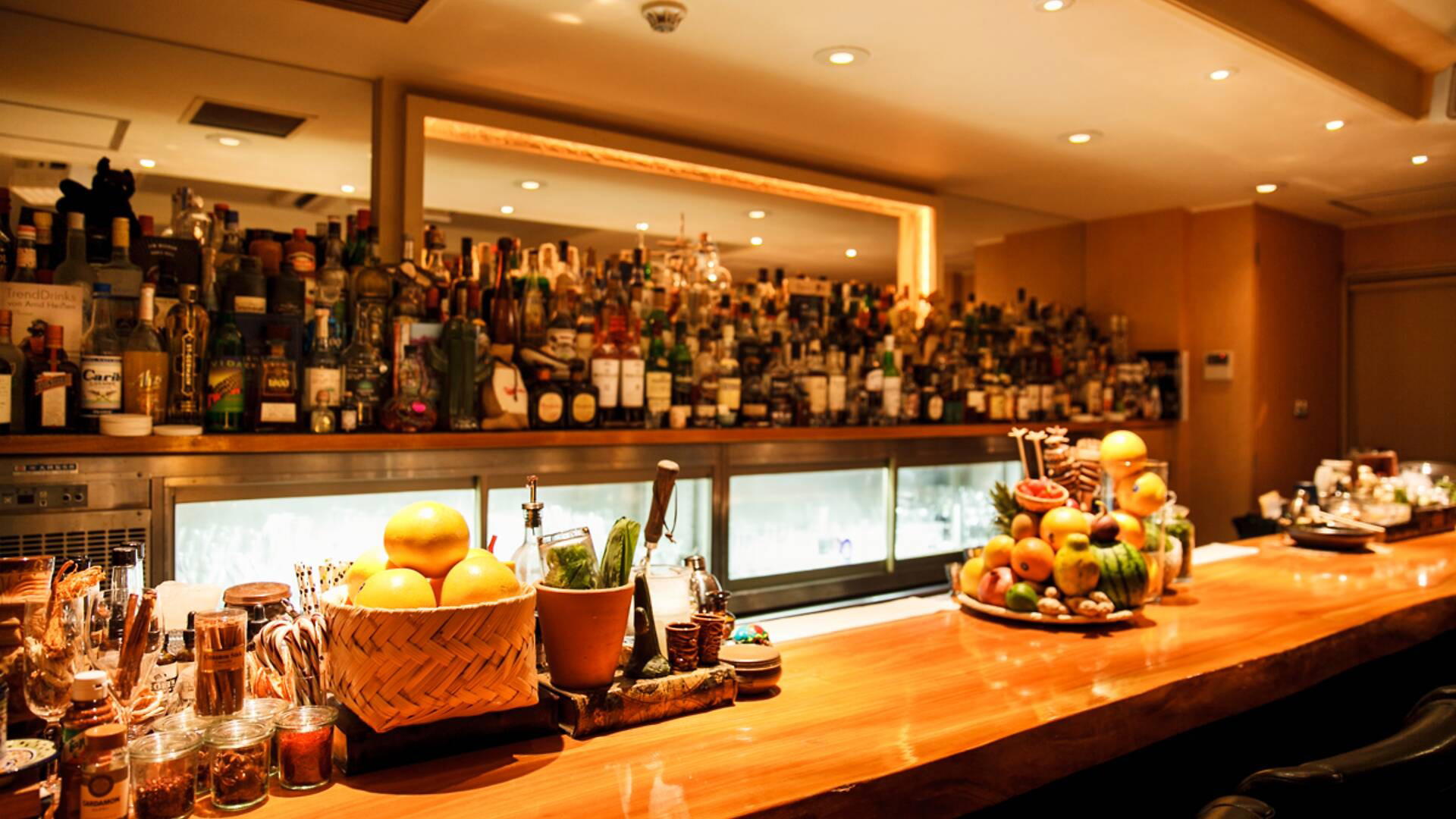
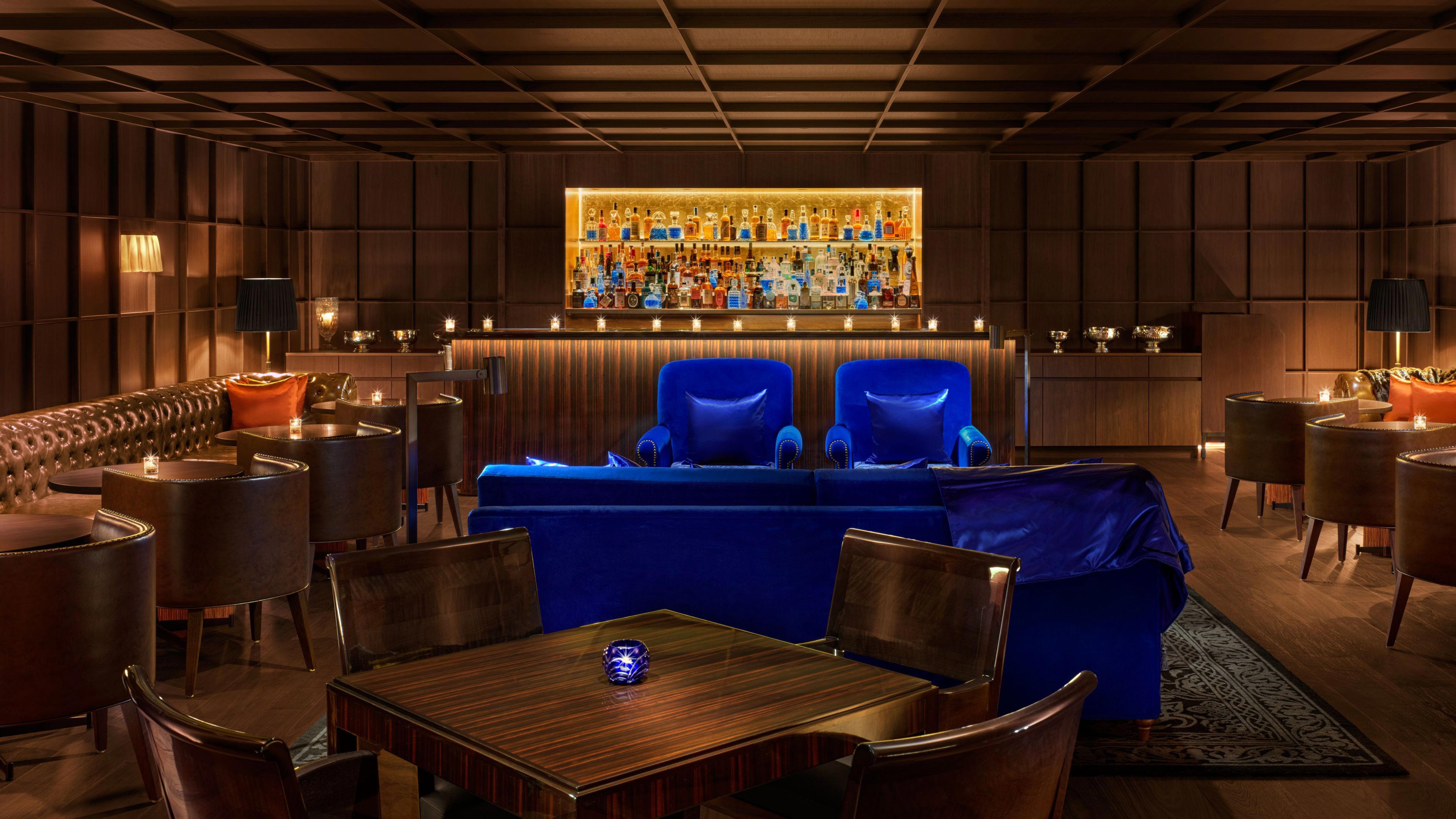
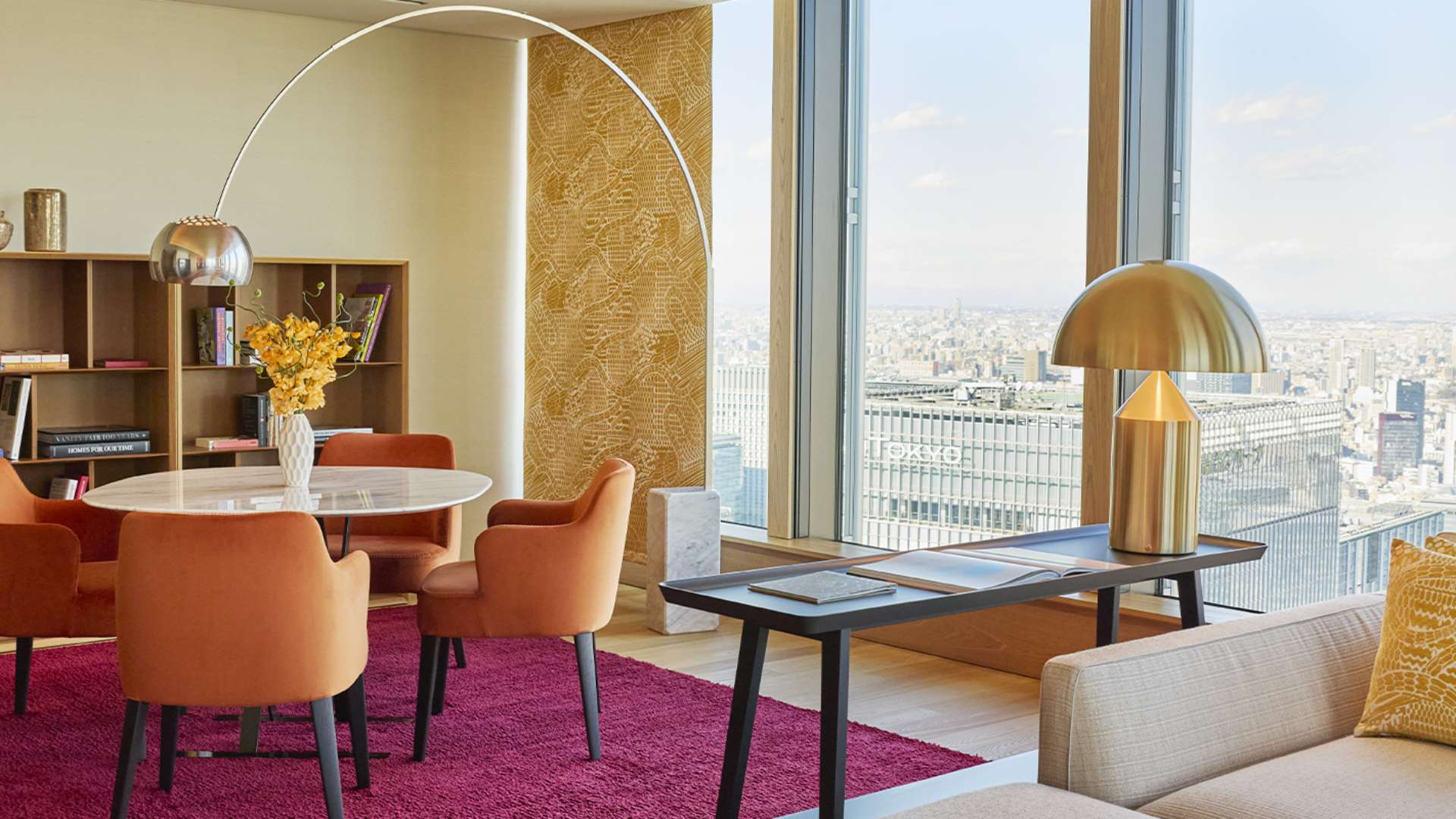
Calm, contemporary atmosphere blending modern beauty and minimalism, with discreet, anticipatory service and chic, stylish interiors.