
Fureika (中国飯店 富麗華) occupies a distinct position among Tokyo's serious Chinese restaurants, drawing a loyal local clientele to its Higashi-Azabu address in Minato. The restaurant represents a quieter tradition of Cantonese and Chinese cooking in a city better known internationally for its Japanese fine dining, and rewards repeat visitors who know what to order and when to arrive.

Pearl is the En Primeur Club membership app — saves, bookings, and concierge access live there. Same editors, same standards.
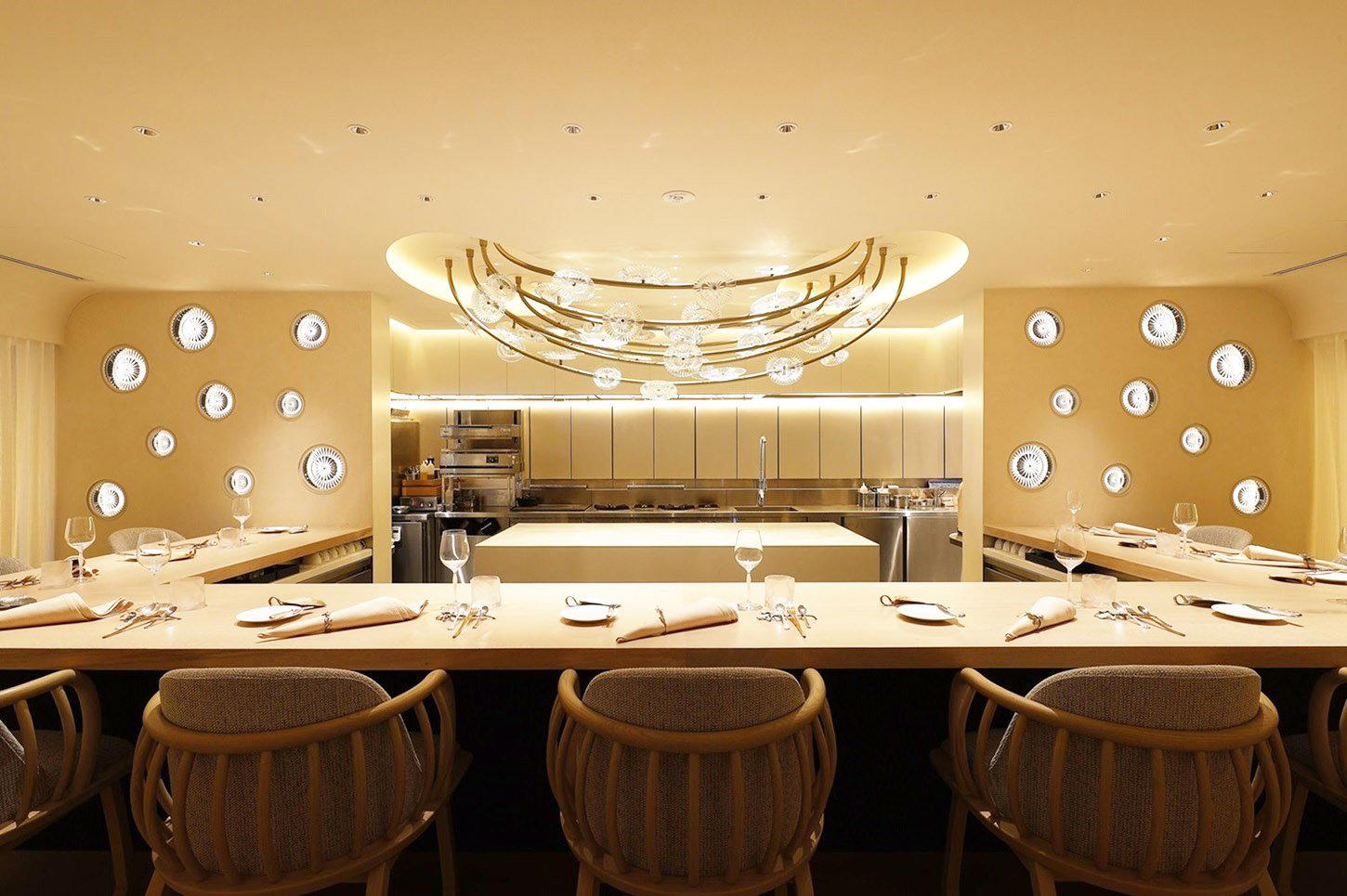
A Quieter Room in a Loud City
Higashi-Azabu sits a short distance from the diplomatic quarter of Azabu-Juban, a neighbourhood that has long attracted a well-travelled, internationally minded resident base. The streets around 3-chome here are residential in character, with few of the bright signs that mark Tokyo's more tourist-facing dining corridors. Approaching Fureika on an evening when the neighbourhood has settled into its after-work rhythm, the contrast with Roppongi's density a few minutes away is pronounced. This is a room built for people who already know where they are going, not one advertising itself to passersby.
That geographic positioning inside Minato-ku tells you something about the clientele. Minato is one of Tokyo's most affluent wards, home to embassies, corporate headquarters, and a long-standing population of residents who move between Tokyo and other major Asian cities with regularity. The Chinese restaurant at this level in this neighbourhood is not serving a tourist appetite for approximations of Chinese food. It is serving people for whom Cantonese roast meats, hand-pulled preparations, or Shanghainese red-braised dishes are a reference point, not an introduction.
Tokyo's Chinese Dining Tier and Where Fureika Sits
Tokyo has a more developed Chinese dining culture than its international reputation suggests. Yokohama's Chinatown draws the headlines, but within Tokyo itself, and particularly in the central wards, there is a tier of Chinese restaurants that operates without fanfare and mostly without foreign press attention. These are places known within communities of Chinese residents, Hong Kong expats, Taiwanese business travellers, and Japanese regulars who have been eating there for decades. Fureika occupies this space in Higashi-Azabu.
To place it in context against Tokyo's broader high-end dining scene: the city's Michelin-starred tier for non-Japanese cuisines skews heavily French, with venues like L'Effervescence and Sézanne representing the European fine dining category at its most decorated. The Japanese categories, from sushi counters like Harutaka to kaiseki like RyuGin, dominate at the highest price points. Chinese restaurants in Tokyo's premium tier occupy a smaller, less publicly discussed bracket, which is part of why places like Fureika accumulate regulars rather than reservation queues from visiting food tourists.
This dynamic appears across Japan's serious dining cities. In Osaka, a venue like HAJIME draws international attention for its French-Japanese synthesis; the Chinese category operates with considerably less spotlight. The same is true in Kyoto, where Gion Sasaki represents the kaiseki tradition that international visitors seek out first. This is not a comment on quality but on visibility, and Fureika's relative obscurity to overseas visitors is structural to the category rather than indicative of its standing among the people who eat there regularly.
The Regulars' Calculus
What keeps a local clientele returning to a Chinese restaurant in a Japanese city over years is rarely one dish. It is the cumulative reliability of a kitchen that understands its own repertoire and does not drift. The regulars at a room like Fureika are, in general terms, people measuring consistency rather than novelty. They know what the Peking duck looks like when it is right. They know which preparations are for a table of four and which are better for two. They arrive with a shorthand that takes years to develop, and it is that shorthand, unwritten but understood by the room, that defines the relationship between a serious Chinese restaurant and its core clientele.
This dynamic is common across the category. At the comparable level in other cities, the same pattern holds: a loyal local base that treats the room as a known quantity, resistant to the trend cycles that define restaurant culture in the press. Venues like Crony or other innovation-forward rooms attract a different kind of attention and a different kind of repeat visitor. Fureika's model, in keeping with classic Chinese restaurant culture in East Asia, is built on the opposite premise: that the menu is a stable foundation, not a seasonal statement.
Reading the Address
The full address, 東麻布3-7-5, 港区, places this restaurant in Higashi-Azabu's residential section rather than on the main commercial strips. That address specificity matters practically: this is not a restaurant you will stumble across. Navigation apps are the standard approach, and arriving by taxi rather than on foot is the norm for first-time visitors unfamiliar with the block. The Azabu-Juban subway station on the Namboku and Oedo lines is the closest transit reference point for those orienting from elsewhere in the city.
For those building a broader Tokyo itinerary across multiple cities, the restaurant sits in a ward that also connects easily to the newer dining energy further south in Minato. If you are also scheduling time in other Japanese cities, note that the serious dining culture EP Club covers extends well beyond Tokyo: from Goh in Fukuoka to akordu in Nara, and from regional specialists like Abon in Ashiya to far-north addresses including aki nagao in Sapporo and affetto akita in Akita. The full picture of serious dining in Japan is considerably broader than Tokyo alone, and includes destinations as specific as Aji Arai in Oita, Ajidocoro in Yubari District, and Akakichi in Imabari.
Planning Your Visit
Reservations are recommended.
Fast Comparison
Comparable venues nearby, for context on price, style, and recognition.
| Venue | Cuisine | Price | Notes |
|---|---|---|---|
| Fureika (中国飯店 富麗華)This venue — the venue you are viewing | Traditional Shanghai & Cantonese Chinese | $$$$ | Not listed |
| Maison de Yuron | Nouvelle Chinoise | $$$$ | Minato |
| Shaoxiong Hanten | Seasonal Shanghai Chinese Fine Dining | $$$$ | Shibuya |
| Kakyubou | Modern Shanghai Chinese | $$$$ | Minato |
| Shinkirow | Omakase Sichuan Chinese | $$$ | Itabashi |
| CHEF'S | Traditional Shanghai Chinese with a “subtractive” philosophy | $$$ | Shinjuku |
Recognition history
Dated appearances from independent guides and award organizations, with the underlying list record or original source where available.
Black Pearl 2 Diamond
Black Pearl









At a Glance
- Elegant
- Sophisticated
- Classic
- Business Dinner
- Special Occasion
- Group Dining
- Private Dining
- Hotel Restaurant
- Sake Program
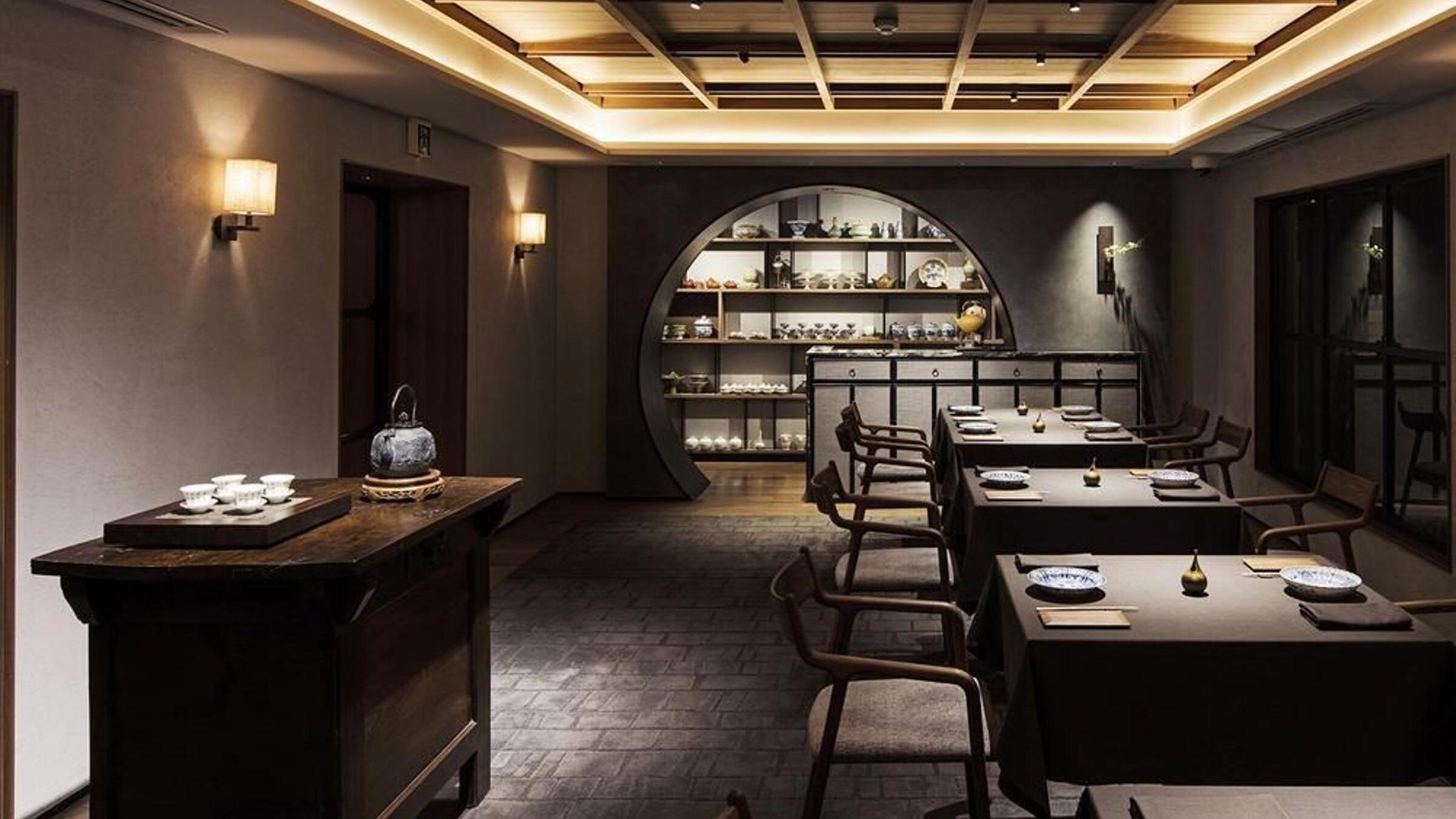
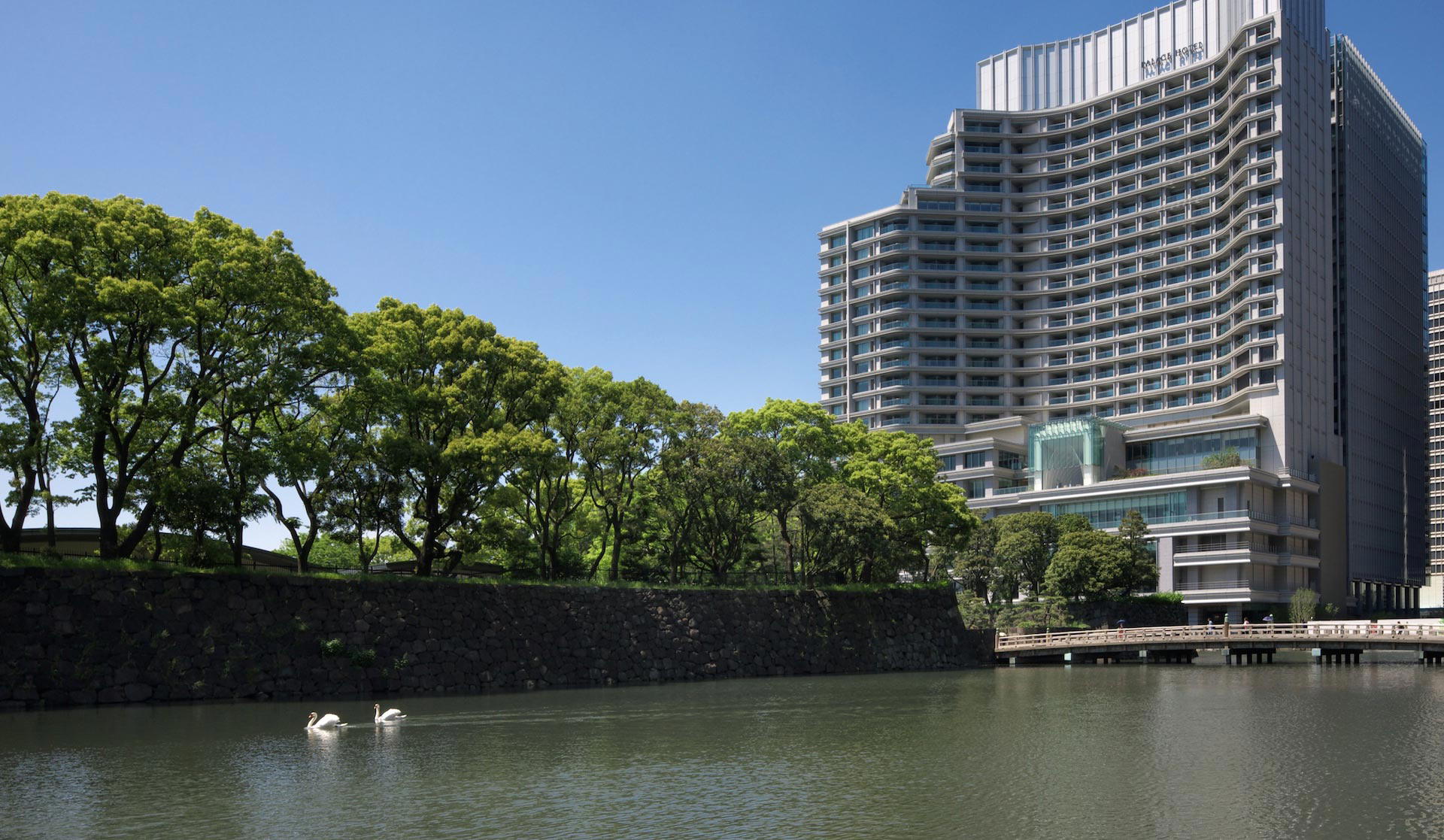
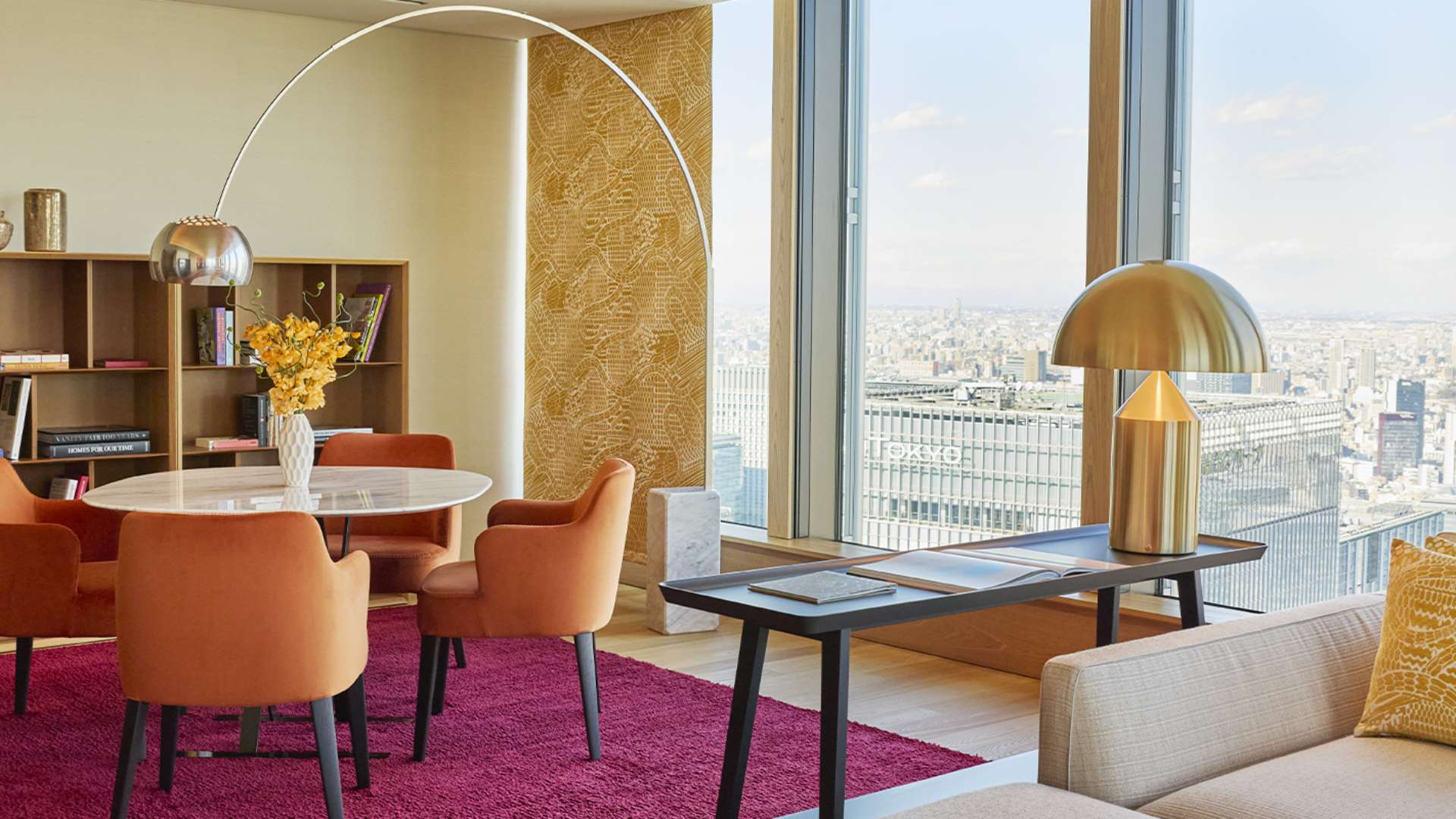
Elegant interior evoking Old China with live traditional erhu and zheng performances, offering a refined and immaculate dining atmosphere.