
Shinkirow puts a small Itabashi room into Tokyo’s serious Chinese conversation, with Sichuan and Chinese cooking recognized in Tabelog’s Chinese TOKYO 100 selection for 2026 and 2023. The draw is not Ginza polish; it is scale, focus, and a 10-seat format that makes the experience feel closer to a neighborhood specialist than a luxury dining production.
Pearl is the En Primeur Club membership app — saves, bookings, and concierge access live there. Same editors, same standards.
- Address
- 東京都板橋区板橋1-33-1
- Phone
- +81339646657
- Website
- tabelog.com
 Saves & bookings on Pearl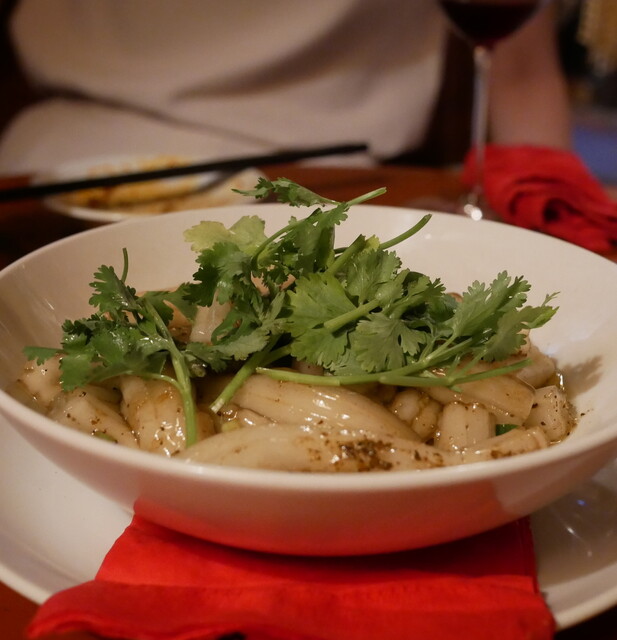
A small house restaurant in Itabashi changes a Tokyo dinner before the first order. Tokyo Chinese dining is often read through hotel rooms, glossy central wards, and chef-led tasting counters, yet sharper specialist cooking also happens in quiet residential pockets. Shinkirow belongs to that Tokyo: compact, reservation-led, and focused on concentration over display.
That matters because Tokyo Chinese dining has changed. The old split between formal banquet rooms and casual neighborhood chuka no longer explains the city. Sichuan specialists, regional Chinese rooms, hybrid counters, and small independents now form a serious middle tier, intimate without becoming precious. Tabelog’s Chinese TOKYO 100 selection in 2026 and again in 2023 places Shinkirow in that conversation: not a grand dining-room statement, but proof recognition has moved beyond the usual central-city addresses.
Itabashi gives Sichuan cooking a smaller, more deliberate frame
Itabashi is useful context. This is not a district built around international hotel dining or late-night restaurant-hopping. Its restaurant culture rewards regularity, compact rooms, and places earning attention through repeat diners rather than visual theatre. Here, Sichuan and Chinese cooking reads less as destination spectacle than as a disciplined meal in a room where kitchen and dining area stay close.
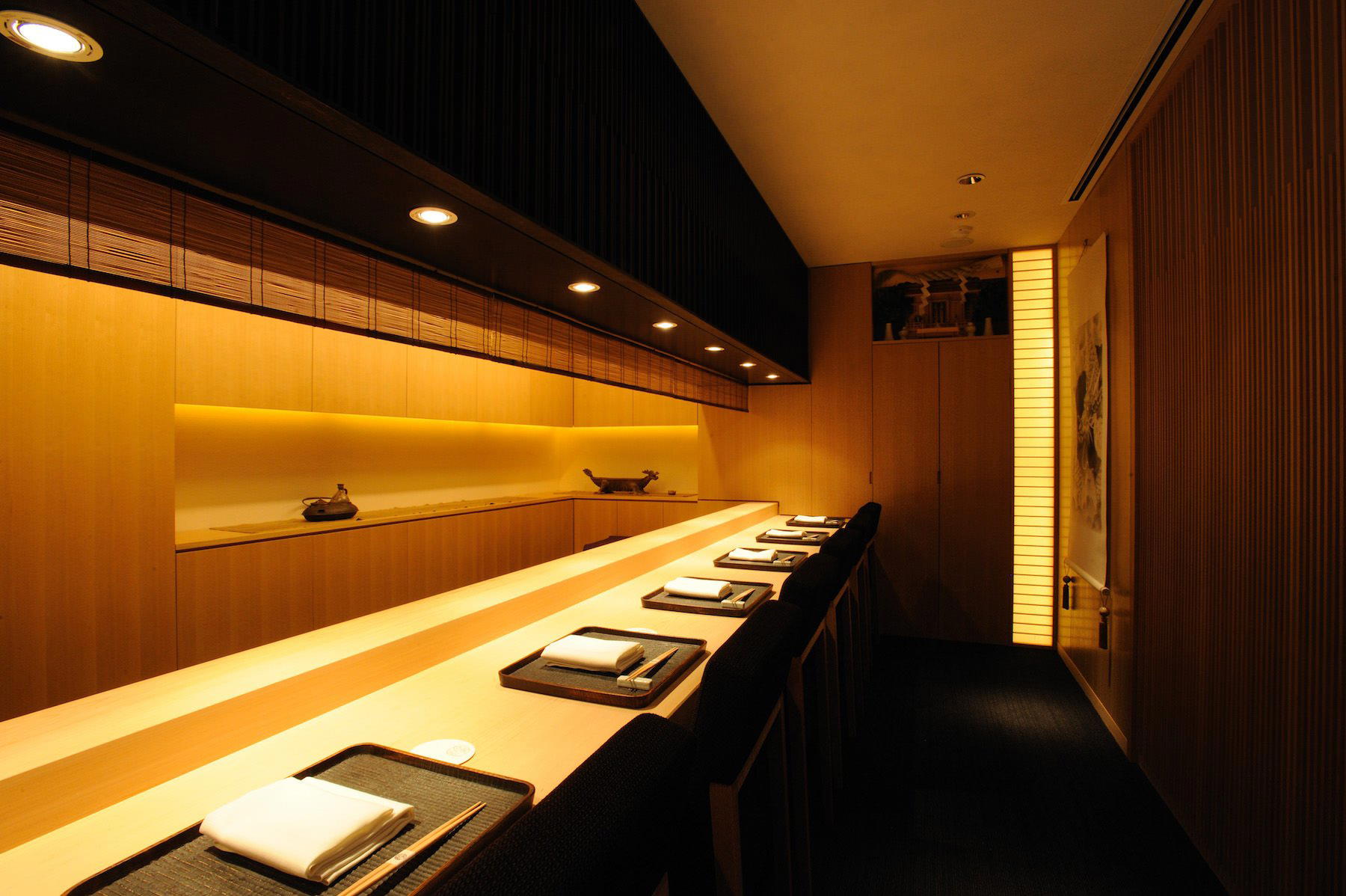
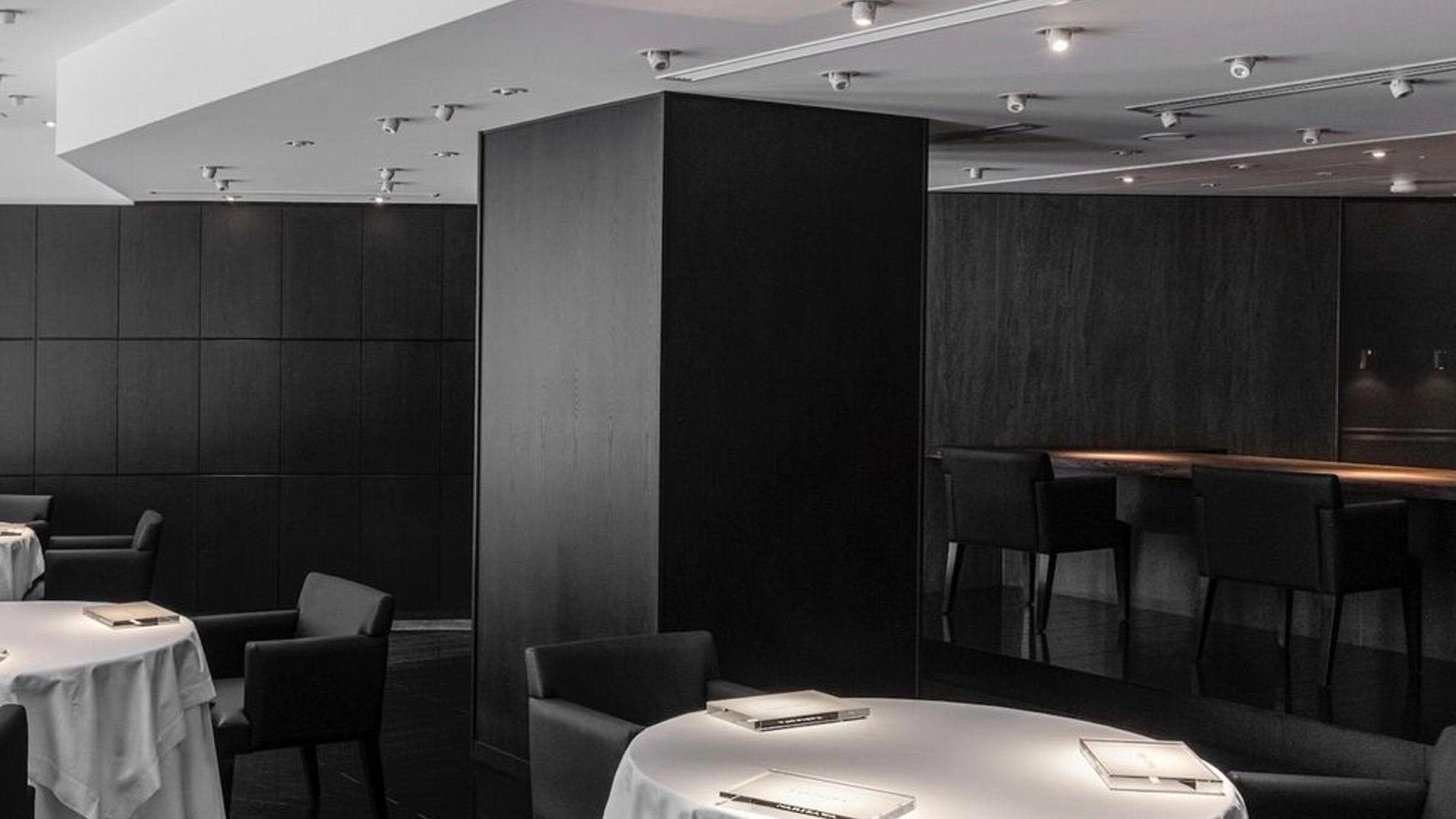
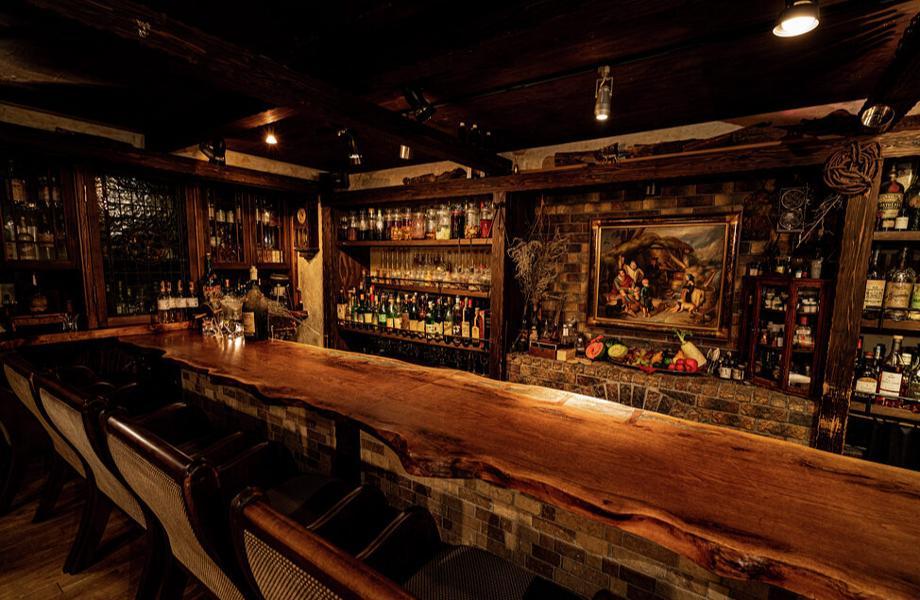
The format reinforces that reading. Ten seats, six at the counter and four at tables on a raised floor, create a tighter rhythm than larger Chinese restaurants across Tokyo. Counter seating shifts Chinese dining in Japan away from banquet abundance toward sequence, pacing, and direct attention. Raised-floor table seating adds a domestic note, fitting the “house restaurant” character. The result is a hybrid Tokyo format: Chinese categories on paper, small Japanese dining-room mechanics in practice.
Within the city, Shinkirow sits apart from low-cost everyday Chinese and ramen-adjacent addresses. Compared with listed Tokyo peers such as Stand Totonoi, Asahi Chonai Kai, Pinocchio, JUICY ALL STARZ, and China Soba Osada, its spend level and recognition signal a more deliberate dinner than a quick neighborhood stop. The distinction is not ceremony; it is a narrow room, reservation-only structure, and a cuisine category that rewards control.
For readers mapping Tokyo by category rather than ward, this is where the city becomes interesting. Move from seafood and grill formats such as . 鮪と炭火焼き うお炭 秋葉原店 to Shinjuku counters such as 12/10 Shinjuku ten, then to yakitori at 124. KAGURAZAKA (Yakitori), and each small room uses proximity differently. Shinkirow’s version is Chinese rather than Japanese grill or skewer work, but the Tokyo grammar is familiar: limited seats, tight pacing, and no room to hide behind scale.
The award signal reflects a wider shift in Tokyo Chinese dining
Tabelog’s Hyakumeiten lists are useful because they catch category depth, especially in a city where Michelin captures only part of the dining picture. Selection for Chinese TOKYO 100 in 2026 and 2023 gives Shinkirow a public credential in a crowded field. Its Tabelog score of 3.77 is another signal, not a verdict, but a marker that the restaurant has moved from local curiosity to broader Tokyo shortlist for Chinese cooking.
The evolution is subtle rather than dramatic. Chinese dining in Tokyo has widened from familiar chuka comfort and formal hotel service into smaller, sharper rooms that carry serious recognition without looking like luxury restaurants. Sichuan cooking benefits because it suits precision. Heat, aromatics, texture, and sequencing suffer in careless volume. A small room cannot guarantee quality, but it makes discipline visible.
This is why Shinkirow is better read as part of Tokyo’s specialist-dining movement than as an isolated Itabashi address. In a central ward, a 10-seat Chinese restaurant is framed as scarcity. In Itabashi, it reads as commitment: a room sized around focus, with private-room availability and a non-smoking policy adding comfort without changing the essential informality. The restaurant’s no-cashless-payment position also places it closer to old-school independent Tokyo operations than app-first dining culture.
That independence is part of the appeal. This is not for diners seeking broad hotel service, English-heavy infrastructure, or a maximal wine-and-cocktail program. It is for a narrower decision: a small Tokyo Chinese dinner with Sichuan orientation, recognized by a major Japanese restaurant platform, in a neighborhood that does not perform destination dining for the camera.
How to place it in a Tokyo itinerary
Shinkirow works well as a focused dinner rather than an add-on between major sights. Its location near Shin-Itabashi sits outside central restaurant circuits, so the reward is partly editorial: it widens the Tokyo map beyond Ginza, Shinjuku, Roppongi, and Ebisu. For food-led travelers, that matters. Tokyo’s depth is not only in famous counters; it is in serious rooms appearing in districts international visitors often pass without stopping.
A smart itinerary can use it as a counterpoint. Pair more central dining research through Our full Tokyo restaurants guide with drinking options from Our full Tokyo bars guide, then compare the city’s hospitality layer through Our full Tokyo hotels guide. For broader planning, Our full Tokyo experiences guide helps separate food-led nights from cultural programming, while Our full Tokyo wineries guide is useful for readers tracking Japan’s wine-adjacent scene.
The wider Japan map clarifies what Shinkirow is and is not. It is not a regional destination in the mode of -Grilled beef Sukiyaki- KAMAKURA TANUKIAN 鎌倉 たぬき庵 in Kamakura, nor a casual visual stop like 2D Cafe. It sits closer to the small-specialist logic that makes 3 Chome no Curry Ya San,.cafe in Osaka,.know in Kumamoto, (Shoku) Vietnam in Kawasaki, [Curry Senmon Ten] Maruyama Kyoju. in Sapporo, and [ki:] in Kyoto useful references: narrow categories, strong identity, limited rooms.
For overseas readers, comparisons should stay disciplined. A compact Japanese restaurant devoted to a specific format has little in common with Los Angeles sake-bar dining at Jōdo Saké Bar in Los Angeles or casual Japanese comfort at Onigiri Time in Pasadena, beyond the lesson that small formats often communicate seriousness faster than decor. Shinkirow is Tokyo-specific: Sichuan and Chinese cooking, a small Itabashi room, and recognition confirming the city’s Chinese scene is more decentralized and more interesting than the old map suggested.
Cuisine and Credentials
Comparable venues in the metro at similar price points.
| Venue | Cuisine | Price | Awards | Notes |
|---|---|---|---|---|
| ShinkirowThis venue — the venue you are viewing | Omakase Sichuan Chinese | $$$ | , | |
| 桃仙閣 東京 | Traditional Japanese-Style Chinese | $$$ | , | Roppongi |
| Chinese Bed | Modern Chinese | $$$ | , | Shibuya |
| Tousenkaku | Modern Chinese Fine Dining | $$$ | Minato | |
| Sichuan Ryori Kae | Sichuan Hot Pot and Chinese Cuisine | $$$ | , | Toshima |
| Santa Hanten | Chinese Fine Dining | $$$ | , | Minato |


At a Glance
- Hidden Gem
- Intimate
- Cozy
- Group Dining
- Casual Hangout
- Special Occasion
- Date Night
- Private Event
- Chefs Counter
- Private Dining
- Standalone
An intimate, non-smoking hideaway in a house-like space with only 10 seats, combining counter and raised tatami table seating for a cozy, friends-around-the-chabudai feel rather than a formal Chinese dining room.