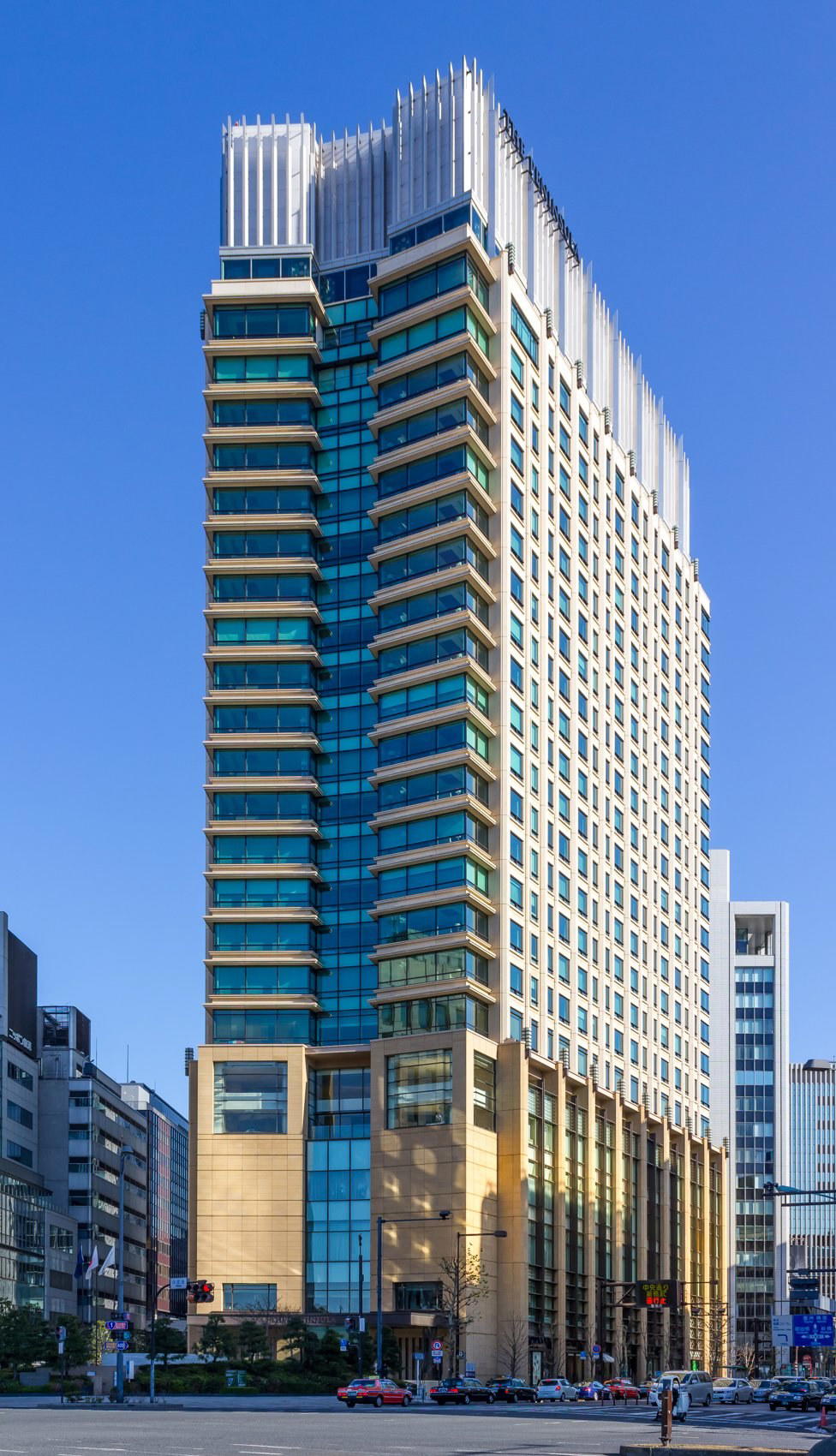
Kakyubou occupies a quietly residential pocket of Minato City's Takanawa district, positioning it at some distance from the high-visibility corridors where Tokyo's most-discussed dining addresses tend to cluster. The address alone signals something: a deliberate withdrawal from the theatre of Ginza or Roppongi, toward a format where the cooking carries the room rather than the room carrying the cooking.
Pearl is the En Primeur Club membership app — saves, bookings, and concierge access live there. Same editors, same standards.
- Address
- 2 Chome-1-62 Takanawa, Minato City, Tokyo 108-0074, Japan
- Phone
- +81364325647
- Website
- tablecheck.com
 Saves & bookings on Pearl
Takanawa and the Logic of Withdrawal
There is a category of Tokyo restaurant that chooses its neighbourhood as a kind of statement. Ginza announces itself; Roppongi performs. Takanawa, the low-rise residential quarter of Minato City where Kakyubou sits at 2 Chome-1-62, does neither. The streets here are quieter than the ward's more prominent addresses, the pace is slower, and the dining rooms that survive in this kind of setting do so on reputation carried by word of mouth rather than foot traffic. That geographic logic shapes what to expect before you arrive.
Tokyo's premium dining tier has, over the past decade, bifurcated fairly cleanly. One cohort has moved toward high-visibility flagship formats, chasing the kind of international profile that fills rooms with arriving travellers. A smaller cohort has retreated inward, toward limited capacity and a clientele that largely returns rather than discovers. Takanawa, with its proximity to the Shinagawa axis and its residential density, has historically housed the latter type. Kakyubou is a Modern Shanghai Chinese restaurant in Takanawa, Minato City, Tokyo, and a meal is about $100 per person.
Where Imported Method Meets Japanese Material
The editorial frame most useful for reading serious Tokyo dining is not simply West versus East, or tradition versus innovation. It is the more granular question of how imported technique is absorbed and redirected through Japanese ingredient culture. This matters because Japan's product quality at the premium level, from its aged beef to its coastal seafood to the seasonal range of its vegetables, is not replicated in the kitchens where many of those techniques were first developed. The ingredient and the method arrive from different traditions, and the interesting question is what happens when they meet with discipline rather than spectacle.
This intersection has generated some of the most closely watched cooking across Japanese cities in recent years. HAJIME in Osaka applies rigorous French architecture to Japanese seasonal material. akordu in Nara brings Basque sensibility to the produce culture of the Yamato region. Goh in Fukuoka does something adjacent with Kyushu product and technique drawn from outside its own regional tradition. In Tokyo specifically, the conversation runs across multiple formats: L'Effervescence and Sézanne approach it from a French base with deep Japanese sourcing commitments, while Crony operates at a more experimental register. Kakyubou, in Takanawa, participates in this broader pattern from its own position in the city.
The Neighbourhood as Context
Minato City contains enough dining density to constitute a meaningful sub-map of Tokyo's premium offer. Roppongi's high-design rooms, the more formal kaiseki addresses of the ward's quieter pockets, and the sushi counters that dot the area between Azabu and Mita each occupy distinct tiers. Takanawa specifically sits southeast of these clusters, closer to Shinagawa Station than to the ward's more celebrated dining corridors. Getting there from central Tokyo is direct on the Keikyu or JR lines, with Shinagawa as the most practical interchange for visitors arriving from the Shinkansen or Haneda. For dining in the district's quieter residential pockets, arriving by taxi from Shinagawa is the most reliable option, particularly for evening reservations when the precision of timing matters.
The neighbourhood's character rewards some orientation. This is not a dining quarter in the sense of multiple options within a short walk. It is residential, with the density of a genuine city block rather than a hospitality corridor. Rooms like Kakyubou's exist here because they are sustained by regulars and by a reservation system that does not depend on passers-by. That dynamic affects the experience: you are arriving at something with its own internal logic, not sampling from a broader scene.
Positioning Within Tokyo's Premium Tier
To understand where Kakyubou sits, it helps to map the broader competitive set. Tokyo's highest-rated dining rooms operate within a fairly well-defined peer group. At the top end of Japanese cuisine, counters like Harutaka and rooms like RyuGin represent the sushi and kaiseki traditions at their most formally recognised, with Michelin acknowledgement and booking windows that extend months ahead. French-influenced rooms including L'Effervescence and Sézanne occupy the ¥¥¥¥ bracket with a different culinary lineage but comparable commitment to sourcing and technique.
The rooms that operate slightly outside the most-discussed rankings, in quieter districts rather than prestige addresses, tend to carry a different kind of social capital in Tokyo. They are the rooms that appear in the recommendations of chefs rather than in the press cycles of awards seasons. That positioning, harder to verify from outside but real within the city's dining culture, is what Takanawa addresses like Kakyubou often represent. For parallel patterns elsewhere in Japan, Gion Sasaki in Kyoto and restaurants operating in less-trafficked cities like Nanao demonstrate how serious cooking frequently concentrates at addresses that international visitors overlook in favour of more legible signals.
Further afield, rooms like those in Takashima and Nishikawa Machi follow the same pattern at a regional level, while internationally the question of technique meeting local product is handled with comparable discipline at addresses like Le Bernardin in New York and Atomix, where Korean technique meets New York product culture. The comparative frame is useful: when methods travel, the quality of the receiving ingredient culture determines how much the translation gains or loses.
Planning a Visit
Kakyubou is best booked in advance. Timing a visit during autumn, when Japan's seasonal ingredient cycle moves into its most varied phase, aligns with the moment when kitchens drawing on local product tend to operate at their most expressive. Spring, particularly March through May, offers a comparable window as the season turns. maps the broader range.
Comparable Venues
Comparable venues nearby, for context on price, style, and recognition.
| Venue | Cuisine | Price | Notes |
|---|---|---|---|
| KakyubouThis venue — the venue you are viewing | Modern Shanghai Chinese | $$$$ | |
| Tsukushi Rou Ebisu ten | Luxury shark fin–focused Chinese (Ebisu flagship) | $$$$ | Shibuya |
| Shaoxiong Hanten | Seasonal Shanghai Chinese Fine Dining | $$$$ | Shibuya |
| 虎峰 | Modern Cantonese chef’s counter | $$$$ | Roppongi |
| Kapo Choryumon | Modern Cantonese & Dim Sum in Ginza Six | $$$ | Chūō |
| Cantonese en | Modern Cantonese for Beauty and Health | $$$ | Chiyoda |








At a Glance
- Elegant
- Cozy
- Sophisticated
- Date Night
- Special Occasion
- Open Kitchen
- Sake Program
- Local Sourcing
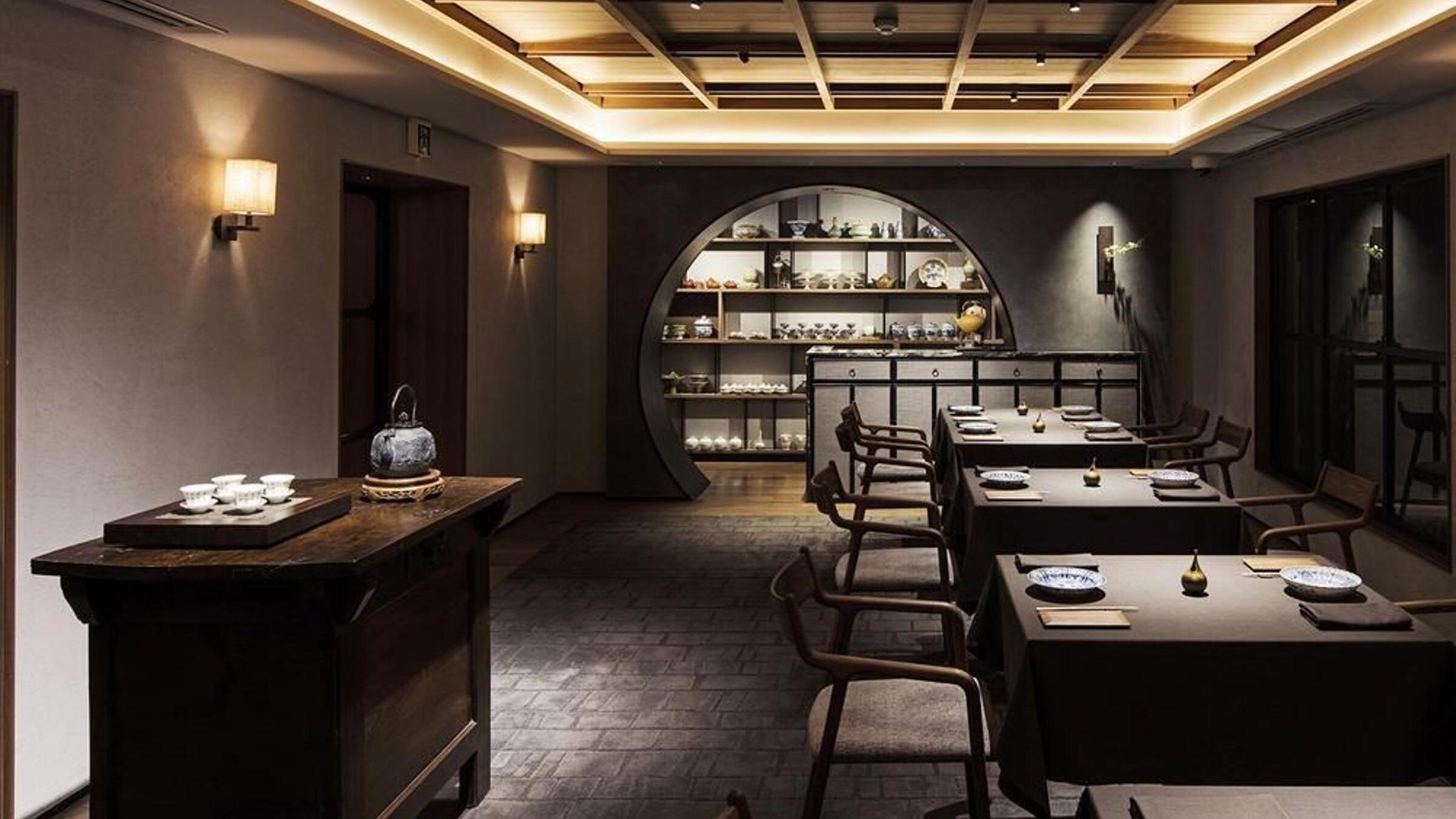
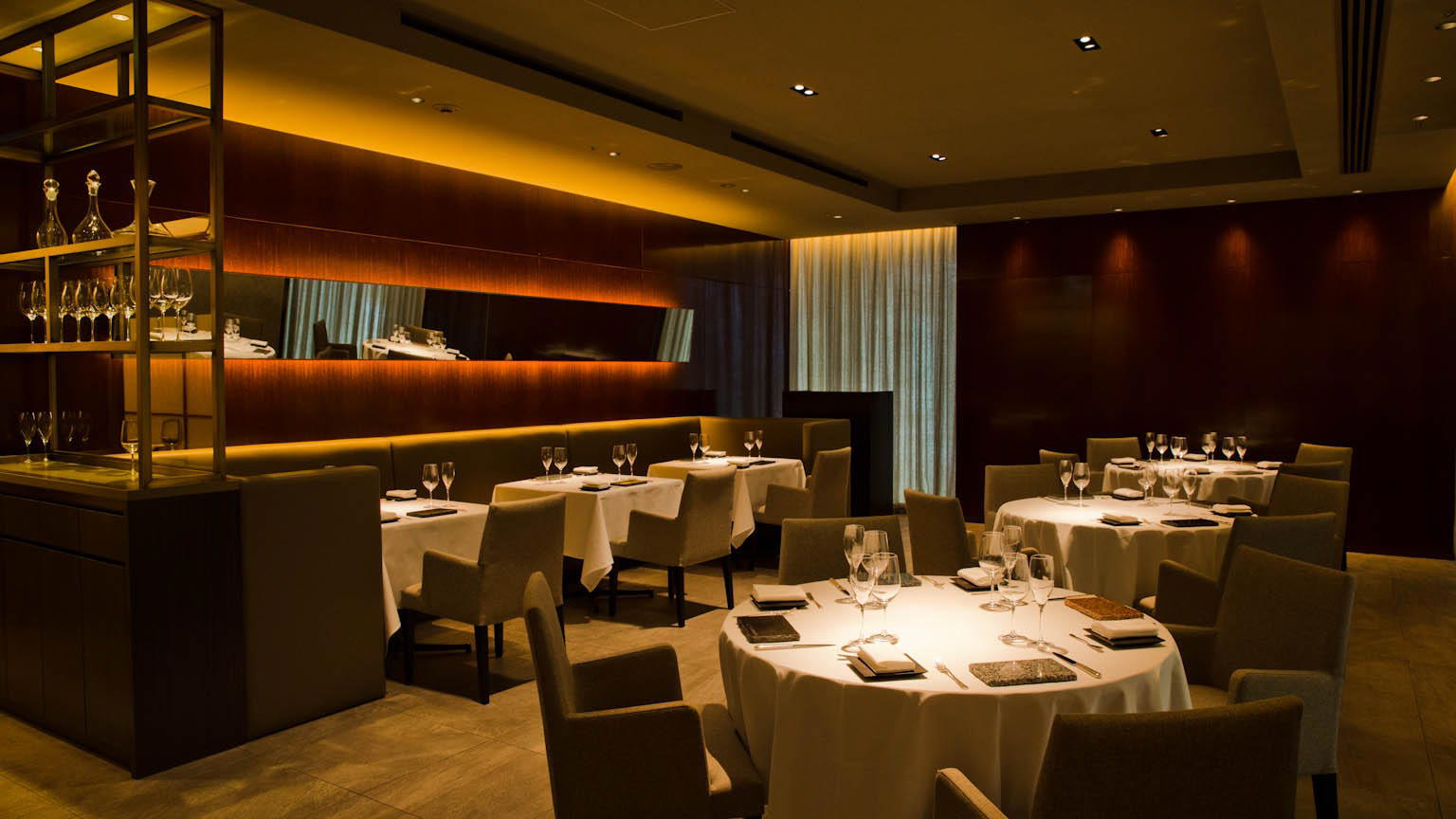
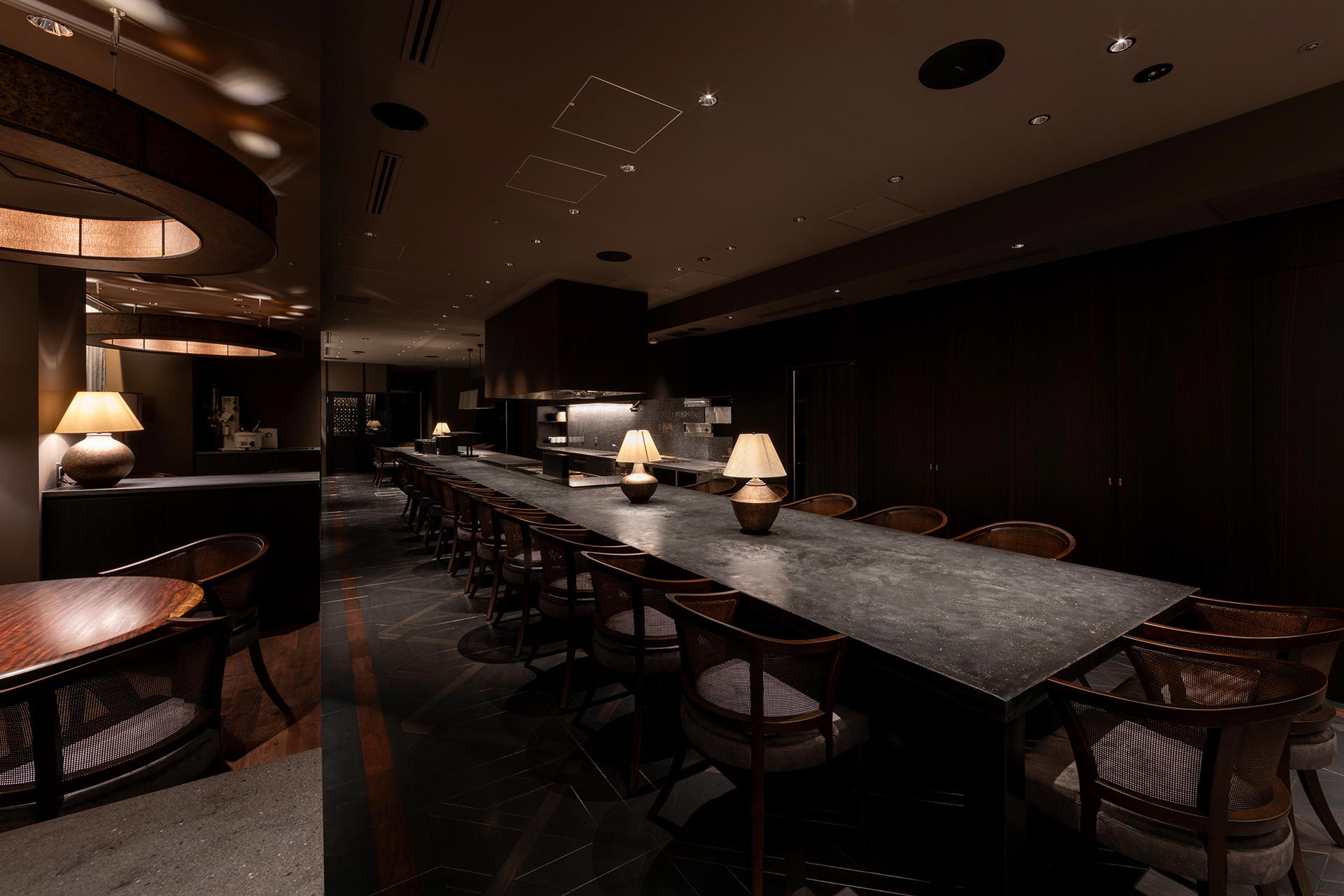
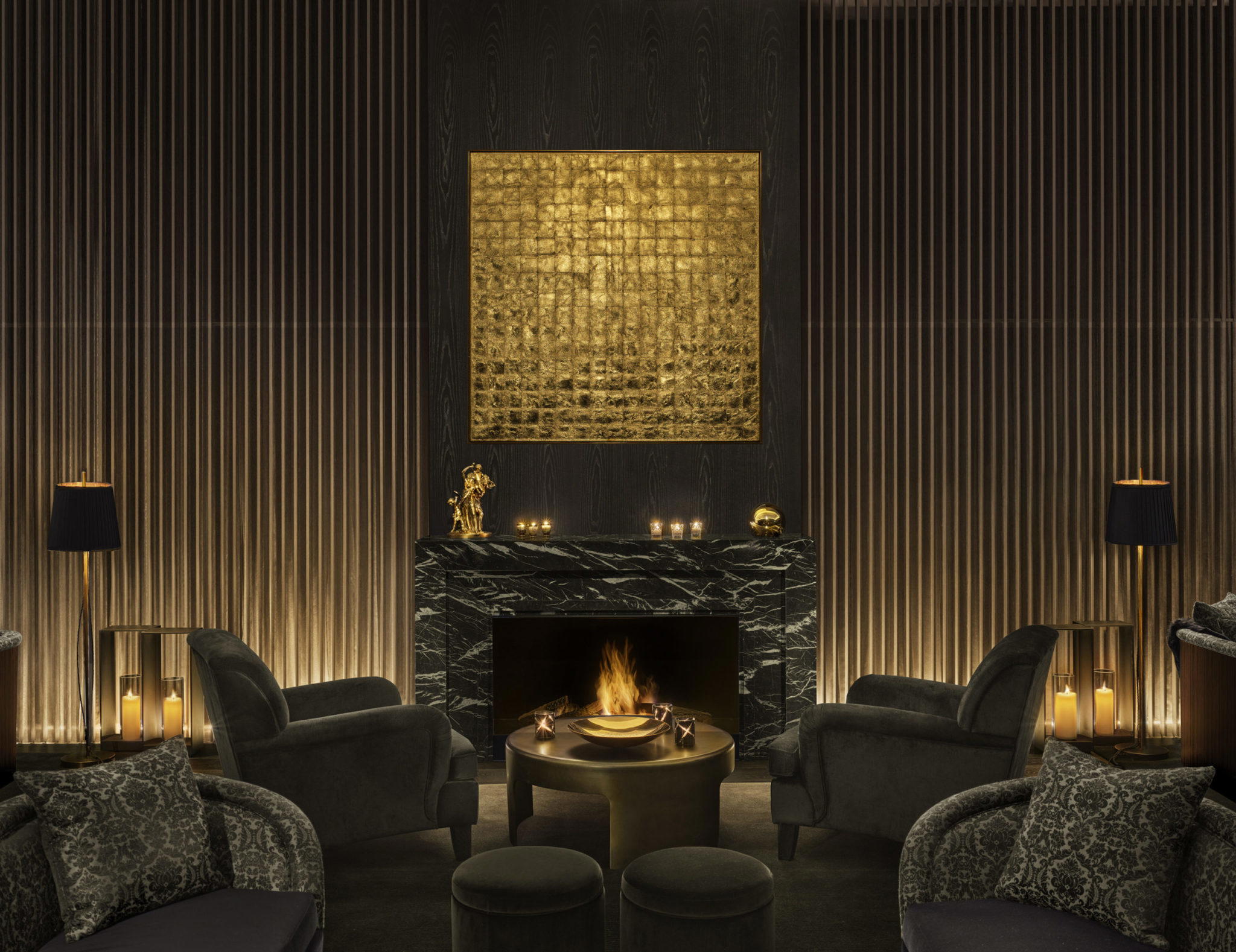
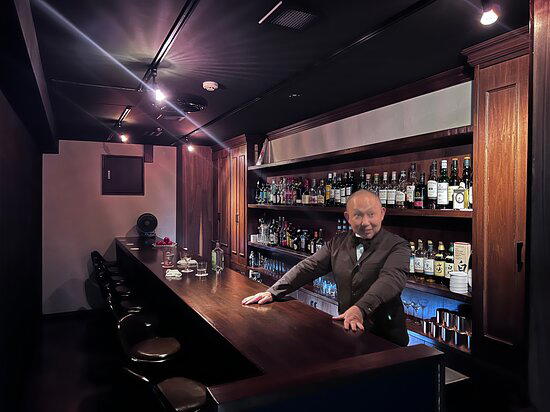
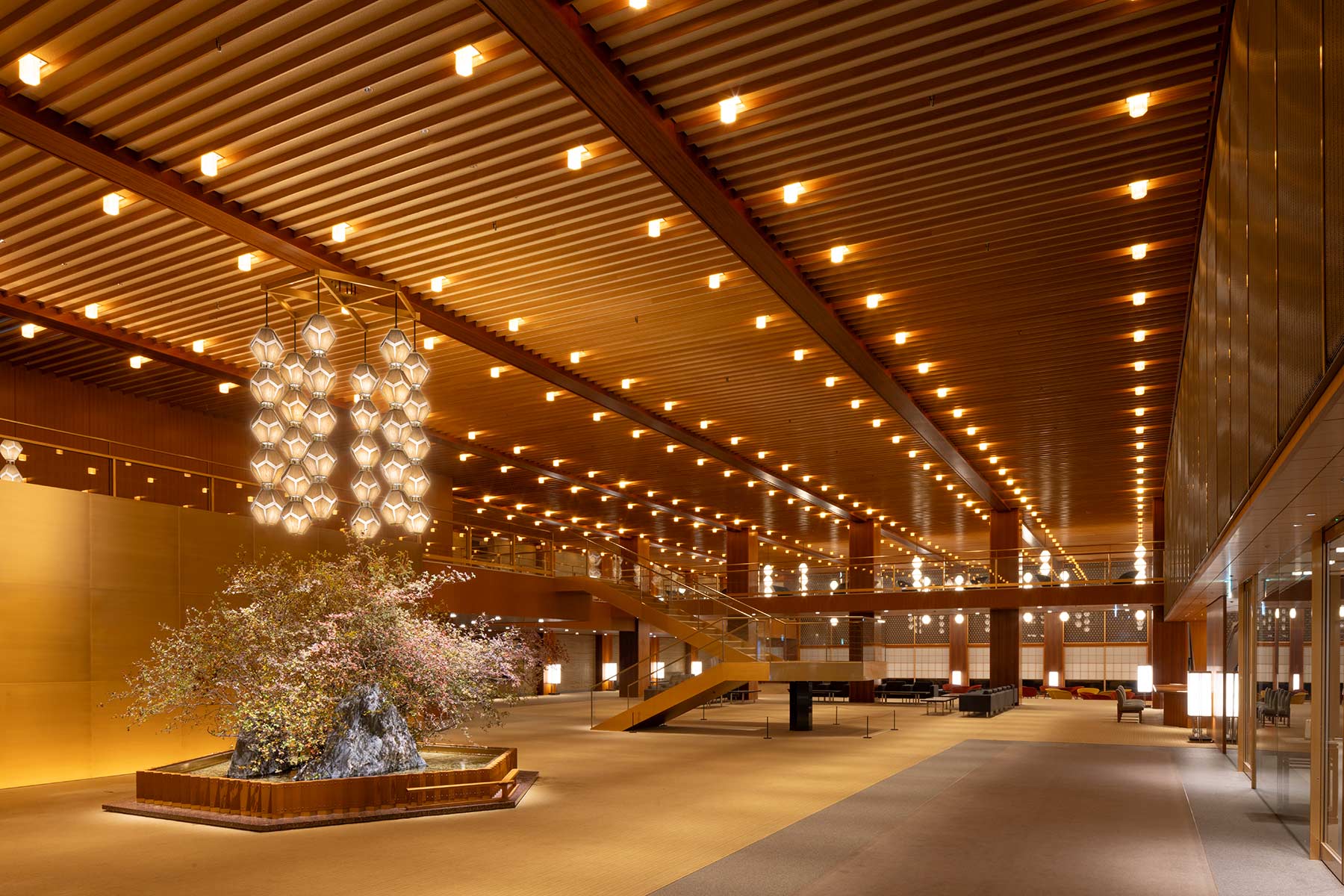
Calm and relaxed atmosphere in an understated, cozy setting.