.png)
Fujisushi in Higashi-Azabu operates on a straightforward premise: nigiri in the order you choose, with sushi rice polished fresh before each service. A 2025 Michelin Plate recipient, it holds a 4.7 Google rating from verified guests and positions itself at the accessible end of Tokyo's serious sushi spectrum, where individual pieces and drop-in visits are not only permitted but welcomed.
 Discover on Pearl
Pearl is the En Primeur Club membership app — saves, bookings, and concierge access live there. Same editors, same standards.
- Address
- Japan, 〒106-0044 Tokyo, Minato City, Higashiazabu, 3 Chome−7−11 PARKSIDE BLD 101
- Phone
- +81 70-8464-6640
- Website
- fujisushi.co.jp
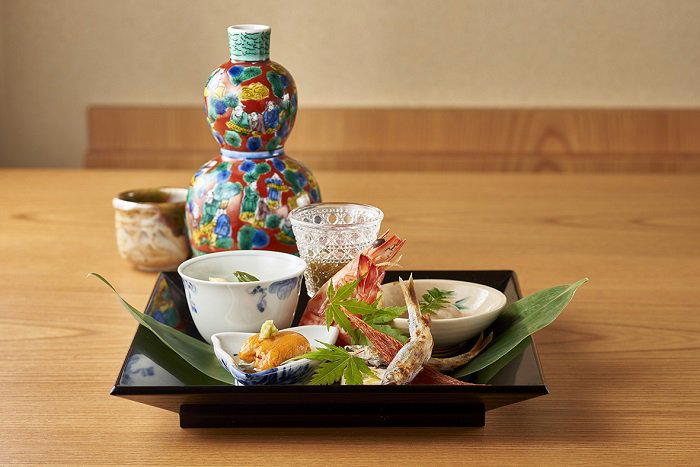
A Counter Without a Fixed Script
Tokyo's sushi scene has long been defined by two competing modes: the omakase counter, where the chef sets the pace, the sequence, and the price, and the older, more democratic tradition of ordering what you want, when you want it, one piece at a time. The latter format has become something of a rarity at serious sushi addresses in the city, squeezed out by the prestige economics of the omakase model. Fujisushi, in Higashi-Azabu, sits firmly in the older tradition. You choose the nigiri. You set the order. The kitchen follows you.
That posture matters more than it might seem. In a neighbourhood where Minato-ku addresses skew toward formal kaiseki and expense-account dining, a sushi shop that accepts drop-in orders for single pieces operates as a corrective rather than a compromise. The format is not a concession to casualness; it is the original format, and Fujisushi frames it as such with some deliberateness, naming itself after Japan's most recognisable geographic reference to signal ambition that extends beyond its postcode.
Daytime vs. Evening: How the Experience Shifts
In Tokyo's sushi culture, the gap between lunch and dinner service is rarely just about price. At many serious counters, the lunch sitting functions as an introduction, abbreviated, often less expensive, occasionally drawing a different demographic than the evening crowd. At Fujisushi, the à-la-carte structure levels that divide somewhat, since there is no fixed omakase menu to abbreviate or expand. Both sittings, in theory, offer the same range.
In practice, the mood diverges. Lunchtime at a Higashi-Azabu sushi shop tends to draw local workers, nearby residents, and the kind of visitor who has done enough research to know that mid-afternoon sushi in a residential pocket of Minato-ku is a different experience from a showroom counter in Ginza. The pace is quicker, the room less charged. Evening service at addresses in this bracket invites more deliberation: the sake selection gets more attention, the supplementary small dishes earn their place on the table, and a single-piece visit that would feel entirely natural at noon carries a slightly different social register after dark.
Fujisushi's willingness to accommodate both registers, without a two-tier menu structure to enforce the distinction, is part of what the Michelin inspectors may have been acknowledging with the 2025 Plate recognition. A Michelin Plate denotes a kitchen cooking to a clean, consistent standard without reaching for the stars, a signal worth noting at a venue whose value proposition depends on reliability rather than spectacle. The 4.7 Google score across 25 reviews, while a modest sample, points in the same direction.
The Rice Question
Among sushi professionals, the rice is the argument that never ends. Temperature, seasoning, grain variety, the moment of polishing: each variable is contested, and each produces a different result. Fujisushi polishes its rice immediately before cooking, a detail specific enough to appear in the Michelin record and particular enough to distinguish the kitchen's priorities. Polishing just before cooking preserves starch integrity and aromatic compounds that degrade quickly once the outer bran layer is removed. It is a labour-intensive step that most volume operations skip. The fact that it appears as a point of pride at a neighbourhood counter confirms something about where the kitchen places its standards, even within a format that would permit shortcuts.
This is the kind of operational commitment that separates the mid-tier sushi shops that earn quiet, sustained recognition from those that trade on location or price point alone. For context, the top tier of Tokyo sushi, counters like Harutaka or Sukiyabashi Jiro Roppongiten, operate at ¥¥¥¥ price points with omakase sequences that can run to thirty courses and booking windows of months. The Sushi Kanesaka lineage has produced some of the city's most formally structured Edomae counters. Fujisushi occupies the ¥¥¥ bracket, with a format that is architecturally simpler but technically no less considered in its foundational ingredient work.
Higashi-Azabu and Its Sushi Context
Higashi-Azabu is not the first address most sushi seekers name when planning a Tokyo counter visit. Ginza, Minami-Aoyama, and Nihonbashi carry the weight of the city's sushi reputation at the serious end. Minato-ku's residential wards, Azabu included, operate as a secondary tier, home to neighbourhood counters that serve the area's dense population of well-travelled locals and diplomatic community rather than destination tourists.
That residential character shapes the experience. Edomae sushi in this part of the city tends toward proportion and familiarity rather than ceremony and spectacle. Counters like Edomae Sushi Hanabusa and Hiroo Ishizaka represent the considered, neighbourhood-anchored approach that characterises this part of Minato-ku's dining offer. Fujisushi belongs to that context, with a street-level unit in PARKSIDE BLD that signals accessibility over prestige positioning.
For visitors building a broader Tokyo itinerary, our full Tokyo restaurants guide maps the city's dining across price tiers and neighbourhoods. The Tokyo hotels guide, bars guide, and experiences guide cover the wider city. For Japan context beyond Tokyo, the calibre conversation continues at HAJIME in Osaka, Gion Sasaki in Kyoto, akordu in Nara, Goh in Fukuoka, 1000 in Yokohama, and 6 in Okinawa. The Edomae tradition also travels: Sushi Shikon in Hong Kong and Shoukouwa in Singapore represent how the form has transplanted to other Asian cities. For Tokyo wineries, the Tokyo wineries guide has current coverage.
Planning Your Visit
| Venue | Price Tier | Format | Recognition |
|---|---|---|---|
| Fujisushi | ¥¥¥ | À la carte, drop-in permitted | Michelin Plate 2025, 4.7 Google |
| Harutaka | ¥¥¥¥ | Omakase counter | Michelin 3 Stars |
| Sukiyabashi Jiro Roppongiten | ¥¥¥¥ | Omakase counter | Michelin 3 Stars |
| Sushi Kanesaka | ¥¥¥¥ | Omakase counter | Michelin-recognised |
| Edomae Sushi Hanabusa | Not listed | Edomae counter | Michelin-recognised |
Fujisushi is located at PARKSIDE BLD 101, 3 Chome-7-11 Higashi-Azabu, Minato City, Tokyo. Booking details and hours are not currently listed; contacting the venue directly is advisable, particularly for evening visits. The drop-in policy for single pieces, noted in the Michelin record, suggests some walk-in capacity exists, though popular service windows may narrow that window at a small counter.
Where It Fits
Comparable venues nearby, for context on price, style, and recognition.
| Venue | Cuisine | Price | Awards |
|---|---|---|---|
| FujisushiThis venue — the venue you are viewing | Sushi | ¥¥¥ | |
| Harutaka | Sushi | ¥¥¥¥ | Michelin 3 Star |
| RyuGin | Kaiseki, Japanese | ¥¥¥¥ | Michelin 3 Star |
| L'Effervescence | French | ¥¥¥¥ | Michelin 3 Star |
| HOMMAGE | Innovtive French, French | ¥¥¥¥ | Michelin 2 Star |
| MAZ | Innovative | ¥¥¥¥ | Michelin 2 Star |





At a Glance
- Cozy
- Intimate
- Relaxed
- Solo
- Date Night
- Chefs Counter
- Sake Program
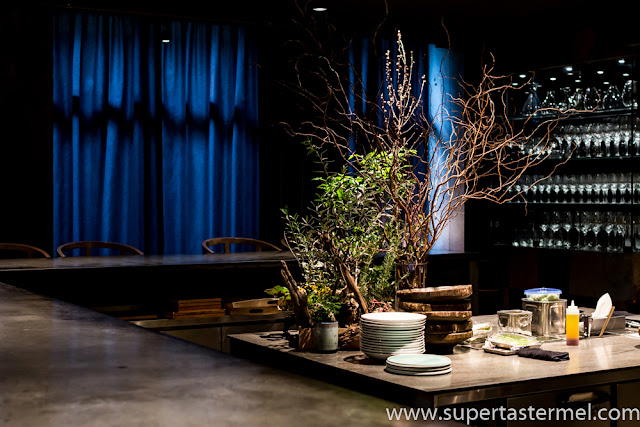
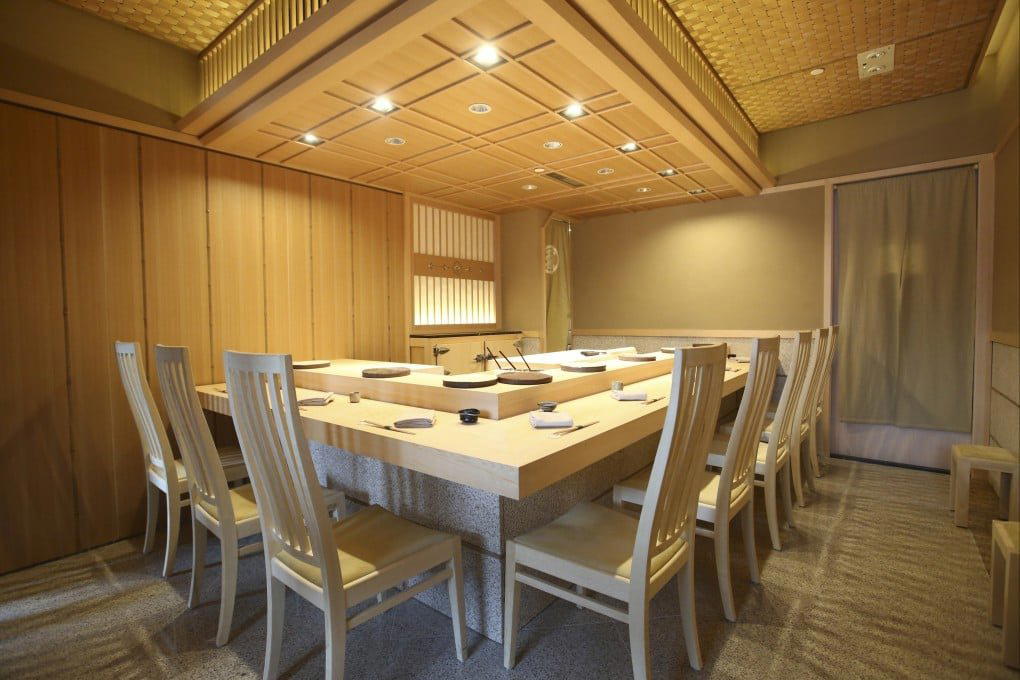
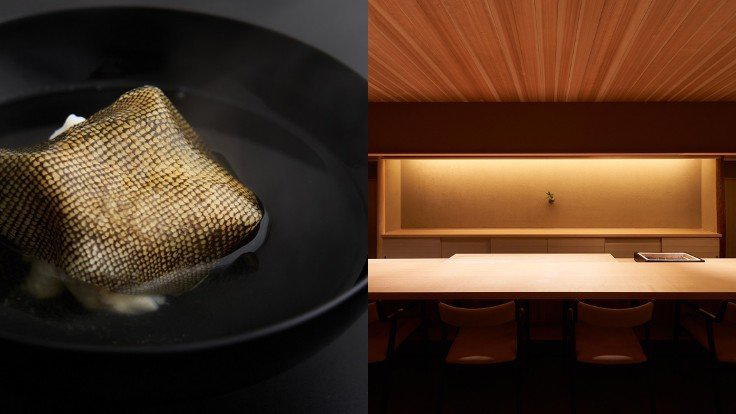
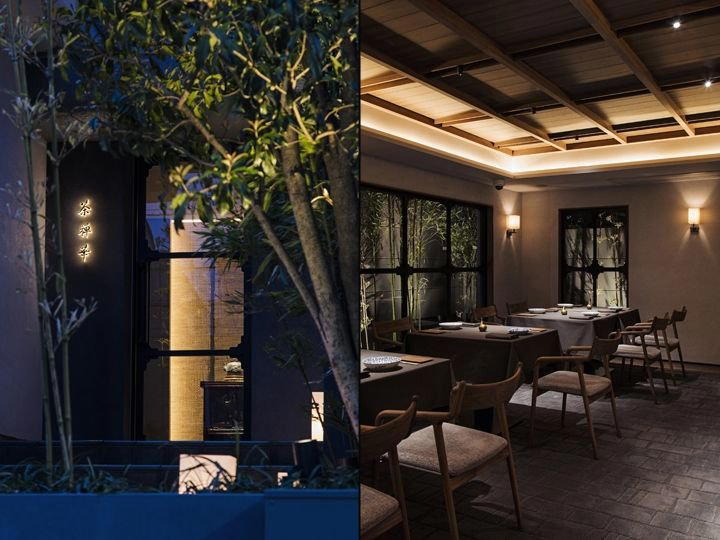
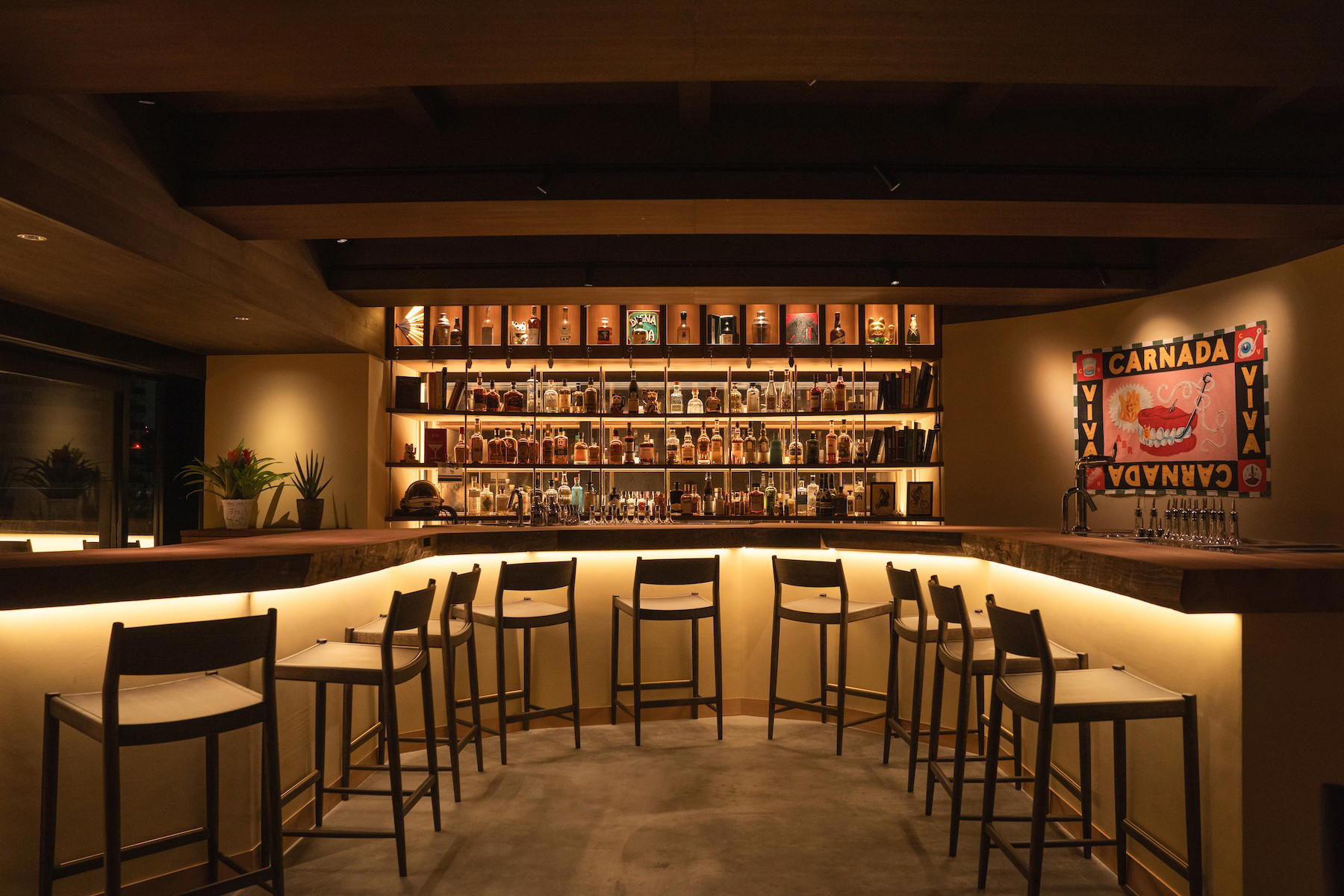
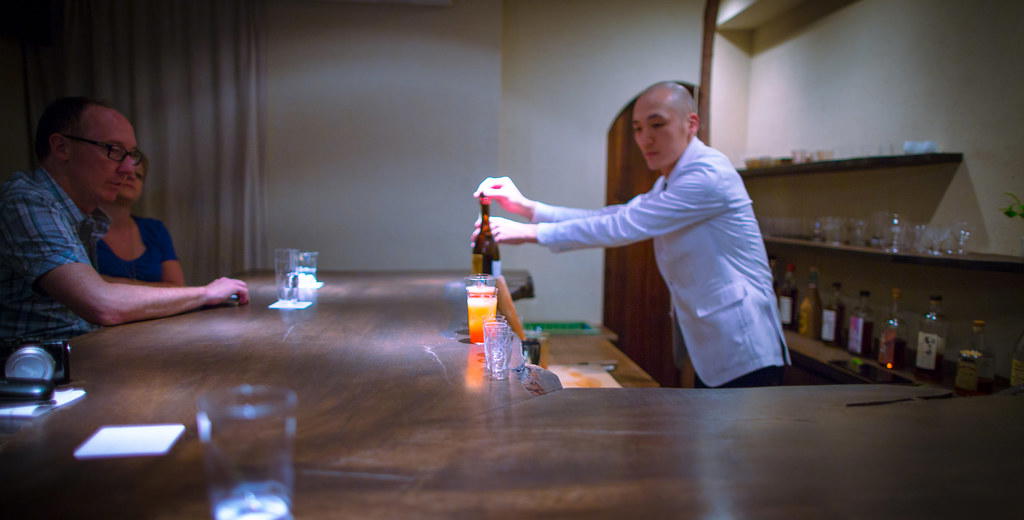
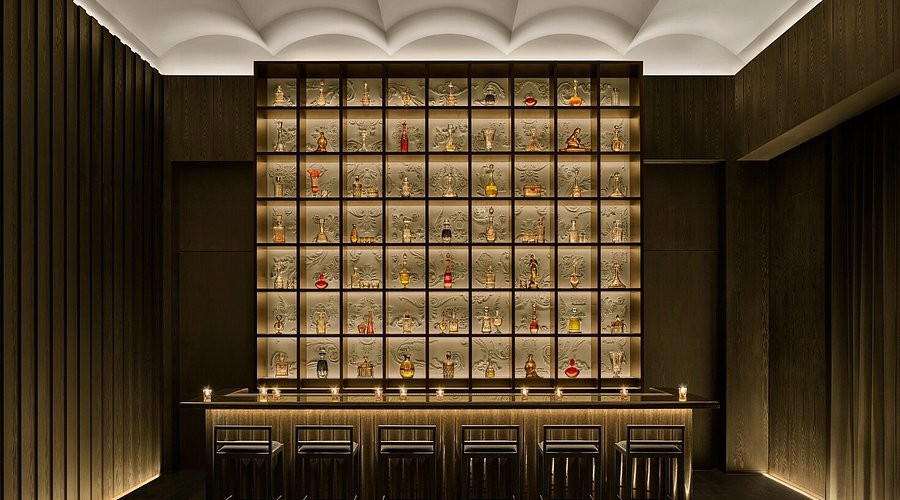
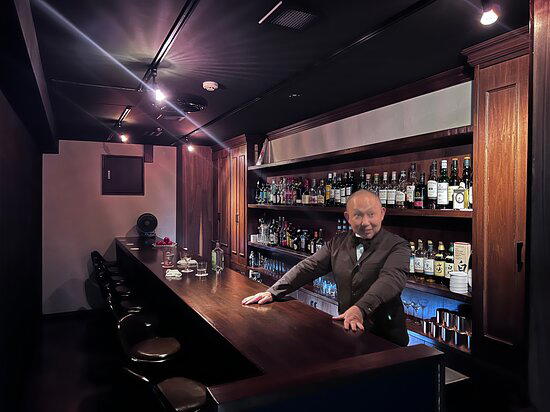
Cozy and relaxing counter seating atmosphere with a focus on intimate sushi dining.