Google: 4.5 · 140 reviews
.png)

A Tabelog Award Bronze winner every year from 2017 through 2026, Fiocchi has held a place in the Tabelog Italian Tokyo 100 for 2021, 2023, and 2025. Tucked into the residential Soshigaya district of Setagaya, the 10-seat room serves course-only Italian dinners priced between JPY 15,000 and JPY 19,999, with a wine program given serious attention and a sister restaurant upstairs for charcoal-grilled à la carte.
 Discover on Pearl
Pearl is the En Primeur Club membership app — saves, bookings, and concierge access live there. Same editors, same standards.
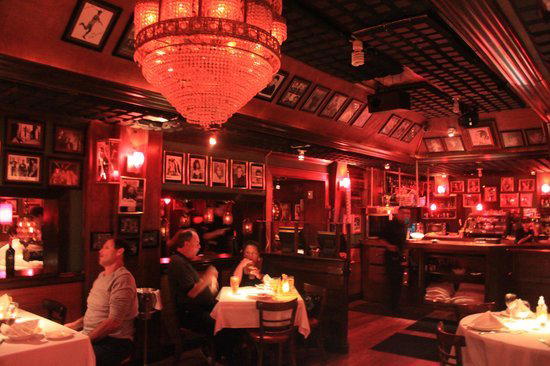
Italian That Has Earned Its Neighbourhood
Soshigaya is not the kind of address that signals ambition. The residential pocket of Setagaya, reachable in four minutes on foot from Soshigaya-Okura Station on the Odakyu Line, sits well outside the central Tokyo circuits that produce restaurant buzz. That is precisely what makes Fiocchi's track record worth reading carefully. A restaurant that has collected the Tabelog Award Bronze continuously from 2017 through 2026, and has appeared in the Tabelog Italian Tokyo 100 in 2021, 2023, and 2025, is not coasting on foot traffic or location. It is earning those recognitions from a room of ten seats in a building that makes no architectural statement to the street.
Tokyo's western residential wards have long supported a particular kind of serious neighbourhood restaurant: one built for a loyal local audience rather than destination diners, where the absence of a marquee address creates pressure to maintain quality year after year rather than ride an opening surge. Fiocchi, open since October 2000, represents that model at its most sustained. Twenty-five years of operation in a single Setagaya location is its own credential, one that no award cycle can manufacture.
The Room and What It Asks of You
Ten seats determine the entire character of a dining room. Fiocchi offers six counter seats and a table that accommodates up to six, which means the kitchen and the dining room are always in close proximity — acoustically, physically, and in terms of pace. The format is course-only, dinner from 18:30, lunch from 12:00, with Wednesdays given as the weekly closure. A 10% service charge applies, and the house asks guests to arrive in smart casual attire. Children are welcomed from junior high school age, with the expectation that all guests, regardless of age, will order the full course and keep the room's pace.
That last point matters. The course-only format at this scale is not a commercial decision so much as an editorial one: it is how small Italian kitchens in Japan maintain coherence between what is being cooked and what is being served. At peer restaurants in Tokyo's Italian tier — Principio, AlCeppo, Aroma Fresca , the course structure serves the same function: it keeps the kitchen on a single narrative rather than splitting focus across a broad à la carte grid. The wine program at Fiocchi is described as one the house takes seriously, which at this price bracket in Tokyo typically means a selection built around Italian regions with depth in producer choices rather than safe-label coverage.
Recipes as Inheritance: What Fiocchi Cooks and Why It Matters
The editorial angle that leading explains Fiocchi's longevity is not innovation , it is transmission. Italian regional cooking at its most serious is a cuisine of inherited knowledge: techniques and combinations that have moved through generations of cooks, often within specific geographic communities, and arrived in a contemporary kitchen still structurally intact. The lamb wrapped in straw that appears in Fiocchi's kitchen is rooted in the Waldensian communities of Piemonte, served alongside potatoes baked in ash , a preparation designed to draw out sweetness rather than impose it. That dish is not a contemporary invention. It is a recipe that carries a specific mountain culture's logic about fire, fat, and patience.
The broader framework behind this kind of cooking , combining ingredients from mountain and sea in a single dish to trace the flow of nature linking forest with ocean , is a structural principle that predates modernist gastronomy by centuries. It shows up in the coastal-to-alpine combinations found across Liguria, Calabria, and the Veneto. What Fiocchi is doing, in a Setagaya ground-floor dining room, is applying that inherited structural logic with contemporary precision. This is the lineage that distinguishes serious Italian cooking in Tokyo from its more decorative counterparts: not technique for its own sake, but technique in service of a tradition that has a traceable origin.
Compare this with the higher-profile Italian addresses in the capital. PRISMA and Gucci Osteria da Massimo Bottura Tokyo operate at the end of the Italian spectrum where concept and authorship are the primary signals. Fiocchi operates at the other end, where the kitchen's credibility comes from fidelity to a regional tradition that existed long before the chef did. Neither approach is categorically superior; they are simply different arguments about what Italian cooking is for.
For broader context on how this generational approach to Italian cuisine translates across Japan, cenci in Kyoto offers a useful comparison: an Italian address working within a Japanese city's sensibility, drawing on European regional tradition without abandoning it.
The Tabelog Record and What It Signals
Tabelog's scoring system is driven by user reviews weighted against a proprietary algorithm that adjusts for volume and recency. A score of 4.03 across 25 years of operation, with consecutive Bronze Awards from 2017 through 2026, indicates not a single outstanding period but a consistent level of execution over time. The Italian Tokyo 100 inclusions in 2021, 2023, and 2025 place Fiocchi in a peer set of the top 100 Italian restaurants in the city as assessed by Japan's most widely used restaurant platform. That is a different kind of recognition than a single Michelin star or a 50 Best placement , it is granular and crowd-sourced over a long period, which makes it harder to manufacture through a single PR campaign. The Michelin Plate recognition in 2025 adds an independent international data point alongside the domestic Tabelog record.
At JPY 15,000 to JPY 19,999 per head at the listed price, with actual spend based on reviews running JPY 20,000 to JPY 29,999 including service charge and wine, Fiocchi sits below the four-star ¥¥¥¥ tier occupied by restaurants like HAJIME in Osaka or Gion Sasaki in Kyoto, and broadly in line with Tokyo peers such as Den, which holds two Michelin stars at the ¥¥¥ price point. The value argument at Fiocchi, if one needs to be made, is not about price-to-award ratio but about price relative to the depth of what is being served.
Soshigaya's Role in Tokyo's Dining Geography
Setagaya-ku is Tokyo's most populous ward and one of its most residentially coherent. The dining scene there develops differently from Shibuya or Ginza: fewer destination restaurants, more venues with deep local constituencies. Fiocchi's 25 years in Soshigaya reflects this geography. The restaurant draws from a neighbourhood base that has self-selected for serious food over time, which is a different audience dynamic than the central Tokyo Italian market, where tables are filled partly by hotel guests, expense accounts, and tourists.
The Odakyu Line connection means Shinjuku is under 20 minutes away, making Fiocchi accessible from central Tokyo without requiring it to perform for a central Tokyo audience. For visitors staying in the city and willing to make the journey, the reward is a room operating entirely on its own terms, without the ambient noise of the restaurant industry's trend cycles. Our full Tokyo restaurants guide maps this geography in more detail, including how the western residential wards compare to the central dining corridors.
The upstairs sister restaurant, Zupperia Osteria Pitigliano, offers charcoal-grilled à la carte dishes , a structural complement to the course-only format below that gives the building two distinct modes of Italian hospitality without diluting either.
Planning Your Visit
| Detail | Fiocchi | Den (¥¥¥, 2 Michelin Stars) | Aroma Fresca (¥¥¥¥) |
|---|---|---|---|
| Price (dinner) | JPY 15,000–19,999 | JPY 15,000–19,999 | JPY 30,000+ |
| Seats | 10 | ~30 | ~20 |
| Format | Course only | Course only | Course only |
| Cuisine | Italian (regional) | Innovative Japanese | Italian |
| Reservations | Available; 100% same-day cancellation fee | Available; advance booking advised | Available; advance booking advised |
| Closed | Wednesdays | Sundays and public holidays | Varies |
| Access | 4 min walk, Soshigaya-Okura (Odakyu) | Central Tokyo | Central Tokyo |
Reservations can be made by phone at +81-3-3789-3355 during reception hours of 10:00 to 22:00, or via the restaurant's website at fiocchi-web.com. Same-day cancellations incur a 100% fee. Credit cards (Visa, Mastercard, JCB, Amex, Diners) and QR code payments are accepted; electronic money is not. There is no on-site parking, but coin parking is available nearby.
For those building a broader Japan itinerary around serious regional cooking, akordu in Nara and Goh in Fukuoka sit in a comparable register of intention, as does 1000 in Yokohama for those staying in the greater Tokyo area. For Italian cooking elsewhere in Asia operating at a comparable level of seriousness, 8½ Otto e Mezzo Bombana in Hong Kong offers a useful regional reference point. Explore further with our full Tokyo bars guide, our full Tokyo hotels guide, our full Tokyo wineries guide, and our full Tokyo experiences guide. For those extending beyond Tokyo, 6 in Okinawa rounds out a Japan-wide view of restaurants working at this level of focus.
Cost Snapshot
A short peer set to help you calibrate price, style, and recognition.
| Venue | Price | Awards | Notes |
|---|---|---|---|
| Fiocchi | ¥¥¥ | {"Year":"2026","Award Source":"Tabelog",… | This venue |
| Harutaka | ¥¥¥¥ | Michelin 3 Star | Sushi, ¥¥¥¥ |
| RyuGin | ¥¥¥¥ | Michelin 3 Star | Kaiseki, Japanese, ¥¥¥¥ |
| L'Effervescence | ¥¥¥¥ | Michelin 3 Star | French, ¥¥¥¥ |
| HOMMAGE | ¥¥¥¥ | Michelin 2 Star | Innovtive French, French, ¥¥¥¥ |
| MAZ | ¥¥¥¥ | Michelin 2 Star | Innovative, ¥¥¥¥ |







At a Glance
- Elegant
- Intimate
- Sophisticated
- Date Night
- Special Occasion
- Open Kitchen
- Sake Program
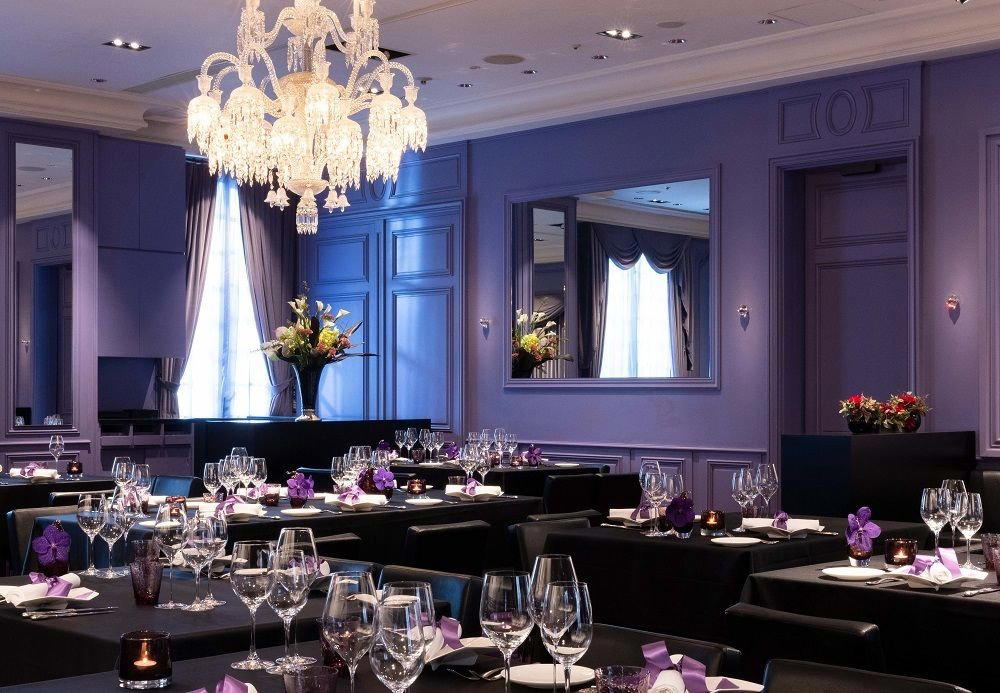
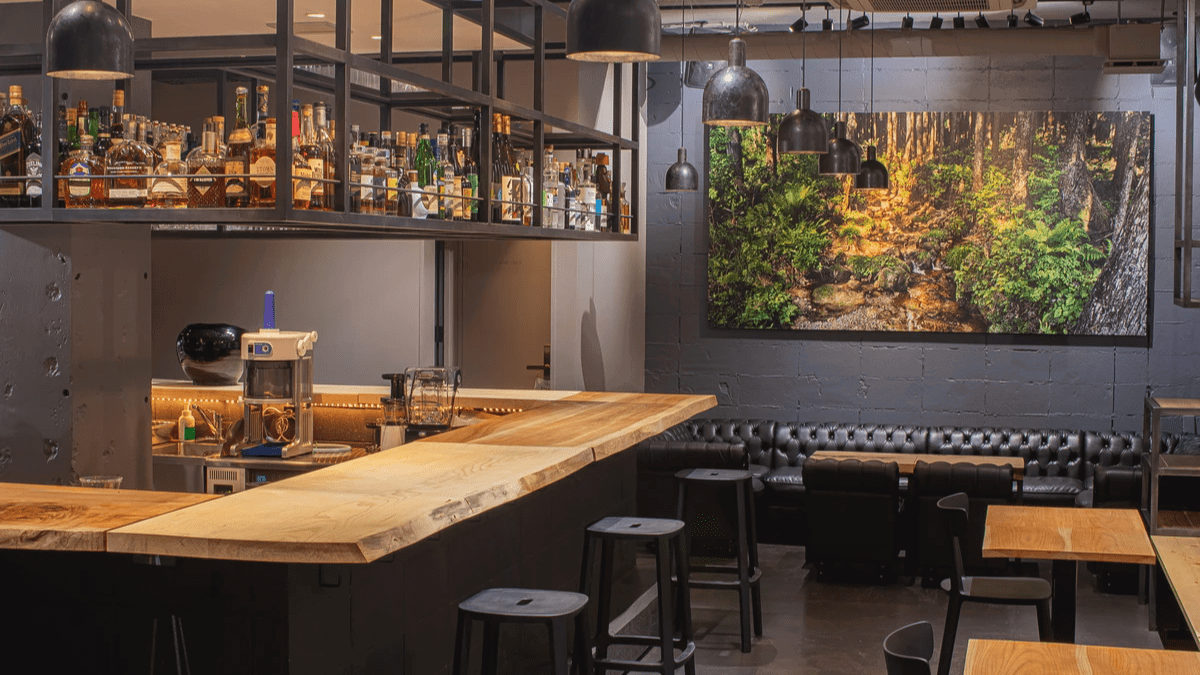
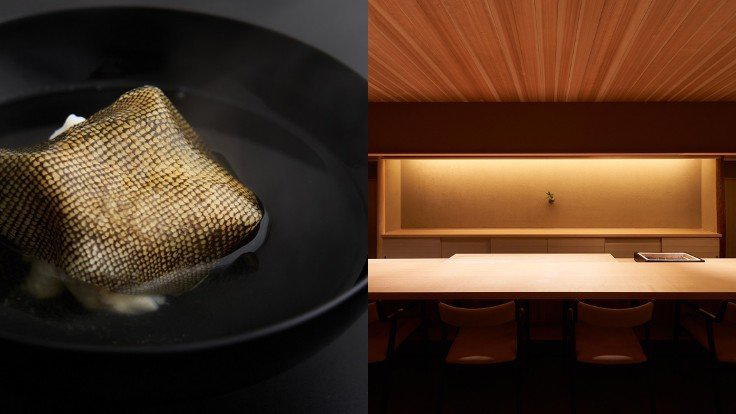
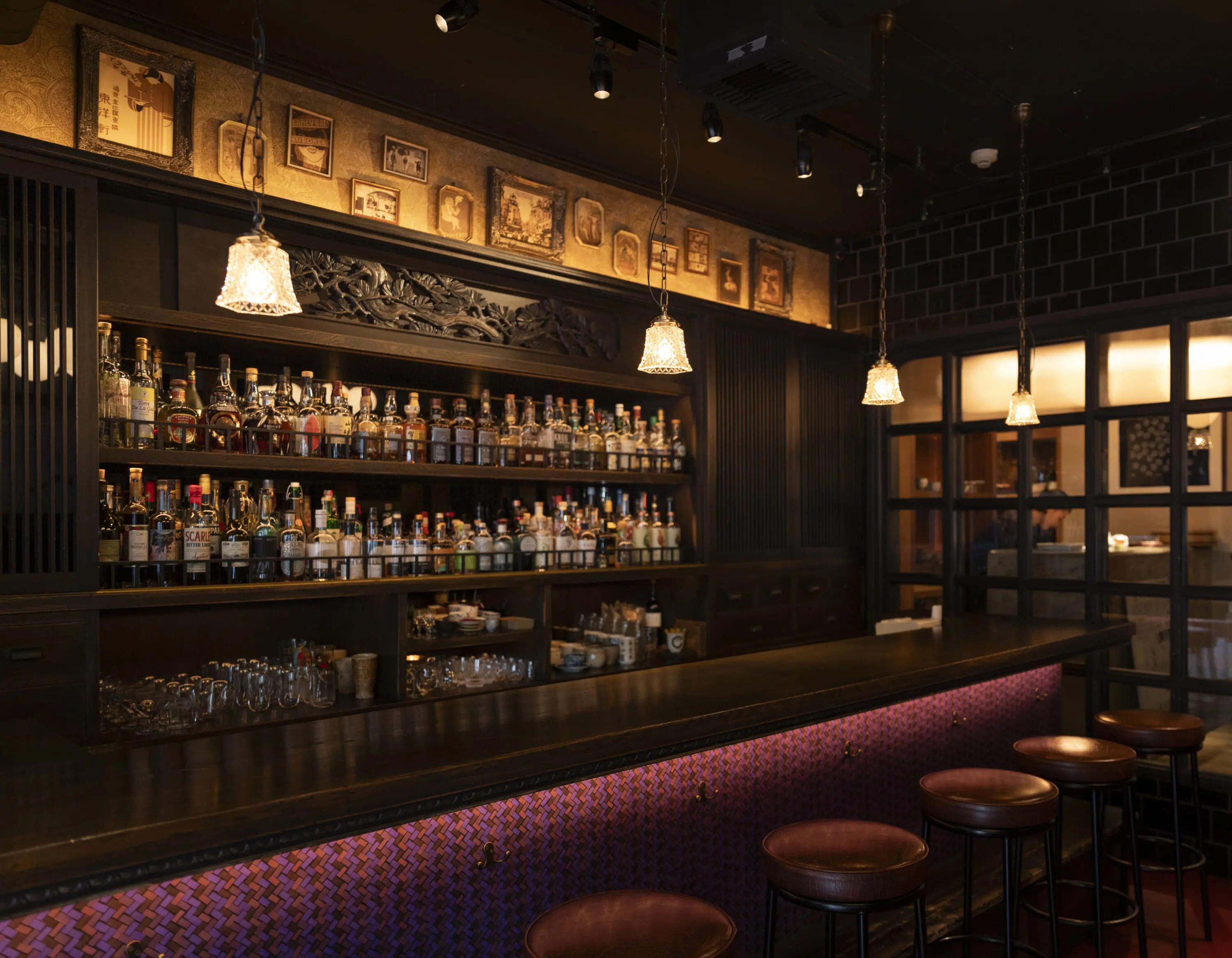
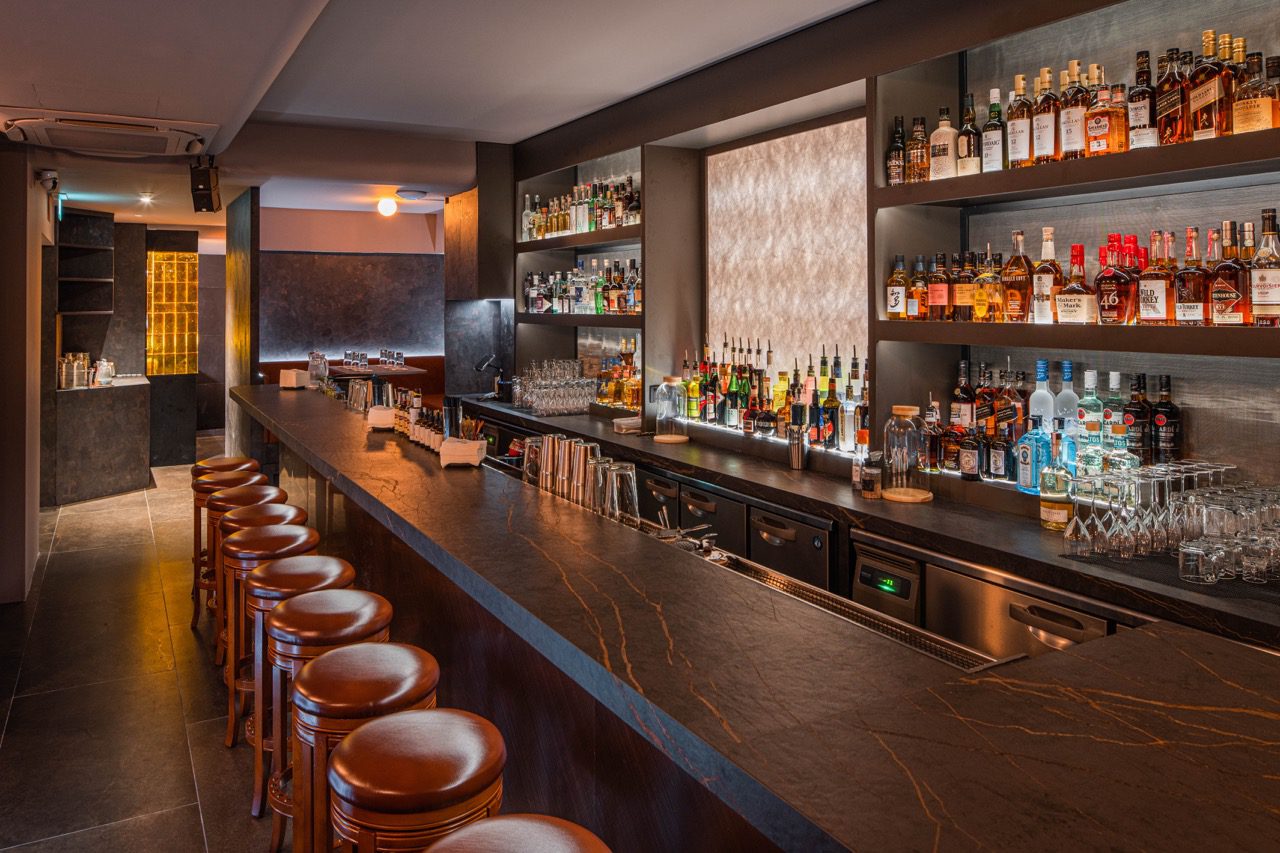
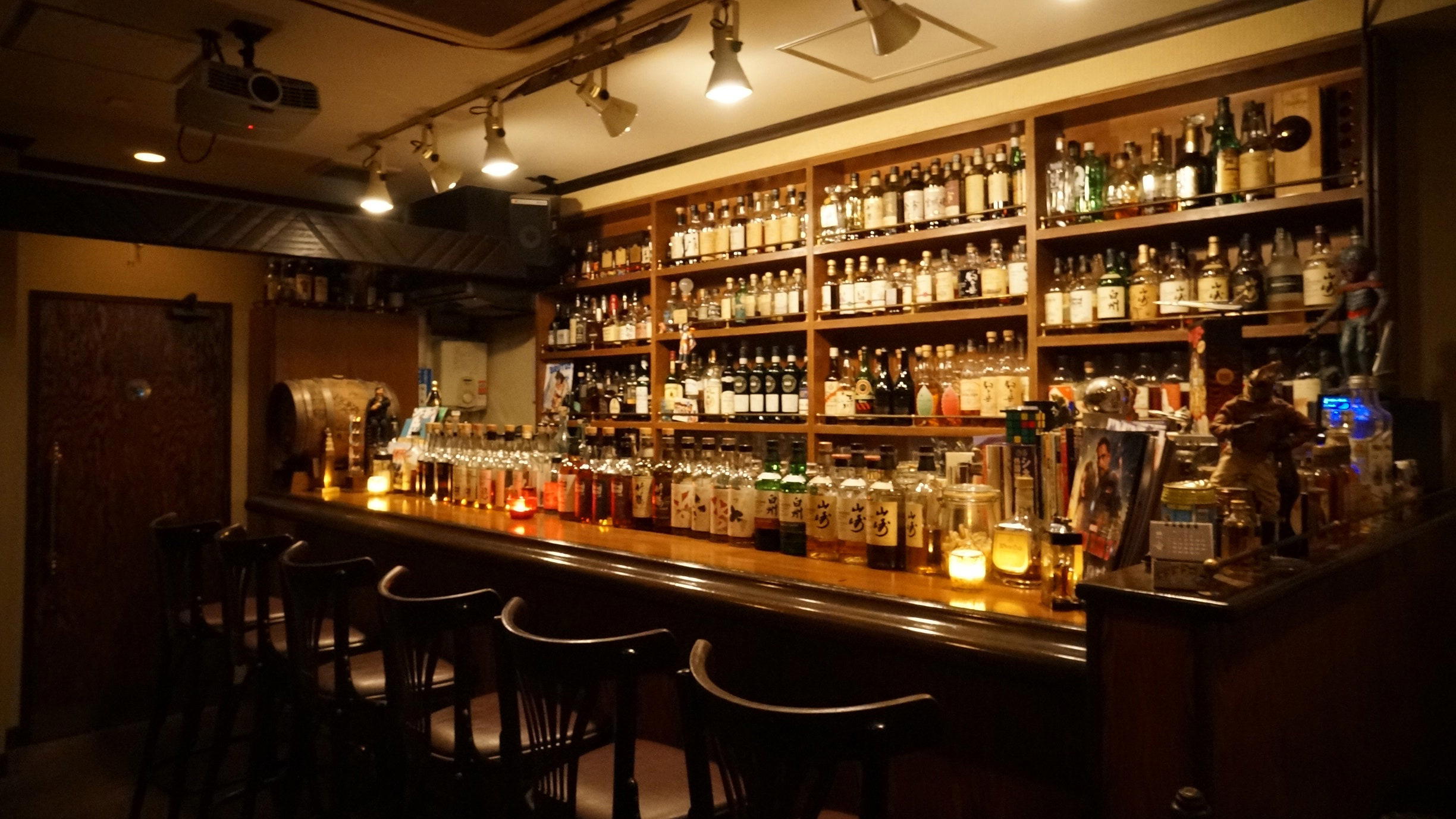
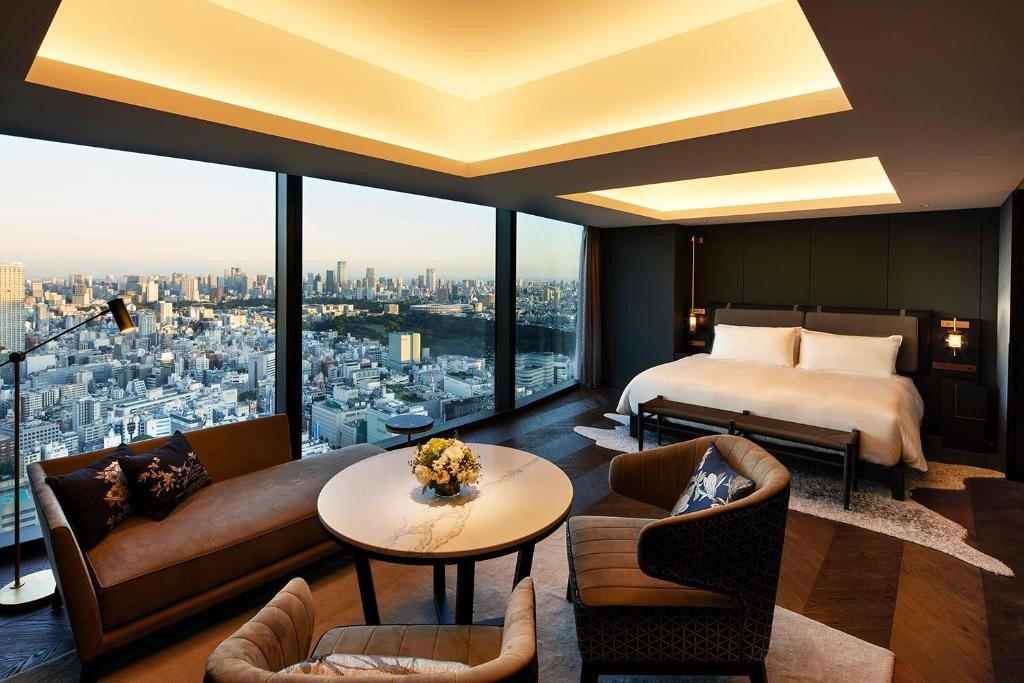
Calm and elegant with a relaxed, slightly dark atmosphere ideal for classy evenings.