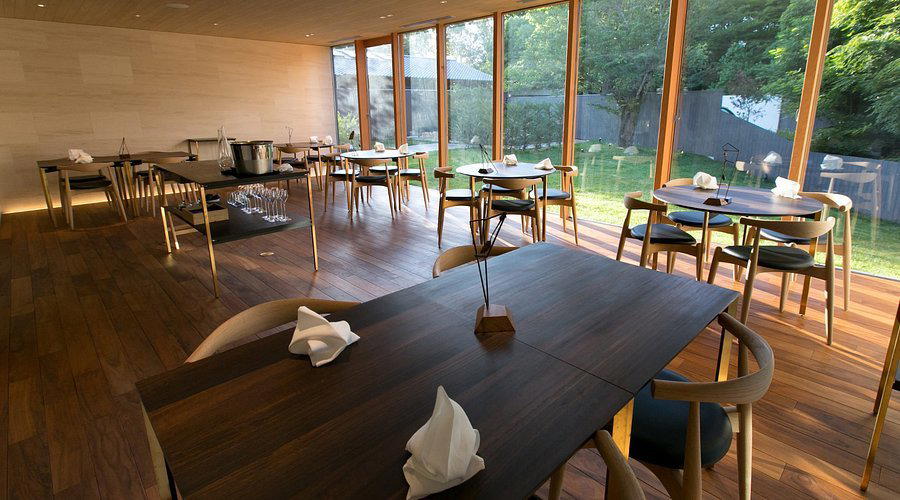
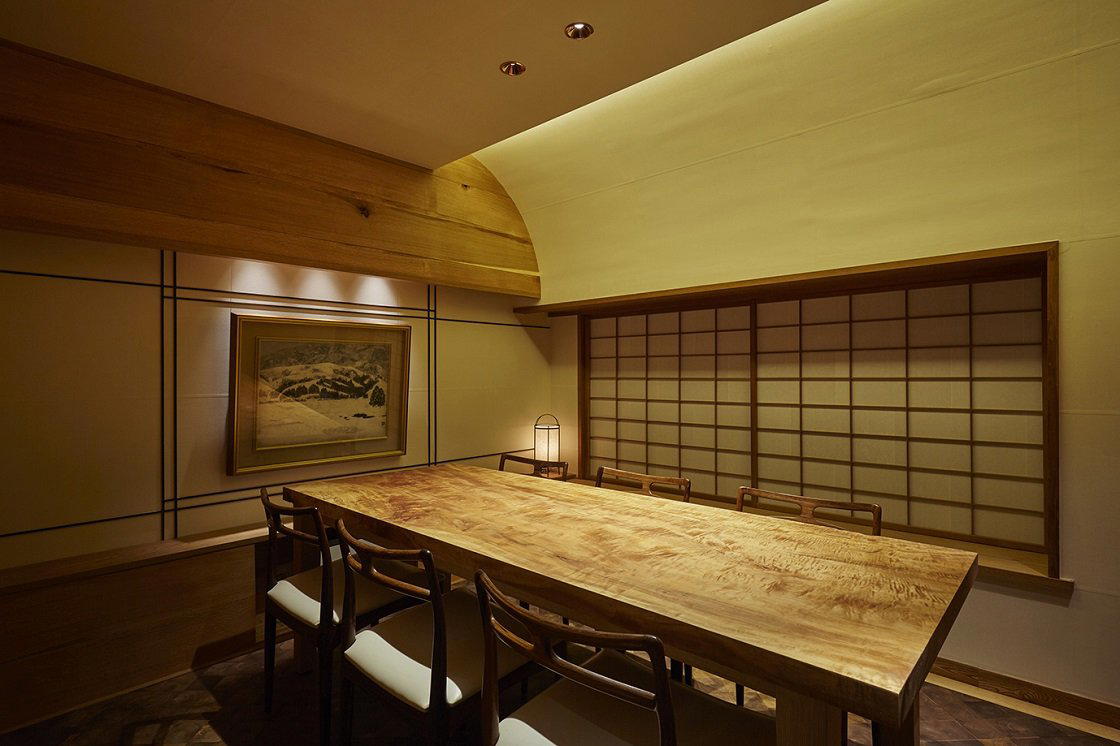
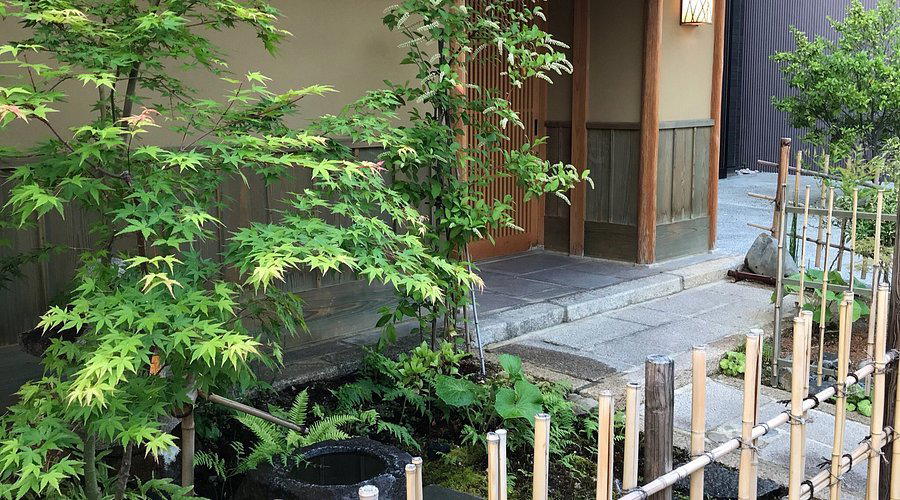
Tabelog 100 #36
Our verdict
元祖伊賀肉 金谷: Iga izakaya with quiet, casual service and a 2024 Tabelog 100 ranking, suited to readers looking for a low-key meal in Iga.

Pearl is the En Primeur Club membership app, where members save venues, book tables and use the concierge.
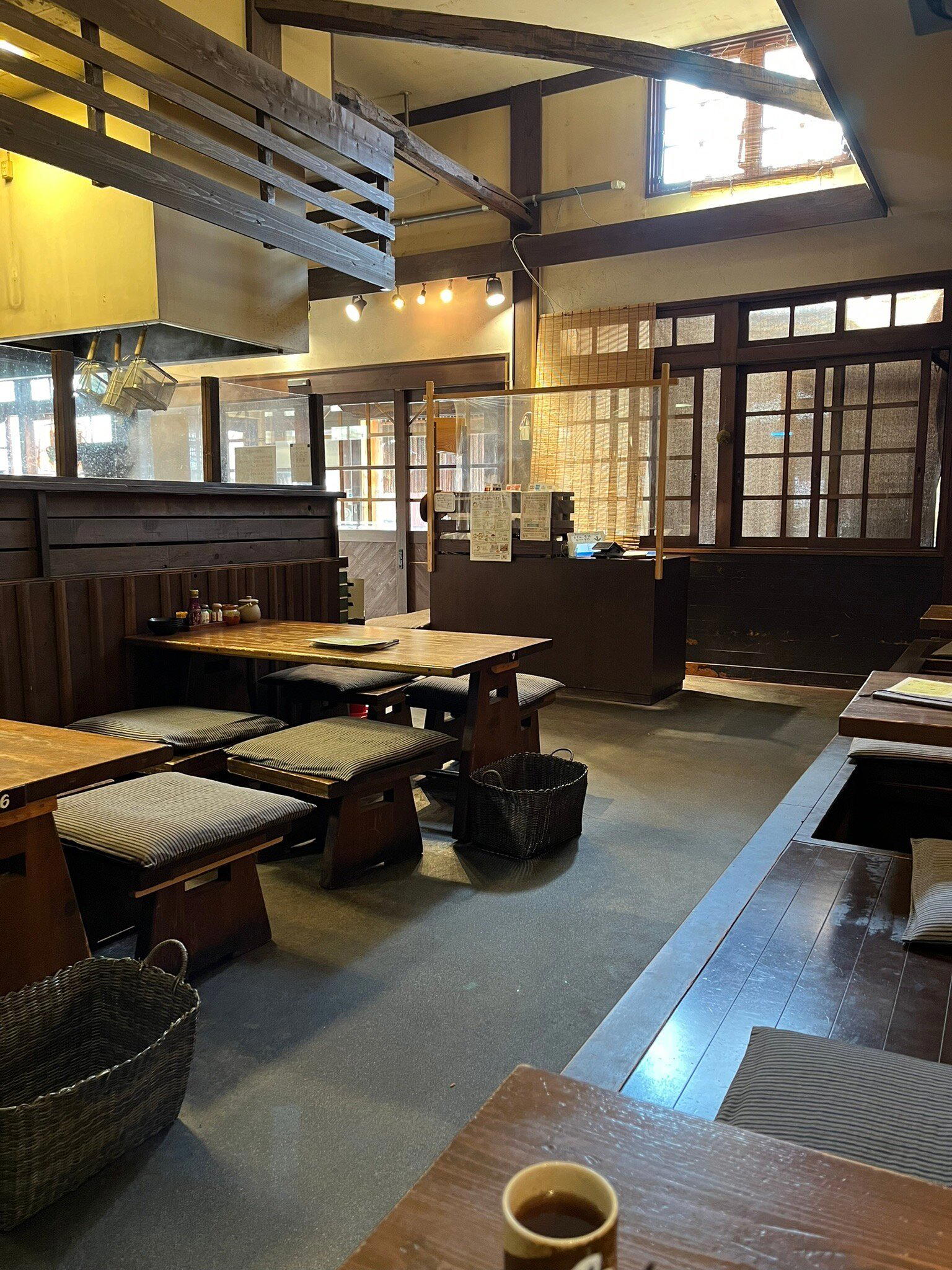
Mie's inland growing areas produce ingredients that sit outside the prefecture's better-known coastal profile. The Iga basin's agricultural output, including its rice varieties and seasonal vegetables, has supplied Kyoto cuisine for centuries through historical trade routes. A dining room in Iga that draws on this directly operates with a shorter supply chain than nearly any restaurant in Osaka or Tokyo could arrange, regardless of budget. This is the structural advantage that small-city restaurants in ingredient-rich prefectures hold over their urban counterparts, and it is the framework through which a place like Aka Shiya Ikariya Tanimoto needs to be understood.
For broader context on how Kansai-region dining operates at its upper registers, the comparison set includes HAJIME in Osaka, which operates at the ¥¥¥¥ tier with a French-innovative format, and Gion Sasaki in Kyoto, which represents the kaiseki tradition at its most disciplined. What Iga offers is a different register entirely: closer to the source, without the premium pricing that accompanies urban address.
The Castle Town Dining Room
Iga-Ueno's dining scene is thin by the standards of a prefectural capital, which concentrates the establishments worth seeking out. The town has a small but consistent population of local restaurants that operate without the promotional infrastructure of larger cities. The logistics of reaching Iga also require planning: the Kintetsu Osaka Line connects Osaka's Uehommachi station to Iga-Shi in roughly 90 minutes, while access from Kyoto requires a change at Yamato-Yagi, adding time. There is no shinkansen stop. This travel friction is part of what keeps Iga's dining room character local rather than tourist-facing.
The castle district itself provides the physical context. For restaurants operating nearby, the surrounding built environment sets expectations: this is a place where the pace is slower and the sourcing question, what comes from where and how recently, becomes legible in a way it cannot in a high-density urban dining environment.
Regional Dining in the Kansai Frame
Understanding where Iga sits in the broader Kansai dining picture requires stepping back from the Michelin-indexed corridors. Restaurants in Iga draw on a different subset of Mie's output than the coast-facing kaiseki houses in Toba or the beef-focused dining rooms near Matsusaka. The inland profile is quieter and less commercially packaged. Nanao in Ishikawa operates similarly, as does the emerging dining scene around Takashima in Shiga. In each case, the argument for eating there rests on proximity to specific materials, not on the density of starred restaurants. For comparison at a distance, the Korean-American fine dining approach at Atomix in New York and the precision seafood format at Le Bernardin represent how ingredient sourcing operates as a primary editorial frame at the top of the international market, a logic that applies just as directly, if more quietly, to a regional dining room in Iga.enprimeurclub.com/restaurants/goh-fukuoka-restaurant">Goh in Fukuoka and Harutaka in Tokyo shows how provenance tracking operates at the omakase level. See also our coverage of Nishikawa Machi, Birdland in Sakai, Bistro Ange in Toyohashi, Blue Ocean Steak in Nakagami District, bodai, Cafe Naoshima Konichiwa, and full Iga restaurants guide maps the broader local scene.
Planning a Visit
Visitors travelling specifically from Osaka or Kyoto should treat the journey as requiring a half-day minimum, factoring in transit time and the limited frequency of Kintetsu services to Iga-Shi. The castle district is most accessible on foot once you arrive at the station.
Frequently asked questions
Would Aka Shiya Ikariya Tanimoto be comfortable with kids?
Iga's dining rooms in the Uenononinmachi district tend to operate at a slower, quieter register than casual restaurants in Osaka or Nagoya. That pace suits adults seeking a considered meal more than families with young children.
How do I find å ç¥ ä¼è³è éè°·?
å ç¥ ä¼è³è éè°· is located at 434 Uenononinmachi, Iga, Mie 518-0831, Japan, Iga.
Is å ç¥ ä¼è³è éè°· reservation-only?
Reservations are recommended for å ç¥ ä¼è³è éè°· in Iga. Confirm current policy via the venue's official channels.
What is the atmosphere like at Aka Shiya Ikariya Tanimoto?
The restaurant sits at 434 Uenononinmachi, within Iga's historical centre, a former castle town that retains a low-key, residential character very different from the Michelin-dense corridors of Kyoto or Osaka. Expect a measured pace and surroundings shaped by the town's heritage rather than by hospitality-district energy.
Quick Comparison
Comparable venues nearby, for context on price, style, and recognition.
| Venue | Cuisine | Price | Awards | Notes |
|---|---|---|---|---|
| å ç¥ ä¼è³è éè°·This venue (the venue you are viewing) | Iga Izakaya | Not listed | Tabelog 100 #36 | Not listed |
| りんすけ | 南予郷土料理 たいめし | Not listed | Not listed | 内子町内子 |
| Irori (いろり) | 白川郷郷土料理 | Not listed | Not listed | 白川村荻町 |
| KOBEキッチン MUGUNI | Omurice-focused Yoshoku (Japanese Western-style) | $20–30 | Tabelog 100 #14 | Amerikamura |
| くんえん工房 Yamadori | 地元食材の燻製工房カレー | Not listed | Not listed | 朝日町 |
| The Lookout Cafe | Mountain Cafe Japanese | Not listed | Not listed | Higashiyama Onsen Niseko Village Ski Area |
Recognition history
Dated appearances from independent guides and award organizations, with the underlying list record or original source where available.
Tabelog 100 #36 · No. 36
Tabelog · Tabelog 100 - Hot Pot - 2024
Continue exploring