KOBEキッチン MUGUNI sits in Nishi-Shinsaibashi, one of Osaka's most densely packed dining corridors, occupying the ground floor of the Nippō Mitsudera Kaikan building in Chūō-ku. The address places it within easy reach of the city's broader occasion-dining circuit, which ranges from Michelin-decorated kaiseki rooms to contemporary French tasting counters. Details on pricing, cuisine format, and booking are best confirmed directly with the venue.
Pearl is the En Primeur Club membership app — saves, bookings, and concierge access live there. Same editors, same standards.
- Address
- 中央区西心斎橋2-9-5 (日宝三ツ寺会館 1F), 大阪市, 大阪府, 542-0086
 Saves & bookings on Pearl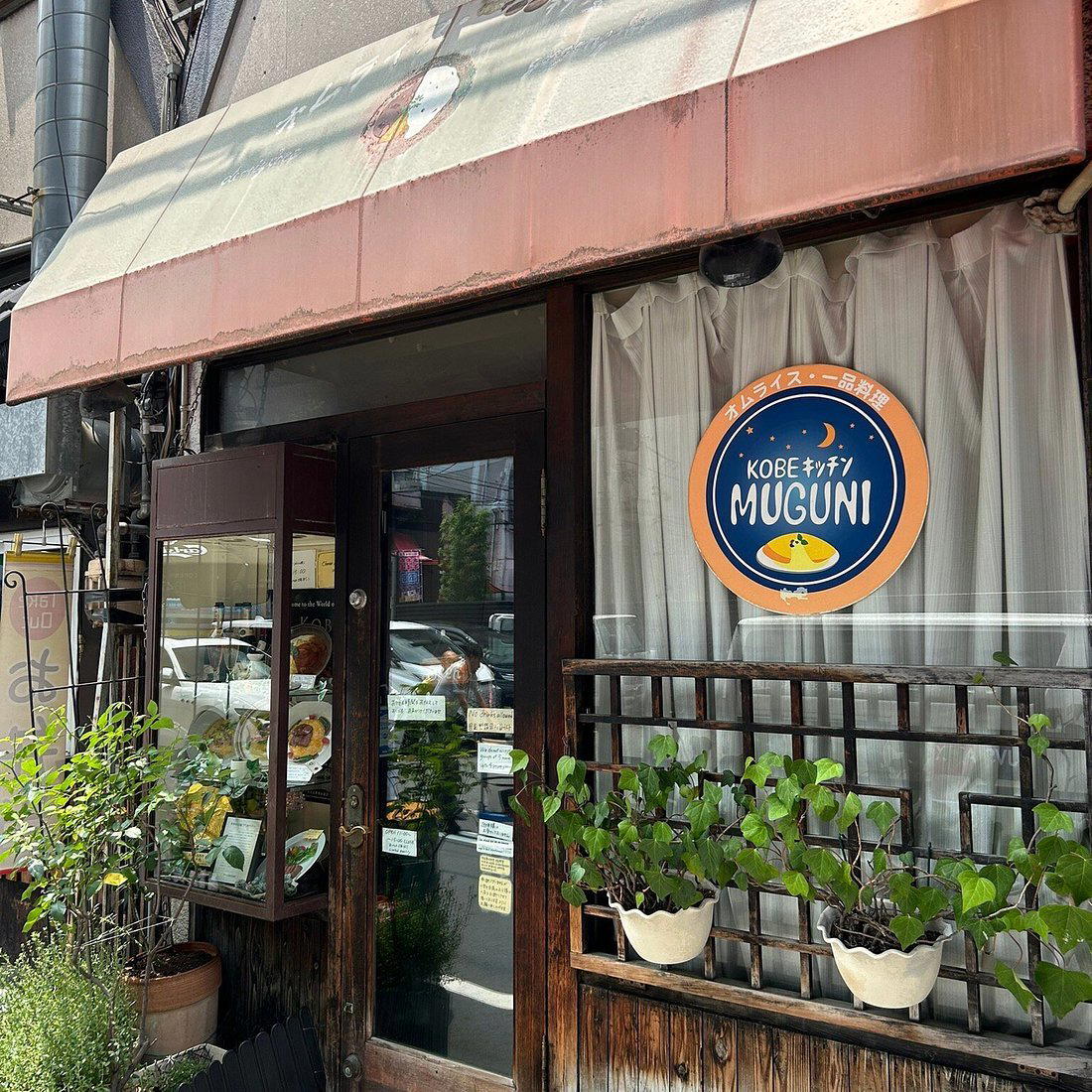
Nishi-Shinsaibashi and the Occasion-Dining Geography of Osaka
Osaka's Chūō-ku has long operated as the city's dining nucleus, and the Nishi-Shinsaibashi pocket within it concentrates a wide range of register and format into a compact stretch of streets. The address at 中央区西心斎橋2-9-5, on the ground floor of the Nippō Mitsudera Kaikan building, places KOBEキッチン MUGUNI inside that corridor, where the physical density of the neighbourhood itself shapes how evenings unfold. Guests arriving from Shinsaibashi station find themselves amid Osaka's mix of established and contemporary dining cultures.
That dual character matters for how occasion dining works in this part of Osaka. A celebration meal in Nishi-Shinsaibashi does not necessarily require a formal tatami room or a multi-hour tasting format. The neighbourhood supports a wider spectrum of milestone moments, from post-event dinners to birthday gatherings that want something specific to Osaka without the full ritual weight of a kaiseki sequence. KOBEキッチン MUGUNI's Kobe-focused kitchen identity, as suggested by its name, positions it within a distinct niche in that wider field.
The Kobe Kitchen Tradition in an Osaka Setting
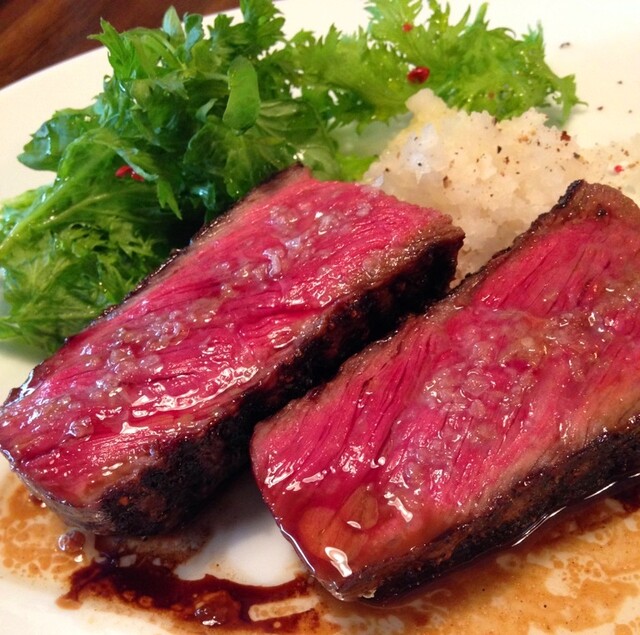
The name KOBEキッチン MUGUNI signals a specific culinary orientation. Kobe's food culture has historically sat at a productive remove from Osaka's own traditions: closer to Western-influenced yoshoku, more openly shaped by the port city's international commercial history, and notably defined by its beef identity. A Kobe-branded kitchen operating in Osaka's Nishi-Shinsaibashi sits at the intersection of two distinct Kansai food cultures.
Within the broader Osaka dining scene, this kind of regional specialisation functions as a marker of intent. Restaurants in this category tend to draw guests who are choosing deliberately, arriving with a specific appetite rather than browsing. For occasion diners, that specificity is often exactly what makes a reservation feel like the right choice: the meal has a defined character before anyone sits down. Compare that with the more open-ended format of tasting-menu counters, where the kitchen's direction is revealed progressively through the evening.
Osaka's occasion restaurants occupy a range of positions. KOBEキッチン MUGUNI sits differently from the French-led tasting formats and kaiseki houses that dominate the formal tier, with a street-level address in a mixed-use building and a regionally specific kitchen identity.
Celebrating in Chūō-ku: What the Neighbourhood Provides
The practical reality of celebrating in Nishi-Shinsaibashi is that the neighbourhood's density works in a guest's favour. Transport connections are direct, with Shinsaibashi station on the Midosuji Line within walking distance. The concentration of restaurants means that pre-dinner drinks and post-dinner strolls both happen naturally.
Ground-floor access at the Nippō Mitsudera Kaikan building is also worth noting for groups that include guests with mobility considerations, where upper-floor venues reached by older elevator banks can add unnecessary complication to an otherwise direct evening.
Guests planning a celebration meal in Osaka more broadly would do well to consider the full range of what the city and its surrounding Kansai region offer. Gion Sasaki in Kyoto and akordu in Nara represent occasion dining at a regional scale, while Goh in Fukuoka extends the Kansai-to-Kyushu continuum for travellers with a wider itinerary. Harutaka in Tokyo sits at the opposite end of Japan's dining axis. For regional discovery beyond the major cities, 一本杉川島酒造 in Nanao, 古仁屋山乃 in Sapporo, 湖風庵 in Takashima, and 羽根屋 in Nishikawa Machi each represent a different kind of destination meal. Closer to Osaka, Birdland in Sakai operates in the city's immediate orbit. Further afield, Bistro Ange in Toyohashi anchors a different part of Honshu's restaurant map. For international reference points, Le Bernardin and Atomix in New York City represent how occasion dining functions at a different cultural register entirely.
Planning Your Visit
Guests should approach booking through a hotel concierge or a Japan-based reservation service familiar with Chūō-ku's independent restaurants, where reservation confirmation by phone or in-person visit may remain common practice. The address at 中央区西心斎橋2-9-5 (Nippō Mitsudera Kaikan 1F), Osaka 542-0086, is the physical reference point.
Budget and Context
Comparable venues nearby, for context on price, style, and recognition.
| Venue | Cuisine | Price | Awards | Notes |
|---|---|---|---|---|
| KOBEキッチン MUGUNIThis venue — the venue you are viewing | $$ | , | ||
| Horumon Nagaoka | Kita, Osaka yakiniku & horumon | $$ | , | |
| Oden Marukome | Nishinari, Osaka oden izakaya | $$ | , | |
| Akira Curry | Nishi, Japanese curry & spice izakaya | $$ | , | |
| Sogetsu | Kita, Traditional Osaka Okonomiyaki | $$ | , | |
| KURODARUMA | $$ | , | Chūō, Creative Japanese standing bar (izakaya-style) |






At a Glance
- Cozy
- Trendy
- Intimate
- Casual Hangout
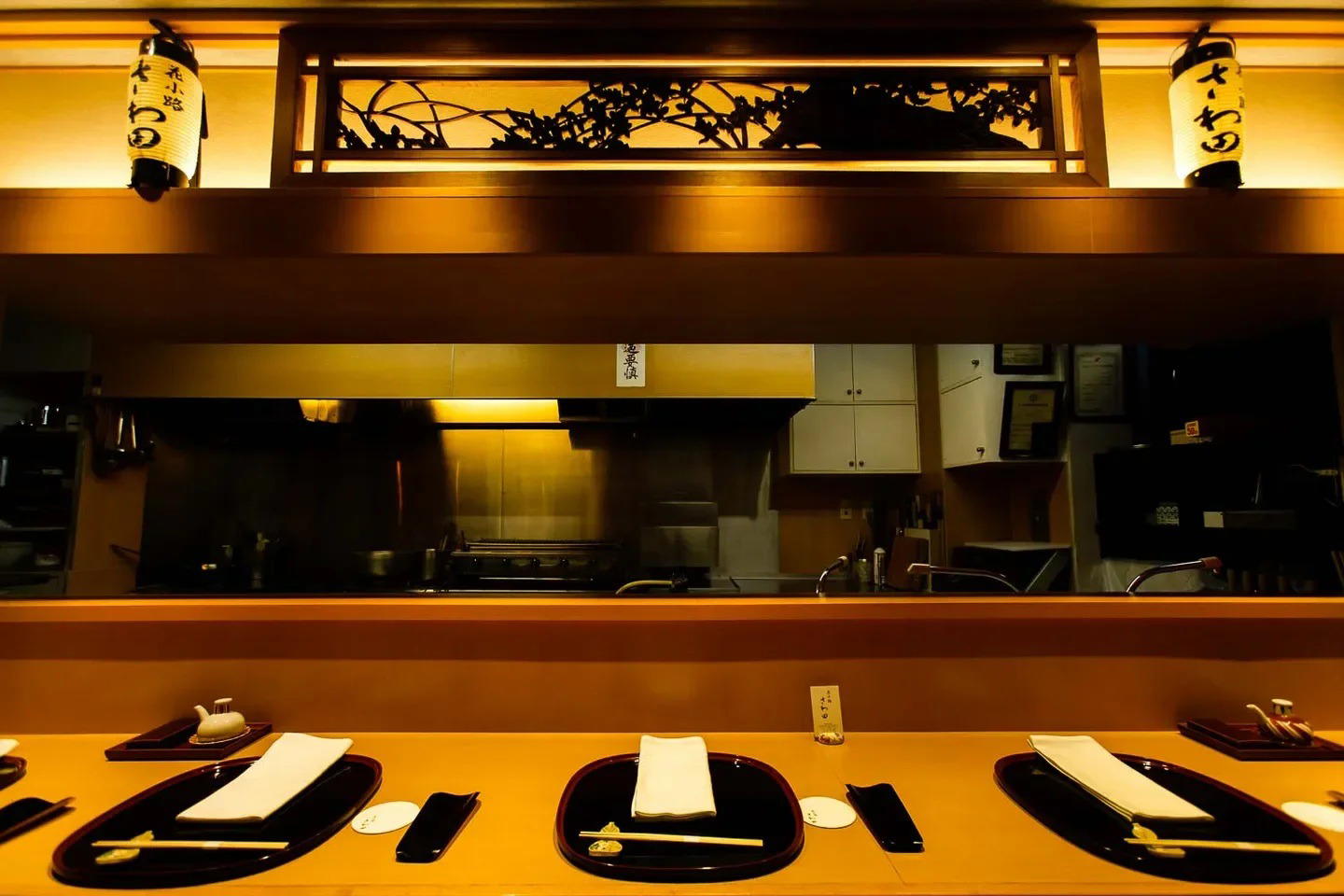
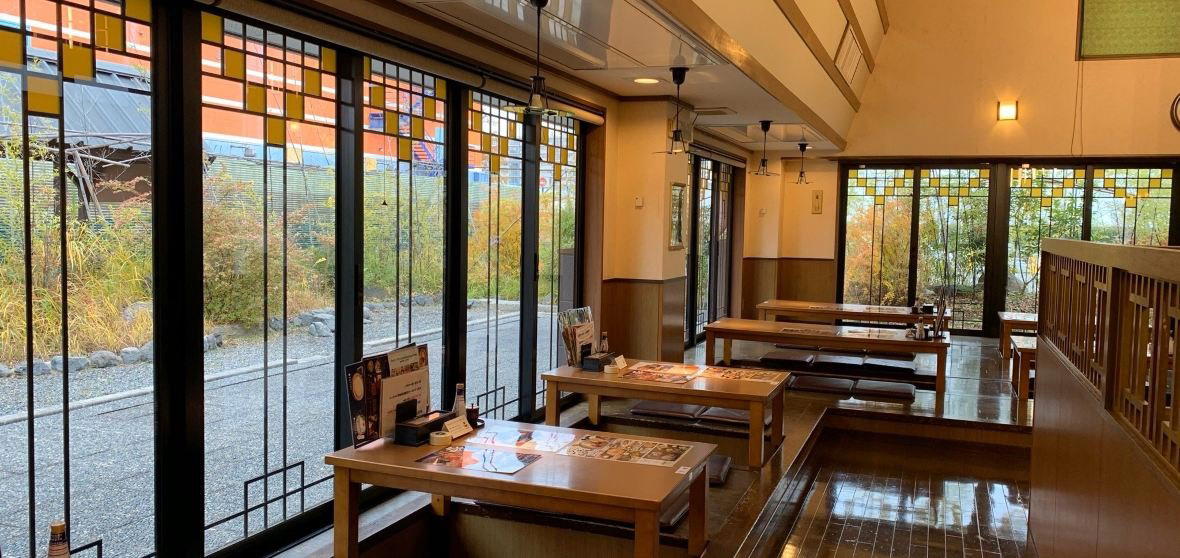
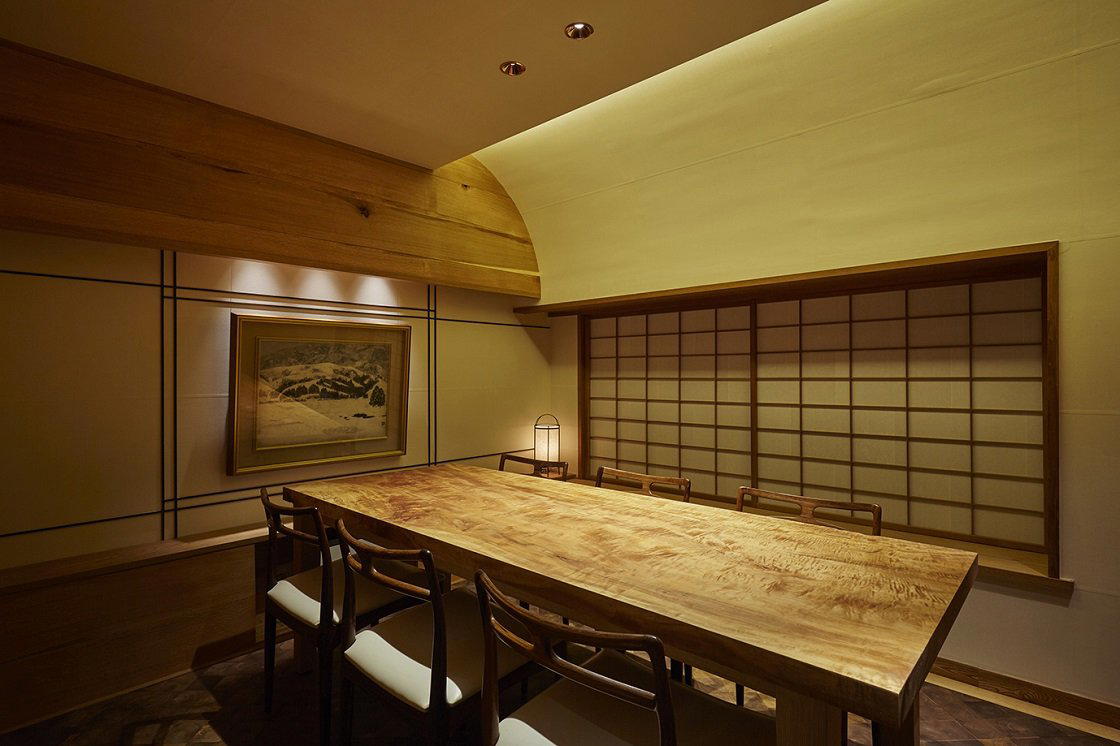
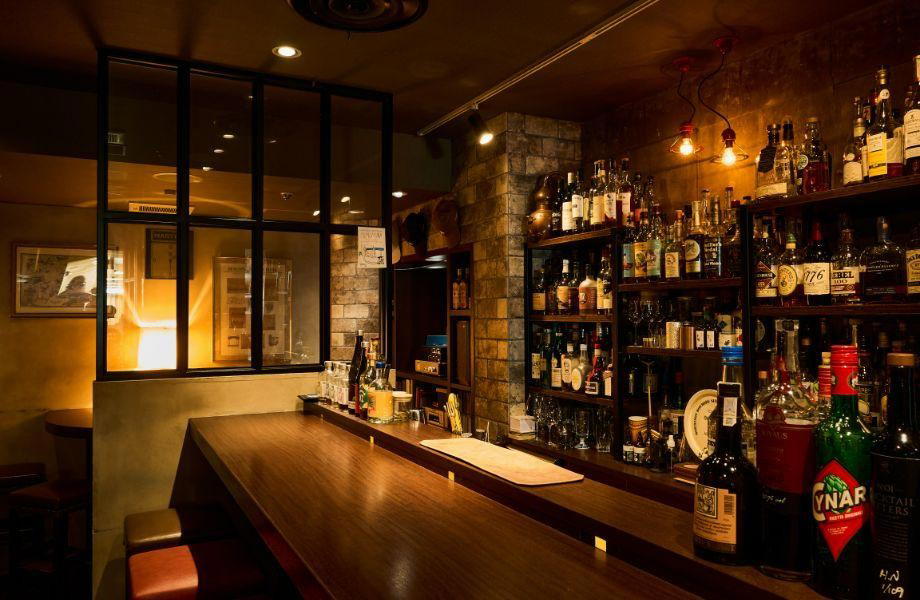
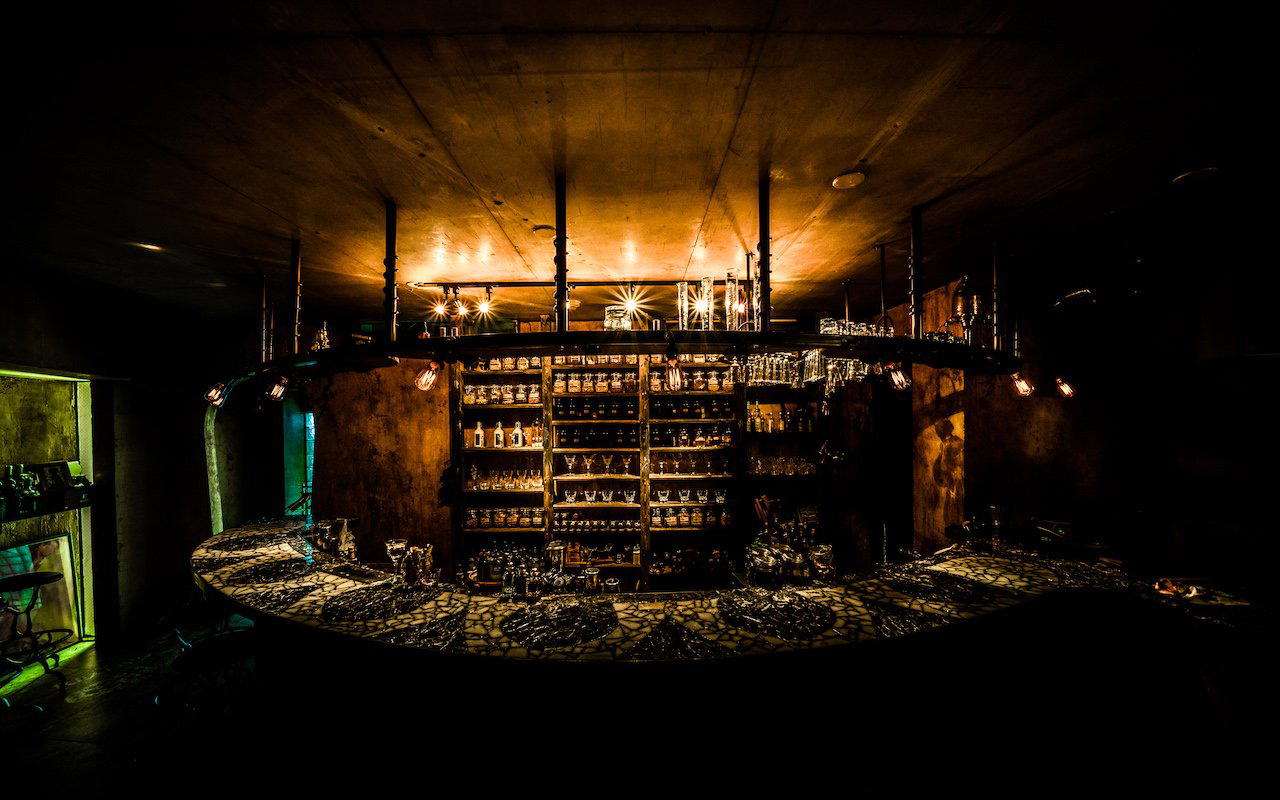
Small, neat interior with cozy counter seating and regulated entry for comfortable dining.