In Nishishinbashi, Minato City, Yakiniku Kaiseki Tomoji operates at the intersection of two serious Japanese dining traditions: the precision of kaiseki sequencing and the primal directness of yakiniku. The result is a format that positions itself apart from Tokyo's conventional high-end grilling rooms, where kaiseki structure disciplines the progression of cuts and heat in ways that most yakiniku houses do not attempt.
 Discover on Pearl
Pearl is the En Primeur Club membership app — saves, bookings, and concierge access live there. Same editors, same standards.
- Address
- Japan, 〒105-0003 Tokyo, Minato City, Nishishinbashi, 1 Chome−1−1 日比谷フォートタワ 2F
- Phone
- +81369102939
- Website
- hotpepper.jp
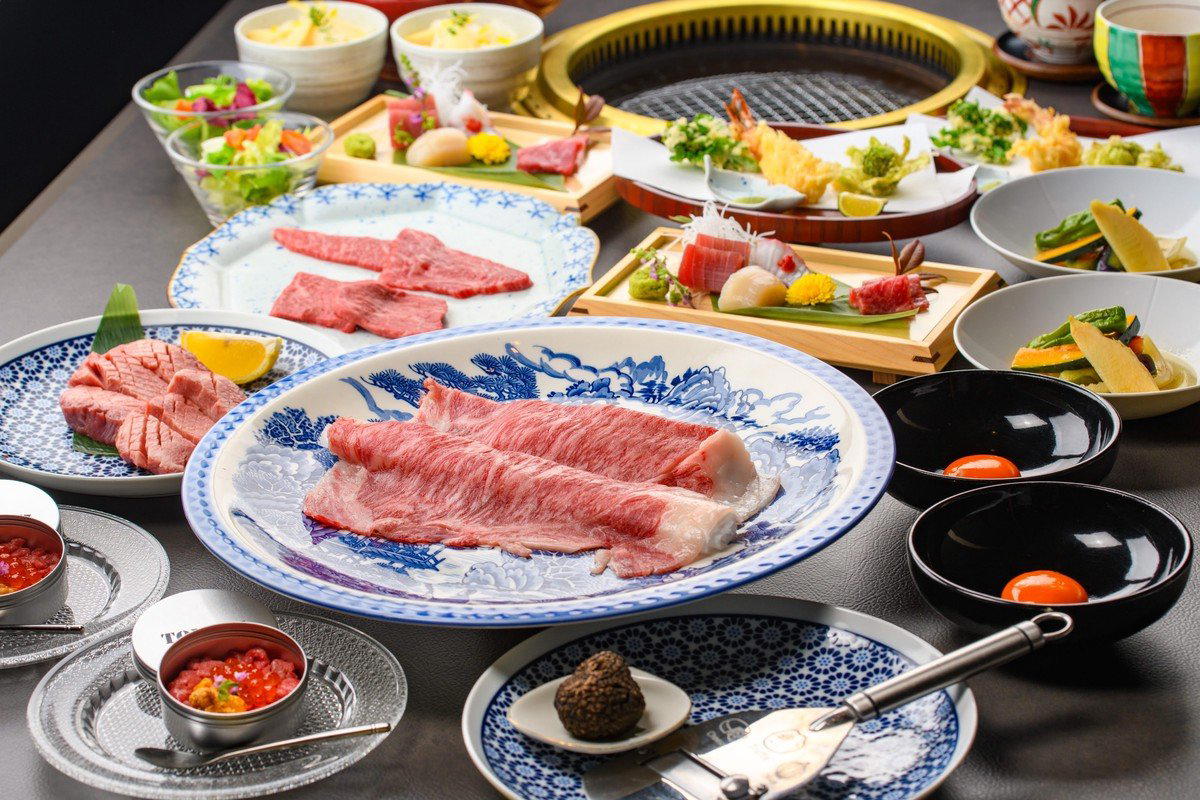
Where Kaiseki Structure Meets the Grill
Tokyo's premium yakiniku tier has expanded considerably over the past decade, but the conceptual range within it remains narrow. Most high-end grilling rooms compete on beef provenance and tableside service, leaving the sequencing of a meal to convention rather than intention. A smaller cohort of restaurants has moved in a different direction, borrowing the disciplined progression of kaiseki to organize what is fundamentally a primal cooking act. Yakiniku Kaiseki Tomoji, located on the second floor of the Hibiya Fort Tower in Nishishinbashi, operates in that second cohort.
The Nishishinbashi address is deliberate context. Minato City concentrates a significant share of Tokyo's business dining culture, and the office corridors between Shimbashi station and the Toranomon cluster have long supported restaurants that serve serious meals to serious clients. This is not an area that rewards novelty for its own sake. The restaurants that hold ground here do so through consistency and credibility, which makes the kaiseki-yakiniku format a meaningful proposition rather than a gimmick. In a neighbourhood where diners arrive with clear expectations, the hybrid format either earns its keep or it doesn't.
The Kaiseki-Yakiniku Tradition in Tokyo
Kaiseki, in its formal sense, imposes a logic on the meal: the sequence moves from lighter preparations toward richer ones, with seasonal ingredients anchoring each transition. Applied to yakiniku, that logic changes what the grill becomes. Instead of an open buffet of cuts arriving at the diner's discretion, the kitchen controls the rhythm. Leaner, more delicate cuts arrive first; fattier, more intensely marbled pieces follow. Sauces and accompaniments shift with each stage rather than sitting static on the table throughout. The result, when executed with discipline, reads less like a grilling session and more like a structured tasting that happens to involve fire.
This format has a precedent in Osaka, where a handful of restaurants have applied kaiseki sequencing to yakiniku over several decades, and comparable approaches appear at isolated addresses across Japan, including at refined yakiniku operations in Fukuoka and Kyoto. For reference points in Japanese fine dining that take a similarly structural approach to their respective formats, RyuGin in Tokyo demonstrates how kaiseki thinking applies rigorous seasonal logic to Japanese ingredients, while Gion Sasaki in Kyoto represents how traditional kaiseki sequence holds even as the format evolves. Tomoji's contribution in Tokyo is to bring that structural discipline specifically to grilled beef in a city where the category has historically been dominated by either high-volume operations or provenance-focused counter seats that leave progression to the guest.
The Team Behind the Counter
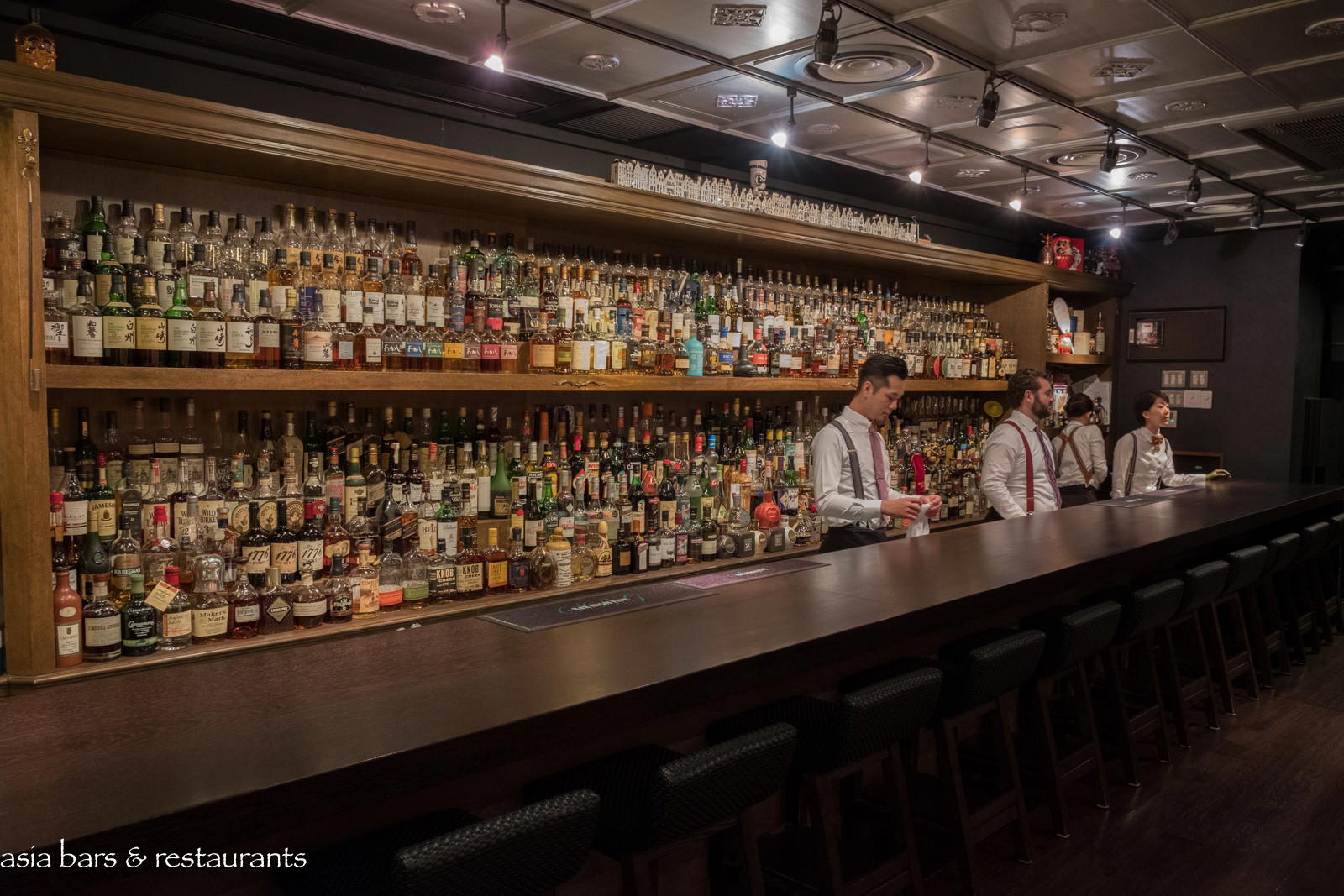
The kaiseki-yakiniku format places unusual demands on a restaurant team. In conventional yakiniku, the guest manages much of the cooking; in a kaiseki-structured version, the kitchen, the floor, and whoever is managing drinks must coordinate with the precision of a tasting menu service. The chef determines cut sequence and portion weight. The front-of-house must read the table's pace and adjust without disrupting the rhythm that the sequence depends on. The drinks program, whether sake, wine, or highball-focused, needs to be matched to the progression rather than selected independently by the guest at the start of the meal.
This kind of team synchronization is what separates the format from its more casual cousins. When it works, the diner experiences something closer to the collaborative precision found at Tokyo's multi-Michelin-starred tasting counters, venues like L'Effervescence or Sézanne, where front-of-house and kitchen operate as a single instrument rather than separate departments. The dynamic is harder to sustain in a yakiniku context because the grill introduces variables that a plated kitchen can control more tightly. Timing, smoke, the temperature of individual cuts as they leave the fire: all of these require judgement calls in real time, and those calls have to be coordinated across the room. For comparison, Crony in Tokyo demonstrates how French-influenced precision translates into tight service choreography at a similar price bracket.
Internationally, the team-dynamic approach to fine dining has become a standard expectation at the level where Tokyo now competes. Operations like Atomix in New York City have demonstrated that the front-of-house can function as an educational and narrative layer alongside the kitchen's technical output, a model with direct relevance to any format that requires the guest to understand why a sequence is unfolding the way it is.
Positioning Within Tokyo's High-End Dining Set
At the top of Tokyo's restaurant market, the ¥¥¥¥ tier covers a wide range of formats and ambitions. Sushi counters like Harutaka sit at that tier and compete on lineage and fish sourcing. French houses at the same level compete on technique and wine depth. Yakiniku at the high end has historically competed almost entirely on beef grade and supplier exclusivity. The kaiseki-structure overlay at Tomoji introduces a different competitive variable: the quality of the meal's architecture, not just its raw material.
That repositioning aligns Tomoji with a broader trend across Japanese fine dining, where format discipline is increasingly the differentiator. Across Japan, a similar logic plays out at addresses like HAJIME in Osaka, akordu in Nara, and Goh in Fukuoka, each of which has moved its respective category toward greater structural intentionality. Regional operations like 一本杉 川嶋制 in Nanao, 夕付山乃 in Sapporo, and 湖畔庵笑 in Takashima reflect how this structural thinking has spread beyond the main urban centres. Even outside Japanese cuisine, the influence is visible: Le Bernardin in New York City built its reputation partly on the disciplined sequencing of a seafood-focused menu at a time when that degree of format control was unusual for the category. For a complete view of where Tomoji sits within Tokyo's current dining scene, see our full Tokyo restaurants guide.
Other structured-format operations across Japan, including 庭羽屋 in Nishikawa Machi, Birdland in Sakai, and Bistro Ange in Toyohashi, each illustrate how disciplined sequencing operates as a common thread across disparate cuisines and price points, reinforcing that the trend at Tomoji is part of a wider movement rather than an isolated experiment.
Planning Your Visit
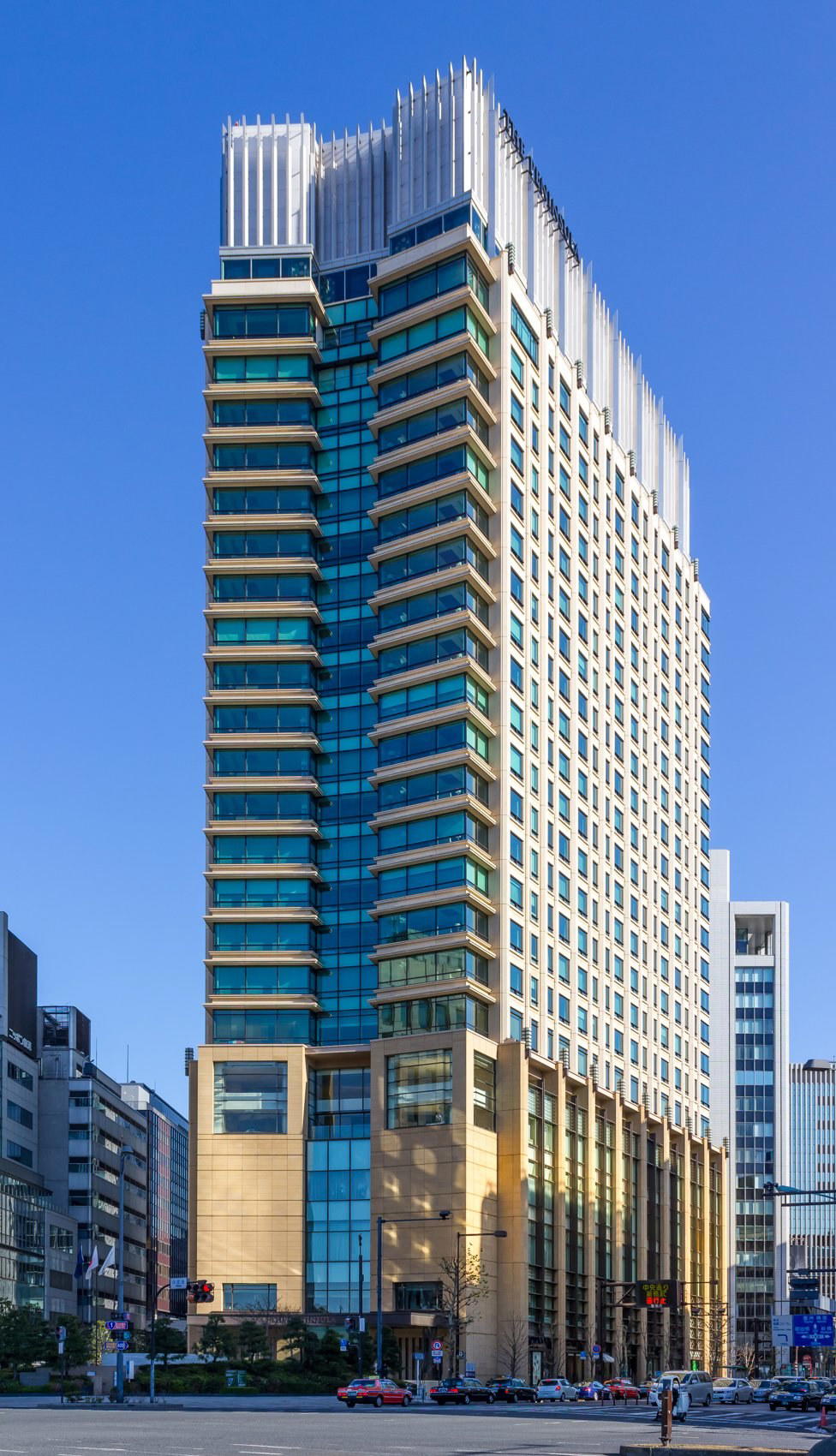
The restaurant occupies the second floor of Hibiya Fort Tower at 1-1-1 Nishishinbashi, Minato City. For a kaiseki-structured meal, reservations are the expected approach: walk-ins at this format tier are rarely accommodated because the kitchen sequences the menu in advance.
A Minimal comparable set
Comparable venues nearby, for context on price, style, and recognition.
| Venue | Cuisine | Price | Notes |
|---|---|---|---|
| Yakiniku Kaiseki TomojiThis venue — the venue you are viewing | Chiyoda, Halal Yakiniku Kaiseki | $$$$ | |
| きよ田 離れ | Ginza, Edomae Sushi Omakase | $$$$ | |
| にく割烹金座 | $$$$ | Chūō, Niku Kappo (Meat Kappo) | |
| Honten Yamashina | $$$$ | Chūō, Modern Wagyu Teppanyaki & Steakhouse | |
| 神戸牛511 | Minato, Kobe Beef Kaiseki | $$$$ | |
| Kusunoki | Shinjuku, Oil-Free Tempura Omakase | $$$$ |


At a Glance
- Elegant
- Sophisticated
- Intimate
- Business Dinner
- Special Occasion
- Celebration
- Private Dining
- Sake Program
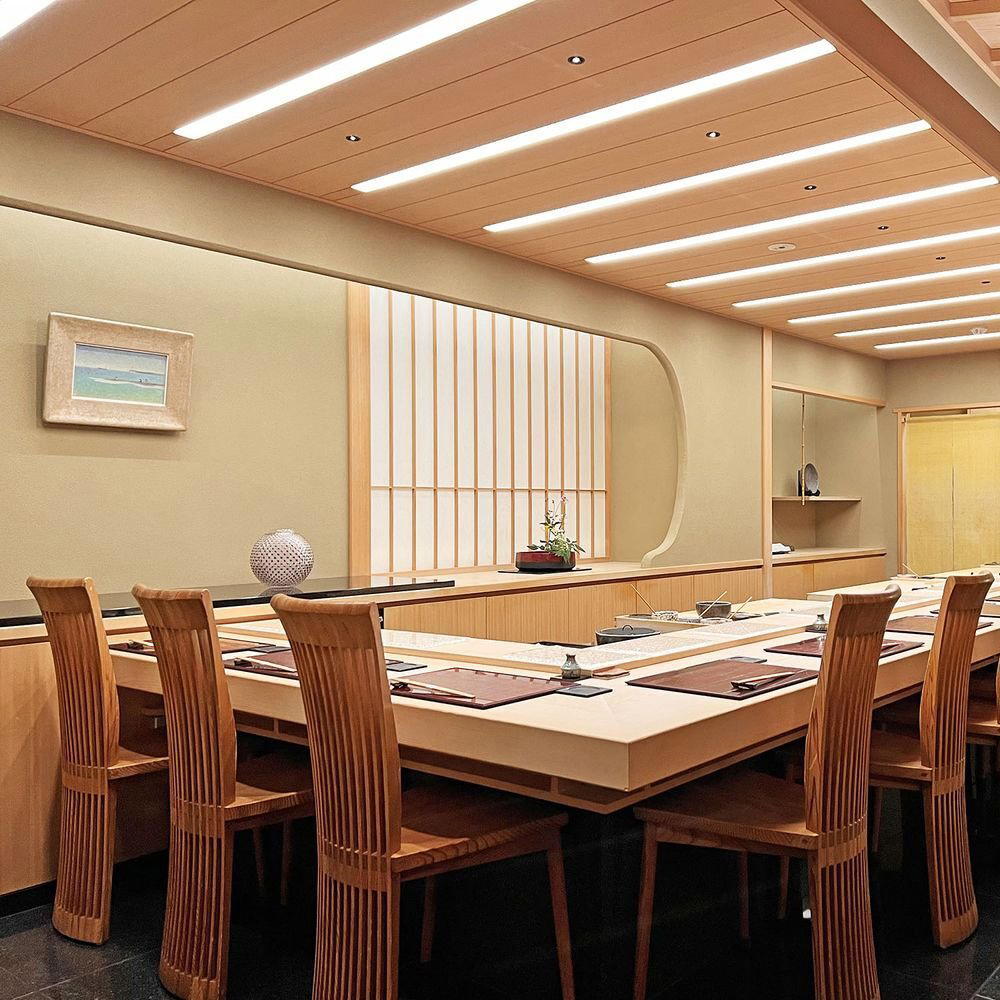
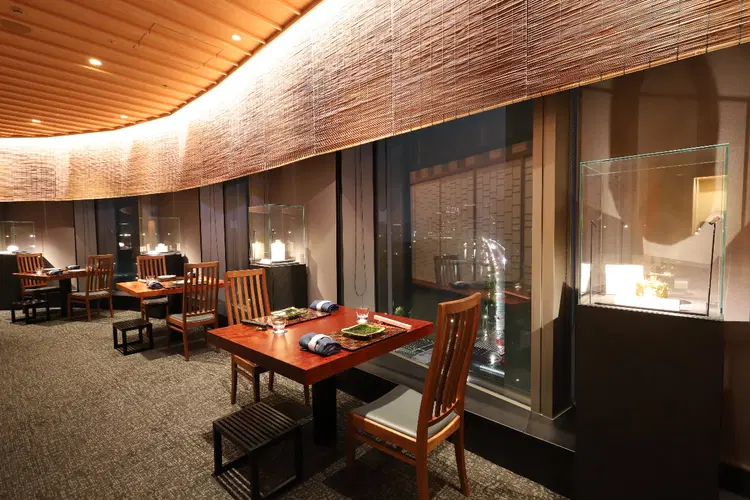
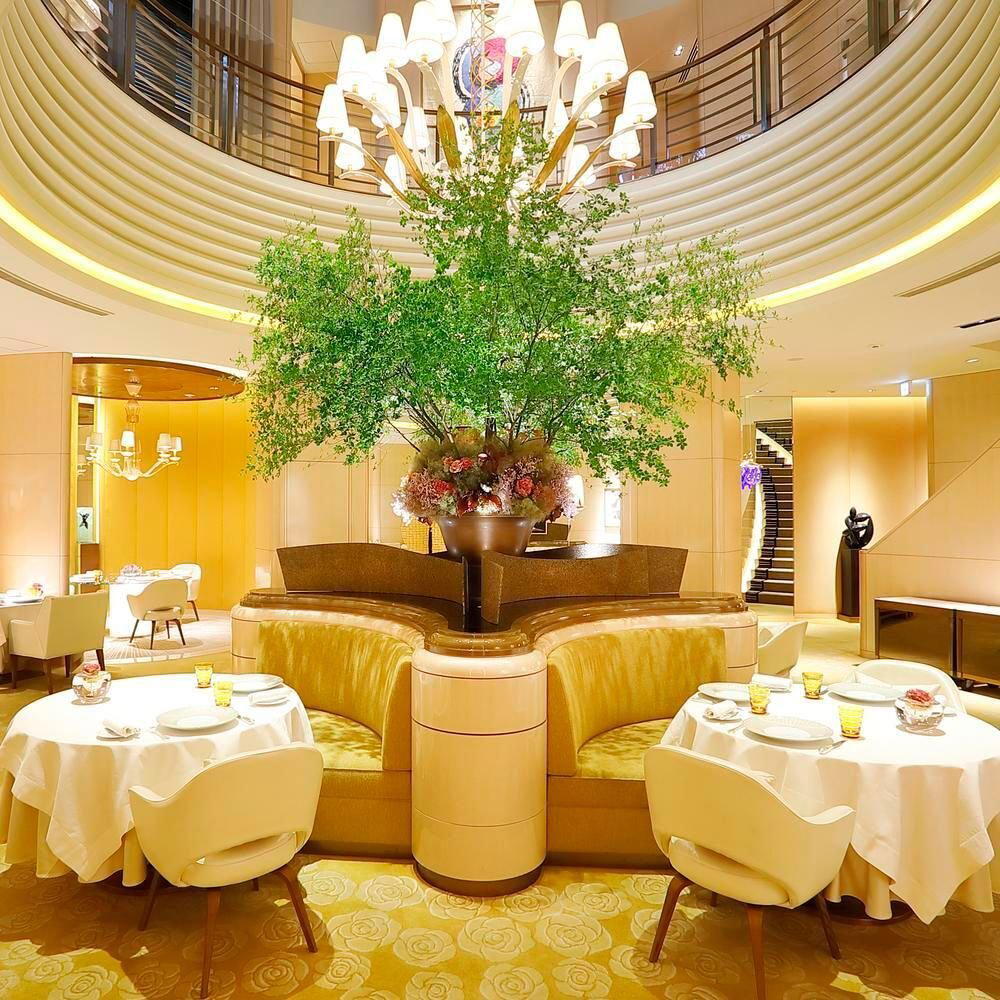
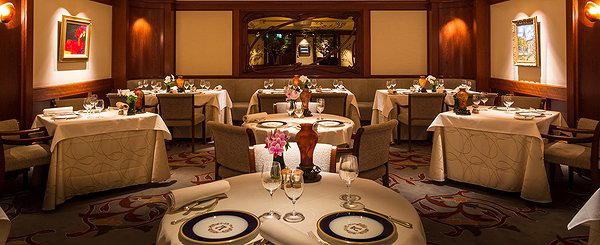
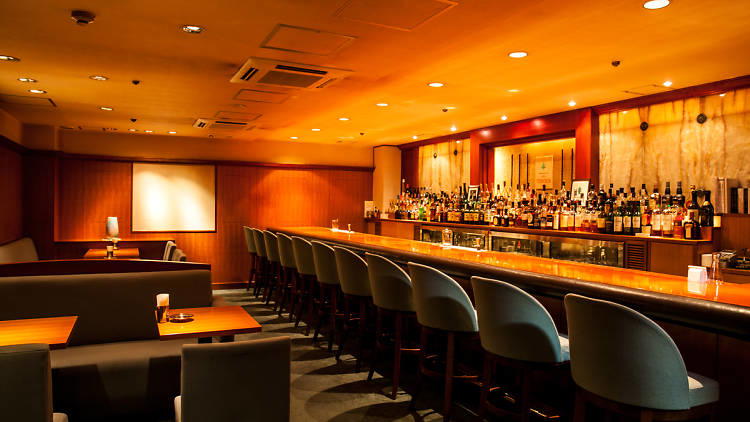
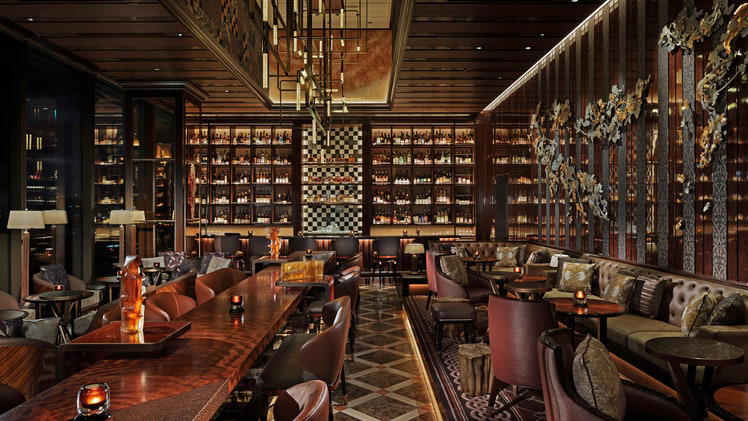
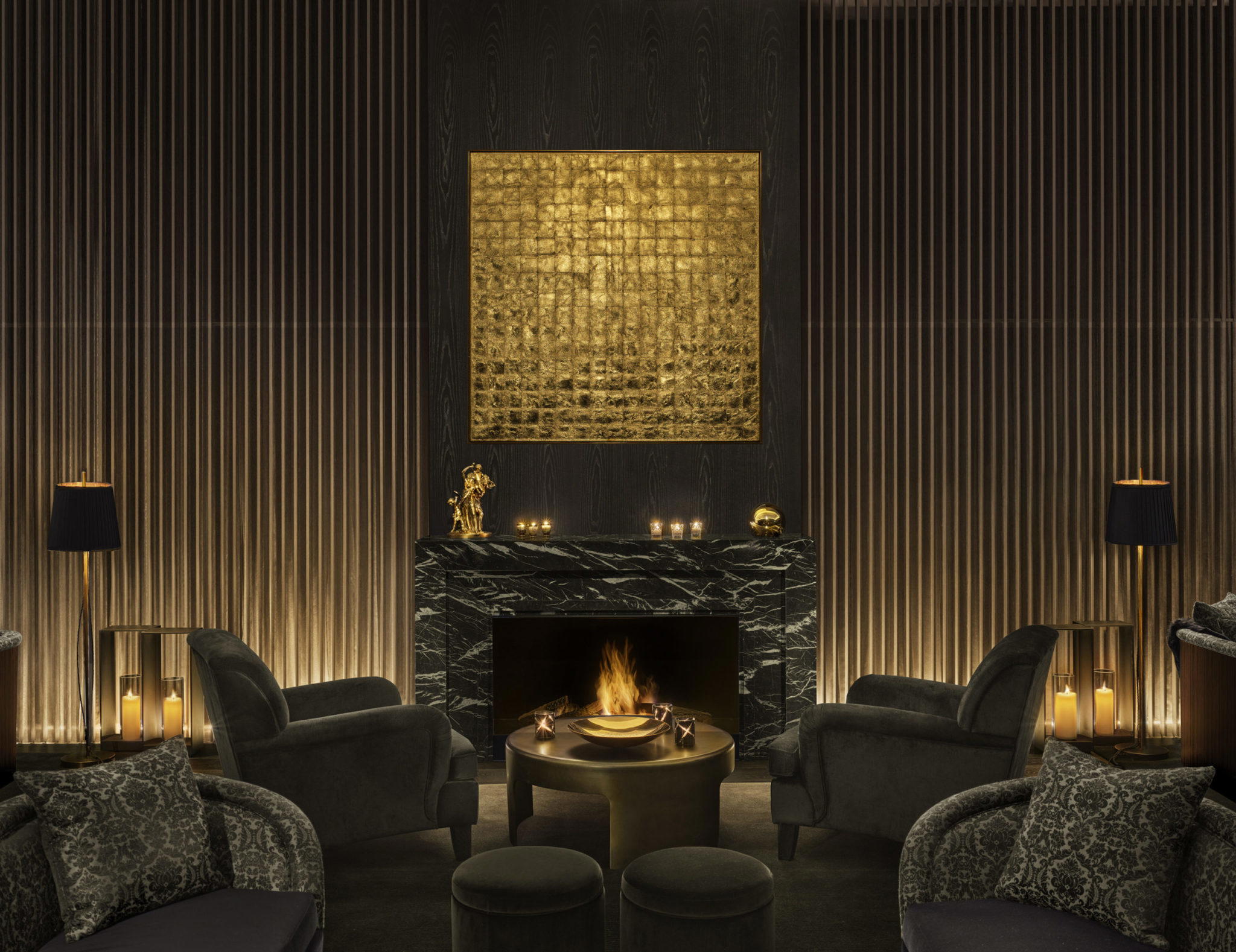
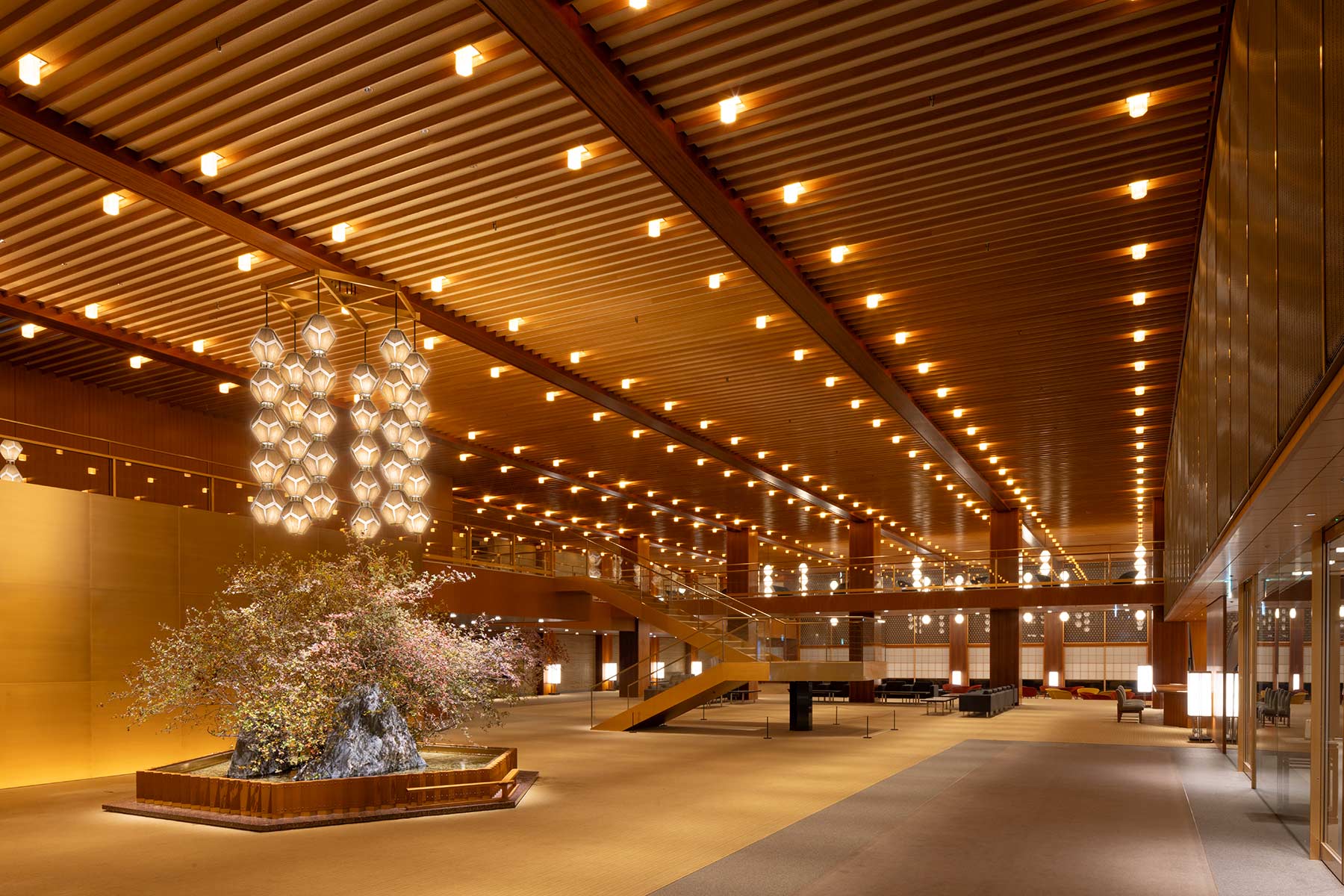
Luxurious and cozy private rooms offering an intimate, elegant atmosphere suitable for special occasions.