On the fifth floor of a Ginza office building, Ginza Rangetsu has held its position as one of Tokyo's most respected addresses for sukiyaki and shabu shabu for decades. The restaurant occupies a register between the casual nabe parlours of Shinjuku and the rarefied counter dining of Ginza's Michelin circuit, offering tabletop cooking formats built around high-grade wagyu in a room designed for unhurried meals.
Pearl is the En Primeur Club membership app — saves, bookings, and concierge access live there. Same editors, same standards.
- Address
- Japan, 〒104-0061 Tokyo, Chuo City, Ginza, 3 Chome−3−1 ZOE銀座 5F
- Phone
- +81 3 3567 1021
- Website
- ginza-rangetsu.com
- Directions
- Get directions
 Saves & bookings on Pearl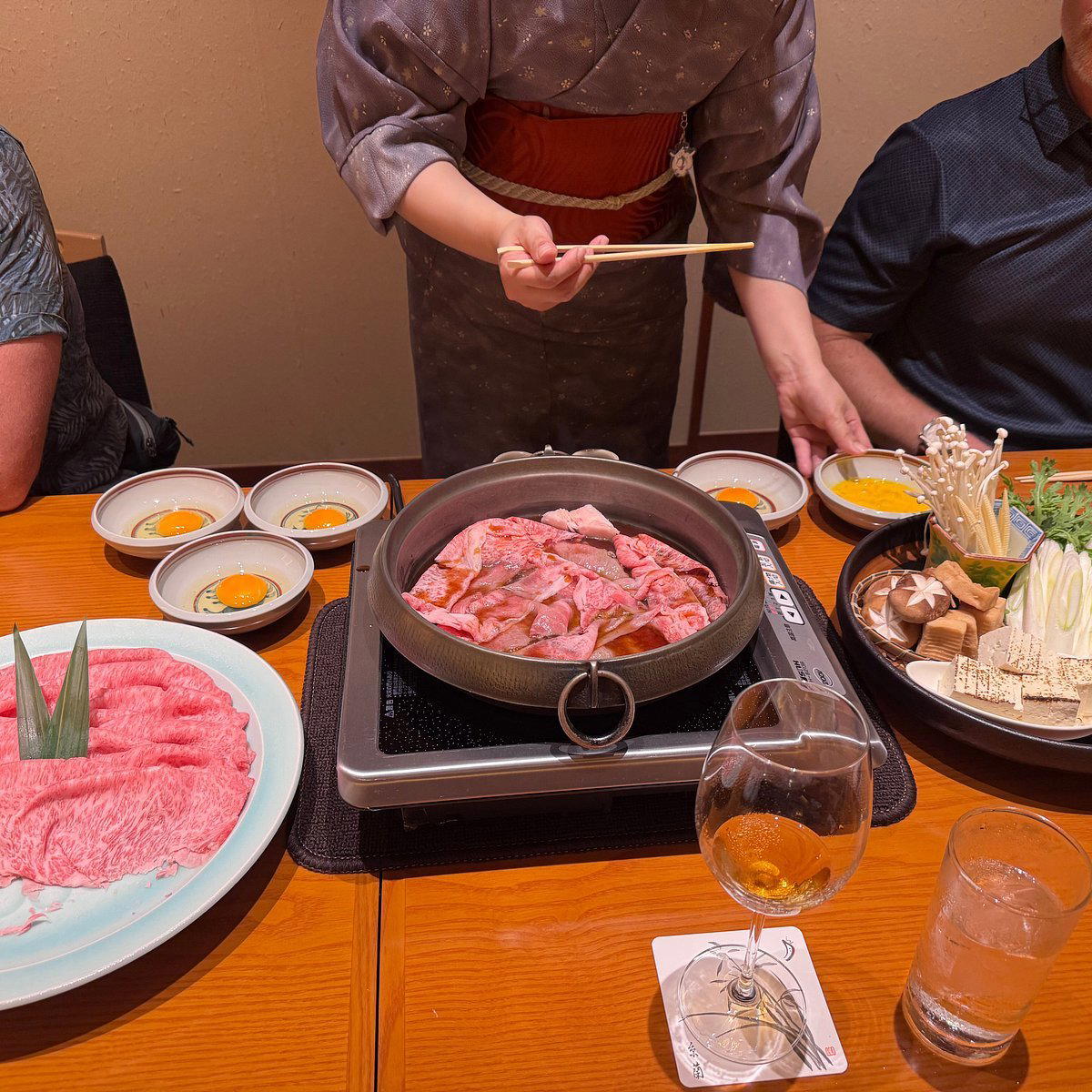
Tabletop Ritual in the Heart of Ginza
The fifth floor of a Ginza office block is not where most diners expect to find a restaurant with any claim to seriousness, but Tokyo has long organised its serious dining around vertical real estate rather than street-level presence. Ascending to Ginza Rangetsu, the shift is deliberate: the city noise drops away, the corridor narrows, and the room opens into a space calibrated for the kind of unhurried, communal cooking that defines both sukiyaki and shabu shabu at their leading. These are formats that reward slowness, and the environment here reinforces that.
Ginza's dining character is worth situating before focusing on any single address. The neighbourhood operates across a wide register, from the twelve-seat omakase counters that price against Kyoto kaiseki to the mid-tier precision restaurants that have quietly earned recognition well beyond their price point. Sukiyaki and shabu shabu occupy a distinct position in this ecology: they are both festive and meditative, social formats that nonetheless demand attention to heat, timing, and the quality of the base ingredient. A room designed around these formats is, by definition, a room designed around conversation and patience.
The Format and What It Demands of the Diner
Sukiyaki and shabu shabu are frequently grouped together in Western shorthand, but the distinction matters. Sukiyaki involves thin slices of beef simmered in a sweet soy-based broth of sake, mirin, and sugar, often finished in a raw egg dip at the table. Shabu shabu takes its name from the swishing sound of meat passed through a kombu dashi, lighter and less sweet, with the diner controlling the cook to near-rawness. Both formats place the quality of the beef at the centre of the experience: there is no sauce, smoke, or char to compensate for inferior protein. At an address in Ginza operating in this category, the expectation is high-grade wagyu, and the selection of that beef is the primary editorial decision the kitchen makes.
That dynamic positions Ginza Rangetsu differently from the broader shabu shabu market, which includes everything from conveyor-belt chains to private kaiseki-adjacent rooms. The address sits closer to the latter than the former, in a tier where the beef sourcing and room design carry as much weight as the cooking itself. For context, Tokyo's other ¥¥¥¥-tier Japanese dining options, including kaiseki specialists like RyuGin and precision-driven counters like Harutaka, operate within a competitive set defined by sourcing discipline and controlled environments. Rangetsu's tabletop format occupies an adjacent niche: the ingredient matters as much, but the diner participates in the cooking.
Atmosphere as Argument
The sensory case for this style of dining is not subtle. A sukiyaki pot reaching temperature produces a particular smell, the caramelisation of sugar in soy releasing into a warm dining room, that is one of the more specific olfactory signatures in Tokyo's restaurant scene. Shabu shabu runs quieter and lighter, the steam from a clean dashi carrying less sweetness and more salinity. A room running both formats simultaneously is a room with competing aromatic registers, and managing that, through spacing, ventilation, and the design of individual dining zones, is part of what separates a restaurant that understands these dishes from one that merely serves them.
At the fifth floor level, away from Ginza's street-level foot traffic, the ambient sound profile shifts accordingly. The transaction noise of the Chuo-dori below does not reach the dining room. What replaces it is the specific acoustic signature of tabletop cooking: the low simmer, the occasional adjustment of a portable burner, the sound of beef being sliced and arranged. These are formats that create their own atmosphere through their mechanics, and the room at Ginza Rangetsu is constructed around that rather than against it.
Placing Rangetsu in Tokyo's Wider Dining Map
Tokyo rewards diners who understand category distinctions rather than chasing a single prestige format. The city's French contingent, anchored by restaurants like L'Effervescence, Sézanne, and Crony, occupies one axis. The kaiseki and Japanese precision tier occupies another. Tabletop formats like sukiyaki and shabu shabu represent a third, less frequently discussed by international critics but deeply embedded in how Tokyo residents mark significant occasions. Birthdays, business dinners, and family celebrations in Ginza routinely route through addresses in this format rather than toward the tasting menu circuit.
That occasion-dining function is not incidental. It shapes everything from room design to service cadence. Servers at a sukiyaki restaurant in this tier are expected to assist with cooking, managing the pot temperature and adding ingredients at the right moment, rather than merely delivering plates. The service model is closer to hospitality than to delivery, and it is one of the more tangible ways that Japanese restaurant culture differs from its Western equivalents. For those visiting from cities like New York or San Francisco, where prix-fixe formats dominate stronger examples from the market, the experience at a Ginza sukiyaki address like Rangetsu offers a genuinely different model of what a serious restaurant meal can look like. Comparable in engagement, if not in format, to the communal tasting table model explored at Lazy Bear in San Francisco or the seafood-centric precision of Le Bernardin in New York.
Beyond Tokyo, Japan's regional dining circuit offers further reference points for tabletop and ingredient-forward cooking. HAJIME in Osaka and Gion Sasaki in Kyoto approach Japanese ingredients from different formal registers, while addresses like Goh in Fukuoka, akordu in Nara, and Abon in Ashiya represent the depth of Japan's restaurant culture outside its two largest cities. Further afield, affetto akita in Akita, Aji Arai in Oita, Ajidocoro in Yubari District, Akakichi in Imabari, and aki nagao in Sapporo each demonstrate how regional ingredient cultures translate into specific dining formats.
Planning a Visit
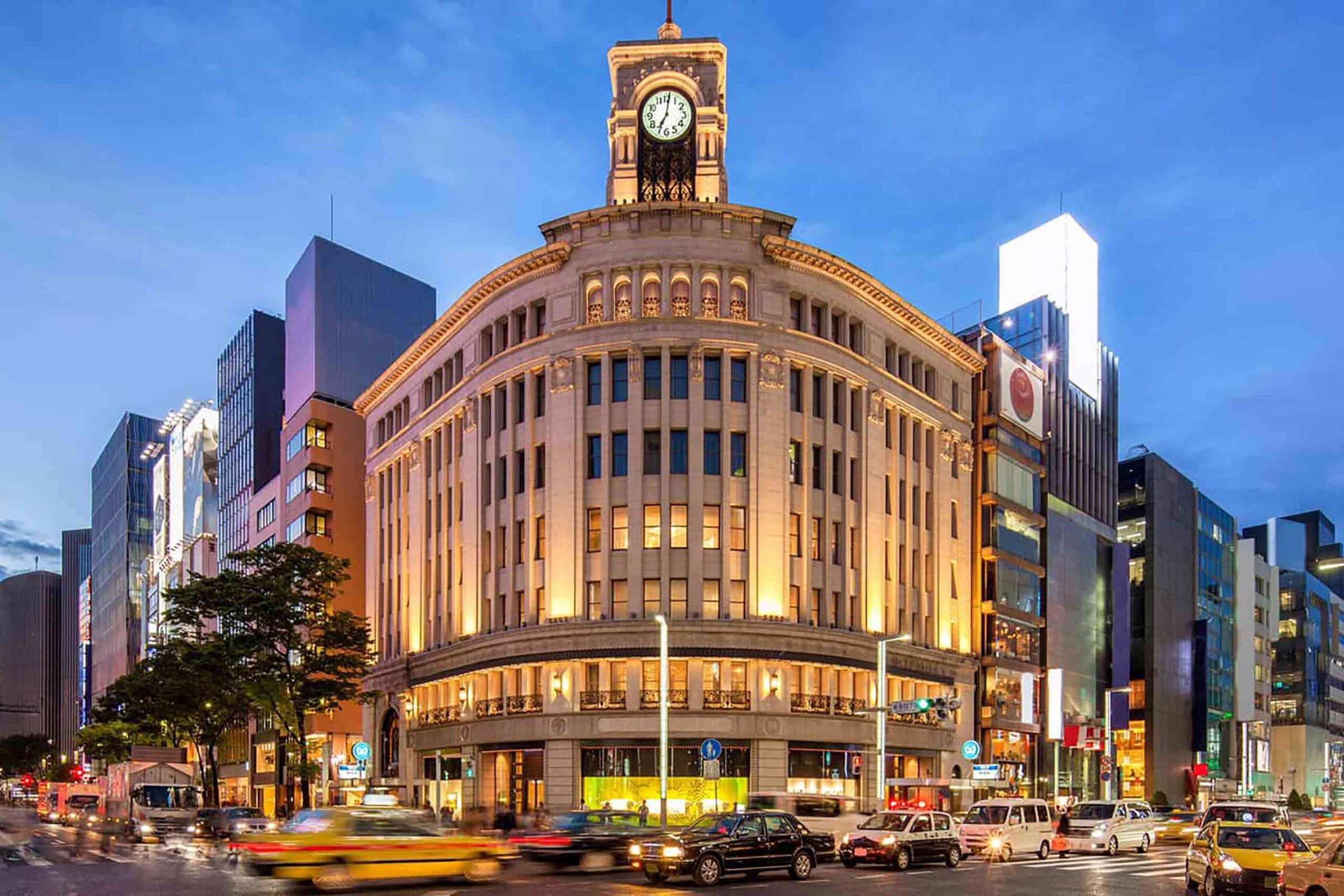
Ginza Rangetsu is located on the fifth floor of the ZOE Ginza building at 3-3-1 Ginza, Chuo City, Tokyo. The address sits within walking distance of Ginza Station on the Tokyo Metro Ginza, Hibiya, and Marunouchi lines, placing it inside one of the city's most accessible premium dining corridors. Given the occasion-dining function that sukiyaki and shabu shabu restaurants in this neighbourhood serve, advance booking is the standard approach, particularly for dinner on weekends or in the late autumn and winter months when hot-pot formats draw higher demand.
Where the Accolades Land
Comparable venues nearby, for context on price, style, and recognition.
| Venue | Cuisine | Price | Notes |
|---|---|---|---|
| sukiyaki & shabu shabu Ginza RangetsuThis venue — the venue you are viewing | Premium Sukiyaki & Shabu-Shabu | $$$$ | Not listed |
| Ginza 1954 | Japanese Bar | $$$$ | Ginza |
| きよ田 離れ | Edomae Sushi Omakase | $$$$ | Ginza |
| Bohemian Nishiazabu | Secret seasonal Japanese robata omakase | $$$$ | Nishiazabu |
| Ningyocho Imahan Ginza ten | Traditional Wagyu Sukiyaki & Shabu-shabu | $$$$ | Chūō |
| Yoshizawa | Seasonal Kaiseki in Roppongi Hills | $$$$ | Minato |


At a Glance
- Elegant
- Sophisticated
- Classic
- Business Dinner
- Special Occasion
- Date Night
- Private Dining
- Sake Program
- Street Scene
Current opening hours
- Monday
- 11:30 AM–3:30 PM, 5:30–10:30 PM
- Tuesday
- 11:30 AM–3:30 PM, 5:30–10:30 PM
- Wednesday
- 11:30 AM–3:30 PM, 5:30–10:30 PM
- Thursday
- 11:30 AM–3:30 PM, 5:30–10:30 PM
- Friday
- 11:30 AM–3:30 PM, 5:30–10:30 PM
- Saturday
- 11:30 AM–3:30 PM, 5–10:30 PM
- Sunday
- 11:30 AM–3:30 PM, 5–10:30 PM
Hours can change for holidays and private events. Last verified .
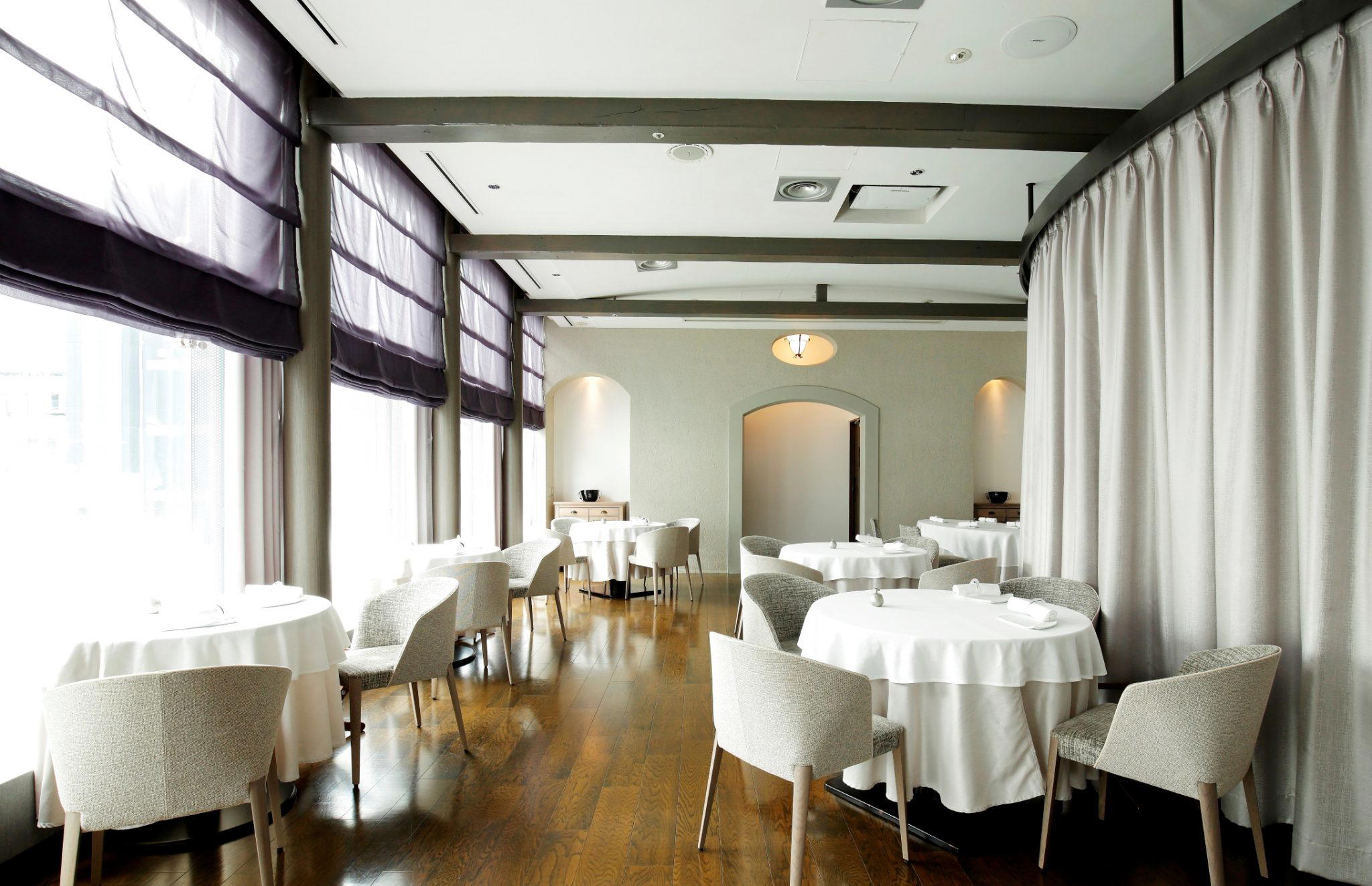
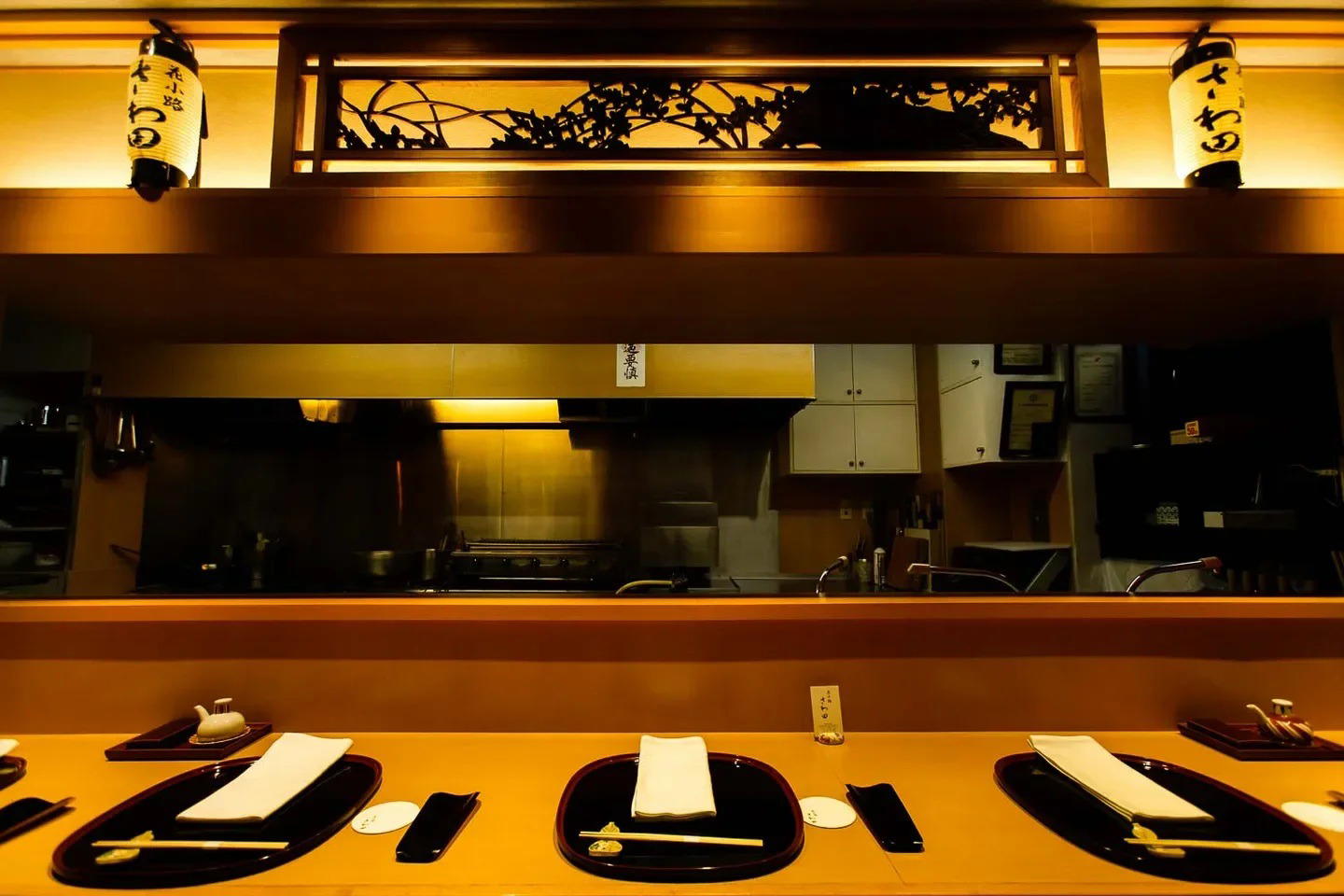
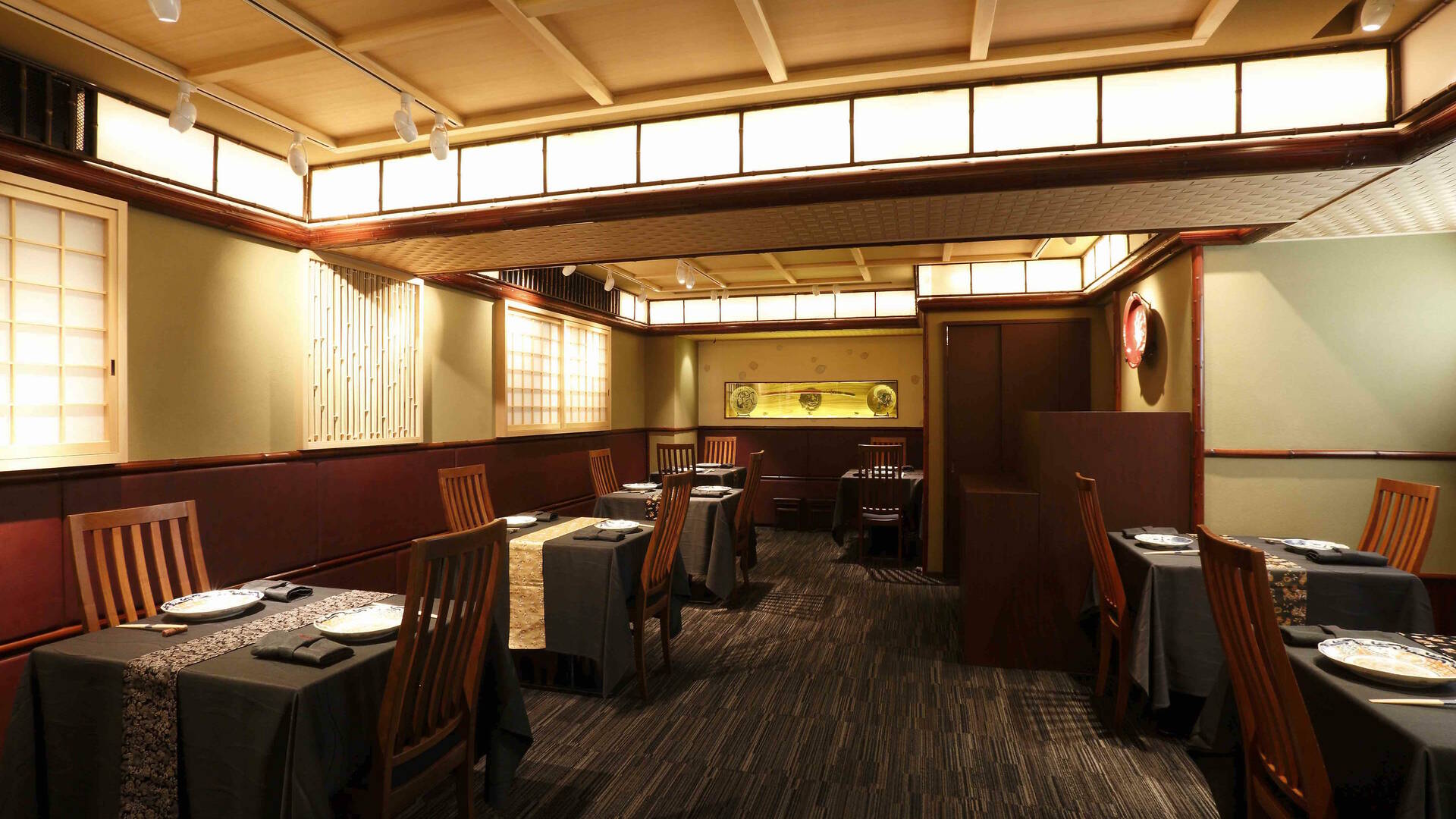
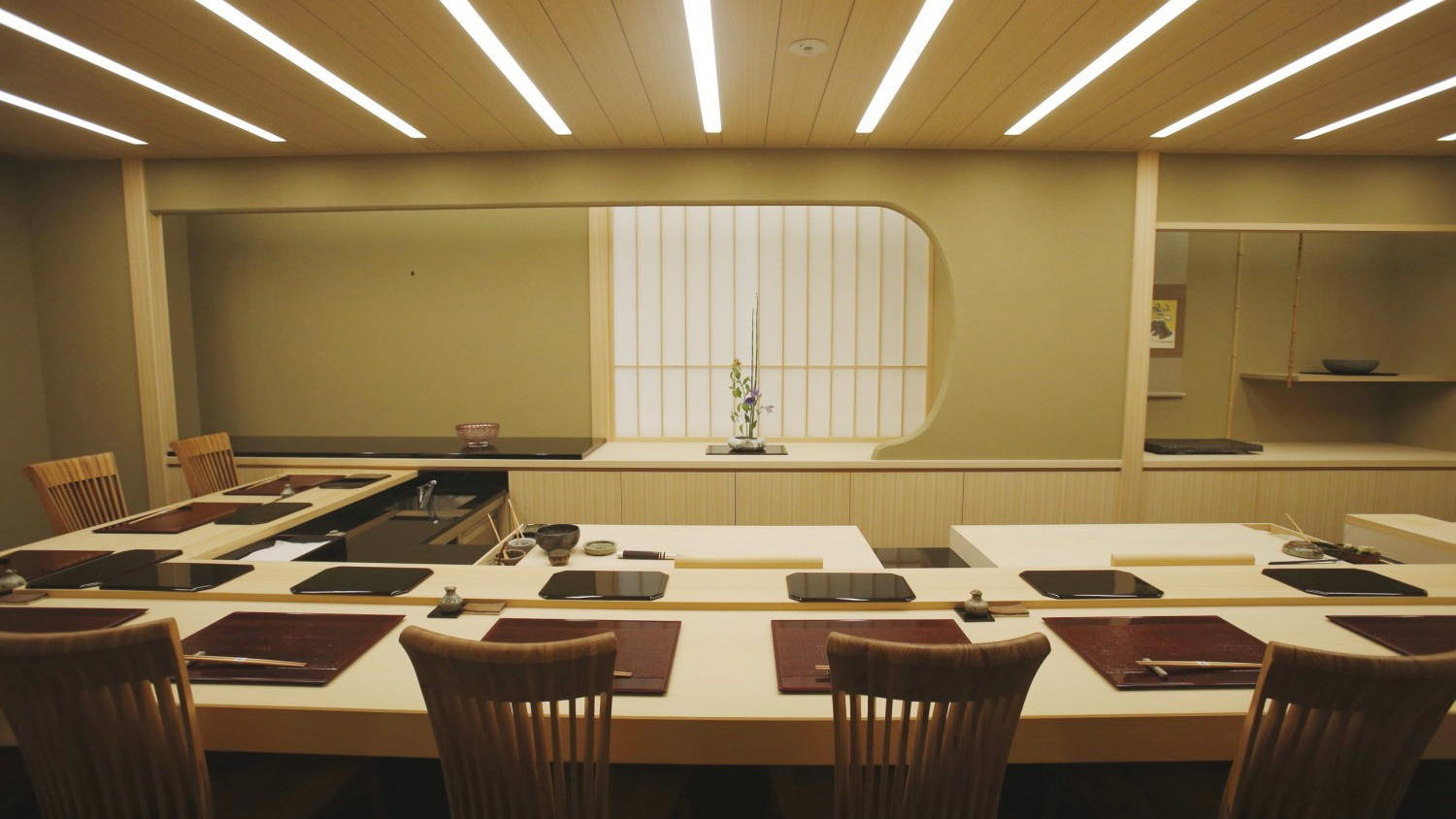
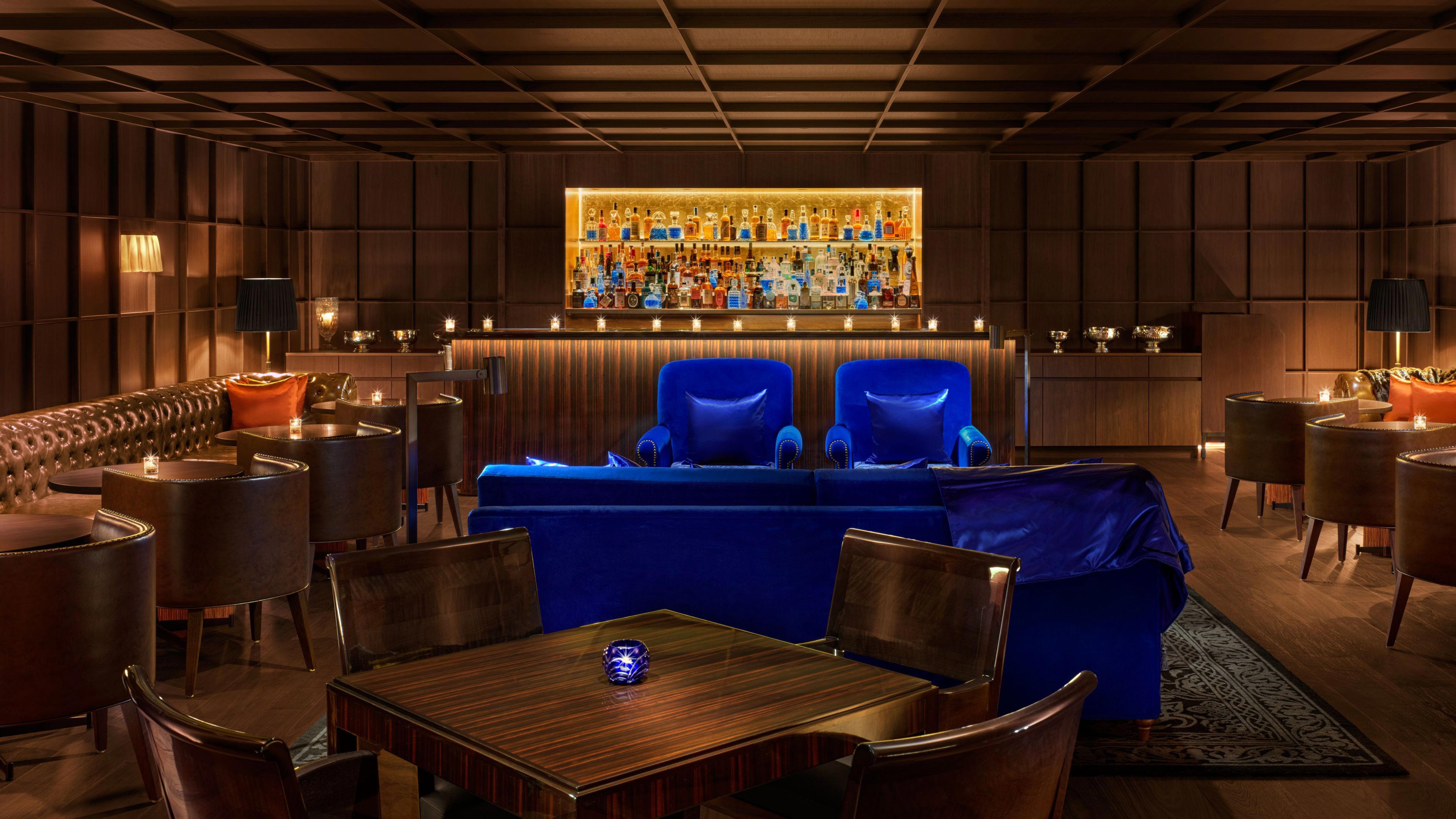
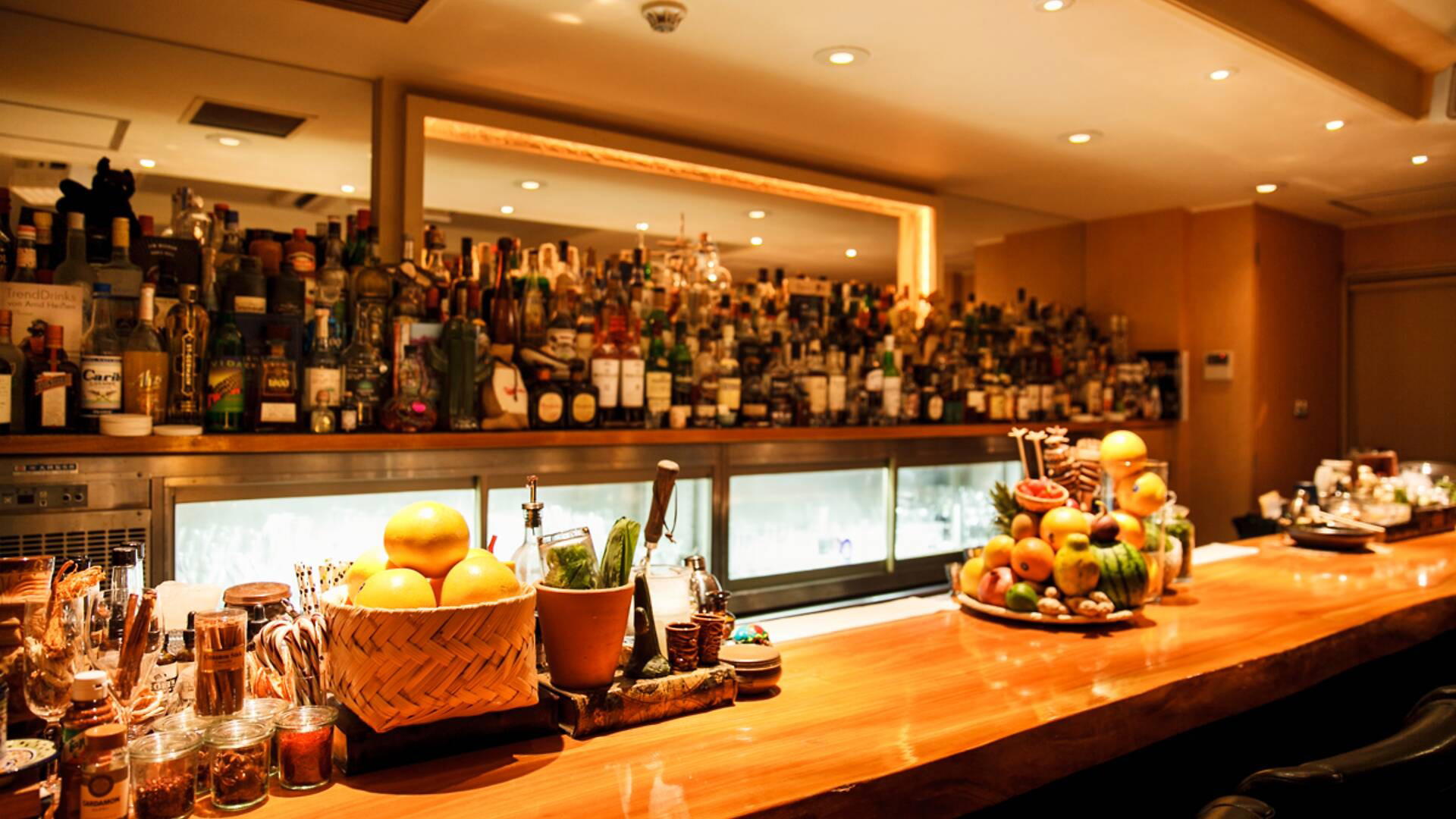
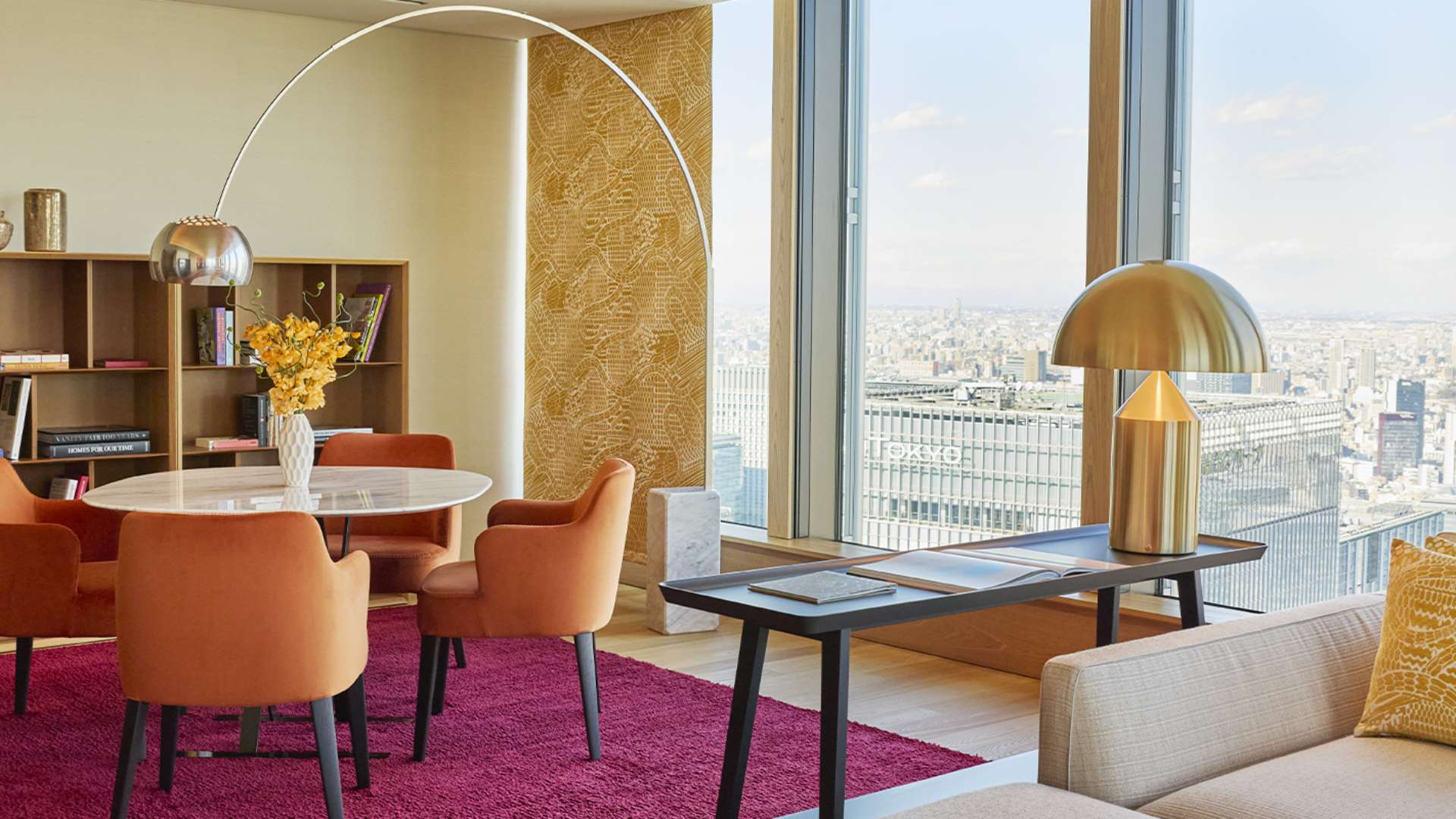
Classic, formal interior blending tradition with modern elegance, warm hospitality in a luxurious Ginza setting.