Shunbou occupies the sixth floor of the Grand Hyatt Tokyo in Roppongi, positioning itself within a neighbourhood that draws both international visitors and Tokyo's corporate dining circuit. The kitchen works in a Japanese register, with a menu architecture that reflects the seasonal rhythms central to the city's broader fine-dining tradition. For guests already based in Roppongi's hotel corridor, it offers a credible entry point into that tradition without requiring a reservation across town.
Pearl is the En Primeur Club membership app — saves, bookings, and concierge access live there. Same editors, same standards.
- Address
- Japan, 〒106-0032 Tokyo, Minato City, Roppongi, 6 Chome−10−3 グランド ハイアット東京 6階
- Phone
- +81343338786
- Website
- tokyo.grand.hyatt.co.jp
- Directions
- Get directions
 Saves & bookings on Pearl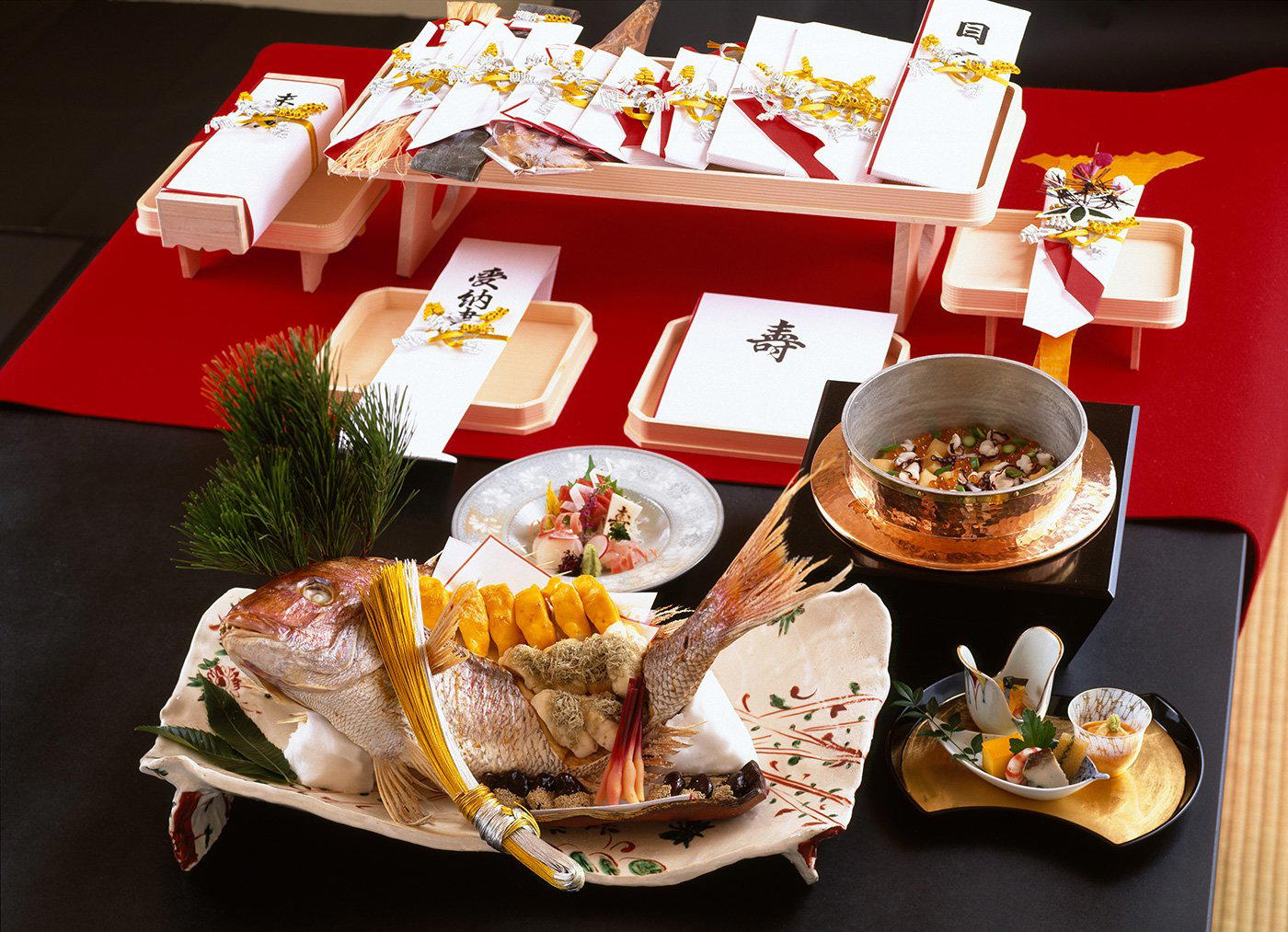
Roppongi's Hotel Dining Tier and Where Shunbou Sits Within It
On one side sit the trophy imports, European-lineage kitchens attached to international flags, competing on chef pedigree and press coverage. On the other sits a quieter cohort of Japanese-format restaurants embedded in the same hotels, serving a more grounded function: to deliver a coherent, seasonally anchored meal to guests who may have just landed, or to locals who want a reliable room for a business dinner without the month-long wait that the city's independent counters now routinely require. Shunbou is a restaurant at the Grand Hyatt Tokyo in Roppongi, Minato City, serving Seasonal Japanese Kaiseki and Kappo. Its address, sixth floor, 6-10-3 Roppongi, Minato City, places it inside the Grand Hyatt Tokyo.
Roppongi itself has long operated as a zone of transit and transaction rather than deep neighbourhood character. The restaurant district here skews toward the expense-account end, with a high proportion of hotel dining rooms and international concepts. That context matters for understanding what Shunbou is doing architecturally with its menu: it is not competing against the omakase counters of Ginza or the kaiseki rooms of Akasaka on their own terms. It is operating as a Japanese dining anchor inside a Western hotel infrastructure, which requires a different kind of menu logic.
Menu Architecture: Seasonal Anchors in a Hotel Frame
Japanese cuisine's formal restaurant tradition is organised around the concept of shun, the peak season of an ingredient, the moment when it is eaten rather than preserved or substituted. The name Shunbou encodes this directly: shun (season, peak ripeness) paired with a second character that suggests a room or chamber. The menu's architecture reflects this philosophy structurally rather than merely decoratively. It typically means a set menu framework with seasonal course rotations.
This structural approach contrasts with the fixed-sequence omakase format that defines Tokyo's most-discussed sushi and kaiseki counters. At venues like Harutaka or RyuGin, the menu is a single authored argument, every course placed in deliberate sequence, no substitutions, no à la carte exits. The hotel Japanese format offers more flexibility, which is both its practical advantage for a mixed international clientele and the reason it occupies a different critical register than those counters. Flexibility and authorial control are generally in tension in fine dining.
For the reader deciding between an evening at Shunbou and a harder-to-book independent Japanese restaurant elsewhere in the city, the relevant question is what kind of meal structure they want: a curated argument or a navigable menu. Both have value; they serve different purposes and different states of mind.
Roppongi as a Dining Address: Context and Comparisons
Within Tokyo's broader restaurant geography, Roppongi sits in an interesting position. It hosts some of the city's most-decorated addresses, RyuGin, with its technically demanding seasonal kaiseki, operates nearby, but the neighbourhood's overall dining character is shaped more by hotel dining rooms and international concepts than by the kind of owner-operated, single-cuisine specialists that define Ginza or Kagurazaka. This means that a restaurant like Shunbou is, in practice, operating against a comparable set of other hotel Japanese rooms rather than against the city's independent fine-dining circuit.
That comparable set tends to be evaluated on consistency, service reliability, and the quality of the sake and tea programs rather than on innovation or critical daring. Guests who have dined at comparable hotel Japanese restaurants in cities like New York, where Korean-inflected fine dining at venues like Atomix has raised the ceiling for what hotel-adjacent dining can achieve, will bring calibrated expectations to a room like this one.
For those extending their Japan itinerary beyond Tokyo, the comparison points shift. The kaiseki tradition reaches a different register at Gion Sasaki in Kyoto, where the seasonal menu structure is treated with greater formality and historical depth. In Osaka, HAJIME represents the technical and conceptual outer edge of Japanese fine dining. In Fukuoka, Goh applies a regional ingredient focus that gives its menu a specificity of place that hotel dining rooms, almost by definition, cannot replicate. Understanding where Shunbou sits relative to these venues is the first step toward using it correctly as part of a broader Japan trip.
For those staying in Tokyo's French-influenced fine-dining circuit, L'Effervescence, Sézanne, or Crony, Shunbou represents the Japanese counterpoint: a room that grounds itself in domestic culinary logic rather than importing a European framework. That contrast, across two or three evenings in the city, is itself a useful piece of Tokyo's restaurant education.
Japan's Regional Restaurant Network: What It Adds to the Picture
Tokyo's hotel Japanese dining rooms exist partly as orientation points, places where guests with limited time and high unfamiliarity with the local dining system can eat well without needing to decode a reservation process conducted in Japanese. But the country's most instructive meals increasingly happen outside the capital. akordu in Nara grafts a Basque sensibility onto local ingredients with quiet precision. Venues like 一本杉 川島酒造 in Nanao and 湖翠庵 in Takashima draw on regional produce with a localism that Tokyo's hotel dining rooms cannot fully reproduce. 庭羽屋 in Nishikawa Machi and 初代山乃 in Sapporo add further regional textures to what remains a remarkably decentralised fine-dining country. Beyond Japan, the comparison to high-precision seafood tasting menus like Le Bernardin in New York City underlines how differently Japanese and French traditions handle the same commitment to seasonal ingredients.
Planning Your Visit
Shunbou is located on the sixth floor of the Grand Hyatt Tokyo at 6-10-3 Roppongi, Minato City, Tokyo 106-0032. The Grand Hyatt is directly connected to Roppongi Hills, making it accessible from Roppongi Station on the Hibiya and Toei Oedo lines. For guests not staying in the hotel, the room functions as a standalone dining destination; hotel affiliation does not restrict access. Given the Roppongi dinner circuit and the hotel's international clientele, reservations are advisable for weekend evenings and for groups. Reservations are recommended.
Quick reference: Grand Hyatt Tokyo, 6F, 6-10-3 Roppongi, Minato City, Tokyo, Japanese cuisine, hotel dining tier, accessible from Roppongi Station.
Reputation First
Comparable venues nearby, for context on price, style, and recognition.
| Venue | Cuisine | Price | Notes |
|---|---|---|---|
| ShunbouThis venue — the venue you are viewing | Seasonal Japanese Kaiseki and Kappo | $$$$ | Not listed |
| Ginza 1954 | Japanese Bar | $$$$ | Ginza |
| くろぎ | Tokyo Kappo Kaiseki | $$$$ | Hamamatsucho |
| Tempura Yokota | Traditional Japanese Tempura Omakase | $$$$ | Minato |
| 西麻布いちの | Japanese Fine Dining | $$$$ | Minato |
| Mudai | Japanese Omakase / Kaiseki | $$$$ | Minato |













At a Glance
- Elegant
- Sophisticated
- Cozy
- Intimate
- Modern
- Classic
- Date Night
- Business Dinner
- Special Occasion
- Private Event
- Open Kitchen
- Private Dining
- Hotel Restaurant
- Sake Program
- Local Sourcing
- Garden
Current opening hours
- Monday
- 11:30 AM–2:30 PM, 5:30–8:30 PM
- Tuesday
- 11:30 AM–2:30 PM, 5:30–8:30 PM
- Wednesday
- 11:30 AM–2:30 PM, 5:30–8:30 PM
- Thursday
- 11:30 AM–2:30 PM, 5:30–8:30 PM
- Friday
- 11:30 AM–2:30 PM, 5:30–8:30 PM
- Saturday
- 11:30 AM–3 PM, 5–8:30 PM
- Sunday
- 11:30 AM–3 PM, 5:30–8:30 PM
Hours can change for holidays and private events. Last verified .
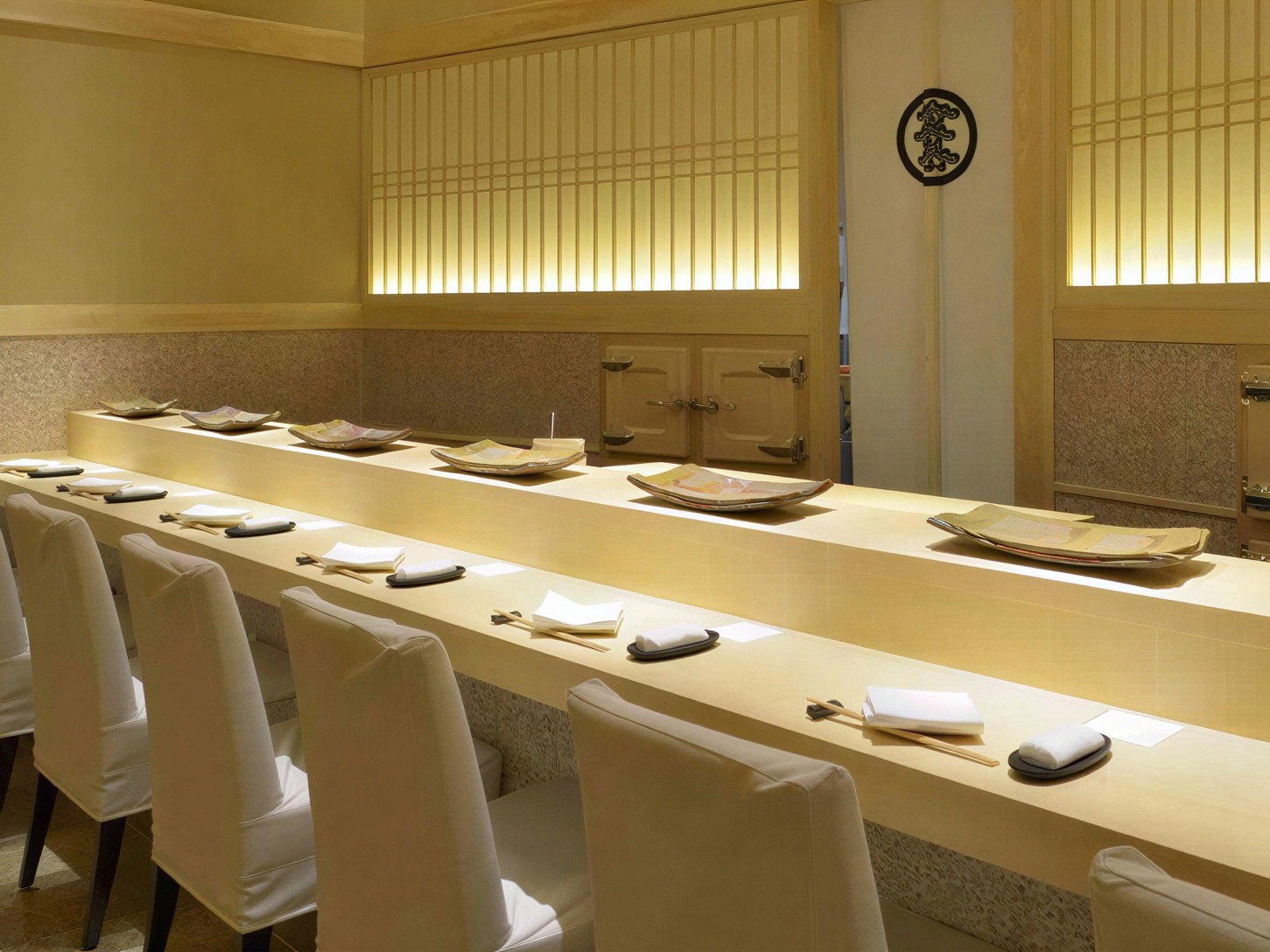
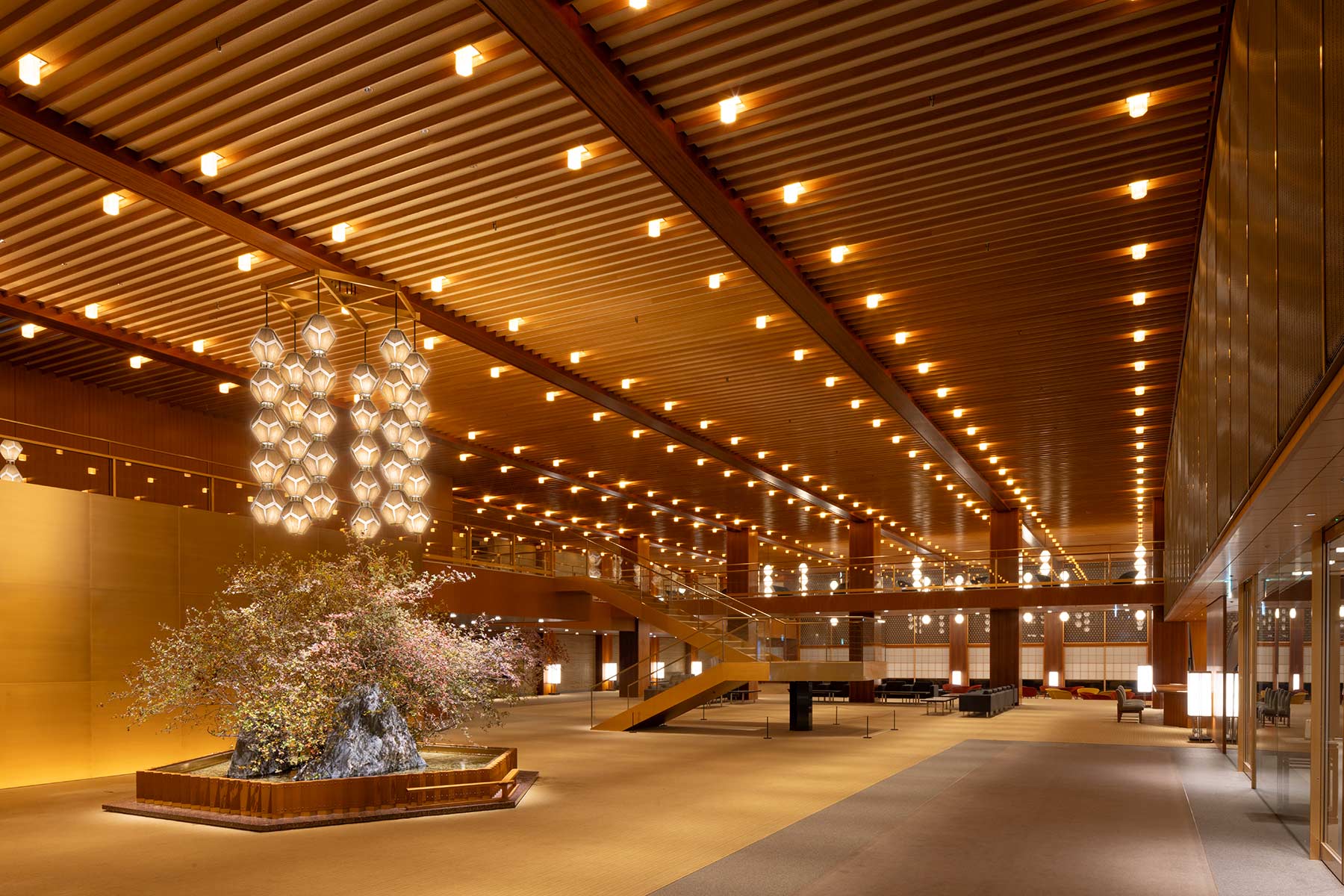
Tranquil zen atmosphere with wood, stone, natural plants, glass, granite, and garden views of ponds and bamboo, featuring an elegant Aji-ishi stone counter and Japanese-style private rooms.