中å is a kaiseki address in Hiroshima's Naka Ward, positioned within the city's small tier of formal Japanese dining rooms where pacing, sequence, and seasonal discipline define the experience. Located in Horikawacho, it draws from the same culinary traditions that underpin Japan's most rigorous multi-course formats, placing it in a comparable set that includes the city's other serious Japanese tables.
Pearl is the En Primeur Club membership app — saves, bookings, and concierge access live there. Same editors, same standards.
- Address
- 4-18 Horikawacho, Naka Ward, Hiroshima, 730-0033, Japan
- Phone
- +818059198148
- Website
- omakase.in
 Saves & bookings on Pearl
How Hiroshima Approaches the Formal Meal
In Japan's mid-sized cities, the formal dining room occupies a specific cultural position. It is not the theatrical production of a major metropolitan omakase counter, nor the casual informality of a neighbourhood izakaya. It sits between those poles, carrying the structural grammar of kaiseki, the sequenced courses, the seasonal anchoring, the ceramics chosen to reflect a moment in the natural year, but scaled to a city that earns its culinary reputation quietly. Hiroshima's restaurant scene has long operated this way: serious without announcing itself, technically grounded without the marketing apparatus of Osaka or Tokyo.
中å, on Horikawacho in Naka Ward, sits inside that tradition. The address places it in a central district of Hiroshima, within the ward that anchors most of the city's considered dining. The surrounding streets carry the grain of a working urban neighbourhood rather than a tourist quarter, which is broadly characteristic of where serious Japanese restaurants choose to operate, proximity to a local clientele that understands the format and returns for it seasonally.
The Architecture of the Meal
Kaiseki, as a dining format, is one of the most codified in Japanese gastronomy. Its origins lie in the tea ceremony, where small dishes were served before matcha to prevent the bitterness of the tea from landing on an empty stomach. Over centuries the format expanded and formalised, eventually becoming a multi-course structure in which each dish serves a sequential function: an opening appetiser to orient the palate, a soup course to establish warmth and depth, a series of prepared dishes that move through cooking technique, raw, simmered, grilled, steamed, fried, before arriving at rice, pickles, and miso to close. The discipline is in the transitions as much as the individual dishes.
What distinguishes a rigorous kaiseki room from a restaurant that merely sequences Japanese dishes is the degree to which those transitions are governed by season. The calendar does not suggest ingredients here; it dictates them. A spring menu built around bamboo shoots and cherry blossom-adjacent flavours gives way in summer to ayu sweetfish and cold preparations, then to autumn's mushrooms and chestnuts, and finally to winter's concentrated root vegetables and warming broths. Dining at the same counter across four seasons produces four fundamentally different meals, which is precisely the point. The ritual repeat visit is not nostalgia, it is the intended use of the format.
For Hiroshima's formal dining rooms, including comparable addresses like Chiso Sottakuito and Eizan, this seasonal architecture shapes the dining rhythm.
Ritual and Pacing as the Experience
The dining ritual at a Japanese formal room asks something specific of the guest. The pace is set by the kitchen, and the expectation is that the diner follows rather than directs. There is no negotiating the sequence, no skipping courses, no asking to accelerate. Each dish arrives at the interval the kitchen judges appropriate, and the proper response is attention: to the vessel as much as its contents, to the temperature of the broth, to the colour contrast on the plate. This is not a passive experience in the way that phrase is sometimes intended. It requires sustained engagement with small, precise things.
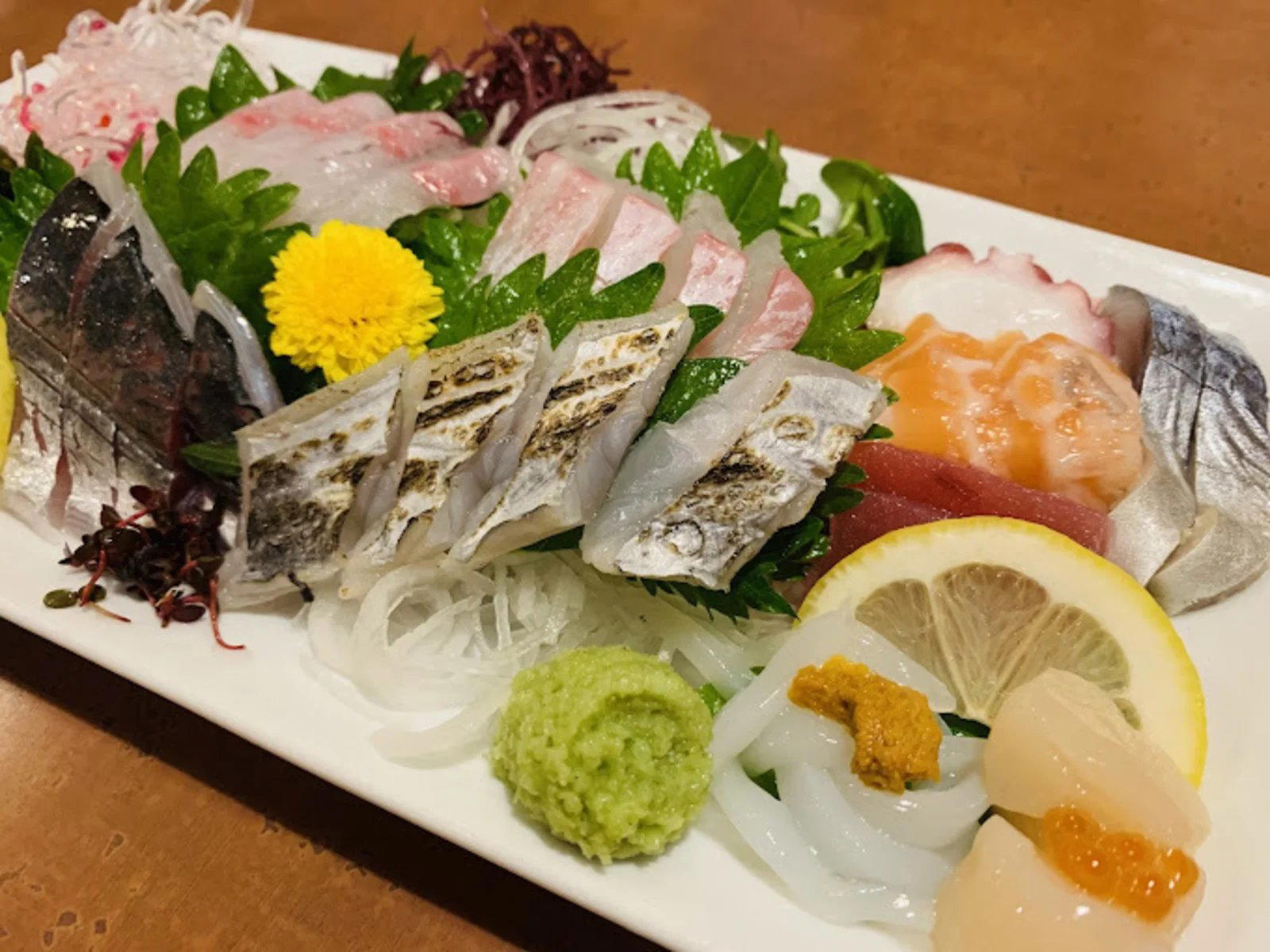
In this, 中å participates in a ritual logic that connects it to formal Japanese dining rooms across the country. Gion Sasaki in Kyoto and HAJIME in Osaka both operate within the same broad tradition, though each city's version inflects the format differently. Kyoto kaiseki tends toward maximum restraint and visual austerity; Osaka's formal rooms permit more richness and occasionally more protein-forward courses. Hiroshima's position, a coastal city with access to the Seto Inland Sea, means its serious kitchens draw heavily on seafood, particularly the oysters, sea bream, and small-boat fish that define the regional larder. That maritime character tends to appear in the raw and lightly cooked courses where the ingredient is allowed to speak without heavy preparation.
Placing 中å in Hiroshima's Dining Tier
Hiroshima's formal dining tier is smaller than Kyoto's or Tokyo's. A handful of addresses maintain the discipline required to sustain the kaiseki format properly, and Among these, 中å holds a position in Naka Ward alongside other considered Japanese rooms. CHILAN and MASUKI represent adjacent points on the city's formal dining map, with MASUKI's price range (JPY 20,000 to JPY 29,999) giving a useful calibration for the tier these rooms occupy.
Hiroshima's formal dining scene connects with comparable rooms elsewhere in the region. Goh in Fukuoka operates at the higher end of Kyushu's serious dining tier, while akordu in Nara represents a different tradition entirely, European technique in a Japanese heritage city. Harutaka in Tokyo anchors the capital's omakase format at a different price point and format discipline. Seen against those peers, Hiroshima's formal Japanese rooms, 中å among them, occupy a middle tier that is technically serious without the premium pricing of major metropolitan counters.
Other formal Japanese rooms across the country that provide useful comparison points include 一本杉川嶋 in Nanao, 大仙山乃 in Sapporo, 湖隣庵 in Takashima, and 羽根屋 in Nishikawa Machi, each of which reflects how Japan's regional cities sustain the kaiseki format outside the major culinary centres. Birdland in Sakai demonstrates how specialisation within Japanese culinary tradition can anchor a serious room in a secondary city. For international reference points operating at the level of formal multi-course discipline, Le Bernardin in New York City and Atomix in New York City share the same commitment to sequence and technique, though expressed through entirely different culinary vocabularies.
Planning a Visit
中å is located at 4-18 Horikawacho, Naka Ward, Hiroshima, a central address in the city. Reservations are essential. Seasonal timing matters.
Cuisine and Recognition
Comparable venues nearby, for context on price, style, and recognition.
| Venue | Cuisine | Price | Awards | Notes |
|---|---|---|---|---|
| 中土This venue — the venue you are viewing | Seasonal Kaiseki | $$$ | , | |
| Shusai Takenoshita | Traditional Japanese Izakaya & Seafood | $$$ | , | Naka |
| Shunrai | Teppanyaki Steak & Seafood | $$$ | , | Naka |
| ハナワイン | Japanese Wine Bar | $$ | , | Naka |
| Non Non | Hiroshima Okonomiyaki | $$ | , | Minami |
| Kushi Dokoro Dochu | Yakitori & Kushiyaki Counter | $$$ | , | Naka |
Continue exploring
More in Hiroshima
Restaurants in Hiroshima
Browse all →
Bars in Hiroshima
Browse all →
At a Glance
- Elegant
- Intimate
- Sophisticated
- Special Occasion
- Date Night
- Sake Program
- Local Sourcing
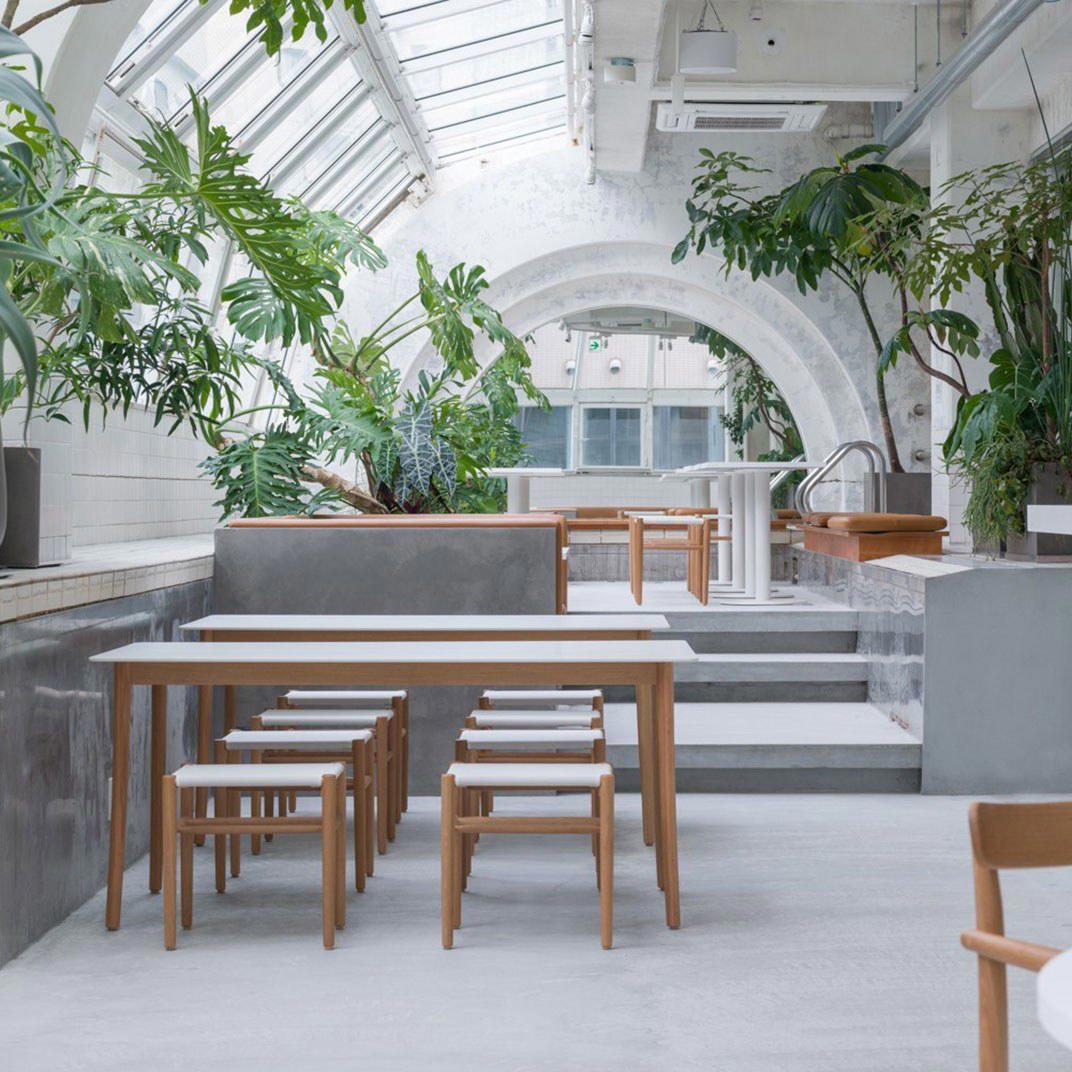
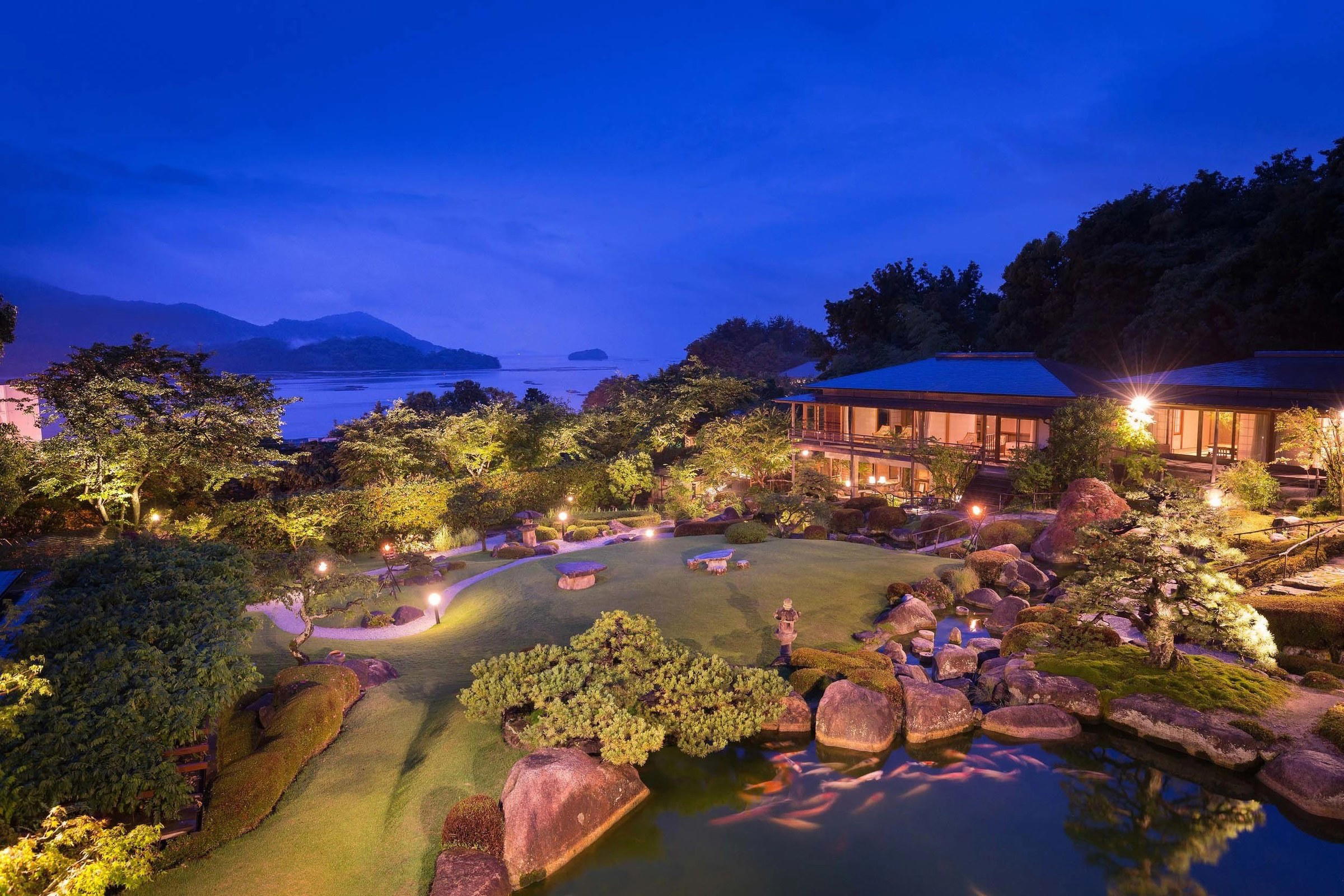
Soft lighting, minimalist decor with tatami mats and shoji screens creating a calm, elegant atmosphere.