Our verdict
ハナワイン is a wine-focused venue in Hiroshima's Naka Ward, positioned within the city's quietly expanding wine bar scene at an address in Kamihatchobori. The format suits those who want serious stemware and considered pours in a neighbourhood better known for kaiseki and izakaya. Booking details and current hours are best confirmed directly with the venue.

Pearl is the En Primeur Club membership app, where members save venues, book tables and use the concierge.
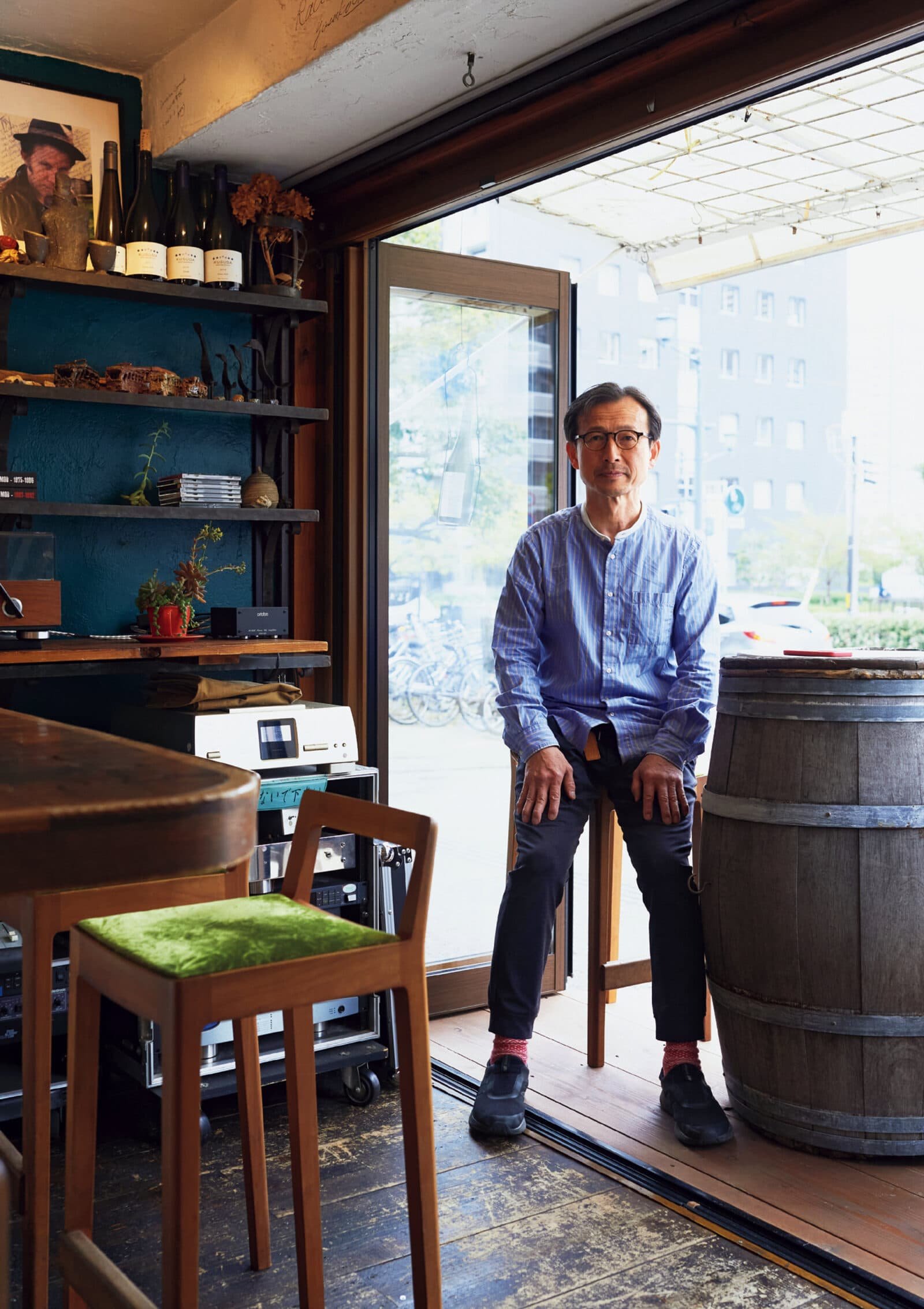
Wine in a Kaiseki City
Hiroshima's dining identity has long been anchored in seafood precision and kaiseki restraint. The city's Naka Ward in particular carries a concentration of counter-seated Japanese restaurants where the logic of the meal is dictated by seasonality and technique, not by the glass. Against that backdrop, wine-led venues occupy a smaller, more defined niche, one where the selection of a bottle and the decision of how to pair it with local produce does as much editorial work as any single dish. ハナワイン (Hana Wine) sits inside that niche, at 4-28 Kamihatchobori, a district in Naka Ward where traditional Japanese dining formats and quieter specialist bars share the same low-lit streetscape.
The address places it within reach of the Hiroshima dining corridor that runs toward the Motomachi area, where venues like CHILAN and Chiso Sottakuito hold their own distinct registers. Wine bars in this part of the city tend to work differently from their counterparts in Osaka or Tokyo: the clientele is more local, the pace is slower, and the expectation is that the room will guide you toward something you did not already know. That educational posture, common to specialist wine venues in secondary Japanese cities, is often where the real value sits.
The Role of the Team in a Wine-Led Room
At venues where wine is the primary language, the dynamic between front-of-house and whoever is managing the list becomes the actual product. In larger cities, this is often handled by credentialed sommeliers with clear institutional training backgrounds, visible on menus or in press materials. In a city like Hiroshima, that same function often operates with less ceremony but no less precision. The person who walks you through a natural wine from the Loire or a Burgundy-adjacent bottling from a domestic Japanese producer is not performing expertise; they are using it to make a specific pairing decision for a specific guest on a specific evening.
This kind of floor-level collaboration, between whoever is managing the wine and whoever is responsible for any food coming from the kitchen, defines the quality ceiling of a wine bar more than the list itself does. A well-constructed list in the wrong hands produces poor evenings. A modest but list, navigated by someone who understands what the guest ordered and what is on the plate, produces something considerably more satisfying. Japan's wine bar scene, particularly in cities outside Tokyo, has been quietly building toward that standard for the better part of a decade.
For comparison, venues like HAJIME in Osaka and Gion Sasaki in Kyoto demonstrate how front-of-house coherence can anchor a dining format that might otherwise fragment. At the wine bar register, the same principle applies at smaller scale: the room holds together because the people running it understand the through-line from cellar to table.
Hiroshima's Quieter Wine Culture
Japan's wine culture has matured considerably over the past fifteen years, with domestic producers in Hokkaido, Nagano, and Yamanashi gaining serious traction both locally and internationally. Hiroshima sits slightly outside those production regions, which means that wine venues here are more likely to be curators than advocates of a local terroir. That positions them closer to the European wine bar model: the room's identity is defined by the list's logic and the team's ability to explain it, rather than by proximity to a vineyard.
Hiroshima's food scene provides natural pairing material. The prefecture's oysters, which arrive in season from Miyajima and the surrounding Seto Inland Sea coastline, have obvious mineral affinities with high-acid whites. The city's own okonomiyaki tradition, while not conventional wine-bar territory, has been thoughtfully engaged by a number of younger establishments willing to reconsider what local food and considered wine can do together. Restaurants like Eizan, Denko Sekka, and MASUKI each approach the city's culinary materials from a different angle, and the wine bar scene benefits from sitting adjacent to that kind of plurality.
Beyond Hiroshima, the wider Chugoku and Shikoku region has seen incremental growth in sophisticated dining formats. Venues further afield, such as akordu in Nara and Goh in Fukuoka, illustrate how wine-integrated dining has spread well beyond the traditional metropolitan anchors. The trend is not uniform, but its direction is clear. In cities like Hiroshima, the question is less whether wine venues can find an audience and more whether the curation and the service are sharp enough to justify a regular return.
What to Know Before You Go
Kamihatchobori is not a tourist-circuit address. It sits in central Naka Ward, accessible from Hiroshima Station by tram or a short taxi ride, but the surrounding streets are quieter than the Hondori shopping arcade or the Nagarekawa bar district further south. That relative calm is part of the character of wine-focused venues in this part of the city: the room is not competing with foot traffic or spectacle, which tends to suit the format.
Wine bars at this level in Japanese cities often operate on a reservation-preferred basis, particularly on weekends, and understanding the format, whether it leans toward a la carte pours, curated flights, or a food-and-wine pairing structure, will shape what kind of evening you should plan for. For a broader orientation to what Hiroshima's dining scene offers across categories and price points, our full Hiroshima restaurants guide provides the wider context.
Those interested in how wine service functions at the top of Japan's formal dining register can look at reference points like Harutaka in Tokyo or, internationally, at how venues such as Le Bernardin in New York City and Atomix in New York City integrate sommelier programming into a larger hospitality framework. At the wine bar tier, the same values apply at smaller scale: precision, editorial clarity about the list, and a team that knows how to translate both into a coherent evening.
Frequently asked questions
Would ハナワイン be comfortable with kids?
ハナワイン sits in Kamihatchobori, a central Naka Ward address with a wine-focused format that tends to attract adult clientele rather than families. check the venue's official channels before visiting with children.
What is the atmosphere like at ハナワイン?
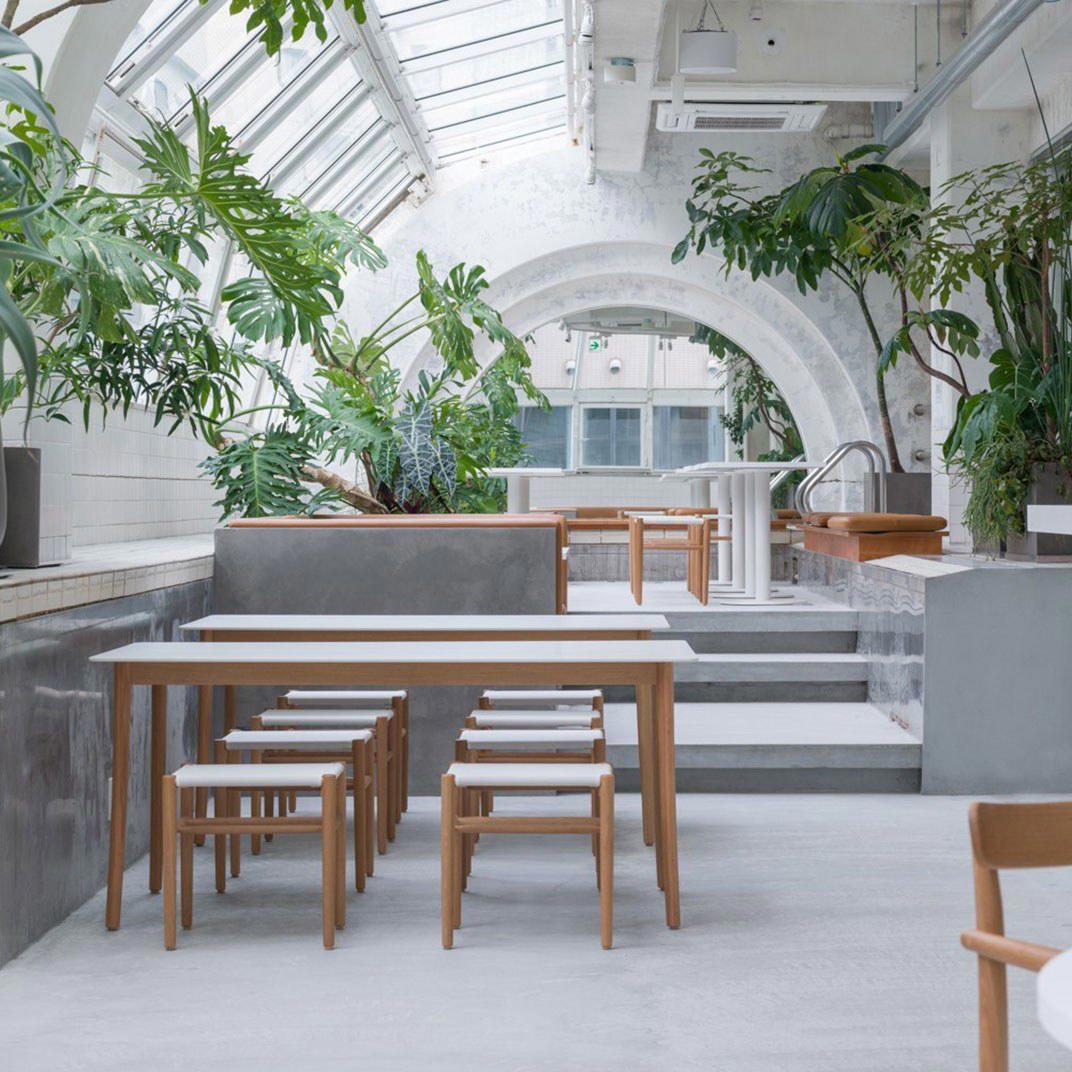
The address, 4-28 Kamihatchobori in Naka Ward, places it away from Hiroshima's main tourist circuit, which tends to shape a quieter, local-facing room rather than a high-turnover dining floor. Wine-led venues of this type in Japanese cities typically run at a low register: conversation-friendly, deliberately paced. Expect something closer to a specialist wine room than a lively izakaya.
Is ハナワイン a good option for exploring Japanese domestic wines in Hiroshima?
Japan's domestic wine scene has grown considerably, with producers from Hokkaido, Nagano, and Yamanashi now appearing on serious lists across the country. A wine-focused venue in Hiroshima's Naka Ward, positioned away from the tourist circuit at Kamihatchobori, is the kind of address where that domestic selection is more likely to feature than at a generalist restaurant bar. Confirm the current list directly with the venue before visiting.
What's the best thing to order at ハナワイン?
Hiroshima's dining scene runs on seafood precision, so pairings with local produce are a reasonable expectation.
Where is ハナワイン located?
ハナワイン is located at 4-28 Kamihatchobori, Naka Ward, Hiroshima, 730-0012, Japan, Hiroshima.
How hard is it to get a table at ハナワイン?
Kamihatchobori is not a walk-in tourist strip, and wine-specialist rooms in Japanese cities at this address tier typically run with limited covers.
Cost and Credentials
Comparable venues nearby, for context on price, style, and recognition.
| Venue | Cuisine | Price | Awards | Notes |
|---|---|---|---|---|
| ハナワインThis venue (the venue you are viewing) | Japanese Wine Bar | $30–50 | Not listed | Not listed |
| Denko Sekka | Minami-ku, Hiroshima-Style Okonomiyaki | Not listed | Not listed | Not listed |
| Masaru | Hiroshima Okonomiyaki | $10–20 | Tabelog 100 #30 | Higashi, Hiroshima Okonomiyaki |
| Non Non | Hiroshima Okonomiyaki | $10–20 | Tabelog 100 #5 | Minami, Hiroshima Okonomiyaki |
| Stand Loki | Japanese Standing Bar | $10–20 | Tabelog 100 #50 | Naka, Japanese Standing Bar |
| Shusai Takenoshita | Traditional Japanese Izakaya & Seafood | $50–100 | Tabelog 100 #29 | Naka, Traditional Japanese Izakaya & Seafood |
Continue exploring
More in Hiroshima
Restaurants in Hiroshima
All restaurants in Hiroshima →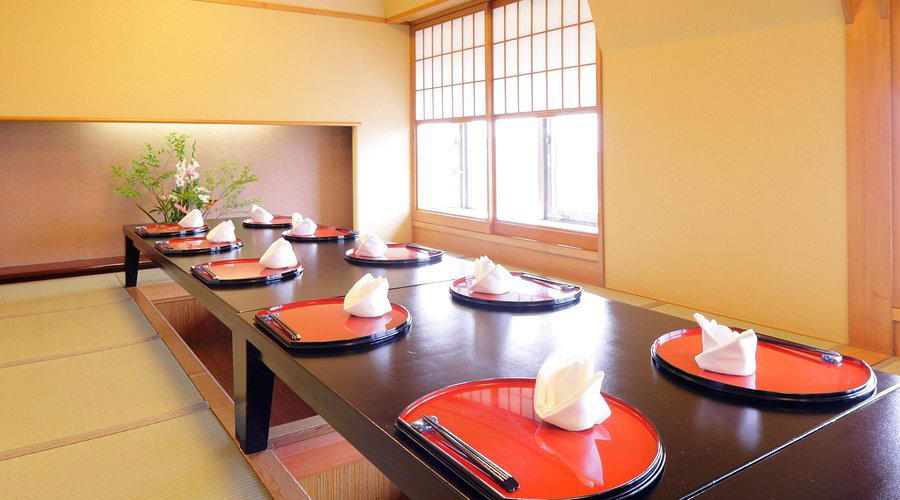
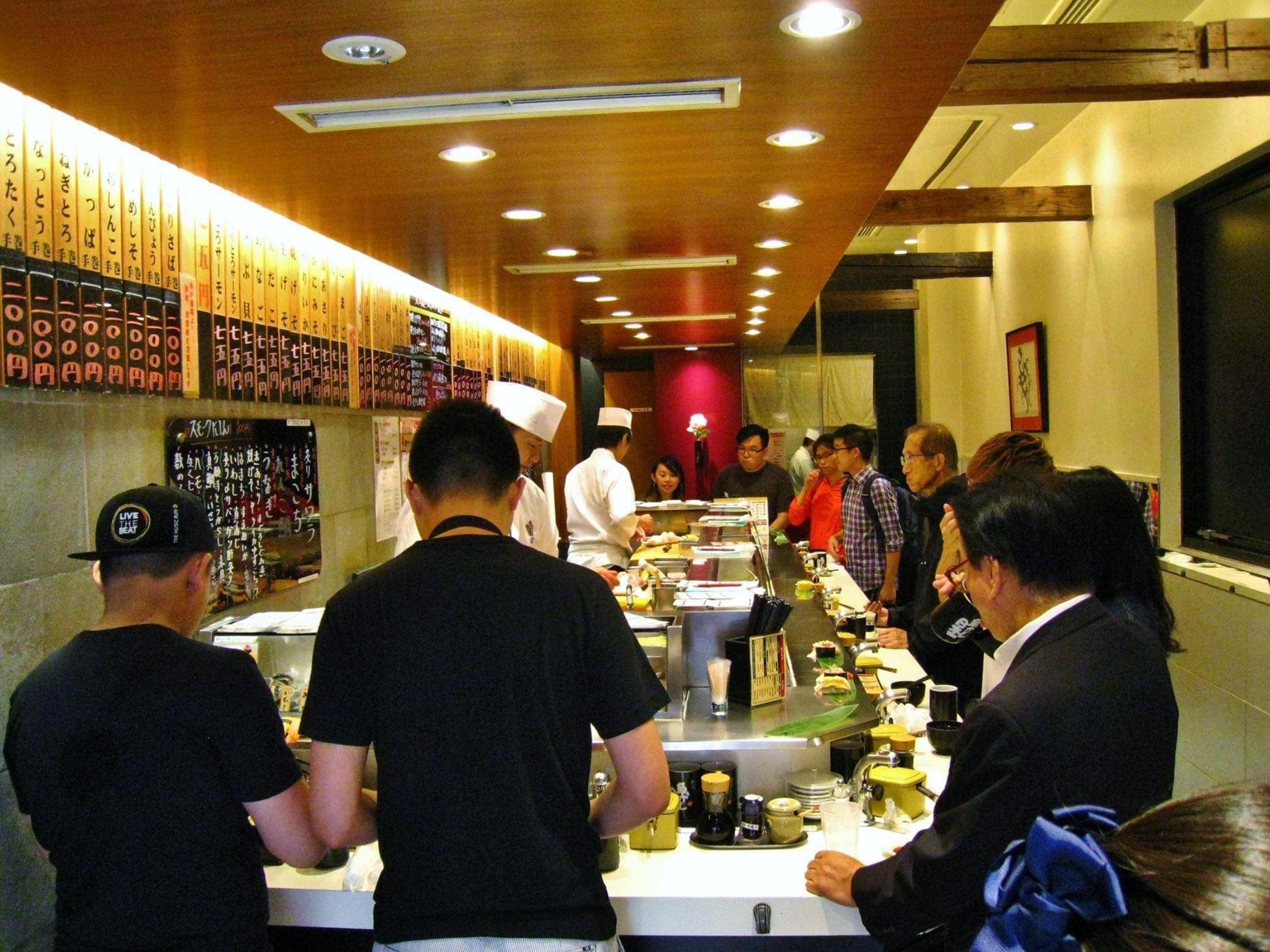
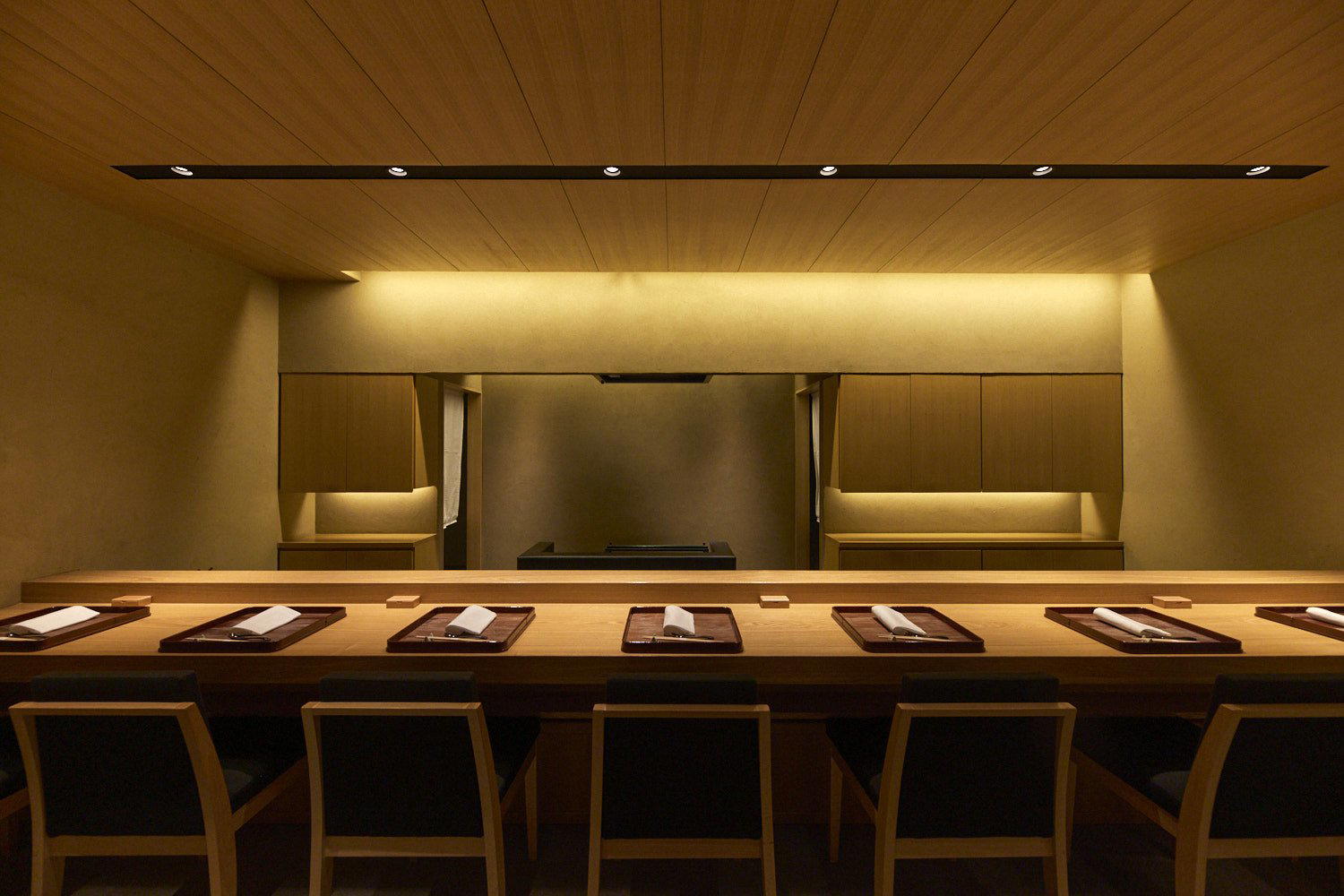
Bars in Hiroshima
All bars in Hiroshima →
Details
- Cozy
- Intimate
- Trendy
- Date Night
- Casual Hangout
- Wine Cellar
- Natural Wine
- Sake Program
- Natural Wine
- A La Carte
- Natural Wine
Current opening hours
- Monday
- Closed
- Tuesday
- 2–10 PM
- Wednesday
- 2–10 PM
- Thursday
- 2–10 PM
- Friday
- 2–10 PM
- Saturday
- 2–10 PM
- Sunday
- Closed
Hours can change for holidays and private events. Hours as of .
Cozy setting with lively yet relaxed atmosphere ideal for wine enthusiasts.