
A nine-seat yakitori counter in Hiroshima’s Ebisucho area, Kushi Dokoro Dochu works in the compact, charcoal-led register that rewards close attention rather than spectacle. Its Tabelog 100 Yakitori WEST 2025 selection, counter format, adult-only policy, and JPY 5,000–5,999 dinner range place it in a useful value band for serious skewers in the city.
Pearl is the En Primeur Club membership app — saves, bookings, and concierge access live there. Same editors, same standards.
- Address
- 3-23 Ebisucho, Naka Ward, Hiroshima, 732-0021, Japan
- Phone
- +81 82-247-7372
- Website
- tabelog.com
 Saves & bookings on Pearl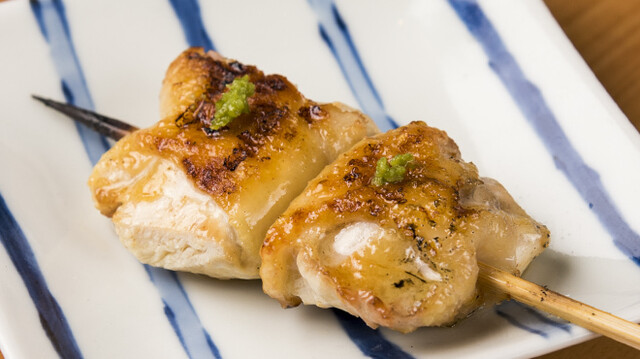
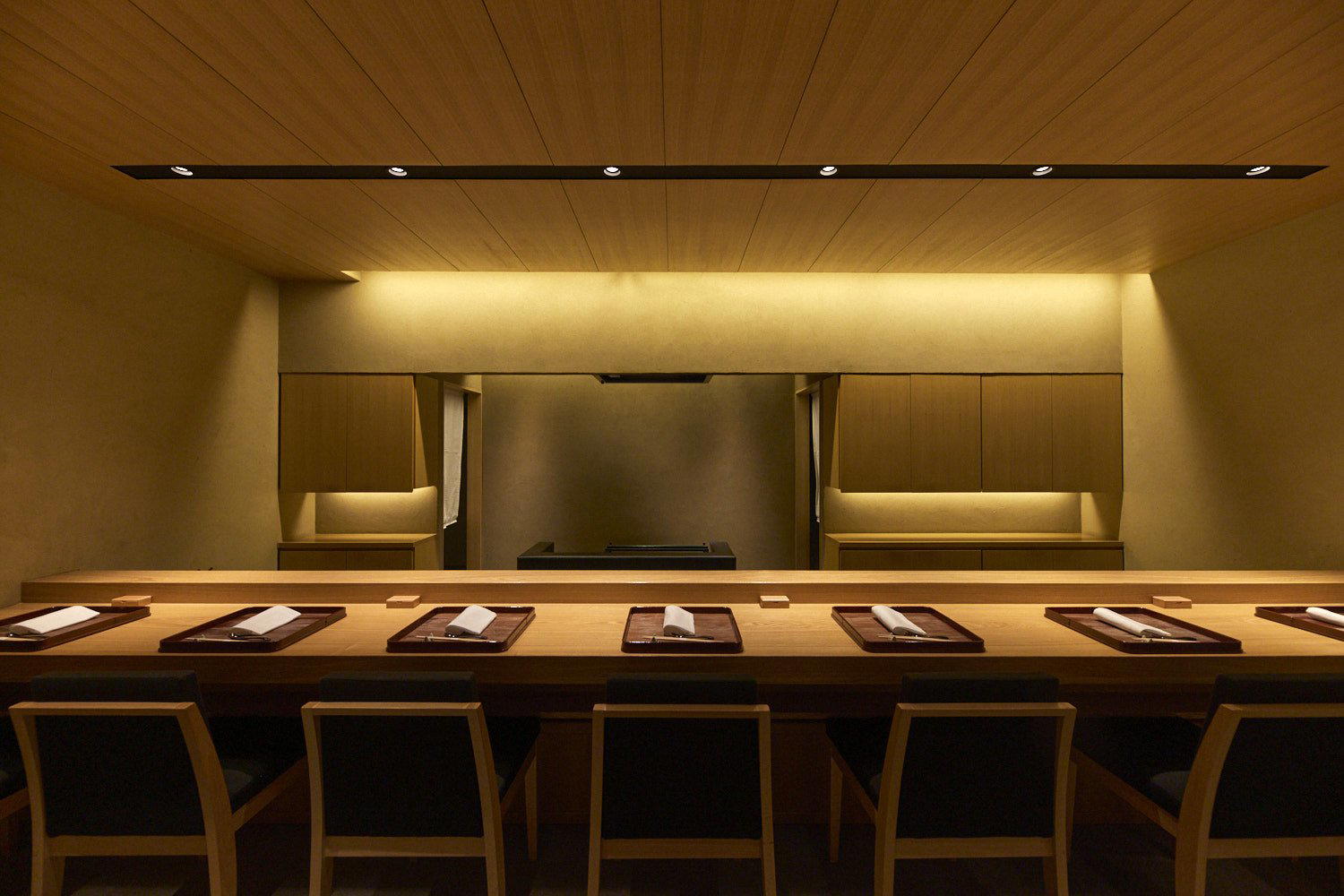
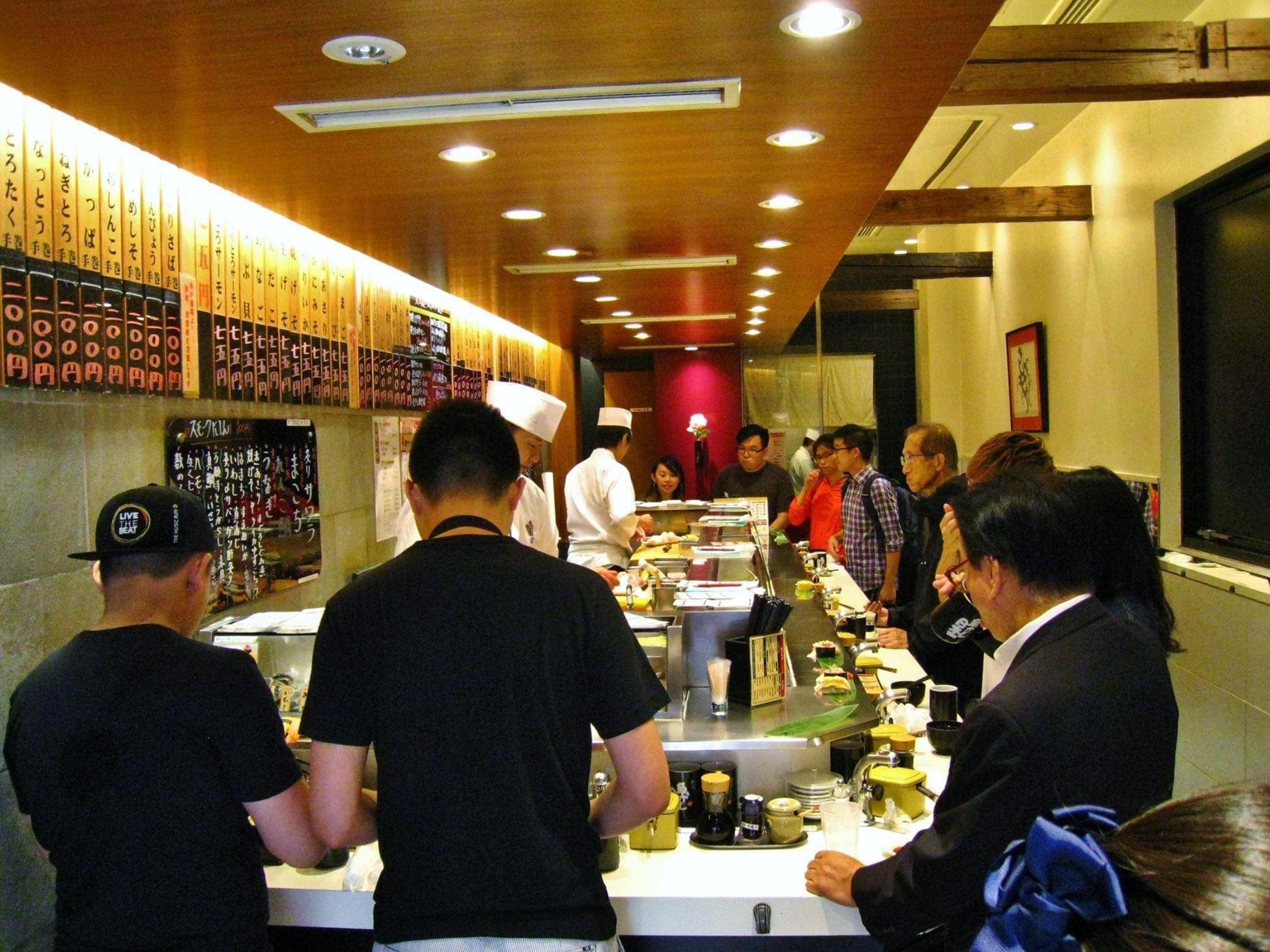
The room is built for proximity: counter seating, charcoal work in view, and the compressed rhythm of a small Hiroshima yakitori shop rather than the sprawl of an izakaya. That matters because yakitori is a cuisine of timing. The difference between a casual skewer stop and a serious counter is not ornament; it is heat control, sequencing, and how closely the grill is allowed to shape the evening.
In Hiroshima, where visitors often arrive with okonomiyaki fixed in mind, yakitori occupies a quieter but revealing lane. It is less tied to civic branding than the city’s griddle culture, yet more useful for reading how locals eat after dark: small rooms, direct service, and drinks that sit comfortably beside smoke, salt, tare, and off-cut cooking. Kushi Dokoro Dochu belongs to that register, with yakitori, kushiyaki, and meat dishes forming the core of the format.
Charcoal, rare cuts, and a nine-seat value equation
At this price level, the point is not luxury theatre. It is access to a focused grill counter without crossing into the higher-spend yakitori bracket. The dinner range sits below Hiroshima peer Tori Yamamoto, which is listed at JPY 10,000–14,999, and closer to the city’s mid-range serious dining band. That makes the value proposition clear: the spend buys specialization, counter attention, and a charcoal format rather than breadth.
The kitchen’s reputation is tied to binchotan-grilled chicken, rare cuts, quail egg skewers, and a drinks program that includes sake, shochu, wine, and cocktails. Those details place the restaurant in the modern yakitori pattern: still grounded in chicken but no longer limited to beer-and-skewer simplicity. The presence of wine alongside nihonshu and shochu signals a counter designed for longer drinking arcs, particularly when vegetable and chicken skewers are served in relation to what is in the glass.
The Tabelog 100 Yakitori WEST 2025 selection gives the room a clear external marker. Tabelog’s Hyakumeiten lists are not Michelin-style star systems, but in Japan they function as a useful signal for category depth, especially in genres such as ramen, curry, tonkatsu, and yakitori where local diners often track specialist lists closely. A 3.67 Tabelog score in this category is also meaningful context: yakitori counters tend to be judged by repeat diners who are sensitive to consistency, cut selection, and grill discipline.
Hiroshima’s dining spread makes this kind of place more interesting. A traveller can build a high-low itinerary around Akai (Creative Cuisine), bakery culture at ANDERSEN, sake-led local cooking at Bishu Bikou Hamai, sweets from Butter Cake no Nagasaki Do, and the broader dining language around CHILAN. In that mix, this counter reads as the compact, fire-led dinner rather than the formal occasion.
Ebisucho's after-dark scale suits the format
Ebisucho and the surrounding central nightlife districts reward small addresses. The area is dense enough for post-work drinking, close enough to Hiroshima’s main commercial flow, and intimate enough that nine seats can feel intentional rather than restrictive. Counter yakitori depends on that scale. Too much distance from the grill weakens the experience; too many seats turn pacing into logistics.
The adult-only policy also sharpens the tone. This is not a family table with a broad menu safety net; it is a compact evening counter for dates, friends, and drink-led dining. Private rooms and private use are not part of the format, which again points to the essential character of the place: visible grill, shared tempo, limited capacity, and little separation between cooking and service.
For visitors mapping Hiroshima beyond a single dinner, the city works well as a cluster rather than a checklist. The fuller picture sits in [Our full Hiroshima restaurants guide](), with hotels, bars, wineries, and cultural planning covered separately through [Our full Hiroshima hotels guide](), [Our full Hiroshima bars guide](), [Our full Hiroshima wineries guide](), and Our full Hiroshima experiences guide. That wider planning matters because a nine-seat yakitori counter is better treated as one precise evening in a larger Hiroshima itinerary, not as the whole trip.
Who should choose this counter
The right diner here values specialization over menu range. Yakitori can look modest on paper, but the serious version is a technical cuisine: butchery, salting, sauce management, charcoal temperature, and serving order all determine whether the meal has momentum. Kushi Dokoro Dochu’s place on the 2025 WEST yakitori list suggests that the appeal is not novelty; it is category confidence at a spend that remains accessible for a focused dinner.
It also suits travellers who want a Hiroshima meal that does not repeat the city’s obvious signatures. Okonomiyaki, oysters, and local sake have their place, but a tight yakitori counter gives another view of the city’s appetite: adult, compact, and built around drinking as much as dining. Within the comparison set, Fumi Chan Nagarekawa ten occupies a cheaper, more casual band, while Shinya Teki Chuka Shokudo shares a similar listed dinner range but belongs to a different dining grammar. The choice here is for skewers, smoke, and counter pacing.
For readers building Japan-wide context around casual specialist dining, the contrast is useful. A beef-focused meal such as -Grilled beef Sukiyaki- KAMAKURA TANUKIAN 鎌倉 たぬき庵 in Kamakura, a charcoal seafood address like. 鮪と炭火焼き うお炭 秋葉原店 in Tokyo, or regional everyday formats such as.cafe in Osaka.know in Kumamoto, (Shoku) Vietnam in Kawasaki, and [[Curry Senmon Ten] Maruyama Kyoju. in Sapporo](https://www.enprimeurclub.com/restaurants/curry-senmon-ten-maruyama-kyoju-1054392) each show how narrow formats can carry local demand. Abroad, [Jōdo Saké Bar in Los Angeles]() and [Onigiri Time in Pasadena]() underline the same point from the diaspora side: Japanese dining often becomes more compelling when it commits to a focused category rather than trying to cover everything.
Reputation Context
Comparable options at the same price tier.
| Venue | Cuisine | Price | Notes |
|---|---|---|---|
| Kushi Dokoro DochuThis venue — the venue you are viewing | Yakitori & Kushiyaki Counter | $$$ | Not listed |
| Bishu Bikou Hamai | Traditional Japanese Izakaya | $$ | Naka |
| Masaru | Hiroshima Okonomiyaki | $$ | Higashi |
| Yakitori Takase | Premium Yakitori Course | $$$ | Naka |
| Teppan Ryori Kaeru | High‑end Teppanyaki in Hiroshima | $$$$ | Naka |
| Teppanyaki Atago | Modern Japanese Teppanyaki & Wagyu | $$$$ | Naka |
Recognition history
Dated appearances from independent guides and award organizations, with the underlying list record or original source where available.
Tabelog 100 #54 · No. 54
Tabelog · Tabelog 100 - Yakitori - WEST - 2025
Continue exploring
More in Hiroshima
Restaurants in Hiroshima
Browse all →
Bars in Hiroshima
Browse all →
At a Glance
- Cozy
- Classic
- Intimate
- Date Night
- Casual Hangout
- After Work
- Solo
- Chefs Counter
- Standalone
- Sake Program
- Extensive Wine List
- Craft Cocktails
Current opening hours
- Monday
- 6–11 PM
- Tuesday
- 6–11 PM
- Wednesday
- 6–11 PM
- Thursday
- 6–11 PM
- Friday
- 6–11 PM
- Saturday
- 6–11 PM
- Sunday
- Closed
Hours can change for holidays and private events. Last verified .
A small, stylish counter-only yakitori bar with a nostalgic Showa-era Japanese feel—dim, cozy, and intimate, designed for relaxed drinking and skewers rather than large, noisy groups or families.