Our verdict
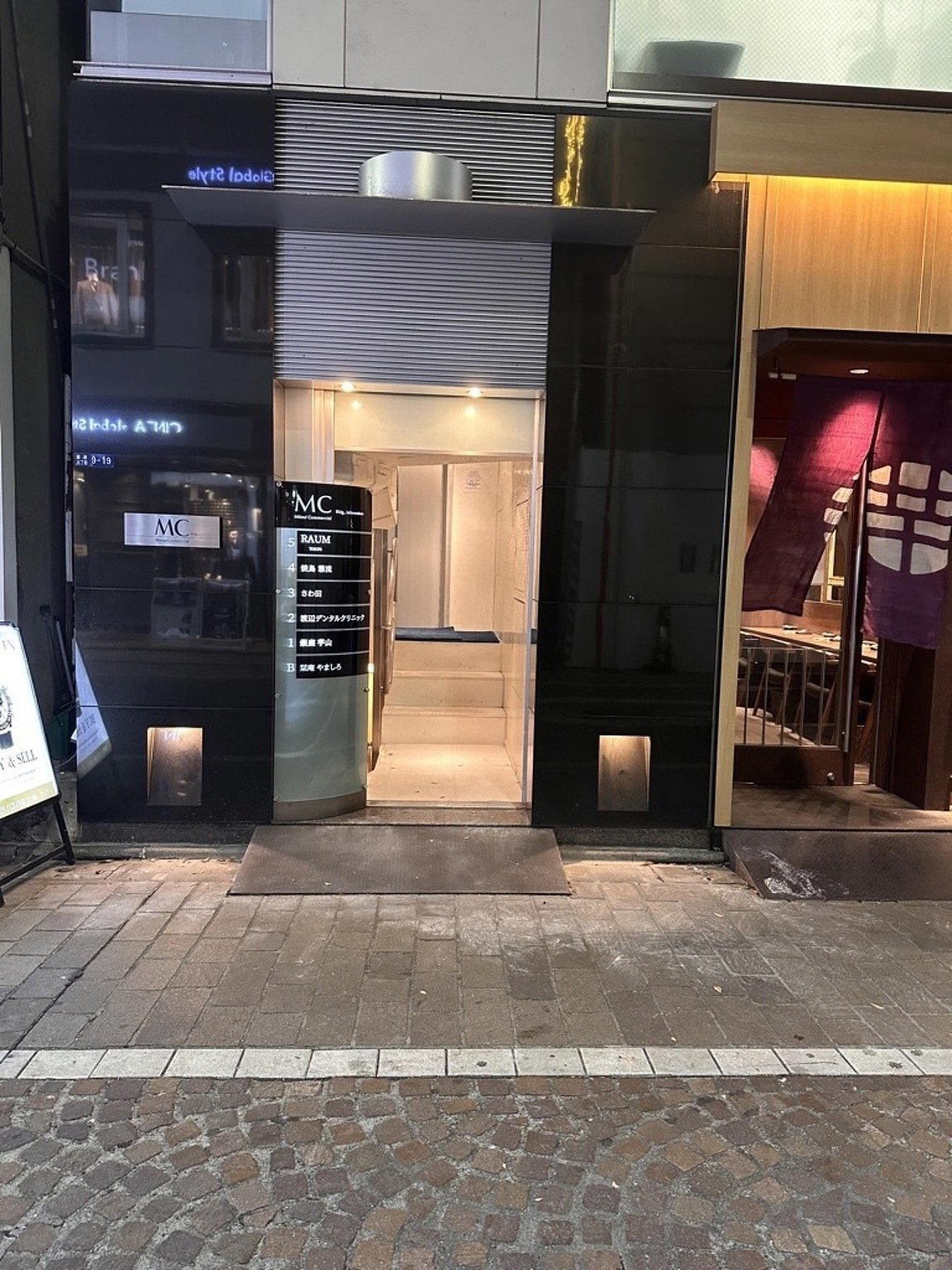
Located in Tsukiji's 第5銀座ウェストビル building in Chuo-ku, 鮨処やまと occupies a neighbourhood long defined by its proximity to Japan's most storied fish market. The restaurant sits within Tokyo's mid-tier sushi circuit, where the traditions of the trade district inform both sourcing culture and the rhythm of service. Booking ahead is advisable for any serious visit.

Pearl is the En Primeur Club membership app — saves, bookings, and concierge access live there. Same editors, same standards.
- Address
- 築地3-7-2 (第5銀座ウェストビル 1F), 中央区, 東京都, 104-0045
- Directions
- Get directions
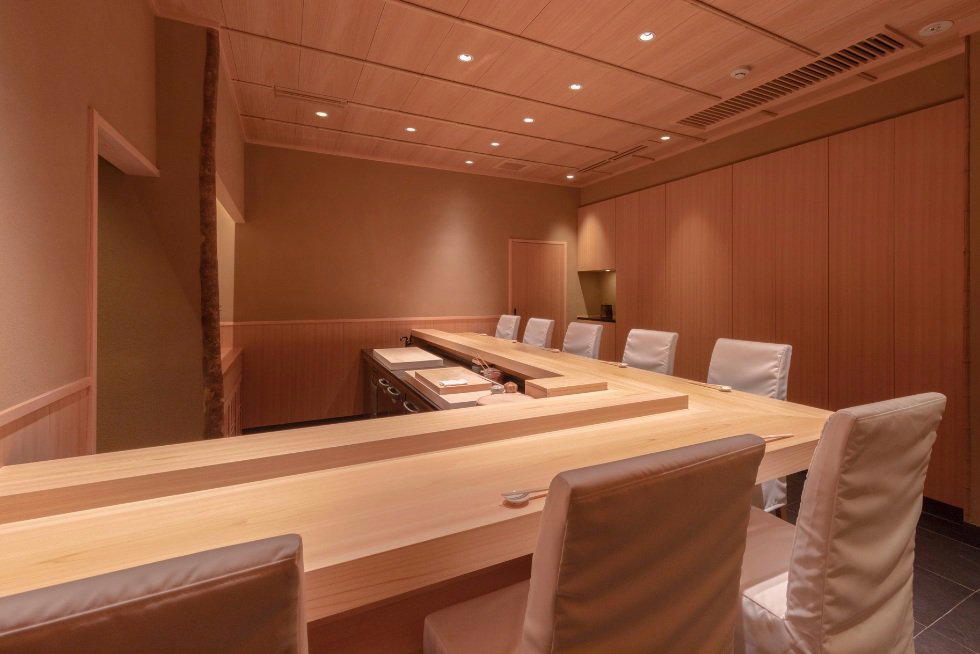
The menu
What to order
- コハダ
- 煮ホタテ
- 牡蠣の海苔和え
Tsukiji's Sushi Tradition and Where 鮨処やまと Fits
Tokyo's sushi scene has never been a single market. It layers from the allocation-gated omakase counters of Ginza and Azabu, where seats at places like Harutaka require months of forward planning and price at the top of the city's restaurant tier, down through neighbourhood sushi-ya that draw on district identity rather than critical prestige. Tsukiji, in Chuo-ku, belongs firmly to the latter tradition. The area's identity as a sourcing hub has shaped its restaurants in specific ways: proximity to the former outer market still pulls professional buyers, wholesale relationships, and a particular insistence on fish literacy that distinguishes the district from, say, the star-chasing circuit of Minato.
鮨処やまと, addressed at 築地3-7-2 in the 第5銀座ウェストビル building, operates inside this geography. The Tsukiji address is not incidental; it places the restaurant in a competitive set defined less by Michelin recognition and more by sourcing credibility and repeat trade, which in this district carries its own form of authority.
The Role of Wine and Drinks in Tokyo's Sushi Rooms
The editorial angle worth pressing here is the drinks programme, because Tokyo's sushi circuit has been quietly recalibrating its relationship with wine over the past decade. At the higher end of the city's omakase tier, sommeliers and sake directors now operate as co-equal contributors to the dining structure. Counter restaurants at the ¥¥¥¥ tier, including Harutaka and the kaiseki-adjacent programmes at RyuGin, increasingly treat the drinks list as a signal of curatorial intent rather than a supplement to the food.
The movement toward wine pairing in sushi contexts reflects a broader shift in how Tokyo's premium dining rooms position themselves internationally. French-trained and France-adjacent kitchens like L'Effervescence and Sézanne have helped normalise deep cellar programmes as part of the fine-dining contract in Tokyo, and that influence has moved laterally into Japanese formats. Even at the more accessible mid-tier, the expectation that a serious sushi room will carry considered sake and at minimum a curated short wine list has become a baseline, not a differentiator.
For neighbourhood sushi-ya in Tsukiji, the drinks story tends to be structured around sake geography rather than wine depth, which suits the district's professional-market character. The appropriate pairing vocabulary in this context is regional: junmai from Niigata or Yamagata alongside leaner white fish, aged honjozo with fatty cuts, and the occasional umeshu or shochu for those outside the sake tradition.
Positioning Against Tokyo's Broader Dining Circuit
It is worth mapping 鮨処やまと against the full range of Tokyo's serious restaurant scene, because the city's dining geography is unusually stratified. At the top tier, the French-Japanese intersection has produced some of the most technically demanding menus in Asia. Crony represents the newer wave of innovative French cooking working within Tokyo's cosmopolitan frame, while RyuGin holds the kaiseki anchor in Roppongi. These are restaurants where reservation windows stretch months out and where the drinks list is a considered financial commitment in its own right.
Tsukiji sushi-ya operate in a different register entirely. The value proposition is competence and sourcing proximity, not theatrical progression or sommelier-led cellar depth. That distinction matters for the reader making a practical choice about where a particular evening should go. If the objective is to eat technically serious sushi in a district that has sustained fish culture for over a century, Tsukiji delivers on that premise at price points that rarely reach the ¥¥¥¥ ceiling. If the objective is a structured tasting experience with a managed wine or sake pairing arc, the comparison set shifts toward the Ginza and Azabu omakase counters.
Restaurants beyond Tokyo also offer useful calibration. HAJIME in Osaka and Gion Sasaki in Kyoto illustrate how Japan's broader fine-dining circuit handles the relationship between regional identity and international culinary ambition. Closer to Tokyo's own outer-circuit tradition, places like Goh in Fukuoka show how serious technique survives outside the Michelin-dense metropolitan core. In Nara, akordu represents a different kind of regional ambition entirely, running European wine depth through a Japanese seasonal framework. For those assembling a wider Japan itinerary, 一本木 佐川制 in Nanao and 大仙山乃 in Sapporo round out the regional picture, while 湖辺庵 in Takashima and 羽根屋 in Nishikawa Machi offer rural context. In Sakai, Birdland and Bistro Ange in Toyohashi speak to the vitality of Japan's smaller-city dining circuits.
For international reference, the relationship between sourcing proximity and restaurant identity has parallels in other traditions. Le Bernardin in New York City built its authority on fish procurement discipline long before critical recognition reinforced it, and Atomix, also in New York, shows how Korean fine dining can use a structured progression format to reframe what a tasting counter can be. These are not direct comparisons to a Tsukiji neighbourhood sushi-ya, but they illustrate how sourcing culture and format discipline tend to be the lasting foundations of serious restaurants, regardless of geography or price tier.
Planning a Visit
鮨処やまと is located at 築地3-7-2 in the 第5銀座ウェストビル building, ground floor, in Chuo-ku, Tokyo 104-0045. Tsukiji Station on the Tokyo Metro Hibiya Line is the nearest access point. The Tsukiji Outer Market, which remains active for retail and prepared food despite the wholesale operations having relocated to Toyosu in 2018, sits within walking distance and sets the early-morning character of the neighbourhood. Visiting the market before or after a sushi meal in the area is consistent with how the district's restaurants have always been used by professionals and serious food travellers alike. For a wider view of Tokyo's dining options across all categories and price tiers, our full Tokyo restaurants guide maps the city's scene in detail.
Frequently asked questions
Where exactly is 鮨処やまと?
鮨処やまと is located at 築地3-7-2 (第5銀座ウェストビル 1F), 中央区, 東京都, 104-0045, Tokyo.
How does 鮨処やまと compare to Ginza omakase counters, and is it suitable for first-time visitors to Tokyo sushi?
Located in Tsukiji's Chuo-ku rather than the high-entry-cost corridors of Ginza or Azabu, 鮨処やまと sits in a district where the sushi tradition is older and less mediated by international reservation platforms. That positioning generally makes Tsukiji counters more accessible for visitors who want proximity to the source — the market district itself — without the months-ahead booking windows common at Ginza's three-star rooms.
What should I eat at 鮨処やまと?
The venue sits in Tsukiji, one of Tokyo's most historically significant fish-market districts, which means proximity to some of the city's most consistent seafood supply lines. Given the address in Chuo-ku, expect a menu shaped by what the district's traders bring in — nigiri courses and seasonal seafood preparations are the format this neighbourhood has sustained for generations.
Do I need a reservation for 鮨処やまと?
Tsukiji sushi counters at the serious end of the district typically operate with limited seats and some form of reservation system. Checking through local platforms such as Tableall or Pocket Concierge, or asking your hotel concierge, is the most reliable route to securing a table.
What is 鮨処やまと known for?
鮨処やまと occupies a ground-floor space in the 第5銀座ウェストビル at 築地3-7-2 in Chuo-ku, placing it squarely within the Tsukiji dining corridor that has long served as Tokyo's working counterpoint to the allocation-gated omakase rooms of Ginza and Azabu. The venue's identity is rooted in that neighbourhood tradition — sushi grounded in the rhythms and supply networks of one of the city's most storied fish-market areas.
Peers You’d Cross-Shop
| Venue | Cuisine | Price | Awards | Notes |
|---|---|---|---|---|
| 鮨処やまとThis venue — the venue you are viewing | Edomae Sushi Omakase | $200–300 | Not listed | Not listed |
| Harutaka | Edo-Style Omakase Sushi | $200–300 | 3 Michelin Stars · World's 50 Best #76 | Sushi |
| L'Effervescence | Modern French with Japanese Influences | $200–300 | 3 Michelin Stars · World's 50 Best #69 | French |
| RyuGin | Modern Kaiseki | $500+ | 3 Michelin Stars · World's 50 Best #41 | Kaiseki, Japanese |
| Crony | Modern French with Japanese Influences | $150–200 | 2 Michelin Stars · World's 50 Best #34 | Innovative, French |
| Florilège | Modern French-Japanese Plant-Based Fine Dining | $50–100 | 2 Michelin Stars · World's 50 Best #31 | French |