
Omotesando’s yakiniku scene sits between fashion-district polish and Tokyo’s exacting beef culture, where ventilation, service rhythm, and cut selection matter as much as name recognition. Yakiniku Ushigoro Omotesando ten brings the Ushigoro group’s beef-focused format to Jingumae, with Tabelog 100 Yakiniku Tokyo 2025 recognition, 63 seats, private rooms, sommelier service, and a drinks program spanning sake, shochu, wine, and cocktails.
Pearl is the En Primeur Club membership app — saves, bookings, and concierge access live there. Same editors, same standards.
- Address
- Japan, 〒150-0001 Tokyo, Shibuya, Jingumae, 5 Chome−50−3 2F
- Phone
- +81 3-3400-4129
- Website
- ushigoro.com
 Saves & bookings on Pearl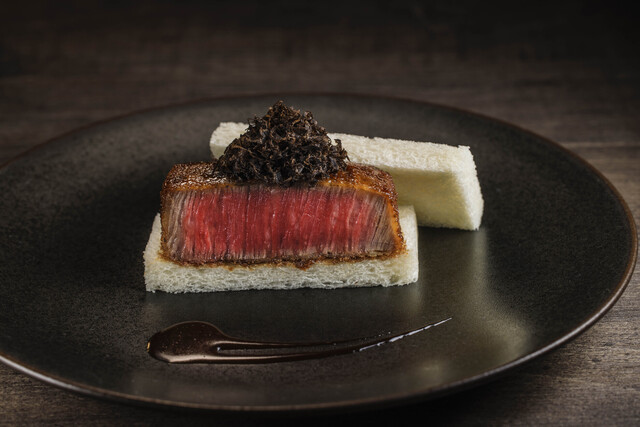
Approaching Jingumae-side Omotesando, the restaurant district shifts: glass boutiques give way to second-floor dining rooms, discreet elevators, and diners who want beef without smokehouse rough edges. In Tokyo, yakiniku has two identities: casual, beer-led, grill-your-own; and a controlled urban format where service, ventilation, sourcing discipline, and wine move grilled beef into polished dining. Yakiniku Ushigoro Omotesando ten belongs to the latter.
That matters because premium Tokyo yakiniku is not just marbling. Strong rooms treat beef as texture and cooking choice: lean cuts need restraint, fattier cuts heat management, offal confidence, and sauce can sharpen or flatten the meal. Sustainability appears practically, not as slogan. A restaurant serious about steak, yakiniku, and tripe works across more of the animal than a filet-only luxury model. In a city where beef dining can become a narrow display of fat, tripe signals space for lesser-acclaimed cuts if kitchen and service keep the experience coherent.
Omotesando polish meets Tokyo's beef-counter discipline
Omotesando suits this yakiniku because the neighbourhood understands controlled luxury. Nearby dining spans pastry and café culture at PIERRE HERME PARIS Aoyama and CENTRE THE BAKERY Aoyama ten to French dining at Benoit, ブノワ, and TWO ROOMS. Against that backdrop, a beef-focused room must read differently from a backstreet grill. The draw is precision, privacy, and a setting for a business dinner, family meal, or date night without turning the grill into theatre.
Recognition gives the format firmer footing. Selection for Tabelog 100 Yakiniku Tokyo 2025 places the restaurant inside a curated Tokyo beef category rather than the city’s general dining mass. Its Tabelog score of 3.62 is not a Michelin-style verdict, but in Japan’s restaurant culture it is useful when read with category-specific selection. The venue also appeared in Tabelog 100 Yakiniku Tokyo selections for 2022, 2023, and 2024, and Tabelog Grill Tokyo 2024, suggesting sustained relevance in a crowded field, not a single-year spike.
The Ushigoro group context matters as infrastructure, not personality. Multi-branch groups can dilute a format when expansion outruns standards; they can also improve consistency through procurement, training, and service systems. The Omotesando branch sits in a network including Yakiniku Ushigoro, USHIGORO S. Yakiniku Hormone, Ushigoro Bambina, and related concepts. For a beef restaurant, that scale can support supply discipline and cut utilization across formats.
Why the drinks list matters at a modern yakiniku table
Tokyo yakiniku has matured beyond the default beer-and-highball model. Sake and shochu remain natural companions for grilled beef, but wine service changes pacing. A sommelier-supported program, especially one described as particular about wine, points to pairings that handle fat, smoke, tare, salt, and offal without collapsing into sweetness or oak. At this tier, the bottle list is also part of the restaurant’s sustainability logic: a considered beverage program can encourage slower, more deliberate ordering rather than volume-driven excess.
The menu categories tell a clearer story than any invented signature dish would. Yakiniku, steak, and tripe define the operating range. Steak gives a direct luxury signal, yakiniku gives diners grill control, and tripe broadens the conversation to texture and whole-animal eating. In Tokyo, where diners are fluent in specialty formats, that range is a sharper credential than a vague promise of premium beef.
There is also a cultural difference between Western steakhouse abundance and Japanese yakiniku sequencing. A steakhouse often builds drama through scale: large cuts, large sides, large bottles. Yakiniku builds drama through calibration. The meal advances by cut, heat, sauce, and tempo. A room with 63 seats and private rooms for smaller groups can support intimate meals and group dining, but the stronger use case is a table willing to follow sequence rather than treat the grill as background entertainment.
Where it fits in a Tokyo dining plan
For travellers building a Tokyo itinerary, this is not the same decision as chasing a tiny sushi counter or chef-led kaiseki room. It is more social, with structure and flexibility for mixed groups. The family-friendly policy, non-smoking room, and private-room availability broaden the audience beyond the late-night yakiniku stereotype. The lack of parking is normal for Omotesando; the address near Omote-sando Station makes it a rail-first plan, usually cleaner in this part of Shibuya.
The sustainability angle should stay honest. This is beef dining, and beef carries a higher environmental cost than many restaurant categories. The responsible question is not whether luxury yakiniku can be impact-free, but whether the format uses the animal carefully, avoids wasteful excess, and values cuts beyond obvious status pieces. In that frame, tripe, a sommelier-led beverage structure, and category-specific reputation point toward a more disciplined version of the genre.
Readers comparing Tokyo dining styles can place this meal alongside other grill and comfort formats rather than only against luxury restaurants. For broader planning, Our full Tokyo restaurants guide maps the city’s dining range, while nearby or contrasting references include . 鮪と炭火焼き うお炭 秋葉原店, 12/10 Shinjuku ten, 124. KAGURAZAKA (Yakitori), 2D Cafe, and 3 Chome no Curry Ya San. For non-restaurant planning, see Our full Tokyo hotels guide, Our full Tokyo bars guide, Our full Tokyo wineries guide, and Our full Tokyo experiences guide.
Japan’s broader beef and casual-dining map adds contrast. -Grilled beef Sukiyaki- KAMAKURA TANUKIAN 鎌倉 たぬき庵 in Kamakura frames beef through sukiyaki rather than grill work, while.cafe in Osaka.know in Kumamoto, (Shoku) Vietnam in Kawasaki, [Curry Senmon Ten] Maruyama Kyoju. in Sapporo, and [ki:] in Kyoto show regional dining choices shifting from specialist comfort to chef-driven rooms. Outside Japan, Jōdo Saké Bar in Los Angeles and Onigiri Time in Pasadena remind us Japanese dining abroad often isolates a single category, while Tokyo rewards formats that refine a category from within.
The critical read is clear. Yakiniku Ushigoro Omotesando ten is for diners who want yakiniku with polish, wine literacy, and category recognition, not those seeking a rough charcoal counter or vegetarian-led meal. Its place in Omotesando makes sense: controlled, socially flexible, and calibrated for beef dining where grill details carry as much weight as the grill itself.
Comparable Spots
Comparable venues for cuisine and category context.
| Venue | Cuisine | Price | Notes |
|---|---|---|---|
| Yakiniku Ushigoro Omotesando tenThis venue — the venue you are viewing | Wagyu Yakiniku | $$$$ | Not listed |
| Kyoaji (京味) | Traditional Kyoto-Style Kaiseki Omakase | $$$$ | Shinbashi |
| Sushi Mitani (鮨 三谷) | Edomae-style Omakase | $$$$ | Yotsuya |
| Yakatabune Izanagi | Wagyu Omakase on Tokyo Bay Yakatabune | $$$$ | Shinagawa |
| Yakiniku Ushigoro Nishiazabu | Premium Yakiniku (Japanese BBQ) | $$$$ | Minato |
| 恵比寿えんどう | Edomae Omakase Sushi | $$$$ | Shibuya |
Recognition history
Dated appearances from independent guides and award organizations, with the underlying list record or original source where available.
Tabelog 100 #58 · No. 58
Tabelog · Tabelog 100 - Yakiniku - TOKYO - 2025













At a Glance
- Elegant
- Sophisticated
- Modern
- Intimate
- Date Night
- Business Dinner
- Group Dining
- Special Occasion
- Standalone
- Sake Program
Current opening hours
- Monday
- 5–11:30 PM
- Tuesday
- 5–11:30 PM
- Wednesday
- 5–11:30 PM
- Thursday
- 5–11:30 PM
- Friday
- 5–11:30 PM
- Saturday
- 11:30 AM–11:30 PM
- Sunday
- 11:30 AM–11:30 PM
Hours can change for holidays and private events. Last verified .
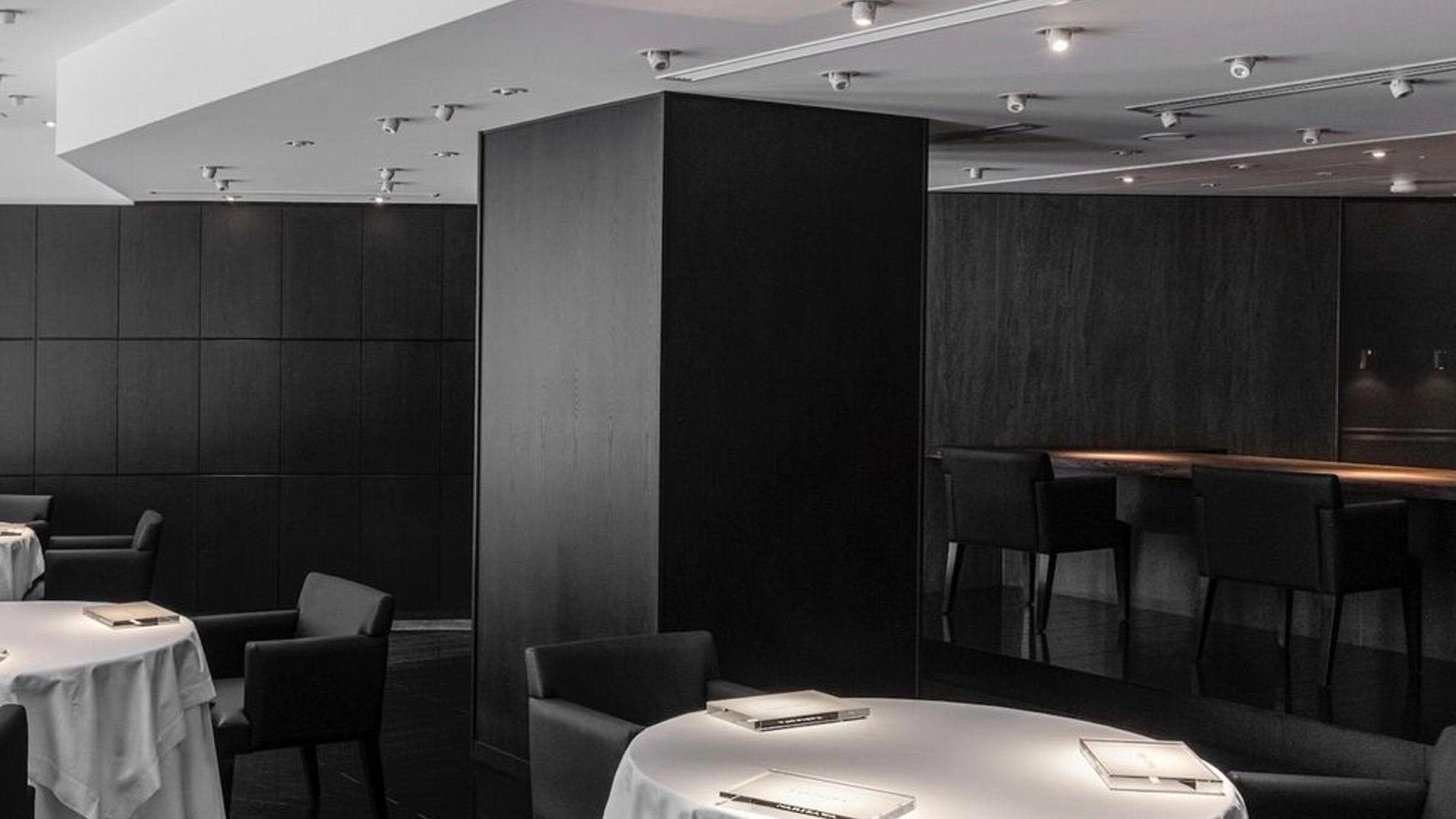
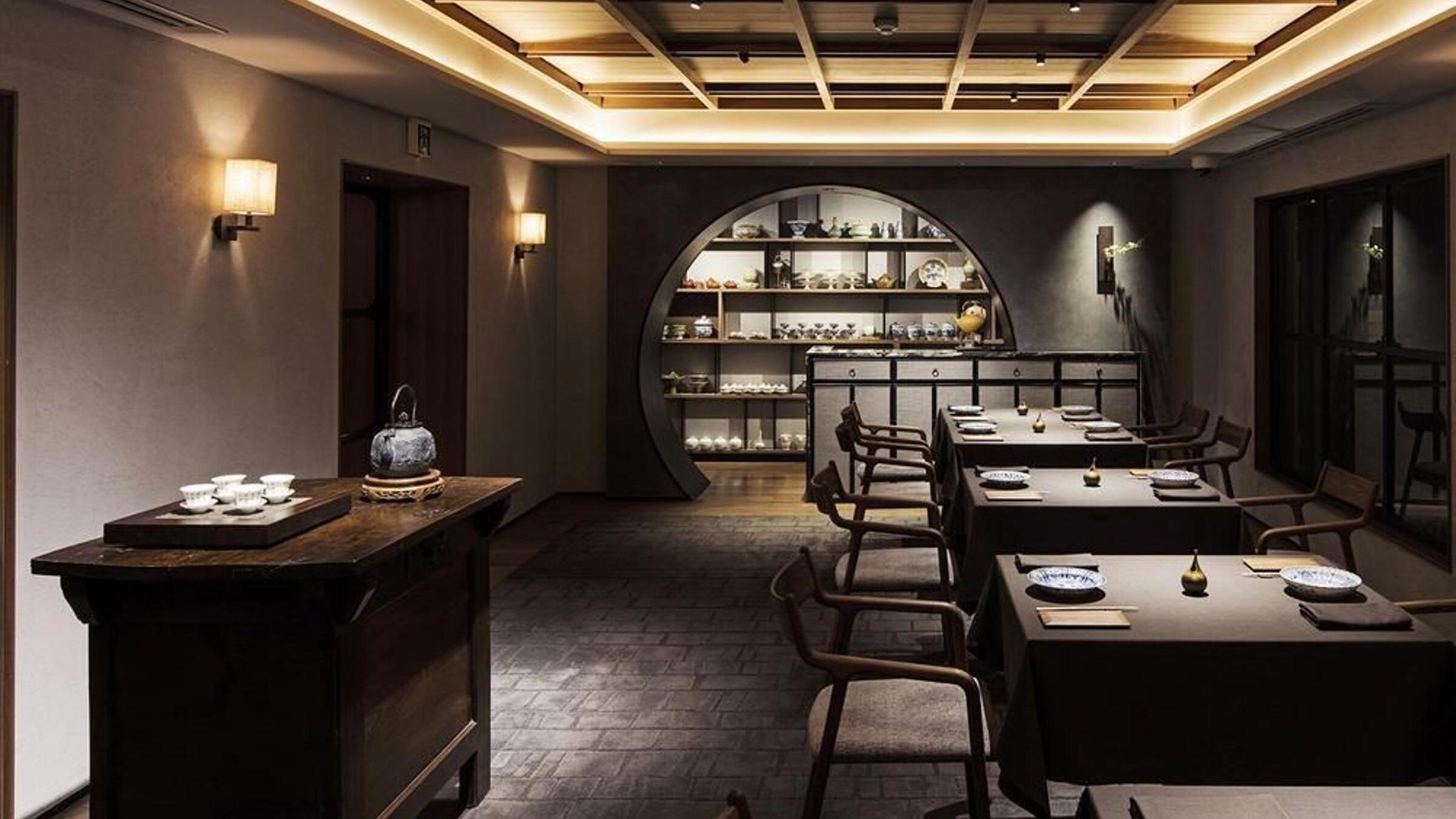
A polished, upscale yakiniku atmosphere centered on premium beef and course-style dining, with a refined urban feel rather than a casual barbecue setting.