
A Ginza sukiyaki and shabu-shabu address shaped around private-room dining rather than counter spectacle. Ningyocho Imahan Ginza ten brings a Tabelog 100 Hot Pot 2024 selection, a 38-seat room plan, and a drinks range that covers sake, shochu, and wine, placing it in Tokyo’s formal hot-pot tier rather than the city’s faster casual beef restaurants.
Pearl is the En Primeur Club membership app — saves, bookings, and concierge access live there. Same editors, same standards.
- Address
- 東京都中央区銀座6-8-7 交詢ビル 5F
- Phone
- +81335715333
- Website
- imahan.com
 Saves & bookings on Pearl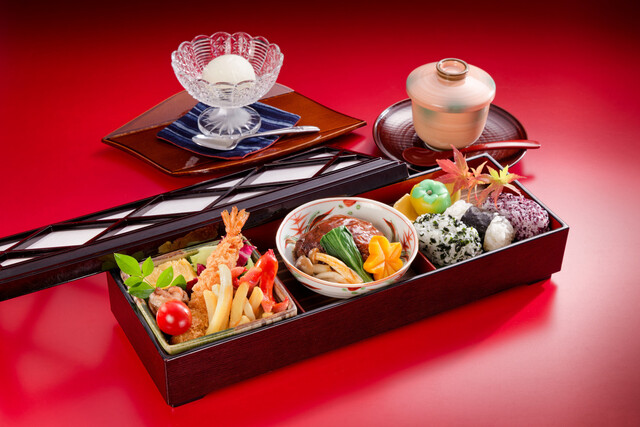
Ginza’s sixth-chome dining rooms often announce themselves quietly: an elevator, a polished corridor, a room that removes the street from the meal. At Ningyocho Imahan Ginza ten, that format matters as much as the beef. Sukiyaki and shabu-shabu are not background dishes here; they depend on pacing, table service, and the social grammar of private-room dining, where front-of-house carries much of the experience.
Tokyo’s serious hot-pot culture sits apart from its sushi-counter economy. The meal is less about a chef performing across a narrow counter than coordination: kitchen sourcing and preparation, dining-room timing, and drinks that keep sake, shochu, or wine aligned with sweet soy, broth, and beef fat. That division of labour gives the genre its formality: reserved without stiffness, ceremonial without theatre.
Ningyocho Imahan Ginza ten belongs to that formal bracket. Its 2024 Tabelog 100 Hot Pot selection places it in a curated national conversation around sukiyaki and shabu-shabu, while its Ginza address puts it among restaurants where occasion dining, corporate entertaining, and family meals overlap. Nearby comparisons run sideways rather than vertically: Spanish dining at ZURRIOLA, Chinese banquet-room energy at Akasaka Rikyu Ginza ten, yakitori at Ginza Torishige, and sushi at Sushi Aoki: Ginza each answer different questions about a polished Ginza meal.
Ginza hot pot is a dining-room discipline, not a kitchen monologue
Sukiyaki and shabu-shabu reward restraint differently from kappo or omakase. Craft is distributed: the kitchen sets ingredients and sauces, service manages rhythm, and drinks handle sweetness, umami, steam, and fat without overwhelming the table. The category suits Ginza, a neighbourhood long comfortable with meals where privacy, pacing, and staff fluency are part of the value.
The restaurant’s categories are tightly defined: sukiyaki, shabu-shabu, and steak. That focus matters because Tokyo’s premium beef restaurants can drift into broad menus that dilute their purpose. Here, expectations stay clear. This is not a late-night izakaya or chef-led tasting menu; it belongs to seated beef service, where room and table handling carry equal weight with the cooking format.
The Tabelog 100 Hot Pot 2024 recognition is the cleanest trust signal. Tabelog’s Hyakumeiten lists are category-specific, so the award places the restaurant among sukiyaki and shabu-shabu specialists, not merely Ginza restaurants with expensive interiors. Its listed 3.65 score also positions it in a Japanese review culture where increments matter, especially in established categories with deep local competition.
That context explains why Ningyocho Imahan Ginza ten should not be judged against every high-priced restaurant nearby. Akasaka Rikyu Ginza ten works in a Chinese banquet register; Kiyoda Annex and Sushi Aoki: Ginza sit closer to sushi; Ginza Torishige turns toward yakitori’s grill-led intimacy. The useful question is not “which is grander,” but which format suits the occasion. For beef hot pot in a private-room frame, the decision is precise.
Private rooms shift the centre of gravity toward service
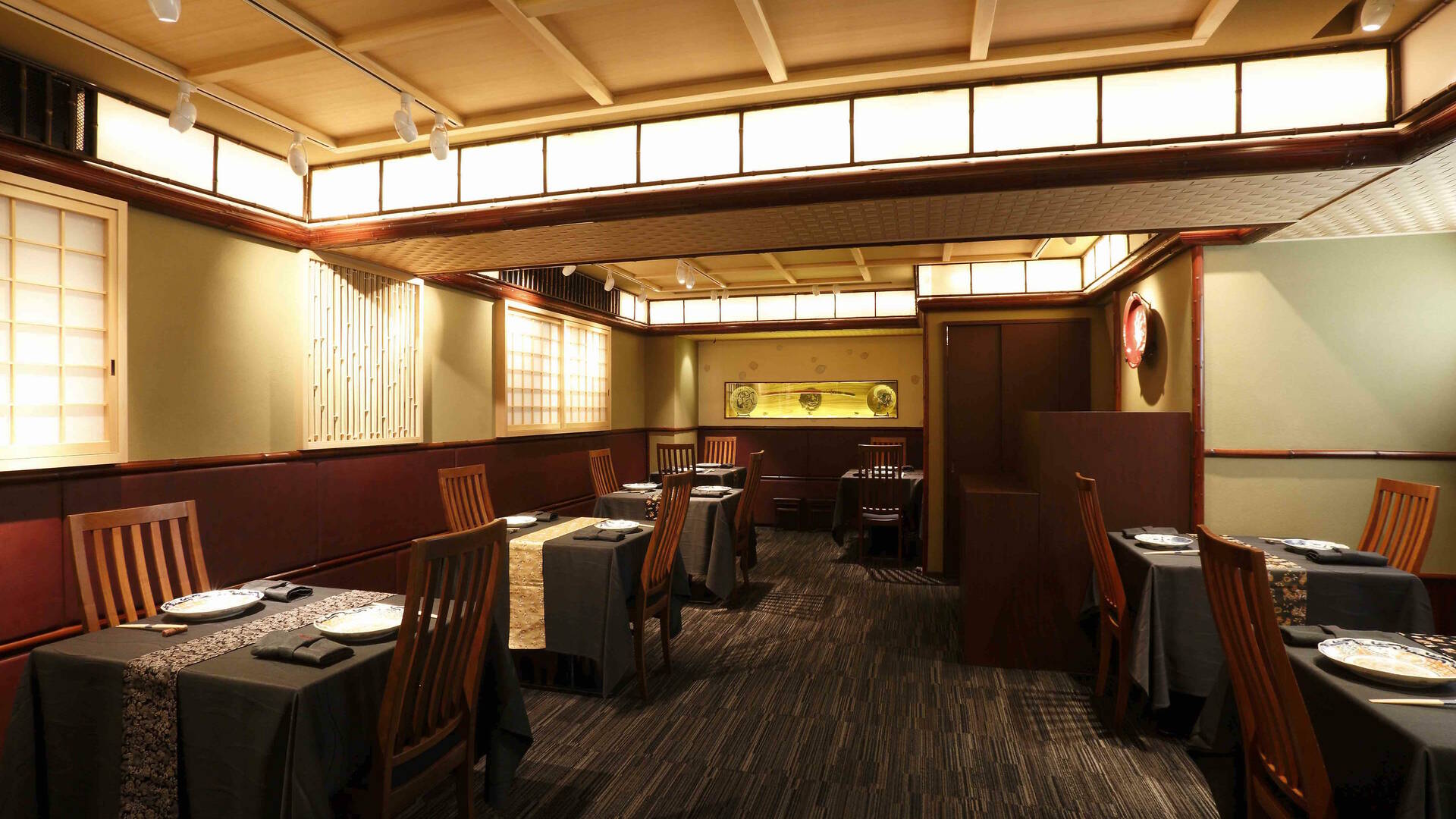
The 38-seat scale is compact enough to avoid anonymity, while private rooms for two and four suit conversations that would feel exposed at a counter. In Tokyo, that distinction matters. Omakase often asks diners to join a visible ritual; private-room sukiyaki lets the table become its own unit. Front-of-house becomes the meal’s visible operator, setting pace and handling the transitions that define the format.
That team dynamic is the restaurant’s central editorial point. No named chef is needed for the room to make sense. In hot-pot dining, the handoff between kitchen, drinks, and service determines whether the meal feels measured or mechanical. Drinks categories, sake, shochu, and wine, suggest a programme supporting different approaches to the same beef-led structure: rice-polish clarity, distilled sharpness, or wine’s acid and tannin. The point is not breadth alone, but enough range for sweetness and richness.
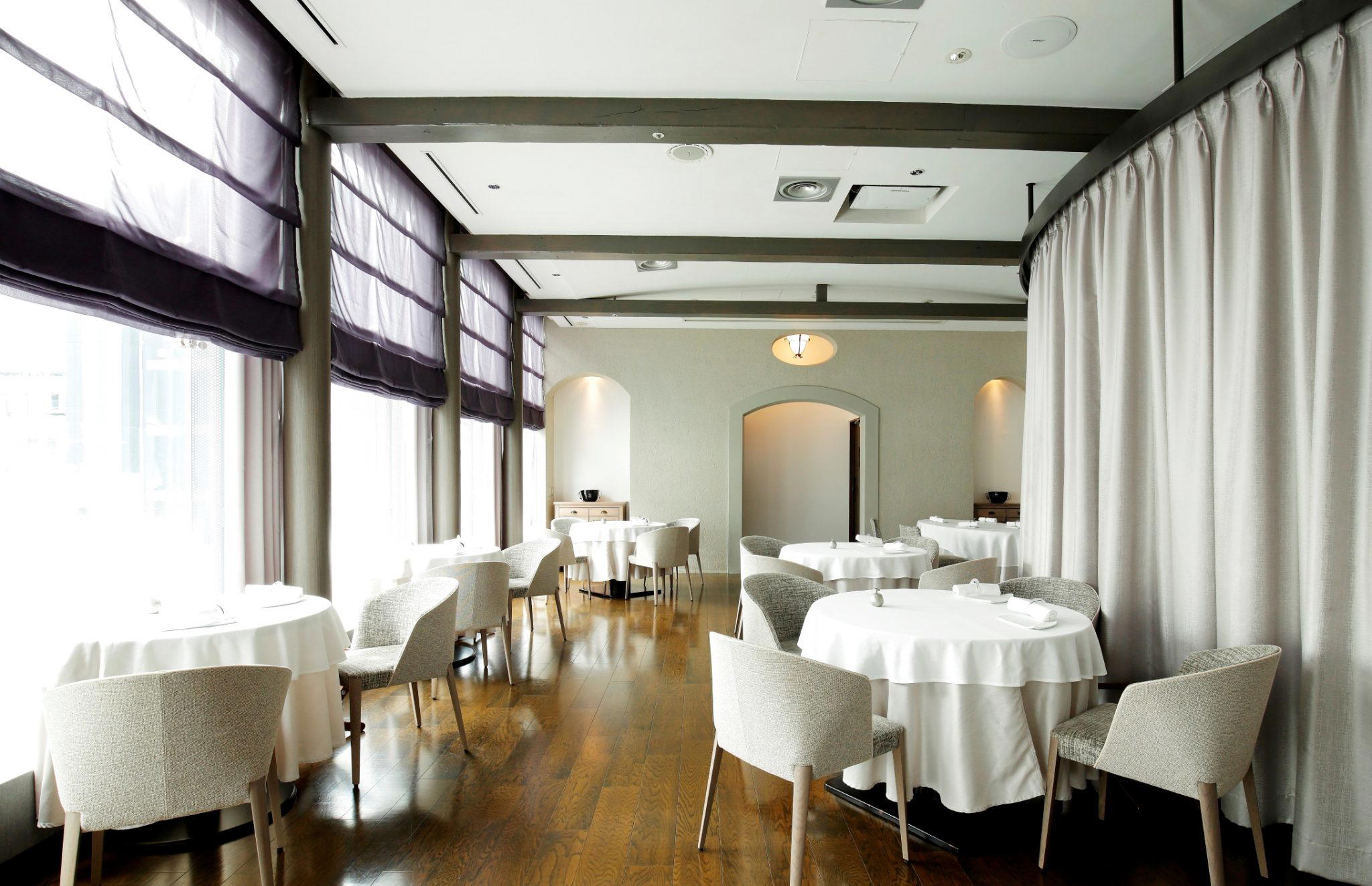
Ginza has plenty of spectacle, but the sukiya-style room language here points to calm. Tatami-room elements and non-smoking service reinforce controlled formality. The restaurant also works for family occasions as well as adult entertaining: children are welcome, and a kids menu is listed, while the setting remains firmly within Ginza’s polished dining code.
For broader Tokyo planning, separate this meal from the city’s faster, louder pleasures. Use Our full Tokyo restaurants guide to place it beside casual counters, curry shops, and seafood rooms, then Our full Tokyo bars guide for a post-dinner drink rather than extending the meal at the table. For city structure beyond dinner, Our full Tokyo hotels guide, Our full Tokyo experiences guide, and Our full Tokyo wineries guide help separate Ginza’s formal rhythm from other Tokyo itineraries.
How to place it inside a Tokyo eating itinerary
The smarter Tokyo itinerary does not stack premium meals by price alone; it alternates formats. Pair a Ginza hot-pot room with something looser and more immediate, such as. 鮪と炭火焼き うお炭 秋葉原店, 12/10 Shinjuku ten, 124. KAGURAZAKA (Yakitori), 2D Cafe, or 3 Chome no Curry Ya San. The contrast clarifies what Ginza is doing: not more intensity, but more structure.
Japan’s beef traditions travel well across cities and regions, making this address a reference point rather than a standalone trophy. -Grilled beef Sukiyaki- KAMAKURA TANUKIAN 鎌倉 たぬき庵 in Kamakura gives the category a coastal-city counterpoint, while [ki:] in Kyoto.cafe in Osaka.know in Kumamoto, (Shoku) Vietnam in Kawasaki, and [Curry Senmon Ten] Maruyama Kyoju. in Sapporo show how Japanese cities frame comfort, craft, and occasion differently. For Japanese flavours abroad, Jōdo Saké Bar in Los Angeles and Onigiri Time in Pasadena sit in another cultural register but underline how much context changes the same appetite.
The planning takeaway is simple: use this restaurant when the occasion calls for privacy, beef-led formality, and a service-forward meal in Ginza. It is less compelling as a quick add-on between appointments and more persuasive as a deliberate evening anchor. The award supplies external validation; the stronger reason to go is the way the format lets kitchen, drinks, and dining room operate as one system.
Accolades, Compared
Comparable venues at similar price and category levels.
| Venue | Cuisine | Price | Notes |
|---|---|---|---|
| Ningyocho Imahan Ginza tenThis venue — the venue you are viewing | Traditional Wagyu Sukiyaki & Shabu-shabu | $$$$ | Not listed |
| Sushi Sho | Traditional Edomae Sushi Omakase | $$$$ | Nishiazabu |
| 鉄板焼 赤坂 | Luxury Japanese Teppanyaki with Wagyu & Skyline Views | $$$$ | Akasaka |
| Japanese Restaurant "Ginza Tsuru" Tokyo / Wagyu Shabu-shabu & Sukiyaki | Japanese Wagyu Shabu-Shabu & Sukiyaki | $$$$ | Chūō |
| Kitagawa | Modern Japanese Kappo | $$$$ | Chūō |
| Toku Uchiyama | Traditional Japanese Kaiseki | $$$$ | Chūō |
Recognition history
Dated appearances from independent guides and award organizations, with the underlying list record or original source where available.
Tabelog 100 #98 · No. 98
Tabelog · Tabelog 100 - Hot Pot - 2024


At a Glance
- Classic
- Elegant
- Intimate
- Sophisticated
- Well Known
- Special Occasion
- Celebration
- Date Night
- Business Dinner
- Group Dining
- Family
- Private Dining
- Design Destination
- Standalone
- Sake Program
- Extensive Wine List
- Local Sourcing
- Street Scene
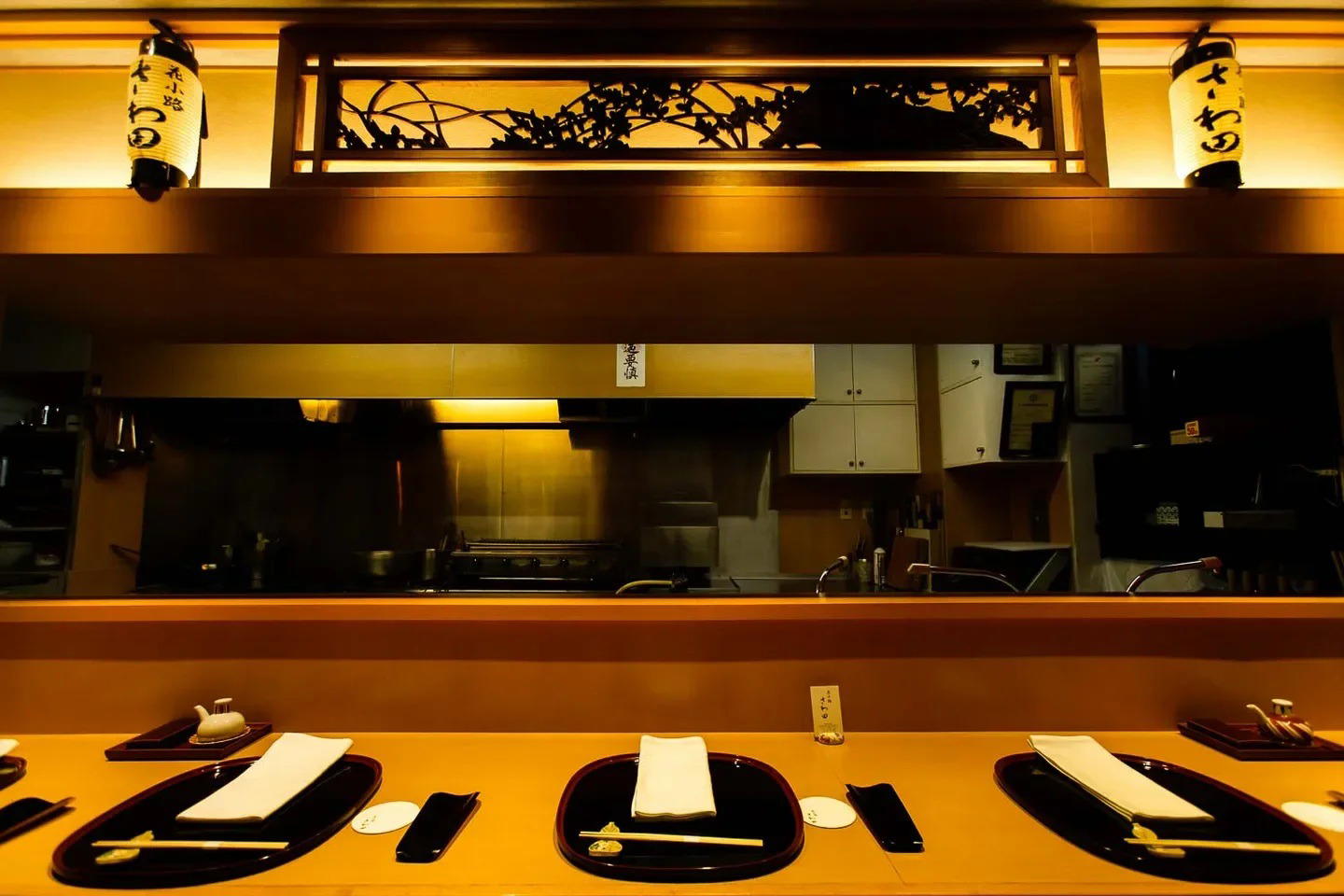
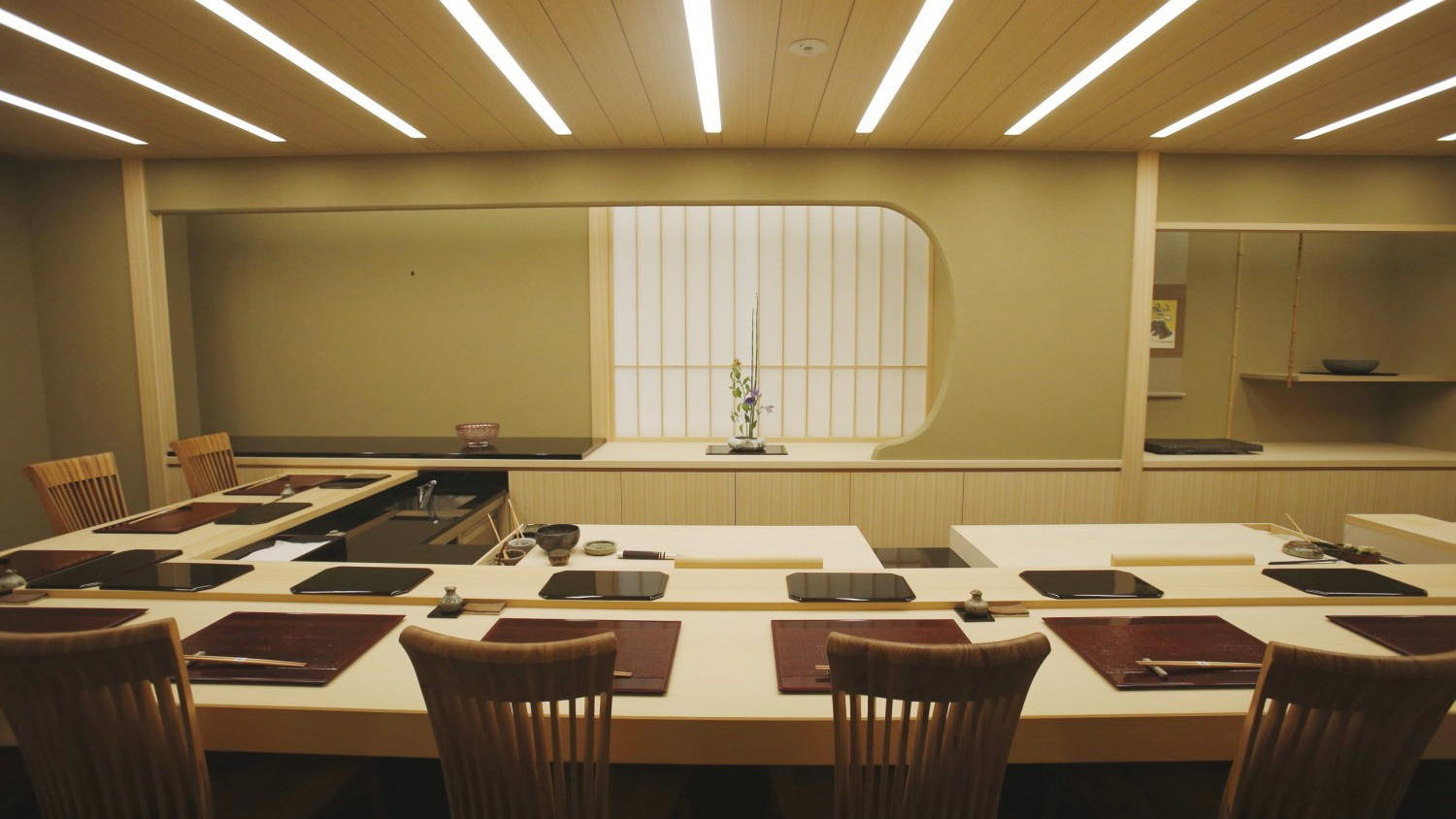
Refined and tranquil, with sukiya-style Japanese interiors, tatami rooms, and a calm, formal service style that feels special-occasion yet comfortable rather than stuffy.