In Shirokanedai, one of Tokyo's quieter residential pockets, アルシミスト occupies a position in the city's occasion-dining tier where atmosphere and format matter as much as the plate. The address alone signals intent: this is not a drop-in neighbourhood spot but a destination chosen deliberately, suited to milestone meals and the kind of evening that rewards advance planning.
 Discover on Pearl
Pearl is the En Primeur Club membership app — saves, bookings, and concierge access live there. Same editors, same standards.
- Address
- 5 Chome-17-10 Shirokanedai, Minato City, Tokyo 108-0071, Japan
- Phone
- +815031727314
- Website
- url
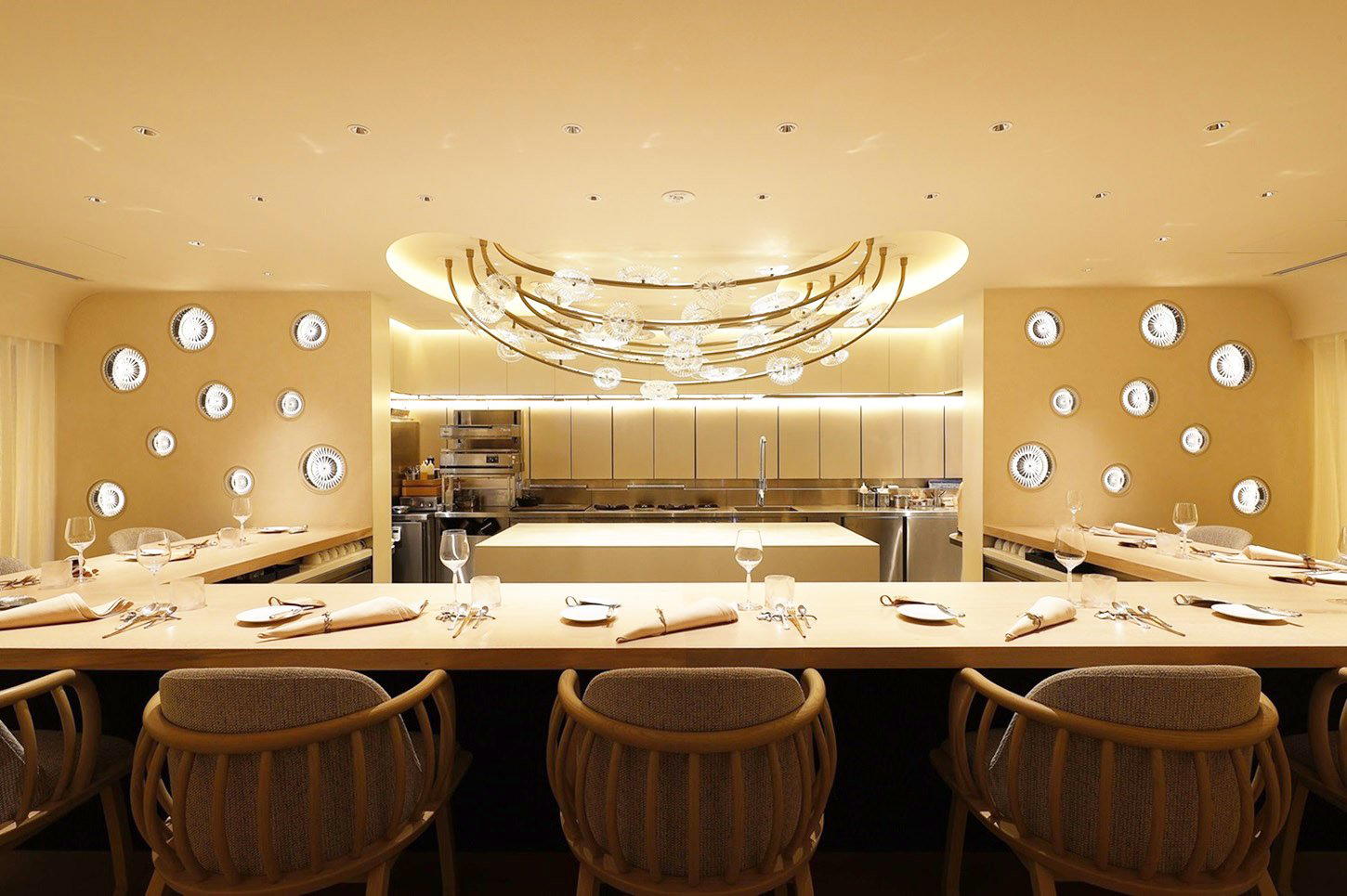
Shirokanedai and the Occasion-Dining Tier
Tokyo's fine-dining map has always rewarded those who look beyond the obvious Ginza and Minami-Aoyama corridors. アルシミスト is a Tokyo restaurant in Shirokanedai, serving Modern French with Japanese Seasonal Ingredients at a price point of about $185 per person. Shirokanedai, a residential stretch of Minato ward where embassies and low-rise apartment blocks share the same quiet streets, has long harboured serious restaurants precisely because the neighbourhood asks something of the visitor: you have to mean it. The decision to travel to Shirokanedai at 5 Chome-17-10 is, almost by definition, an intentional one, and that intentionality shapes the entire dining register before a course is served.
アルシミスト sits within this context. The name translates from French as "the alchemist," a framing device that situates the restaurant in a creative tradition rather than a geographic or ethnic one. In Tokyo's premium dining conversation, names borrowed from European alchemy or science tend to signal a particular kind of ambition: transformation of ingredient, category, or expectation. Venues operating under that rubric tend to position themselves at the intersection of technique and occasion, places chosen for anniversaries, career milestones, or the kind of dinner that a guest is expected to remember. That is the tier アルシミスト addresses.
How Occasion Dining Works in Tokyo's Current Market
The city's celebration-meal category has fragmented considerably over the past decade. At the top of the market, Michelin-starred kaiseki counters like RyuGin and destination French tables like L'Effervescence and Sézanne have consolidated around fixed menus, intimate seat counts, and multi-month booking windows. Below that, in a tier that is no less serious but operates with a slightly wider access point, restaurants have found space by emphasising atmosphere and the arc of the meal as much as any single credential.
This mid-to-upper occasion tier is precisely where the alchemical framing makes sense. Diners choosing a restaurant for a significant event are often balancing several considerations simultaneously: the gravitas of a Michelin address, the legibility of the cuisine to guests with varying reference points, the physical setting, and the ability to actually secure a reservation. A venue with a concept-led name and a Shirokanedai address enters that negotiation with a specific value proposition: considered, removed from the tourist circuit, and designed for an evening rather than a transaction.
For comparison, the leading omakase tier, represented locally by counters like Harutaka, requires sushi literacy and comfort with counter formality that not every celebration guest brings. The French-dominant tier, exemplified by Crony, leans further into technical cuisine than some milestone-meal contexts warrant. アルシミスト's framing suggests a different entry point, though the specifics of its menu and format remain an open question given the information currently available through public channels.
Reading the Address
Locating a restaurant at 5 Chome-17-10 Shirokanedai is itself an editorial statement in Tokyo's dining culture. The neighbourhood sits roughly between Meguro and Hiroo, two areas with strong concentrations of affluent long-term residents and a food culture that leans toward quiet sophistication rather than visible status. Restaurants here do not depend on foot traffic or proximity to a major station concourse. They depend on reputation, repeat custom, and word of mouth within specific social networks.
That dynamic shapes the atmosphere in ways that a Ginza address cannot replicate. The silence of the surrounding streets, the absence of competing signage, the need to navigate a residential block rather than step off an elevator into a tower restaurant: all of this compresses the dining experience into something more private. For occasion dining, that compression is often the point. The meal becomes the event, not merely part of a larger evening out.
Tokyo's broader regional dining scene rewards this kind of geographic specificity. Gion Sasaki in Kyoto operates on a similar premise: the neighbourhood's cultural weight does half the work before the kitchen begins. HAJIME in Osaka places itself in a residential pocket rather than a tourist corridor for analogous reasons. Across Japan, the restaurants that have most effectively built occasion-dining reputations tend to situate themselves where the setting reinforces seriousness. Akordu in Nara and Goh in Fukuoka follow the same logic in their respective cities.
Booking, Timing, and Planning an Occasion Visit
Planning a milestone meal in Tokyo at this tier requires a consistent approach regardless of the specific venue. Build at least four to six weeks of lead time into any reservation attempt, and extend that to three months for high-demand periods: late March and early April around cherry blossom season, Golden Week in late April and early May, and the December holiday window. Those periods compress availability across the entire occasion-dining market simultaneously.
The neighbourhood's residential character means arriving by taxi or private car is a more comfortable approach for celebration evenings, particularly in winter. Unlike venues anchored to major stations, a restaurant at this address does not have the infrastructure of an attached hotel or mall concourse to absorb waiting time, so arriving close to reservation time is the appropriate rhythm.
Guests who have dined at comparable European-inflected venues, whether Le Bernardin in New York or the Korean-French hybrid format of Atomix, will find the conceptual framing legible even before sitting down. That legibility matters when the dinner is hosting rather than purely personal.
Where アルシミスト Sits in the Wider Occasion Tier
Japan's restaurant culture beyond Tokyo's central wards rewards the same principles of intentional destination and neighbourhood gravity. Nanao's premium counter, this Sapporo address, this Takashima table, and this Nishikawa Machi destination all operate from the same premise: location as commitment. Birdland in Sakai and Bistro Ange in Toyohashi demonstrate how seriously Japan's regional cities take the occasion-dining format at the local level.
What connects them, and what connects アルシミスト to this broader tradition, is the shared understanding that a restaurant chosen for a significant occasion carries a different contract with its guests than a restaurant chosen for convenience. The kitchen's obligations expand. The atmosphere must justify the decision. The evening must close with the sense that the choice was right. The address and positioning point toward a serious occasion restaurant.
Cuisine and Awards Snapshot
Comparable venues nearby, for context on price, style, and recognition.
| Venue | Cuisine | Price | Awards | Notes |
|---|---|---|---|---|
| アルシミストThis venue — the venue you are viewing | Modern French with Japanese Seasonal Ingredients | $$$$ | , | |
| Four Seasons Hotel Tokyo at Otemachi | Contemporary French with Japanese Terroir | $$$$ | , | Chiyoda |
| ブノワ | French Bistro with Japanese Influences | $$$$ | , | Minato |
| レラン | Modern French Fine Dining | $$$$ | , | Shibuya |
| SOMBREUIL TOKYO | Classic French fine dining in a Tokyo mansion | $$$$ | , | Chiyoda |
| レテール | Modern French Seafood Counter Dining | $$$$ | , | Shinjuku |









At a Glance
- Elegant
- Intimate
- Sophisticated
- Hidden Gem
- Date Night
- Special Occasion
- Celebration
- Open Kitchen
- Chefs Counter
- Sommelier Led
- Local Sourcing
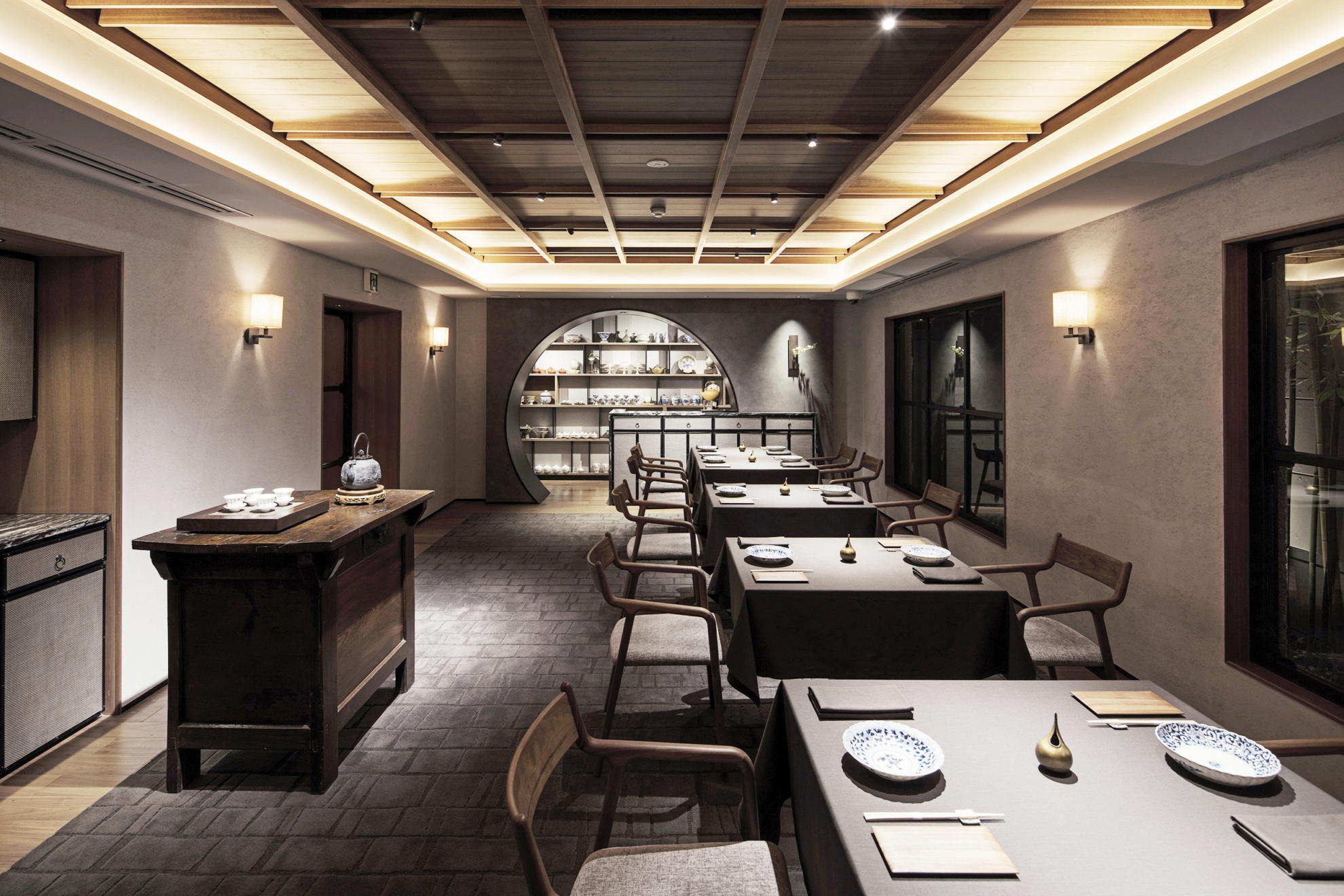
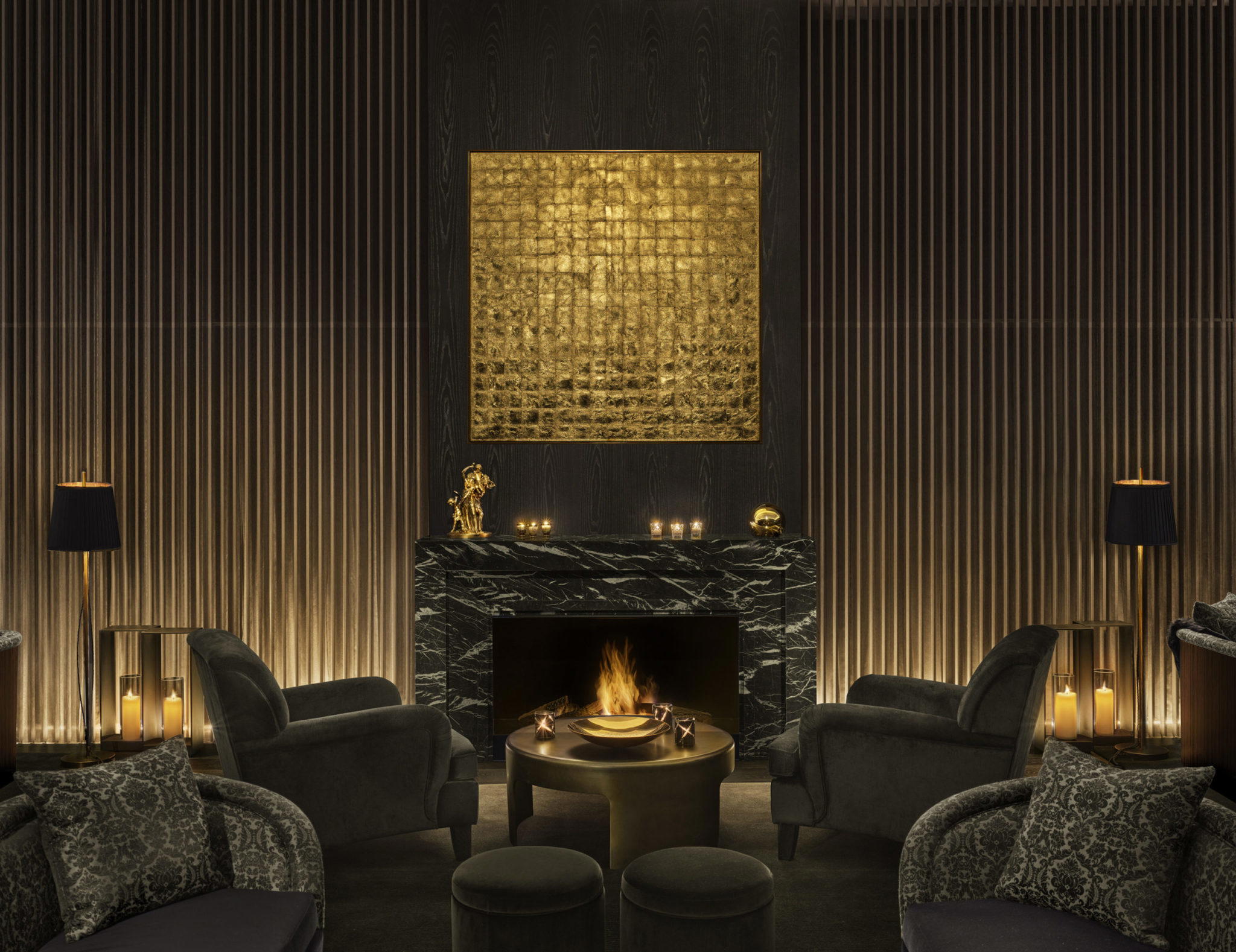
Classical and intimate setting with a vibrant open kitchen where guests can observe Chef Yamamoto and his team in action, featuring a heavy French door from approximately 100 years ago that invites diners into a refined world of gastronomy.