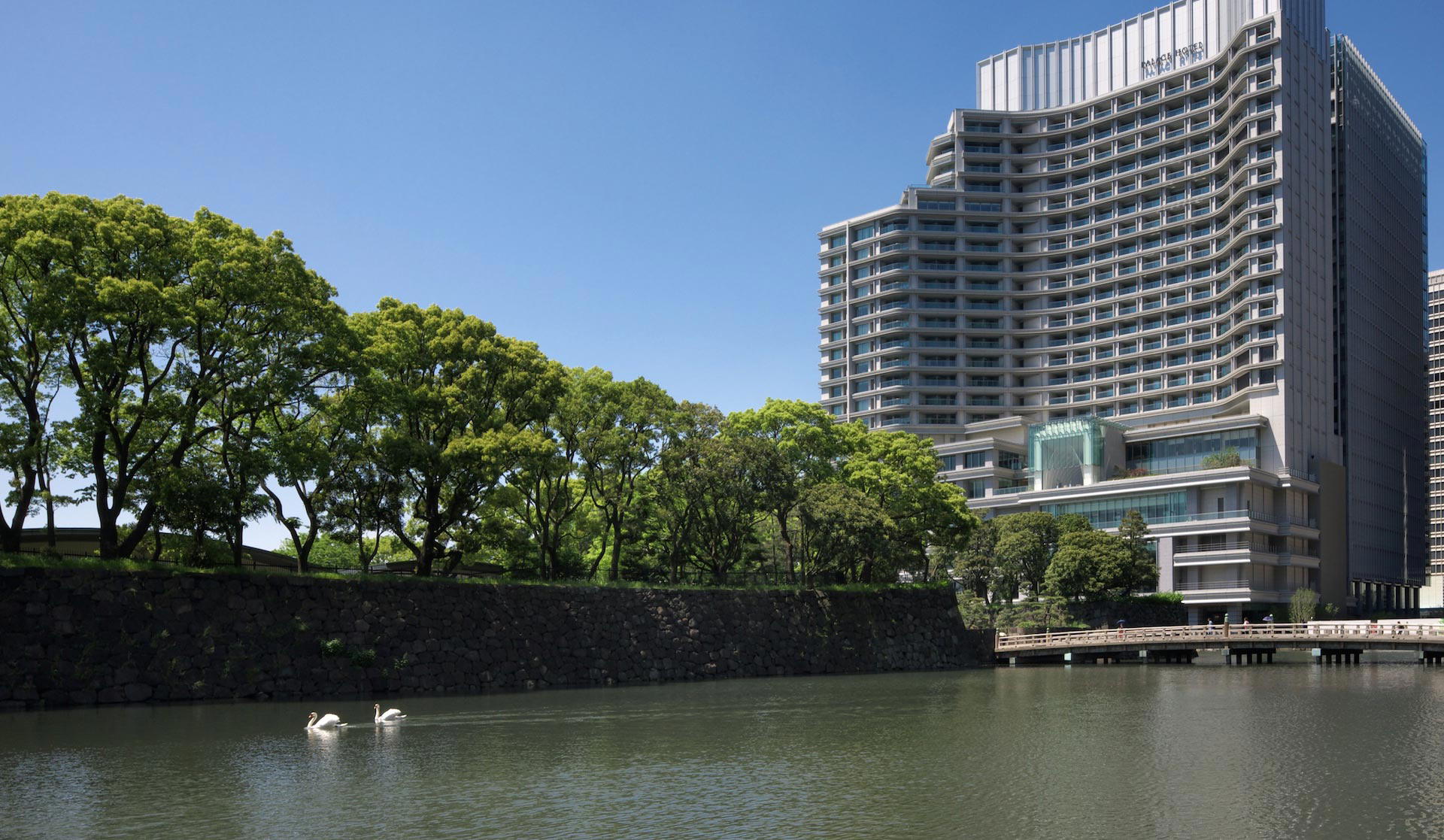
Four Seasons Hotel Tokyo at Otemachi rises above the financial district's dense skyline, positioning itself at the intersection of Tokyo's luxury hospitality tradition and modern high-rise design. Occupying the upper floors of a landmark tower in Chiyoda, it sits in a comparable set defined by polished service ratios, multiple dining outlets, and the kind of address that communicates institutional credibility to both leisure and corporate travellers.
Pearl is the En Primeur Club membership app — saves, bookings, and concierge access live there. Same editors, same standards.
- Address
- 1 Chome-2-1 Ōtemachi, Chiyoda City, Tokyo 100-0004, Japan
- Phone
- +81368100600
- Website
- fourseasons.com
- Directions
- Get directions
 Saves & bookings on Pearl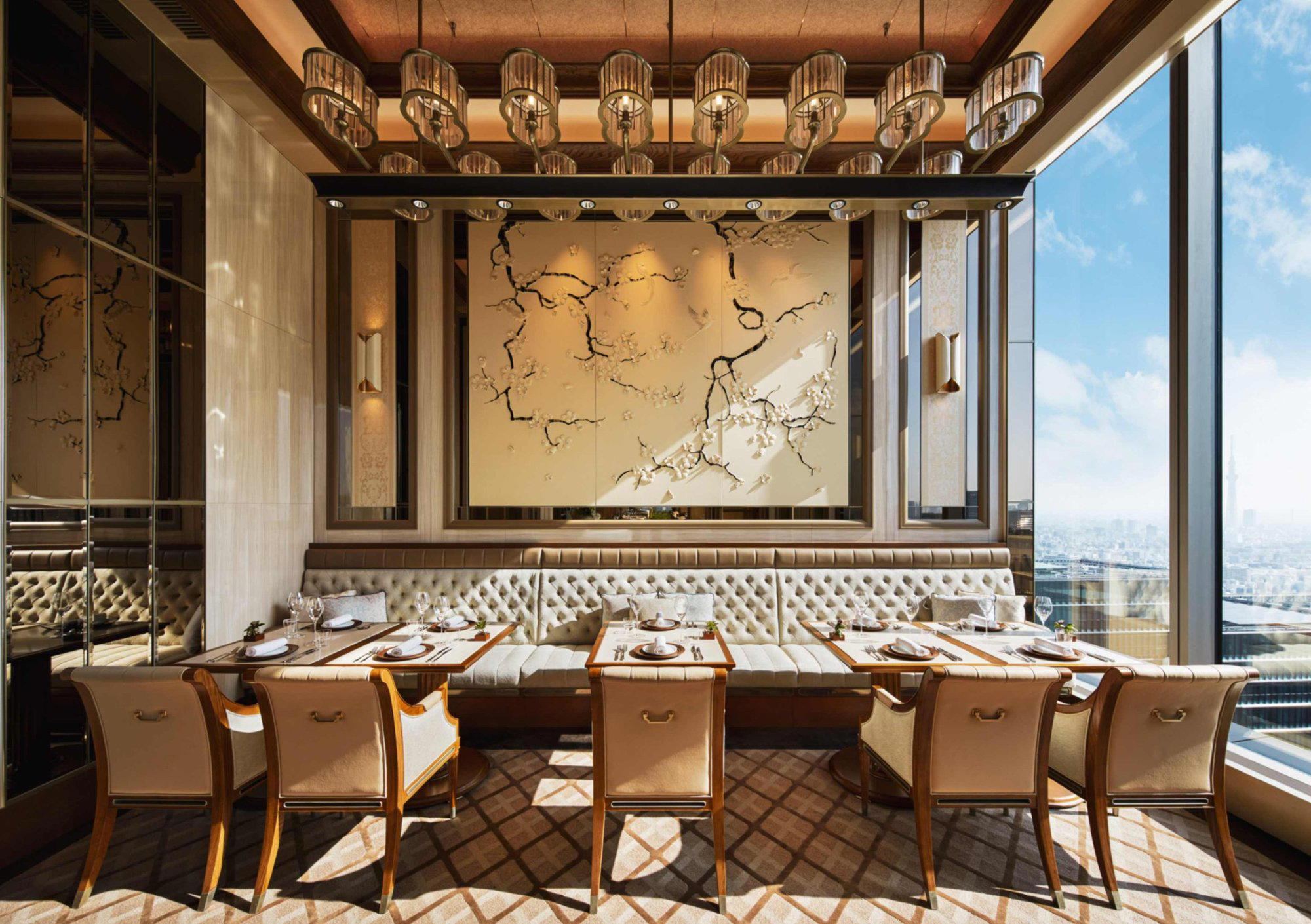
Above the Financial District: What Otemachi Says About Tokyo Luxury
Tokyo's luxury hotel market has reorganised itself around geography as much as brand. The Marunouchi-Otemachi corridor, anchored by the Imperial Palace gardens to the west and the Nihonbashi financial network to the east, has become the city's most concentrated zone for flagship properties targeting both multinational business travellers and high-end leisure visitors who want proximity to the city's institutional weight without sacrificing access to its cultural core.
Four Seasons Hotel Tokyo at Otemachi is a restaurant in Tokyo, Japan, at 1 Chome-2-1 Ōtemachi, Chiyoda City, serving contemporary French with Japanese terroir. It is rated 4.5 on Google and sits in the premium price tier. Chiyoda is the ward that contains the Imperial Palace, the National Diet, and the Supreme Court. Hotels here are not chosen casually. The address signals a particular kind of institutional trust that properties in Shinjuku or Shibuya, however well-regarded, do not carry in quite the same way.
The Cultural Weight of the Otemachi Address
Understanding why the Otemachi positioning matters requires some context about how Tokyo's financial and political geography developed. Unlike London's City or New York's Midtown, Tokyo's central business district never fully separated from its imperial and civic core. Otemachi remains a district where century-old corporate headquarters sit beside government ministries and cultural institutions, and where the surrounding streets fill at lunch with a specific class of professional, the kind who expects lunch to be taken seriously regardless of how brief the break. That dining culture, demanding in its way without the theatrical apparatus of a destination restaurant, has shaped what hotels in this corridor are expected to deliver across all their food and beverage outlets.
The Four Seasons brand's Tokyo presence is split across two properties: Marunouchi and Otemachi. The Otemachi hotel, the newer of the two, occupies a higher floor range in a taller tower, with views over the palace grounds that the Marunouchi property cannot replicate from its lower position. For guests comparing the two, the Otemachi address is not a substitution but a distinct product within the same brand, higher in the building, differently oriented toward the city below.
Tokyo's High-Rise Hotel Dining: How the Category Works
High-rise luxury hotels in Tokyo operate under a particular set of dining expectations that differ from their counterparts in Paris or New York. The city's standalone restaurant scene is so developed, Harutaka for sushi at the highest tier, RyuGin for kaiseki, L'Effervescence and Sézanne for French, that hotel restaurants must compete with an unusually dense field of independent alternatives. This forces properties at the Four Seasons tier to focus on a clear dining identity of their own. The hotels that have broken through this pattern, like the Mandarin Oriental Tokyo with its Michelin-starred Tapas Molecular Bar or the Park Hyatt's long-standing New York Grill, did so by committing to a format that the standalone scene could not easily replicate at scale.
Placing Otemachi in the Broader Japan Dining Circuit
The Otemachi station connects directly to major shinkansen hubs, making day trips or short stays in Osaka, Kyoto, and Fukuoka viable. For those moving through the country's wider culinary geography, the journey from Otemachi to HAJIME in Osaka or Gion Sasaki in Kyoto is measured in bullet-train hours rather than days. Further afield, Goh in Fukuoka and properties in smaller cities like akordu in Nara reward travellers who are willing to extend beyond the Tokyo-Kyoto axis. The domestic network also connects to less-visited prefectures: affetto akita in Akita, Aji Arai in Oita, Ajidocoro in Yubari District, Akakichi in Imabari, aki nagao in Sapporo, and Abon in Ashiya, all part of a regional dining circuit that rewards the kind of itinerary-building that a Tokyo base enables.
What to Know Before You Book
The Four Seasons Otemachi sits at the premium end of the Tokyo market. Spring (late March to early May) and autumn (October to November) are peak leisure seasons driven by cherry blossom and fall foliage respectively, and rates at this tier compress availability significantly during those windows. Business demand in the Otemachi corridor remains relatively stable year-round, which means the property rarely experiences the kind of off-season softness that affects leisure-only destinations.
Peers You’d Cross-Shop
Comparable venues nearby, for context on price, style, and recognition.
| Venue | Cuisine | Price | Notes |
|---|---|---|---|
| Four Seasons Hotel Tokyo at OtemachiThis venue — the venue you are viewing | Contemporary French with Japanese Terroir | $$$$ | Not listed |
| プレーガ トウキョウ | Modern French Seasonal Cuisine | $$$$ | Chiyoda |
| ル・サロン・プリべ | Modern French Fine Dining | $$$$ | Minato |
| サンプリシテ | Fish-Centric Modern French Omakase | $$$$ | Shibuya |
| レテール | Modern French Seafood Counter Dining | $$$$ | Shinjuku |
| ラチュレ | Seasonal French with Japanese Game Meats | $$$$ | Shibuya |








At a Glance
- Elegant
- Sophisticated
- Modern
- Scenic
- Date Night
- Business Dinner
- Special Occasion
- Celebration
- Open Kitchen
- Rooftop
- Panoramic View
- Hotel Restaurant
- Design Destination
- Sommelier Led
- Farm To Table
- Local Sourcing
- Sustainable Seafood
- Skyline
- Garden
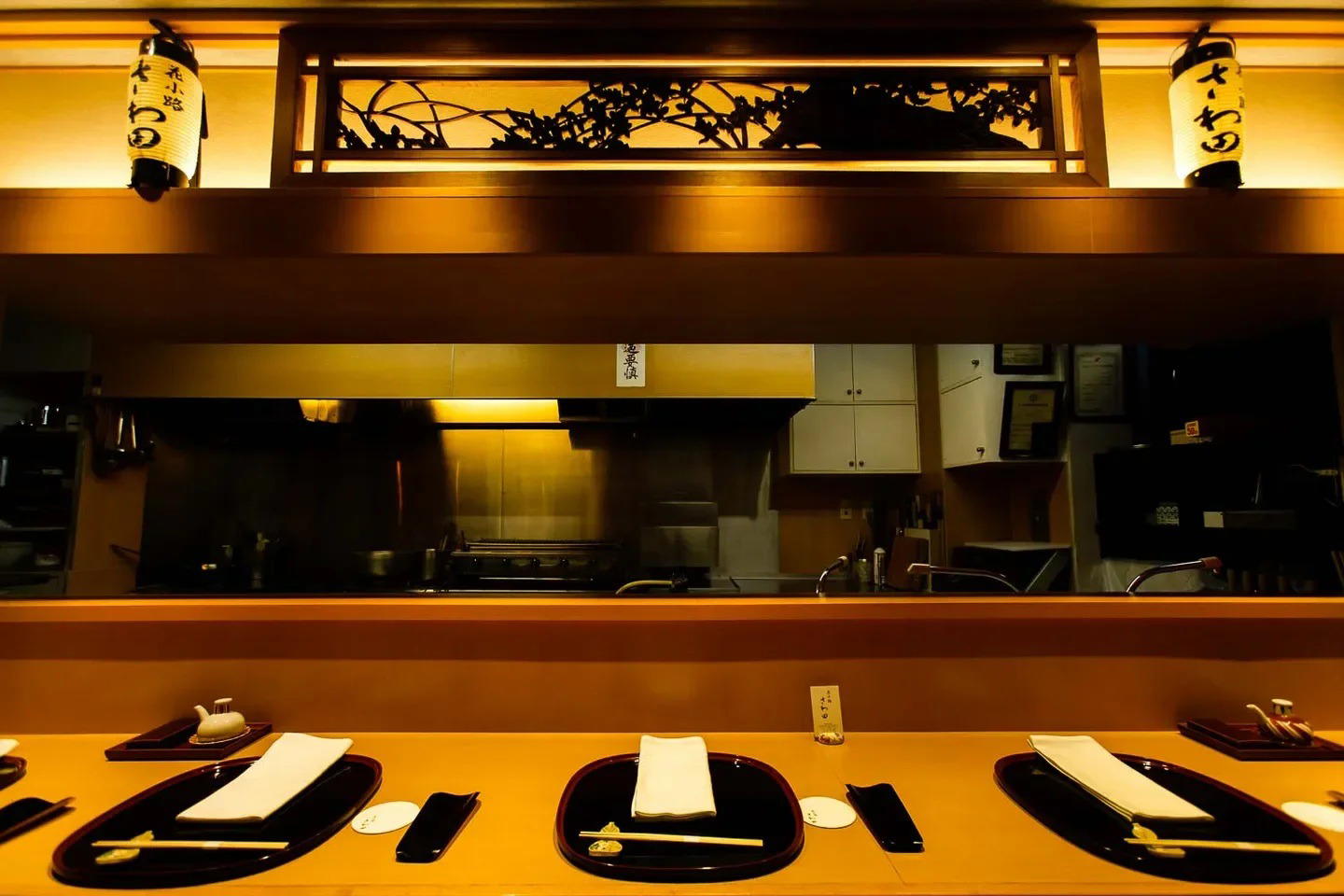
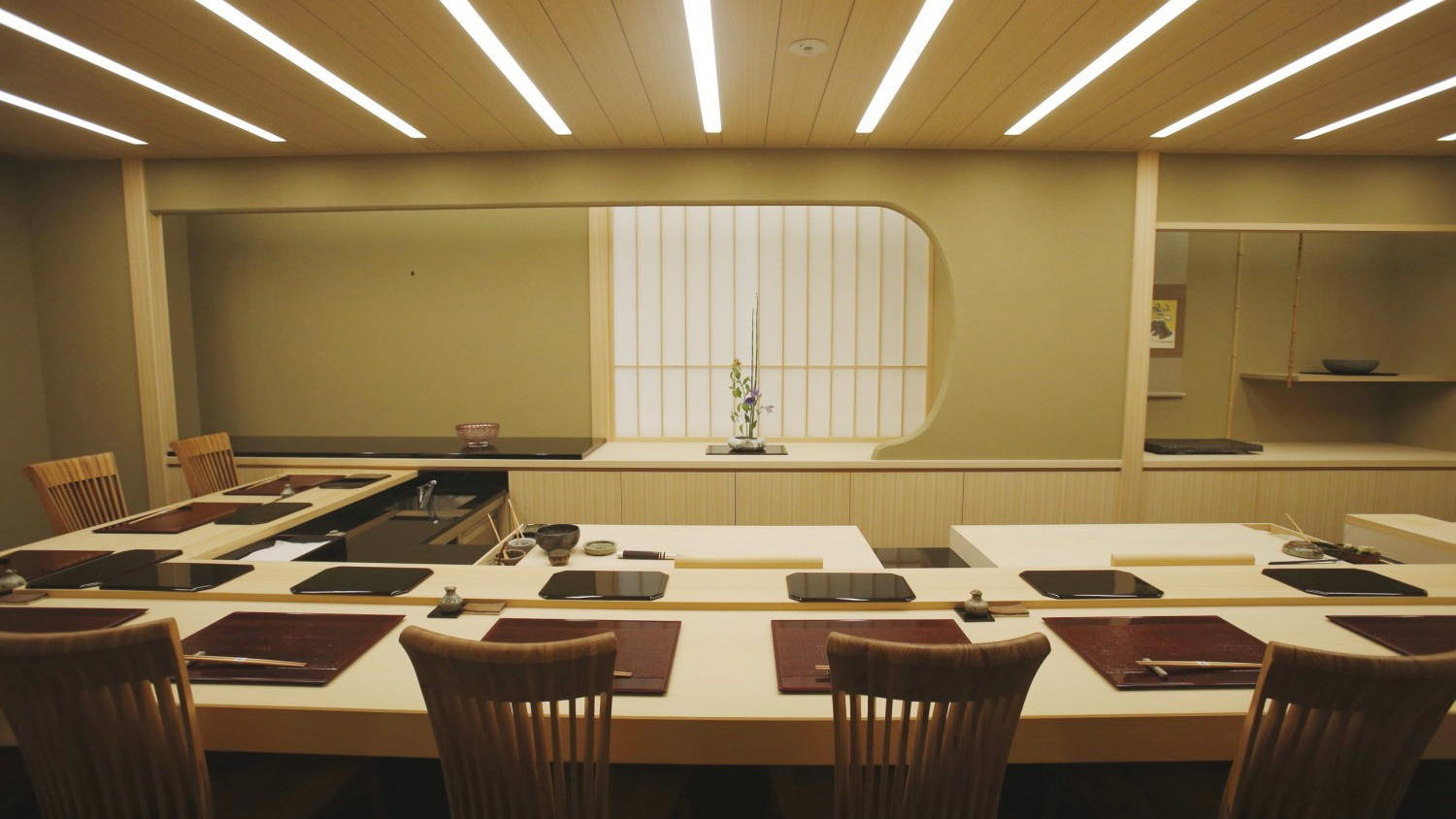
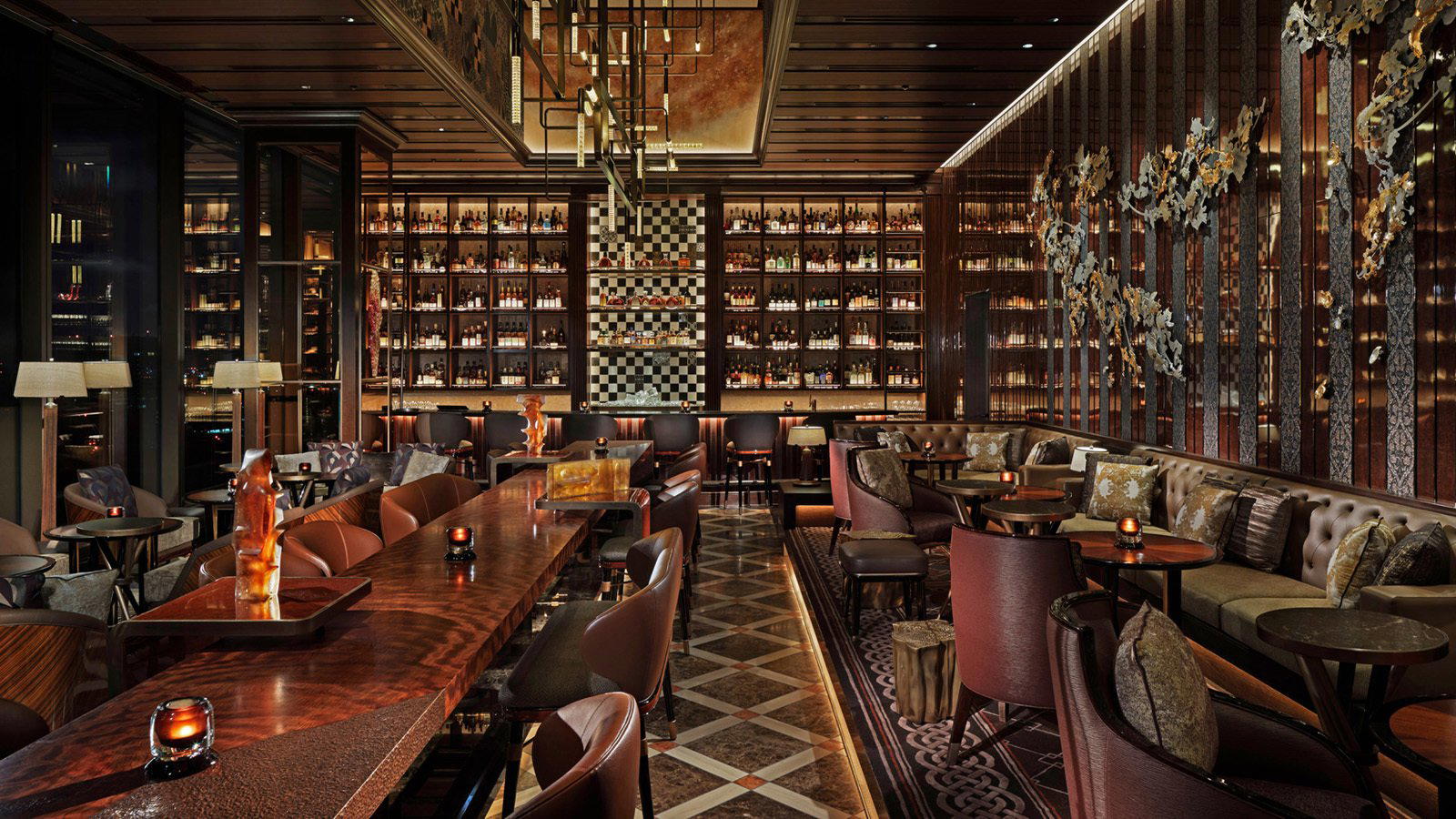
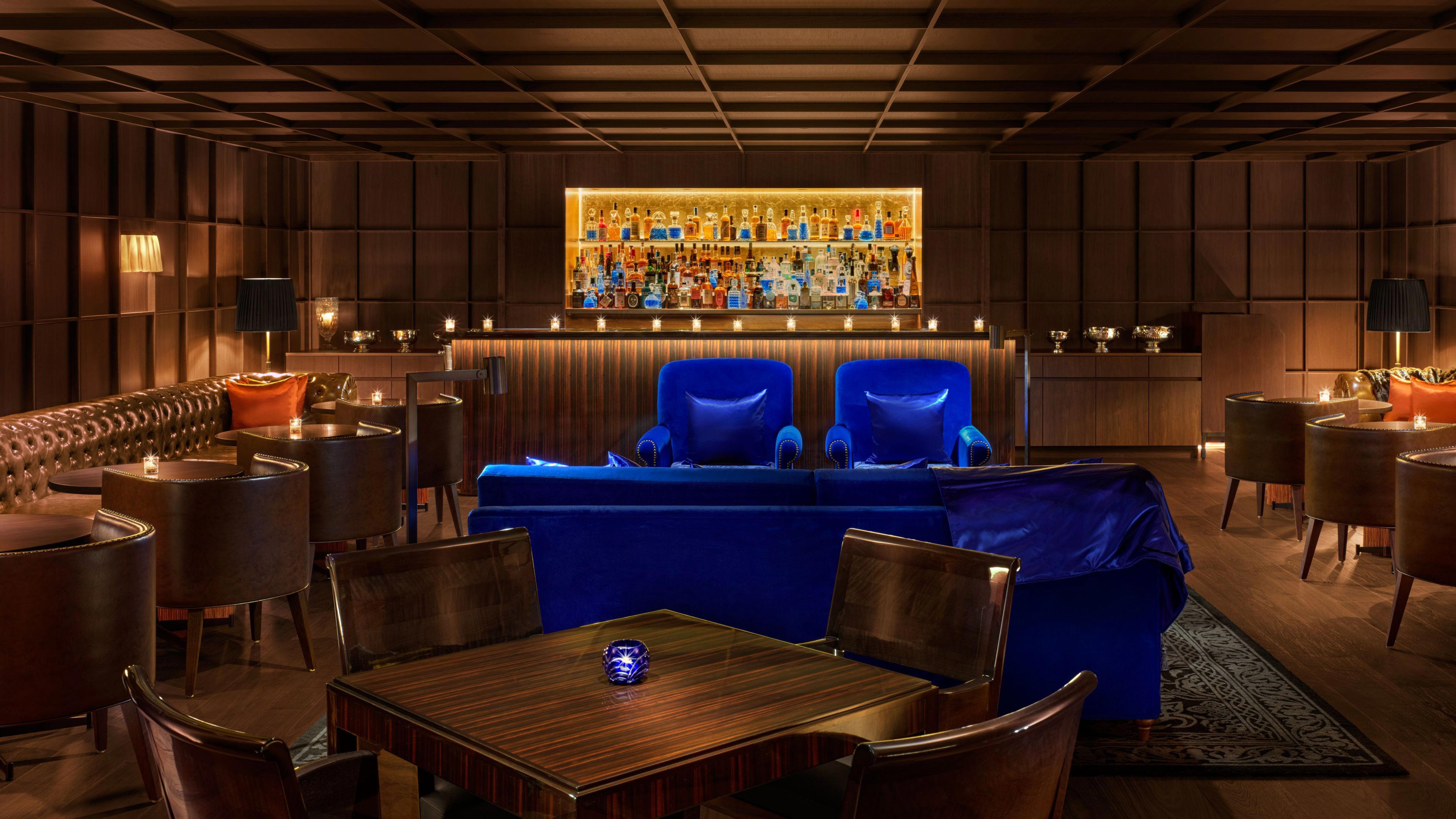
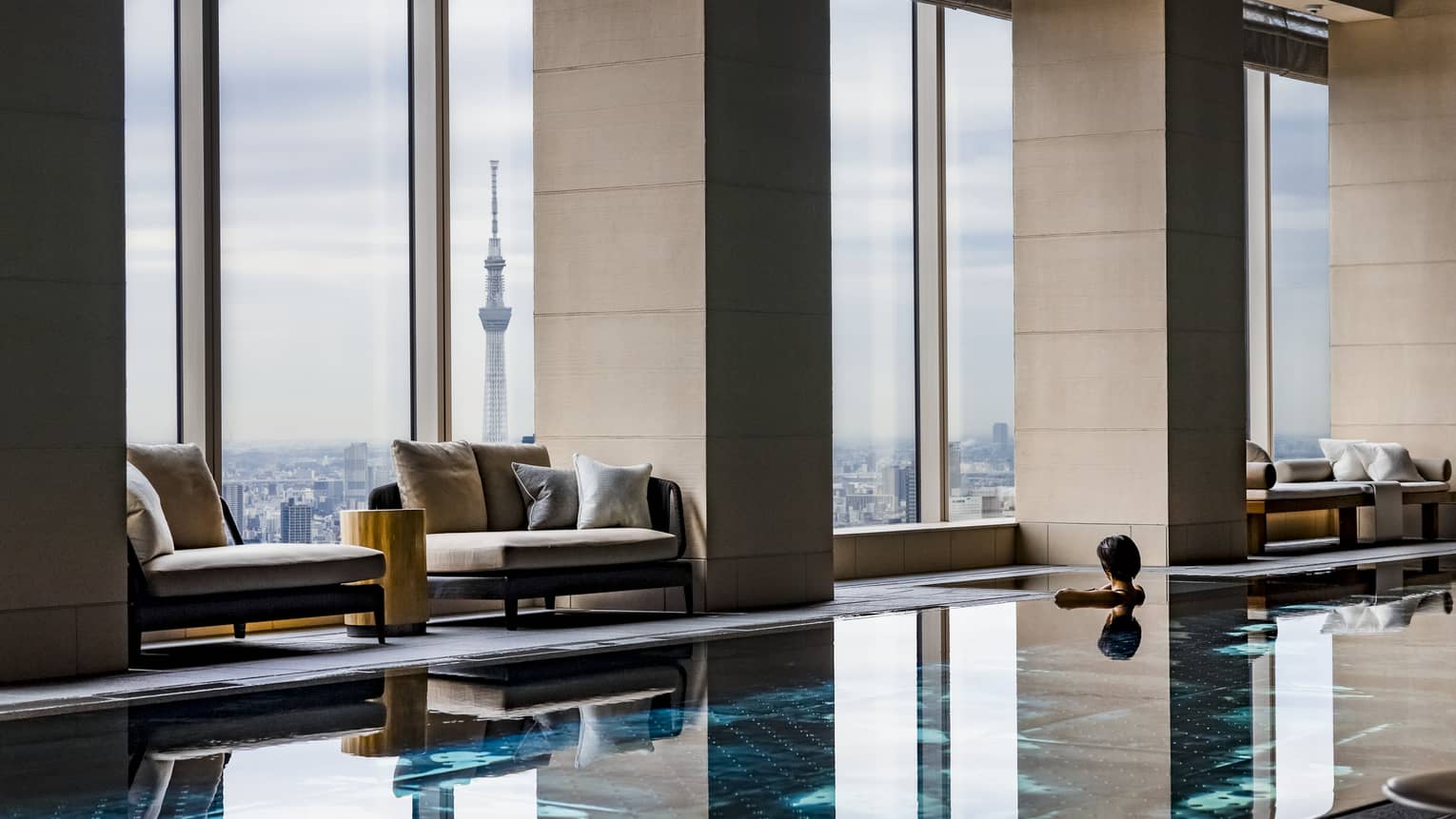
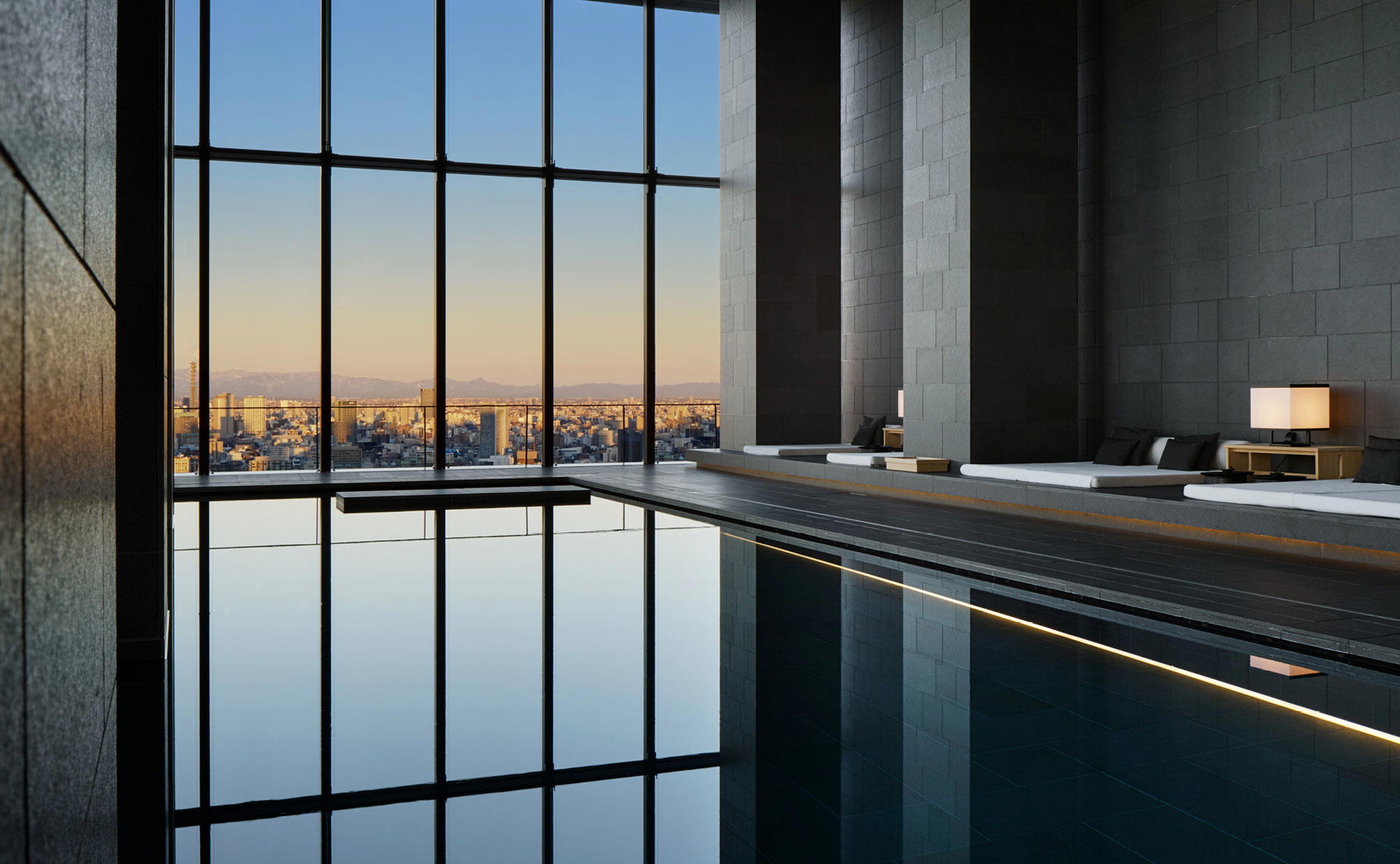
Refined luxury with dynamic Tokyo views, open show kitchens, and contemporary design by Andre Fu; sophisticated yet welcoming atmosphere blending Japanese and European influences.