Din Tai Fung's Beijing outpost in Chaoyang brings the chain's disciplined dumpling-making tradition to one of the capital's most commercially active districts. The restaurant operates within a category defined by precision and volume, where folded xiao long bao have become a reference point for how a regional Taiwanese format can travel across markets and maintain a consistent technical standard.
Pearl is the En Primeur Club membership app — saves, bookings, and concierge access live there. Same editors, same standards.
- Address
- China, Bei Jing Shi, Chao Yang Qu, æ°æºè¥¿éä¸è¡24å· é®æ¿ç¼ç
- Phone
- +861064624502
- Website
- dintaifungusa.com
- Directions
- Get directions
 Saves & bookings on Pearl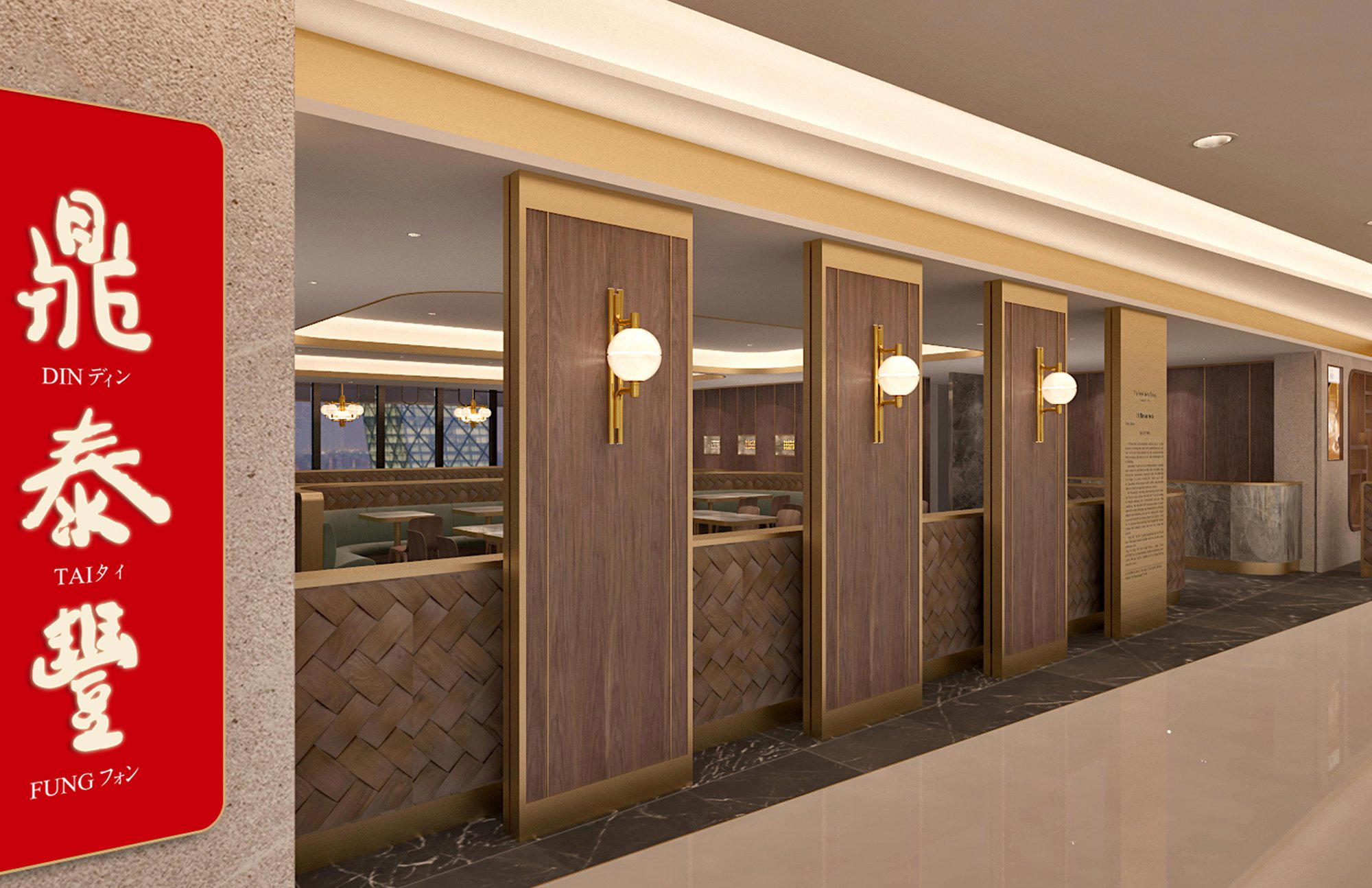
Where Chaoyang Meets the Dumpling Counter
Chaoyang District is Beijing's commercial and diplomatic centre, a neighbourhood where high-footfall retail anchors sit alongside international hotel clusters and office towers. The dining scene here skews toward formats that can absorb volume without sacrificing consistency: branded regional specialists, recognisable mid-to-premium chains, and the occasional destination restaurant drawing diners from across the city. Din Tai Fung operates its Beijing location on Xingyuan West Road, a stretch that draws a mixed crowd of local families, business travellers, and visitors with a specific destination in mind.
The brand's global footprint, originally rooted in Taiwan, means that Beijing diners arrive with expectations already formed. It creates a built-in audience, but it also means every plate is measured against remembered visits to the Taipei flagship, the Hong Kong outposts, or the Sydney location. In a city where regional Chinese cooking operates at an extremely high level, as illustrated by restaurants like Xin Rong Ji (Xinyuan South Road) and Chao Shang Chao (Chaoyang), the pressure on consistency is considerable.
The Architecture of a Service Model Built on Repetition
What distinguishes Din Tai Fung within the dumpling-restaurant category is not any single innovation but rather the systematisation of a craft that, in most traditional settings, depends entirely on individual skill. Xiao long bao production in a high-volume context requires the folding team, kitchen coordination, and front-of-house timing to function as a single mechanism. Wrappers must be thin enough to show the soup through the skin, thick enough not to tear under the weight of the broth, and consistent enough that the eighteenth dumpling from any given session is indistinguishable from the first.
This is the editorial angle that matters most when assessing Din Tai Fung's Beijing presence: how a service model built on near-industrial repetition interacts with a dining public that has grown increasingly attentive to provenance, craft, and regional specificity. Beijing in 2024 is a city where vegetarian fine dining at Lamdre and King's Joy competes seriously for attention, where Jingji is refining Beijing cuisine with a focused kitchen, and where Chinese food more broadly is being re-examined at a granular, regional level.
Team Mechanics at the Counter
The restaurant's proposition is built on the collaboration between its production line, its floor team, and its kitchen pass. Unlike tasting-menu formats where a named chef's decisions drive each plate, or sommelier-led rooms where beverage pairing anchors the experience, the restaurant distributes authority across the whole team structure. The folding team's speed and accuracy sets the kitchen's output rhythm. The floor staff's ability to manage queue psychology and seat turnover determines how well that rhythm translates into revenue. The kitchen pass acts as quality control, not creative direction.
This model has been refined across dozens of locations globally. For comparison, the same transfer of systematic craft is visible in the operations of restaurants like Imperial Treasure Fine Chinese Cuisine in Guangzhou and Dai Yuet Heen in Nanjing, where institutional scale is managed without sacrificing per-plate attention. The question for any multi-location operator in this tier is whether local kitchens have genuinely absorbed the standard or are running at a maintained-but-not-internalised level.
Regional Context: Where Din Tai Fung Sits in China's Dumpling Tradition
Xiao long bao are Shanghainese in origin, not Taiwanese, which means the restaurant's global reputation rests on a format it did not invent but did standardise. In mainland China, that distinction carries weight. Local diners in Beijing have access to Shanghainese specialists and northern dumpling traditions (jiaozi, guotie). The brand competes on reliability and recognition rather than on geographic claim or culinary ancestry.
This positions the Beijing outlet differently from, say, a regional specialist like Ru Yuan in Hangzhou or a precision-driven Chinese kitchen like Fu He Hui in Shanghai, both of which carry a stronger argument about local or philosophical rootedness. The restaurant is instead playing a different game: the globally legible restaurant that delivers a known experience with low variance. That is a commercially defensible position in a high-traffic district, even if it is a less intellectually interesting one in a city with restaurants like Fleurs Et Festin in Xiamen or Chef Tam's Seasons in Macau pushing harder at format and identity.
Planning a Visit
The Chaoyang location sits within a shopping and commercial complex on Xingyuan West Road, making it accessible by metro to the Sanlitun-adjacent network of stations. Queuing is a standard part of the restaurant visit at most locations globally, and Beijing is unlikely to be an exception, particularly at peak lunch and dinner windows on weekends. Arriving before service opens or during mid-afternoon gaps between meal periods is a direct way to reduce wait time. The menu format across the restaurant locations is broadly consistent: dumplings in multiple varieties alongside noodles, rice dishes, and desserts. Specific pricing, hours, and current menu details are best confirmed directly with the venue. For a broader picture of what Beijing's restaurant scene offers across cuisine types and price tiers, the full Beijing restaurants guide covers the range from quick regional lunches to multi-course tasting formats.
Visitors planning a wider China itinerary with similar culinary reference points might also consider Xin Rong Ji in Chengdu, Pingjiangsong in Suzhou, Shang Palace in Yangzhou, or Wenru No.9 in Fuzhou, all of which sit within the premium Chinese dining tier but bring distinct regional identities to the table. For those also spending time outside China, Le Bernardin in New York City and Lazy Bear in San Francisco represent the same tier of institutional craft applied to different culinary traditions.
Price and Recognition
Comparable venues nearby, for context on price, style, and recognition.
| Venue | Cuisine | Price |
|---|---|---|
| Din Tai FungThis venue — the venue you are viewing | Sanlitun, Taiwanese Soup Dumplings | $$ |
| Tongheju | Yuetan, Authentic Shandong Cuisine | $$ |
| 采逸轩 | Sanlitun, chinese | $ |
| Siji Minfu Beijing | Dongcheng, Traditional Peking Duck | $$ |
| GYJ Macau Hotpot | Sanlitun, Macanese Hot Pot | $$$ |
| Shanghai | Gongrentiyuchang, Beijing Cuisine | $$ |

At a Glance
- Modern
- Elegant
- Family
- Casual Hangout
- Group Dining
- Open Kitchen
- Sake Program
- Street Scene
Current opening hours
- Monday
- 10:30 AM–10:30 PM
- Tuesday
- 10:30 AM–10:30 PM
- Wednesday
- 10:30 AM–10:30 PM
- Thursday
- 10:30 AM–10:30 PM
- Friday
- 10:30 AM–10:30 PM
- Saturday
- 10:30 AM–10:30 PM
- Sunday
- 10:30 AM–10:30 PM
Hours can change for holidays and private events. Last verified .
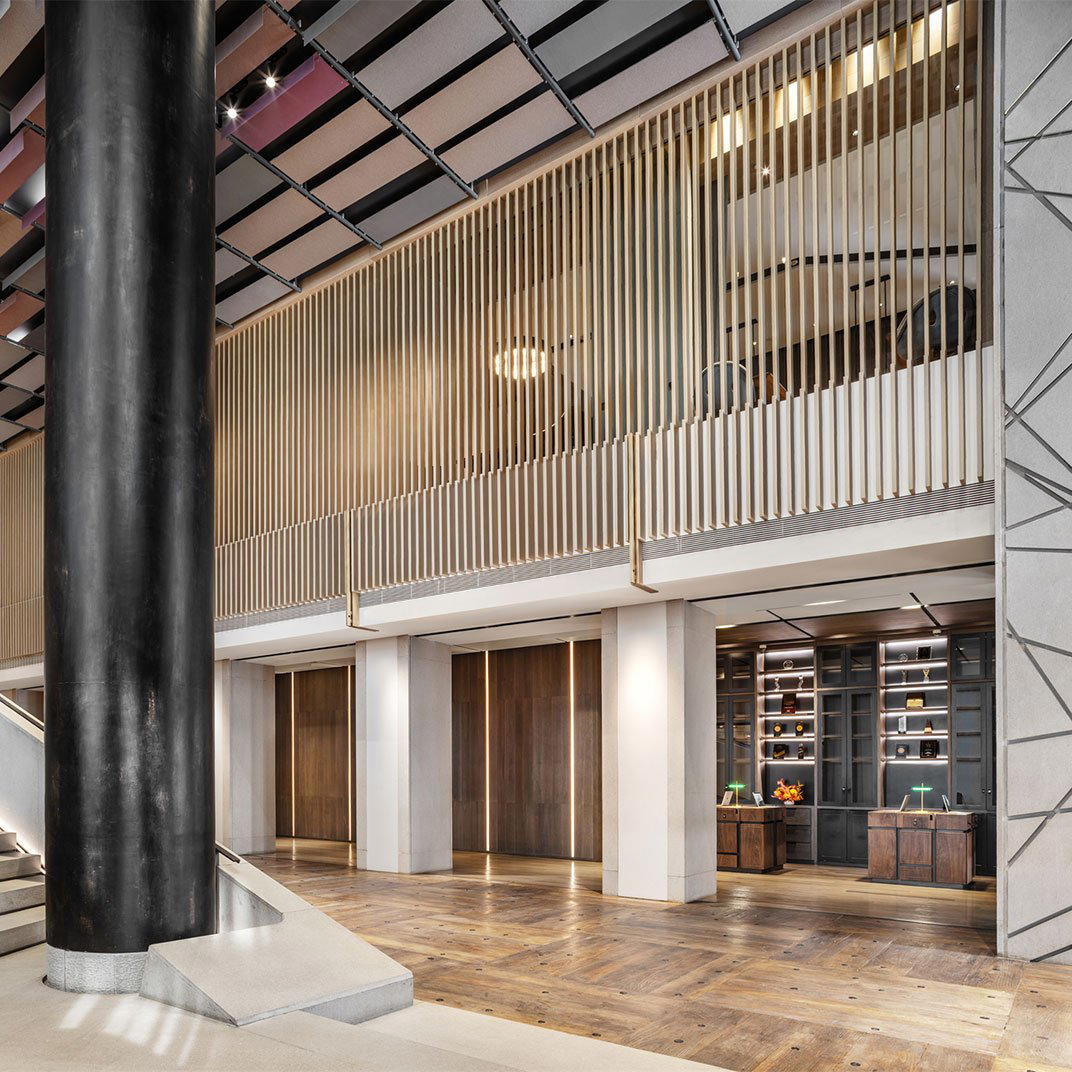
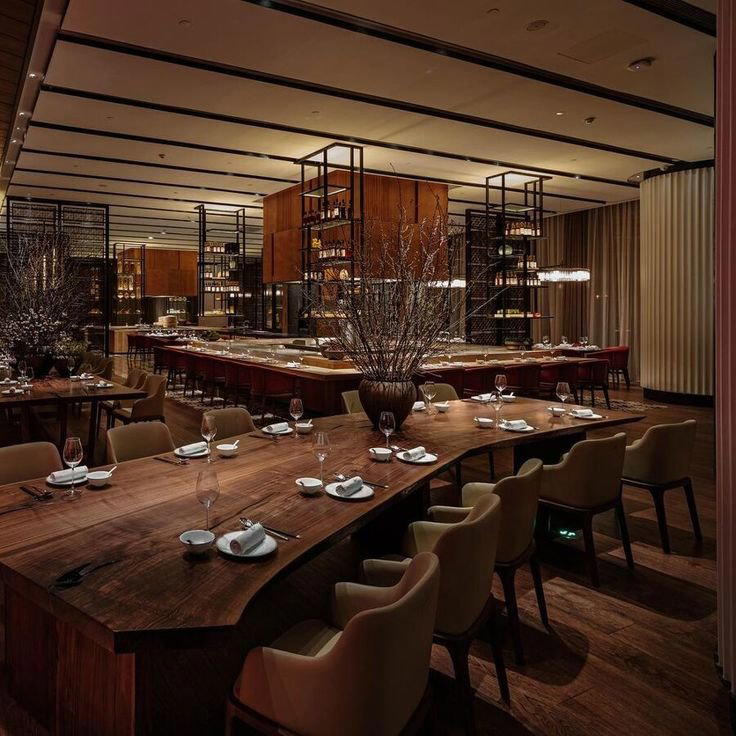
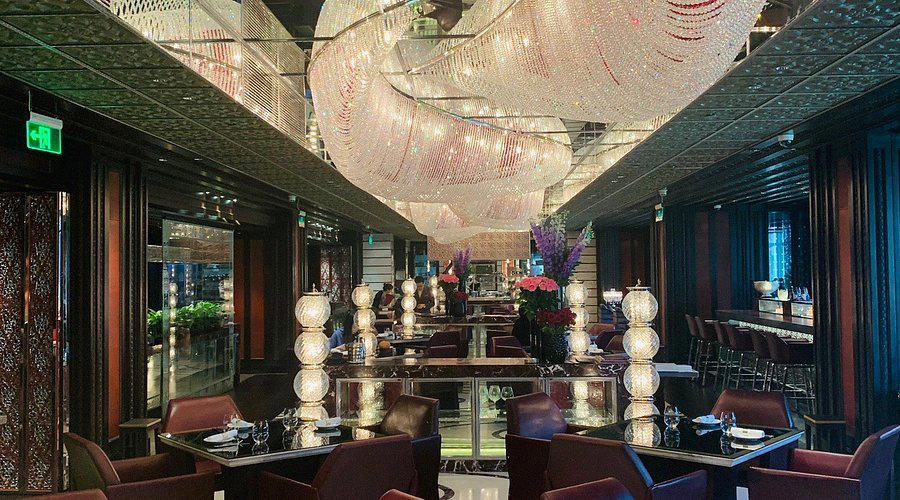
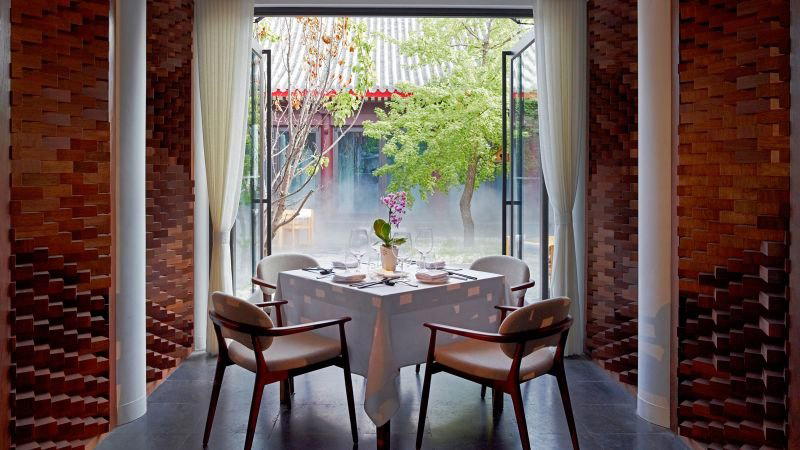
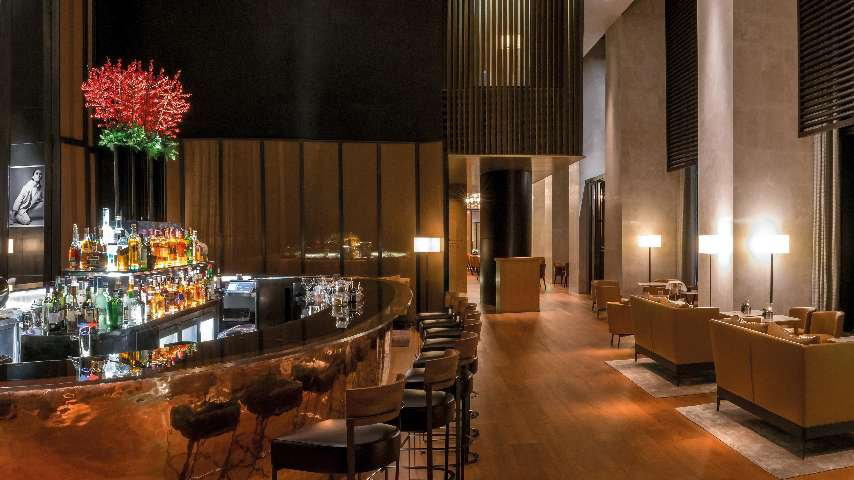
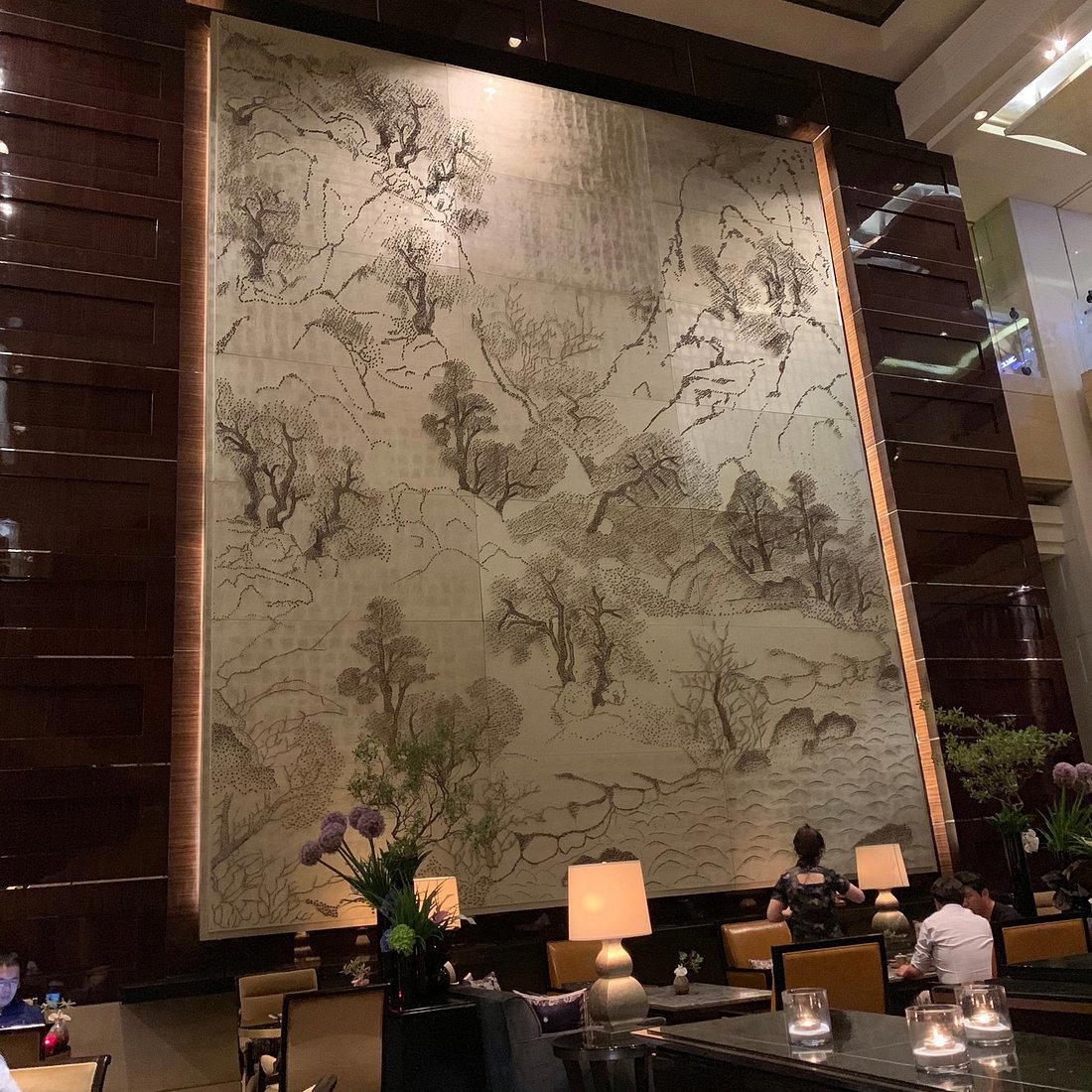
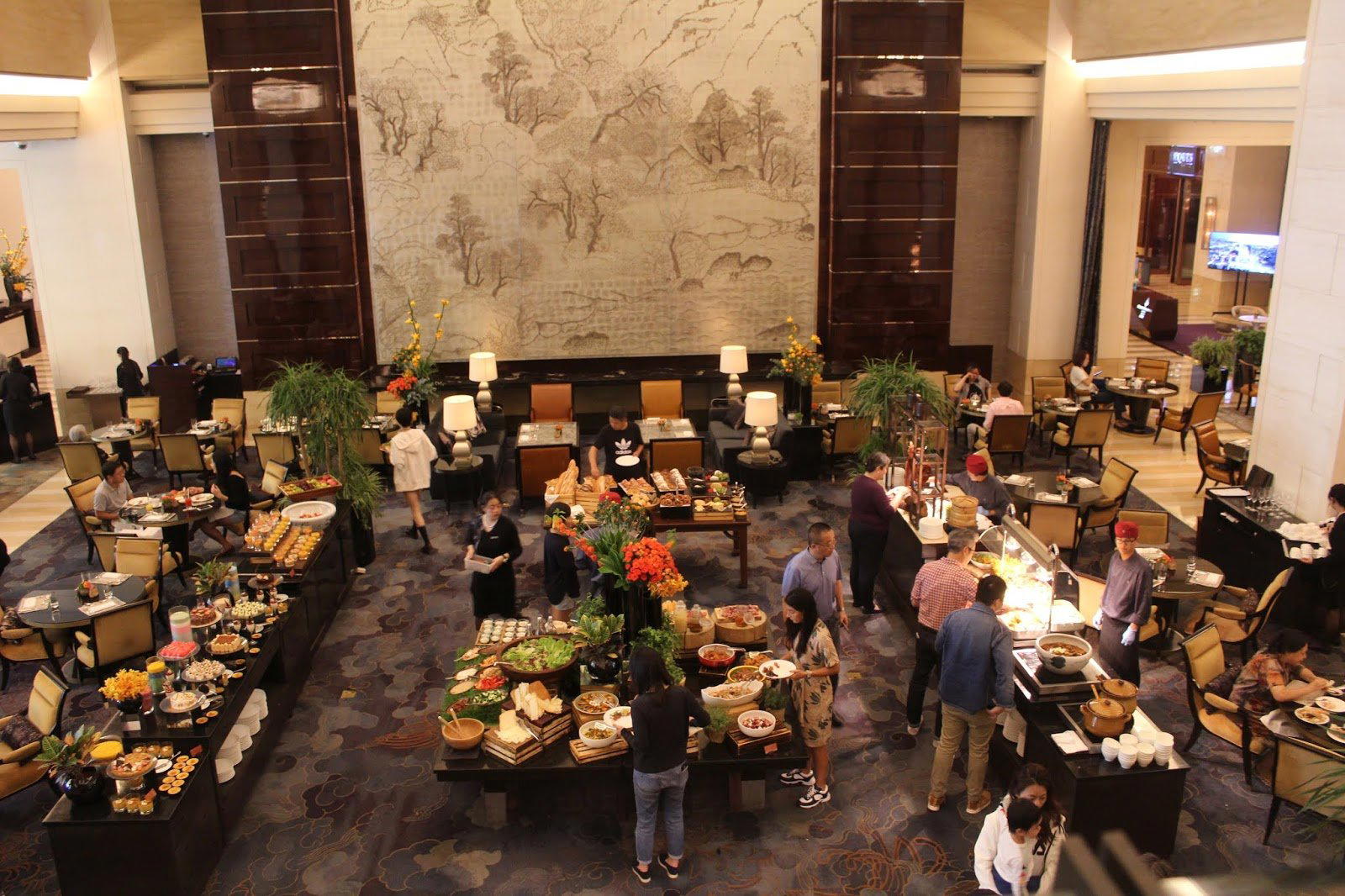
Bright and elegant dining hall enhanced by natural light, clean modern surroundings with a busy yet sophisticated atmosphere.