
Black Pearl 1 Diamond
Our verdict
GYJ Macau Hotpot in Beijing's Chaoyang district holds a Black Pearl 1 Diamond (2025), placing it within a tier of hotpot venues that the Chinese dining establishment treats with the same seriousness as regional fine dining. Located on Xinyuan Street, it brings a Macau-inflected approach to a format Beijing already takes seriously, with a menu architecture that rewards closer reading than the average communal broth experience.

Pearl is the En Primeur Club membership app, where members save venues, book tables and use the concierge.
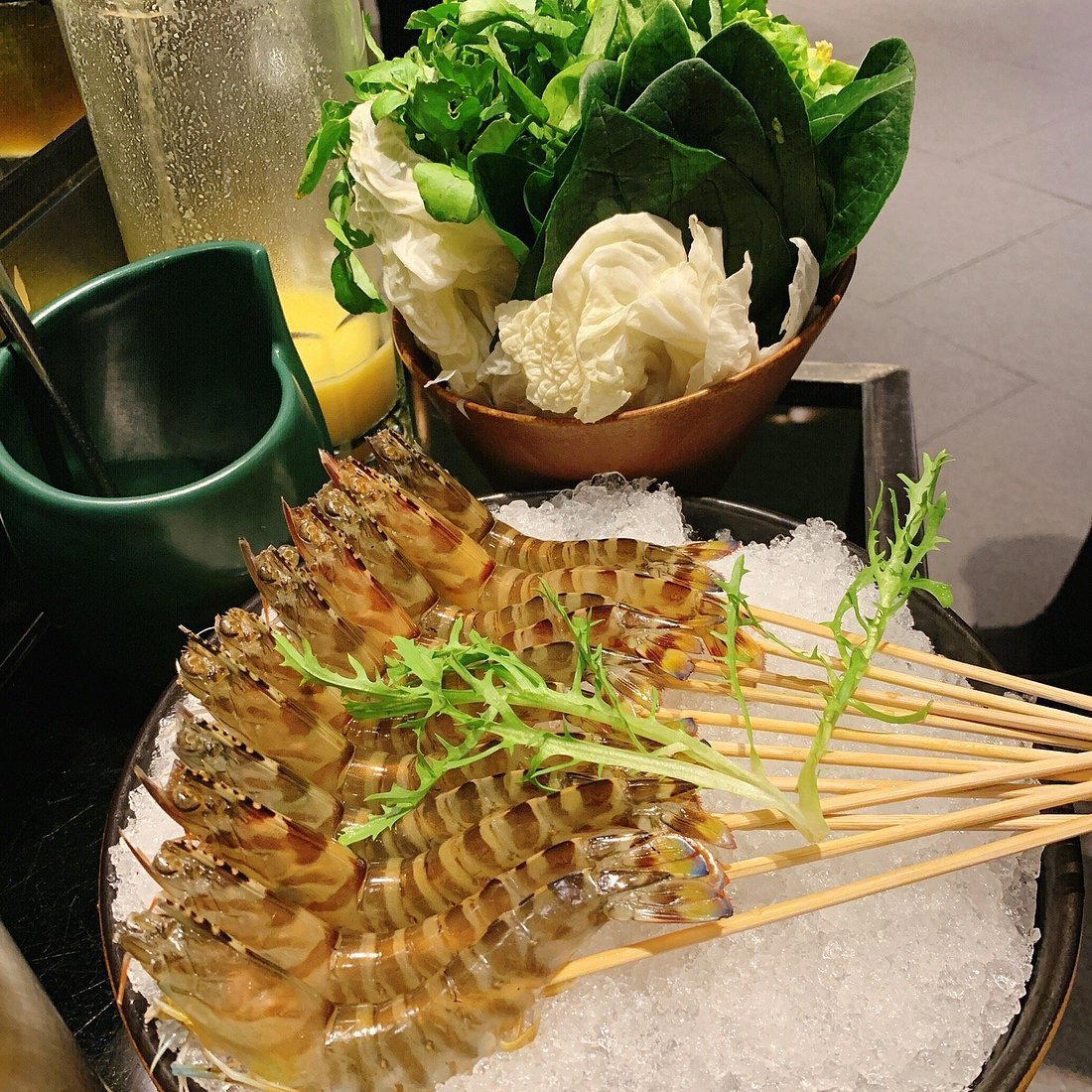
The menu
What to order
- Marbled Beef Slices
- Sichuan Spicy Broth
- Pork-bone-chicken-foot Broth
- Seafood Platter
Chaoyang's Hotpot Tier and Where GYJ Sits
Beijing's relationship with hotpot is older and less fashionable than its current restaurant press would suggest. The format predates any modern dining category, and in a city where lamb-and-copper-pot traditions run alongside Sichuan mala imports and Mongolian-influenced broths, hotpot occupies a serious structural position in how residents actually eat. What has shifted in the past decade is the emergence of a recognised premium tier, venues that hold awards, maintain sourcing standards, and charge prices that place them in conversation with white-tablecloth regional Chinese cooking rather than with mass-market chain operators.
GYJ Macau Hotpot on Xinyuan Street in Chaoyang sits inside that premium bracket. Its 2025 Black Pearl 1 Diamond, awarded under the Black Pearl Restaurant Guide, China's most closely watched domestic fine-dining classification, signals placement in a competitive set where consistency and format discipline matter as much as the base quality of ingredients. The Black Pearl guide, which operates as a Chinese-market counterpart to Western ranking systems, draws on local dining expertise and applies tiered recognition that carries weight with Beijing's informed dining public. A 1 Diamond award at a hotpot specialist is a different claim than the same recognition at a classical Cantonese or Taizhou kitchen; it represents the guide's acknowledgment that the format itself can be executed at an awards-worthy level.
Xinyuan Street sits within the denser restaurant corridor of Chaoyang, a district that contains some of Beijing's most internationally engaged dining. The address at 45 Xinyuan Street places GYJ in proximity to other recognised operators in the area, including Xin Rong Ji on Xinyuan South Road, a three-Michelin-star Taizhou kitchen that operates at the highest price tier in Beijing's Chinese dining category. That neighbourhood context matters: Xinyuan Street is not a casual dining corridor. Restaurants on and around it are expected to perform at a level that matches Chaoyang's concentration of affluent, internationally experienced diners.
The Macau Frame: What It Means for a Beijing Hotpot Menu
The Macau reference in the name is not decorative. Macau operates as a distinct culinary reference point within Chinese dining, particularly in the context of premium ingredients and Cantonese-inflected cooking traditions. A Macau-associated hotpot venue in Beijing signals a set of sourcing and broth preferences that differ from the city's dominant lamb-and-sesame-sauce tradition, and from the Sichuan mala format that has expanded aggressively across northern Chinese cities over the past fifteen years.
In practice, the Macau frame suggests lighter, cleaner broth construction, closer to Cantonese clear-soup sensibility than to the spice-forward profiles that dominate volume hotpot chains. It also implies a different orientation toward protein sourcing, with a likely emphasis on seafood and premium cuts that would be at home in a Cantonese fine-dining context. For comparison, Chef Tam's Seasons in Macau illustrates how Macau's dining establishment has developed a premium Chinese identity that is distinct from both Hong Kong and mainland traditions. GYJ brings a version of that identity into a Beijing format.
The editorial point here is not that GYJ is executing a Macau recipe; it is that the Macau framing functions as a positioning signal. It tells the informed diner what to expect in terms of broth register, ingredient philosophy, and price expectations before they sit down. In a city where hotpot options range from budget-tier chain dining to premium specialist operators, that positioning clarity is itself a form of menu architecture.
Menu Architecture and What It Communicates
Hotpot menus are structured differently from à la carte or tasting formats, and reading them rewards a different kind of attention. The structure is typically organised around three axes: broth selection, protein tiers, and supplementary components. How a venue organises those axes, which broths it offers, how many protein grades it distinguishes, what its supplementary dipping sauce program looks like, communicates its culinary priorities more directly than most menu formats.
At an awards-recognised hotpot specialist in Beijing, the broth program is the primary editorial statement. A venue holding Black Pearl recognition is unlikely to rely on a single house broth; the differentiation between options, and the specificity of each, is where premium positioning is expressed. Similarly, the protein selection at this tier tends to operate with more sourcing transparency than entry-level hotpot, with cuts identified by grade, origin, or aging method rather than simply by animal type.
This structural logic also explains why hotpot, as a format, has proven difficult for mainstream fine-dining guides to assess using the same criteria applied to plated cuisine. The kitchen's contribution is distributed differently: it shows in sourcing, in broth depth, in the precision of ingredient preparation before anything reaches the table. Lamdre, Beijing's Michelin-recognised vegetarian specialist, navigates a similar challenge in demonstrating premium intent through format, here, entirely plant-based, rather than through conventional tasting-course structure. Chao Shang Chao in Chaoyang, a three-Michelin-star Chaozhou kitchen in the same district, represents the ceiling of what classical southern Chinese cooking achieves in Beijing at present. GYJ operates in a different format lane but within the same premium expectation bracket.
Planning a Visit
GYJ Macau Hotpot is located at 45 Xinyuan Street, Chaoyang, Beijing 100027. As a Black Pearl-recognised venue in a district with high dining demand, booking ahead is advisable, particularly for weekend evenings and holiday periods when Chaoyang's premium restaurant corridor operates at capacity.
Visitors to Beijing with broader dining itineraries will find useful context in our full Beijing restaurants guide, and those exploring the city's wider hospitality can consult our full Beijing hotels guide, our full Beijing bars guide, and our full Beijing experiences guide. For other recognised Chinese regional kitchens worth considering in the same trip, Jingji covers Beijing cuisine at a two-Michelin-star level, and King's Joy offers a premium vegetarian Chinese option in the city. Beyond Beijing, Ru Yuan in Hangzhou, Xin Rong Ji in Chengdu, Imperial Treasure Fine Chinese Cuisine in Guangzhou, and Dai Yuet Heen in Nanjing represent the range of regional Chinese fine dining that serious visitors to China tend to track across multiple cities. For reference points in other fine-dining contexts, Le Bernardin in New York City and Atomix in New York City show how tasting-format precision applies in a Western context, and 102 House in Shanghai is worth considering for anyone comparing premium Chinese dining across Chinese cities.
Frequently asked questions
What's the must-try dish at GYJ Macau Hotpot?
How far ahead should I plan for GYJ Macau Hotpot?
What makes GYJ Macau Hotpot worth seeking out?
Can GYJ Macau Hotpot accommodate dietary restrictions?
Recognition, Side-by-Side
| Venue | Cuisine | Price | Awards | Notes |
|---|---|---|---|---|
| GYJ Macau HotpotThis venue (the venue you are viewing) | Macanese Hot Pot | $50–100 | Black Pearl 1 Diamond | Not listed |
| Jing | Modern French with Asian Influences | $300–500 | 1 Michelin Star · Black Pearl 1 Diamond | French Contemporary |
| Xin Rong Ji (Xinyuan South Road) | Taizhou Chinese Fine Dining | $300–500 | 3 Michelin Stars · World's 50 Best #84 | Taizhou |
| Chao Shang Chao (Chaoyang) | Modern Teochew (Chaoshan) Fine Dining | $200–300 | Michelin Plate · La Liste Top Restaurants | Chao Zhou |
| Lamdre | Modern Plant-Based Chinese Vegetarian | Not listed | 2 Michelin Stars · World's 50 Best #17 | Vegetarian |
| Jingji | Imperial Beijing Royal Cuisine | $200–300 | 2 Michelin Stars · La Liste Top Restaurants | Beijing Cuisine |
Recognition history
Dated appearances from independent guides and award organizations, with the underlying list record or original source where available.
Black Pearl 1 Diamond
Black Pearl
Full recognition history (2 entries)
Black Pearl 1 Diamond
Black Pearl
Continue exploring
More in Beijing
Restaurants in Beijing
All restaurants in Beijing →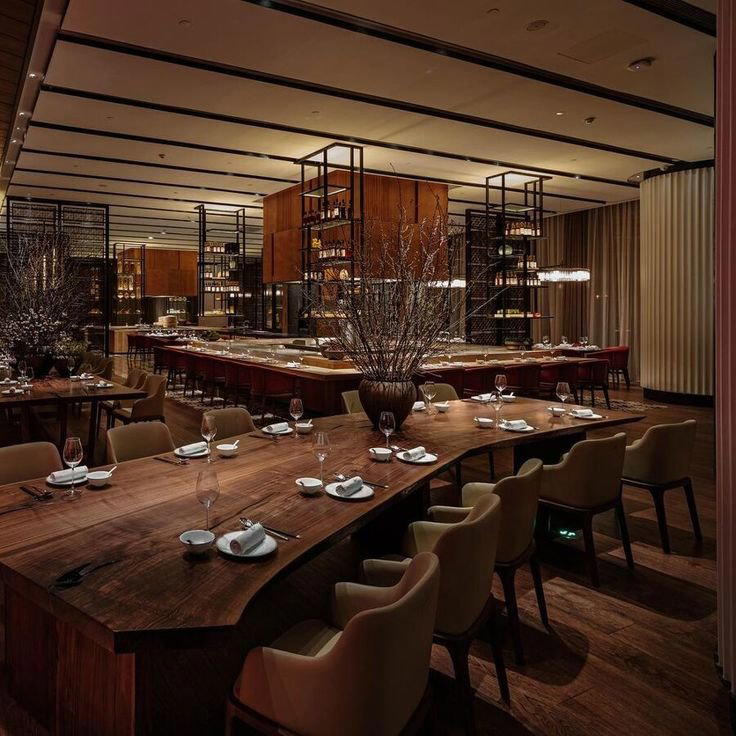

Bars in Beijing
All bars in Beijing →



Details
- Lively
- Cozy
- Energetic
- Group Dining
- Celebration
- Family
- Private Dining
- Extensive Wine List
- Street Scene
- A La Carte
- Family Style
- Vegetarian Friendly
- Gluten Free Options
Current opening hours
- Monday
- 10:30 AM–10 PM
- Tuesday
- 10:30 AM–10 PM
- Wednesday
- 10:30 AM–10 PM
- Thursday
- 10:30 AM–10 PM
- Friday
- 10:30 AM–10 PM
- Saturday
- 10:30 AM–10 PM
- Sunday
- 10:30 AM–10 PM
Hours can change for holidays and private events. Hours as of .
Lively and inviting with warm lighting, practical layout for communal dining, balancing comfort and energy for social gatherings.