







2 Michelin Stars · World's 50 Best #17 · La Liste Top Restaurants
Our verdict
Beijing’s plant-based fine dining has moved beyond temple-restaurant restraint and wellness shorthand.

Pearl is the En Primeur Club membership app, where members save venues, book tables and use the concierge.
The menu
What to order
- Handmade tofu in matsutake and wakame broth
- Ginkgo nuts with peach gum
Lamdre sets its stall out as a serious Beijing dining room before the meal has even begun: the experience is framed with the polish and pacing expected of a premium restaurant rather than the informality sometimes attached to niche dining categories. The room matters because a carefully sequenced meal needs its own theatre. Without relying on easy shorthand or spectacle, occasion has to come from texture, temperature, progression, service, and the confidence to let the evening build on its own terms.
Lamdre belongs to a small but increasingly visible group of Chinese restaurants asking not whether a more restrained register can be refined, but whether such a menu can deliver satisfaction, richness, and progression at the same level as more conventional fine dining. In Beijing, where prestige can be tied to ceremonial service, business dining, and high-value ingredients, that is a sharper test than in cities where this style already sits inside the luxury mainstream.
Vegetarian cooking in Beijing is no longer a side category
Beijing has several traditions of restraint-driven dining at once. Some rooms draw on long-standing ideas of calm, precision, and balance; others speak to contemporary urban diners who already understand a quieter meal as complete rather than compensatory. At the luxury end, L. Bodhi (Guanghua Road) is the closer local comparison: built for diners judging this kind of experience against serious restaurants, not lifestyle cafés.
Lamdre’s recognition puts it in that upper conversation. It is listed among the Black Restaurant Guide 2026 two-diamond restaurants. That signal matters less as a trophy than as category evidence: Beijing dining of this kind is now being assessed by the same prestige systems that often reward tasting-menu kitchens, chef-led Chinese dining, and high-budget destination restaurants.
The comparison with more conventional Beijing dining is useful. Other acclaimed dining rooms can draw power from instant cultural legibility: signature dishes arrive with ceremony, status, and a script diners know. Lamdre has to build authority differently. It must earn attention through pacing, balance, control, and the cumulative force of the meal rather than through a single obvious calling card. That is its technical and cultural challenge.
The protein question is answered through depth, not imitation
The kitchen’s broader argument is more interesting than any single biographical credential. The cooking is best read as a contemporary Beijing fine-dining approach that treats depth, sequence, restraint, and seasonality as structure rather than garnish. The point is a mature dining language: bass notes, length, texture, absorption, and seasoning handled with enough control to make the meal feel complete.
That matters because many expensive menus in this lane fail midway. They open with delicacy, then repeat: another careful plate, another soft transition, another garnish-like idea. Stronger kitchens solve this through culinary logic rather than substitution culture. Layering, steeping, drying, charring, and broth-building can give a meal weight without making it feel forced. A quieter course is not automatically an interlude; with depth and controlled seasoning, it can operate with the seriousness expected of a main course.
Beijing suits that argument. The city’s dining culture has long understood texture, warmth, rhythm, and shared memory; it needs no imported rhetoric to make restraint meaningful. Fine dining adds compression. Instead of banquet-table abundance, the kitchen must edit, sequence, and make each course justify its place. Awards attention suggests that editing has moved beyond local novelty into a more durable conversation.
The special-occasion tone clarifies the restaurant’s social position. This is not casual everyday dining, and the experience is framed as an evening out rather than a quick meal. Travelers choosing Lamdre are not simply replacing one dinner with another; they are testing how far contemporary Beijing dining can carry a full evening through control, atmosphere, and progression.
How to read Lamdre against China's wider fine-dining map
China’s high-end restaurant conversation often moves through regional prestige: precision, refinement, coastal intelligence, intensity, and Beijing’s capital-city mix of memory and business dining. For readers mapping that field, Lamdre is a useful counterpoint to other Chinese dining rooms because it shows another route to seriousness: specificity, editing, and technique rather than one luxury template.
Internationally, the comparison is equally revealing. Other global restaurants in this category may lean toward lifestyle codes or familiar luxury signals, while Beijing’s version can feel more structural: not that the meal is trying to imitate another model, but that Chinese technique and disciplined pacing give the experience enough architecture to hold a premium evening.
For trip planning, Lamdre fits a Beijing dining itinerary rather than a quick grazing day. Travelers building a wider Beijing file can pair it conceptually with the city’s other serious dining rooms, then use broader Beijing restaurant research for context. For the rest of the trip, full Beijing hotels, bars, wineries, and experiences guides work better as planning scaffolding than as a checklist.
The point is simple: this is for diners interested in how far a refined Beijing meal can be pushed without turning dinner into a lecture. Lamdre’s strongest case is not novelty or moral positioning, but the possibility that a serious Beijing evening can be built from depth, Chinese technique, and enough confidence to let restraint become structure rather than apology.
Frequently asked questions
What should I expect cuisine-wise at Lamdre?
Expect a refined Beijing dining experience built around careful pacing, depth, and a polished sense of occasion.
What does dinner at Lamdre typically cost?
Specific pricing is not provided here; check directly with Lamdre when planning.
Where is Lamdre located?
Beijing.
Is there a head chef associated with Lamdre?
A specific head chef is not provided here.
Is Lamdre reservation-only?
The venue details do not list a booking policy. What is clear is that Lamdre is in Beijing and is listed among the Black Restaurant Guide 2026 two-diamond restaurants.
What has Lamdre built its reputation on?
Lamdre’s reputation rests on its refined Beijing dining experience and its recognition as one of the Black Restaurant Guide 2026 two-diamond restaurants.
A Tight Comparison
Comparable venues by cuisine and price in the same metro.
| Venue | Cuisine | Awards | Notes |
|---|---|---|---|
| LamdreThis venue (the venue you are viewing) | Modern Plant-Based Chinese Vegetarian | 2 Michelin Stars · World's 50 Best #17 | Not listed |
| L. Bodhi (Guanghua Road) | Vegan Fine Dining | Michelin Plate | Vegetarian |
Recognition history
Dated appearances from independent guides and award organizations, with the underlying list record or original source where available.
Michelin 2 Stars
Michelin
World's 50 Best Asia's Best Restaurants #17
World's 50 Best
La Liste Top Restaurants
La Liste
Black Pearl 2 Diamond
Black Pearl
Opinionated About Dining Top Restaurants in Asia Highly Recommended
Opinionated About Dining
Full recognition history (12 entries)
Black Pearl 2 Diamond
Black Pearl
Opinionated About Dining Top Restaurants in Asia Ranked #224
Opinionated About Dining
Tatler Listed in Best Restaurants Asia-Pacific
Tatler
The Best Chef One Knife
The Best Chef
We're Smart World Top 100 #4
We're Smart World
We're Smart World 5 Radishes
We're Smart World
World's 50 Best Asia's Best Restaurants #50
World's 50 Best
Continue exploring
More in Beijing
Restaurants in Beijing
All restaurants in Beijing →
Bars in Beijing
All bars in Beijing →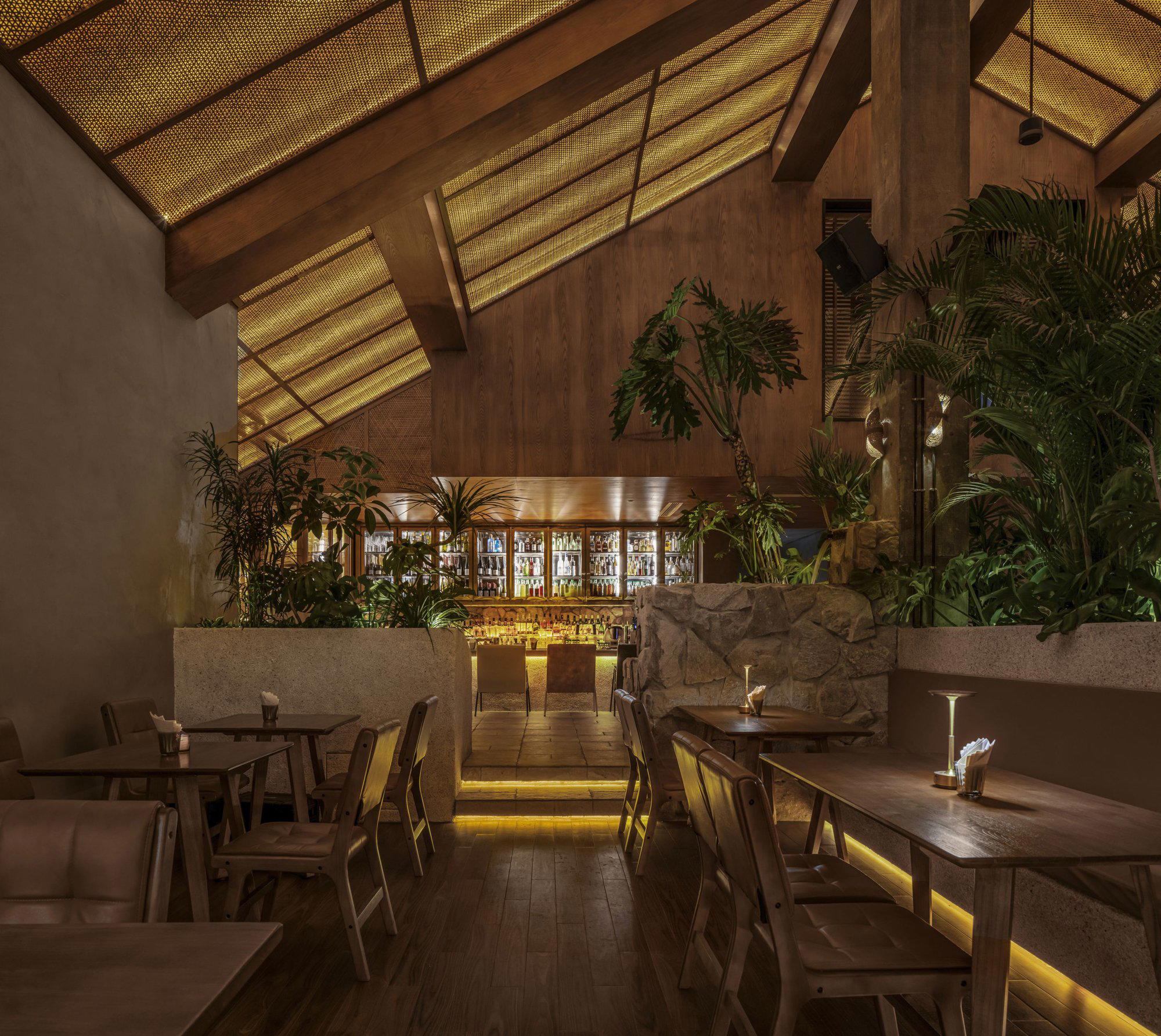


Details
- Minimalist
- Cozy
- Elegant
- Intimate
- Sophisticated
- Solo
- Special Occasion
- Private Dining
- Natural Wine
- Local Sourcing
- Organic
- Tasting Menu
- Natural Wine
- Vegetarian Friendly
- Vegan Options
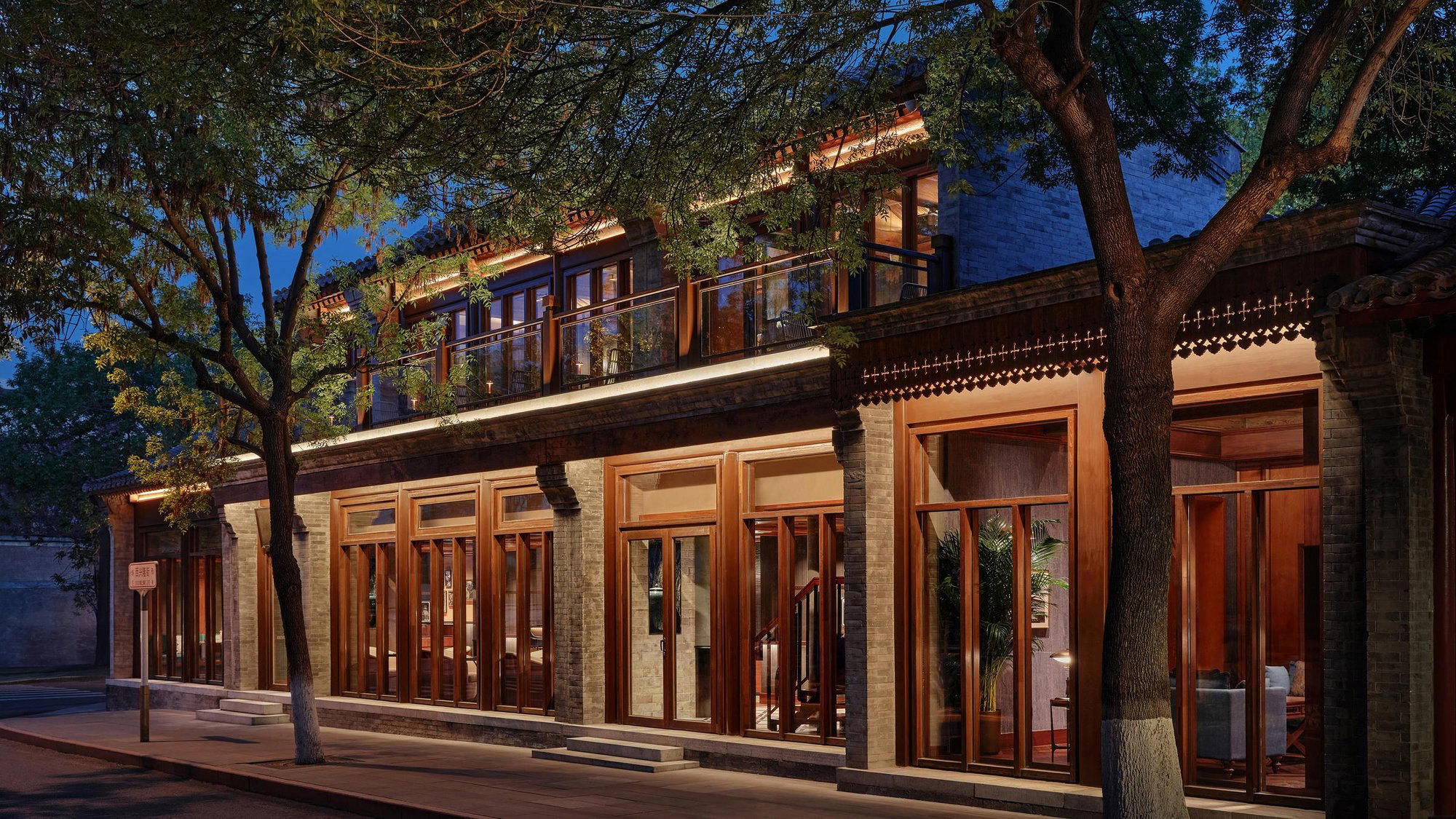
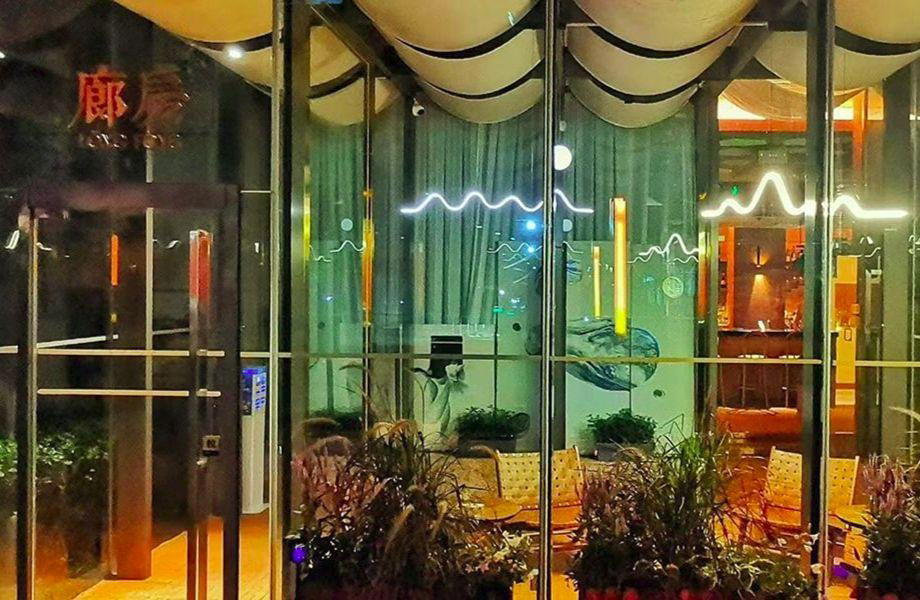
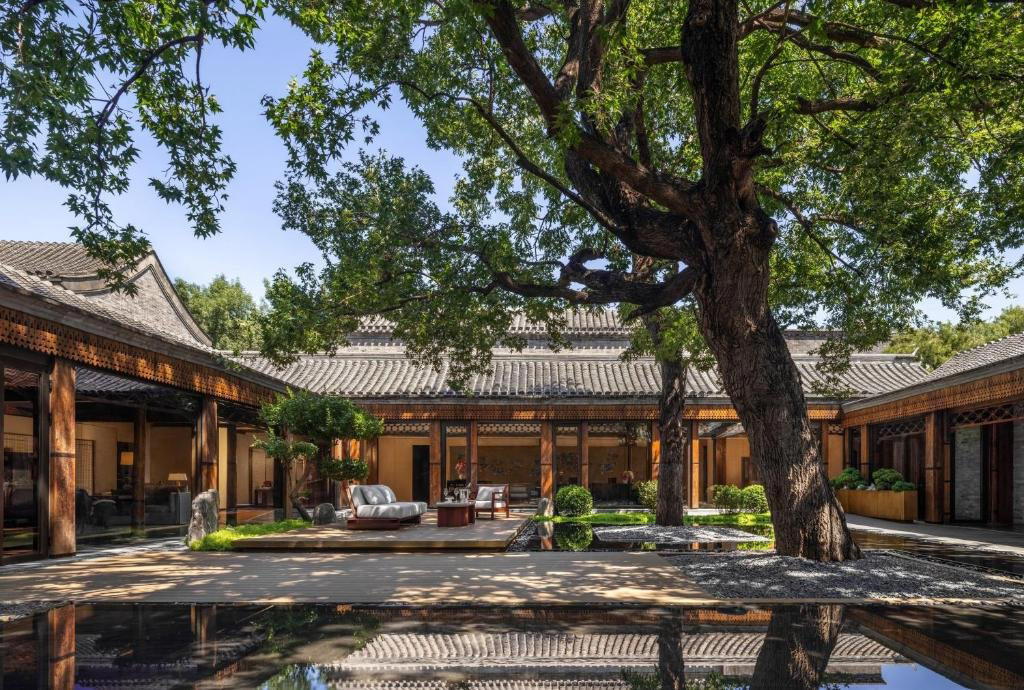
Minimalist interiors with natural light from pitched roof skylights, cozy private rooms and balcony, creating a serene Zen-like tranquility.