Tongheju occupies a address in Beijing's Xicheng District, placing it within the city's older residential and civic fabric rather than its newer dining corridors. The restaurant draws on Beijing's deep tradition of formal Chinese dining, where the pacing and sequence of a meal carry as much meaning as the dishes themselves. Visitors looking to read Beijing's culinary character will find this address worth tracking.
Pearl is the En Primeur Club membership app — saves, bookings, and concierge access live there. Same editors, same standards.
- Address
- China, Beijing, Xicheng District, Yuetan S St, æååè¡ç²71-5 é®æ¿ç¼ç
- Phone
- +861068522917
- Directions
- Get directions
 Saves & bookings on Pearl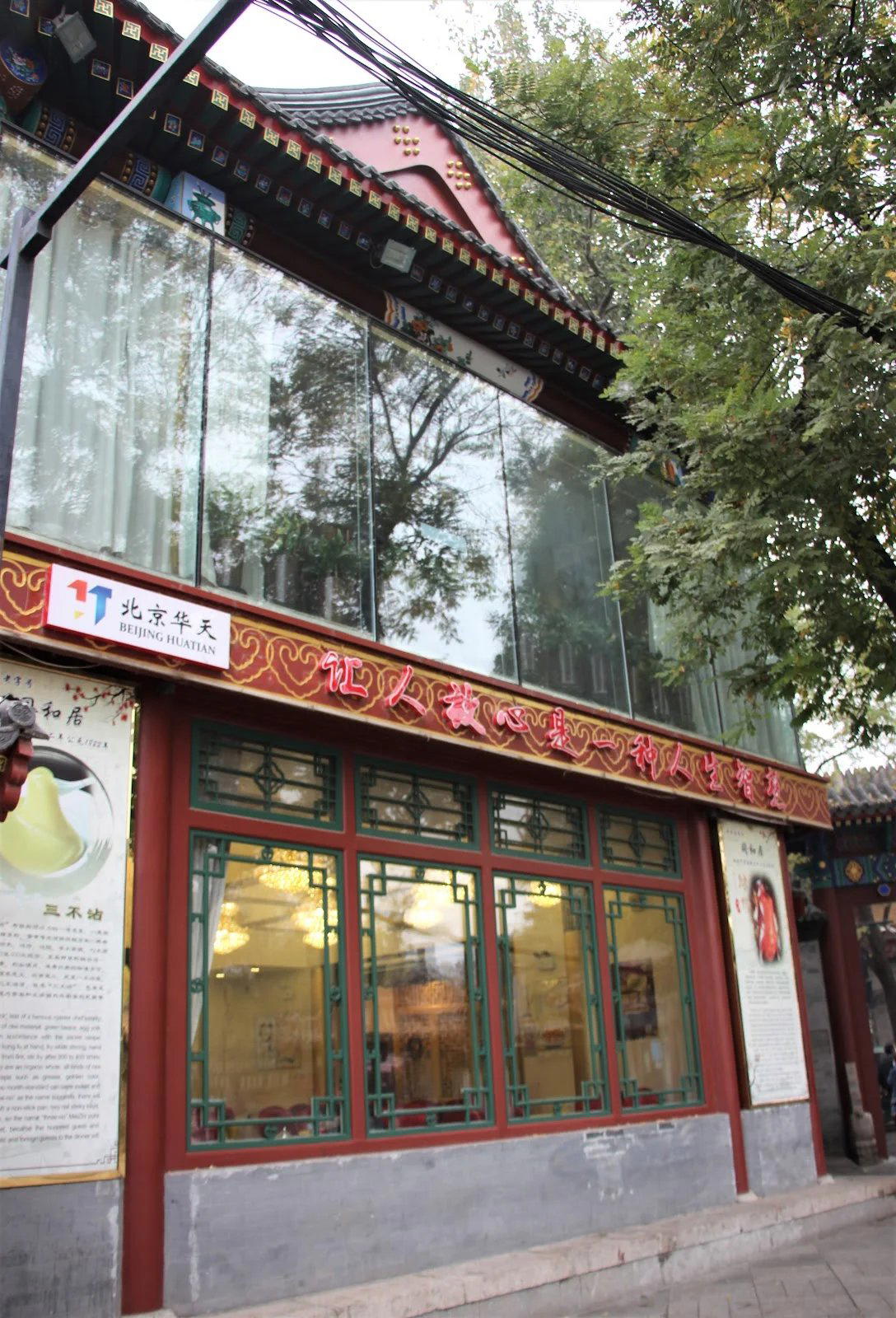
Xicheng's Dining Register
Beijing's dining scene has long operated along a clear spatial logic: the newer money and international clientele concentrate in Chaoyang, while Xicheng preserves older institutional patterns rooted in the city's administrative and cultural history. Yuetan South Street, where Tongheju sits, runs through a neighbourhood defined by government offices, traditional courtyard blocks, and the kind of local repeat custom that rarely needs to advertise. Restaurants that anchor themselves here are positioning against a different audience than the expense-account Chaoyang corridor, they are speaking, primarily, to a Beijing that predates the city's post-reform restaurant boom.
That positioning matters when reading what a meal here represents. In cities like Beijing, the physical address of a restaurant communicates something before the first dish arrives. Xicheng addresses signal continuity with older civic dining culture, the kind that accompanied formal banquets, family occasions, and the rhythms of bureaucratic hospitality that have shaped Beijing's table manners for generations. Comparable addresses in the city's fine Chinese tier, Jingji, which operates within the Beijing Cuisine tradition at the ¥¥¥¥ level, reflect similar positioning anchored in local culinary heritage rather than imported frameworks.
The Architecture of a Formal Chinese Meal
Chinese fine dining, particularly in Beijing, is structured around ritual more explicitly than many Western counterparts. The sequence of cold dishes, hot courses, principal proteins, staple grains, and closing sweets is not arbitrary, it reflects centuries of codified hospitality in which the host's care is demonstrated through the ordering of the table rather than a single showpiece dish. The guest's role is equally defined: arriving before the host is considered presumptuous; leaving before the final course without acknowledgement is a social signal. Understanding this choreography is the prerequisite for reading a meal in this register.
At the higher end of Beijing's Chinese dining spectrum, this ritual becomes more elaborate. Seasonal alignment, particular ingredients appearing at the precise moment of their annual peak, is as important a credential as any named award. The temperature and sequence of serving vessels, the proportion of shared dishes to individual servings, and the management of the table's pace across two or more hours all carry communicative weight. Venues like King's Joy, which works within the vegetarian fine Chinese tradition at ¥¥¥¥, and Lamdre, another vegetarian specialist at the same price tier, each demonstrate how this ritual structure persists even when the ingredient repertoire narrows significantly.
Tongheju in Beijing's Competitive Set
The broader Beijing fine Chinese dining tier has consolidated around a handful of price points and culinary identities. At the ¥¥¥¥ level, restaurants like Chao Shang Chao (Chaoyang) and Xin Rong Ji (Xinyuan South Road) have built sustained reputations around regional Chinese cuisines, Chao Zhou and Taizhou respectively, that demand technical specificity and sourcing discipline. These venues compete on the credibility of their regional identity as much as on execution.
Tongheju's placement in Xicheng, within a district that carries the weight of Beijing's older civic culture, places it in a conversation with restaurants that define themselves through local continuity rather than regional import. This is a meaningful distinction in a city where dining identity is often read as a proxy for cultural allegiance.
Ru Yuan in Hangzhou operates in a similar register of heritage-conscious Chinese dining, and Imperial Treasure Fine Chinese Cuisine in Guangzhou represents how a formal Chinese dining institution anchors itself to civic identity in a southern context. The comparison with Dai Yuet Heen in Nanjing is also instructive, both cities carry a sense of historical weight that shapes what formal dining is expected to perform.
Reading the Room: Etiquette and Approach
Formal Chinese dining in Beijing rewards a degree of preparation that goes beyond menu familiarity. The seating arrangement at a round-table banquet format, which remains the default for group dining in this tradition, positions the guest of honour facing the door, a convention that predates the republic. Pouring tea or baijiu for others before oneself is a baseline social signal; reaching across the table without ceremony reads as casual in a setting that does not mean to be. None of this is enforced with the theatrical formality of a Michelin-starred Japanese counter, but it is read and noted.
Solo diners or pairs visiting a restaurant in this tradition for the first time should communicate their unfamiliarity with the format to staff. Most Beijing restaurants in this register are accustomed to guiding international guests through the ordering logic without condescension, particularly for lunch sittings when the pace is less pressured than dinner service. Lunch also tends to offer more flexibility in portion configuration for smaller parties, which is worth considering when the menu skews toward shared formats designed for larger groups.
For further reference on how this dining ritual plays out across different Chinese regional frameworks, 102 House in Shanghai and Chef Tam's Seasons in Macau both represent how the formal Chinese meal structure adapts to different urban contexts without abandoning its foundational choreography. Le Bernardin in New York City or the tasting-menu discipline at Atomix in New York City.
Planning a Visit
Tongheju's Xicheng address, Yuetan South Street 71-5, places it west of Tiananmen and south of the Financial Street cluster, accessible via the Yuetan or Fuchengmen subway stations on Line 2. The surrounding neighbourhood has limited English-language signage, so having the Chinese address confirmed before arrival is advisable. The restaurant is open daily from 10 AM to 2 PM and 4:30 to 9:30 PM, and reservations are recommended.
Regional Chinese dining references elsewhere in China, Xin Rong Ji in Chengdu, Dingshan·Jiangyan in Suzhou, Fleurs Et Festin in Xiamen, Jiangnan Wok·Rong in Fuzhou, and Shang Palace in Yangzhou, offer useful benchmarks for calibrating expectations across different regional traditions before arriving in Beijing.
Cost and Credentials
Comparable venues nearby, for context on price, style, and recognition.
| Venue | Cuisine | Price | Notes |
|---|---|---|---|
| TonghejuThis venue — the venue you are viewing | Yuetan, Authentic Shandong Cuisine | $$ | Not listed |
| Shanghai | Gongrentiyuchang, Beijing Cuisine | $$ | Not listed |
| Courtyard | Donghuamen, Imperial Chinese | $$$ | Not listed |
| LU STYLE | Not listed | $$$ | Chaoyang District, Modern Shandong Seafood |
| Beijing Kitchen | Balizhuang, Modern Chinese | $$$ | Not listed |
| Siji Minfu Beijing | Dongcheng, Traditional Peking Duck | $$ | Not listed |
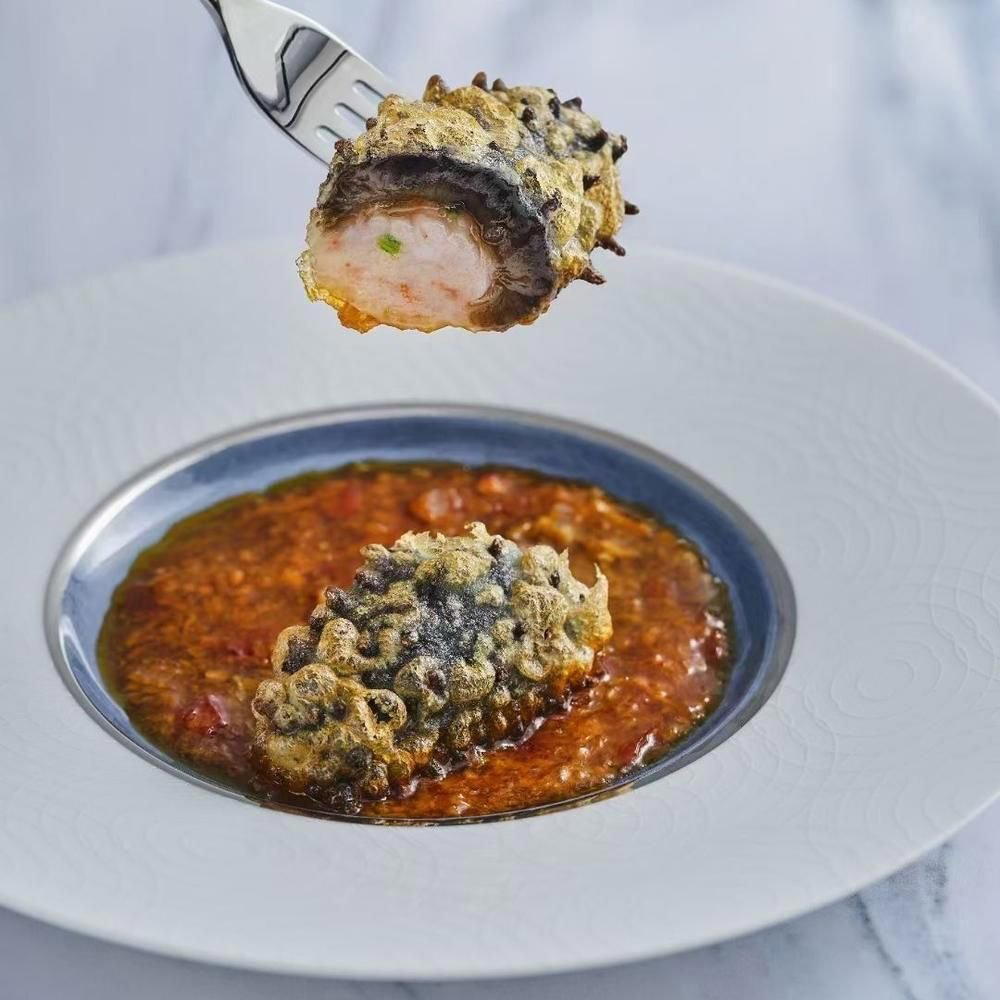
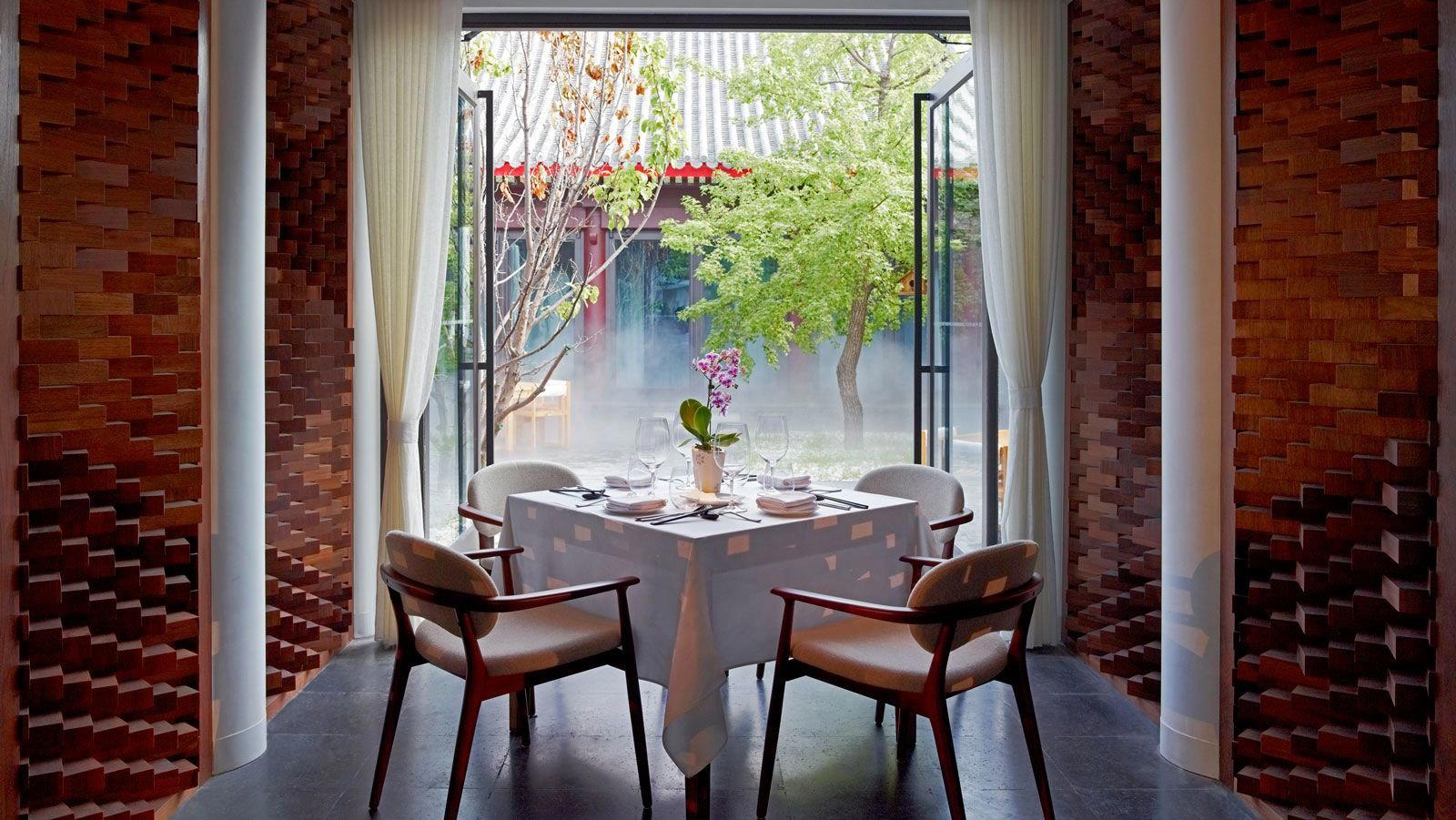
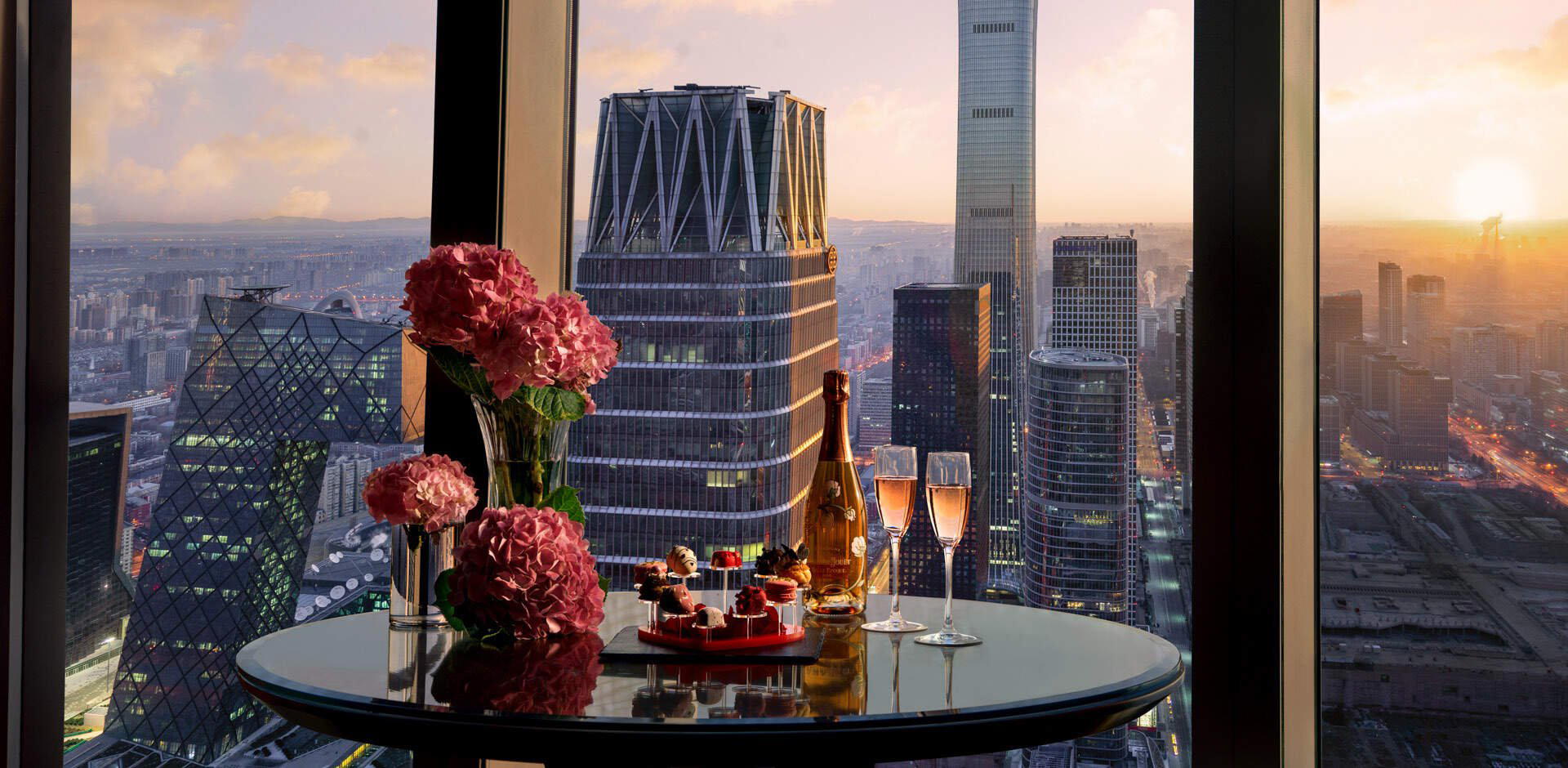
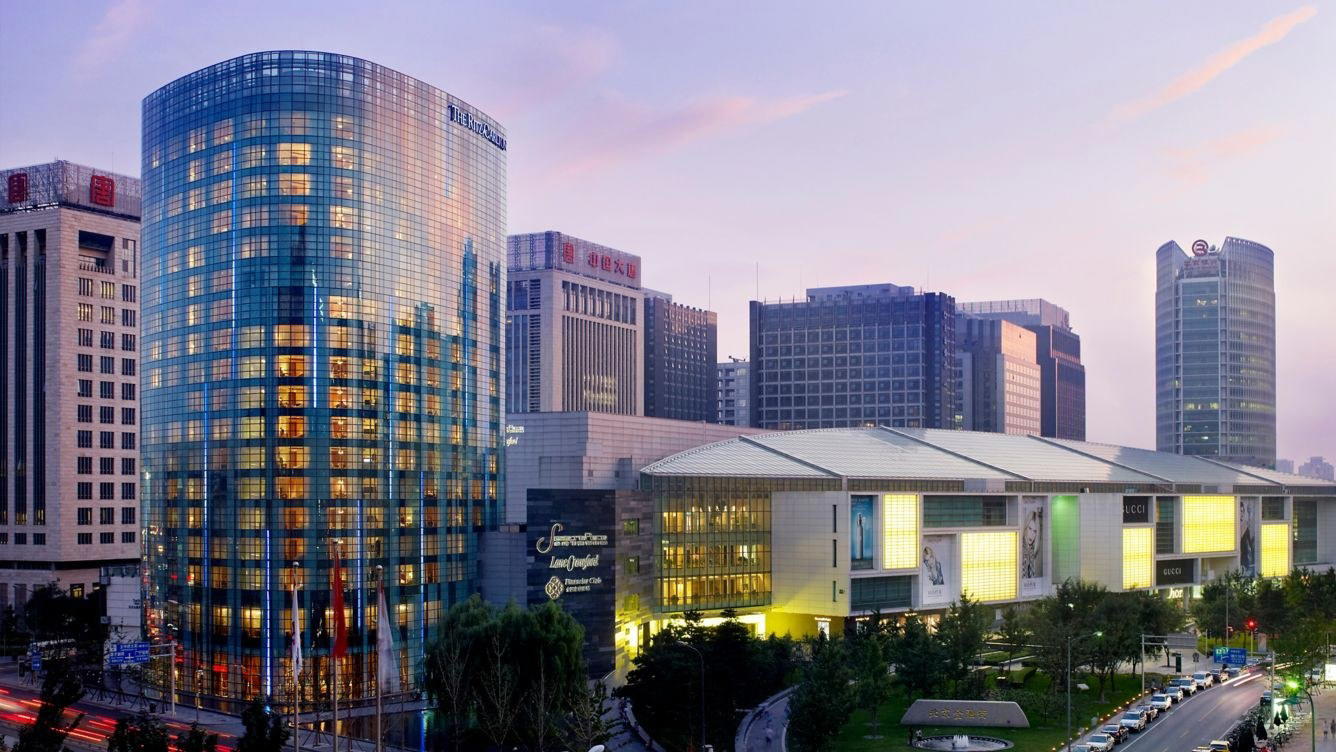
At a Glance
- Classic
- Well Known
- Elegant
- Group Dining
- Casual Hangout
- Special Occasion
- Historic Building
- Local Sourcing
Current opening hours
- Monday
- 10 AM–2 PM, 4:30–9:30 PM
- Tuesday
- 10 AM–2 PM, 4:30–9:30 PM
- Wednesday
- 10 AM–2 PM, 4:30–9:30 PM
- Thursday
- 10 AM–2 PM, 4:30–9:30 PM
- Friday
- 10 AM–2 PM, 4:30–9:30 PM
- Saturday
- 10 AM–2 PM, 4:30–9:30 PM
- Sunday
- 10 AM–2 PM, 4:30–9:30 PM
Hours can change for holidays and private events. Last verified .
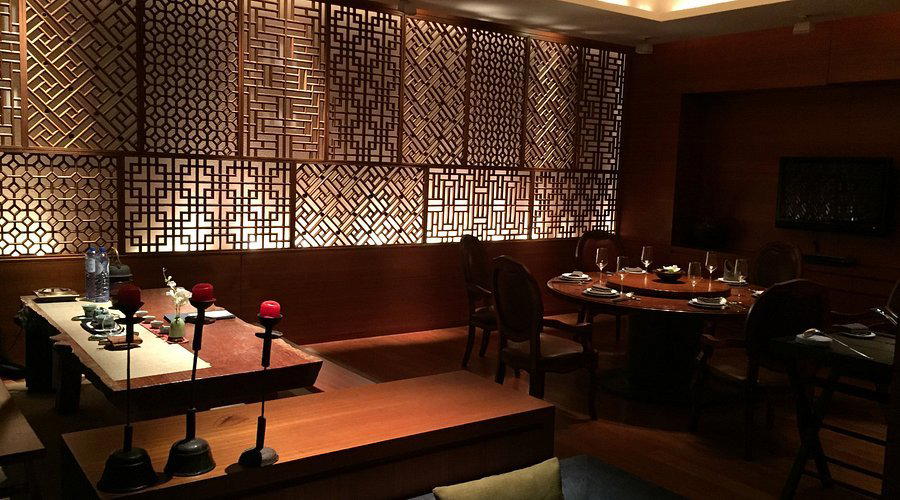
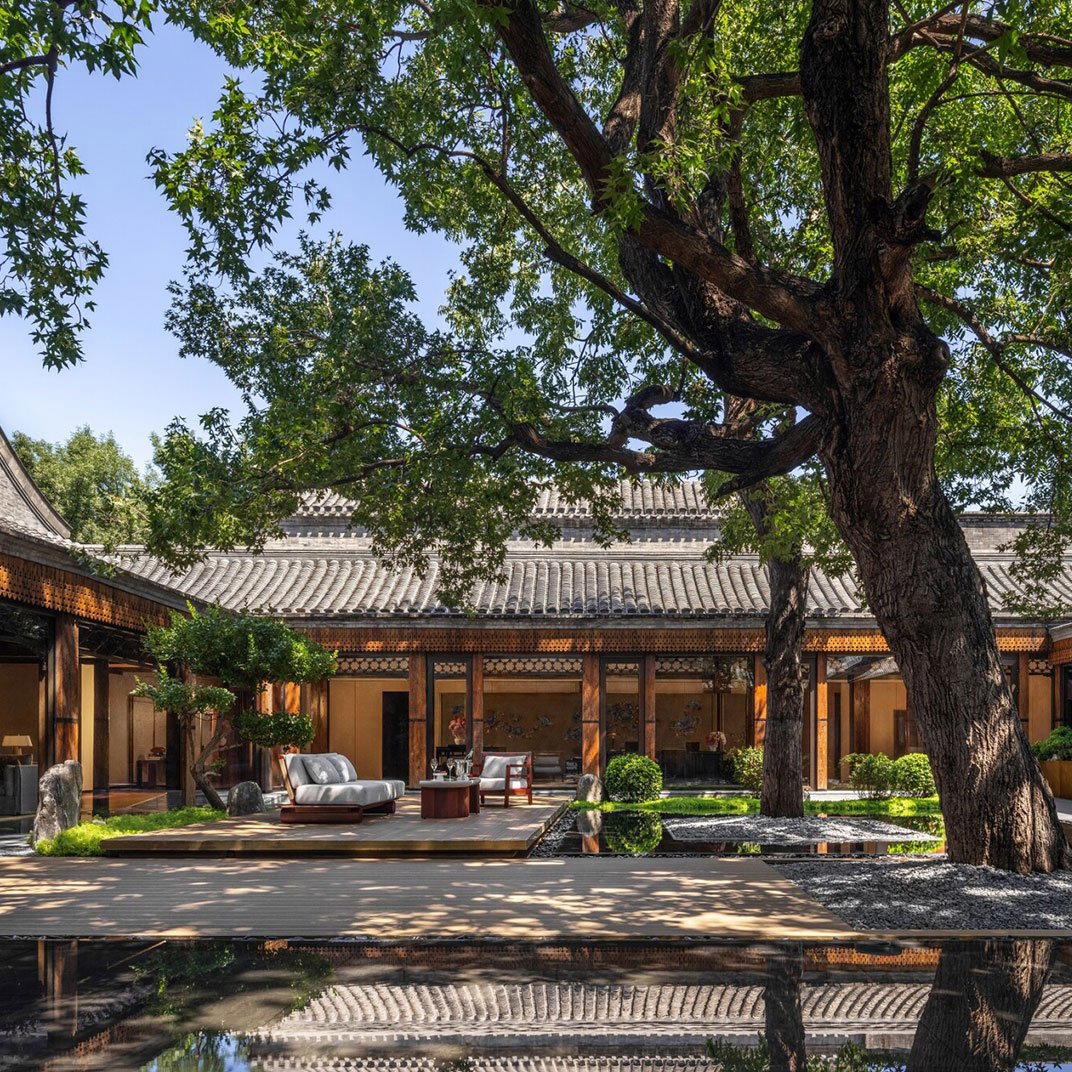
Warm and inviting with rich aromas of authentic Chinese cooking; dominated by maroon-red colors, velvety curtains, and bright chandeliers overhead, evoking 1950s China.