



2 Michelin Stars · World's 50 Best #56 · Black Pearl 1 Diamond
Our verdict
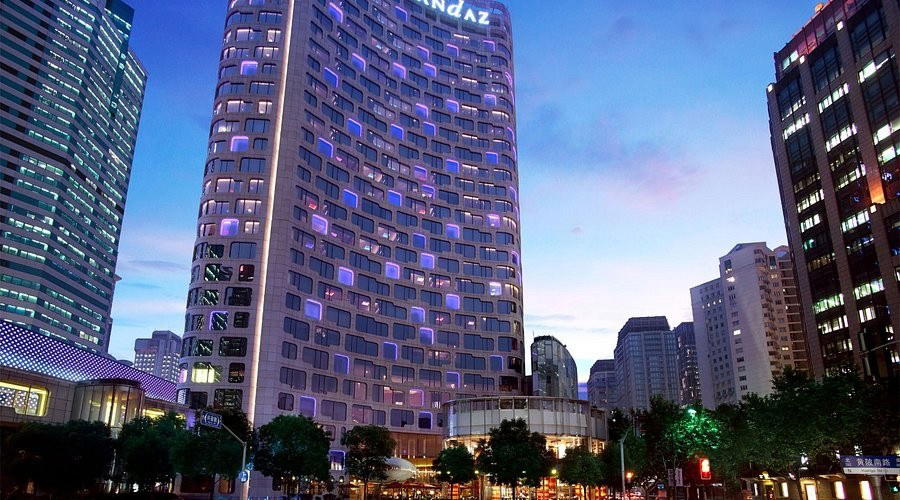
Xin Rong Ji brings Taizhou cuisine to Chengdu at its highest tier, holding two Michelin stars, a Black Pearl Diamond, and a place at number 56 on Asia's 50 Best list in 2025. Under chef Ma Lin, the kitchen works within a seafood-forward tradition that sits in deliberate contrast to the city's dominant Sichuan register. The address is Pei Mansion Hotel on Nanyang Road in Jing'an, Shanghai.

Pearl is the En Primeur Club membership app, where members save venues, book tables and use the concierge.
A Different Grammar in a Sichuan City
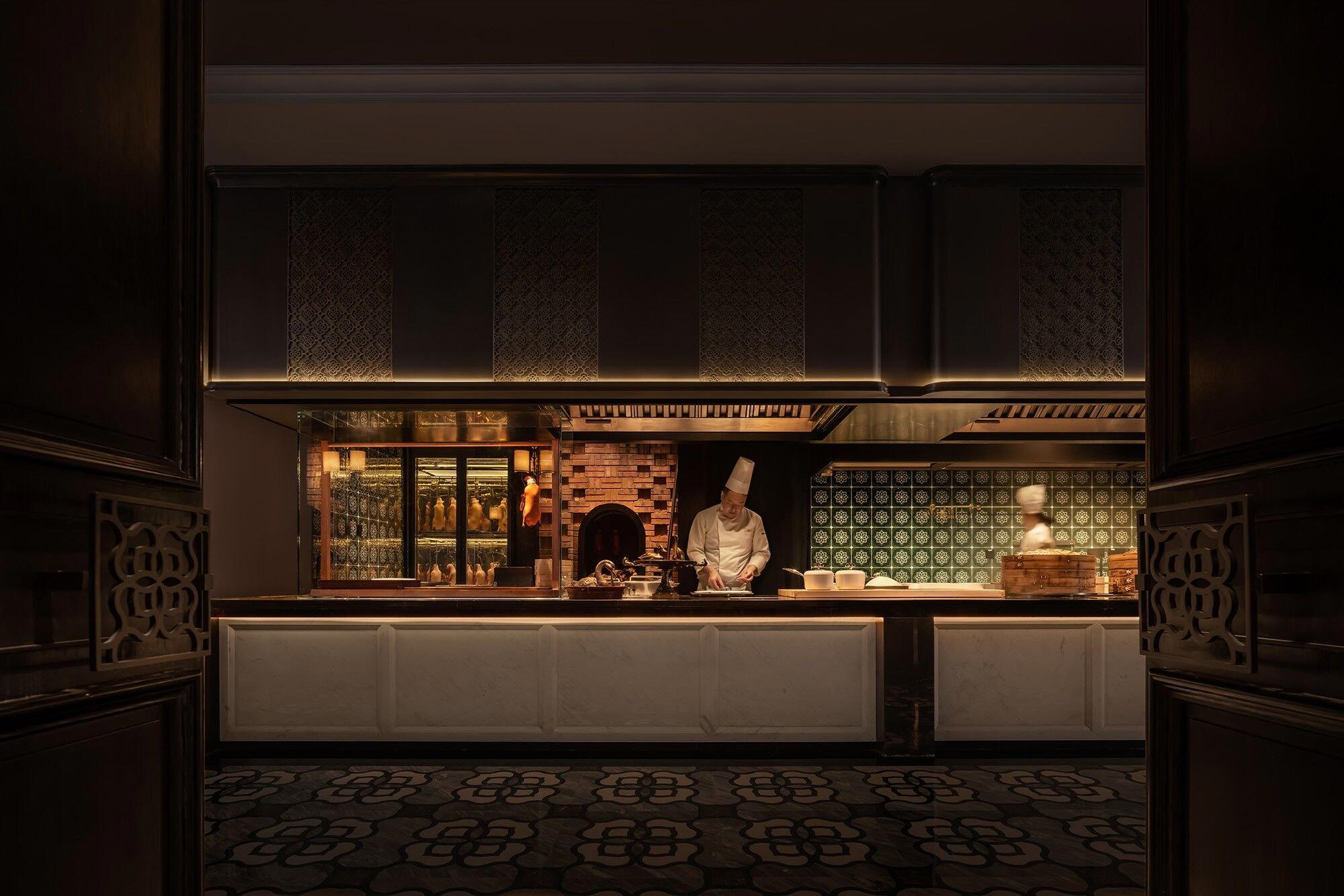
Chengdu's dining identity is built on heat, oil, and the numbing authority of Sichuan peppercorn. Walk into Xin Rong Ji and that grammar changes immediately. The room draws on the restrained aesthetic that the brand's higher-end outposts have made their signature across China: composed materials, controlled light, table spacing wide enough that conversation stays private. There is no performance of spice, no wok smoke drifting through the dining room. The sensory register is cooler and more deliberate, which is precisely the point. Taizhou cooking, the coastal tradition from Zhejiang province that Xin Rong Ji has carried into the national conversation, does not announce itself the way Sichuan food does. It asks for attention rather than demanding it.
That contrast matters more in Chengdu than it might elsewhere. The city's four-symbol (¥¥¥¥) tier is anchored by Sichuan specialists: Yu Zhi Lan operates at the summit of that tradition, and venues like Fu Rong Huang and Fang Xiang Jing hold their own positions within a well-mapped competitive set. Xin Rong Ji occupies a separate lane entirely.
What the Menu Architecture Reveals
Taizhou cuisine is structured around seafood and the techniques used to preserve its integrity. Where Sichuan cooking layers flavour on top of an ingredient, Taizhou cooking asks what the ingredient itself can carry. That distinction shapes every decision at the menu level: preparation is restrained, seasoning is precise rather than assertive, and the sequence of dishes tends to build from delicate to rich rather than opening with a confrontational statement. A menu at this level functions almost like a series of arguments about what Taizhou cooking is and is not.
The kitchen under chef Ma Lin works within that framework rather than pushing against it. The Black Pearl Diamond (2025) adds recognition from a China-specific guide that weights local dining culture and regional cooking knowledge differently from the Michelin framework. A ranking of 56 on Asia's 50 Best Restaurants list in 2025 extends that validation into a pan-regional comparison that includes Japanese, Korean, and Southeast Asian fine dining at the same tier. Few Chinese regional cuisine restaurants in non-coastal cities hold all three simultaneously.
What that combination signals, from a menu architecture perspective, is a kitchen committed to a narrow brief executed at depth. Taizhou cooking does not have the global familiarity of Cantonese or the tourist-facing legibility of Sichuan. It requires a menu built for diners who either already understand the tradition or are willing to be guided through it. At this price point and in this city, that is a deliberate bet on the diner's curiosity rather than their expectations.
Taizhou in the Broader Chinese Fine-Dining Argument
The last decade in Chinese fine dining has been a sustained argument about which regional cuisines can hold space at the highest tier. Cantonese dominated the early Michelin era in Hong Kong and Guangzhou, while Shanghainese cooking produced a cluster of serious restaurants along the Bund and in Jing'an. Taizhou's rise into this conversation is more recent and more specific. Its coastal seafood traditions, the careful braising techniques, the particular balance of sweetness and salinity that characterises the cuisine at its finest, have not been as widely exported or adapted. Xin Rong Ji has been the primary vehicle for making the case that Taizhou belongs in the same room as those other traditions.
That argument plays out differently depending on the city. In Shanghai, where 102 House and other operators compete in a dense high-end market, Taizhou has a geographic logic. In Chengdu, it requires a different kind of positioning. The diner who books at this address is almost certainly not arriving by accident. They know the brand, understand the cuisine, and have chosen it over the Sichuan specialists that define the city's culinary identity. That selectivity tends to produce a more focused room and a more consistent service dynamic than venues that must serve a wider range of expectations.
For context on how this fits into Chengdu's broader premium restaurant scene, the full Chengdu restaurants guide maps the competitive set across cuisines and price tiers. Venues at adjacent price points doing different regional work include Hokkien Cuisine and Ma's Kitchen, both of which demonstrate that Chengdu's ¥¥¥¥ tier has expanded well beyond its Sichuan core.
Placing Xin Rong Ji in the Wider Network
Xin Rong Ji operates as a multi-city brand with differentiated positioning across its outposts. The Chengdu location draws credibility from the network's collective awards record while maintaining its own Michelin standing. Comparable Chinese fine-dining operations in other cities that occupy a similar competitive position include Ru Yuan in Hangzhou, Chef Tam's Seasons in Macau, and Imperial Treasure Fine Chinese Cuisine in Guangzhou. Each holds multi-star or equivalent recognition while serving a regional Chinese cuisine tradition at the highest price tier. Dai Yuet Heen in Nanjing represents a similar dynamic in that city's market.
Within the Xin Rong Ji brand specifically, the Beijing address at Xinyuan South Road provides the clearest north-south comparison point for understanding how the kitchen adapts the same culinary tradition to different diner profiles. Beijing's fine-dining clientele has historically been more comfortable with formal service structures and set-menu formats than Shanghai's, which leans toward flexibility and seasonal responsiveness. Chengdu sits in a different register again: a city with deep food confidence, where even premium dining is evaluated against a street-level tradition of exceptional cooking.
Know Before You Go
- Cuisine: Taizhou (coastal Zhejiang)
- Price tier: ¥¥¥¥ (top tier in the local market)
- Awards (2025): Michelin 2 Stars, Black Pearl 1 Diamond, Asia's 50 Best Restaurants #56
- Chef: Ma Lin
- Booking: Advance reservation strongly advised given awards standing and limited premium seatings at this level
- Further reading: Chengdu hotels guide | Chengdu bars guide | Chengdu experiences guide | Chengdu wineries guide
Frequently asked questions
What is the atmosphere like at Xin Rong Ji?
The room operates at a deliberate distance from the heat and noise that characterise most Chengdu dining. At the ¥¥¥¥ price tier, with two Michelin stars and a 2025 Black Pearl Diamond, the setting is calibrated for focus rather than spectacle. Taizhou cuisine's emphasis on restraint and ingredient clarity sets the tone from plate to room.
What's Xin Rong Ji's location?
Xin Rong Ji is located at China, Shanghai, Jing'anNanyang Rd170号Pei Mansion Hotel 邮政编码: 200041, Chengdu.
What distinctions does Xin Rong Ji have?
Xin Rong Ji has received recognition including: Black Pearl 1 Diamond (2025); World's 50 Best Asia's Best Restaurants #56 (2025); Michelin 2 Stars (2025).
What's the must-try dish at Xin Rong Ji?
Taizhou cuisine is anchored in seafood and preservation technique, so the kitchen's handling of fish and shellfish is where the cooking makes its argument. Ask staff for the day's market-driven options when booking at this World's 50 Best Asia #56 restaurant.
Side-by-Side Snapshot
A small set of peers for context, based on recorded venue fields.
| Venue | Cuisine | Price | Awards | Notes |
|---|---|---|---|---|
| Xin Rong JiThis venue (the venue you are viewing) | Chinese | Not listed | 2 Michelin Stars · World's 50 Best #56 | Not listed |
| Yu Zhi Lan | Sichuan | Not listed | Not listed | Not listed |
| Mi Xun Teahouse | Modern Vegetarian Sichuan Chinese | $30–50 | 1 Michelin Star | Vegetarian |
| Chen Mapo Tofu (Qinghua Road) | Authentic Sichuan Mapo Tofu | $10–20 | Michelin Bib Gourmand | Sichuan |
| Co- | Modern French Tasting Menu | $150–200 | 1 Michelin Star · World's 50 Best #69 | Innovative |
| Dumpling & Drinks (Lanchao Road) | Traditional Sichuan Dumplings | $1–10 | Michelin Bib Gourmand | Dumplings |
Recognition history
Dated appearances from independent guides and award organizations, with the underlying list record or original source where available.
Michelin 2 Stars
Michelin
World's 50 Best Asia's Best Restaurants #56
World's 50 Best
Opinionated About Dining Top Restaurants in Asia Ranked #10
Opinionated About Dining
Black Pearl 1 Diamond
Black Pearl
Continue exploring
More in Shanghai
Restaurants in Shanghai
All restaurants in Shanghai →
Bars in Shanghai
All bars in Shanghai →



Details
Current opening hours
- Monday
- 11:30 AM–2:30 PM, 5–10:30 PM
- Tuesday
- 11:30 AM–2:30 PM, 5–10:30 PM
- Wednesday
- 11:30 AM–2:30 PM, 5–10:30 PM
- Thursday
- 11:30 AM–2:30 PM, 5–10:30 PM
- Friday
- 11:30 AM–2:30 PM, 5–10:30 PM
- Saturday
- 11:30 AM–2:30 PM, 5–10:30 PM
- Sunday
- 11:30 AM–2:30 PM, 5–10:30 PM
Hours can change for holidays and private events. Hours as of .