

2 Michelin Stars · La Liste Top Restaurants
Our verdict
Jingji holds two Michelin stars in consecutive years (2024 and 2025) and a La Liste score of 78 points, placing it among Beijing's most decorated Beijing Cuisine tables. Located inside the Peninsula Hotel on Jinyu Hutong in Dongcheng, the restaurant operates at the ¥¥¥¥ tier under chef Eric Francou.

Pearl is the En Primeur Club membership app, where members save venues, book tables and use the concierge.
The menu
What to order
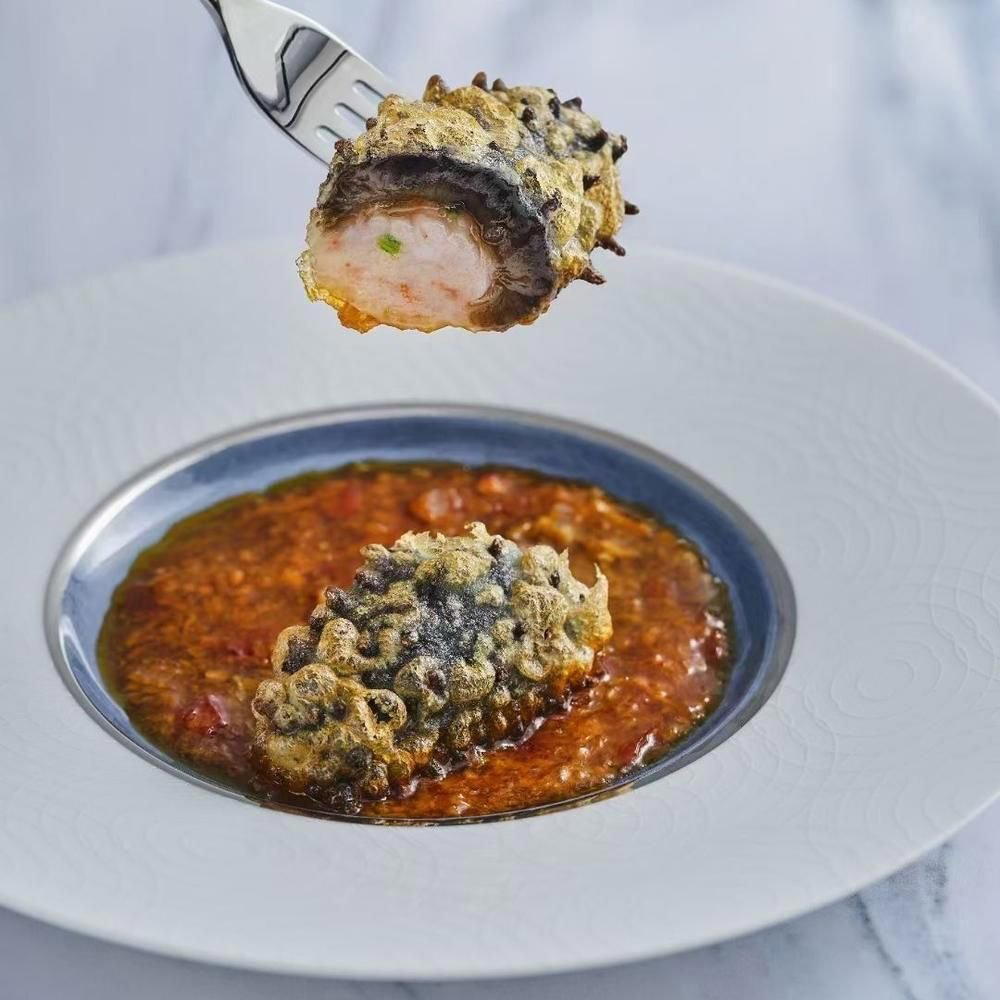
- Crabmeat and crab roe on crispy fish maw
- Bird's nest
- Abalone
Beijing Cuisine at Its Most Formal Register
Dongcheng's hutong grid holds the oldest stratum of Beijing's dining identity, and Jinyu Hutong sits near its centre. The Peninsula Hotel occupies a position on that lane that bridges imperial-era geography with contemporary luxury hospitality, and Jingji operates from within that frame. The restaurant draws on the Beijing Cuisine tradition, a category that encompasses imperial court cooking, Shandong-influenced technique, and the slow-braised, sauce-led preparations that defined northern Chinese fine dining long before the Michelin Guide arrived in the city. At the ¥¥¥¥ price tier, it competes in the same bracket as King's Joy and Lamdre, both two-star and one-star holders respectively, though Jingji's focus on classical northern cooking sets it apart from vegetarian-led peers in that tier.
The Wine Programme in a Beijing Cuisine Context
Pairing European wine with Beijing Cuisine presents a set of structural challenges that most regional Chinese kitchens have historically sidestepped. Roasted meats, fermented pastes, and slow-cooked legume preparations carry flavour intensities that compress many lighter red wines and make delicate whites disappear. Restaurants operating at the two-Michelin-star level in Beijing's top tier have, in recent years, begun treating their cellars as seriously as their kitchens, partly because the international traveller segment that books these rooms arrives with wine expectations shaped by Europe and Japan. At Jingji, chef Eric Francou's background brings a perspective that crosses Chinese technique with an understanding of how European kitchens approach beverage integration, which positions the restaurant to hold a more considered wine programme than most Beijing Cuisine specialists. The editorial evidence for this is structural rather than menu-specific: a La Liste ranking of 78 points, alongside two consecutive Michelin stars, signals that the evaluators are scoring the full experience, not the kitchen alone. La Liste's methodology weights service and beverage as components of the overall score, making 78 points a reasonable signal of programme depth across the room.
For regional comparison, the Beijing Cuisine format exported to other cities gives some sense of what a polished version of this cooking demands from a cellar. Sheng Yong Xing (Huangpu) in Shanghai and Do It True (Xinyi) in Taipei represent how the tradition travels, and both operate in markets where wine literacy among guests is assumed. Jingji's position inside a Peninsula property gives it cellar infrastructure that standalone Beijing Cuisine restaurants rarely access, including storage standards and a procurement network that supports broader allocation wine.
Two Stars, Two Years: What the Michelin Record Implies
Consistency is the harder credential in Michelin's logic. A single star in a debut year can reflect a strong opening performance; retaining two stars across 2024 and 2025 indicates that inspectors returned and found the kitchen operating at the same level. In Beijing's current Michelin field, three-star holders include Xin Rong Ji (Xinyuan South Road) in the Taizhou category and Chao Shang Chao (Chaoyang) in the Chao Zhou category, both at the ¥¥¥¥ tier. Jingji's two-star position within the Beijing Cuisine category places it as the reference point for that specific tradition in the guide's current rankings. The La Liste score of 78 points, published for 2026, adds a second independent data point: that publication draws on a broader aggregation of critic opinions and guest reviews than Michelin's inspector-only model, so alignment between the two systems carries more weight than either in isolation.
For travellers building a multi-city itinerary around China's Michelin scene, the comparison set is instructive. Ru Yuan in Hangzhou, Chef Tam's Seasons in Macau, and 102 House in Shanghai represent the upper register of regional Chinese fine dining in their respective cities. Jingji performs the equivalent function in Beijing: the room where Beijing Cuisine is presented in its most formal, most scrutinised format.
The Setting: Peninsula Hotel, Jinyu Hutong
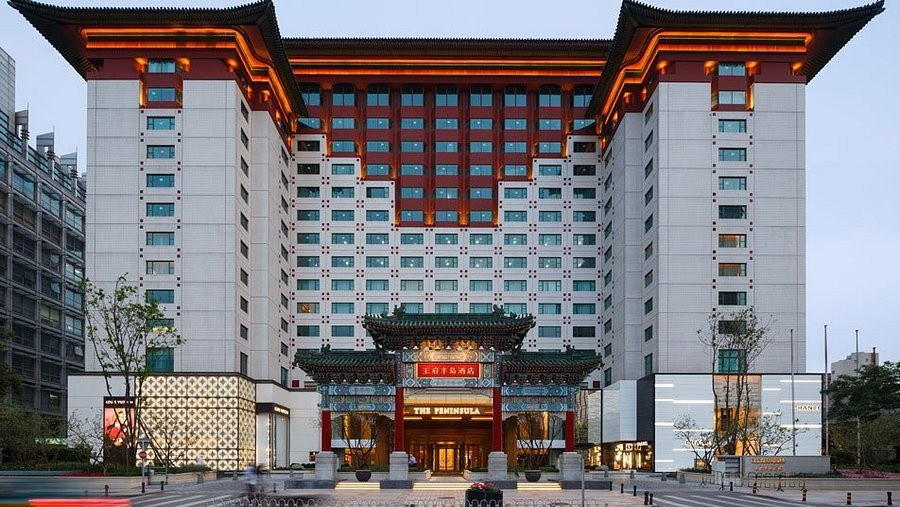
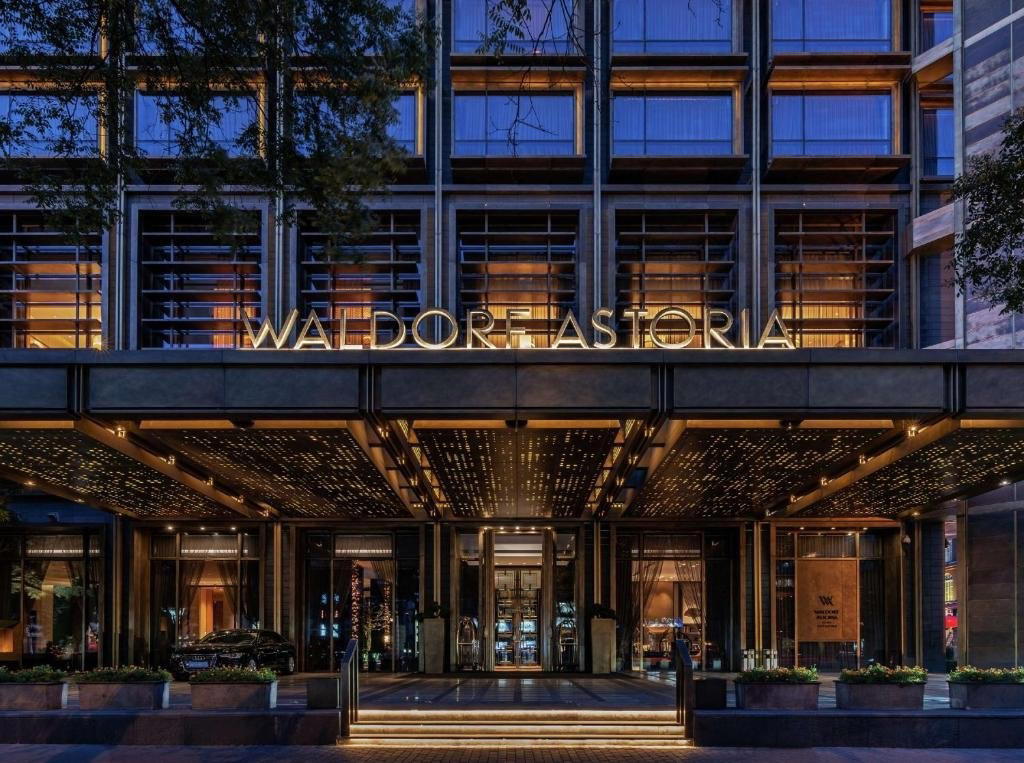
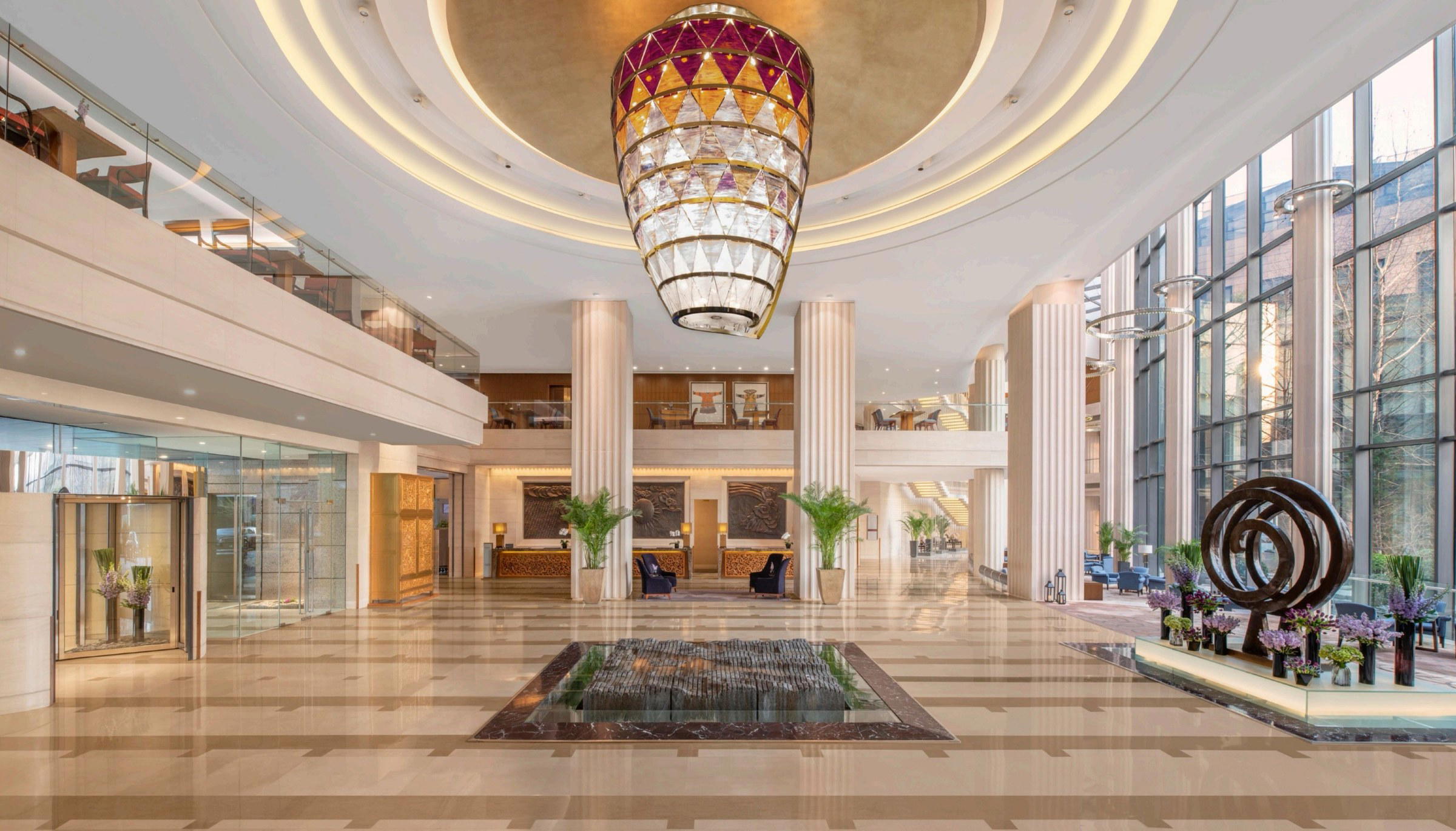
The approach to Jingji carries its own context. Jinyu Hutong runs through one of Dongcheng's most historically layered neighbourhoods, close to the eastern perimeter of the former imperial city. The Peninsula Beijing has occupied this address long enough that its presence has become part of the lane's identity rather than an interruption of it. Arriving through a luxury hotel lobby and stepping into a Beijing Cuisine dining room creates a particular kind of register shift: the cooking tradition is ancient and local; the setting is international and controlled. That juxtaposition is not incidental. It is the format that China's top-tier regional restaurants have increasingly adopted, and it shapes both who can afford to eat there and what the service model looks like. The room operates at a remove from the neighbourhood's street-level energy, which is not a criticism so much as an honest description of what the ¥¥¥¥ tier delivers in Beijing.
For Beijing restaurants that approach the same tradition from different angles and at different price points, Mansion Cuisine by Jingyan and Jing Hua Lou offer useful reference points, while Fortune Long Beijing Bean Sauce Noodles (East Xinglong Street) represents the tradition at its most stripped-back, ingredient-focused register. The distance between those tables and Jingji measures the full range of Beijing Cuisine in its home city.
Chef Eric Francou and the Cross-Cultural Kitchen
The broader pattern of European-trained chefs leading regional Chinese fine-dining rooms has accelerated across mainland China's leading hotel properties over the past decade. The model works because these kitchens are not simply cooking Chinese food for Chinese guests: they are presenting a regional tradition to an international room and need to hold both audiences simultaneously. Chef Eric Francou's presence at Jingji fits that pattern. The editorial weight of his role is not his biography but the outcome: two Michelin stars in consecutive years and a La Liste score that places the restaurant in the top tier of Beijing's formal dining options. Within Beijing's wider scene, Fu Man Yuan (Xinyuanli) and Poetry‧Wine (Dongsanhuan Middle Road) represent other approaches to formal northern Chinese cooking, and the contrast in style between those rooms and Jingji reflects how much interpretive range exists within the category.
Planning Your Visit
Jingji is located at 8 Jinyu Hutong, Dongcheng, inside the Peninsula Beijing, postal code 100006. At the ¥¥¥¥ tier with two Michelin stars, the restaurant draws a mix of hotel guests and external diners. Tables at two-star Beijing restaurants in this bracket typically require advance booking, particularly for weekend dinner service and for larger parties; those planning around a specific date should plan accordingly and confirm directly with the Peninsula concierge or restaurant team. The hotel's address in Dongcheng places it within reach of Wangfujing and the eastern hutong district, accessible by metro to Dengshikou or Wangfujing stations. For the broader Beijing dining picture beyond this table, our full Beijing restaurants guide covers the city's range across categories and price tiers. For accommodation context, our full Beijing hotels guide maps the city's hotel landscape. Travellers wanting to round out a stay with bar and experience programming can find curated options in our full Beijing bars guide and our full Beijing experiences guide. For the city's wine retail and winery scene, our full Beijing wineries guide provides additional context.
For travellers comparing across China's top-tier Chinese restaurant scene, Xin Rong Ji in Chengdu, Imperial Treasure Fine Chinese Cuisine in Guangzhou, and Dai Yuet Heen in Nanjing each represent the upper register of their respective regional traditions, making a multi-city itinerary anchored around these tables a coherent way to track how formal Chinese dining differs across the country's major culinary regions.
Frequently asked questions
What is the signature dish at Jingji?
What the awards record does confirm is that the kitchen operates within the Beijing Cuisine tradition, which at the two-Michelin-star level typically involves refined interpretations of northern Chinese preparations including braised proteins, fermented condiment applications, and imperial court-influenced plating. Chef Eric Francou's cross-cultural training adds a layer of technique to that base.
How hard is it to get a table at Jingji?
Two consecutive Michelin stars at the ¥¥¥¥ tier in a major international hotel makes Jingji a table with genuine demand pressure. Beijing's leading Michelin-starred rooms in this price bracket, particularly those inside luxury hotels with high international guest volume, tend to see weekend dinner slots fill earliest. If you are travelling to Beijing with a fixed date and this restaurant is a priority, booking well in advance, ideally four to six weeks ahead for prime slots, reduces the risk of the table not being available. Hotel guests at the Peninsula may have access to concierge reservation support. The La Liste score of 78 points for 2026 adds external visibility that typically amplifies booking competition at rooms of this calibre.
Price and Positioning
| Venue | Cuisine | Price | Awards | Notes |
|---|---|---|---|---|
| JingjiThis venue (the venue you are viewing) | Imperial Beijing Royal Cuisine | $200–300 | 2 Michelin Stars · La Liste Top Restaurants | Not listed |
| Jing | Modern French with Asian Influences | $300–500 | 1 Michelin Star · Black Pearl 1 Diamond | French Contemporary |
| Xin Rong Ji (Xinyuan South Road) | Taizhou Chinese Fine Dining | $300–500 | 3 Michelin Stars · World's 50 Best #84 | Taizhou |
| Chao Shang Chao (Chaoyang) | Modern Chaoshan (Teochew) Fine Dining | $300–500 | Michelin Plate · La Liste Top Restaurants | Chao Zhou |
| Lamdre | Modern Plant-Based Chinese Vegetarian | Not listed | 2 Michelin Stars · World's 50 Best #17 | Vegetarian |
| Lu Shang Lu | Modern Shandong Confucius Cuisine | Not listed | 2 Michelin Stars | Shandong |
Recognition history
Dated appearances from independent guides and award organizations, with the underlying list record or original source where available.
Michelin 2 Stars
Michelin
La Liste Top Restaurants
La Liste
Full recognition history (3 entries)
Michelin 2 Stars
Michelin
Continue exploring
More in Beijing
Restaurants in Beijing
All restaurants in Beijing →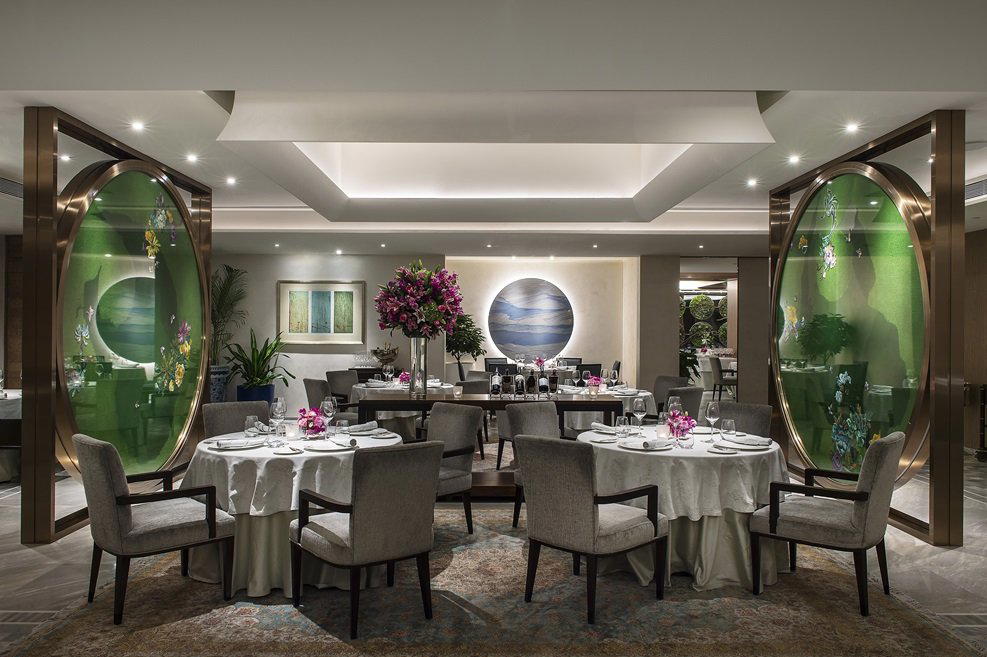
Bars in Beijing
All bars in Beijing →

Details
- Elegant
- Sophisticated
- Intimate
- Business Dinner
- Special Occasion
- Celebration
- Private Dining
- Hotel Restaurant
- Local Sourcing
- Sustainable Seafood
- Tasting Menu
- Set Menu
- Wine
- Vegetarian Friendly
- Gluten Free Options
- Pescatarian Friendly
Current opening hours
- Monday
- 11 AM–10 PM
- Tuesday
- 11 AM–10 PM
- Wednesday
- 11 AM–10 PM
- Thursday
- 11 AM–10 PM
- Friday
- 11 AM–10 PM
- Saturday
- 11 AM–10 PM
- Sunday
- 11 AM–10 PM
Hours can change for holidays and private events. Hours as of .
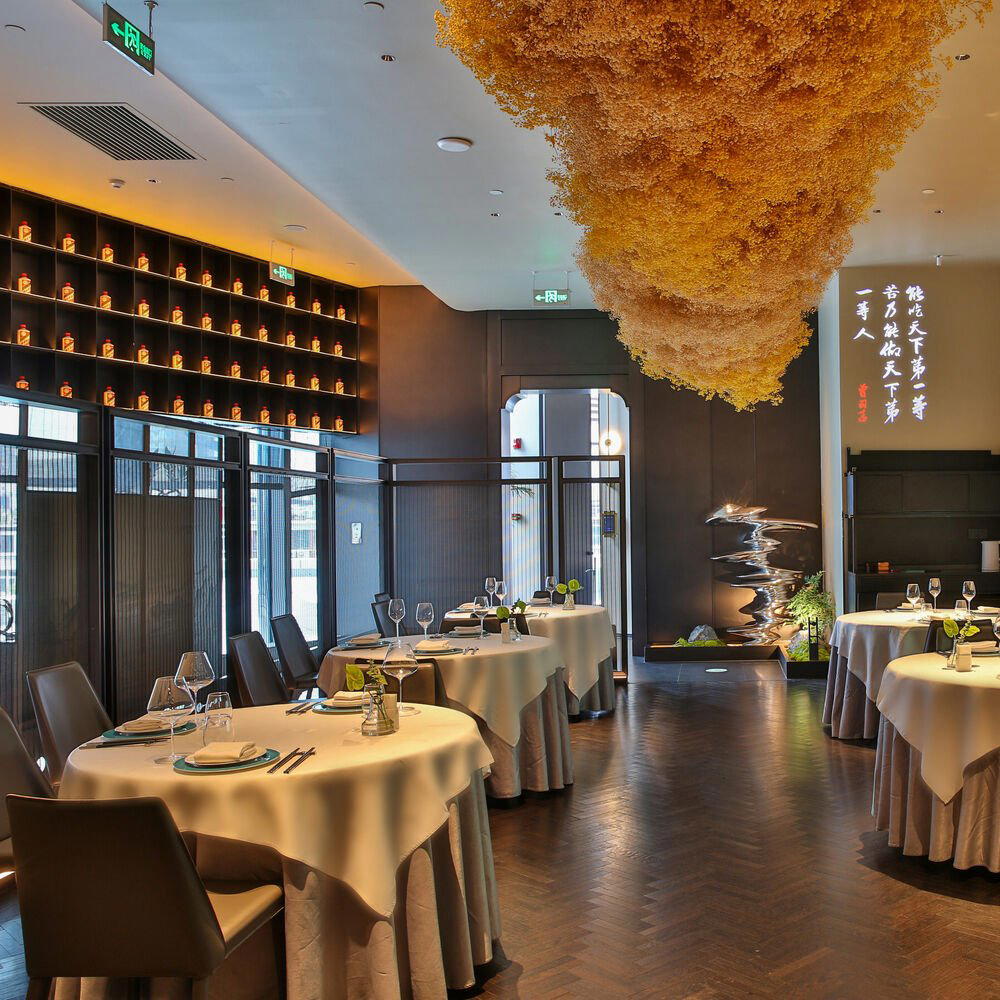
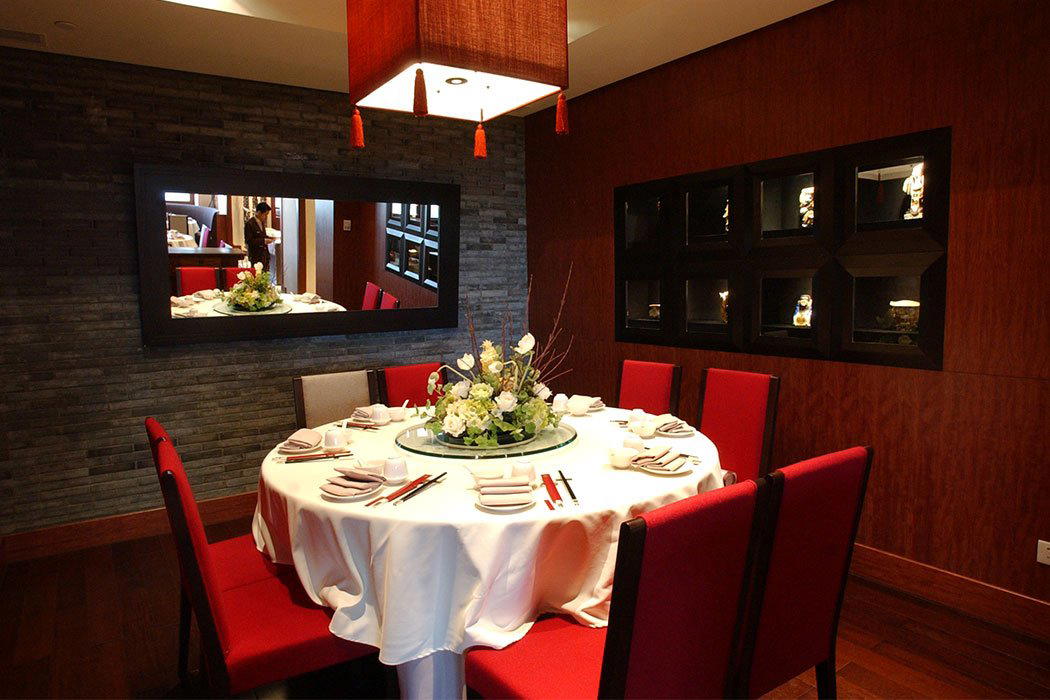
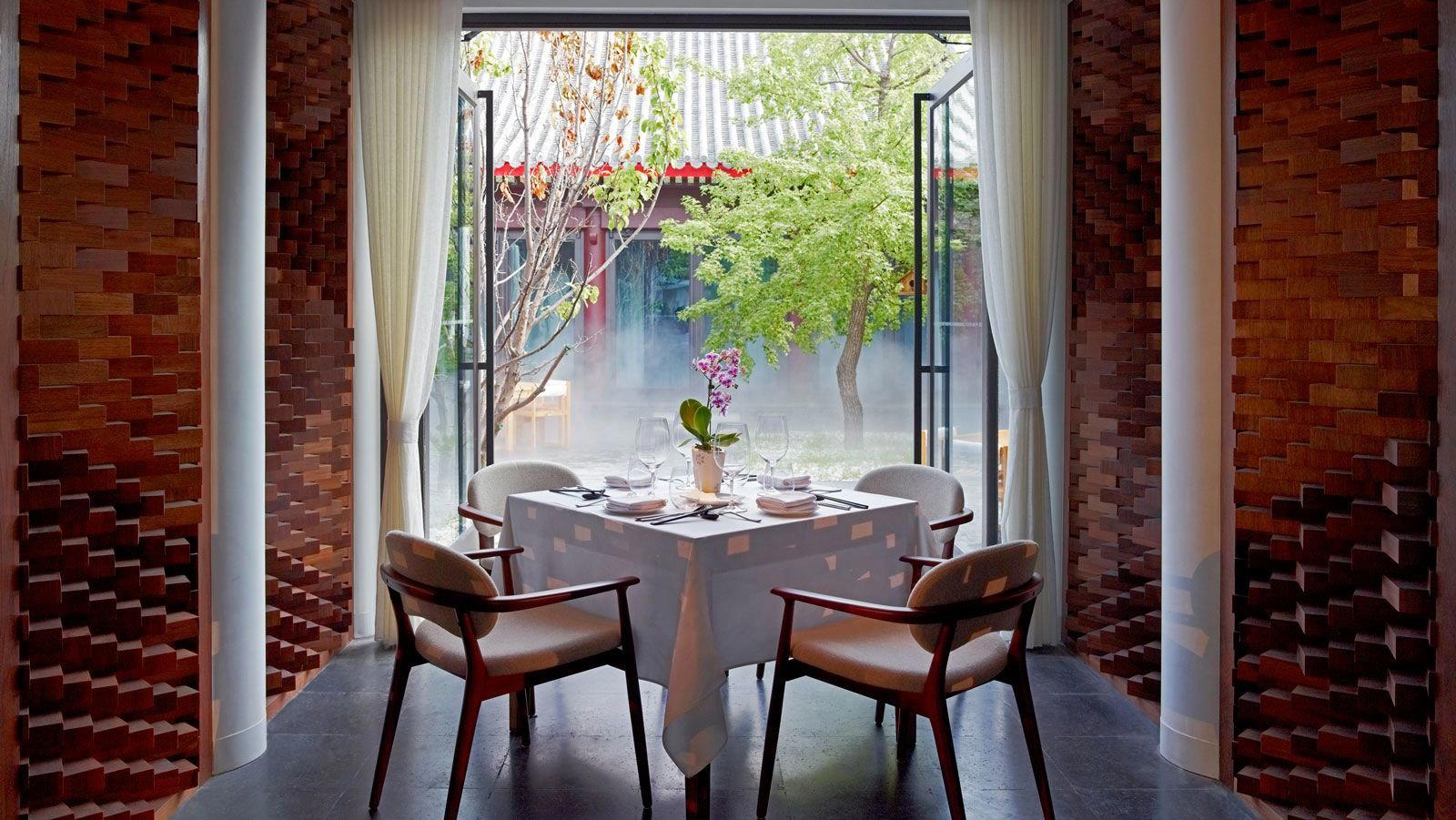
Understated elegance with sophisticated design sensibilities drawing inspiration from Beijing's cultural heritage; refined dining room with intimate setting for culinary theater.