




Xin Rong Ji on Xinyuan South Road holds three Michelin stars and a Black Pearl 2 Diamond (2025), placing it among Beijing's most decorated Chinese fine-dining addresses. The kitchen works within the Taizhou tradition, a coastal style from Zhejiang province built on precise seafood technique and restrained seasoning. For the Chaoyang dining circuit, it represents the upper bracket of formal regional Chinese cuisine.
Pearl is the En Primeur Club membership app — saves, bookings, and concierge access live there. Same editors, same standards.
- Address
- 8 Xinyuan South Road, Chaoyang, Beijing, 100027, China
- Phone
- +86 10 8555 8555
- Website
- bulgarihotels.com
- Directions
- Get directions
 Saves & bookings on Pearl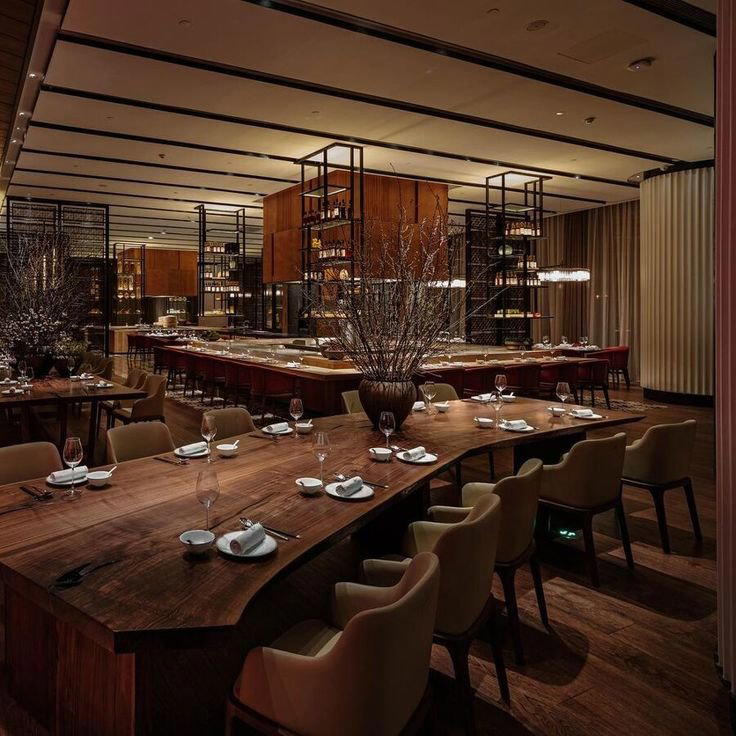
Taizhou at the summit of the Table
Beijing's fine-dining tier for regional Chinese cuisine has consolidated around a handful of addresses where kitchen pedigree, award recognition, and a committed repeat clientele define the competitive set. Within Chaoyang, the Xinyuan South Road outpost of Xin Rong Ji sits squarely in that upper bracket: three Michelin stars and a placement at number 73 on World's 50 Best Asia 2025 position it against peer counters in Shanghai, Macau, and Guangzhou rather than against the mid-market Chinese dining scene.
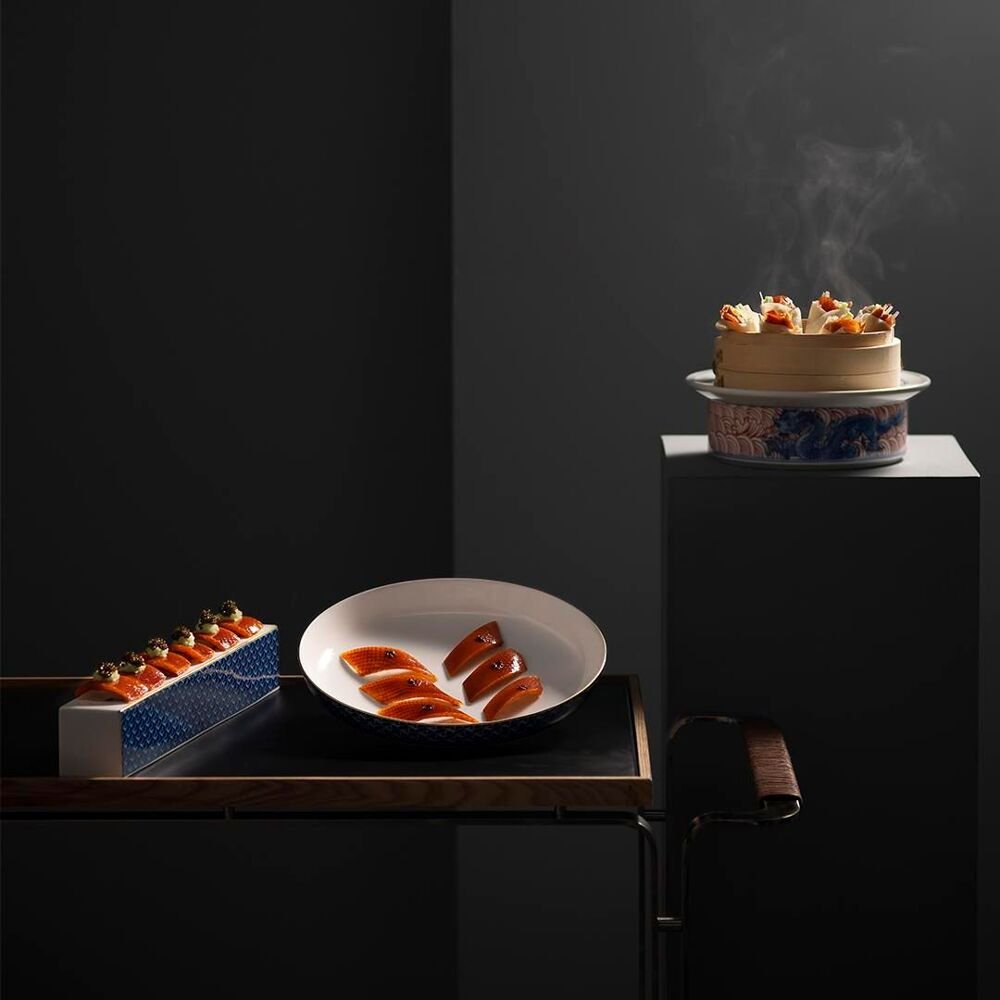
What makes Xin Rong Ji's position in Beijing specifically interesting is the cuisine itself. Taizhou cooking, rooted in the coastal city of Taizhou in Zhejiang province, is built around live seafood handled with minimal intervention, restrained seasoning that lets the natural sweetness of shellfish and fish lead, and a technique vocabulary derived from the East China Sea fishing tradition. It is not a style that plays to the historical associations Beijing diners often expect from a formal Chinese meal. Its presence at the three-Michelin-star level here signals that the capital's appetite for regional Chinese cuisines beyond the Cantonese and Sichuan mainstream has deepened considerably.
The Regulars' Logic
The question worth asking of any three-Michelin-star restaurant in a city the size of Beijing is not whether it deserves a single visit, but what keeps a table of regulars returning on a quarterly or monthly basis. For a cuisine built on seasonal seafood sourcing, the answer is partly structural: the ingredients that define Taizhou cooking shift with the East China Sea's harvest calendar, which means the kitchen's output in winter differs meaningfully from what lands on the table in spring or autumn. Regulars at venues like this rarely order from a static mental menu; they follow the sourcing.
The ¥¥¥¥ price positioning places Xin Rong Ji alongside Beijing's other upper-tier regional Chinese addresses. Within Chaoyang itself, Chao Shang Chao (Chaoyang) and Lamdre (Vegetarian) sit at the same price tier, as does the Beijing-focused Rong Cuisine (Baiziwan South Er Road) across the district. What differentiates the Xin Rong Ji proposition is the combination of award depth and a cuisine tradition that requires real sourcing discipline to execute at this level. That combination is what the returning clientele is paying for.
That flexibility matters to regulars who have eaten through the standard repertoire. A meal that references the coastal tradition while allowing for modern interpretation gives repeat visitors something to track across seasons. The Xin Rong Ji (Jinrong Street) location in Beijing operates in the same family, allowing diners to compare approaches across the two city addresses.
Taizhou in Context: A Regional Style With a National Footprint
Understanding why Xin Rong Ji commands this level of recognition requires some grounding in what Taizhou cuisine actually does that other regional Chinese styles do not. Where Cantonese cooking built its fine-dining credibility on a deep infrastructure of dim sum, roast technique, and documented lineage, and Sichuan established international recognition through the accessibility of its bold flavour profile, Taizhou occupies a narrower lane. Its identity is inseparable from product quality: the crabs, the yellow croaker, the clams, the cuttlefish from a specific stretch of Chinese coastline. Without the sourcing, the cuisine loses its argument.
This is precisely why the Xin Rong Ji brand's multi-city expansion, with outposts including Xin Rong Ji (West Nanjing Road) and The House of Rong in Shanghai, as well as Xin Rong Ji in Chengdu, is watched with interest across the Chinese fine-dining community. Each outpost makes an implicit claim about its ability to source at the quality level the cuisine demands in a city removed from the source. The three-Michelin-star result in Beijing, a landlocked capital over 1,000 kilometres from Taizhou's coast, suggests that claim holds.
For comparison within the broader regional Chinese fine-dining picture in eastern China, Ru Yuan in Hangzhou and 102 House in Shanghai offer reference points for what refined Zhejiang-adjacent cooking looks like at the summit of the market. Further afield, Dai Yuet Heen in Nanjing illustrates how Cantonese fine dining travels to non-Cantonese cities, a useful structural parallel for understanding Taizhou's similar journey northward.
Placing the Xinyuan South Road Address in the Chaoyang Circuit
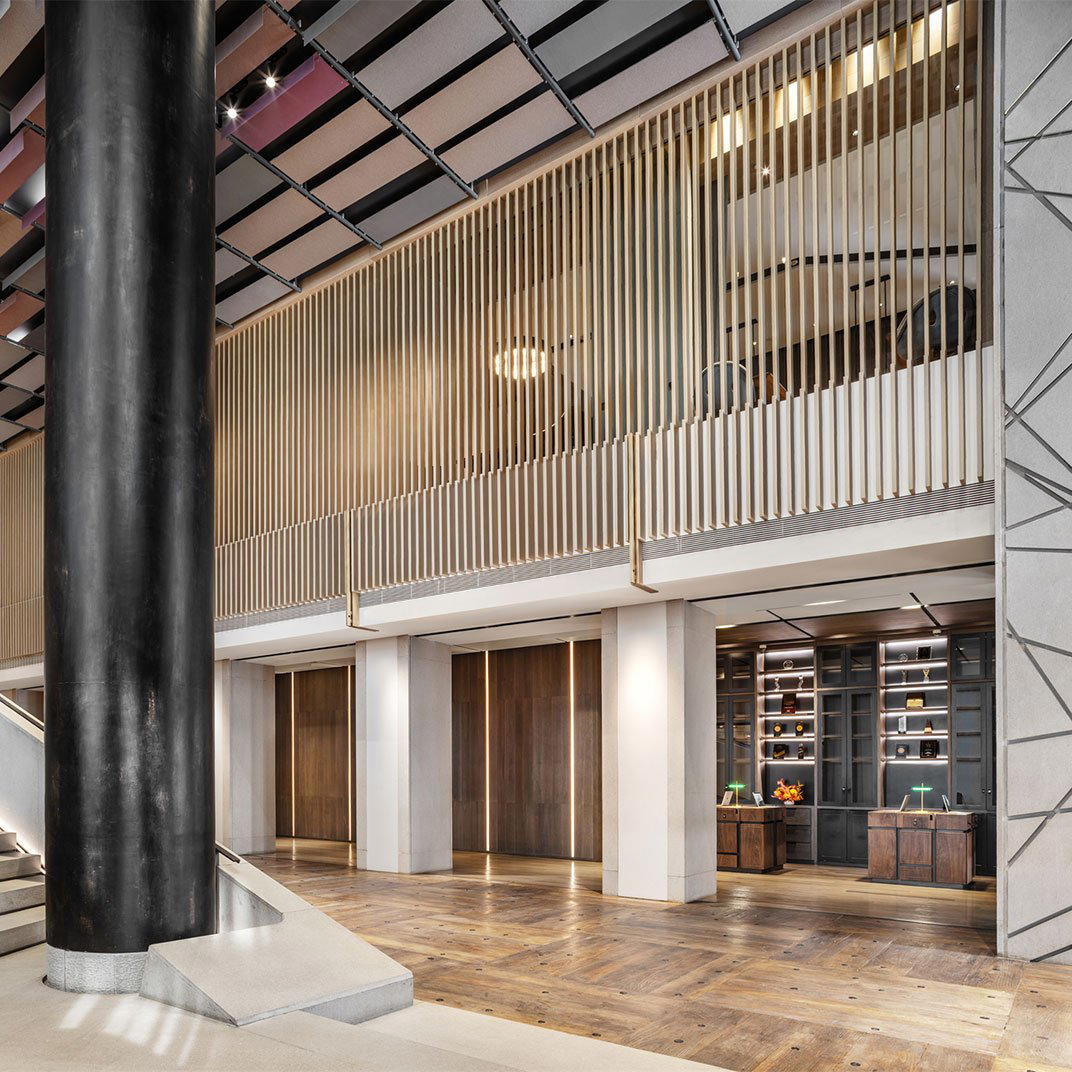
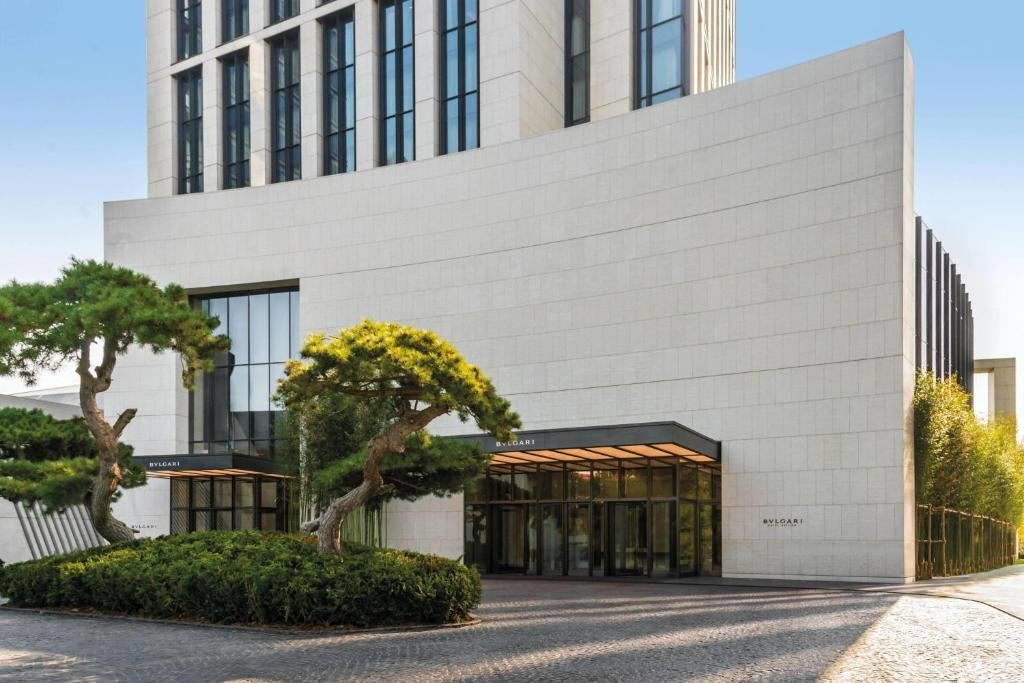
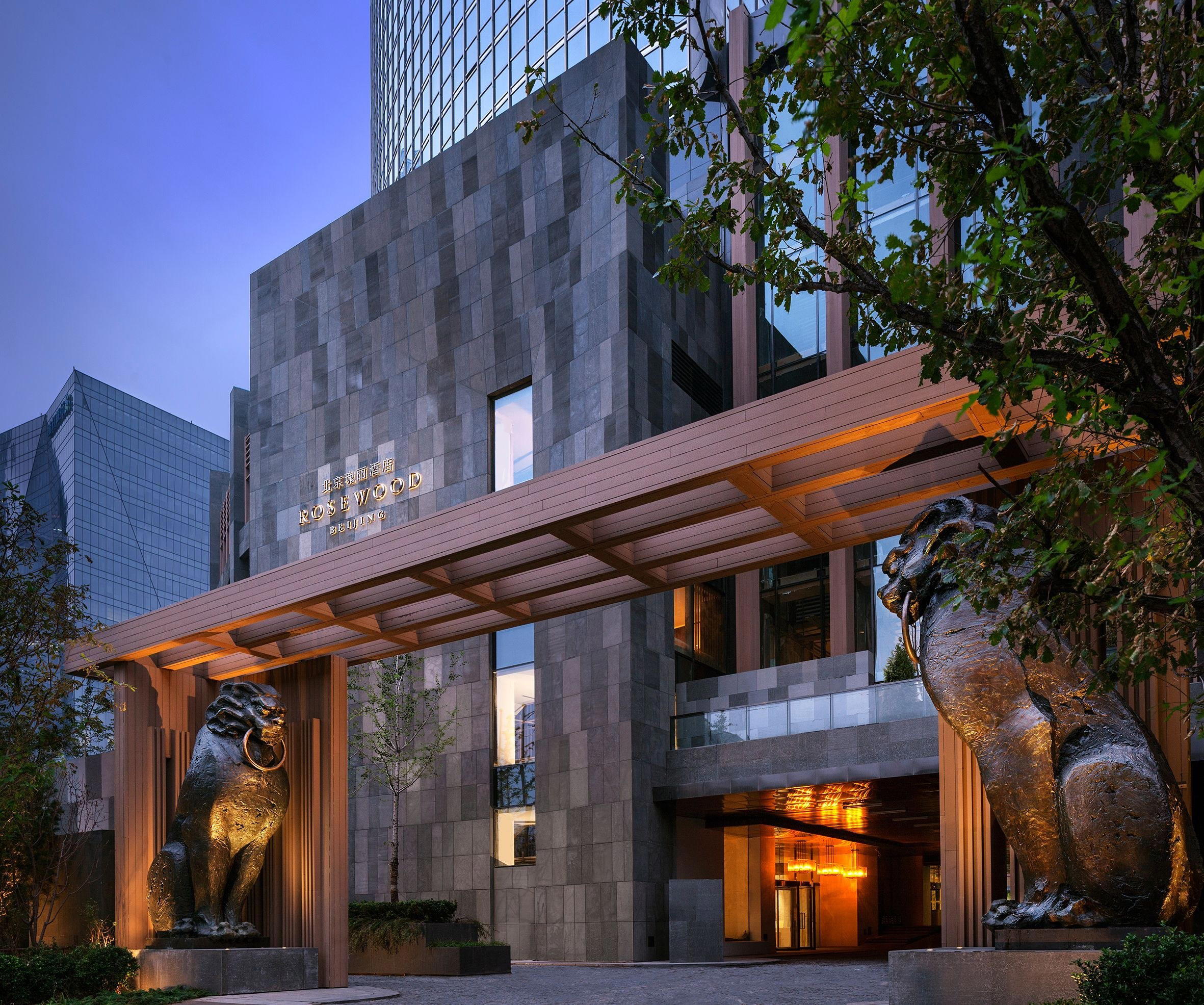
The Chaoyang district has emerged as Beijing's primary home for internationally recognised fine dining, drawing both the city's corporate hospitality spending and its most engaged restaurant-going community. The Xinyuan South Road address, within the Qihao Beijing East Tower development, anchors a dining cluster that regulars treat as part of a broader evening or multi-visit circuit rather than a standalone destination. For those building a Beijing dining itinerary around the district, Qian Li and the other addresses catalogued in our full Beijing restaurants guide map the range of what Chaoyang offers across styles and price points.
Planning a Visit
| Venue | Cuisine | Price Tier | Key Awards (2025) |
|---|---|---|---|
| Xin Rong Ji (Xinyuan South Road) | Taizhou | ¥¥¥¥ | Michelin 3 Stars, Black Pearl 2 Diamond, 50 Best Asia #73 |
| Chao Shang Chao (Chaoyang) | Chao Zhou | ¥¥¥¥ | Chaoyang district peer |
| Lamdre (Vegetarian) | Vegetarian | ¥¥¥¥ | Chaoyang district peer |
| Jingji | Beijing Cuisine | ¥¥¥¥ | Beijing regional peer |
| Jing | French Contemporary | ¥¥¥ | Lower price tier comparison |
Comparable Venues
Comparable venues nearby, for context on price, style, and recognition.
| Venue | Cuisine | Price | Notes |
|---|---|---|---|
| Xin Rong Ji (Xinyuan South Road)This venue — the venue you are viewing | Chinese Seafood | $$$$ | Not listed |
| Lamdre | Modern Plant-Based Chinese Vegetarian | $$$$ | Hujialou |
| Chao Shang Chao (Chaoyang) | Modern Teochew (Chaoshan) Fine Dining | $$$$ | Chaowai |
| 新荣记 (新源南路) - Xin RongJi (Xinyuan South Road) | Taizhou Cuisine | $$$$ | Sanlitun |
| King's Joy | Modern Vegetarian Chinese Fine Dining | $$$$ | Beixinqiao |
| Jingji | Imperial Beijing Royal Cuisine | $$$$ | Chaoyangmen |
Recognition history
Dated appearances from independent guides and award organizations, with the underlying list record or original source where available.
La Liste Top Restaurants
La Liste
Michelin 3 Stars
Michelin
World's 50 Best Asia's Best Restaurants #84
World's 50 Best
Black Pearl 2 Diamond
Black Pearl
La Liste Top Restaurants
La Liste
Michelin 3 Stars
Michelin
Relais Chateaux Award
Relais Chateaux
World's 50 Best Asia's Best Restaurants #73
World's 50 Best



At a Glance
- Elegant
- Sophisticated
- Classic
- Intimate
- Special Occasion
- Business Dinner
- Date Night
- Open Kitchen
- Standalone
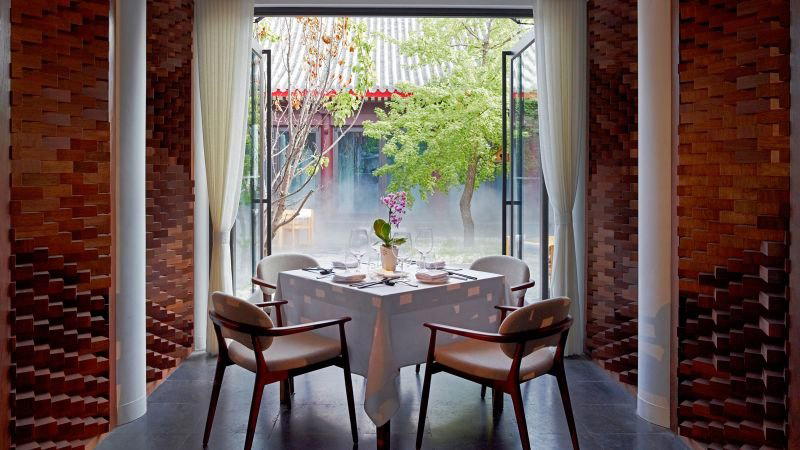
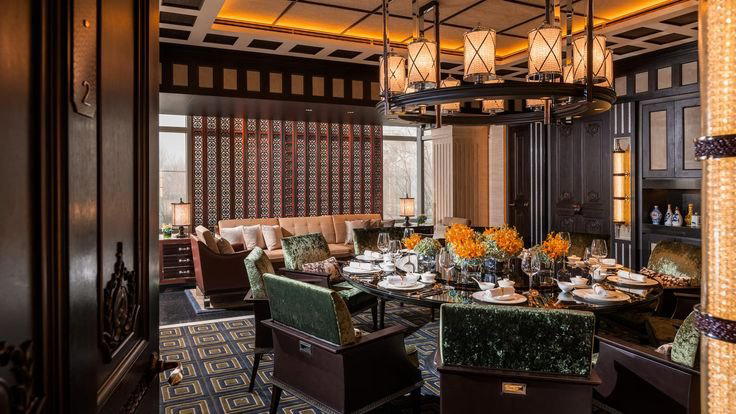
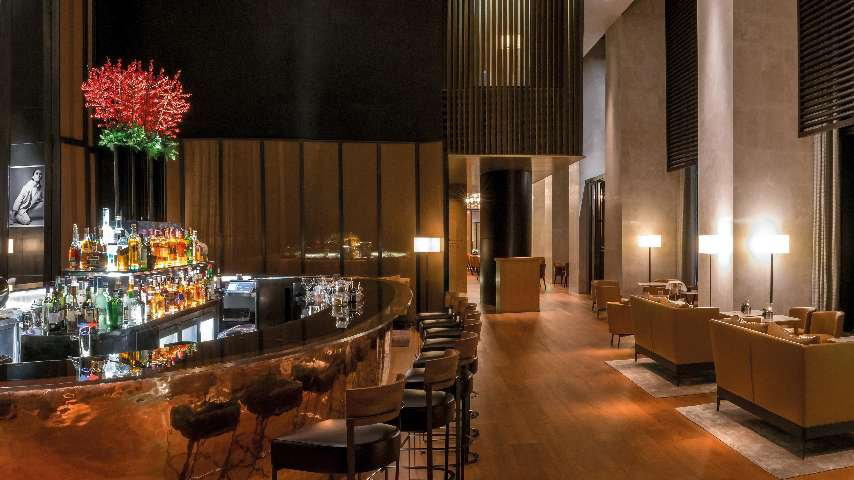
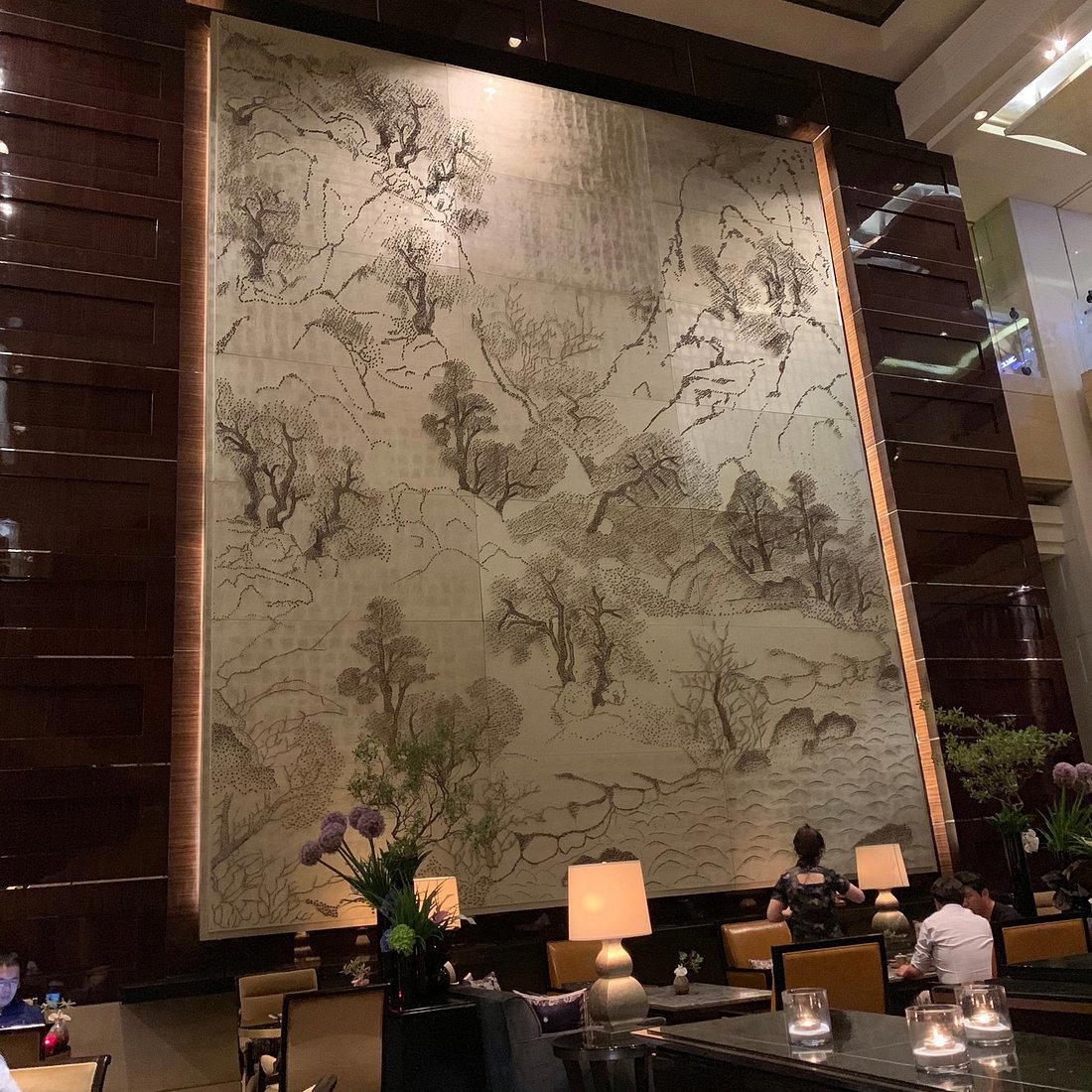
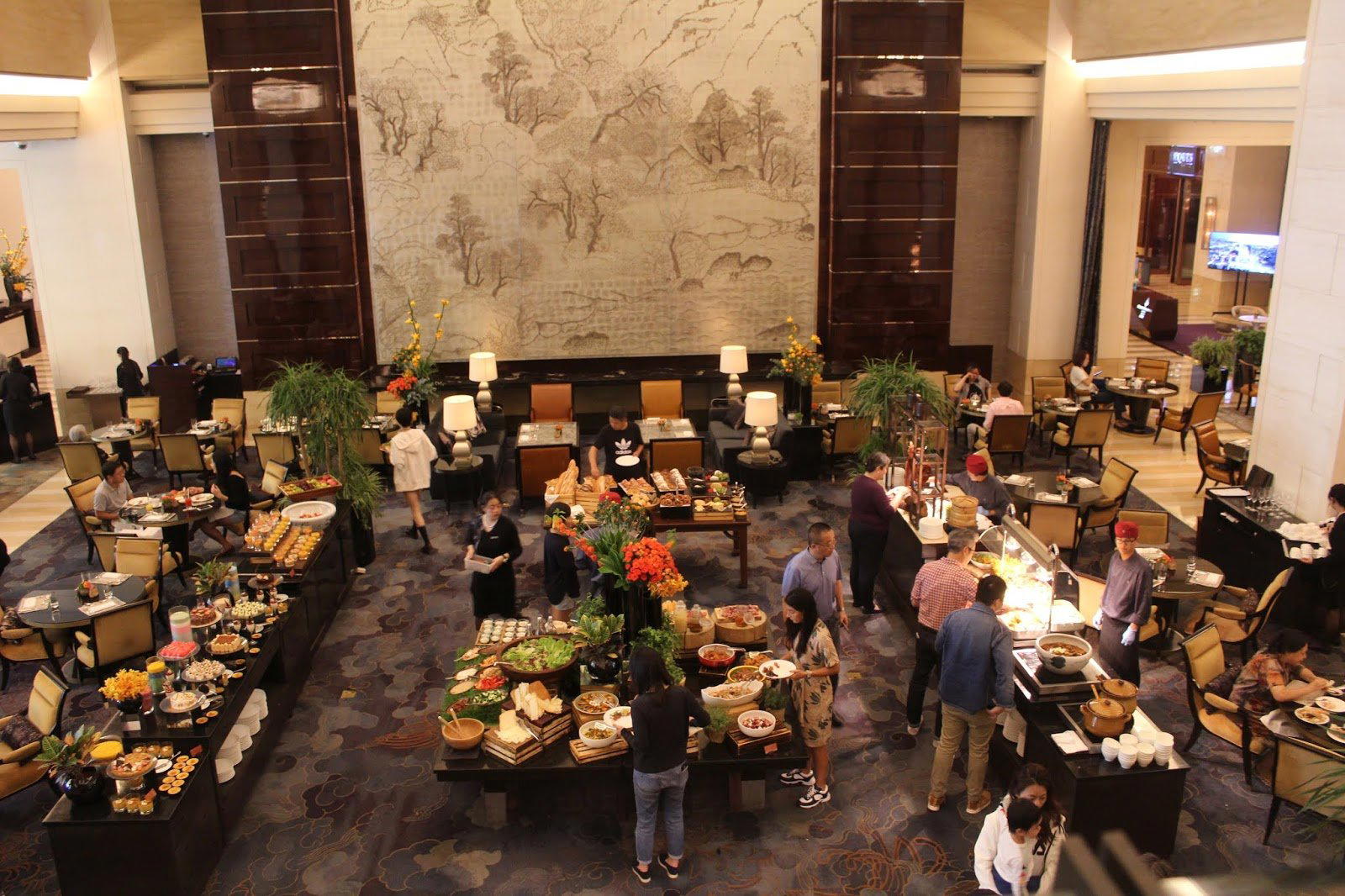
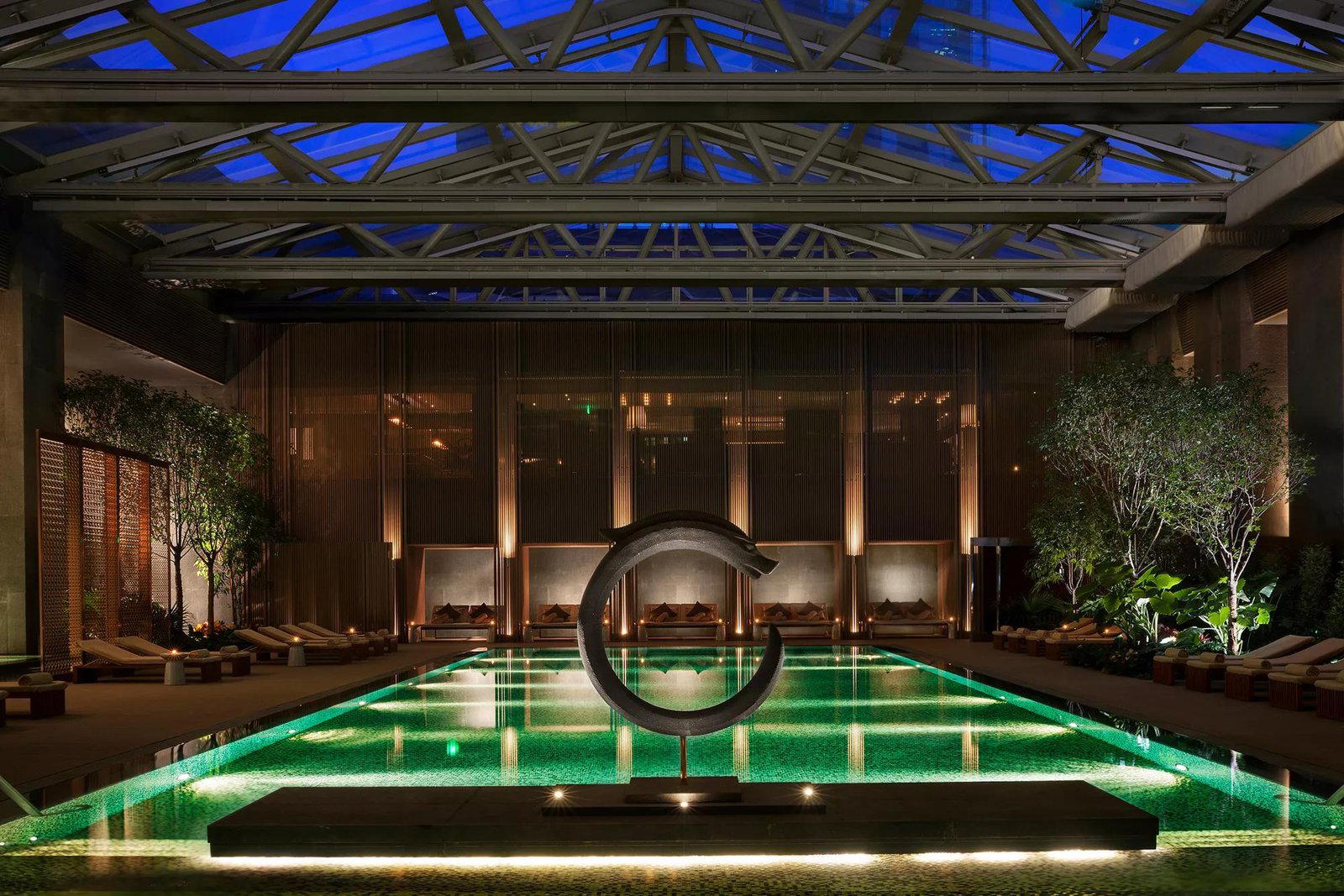
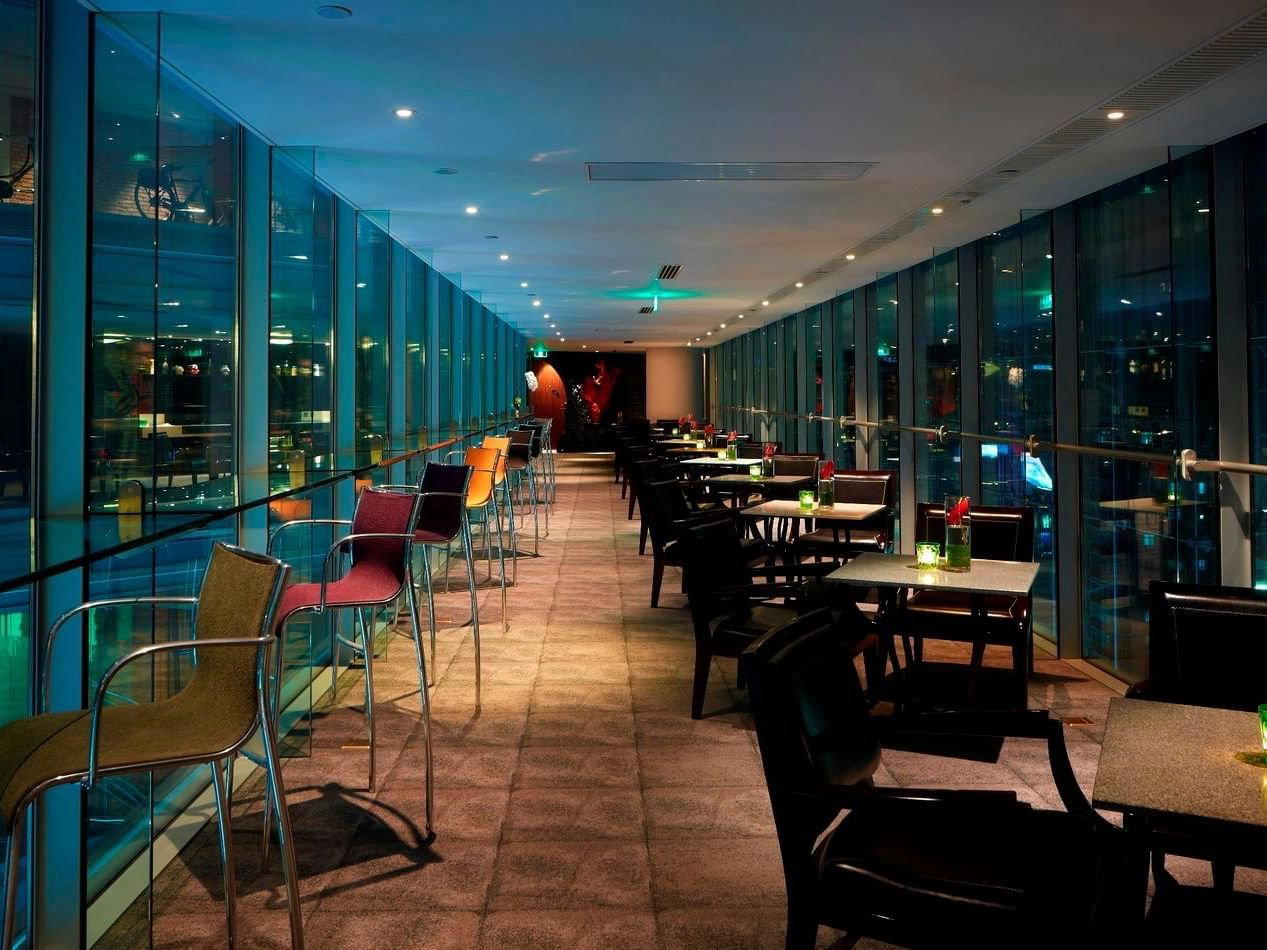
Elegant but relaxed modern Chinese dining room with high ceilings and open kitchens.