


A two-Michelin-star Shanghainese address in Beijing's Chaoyang district, Shanghai Cuisine holds consecutive stars for 2024 and 2025 alongside an Opinionated About Dining Asia ranking of #303. The ¥¥¥ price point positions it a tier below the capital's most expensive Chinese fine dining rooms, making it one of the more accessible starred options for the cuisine in the city.
Pearl is the En Primeur Club membership app — saves, bookings, and concierge access live there. Same editors, same standards.
- Address
- 15 Gongti S Rd, 15, Chaoyang, Beijing, China, 100020
- Phone
- +86 10 8561 2685
- Website
- Gong Ren Ti Yu Chang North
- Directions
- Get directions
 Saves & bookings on Pearl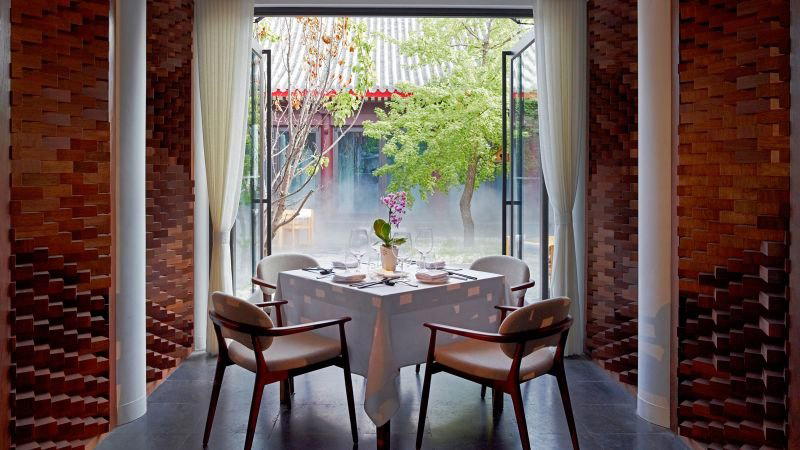
Chaoyang's dining corridor along Gongti South Road runs through some of Beijing's most concentrated fine dining real estate. The neighbourhood is home to hotel restaurants, imported concepts, and a handful of independents. Shanghai Cuisine at No. 15 sits among the latter category: a Shanghainese kitchen holding two Michelin stars in 2024 and 2025, in a district known for Cantonese and Beijing-cuisine competition.
Shanghainese Dining in a Northern Capital
Bringing Shanghainese cooking to Beijing has always carried a certain friction. The cuisine's foundational flavours, red-braised proteins, aged Shaoxing wine reductions, hairy crab in season, the slow patience of hong shao, read as Southern in a city whose own culinary DNA runs toward roasted duck, salty ferments, and wheat-based staples. That tension is part of what makes the category interesting in Beijing: diners are not eating the cuisine on its home territory, and the restaurants that succeed here tend to be precise about their identity rather than softening toward local preference.
The Shanghainese fine dining tier in Beijing is thin. Cheng Long Hang (Huangpu) and Fu 1015 operate with the full support of a home-market audience and seasonal ingredient networks closer to source. Holding two Michelin stars in the capital for this cuisine type is, by that measure, a more demanding achievement than the same accolade granted in Shanghai proper.
The Architecture of the Meal
Shanghainese fine dining has its own ritual logic, and understanding it shapes how a meal here reads. Unlike the rapid-fire momentum of a Cantonese banquet or the single-minded focus of a Beijing roast-duck service, a formal Hu cuisine progression tends toward patience. Cold dishes arrive first, marinated meats, braised tofu skin, osmanthus-sweetened lotus root, and function almost as a prologue, allowing the diner to calibrate sweetness tolerance and gauge the kitchen's confidence with temperature and texture before the heat cooking begins.
What follows typically moves through braised and red-cooked proteins, steamed fish treated with the restraint that separates skilled Shanghainese kitchens from derivative ones, and noodle or rice dishes that land late in the sequence, grounding the meal before it closes. The pacing is deliberate. Dishes are not rushed, and the cooking style, hong shao in particular, rewards that unhurried rhythm because the sauces are built over time and deteriorate if served incorrectly timed.
At the two-Michelin-star tier, these conventions are maintained with greater formality than at neighbourhood Shanghainese houses.
Where It Sits in Beijing's Starred Chinese Landscape
Beijing's Michelin-listed Chinese fine dining scene is more varied in regional cuisine type than Shanghai's, partly because the capital draws from a wider cultural catchment. Within that pool, Shanghainese cooking occupies a niche position. Taizhou cuisine, as represented by Xin Rong Ji (Xinyuan South Road), sits in a higher price bracket at ¥¥¥¥ and trades on the bold umami depth of East China seafood in a different way. Chao Shang Chao (Chaoyang) brings Chiu Chow cooking to the same neighbourhood at a similar price tier, and vegetarian fine dining is represented by Lamdre and King's Joy, both at ¥¥¥¥.
Against that comparable set, Shanghai Cuisine's ¥¥¥ pricing positions it as the more accessible entry point among starred Southern Chinese kitchens in the capital. Jingji, representing Beijing's own culinary tradition at ¥¥¥¥, sits a tier above on price. Two Michelin stars at ¥¥¥ in Beijing's current fine dining market is not a common configuration. Most starred Chinese rooms in the city price higher.
Regional Comparisons Beyond Beijing
For readers building a broader picture of Shanghainese fine dining across the region, the context extends well beyond Beijing. 102 House in Shanghai represents the home-market iteration of the cuisine at high formality. Ru Yuan in Hangzhou interprets adjacent Jiangnan culinary traditions from a Zhejiang perspective. Further afield, East and Southeast Chinese culinary traditions appear through different lenses at Xin Rong Ji in Chengdu, Chef Tam's Seasons in Macau, Imperial Treasure Fine Chinese Cuisine in Guangzhou, and Dai Yuet Heen in Nanjing. Each represents a different city's interpretation of how Chinese regional fine dining should be framed for a contemporary audience, and together they illustrate how much variation exists within what might loosely be called the East China culinary tradition.
Eating Shanghainese in Season
Timing matters more in Shanghainese cuisine than in most other Chinese regional traditions. The hairy crab season, running from late September through November with peak quality typically in October and early November for female crabs and slightly later for males, represents the year's highest-demand period at any serious Shanghainese kitchen.
Outside crab season, the cuisine's strengths shift toward braised and slow-cooked preparations that vary with available produce. Spring brings bamboo shoots, which appear across multiple preparations in a kitchen paying attention to seasonality. The rhythm of the Shanghainese meal changes perceptibly across these windows, and the leading rooms adjust their cold-dish selection and protein focus accordingly.
Know Before You Go
- Address: 15 Gongti South Road, Chaoyang, Beijing 100020
- Cuisine: Shanghainese
- Price range: ¥¥¥
- Awards: Michelin 2 Stars (2024 & 2025); Opinionated About Dining Asia #303 (2025)
- Booking: Advance reservations are advisable; hairy crab season (October–November) requires earlier planning
Cost Snapshot
Comparable venues nearby, for context on price, style, and recognition.
| Venue | Cuisine | Price | Awards | Notes |
|---|---|---|---|---|
| Shanghai CuisineThis venue — the venue you are viewing | Gongrentiyuchang, Modern Shanghainese | $$$$ | Michelin 2 Star | Not listed |
| Chef 1996 | Shuiduizi, Refined Sichuan Fine Dining | $$$$ | Michelin Plate, World's 50 Best #52 | Not listed |
| Lu Shang Lu | Not listed | $$$$ | Michelin 2 Star | Zizhuyuan, Modern Shandong Confucius Cuisine |
| Jingji | Not listed | $$$$ | Michelin 2 Star | Chaoyangmen, Imperial Beijing Royal Cuisine |
| Blackswan | Hepingjie, Modern French Fine Dining | $$$$ | Michelin 2 Star | Not listed |
| Seventh Son Restaurant Beijing | Hujialou, Michelin One-Star Cantonese | $$$$ | Michelin 1 Star | Not listed |
Recognition history
Dated appearances from independent guides and award organizations, with the underlying list record or original source where available.
Black Pearl 1 Diamond
Black Pearl
Black Pearl 1 Diamond
Black Pearl
Michelin 2 Stars
Michelin
Opinionated About Dining Top Restaurants in Asia Ranked #303
Opinionated About Dining
Michelin 2 Stars
Michelin

At a Glance
- Modern
- Elegant
- Sophisticated
- Minimalist
- Special Occasion
- Business Dinner
- Date Night
- Private Dining
- Chefs Counter
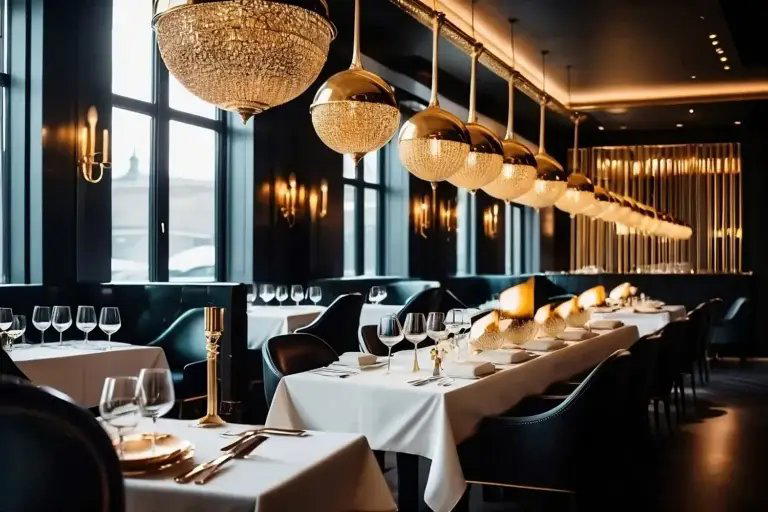
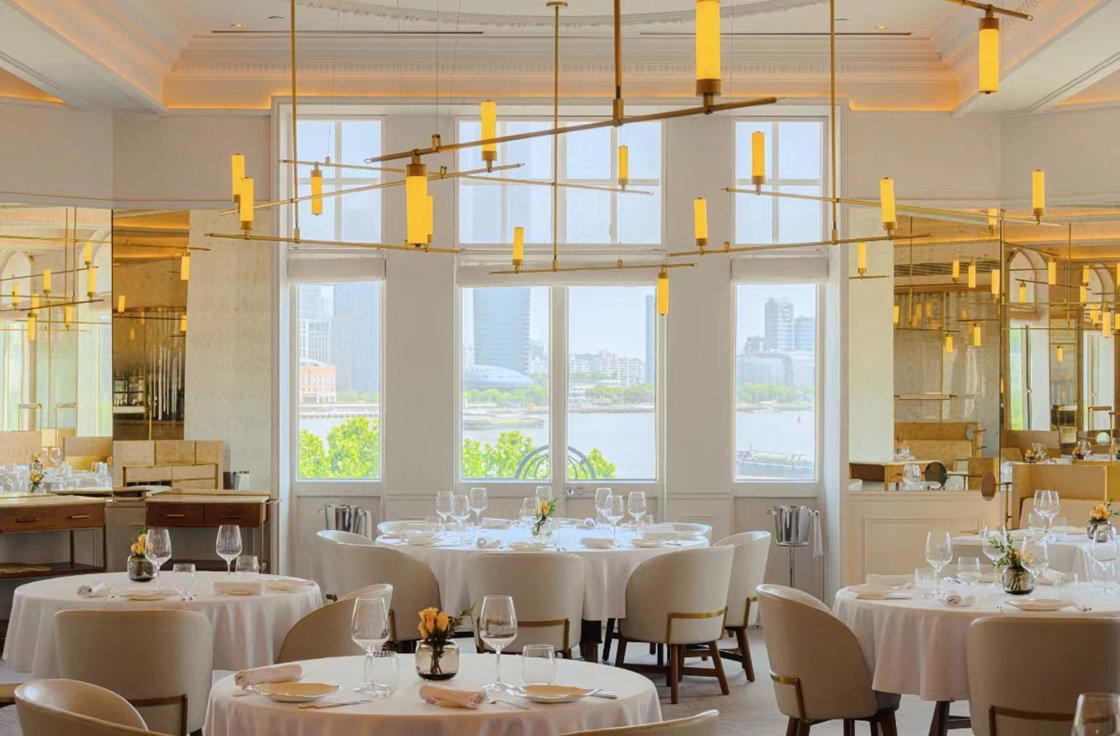
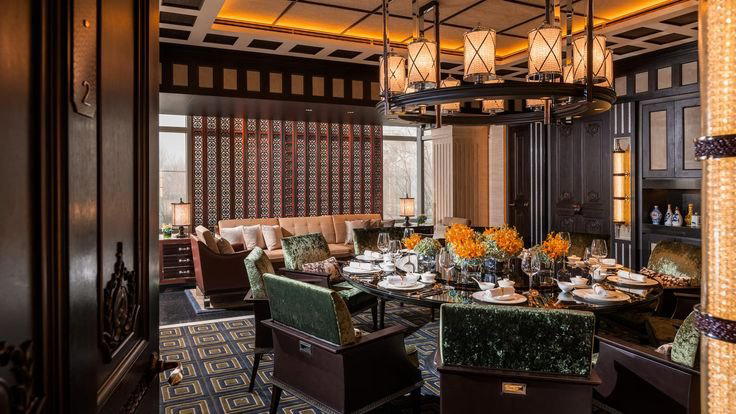
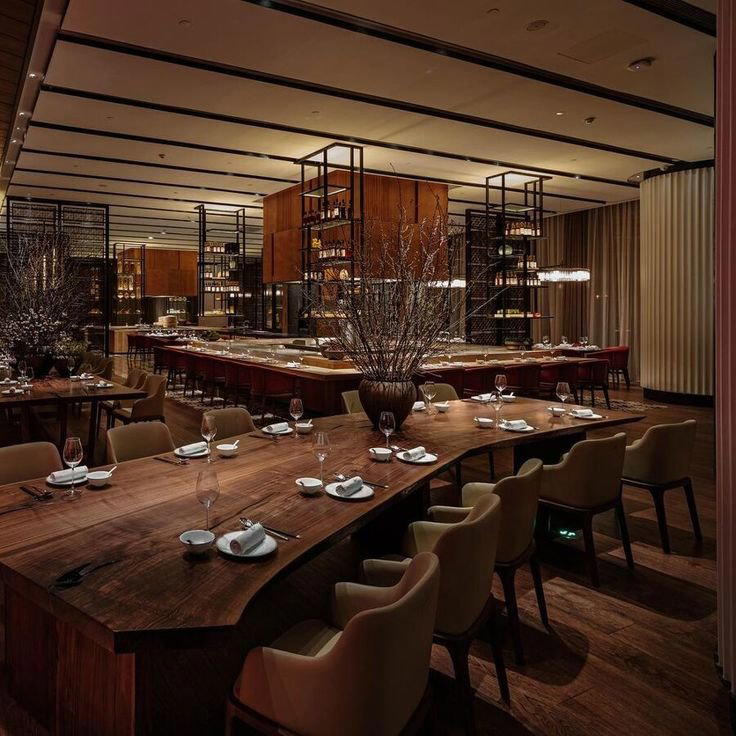
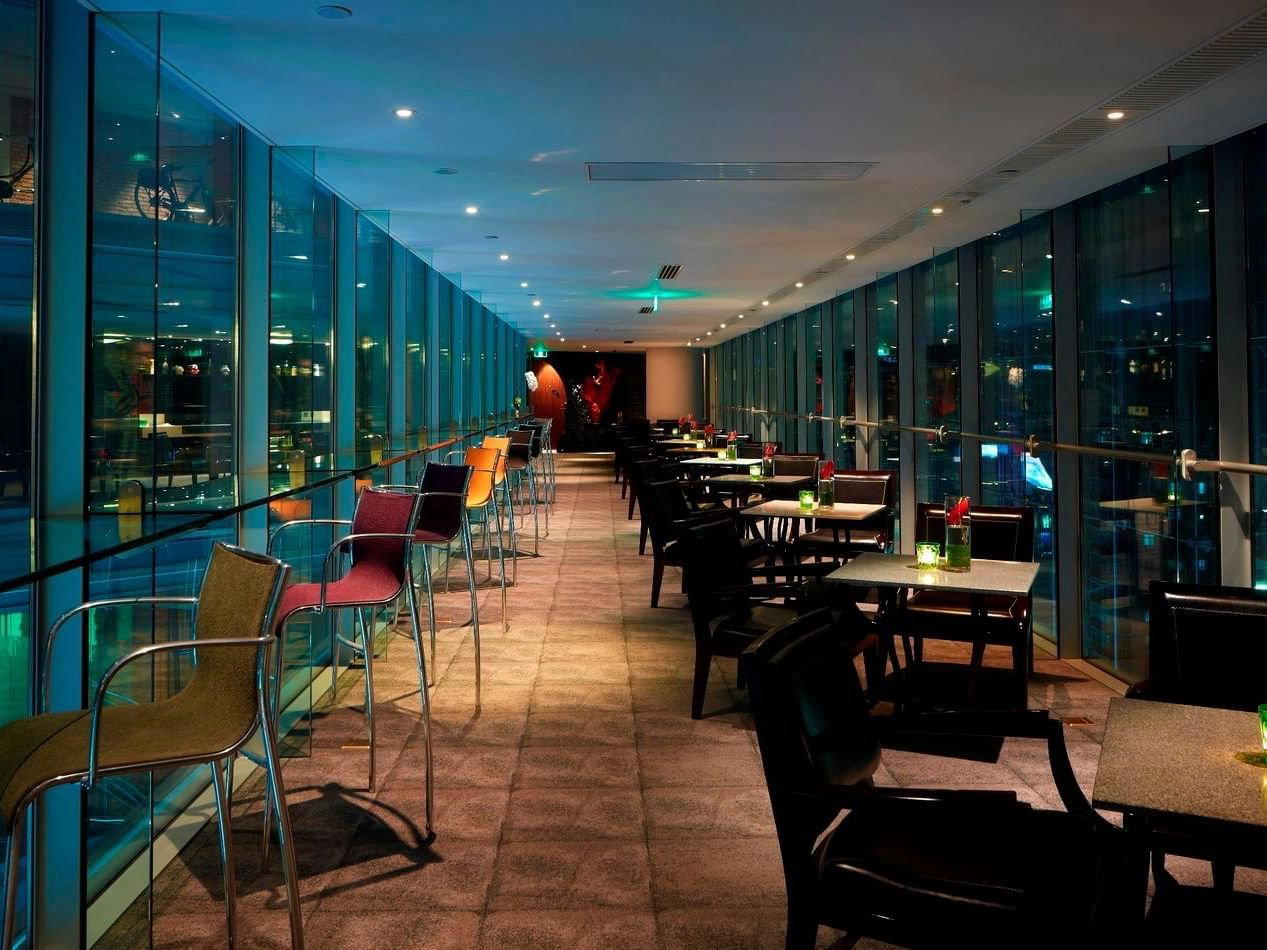
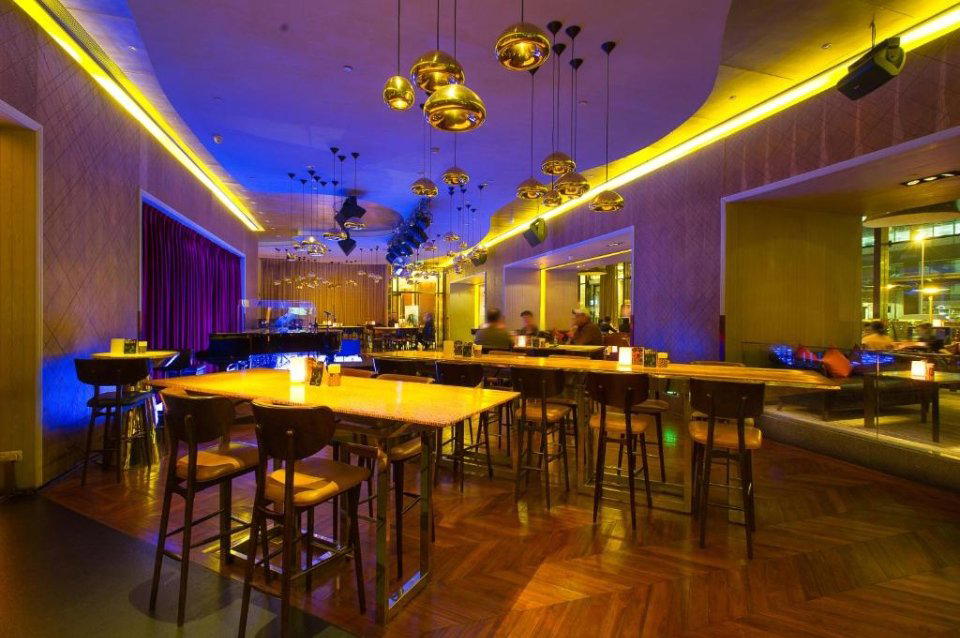
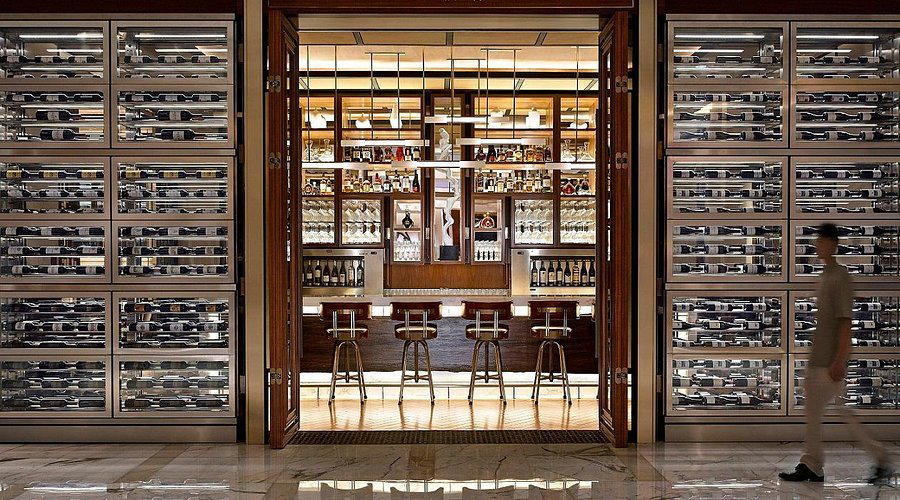
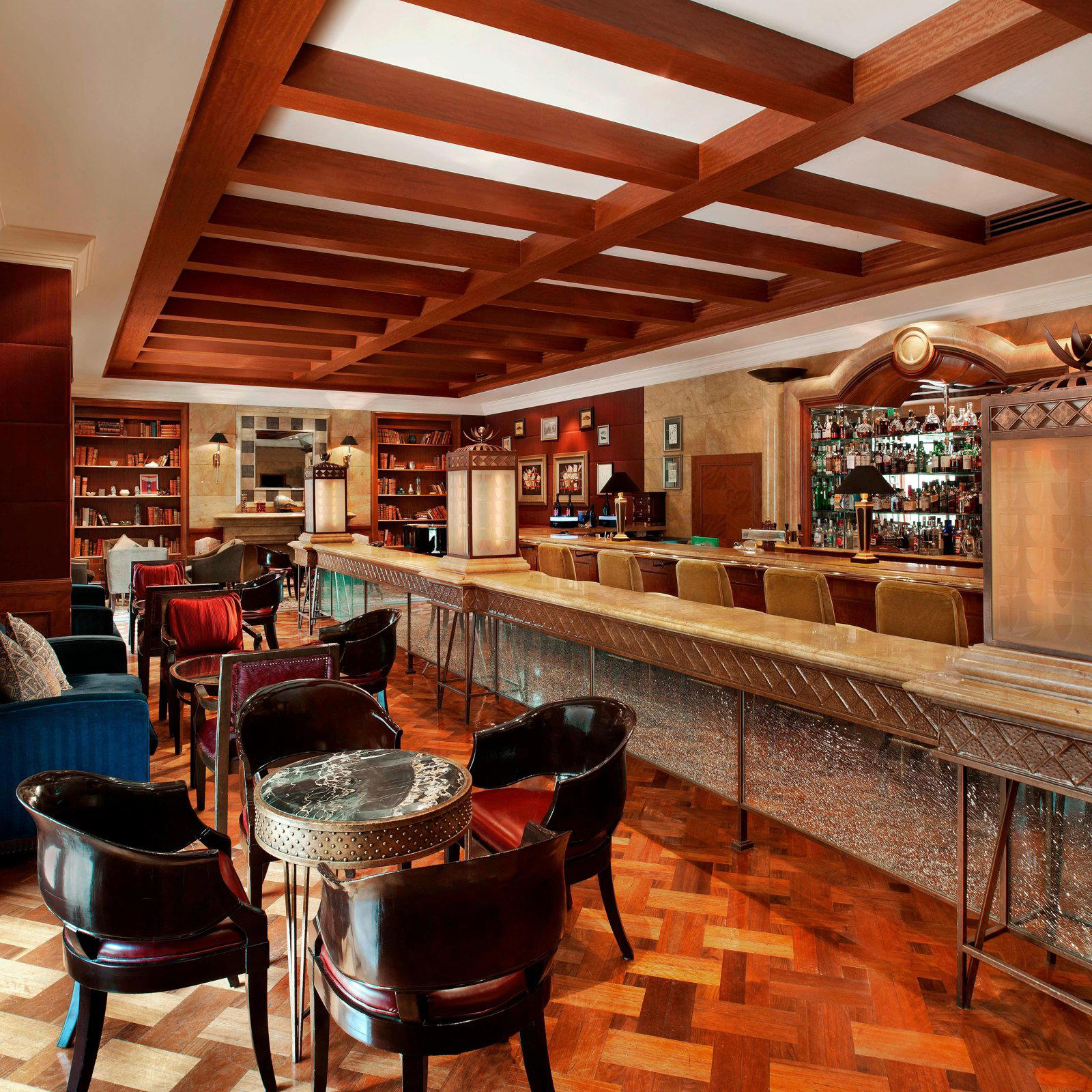
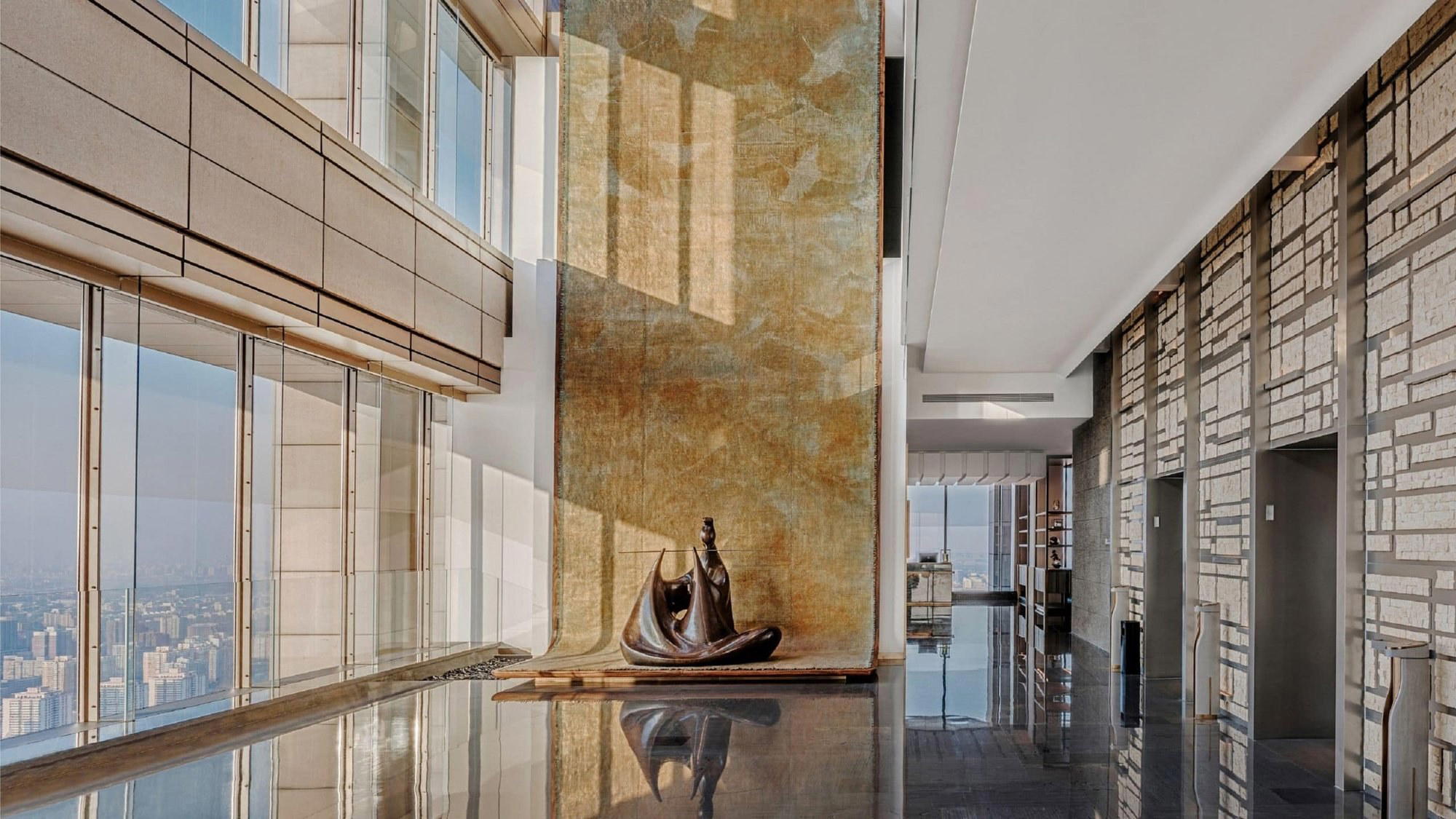
Cosy understated dining room in neutral greys with teal green accents and mid-century modern/contemporary style.