







2 Michelin Stars · World's 50 Best #11 · La Liste Top Restaurants
Our verdict
Fu He Hui makes Shanghai's plant-led fine dining feel serious rather than corrective: vegetables, fungi, grains and tea carry the meal instead of imitating meat. Its recognition across Michelin, Black Pearl, La Liste, Opinionated About Dining and Asia's 50 Best places it in the city's luxury dining conversation, but its discipline belongs to a narrower vegetarian lineage.

Pearl is the En Primeur Club membership app, where members save venues, book tables and use the concierge.
The menu
What to order
- Baked Porcini with Grapevine Smoke
- Mashed Taro Dumpling
- White Gourd with Taro
- Eggplant Rolls with Jielan
- Mapo Tofu
Fu He Hui is a vegetarian restaurant in Shanghai led by chef-owner Tony Lu. The verified practical picture is concise but useful: it is positioned at the high end of the market, with pricing listed as ¥¥¥¥, a smart-casual dress code, and service hours that include both midday and evening windows daily.
For diners planning a premium meal in Shanghai, the central fact is the restaurant's vegetarian focus. Rather than treating meatless dining as a side category, Fu He Hui is best understood as a dedicated vegetarian address within the city's broader restaurant landscape.
Vegetables as the main argument, not a substitute for meat
Fu He Hui's verified identity is vegetarian cuisine in Shanghai. Without relying on unverified claims about specific dishes or menu formats, the safest way to read the restaurant is as a high-end vegetarian choice for diners who want a meat-free meal to be the purpose of the booking, not a compromise.
The distinction matters. Some diners choose vegetarian restaurants for dietary reasons, while others are interested in the culinary possibilities of a plant-led meal. Fu He Hui can be approached from either direction, but any planning should be based on the confirmed essentials: vegetarian cuisine, chef-owner Tony Lu, ¥¥¥¥ pricing, smart-casual dress, and daily midday and evening service windows.
Recognition has followed in at least one clearly verified form: Fu He Hui is listed among the Black Pearl Restaurant Guide 2026 two-diamond restaurants. That is the grounded accolade to rely on when comparing it with other premium Shanghai dining options.
For diners considering vegetarian dining in Shanghai, Fu He Hui operates in a high-end register.
Where it fits in Shanghai's luxury dining hierarchy
Shanghai's premium dining scene includes many different styles. Fu He Hui occupies a distinct place because its confirmed cuisine is vegetarian and its price level is ¥¥¥¥. That makes it a useful choice for diners who want a special-occasion meal built around vegetarian cooking.
When comparing it with other serious Shanghai restaurants, the difference is not simply price. Fu 1015, Nan Xing Yuan, Xin Rong Ji and Taian Table represent other premium directions in the city, while Fu He Hui gives diners a vegetarian route through the same high-end planning conversation. The right choice depends on whether the meal should be centered on vegetarian cuisine or on another style of dining.
The restaurant's practical details are direct. Fu He Hui is in Shanghai, the dress code is smart casual, and the listed hours run daily from 11 am to 1 pm and from 5:30 pm to 9 pm. Those hours support both midday and evening planning, though diners should still confirm current availability directly before booking.
For broader trip planning, our full Shanghai restaurants guide maps the city's dining range, while our full Shanghai hotels guide can help with where to stay.
How to read the meal before choosing it
The right expectation is a premium vegetarian restaurant in Shanghai rather than a general-purpose luxury dining room. If the group is specifically interested in vegetarian cuisine, Fu He Hui is a logical candidate. If the group wants a meal defined by another cuisine or format, another Shanghai restaurant may be a better fit.
Diners with specific requirements should confirm them with the restaurant before committing to a reservation.
Verdict: Fu He Hui is for diners who want a high-end vegetarian restaurant in Shanghai, with Tony Lu identified as chef-owner, ¥¥¥¥ pricing, smart-casual dress and Black Pearl Restaurant Guide 2026 two-diamond recognition. Its appeal rests on that clearly verified profile rather than on unsupported claims about particular dishes, rankings or service formats.
Frequently asked questions
Is Fu He Hui okay with children?
Fu He Hui is a ¥¥¥¥ vegetarian restaurant in Shanghai with a smart-casual dress code, so families should confirm suitability directly before booking.
Is Fu He Hui better for a quiet night or a lively one?
Fu He Hui is best planned as a high-end vegetarian meal in Shanghai, with Black Pearl Restaurant Guide 2026 two-diamond recognition and ¥¥¥¥ pricing.
What kind of cuisine does Fu He Hui serve?
Fu He Hui serves vegetarian cuisine.
How much does it cost to eat at Fu He Hui?
Pricing at Fu He Hui is listed as ¥¥¥¥.
Fast Comparison
Comparable venues by cuisine and price in the same metro.
| Venue | Cuisine | Price | Awards | Notes |
|---|---|---|---|---|
| Fu He HuiThis venue (the venue you are viewing) | Modern Seasonal Vegetarian Fine Dining | $200–300 | 2 Michelin Stars · World's 50 Best #11 | Not listed |
| Fu 1015 | Authentic Shanghainese Fine Dining | $100–150 | 1 Michelin Star · La Liste Top Restaurants | Shanghainese |
| Taian Table | Modern European with Asian Influences | $300–500 | 3 Michelin Stars · La Liste Top Restaurants | Modern European, Innovative |
| Nan Xing Yuan | Elevated Sichuan Banquet Cuisine | $150–200 | Michelin Plate · Black Pearl 1 Diamond | Sichuan |
| Xin Rong Ji | Chinese | Not listed | 2 Michelin Stars · World's 50 Best #56 | Taizhou |
| Pu Zhu | Modern Vegetarian Chinese | $200–300 | Michelin Plate | Vegetarian |
Recognition history
Dated appearances from independent guides and award organizations, with the underlying list record or original source where available.
Michelin 2 Stars
Michelin
World's 50 Best Asia's Best Restaurants #11
World's 50 Best
La Liste Top Restaurants
La Liste
Black Pearl 2 Diamond
Black Pearl
Opinionated About Dining Top Restaurants in Asia Ranked #56
Opinionated About Dining
Full recognition history (20 entries)
Black Pearl 2 Diamond
Black Pearl
Chinese Restaurant Awards — Top 30 Honouree Asia: Top 30 Honouree Asia
Chinese Restaurant Awards
La Liste Top Restaurants
La Liste
Michelin 2 Stars
Michelin
Opinionated About Dining Top Restaurants in Asia Ranked #59
Opinionated About Dining
The Best Chef One Knife
The Best Chef
We're Smart World 5 Radishes
We're Smart World
We're Smart World Top 100 #100
We're Smart World
World's 50 Best Restaurants #64
World's 50 Best
World's 50 Best Asia's Best Restaurants #15
World's 50 Best
Michelin 2 Stars
Michelin
Opinionated About Dining Top Restaurants in Asia Ranked #69
Opinionated About Dining
World's 50 Best Restaurants #69
World's 50 Best
Opinionated About Dining Top Restaurants in Asia Ranked #31
Opinionated About Dining
World's 50 Best Restaurants #99
World's 50 Best
Continue exploring
More in Shanghai
More from Chef Tony Lu
Browse all →
Restaurants in Shanghai
All restaurants in Shanghai →
Bars in Shanghai
All bars in Shanghai →
Details
- Elegant
- Minimalist
- Quiet
- Sophisticated
- Intimate
- Special Occasion
- Celebration
- Date Night
- Business Dinner
- Private Dining
- Design Destination
- Historic Building
- Sommelier Led
- Local Sourcing
- Organic
- Tasting Menu
- Set Menu
- Chinese Tea Pairings
- Tea Program
- Vegetarian Friendly
- Vegan Options
- Gluten Free Options
- Allergy Accommodating
Current opening hours
- Monday
- 11 AM–1 PM, 5:30–9 PM
- Tuesday
- 11 AM–1 PM, 5:30–9 PM
- Wednesday
- 11 AM–1 PM, 5:30–9 PM
- Thursday
- 11 AM–1 PM, 5:30–9 PM
- Friday
- 11 AM–1 PM, 5:30–9 PM
- Saturday
- 11 AM–1 PM, 5:30–9 PM
- Sunday
- 11 AM–1 PM, 5:30–9 PM
Hours can change for holidays and private events. Hours as of .
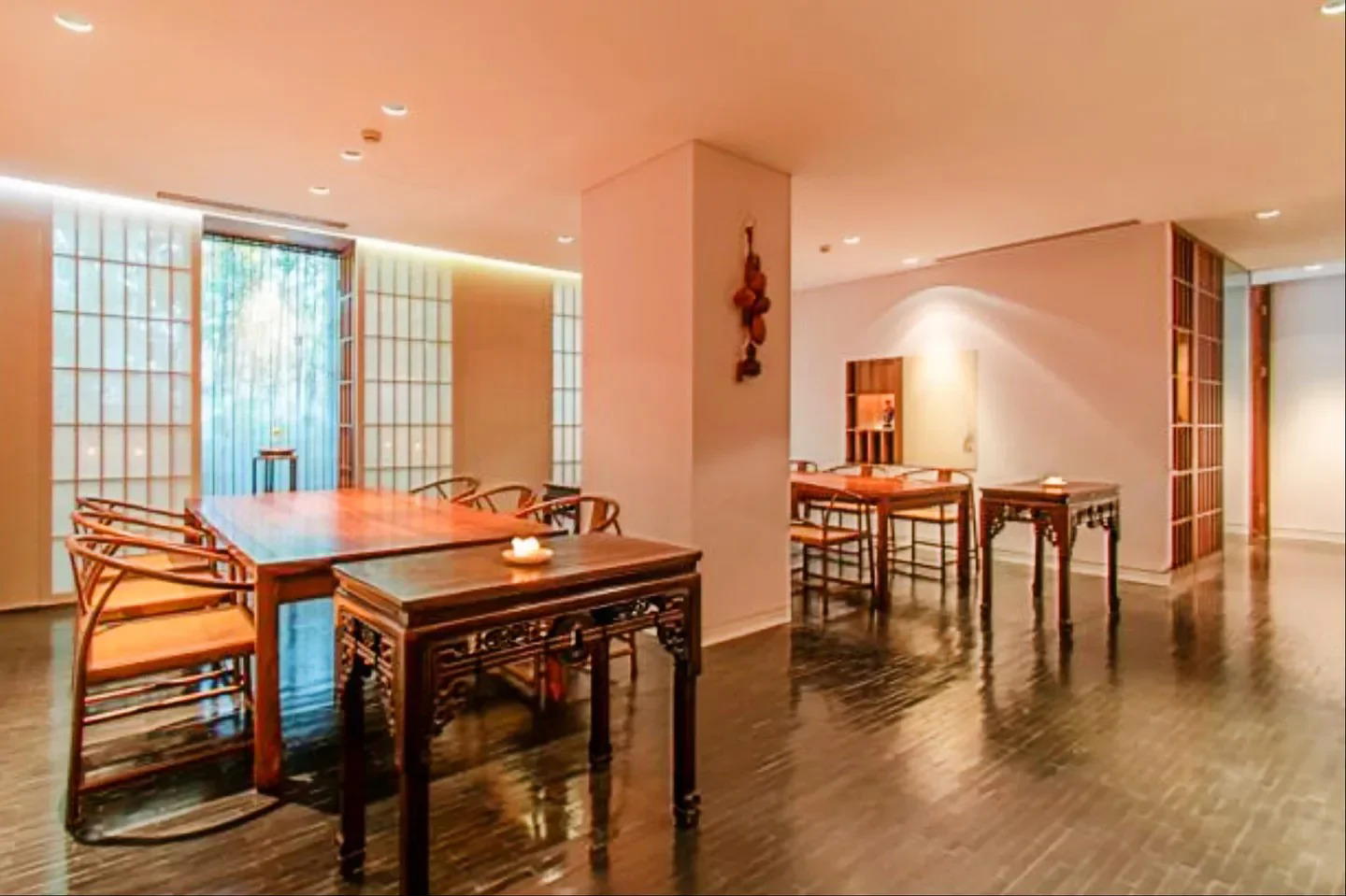
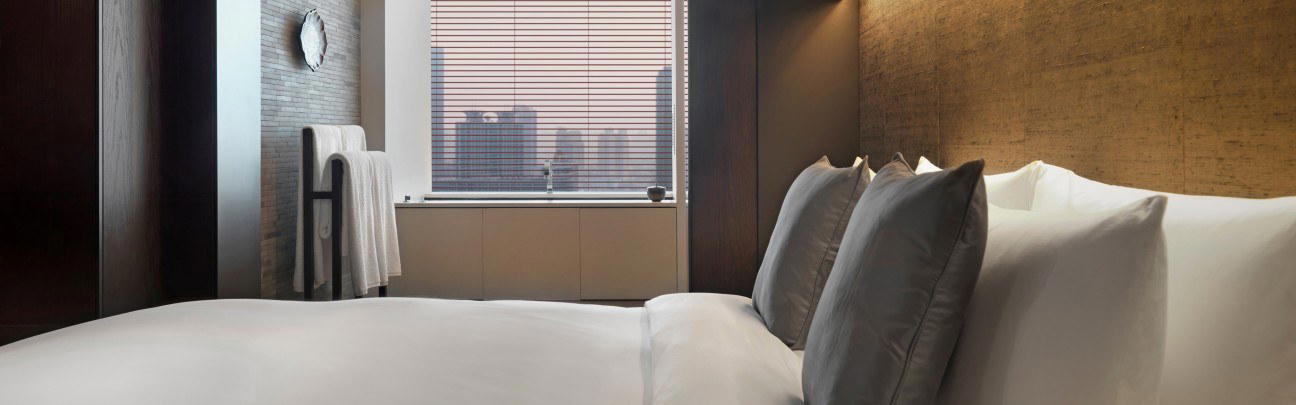
Serene and sacred atmosphere with minimalist stone-and-wood décor inspired by Zen Buddhism, featuring soft lighting, burning eaglewood incense, and scattered Chinese cultural elements throughout three floors of private dining rooms.