
A 2024 Michelin-starred address in Fuzhou's historic Wenrufang quarter, Wenru No.9 occupies a building that retains original Song Dynasty-era architectural details while delivering a menu centred on the fermented, brined, and slow-cooked traditions of Fujian cuisine. The kitchen's treatment of local seafood, including its signature sliced conch in red vinasse sauce, positions this as a serious entry point into Min cuisine for visitors and a reference point for locals.
Pearl is the En Primeur Club membership app — saves, bookings, and concierge access live there. Same editors, same standards.
- Address
- 56 Wenrufang, 东街口商圈 Gulou District, Fuzhou, Fuzhou, Fujian, China, 350005
- Phone
- +86 591 8856 7888
- Directions
- Get directions
 Saves & bookings on Pearl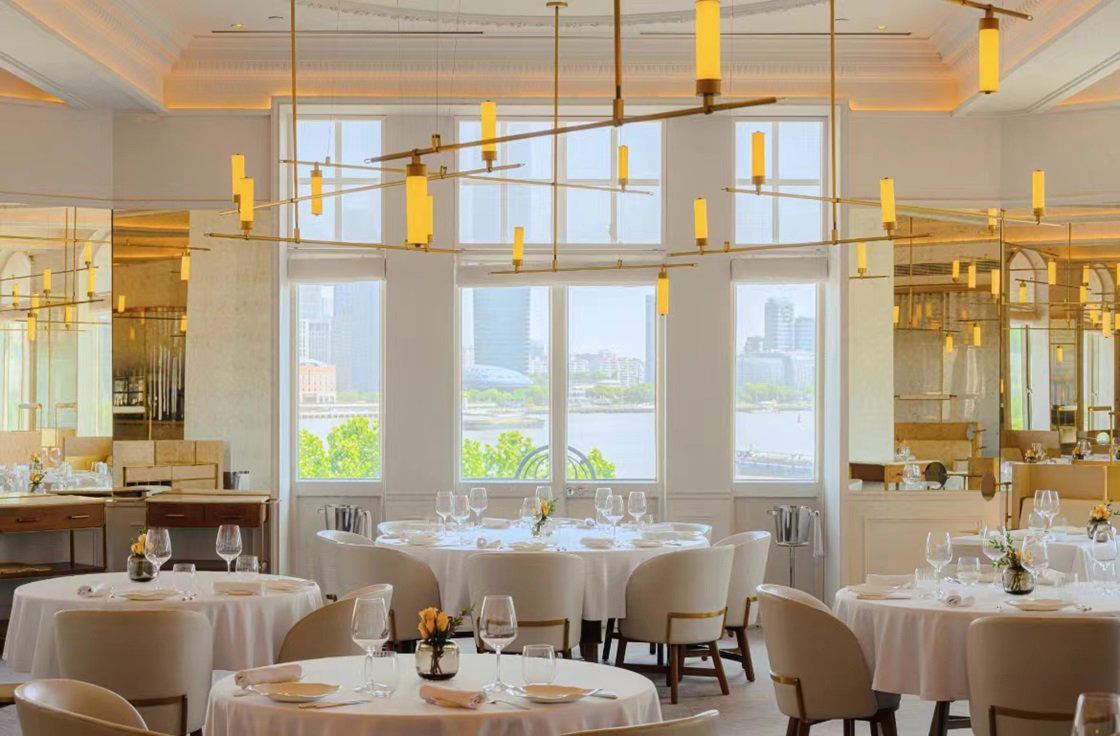
Where a Song Dynasty Quarter Meets Fujian's Fermentation Tradition
Wenrufang, a lane in Fuzhou's Gulou District, carries the weight of a specific history. During the Northern Song Dynasty, the area housed a concentration of scholars and literati, and the built fabric of the street has held that character across successive centuries. Walking toward No.9 on that lane, the architectural details, carved timber, recessed doorways, stone thresholds worn smooth, announce a deliberate decision to let the building speak before the food does. This is the context in which Fujian's Min cuisine has always operated: tied to place, shaped by coastal geography, and anchored to ingredients that take their character from time and fermentation rather than from heat and speed.
The restaurant earned its Michelin star in 2024, making it one of Fuzhou's Michelin-recognized addresses. That credential places Wenru No.9 in a specific competitive set: alongside peers like Jing Li, which occupies the same ¥¥ mid-range bracket while also reading as a serious Fujian address, and further up the register with destinations across the region where Chinese regional cooking is currently receiving sustained international attention.
The Logic of Red Vinasse and Coastal Seafood
Min cuisine's defining character comes from fermentation. Red vinasse, the residue left after fermenting red yeast rice wine, is one of the technique's most visible markers: it produces a brick-coloured paste with a complex, faintly sweet, deeply savoury profile that has no direct equivalent in other Chinese regional traditions. Using it as a sauce medium for seafood is not decorative; it is a statement about how coastal Fujian has historically preserved and transformed its catch.
The kitchen's sliced conch in red vinasse sauce is the dish most often cited in documentation of Wenru No.9's approach. Conch is a shellfish with a briny, muscular sweetness that holds its own against assertive flavourings without disappearing into them. The red vinasse sauce, applied to thinly sliced conch rather than whole pieces, increases the surface area in contact with the fermented medium and allows the two characters, marine and funky-sweet, to register simultaneously rather than in sequence. This is not a simple pairing; it requires calibration. The kitchen understands that the red vinasse must accentuate rather than obscure the shellfish's natural quality.
Hand-pounded rice cake is the secondary preparation that appears alongside seafood dishes here. In Fujian cooking, pounded rice cake (known locally as ci ba in related forms, though Fuzhou has its own variation) provides textural contrast and a mild, glutinous body that absorbs surrounding sauces. Pairing it with seafood is consistent with a broader Min philosophy: the starch is not a neutral carrier but a deliberate textural element that shapes how a dish is eaten, not just tasted.
The editorial angle here is the intersection of deeply local ingredients and a technical mastery that comes from accumulated professional time rather than imported methodology. The kitchen's long experience represents a form of knowledge that cannot be replicated by technique transfer from a culinary tradition elsewhere. This is not a kitchen importing Michelin-adjacent methods and applying them to Fujian ingredients; it is a kitchen that has spent decades refining an existing regional tradition to the point where external assessors have recognised it. That distinction matters in the current environment, where many acclaimed Chinese regional restaurants elsewhere on the Michelin circuit do operate at a more deliberate intersection of French or Japanese technique and local produce. Wenru No.9 is a different kind of address.
The Room and the District
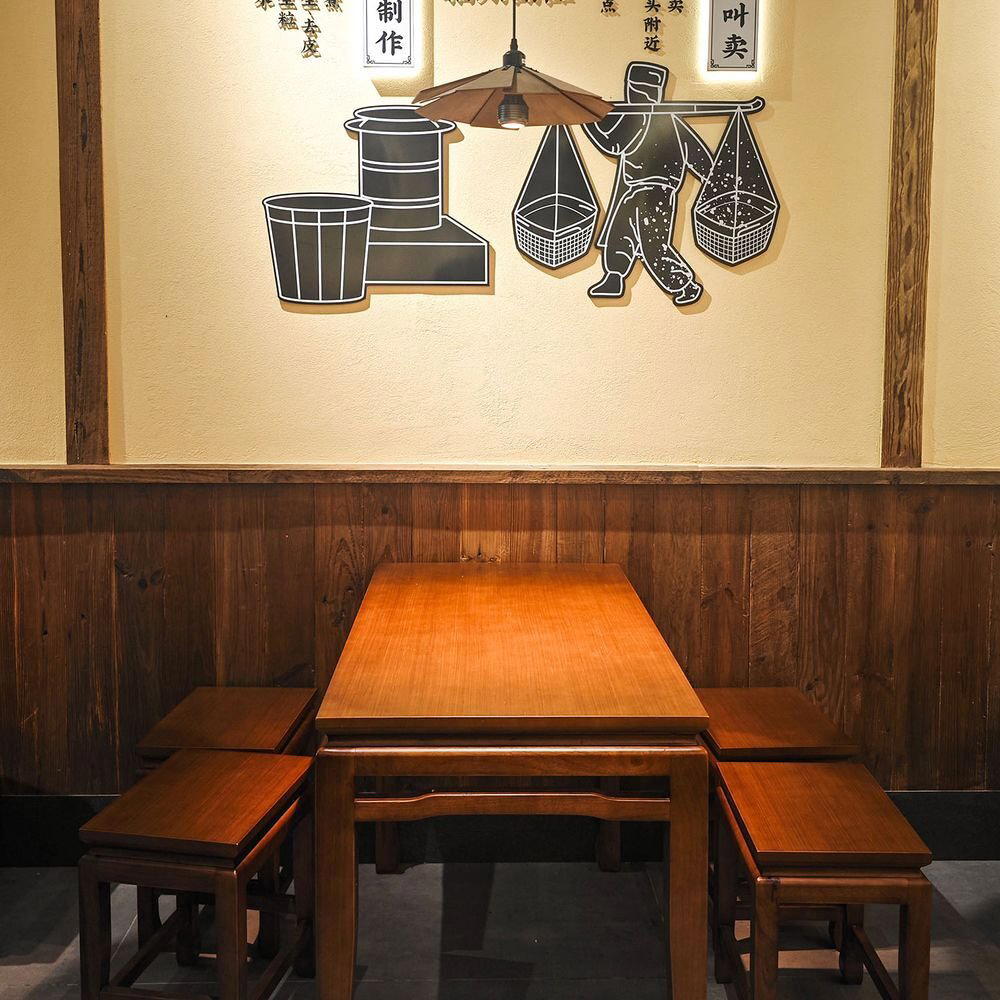
The interior retains original architectural elements from the building's earlier life in the historic lane. This is more unusual than it sounds in contemporary Fuzhou. The city has undergone significant redevelopment over recent decades, and heritage structures in central districts have frequently been replaced or heavily altered. Wenrufang's preservation as a historically significant lane has allowed No.9 to operate inside a fabric that is consistent with its culinary positioning: conservative, technically serious, rooted in local material culture.
The ¥¥ price range situates this within reach of the serious local dining public rather than exclusively within the tier of expense-account hospitality. For international visitors to Fuzhou, that pricing bracket combined with the 2024 Michelin star makes the restaurant an efficient signal: you are getting technical competence and historical context without the premium attached to the city's grander banquet venues. For a comparison of how different Fujian kitchens handle a similar price point, Min Shi Fu, Fuyuan, and Longkushan Eatery each represent a different relationship to the same culinary tradition. Harmony Garden (Xierhuan North Road) extends the comparison into a more formal register.
Min Cuisine Beyond Fuzhou: The Wider Frame
Fujian cuisine has a presence across China's Michelin-recognised dining scene that exceeds what its domestic profile might suggest. Hokkien Cuisine in Chengdu and Hokklo in Xiamen represent different interpretations of the same tradition operating in contrasting city contexts. At the more elaborate end of Chinese regional fine dining, addresses like Xin Rong Ji in Beijing, Xin Rong Ji in Chengdu, 102 House in Shanghai, Ru Yuan in Hangzhou, Chef Tam's Seasons in Macau, and Imperial Treasure Fine Chinese Cuisine in Guangzhou each signal how recognised Chinese regional cooking positions itself across the country's major dining cities. Wenru No.9's Michelin recognition in 2024 places it within that conversation at the provincial source.
Planning Your Visit
The restaurant is located at 56 Wenrufang in Gulou District, the historic centre of Fuzhou that most first-time visitors will already be oriented toward. The address is within Fuzhou's 东街口 (Dongjiaokou) commercial zone, one of the city's most walkable central areas. The ¥¥ pricing means a full dinner, including the signature seafood preparations, remains considerably below what comparable Michelin-starred Chinese regional addresses charge in Shanghai or Beijing. Seasonal timing is worth considering: Fujian's coastal seafood supply shifts through the year, and the kitchen's reliance on local marine ingredients means the menu reflects what the sea is providing. Autumn and winter generally represent peak shellfish quality along the Fujian coast, and that pattern typically makes the conch preparations at their most consistent during those months. Given the 2024 Michelin recognition, demand at dinner service, particularly on weekends, will have increased substantially.
What to Order and Whether to Book
- What should I order at the restaurant?
- The sliced conch in red vinasse sauce is the kitchen's most documented preparation and the clearest expression of what separates Fuzhou's Min cuisine from other Chinese regional traditions. Red vinasse, a fermented rice wine residue, is a technique anchor for this kitchen and the dish demonstrates how a head chef with over thirty years of professional experience handles the balance between the brine of the seafood and the complex, faintly sweet character of the sauce. Hand-pounded rice cake is the recommended accompaniment for any of the seafood courses. The 2024 Michelin one-star credential and the restaurant's position as a Fujian cuisine address in the ¥¥ bracket suggest that the menu leans into the full range of Min cooking's fermented and slow-cooked techniques rather than presenting a simplified tourist version of the tradition.
- Should I book the restaurant in advance?
- The 2024 Michelin star has placed the restaurant on an international radar it did not previously occupy, and the combination of a small historic address in a preserved lane district with that level of recognition typically compresses available tables quickly. Fuzhou does not have the same volume of inbound food-travel visitors as Beijing or Shanghai, but the local dining public responds to Michelin recognition with significant speed. For weekend dinner specifically, arriving without a reservation is a risk that is not worth taking. No online booking system or phone contact appears in public records; advance arrangements are most reliably made through a hotel concierge or by visiting the address directly during off-peak afternoon hours.
Comparable Options
Comparable venues nearby, for context on price, style, and recognition.
| Venue | Cuisine | Price | Notes |
|---|---|---|---|
| Wenru No.9This venue — the venue you are viewing | Traditional Fujian Coastal Cuisine | $$ | Not listed |
| Min Shi Fu | Fujian Live Seafood | $$ | Gulou |
| Yu Xian Lou | Live Tank Fuzhou Seafood | $$ | Cangshan |
| Mei Ya Bo Hua Sheng Tang | Traditional Fuzhou Peanut Soup and Desserts | $ | Taijiang |
| Jing Li | Modern Fujian Cuisine | $$$ | Taijiang |
| Shan Hai Nan Yan | Fujianese with Cantonese influences | $$ | Taijiang |
Recognition history
Dated appearances from independent guides and award organizations, with the underlying list record or original source where available.
Michelin 1 Star
Michelin
Michelin 1 Star
Michelin
Michelin 1 Star
Michelin
At a Glance
- Elegant
- Classic
- Intimate
- Quiet
- Historic
- Special Occasion
- Date Night
- Celebration
- Historic Building
- Private Dining
- Local Sourcing
- Sustainable Seafood
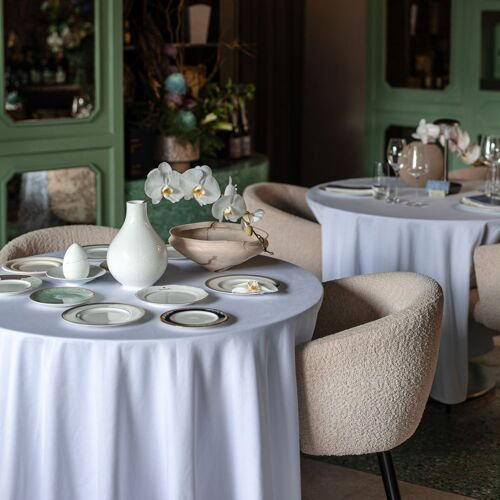
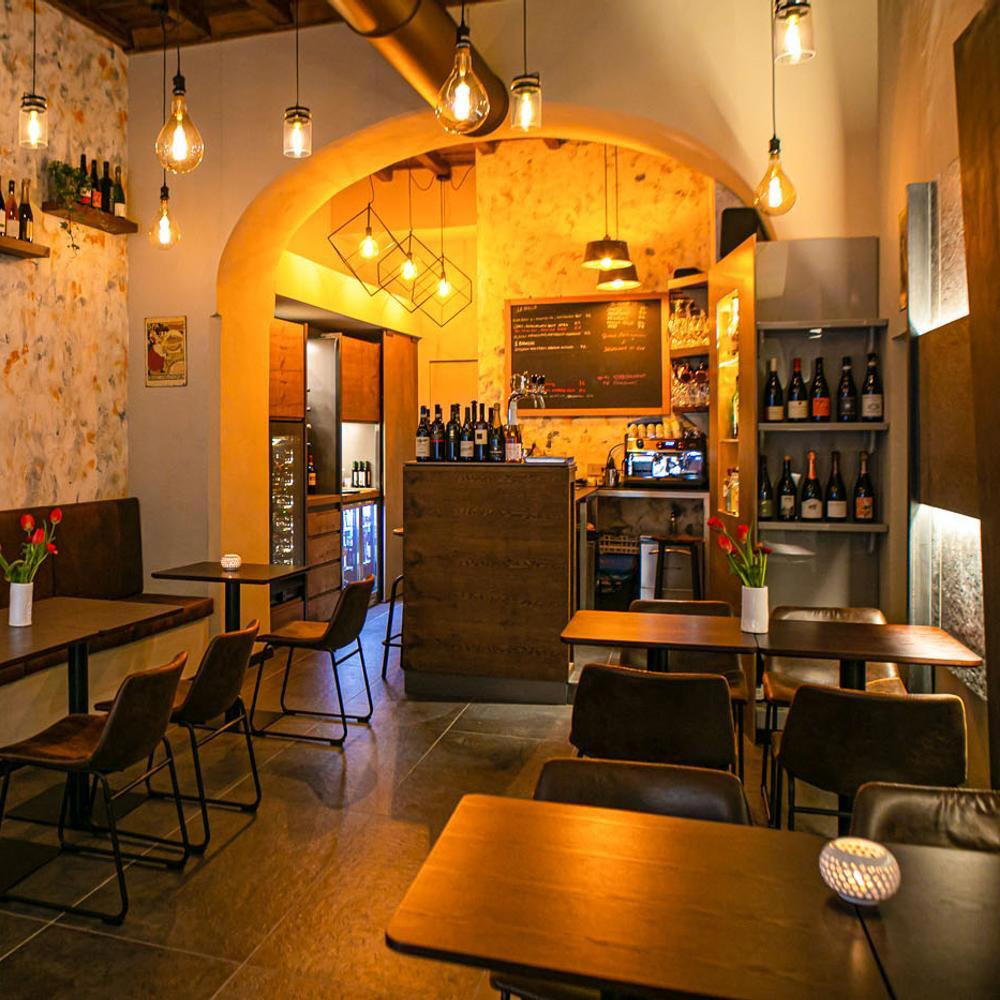
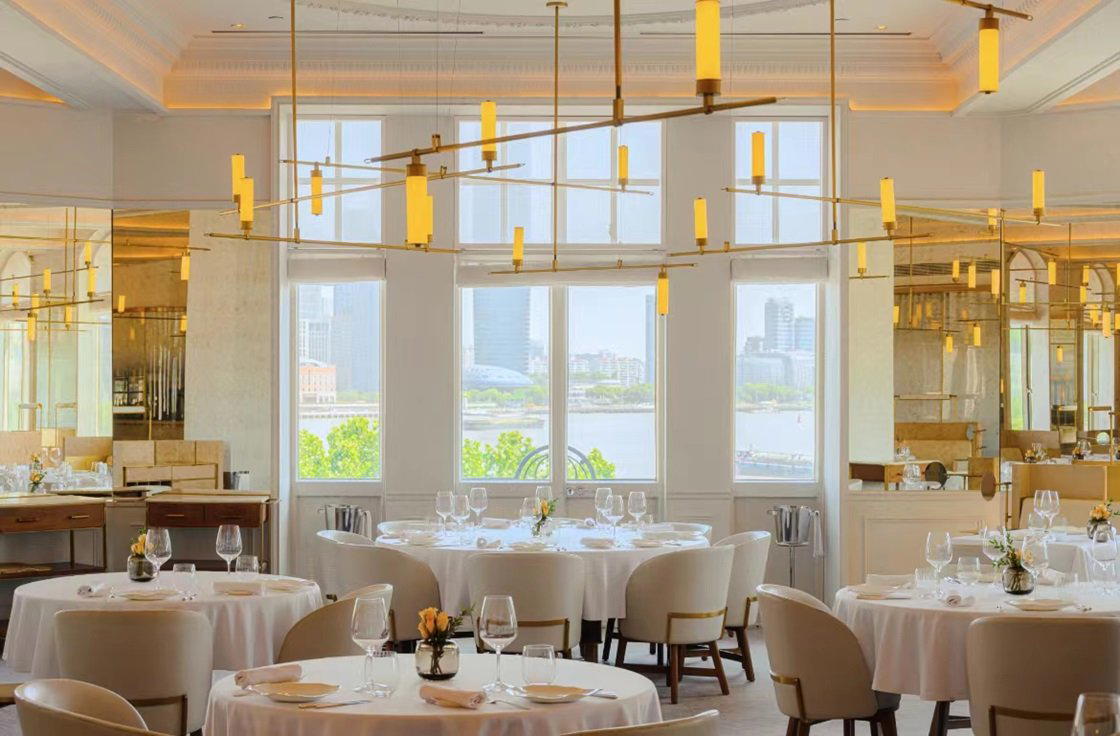
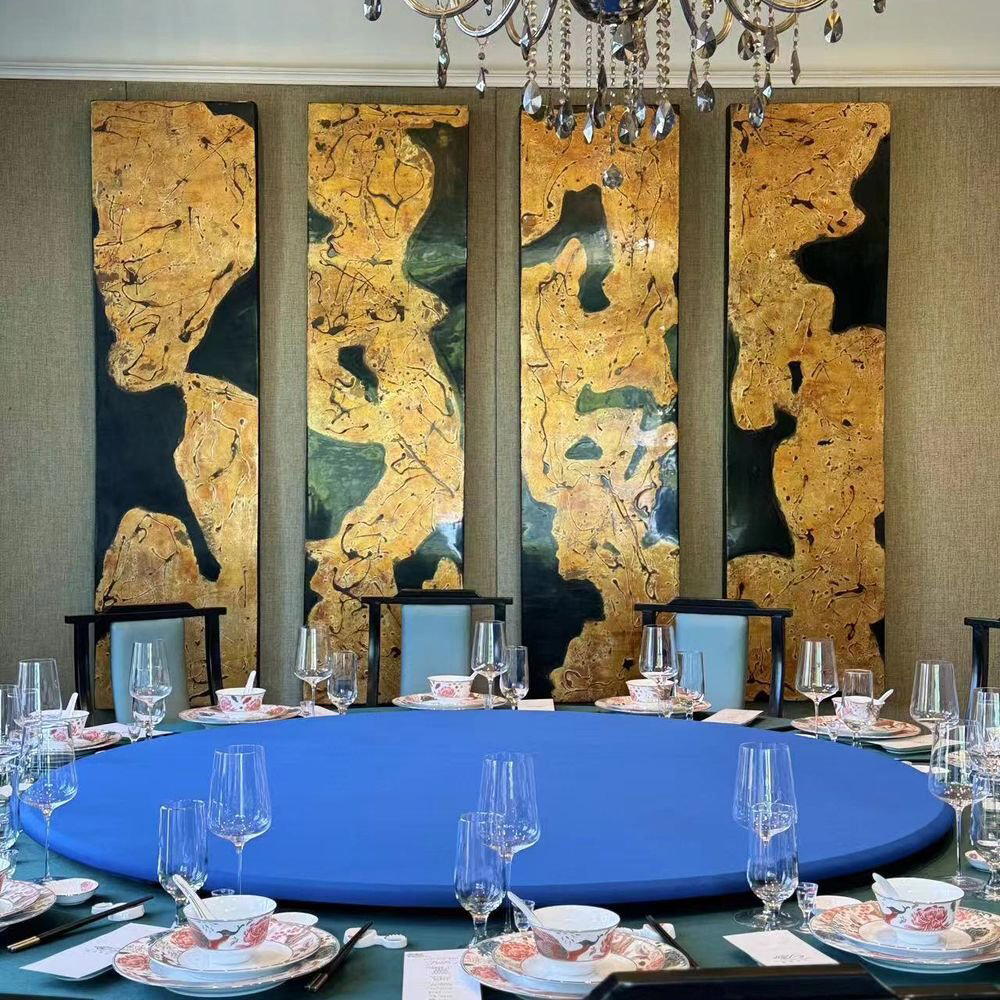
Burnished, soft lighting in a hushed historic space with original timbered beams, weathered stone, and subtle lattices; service flows with discreet fluency, allowing the room's historic cadence to set the pace.