
Our verdict
Siji Minfu in Dongcheng ranks among Beijing's most recognized addresses for Peking duck, earning a place on the Opinionated About Dining Casual Asia list (ranked #61 in 2025). The restaurant occupies a traditional courtyard-adjacent setting on Dengshikou West Street, where the ritual of the roast duck arrives with the formal ceremony the dish has demanded for centuries.

Pearl is the En Primeur Club membership app, where members save venues, book tables and use the concierge.
The menu
What to order
- Peking Duck (Half or Full)
- Beijing Royal-Style Barbecue
- Duck Bone Soup
- Claypot Pork
The Room Before the Duck
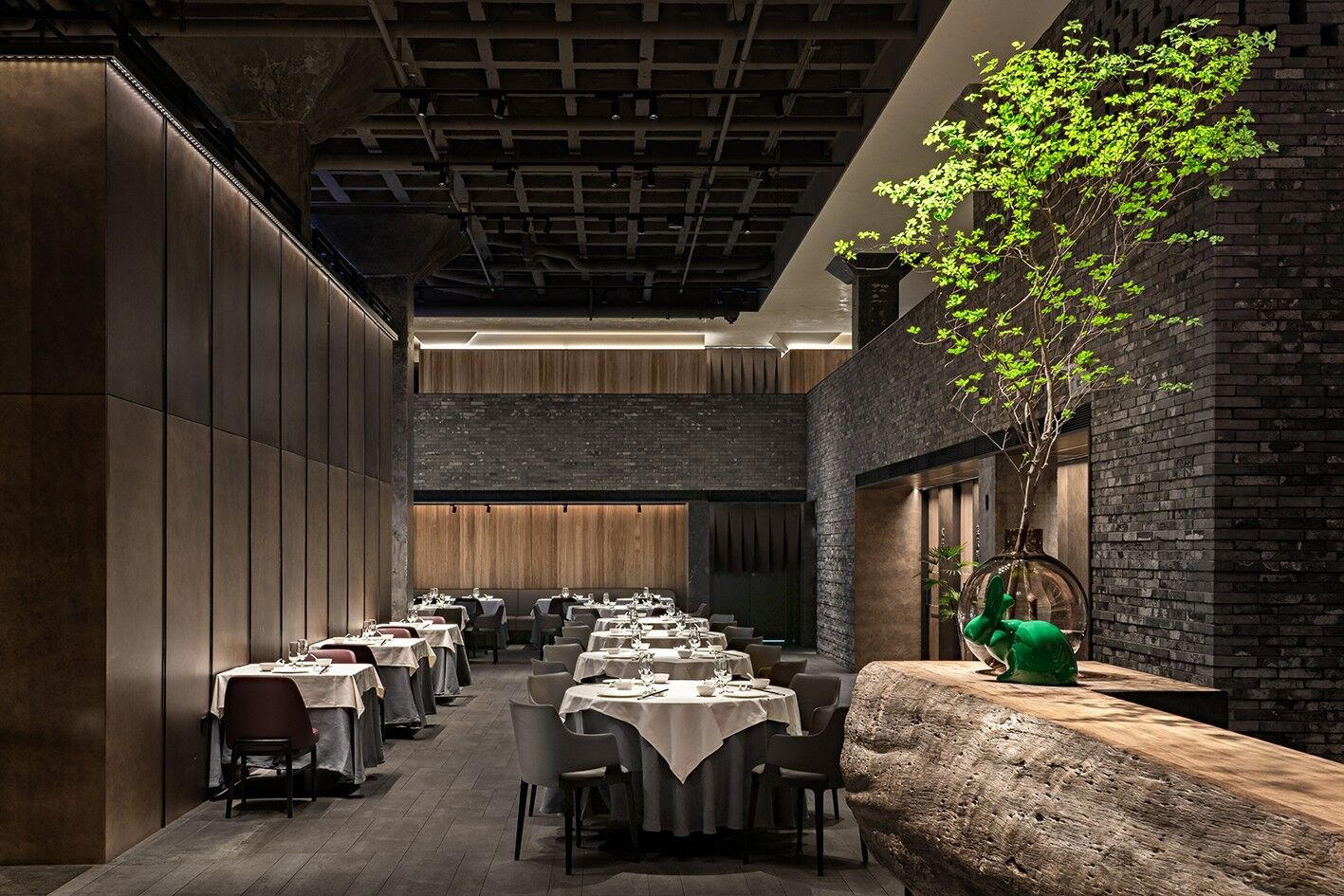
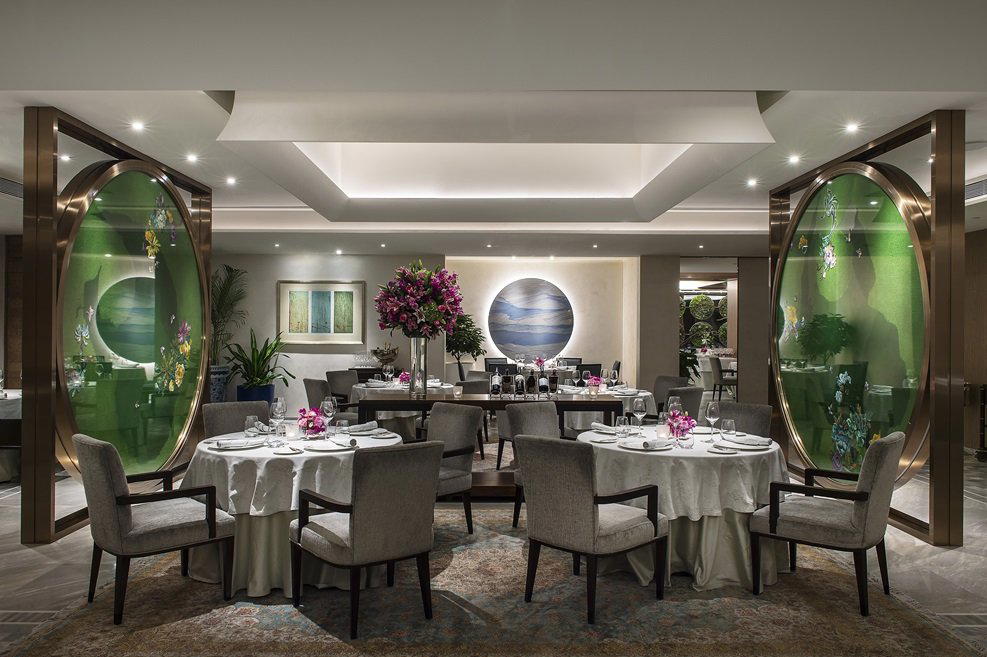
On Dengshikou West Street in Dongcheng, the physical approach to a Peking duck restaurant tells you something about the seriousness of the operation before a single bird reaches the table. Beijing's most considered duck houses tend to occupy spaces that reference the city's imperial past, whether through courtyard architecture, red lacquer woodwork, or the kind of high-ceilinged dining halls that suggest the dish is being served in proportion to its historical weight. Siji Minfu is no exception. The interior architecture here belongs to a lineage of Beijing dining rooms designed to frame the duck as occasion rather than transaction, where the spatial arrangement, the carved screens, and the room's formal proportions serve as prelude to what comes out of the roasting oven.
That spatial seriousness has a functional purpose. Peking duck, more than almost any other Chinese dish, depends on the theatrics of the carve. The roasted bird arrives whole, is broken down tableside into precise slices of crackling skin and layered flesh, and the quality of that performance depends partly on the room giving it room. Dining spaces built around this ritual tend to organize seating at intervals that accommodate the carving trolley, the condiment spread, and the unhurried pace that distinguishes a serious duck service from a fast-casual version of the same bird.
Where Siji Minfu Sits in Beijing's Duck Hierarchy
Beijing's Peking duck scene is not a monolith. It splits along several axes: the tourist-facing flagship format with multiple enormous floors and thousands of daily covers; the mid-market local favorite with reliable technique and no ceremony; and a smaller tier of restaurants where the duck program is treated with the same discipline you might apply to a tasting menu kitchen. Siji Minfu occupies the third category and has earned external validation to that effect.
The restaurant appears on the 2025 Opinionated About Dining Casual Asia list at rank 61, a placement that positions it within a specific critical conversation about casual dining excellence across the continent. The OAD list is sourced from frequent diners and industry professionals rather than anonymous inspectors, which means a ranking reflects accumulated dining intelligence rather than a single assessment visit. For a Peking duck specialist in a city with more duck options per square kilometer than arguably any other, placement on that list signals recognition among people who eat seriously and often.
For context, Beijing's wider fine dining tier includes restaurants like Jingji for classical Beijing cuisine and Lamdre for vegetarian cooking, both operating at the ¥¥¥¥ price bracket. The Xin Rong Ji on Xinyuan South Road and Chao Shang Chao in Chaoyang represent specialist regional Chinese cooking at that same premium tier. Siji Minfu, as a Peking duck specialist with casual-tier positioning, serves a different purpose in the city's dining geography: accessible enough for repeat visits, precise enough to hold critical attention.
The Architecture of the Dish
Peking duck's long history, documented from at least the Yuan dynasty and codified under the Ming imperial kitchen, explains why Beijing treats the dish with a formality that has no Western equivalent. The preparation requires a specific breed of duck, a controlled fattening period, air-drying of the skin, and roasting in a wood-fired oven, typically using fruitwood. The result, when executed correctly, is a lacquered exterior that fractures on contact and yields fat that has rendered rather than pooled. The skin is served first, sometimes with sugar, to demonstrate its quality independent of the meat. The flesh follows, wrapped in thin pancakes with cucumber, scallion, and fermented bean paste or hoisin.
This is not a dish that accommodates shortcuts at the quality end of the market. The room, the carving service, and the sourcing of the bird are all legible signals of where a restaurant positions itself within that tradition. Restaurants that treat the duck as backdrop rather than subject tend to produce a different result than those that have organized their entire operation around the integrity of a single dish.
Across mainland China's broader fine dining circuit, that kind of single-subject discipline shows up in different forms: at Ru Yuan in Hangzhou for Zhejiang cooking, at Xin Rong Ji in Chengdu for Taizhou cuisine, and at the regional Chinese specialists now drawing critical attention in cities like Guangzhou, where Imperial Treasure Fine Chinese Cuisine operates, and Nanjing, where Dai Yuet Heen has built a following. The common thread is a refusal to dilute a regional tradition in the service of wider appeal.
Dongcheng as Context
The address on Dengshikou West Street places Siji Minfu in Dongcheng district, the area that contains much of Beijing's surviving imperial architecture, including the eastern approaches to the Forbidden City. Dining in Dongcheng carries a different register than the same meal taken in Chaoyang or Sanlitun. The neighbourhood's density of hutong lanes, courtyard residences, and historically protected buildings creates a physical environment in which traditional Chinese restaurants feel contextually grounded rather than architecturally incongruous. A Peking duck specialist here is operating in the part of the city where the dish's imperial provenance has the most legible backdrop.
That matters for first-time visitors deciding where to anchor their Beijing itinerary. The full context of the city's dining, drinking, and cultural programming can be found in our full Beijing restaurants guide, alongside our full Beijing hotels guide, our full Beijing bars guide, our full Beijing wineries guide, and our full Beijing experiences guide.
For comparison with how other regional Chinese specialists operate across Asia, 102 House in Shanghai and Chef Tam's Seasons in Macau offer reference points for what critically recognized Chinese cooking looks like in neighboring cities. The precision-focused, single-cuisine discipline that defines serious Peking duck restaurants has more in common with the kind of hyper-focused kitchen logic seen at places like Le Bernardin in New York City or Atomix in New York City than it does with general-purpose Chinese restaurants, even when the price point and format differ sharply. The commitment to one dish, one tradition, and the physical space designed to serve it: that is what separates a ranked duck specialist from the alternatives.
For vegetarian-leaning visitors or those wanting to extend the Beijing dining itinerary beyond duck, King's Joy offers an entirely different register of Chinese cooking in the same city.
Know Before You Go
- Address: 32 Dengshikou West Street, Dongcheng, Beijing, 100006
- Cuisine: Peking Duck specialist
- Recognition: Opinionated About Dining Casual Asia 2025, ranked #61
- District: Dongcheng, within walking distance of the eastern Forbidden City approaches
- Booking: Reservation details not confirmed; walk-in availability likely varies by time of day and day of week
- Hours, pricing, and phone:
Recognition, Side-by-Side
Comparable venues nearby, for context on price, style, and recognition.
| Venue | Cuisine | Price | Awards | Notes |
|---|---|---|---|---|
| Siji Minfu BeijingThis venue (the venue you are viewing) | Traditional Peking Duck | $20–30 | Not listed | Not listed |
| XINCHANGFU | Modern Hunan Cuisine | $50–100 | Black Pearl 1 Diamond | Beixiaguan |
| Zhenziwei seafood restaurant | Hong Kong-Style Seafood Congee Hot Pot | $30–50 | Black Pearl 1 Diamond | Sanlitun |
| Din Tai Fung | Taiwanese Soup Dumplings | $20–30 | Not listed | Sanlitun |
| 1949-å ¨é¸å£ | Handmade Noodles | Not listed | Not listed | Chaoyangmen |
| QUANJUDE | Traditional Peking Roast Duck | $30–50 | Not listed | Qianmendajie |
Recognition history
Dated appearances from independent guides and award organizations, with the underlying list record or original source where available.
Opinionated About Dining Casual in Asia Ranked #35
Opinionated About Dining
Full recognition history (2 entries)
Opinionated About Dining Casual in Asia Ranked #61
Opinionated About Dining
Continue exploring
More in Beijing
Restaurants in Beijing
All restaurants in Beijing →
Bars in Beijing
All bars in Beijing →
Details
- Lively
- Classic
- Well Known
- Group Dining
- Family
- Casual Hangout
- Special Occasion
- Open Kitchen
- Standalone
- Beer Program
- A La Carte
- Family Style
- Beer
- Soft Drinks
- Vegetarian Friendly
- Gluten Free Options
- Allergy Accommodating
Current opening hours
- Monday
- 10:30 AM–11 PM
- Tuesday
- 10:30 AM–11 PM
- Wednesday
- 10:30 AM–11 PM
- Thursday
- 10:30 AM–11 PM
- Friday
- 10:30 AM–11 PM
- Saturday
- 10:30 AM–11 PM
- Sunday
- 10:30 AM–11 PM
Hours can change for holidays and private events. Hours as of .
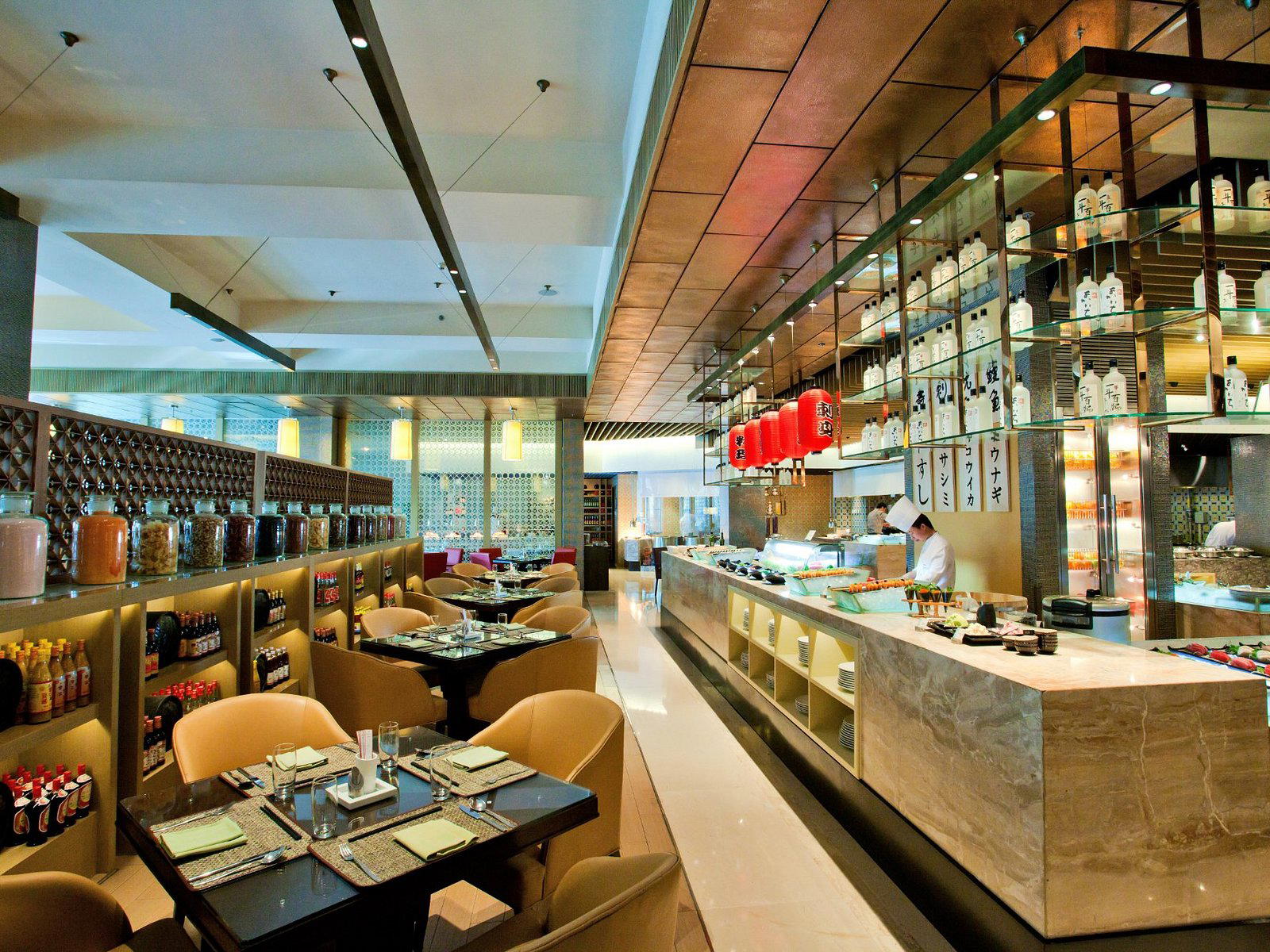
Bustling, energetic dining room with Chinese-style decor; lively atmosphere with frequent crowds and long waits; clean, well-lit spaces with traditional elements.