Our verdict
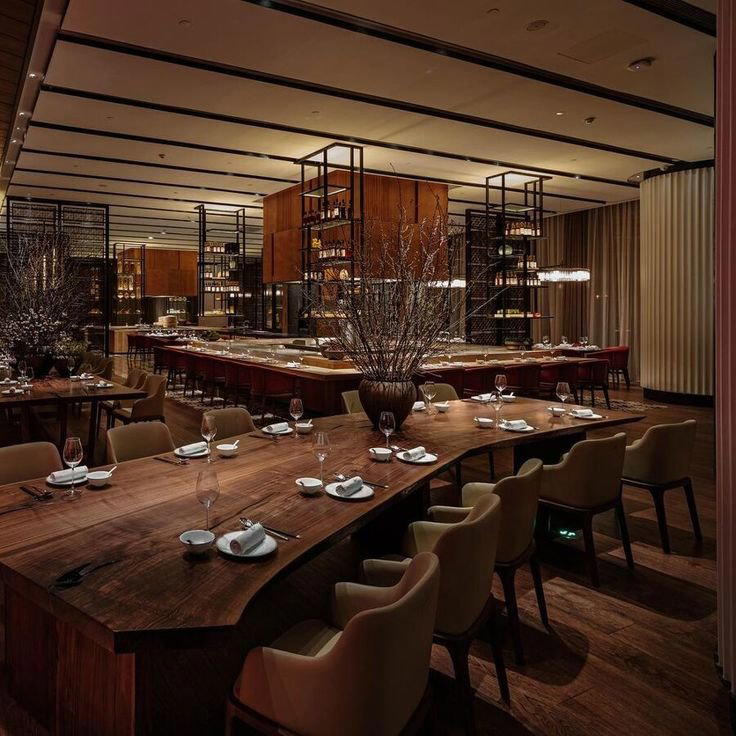
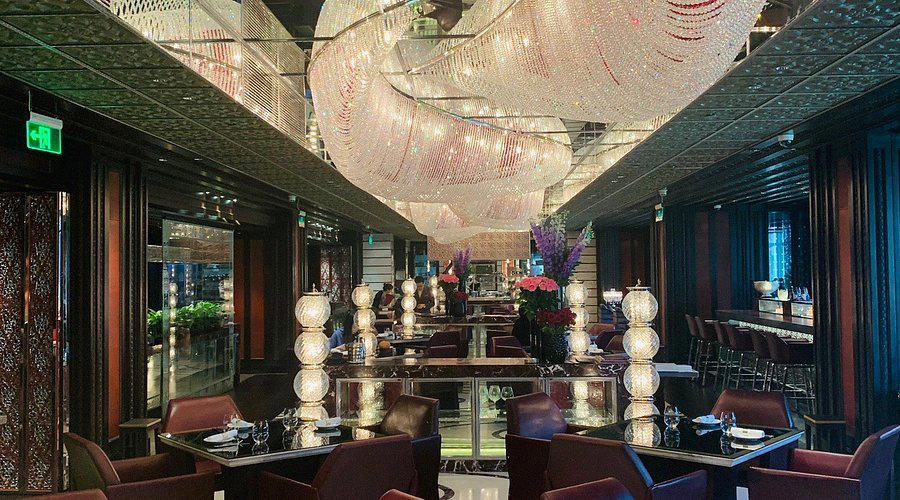
Located on Liangmaqiao Road in Chaoyang, 飞鸟趣 sits in a district where Beijing's premium dining tier has grown more architecturally deliberate over the past decade. Against peers like Xin Rong Ji and Chao Shang Chao at comparable price points, it occupies a quieter, more spatially considered register. For diners whose first question is about the room before the menu, this address warrants attention.

Pearl is the En Primeur Club membership app — saves, bookings, and concierge access live there. Same editors, same standards.
- Address
- 48 Liangmaqiao Rd, Sanyuan Bridge, Chaoyang, Beijing, China, 100028
- Phone
- +861056958520
- Website
- fourseasons.com
- Directions
- Get directions
Chaoyang's Quieter Register: Space as the First Statement
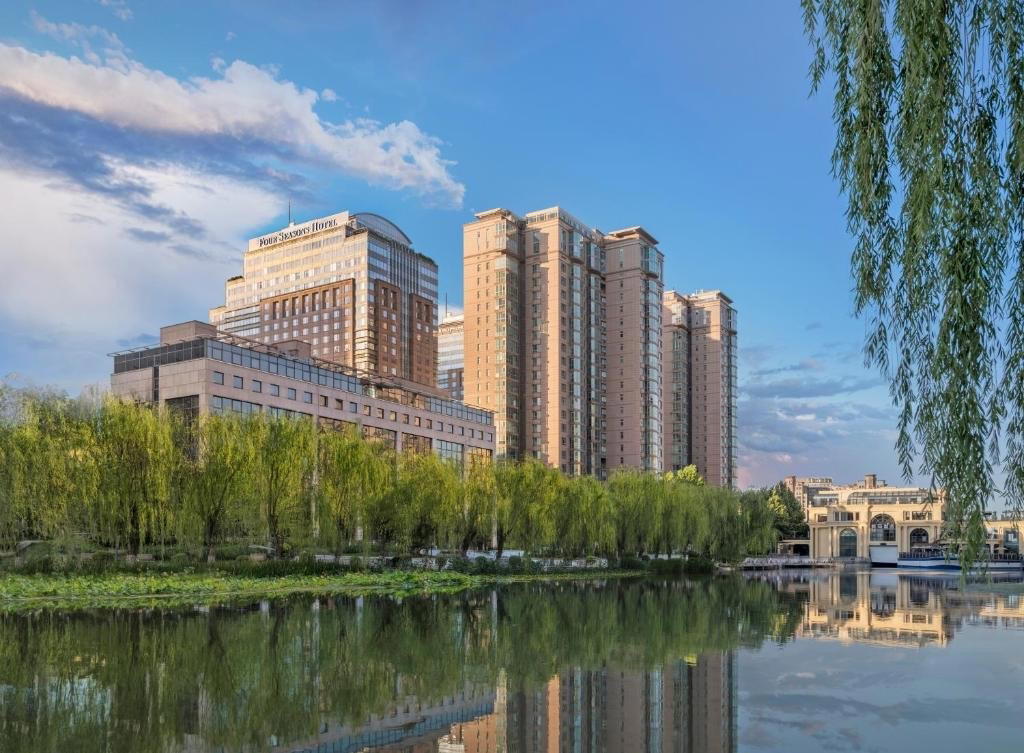
Liangmaqiao Road runs through a part of Chaoyang that functions as Beijing's diplomatic and upper-commercial corridor, and the dining addresses clustered around the Sanyuan Bridge node reflect that. The restaurants here are not competing on street presence or pedestrian theatre. They compete on what happens once you step inside, making the interior language of each address its primary credential. In a district where Xin Rong Ji on Xinyuan South Road and Chao Shang Chao in Chaoyang both operate at the ¥¥¥¥ tier and draw on strong regional culinary identities, the spatial proposition of any new address matters as much as the food brief.
飞鸟趣, at 48 Liangmaqiao Road, sits inside that competitive cluster. The address places it in a neighbourhood that has consolidated Beijing's premium Chinese dining offer over the past several years, drawing both local business entertaining and internationally mobile diners who treat the Sanyuan Bridge corridor as a reliable coordinate on the city's finer-dining circuit.
What the Room Does Before the Food Arrives
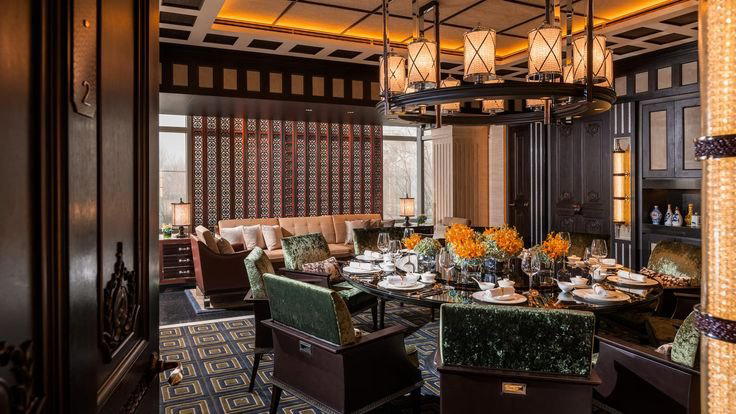
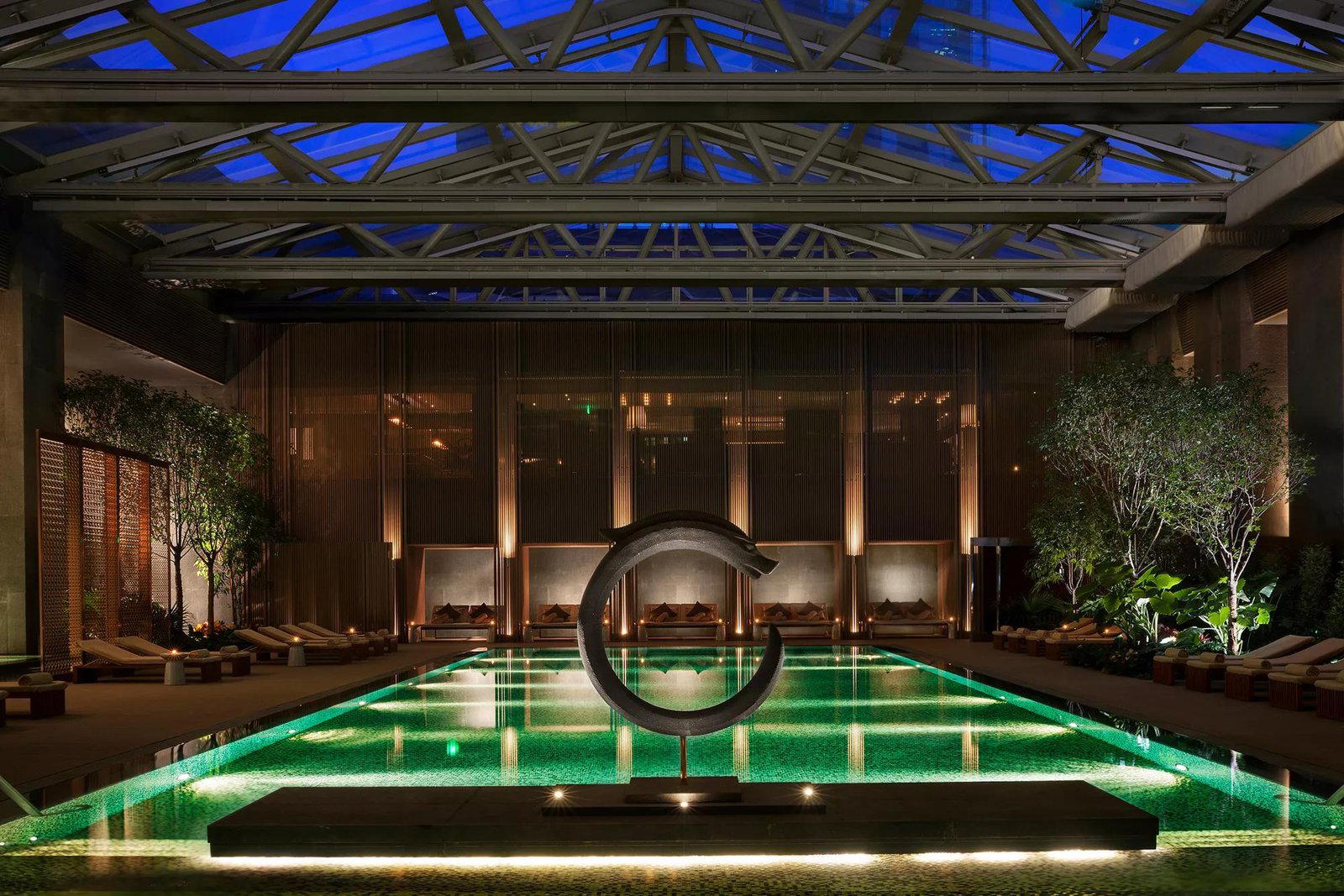
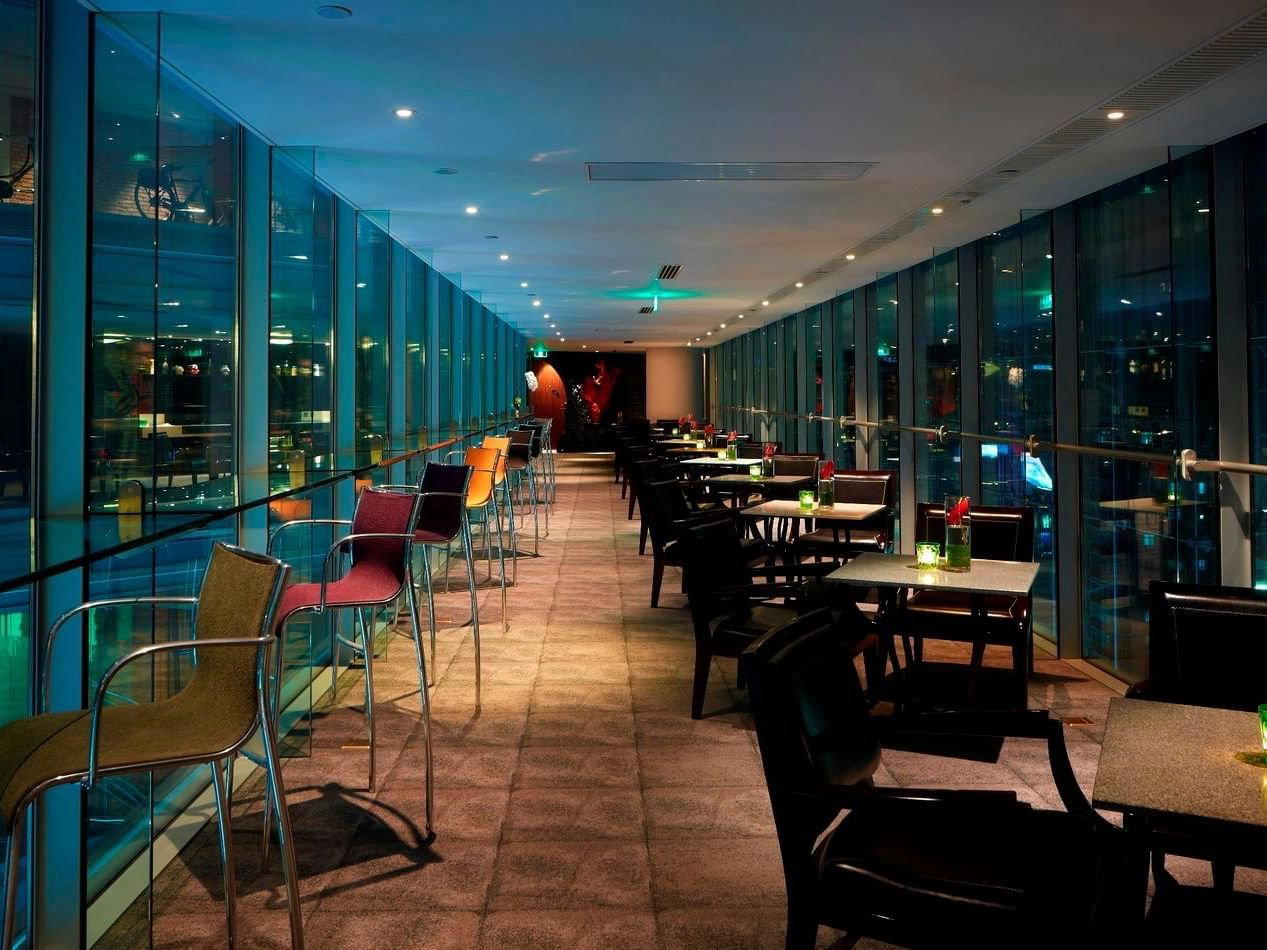
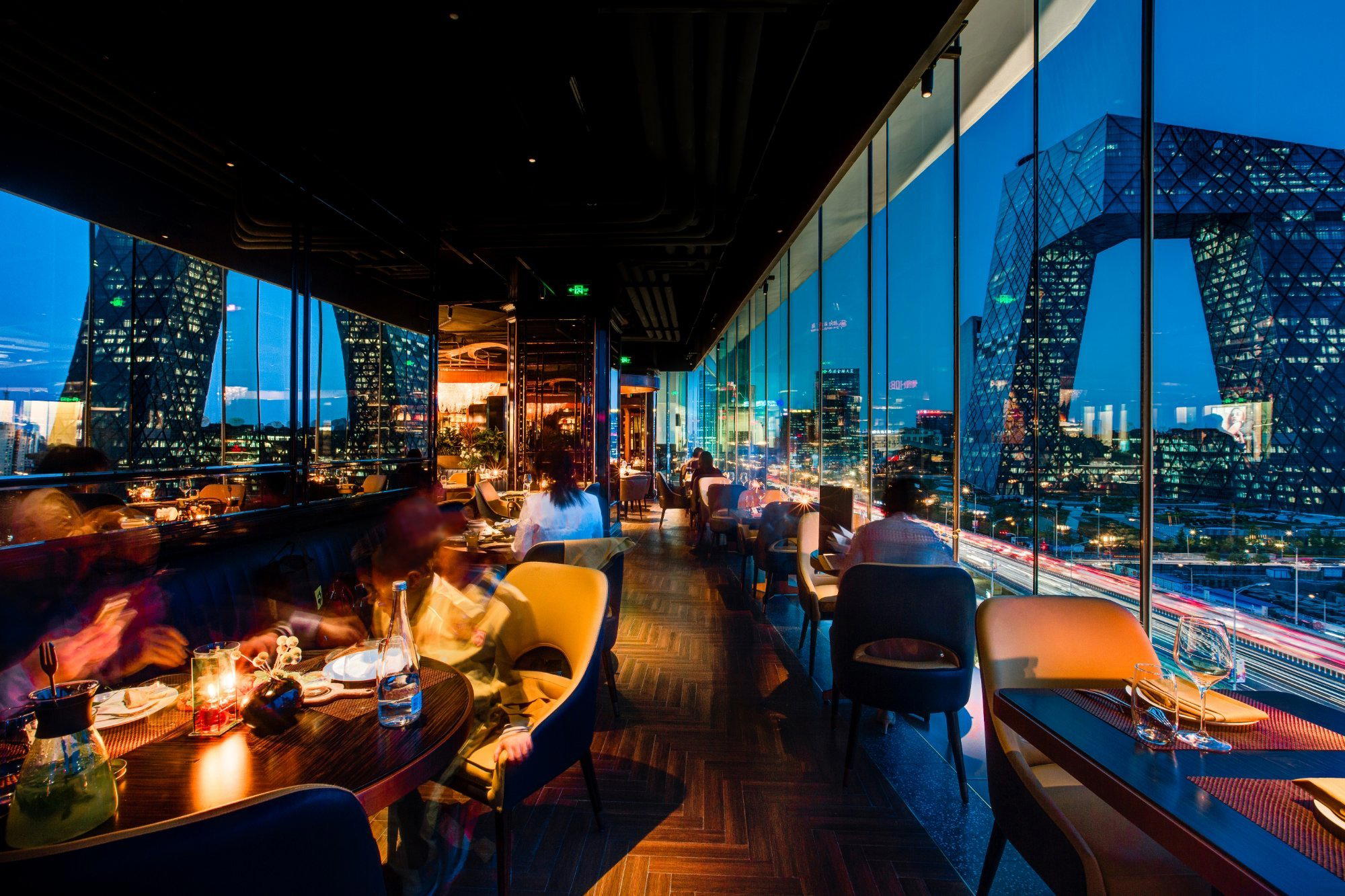
Beijing's upper-tier Chinese restaurants have, over the past decade, split into two architectural camps. One leans on a kind of imperial grandeur, with lacquered surfaces, high ceilings, and the visual grammar of court aesthetics. The other, a smaller and more recent cohort, pursues restraint: pared materials, considered light, spatial arrangements that reduce the number of tables in favour of acoustic privacy. The latter approach has found particular traction among restaurants drawing on vegetarian and contemplative traditions. Lamdre, for example, uses Tibetan design language as a frame for its vegetarian menu, demonstrating how powerfully a coherent spatial identity can carry a dining experience before any dish is served.
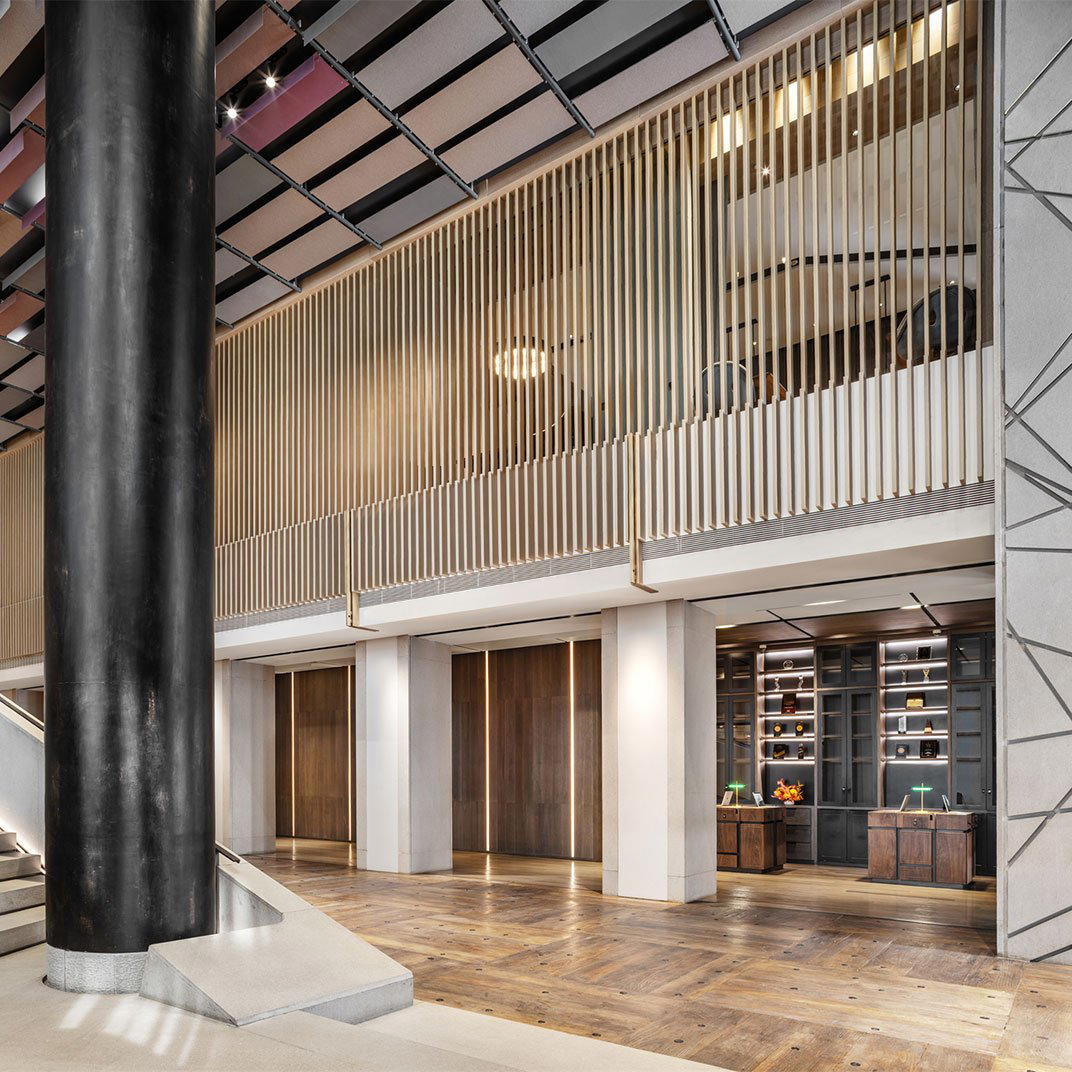
Design-led rooms at this level are not neutral containers. They set expectations about pace, about how much noise will travel between tables, about whether a private conversation will remain private. For the Chaoyang business dining audience, these are functional requirements, not aesthetic preferences. A room that controls sound, that sequences space from arrival to table without theatrical interruption, is doing real work.
Across the broader Chinese premium dining circuit, this principle is well established. King's Joy in Beijing has built its reputation partly on the spatial and philosophical coherence of its environment, where the room and the vegetarian menu reinforce each other. Fu He Hui in Shanghai operates in a similar register, using design to signal that the experience is unhurried and considered. These are the peer references against which spatially ambitious rooms in Beijing are now read.
The Chaoyang Dining Context
Chaoyang is Beijing's most varied dining district by price tier and cuisine category, which makes positioning within it genuinely complex. At the ¥¥¥ level, addresses like Jing offer French Contemporary menus to internationally oriented diners. At ¥¥¥¥, the competition sharpens around regional Chinese specialisms: Taizhou cuisine at Xin Rong Ji, Chaozhou at Chao Shang Chao, and Beijing cuisine itself at Jingji. Each of these has a defined culinary identity that does the positioning work.
For an address without a declared cuisine type in the public record, the spatial and atmospheric argument becomes more load-bearing. The room must do the work of signalling tier and intent clearly enough that a diner arriving without extensive background knowledge still understands the register they are entering. This is a harder brief, and Beijing's dining audience is experienced enough to read it accurately.
The broader premium Chinese dining scene across the country provides useful orientation. Ru Yuan in Hangzhou, Chef Tam's Seasons in Macau, and Imperial Treasure Fine Chinese Cuisine in Guangzhou all demonstrate how regional anchoring and strong interior identity work together at this tier. Addresses that lack one of those anchors typically compensate with the other.
Planning and Practical Orientation
The Sanyuan Bridge area is well served by taxi and ride-hailing apps, and the address at 48 Liangmaqiao Road is findable by map without difficulty. For diners coming from the central embassy district or from hotels along the Third Ring Road, the location is a short direct run. Booking in advance is the standard expectation for premium Chaoyang addresses, though the specific lead time appropriate for 飞鸟趣 is best confirmed directly with the restaurant, as availability patterns vary by day of week and group size. Chinese-speaking assistance is worth arranging if your Mandarin is limited, as English-language booking infrastructure at independently operated addresses in this corridor is inconsistent.
For those building a wider Beijing itinerary around fine dining, our full Beijing restaurants guide maps the city's premium tier by cuisine, neighbourhood, and occasion type. Peer addresses worth noting in this district include Lamdre for vegetarian and design coherence, and King's Joy for a more architecturally elaborate take on Chinese vegetarian dining. Elsewhere in China, Xin Rong Ji in Chengdu, Dai Yuet Heen in Nanjing, and Pingjiangsong in Suzhou represent the kind of regionally grounded premium addresses that share a similar market position. For international comparisons in the design-led dining category, Le Bernardin in New York City and Lazy Bear in San Francisco demonstrate how spatial identity and tasting-format discipline reinforce each other at the top of their respective markets. Further afield in China, Fleurs Et Festin in Xiamen, Shang Palace in Yangzhou, and Wenru No.9 in Fuzhou round out a picture of how this tier operates across different Chinese cities.
Frequently asked questions
Where is éé¸è½© in Beijing?
éé¸è½© is located at 48 Liangmaqiao Rd, Sanyuan Bridge, Chaoyang, Beijing, China, 100028, Beijing.
What should I eat at 鸿鸾?
Given its positioning in Chaoyang's upper-tier dining corridor at 48 Liangmaqiao Road, the kitchen almost certainly operates a focused, curated offering rather than a broad à la carte menu — asking the front-of-house team at booking for current dishes and seasonal focus is advisable.
How far ahead should I plan for éé¸è½©?
Reservations are recommended for éé¸è½© in Beijing. Confirm current policy via the venue's official channels.
What is éé¸è½© known for?
éé¸è½© is best approached by focusing on the core concept and signature offerings.
Do they accommodate allergies at éé¸è½©?
Dietary accommodations can vary. Flag restrictions in advance via the venue's official channels.
A Lean Comparison
| Venue | Cuisine | Price | Awards | Notes |
|---|---|---|---|---|
| éé¸è½©This venue — the venue you are viewing | Not listed | Not listed | Not listed | Not listed |
| Jing | Modern French with Asian Influences | $300–500 | 1 Michelin Star · Black Pearl 1 Diamond | French Contemporary |
| Xin Rong Ji (Xinyuan South Road) | Taizhou Chinese Fine Dining | $300–500 | 3 Michelin Stars · World's 50 Best #84 | Taizhou |
| Chao Shang Chao (Chaoyang) | Modern Teochew (Chaoshan) Fine Dining | $200–300 | Michelin Plate · La Liste Top Restaurants | Chao Zhou |
| Lamdre | Modern Plant-Based Chinese Vegetarian | Not listed | 2 Michelin Stars · World's 50 Best #17 | Vegetarian |
| Jingji | Imperial Beijing Royal Cuisine | $200–300 | 2 Michelin Stars · La Liste Top Restaurants | Beijing Cuisine |