
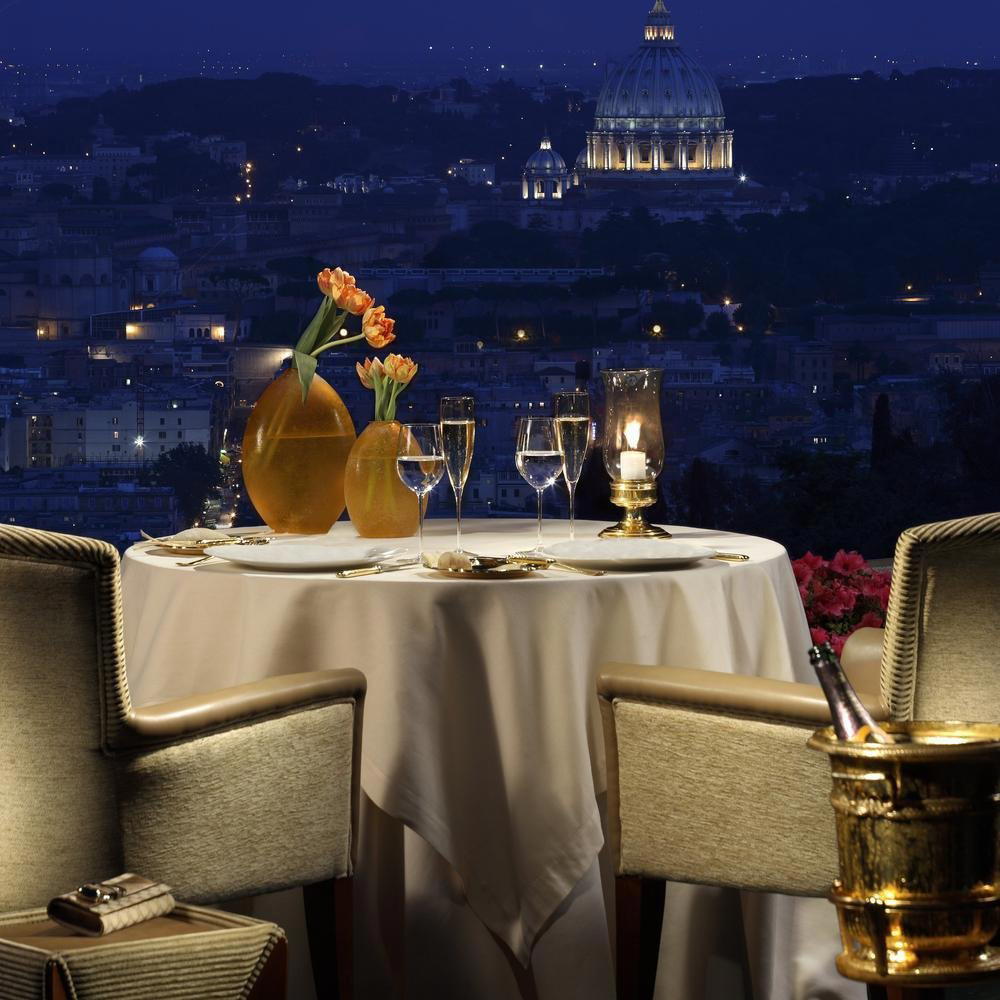
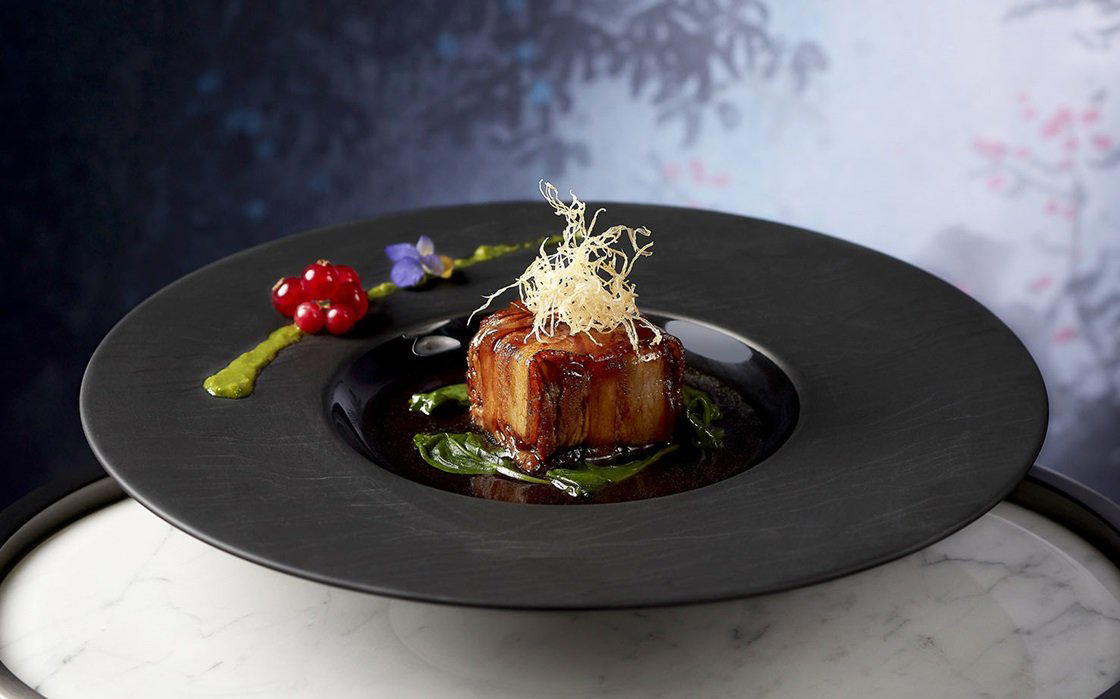
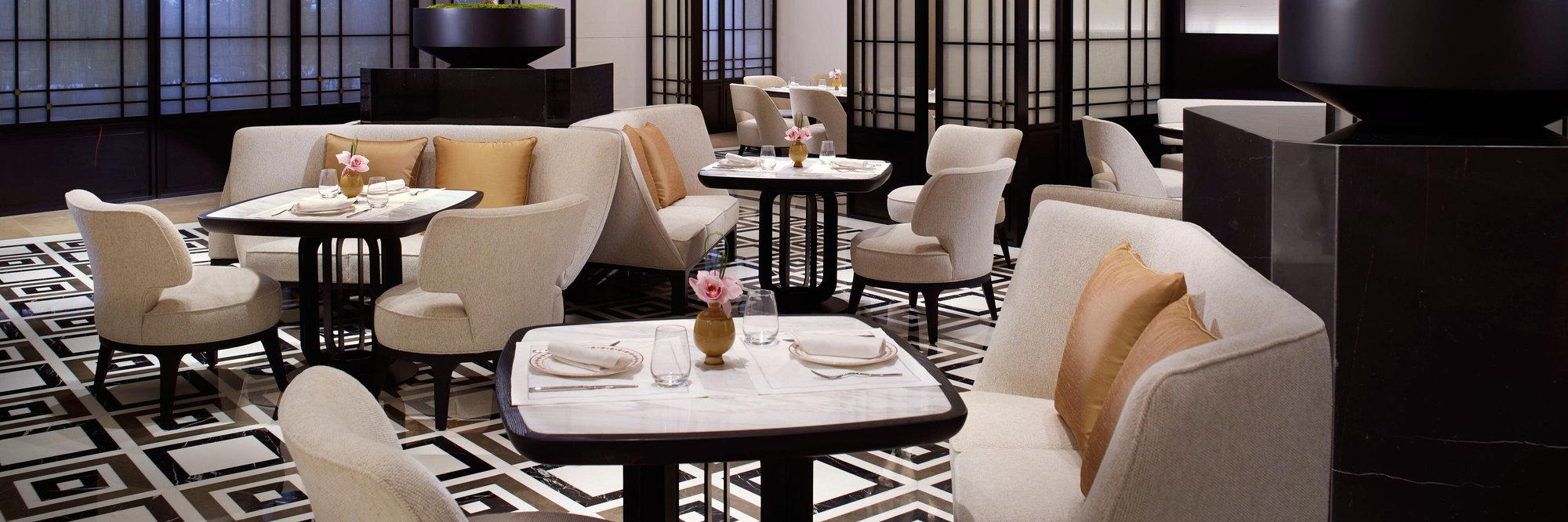
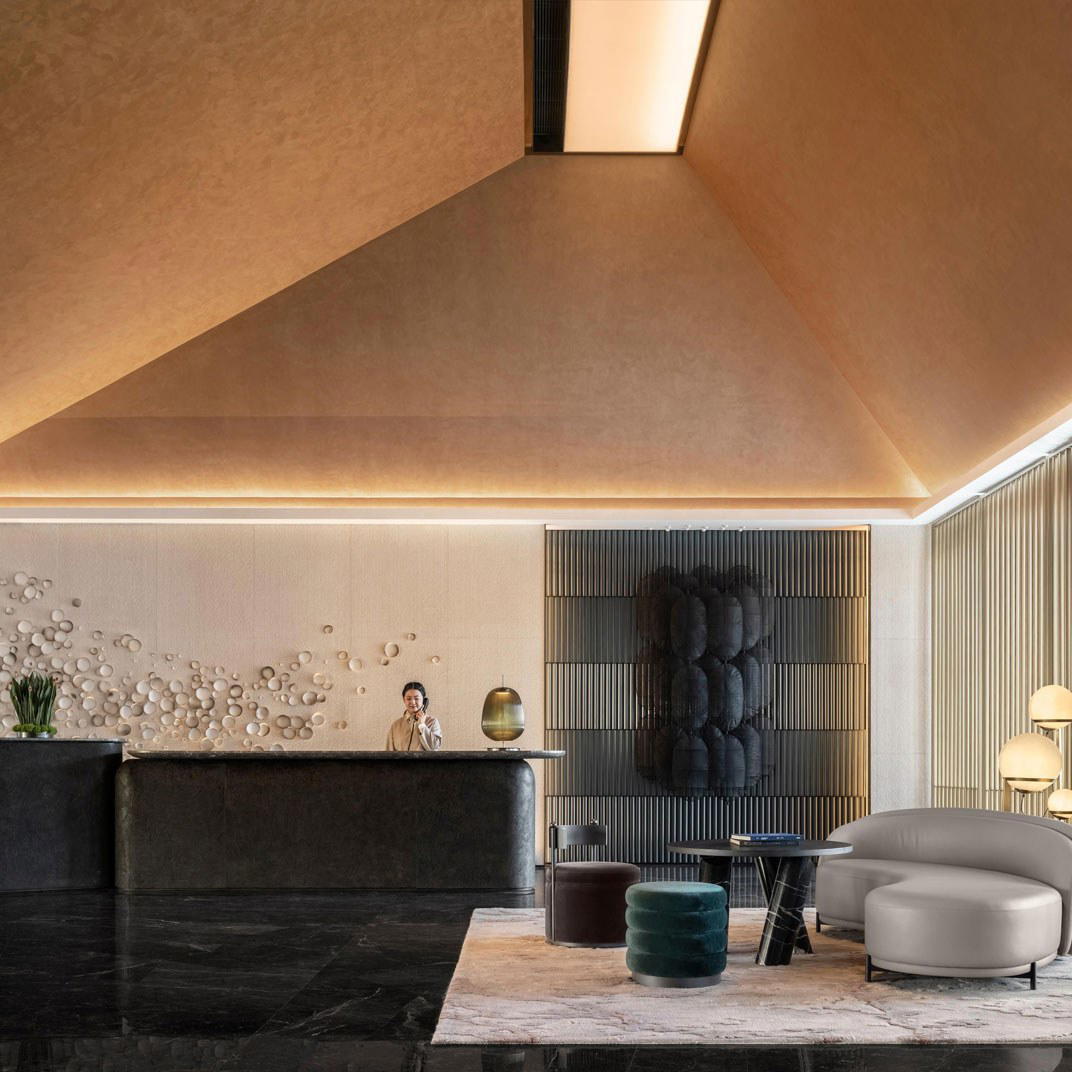
At Pingjiangsong, the romance of Jiangnan’s water towns is distilled into a modern culinary reverie. Inspired by Suzhou’s storied canals and garden pavilions, the restaurant crafts an elegant dialogue between heritage flavors and contemporary finesse, each course a quiet aria of texture, fragrance, and light. Expect lacquered river fish glazed with osmanthus, silk-thin tofu custards perfumed with chrysanthemum, and hand-sculpted dim morsels that whisper of craft passed through generations. The dining room glows with riverstone hues, carved wood screens, and candlelit restraint, while service moves with measured grace, anticipating desire before it is spoken. A curated tea and huangjiu program frames the menu’s seasonality, inviting the palate to linger on nuance. For the informed traveler, Pingjiangsong is not a meal but a lingering memory, intimate, luminous, and deeply rooted in place.
Pearl is the En Primeur Club membership app — saves, bookings, and concierge access live there. Same editors, same standards.
- Address
- 6 Jiayufang, Gusu District, Suzhou, Jiangsu, China, 215005
- Phone
- +86 512 6516 5206
- Directions
- Get directions
 Saves & bookings on Pearl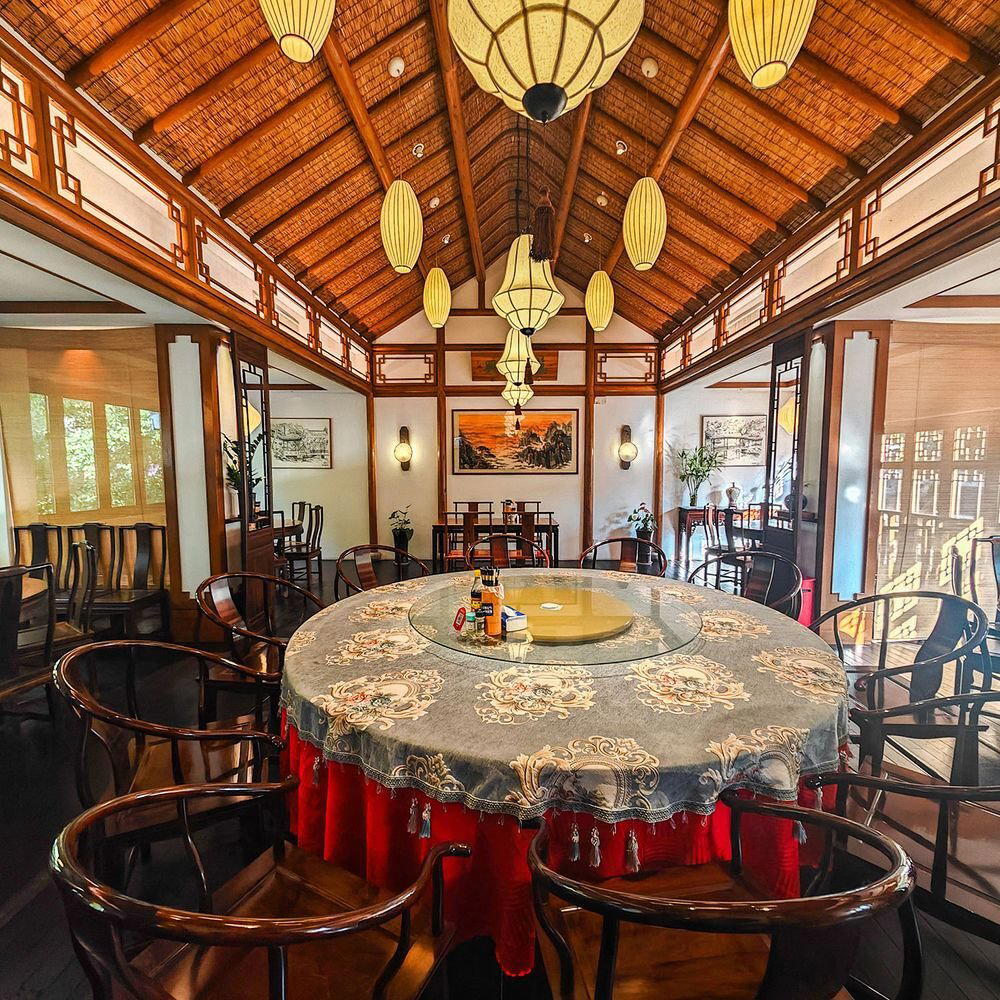
Where Suzhou's Oldest Culinary Tradition Meets the Michelin Guide
The Gusu District of Suzhou moves at a pace the rest of eastern China has largely forgotten. Along the canal-threaded lanes near Jiayufang, stone bridges and whitewashed walls carry the architectural grammar of the Song dynasty, and the restaurants that occupy these buildings tend to operate in that same register: deliberate, rooted, and indifferent to the velocity of the new. Pingjiangsong sits at address 6 Jiayufang within this fabric, and the physical approach alone tells you something about what the kitchen values. You are in a neighbourhood that has been doing this for centuries.
Jiangsu Cuisine and Why It Matters in This City
To understand Pingjiangsong's position in Suzhou's dining hierarchy, it helps to understand what Jiangsu cuisine actually is, and why it carries the weight it does in this particular city. The cuisine is one of China's Eight Great Culinary Traditions, with a classification system formalised during the imperial period. Suzhou sits within its Huaiyang and Su-style sub-branches, a tradition built on freshwater produce, seasonal precision, and a preference for natural sweetness over heavy spicing. The cooking technique is characterised by careful braising, the use of Shaoxing wine and sugar in subtle balance, and an attention to texture that prizes the moment between firmness and collapse in a piece of stewed pork or fish.
This is not a cuisine that shouts. Compared to the numbing heat of Sichuan cooking or the umami intensity that defines much of northern Chinese cuisine, Jiangsu food can read as understated to a first-time visitor. That understated quality is, in fact, the craft. The canon includes dishes that have appeared on imperial banquet menus and in the kitchens of scholars who shaped the region's cultural identity across multiple dynasties. When a restaurant in Suzhou earns recognition for doing this tradition at a serious level, the claim being made is substantial.
Pingjiangsong received a Michelin one star in the 2025 guide, placing it within a tier of Suzhou restaurants that the broader Jiangsu dining scene would recognise as operating at a serious formal level. Michelin's presence in Chinese cities has been selective, and a star in 2025 reflects recognition from a body that has been refining its local editorial judgement for several years.
The Suzhou Fine-Dining Map
Suzhou's formal dining tier is smaller and less internationally discussed than Shanghai's, which sits roughly 90 kilometres to the east and dominates regional food media coverage. That gap has historically worked in Suzhou's favour for travellers willing to look: fewer crowds, lower competition for reservations at serious restaurants, and a cuisine that has not been as subject to the kind of fusion reinterpretation that reshapes menus in larger metropolitan markets. The city's Jiangsu-cuisine specialists are generally operating for a local clientele that knows the reference points, which tends to keep kitchens honest.
Within Suzhou specifically, Jiangsu cuisine spans a wide price range. Bai Sheng Ren Jia (Wuzhong) operates at a ¥¥ price point, making the tradition accessible at a mid-tier spend. Dingshan·Jiangyan (Xiangcheng) moves into the ¥¥¥ bracket. Pingjiangsong sits above both at ¥¥¥¥, the highest price tier in the city's current listings. That positioning is consistent with what a Michelin star implies: a formal dining experience where the spend reflects the depth of the kitchen's technique, the sourcing standard, and the service level, rather than simply the quantity of food.
For comparison across the broader region, Jiangsu cuisine representation at the formal level remains more concentrated in Suzhou and Nanjing than elsewhere. Guang Ying Ju (Lao Zheng Xing) in Nanjing represents that tradition from the capital of Jiangsu province. Further afield, restaurants such as Xin Rong Ji (Beijing) and 102 House in Shanghai reflect how Jiangnan-rooted cooking translates to larger market contexts. The Suzhou version, at its most concentrated, tends to be less performative than its Shanghai counterparts.
Other serious restaurants in Suzhou operate in different cuisine traditions: Ban Ting Jia Yan (Suzhou Industrial Park), Hua Chi 88, and Ge Jia Wu Farmer's House each represent distinct approaches to formal eating in the city, covering a range from garden-set dining to more casual interpretations. Pingjiangsong is the entry within the Michelin-starred tier.
The Broader Context of Chinese Fine Dining in 2025
The conversation around Chinese fine dining has shifted considerably over the past five years. Internationally, restaurants such as Chef Tam's Seasons in Macau and Imperial Treasure Fine Chinese Cuisine in Guangzhou have demonstrated that Chinese culinary traditions can carry the formal credentials that international dining media historically assigned almost exclusively to European kitchens. Closer to Suzhou, Ru Yuan in Hangzhou and Xin Rong Ji in Chengdu represent how regional Chinese traditions are now being assessed against international benchmarks in their own right.
Pingjiangsong's 2025 Michelin recognition places it inside this broader pattern of traditional Chinese regional cuisine earning formal international validation. The significance is not simply the star itself, but what the star indicates about the kitchen's relationship to its source material: that a form of cooking which predates most European culinary traditions by centuries is being executed at a level that international evaluators consider worthy of that tier.
Planning a Visit
Pingjiangsong is located at 6 Jiayufang in the Gusu District, the historic core of Suzhou, which makes it straightforwardly accessible from the city centre and from the canal-district hotels that sit within walking distance of Pingjiang Road. The ¥¥¥¥ price point means this is a considered dinner rather than a casual stop; for a meal at this level in a city where Michelin-starred dining at this tier is rare, advance reservations are advisable. Travellers combining Suzhou with Shanghai or Hangzhou will find the regional train connection direct, with Suzhou's high-speed rail links placing the city inside a 30-minute radius of Shanghai. For a complete picture of eating and drinking in the city, our full Suzhou restaurants guide covers the range across price points and cuisine types. For accommodation, our Suzhou hotels guide maps the options by neighbourhood. Those wanting to extend the trip into bars and experiences can reference our Suzhou bars guide, our Suzhou experiences guide, and our Suzhou wineries guide for the full picture.
Cuisine and Recognition
Comparable venues nearby, for context on price, style, and recognition.
| Venue | Cuisine | Price | Awards | Notes |
|---|---|---|---|---|
| PingjiangsongThis venue — the venue you are viewing | Modern Suzhou Cuisine | $$$$ | Michelin 1 Star | Not listed |
| Dingshan·Jiangyan (Xiangcheng) | Modern Jiangsu Cuisine | $$$$ | Michelin 1 Star | Xiangcheng |
| DING SHAN · JIANG YAN | Modern Jiangsu Fine Dining | $$$ | Michelin 1 Star | Xiangcheng |
| Ling Ling Jiu Jia | Farm-to-Table Jiangsu Cuisine | $$ | Bib Gourmand | Wuzhong |
| Su Mian Fang | Suzhou-style Noodles | $$$ | Michelin Plate | Suzhou Industrial Park |
| Lao Zhen Yuan (Zhuangqiao Road) | Refined Suzhou Classics | $$$ | Bib Gourmand | Wujiang old town |
Recognition history
Dated appearances from independent guides and award organizations, with the underlying list record or original source where available.
Michelin 1 Star
Michelin
At a Glance
- Elegant
- Classic
- Scenic
- Cozy
- Sophisticated
- Date Night
- Special Occasion
- Garden
- Historic Building
- Private Dining
- Sake Program
- Garden
Current opening hours
- Monday
- 10:30 a.m.–2 p.m., 5–9 p.m.
- Tuesday
- 10:30 a.m.–2 p.m., 5–9 p.m.
- Wednesday
- 10:30 a.m.–2 p.m., 5–9 p.m.
- Thursday
- 10:30 a.m.–2 p.m., 5–9 p.m.
- Friday
- 10:30 a.m.–2 p.m., 5–9 p.m.
- Saturday
- 10:30 a.m.–2 p.m., 5–9 p.m.
- Sunday
- 10:30 a.m.–2 p.m., 5–9 p.m.
Hours can change for holidays and private events. Last verified .
Serene classical Suzhou garden atmosphere with artistic white walls, black tiles, pavilions, and misty romantic ambiance.