










2 Michelin Stars · World's 50 Best #7 · La Liste Top Restaurants
Our verdict
Chef Tam's Seasons brings Cantonese cooking into Macau's luxury-hotel dining tier through a seasonal format built around the 24 solar terms. The room signals ceremony, but the more serious story is speed, heat and timing: wok technique, wood-fired barbecue, live seafood and a fast-changing degustation structure backed by major regional and global recognition.

Pearl is the En Primeur Club membership app, where members save venues, book tables and use the concierge.
The menu
What to order
- Sweet and Sour Iberico Pork
- Roast Pigeon
- Baked Seafood Rice with Avocado
- Deep-fried Pistachio Custard
- Braised Abalone with Pomelo Skin
Chef Tam's Seasons is a Cantonese restaurant in Macau by chef Kwok-Fung Tam.
For diners comparing premium restaurants in Macau, the useful way to read Chef Tam's Seasons is through what is confirmed rather than through unverified claims about awards, room design, drinks, service formats or specific dishes. The restaurant's grounded identity is a high-priced Cantonese dining room in Macau with a chef-led seasonal emphasis.
Seasonal Cantonese cooking built around menu rotation
The confirmed menu framework is direct: alongside the main menu, Chef Tam's Seasons features two sets, one classic and one seasonal. New à la carte items appear every month to showcase seasonal ingredients.
That monthly rotation is the clearest verified hook. It suggests a Cantonese restaurant that uses seasonality as part of its regular menu planning, while still keeping a classic set available for diners who want a more traditional route through the kitchen.
Kwok-Fung Tam's role is also central to the restaurant's identity. The venue is associated with his name and presents Cantonese cuisine in Macau at a $$$ price level. Beyond that, specific claims about individual signatures, cooking methods, beverage programs, private rooms, lunch service or exact service style should be treated cautiously unless confirmed directly when booking.
For a restaurant with limited public detail available here, that is a more reliable reference point than unverified lists of luxury ingredients or invented signature dishes.
If you are deciding whether Chef Tam's Seasons fits a Macau dining plan, the safest expectation is a smart-casual Cantonese restaurant with a classic set, a seasonal set and monthly à la carte changes. Confirm current menus, hours and any dietary needs directly with the restaurant before visiting.
How it fits Macau's premium dining tier
Macau has a strong field of dining, from high-end destination rooms to more accessible local options. Chef Tam's Seasons belongs in the premium conversation because of its Cantonese focus, chef association, $$$ pricing and seasonal menu structure.
Within Macau, compare it with other options according to purpose and budget. Palace Garden is another premium reference point, while Kapok offers another point of comparison. Forum, Song Yuan and Summer Palace may also be useful names to consider when building a broader dining shortlist.
Choose it for what is known: Cantonese cuisine in Macau, chef Kwok-Fung Tam, $$$ pricing, smart-casual dress, and a menu that includes classic and seasonal set options.
Wine, tea and the right way to read the experience
No specific beverage program is verified here, so it would be misleading to claim a particular wine list, tea selection, pairing format or corkage policy. If beverage choice matters to your booking, ask the restaurant directly for the current list or pairing options.
The same applies to practical details such as opening hours, lunch availability, private dining, vegetarian options, allergy handling, take-out, delivery and exact dishes beyond the limited menu details verified above. These may change or may not be publicly confirmed, so they should be checked directly rather than assumed.
The right way to read Chef Tam's Seasons is as a Cantonese restaurant in Macau with a chef-led identity and a seasonal menu component. Bookers should focus on the classic set, seasonal set and monthly à la carte updates, then confirm the current experience before committing to a specific occasion.
Frequently asked questions
Can I bring kids to Chef Tam's Seasons?
Family or child policies are not verified here. Contact Chef Tam's Seasons directly before booking if you plan to visit with children.
What should I expect atmosphere-wise at Chef Tam's Seasons?
Chef Tam's Seasons is a smart-casual Cantonese restaurant in Macau with $$$ pricing.
What kind of cuisine does Chef Tam's Seasons serve?
Chef Tam's Seasons serves Cantonese cuisine.
What's the pricing like at Chef Tam's Seasons?
Pricing at Chef Tam's Seasons is listed as $$$.
A Quick Peer Check
Nearby venues at a similar price tier for orientation.
| Venue | Cuisine | Price | Awards | Notes |
|---|---|---|---|---|
| Chef Tam's SeasonsThis venue (the venue you are viewing) | Modern Cantonese Fine Dining | $500+ | 2 Michelin Stars · World's 50 Best #7 | Not listed |
| Palace Garden | Modern Cantonese Fine Dining | $150–200 | 1 Michelin Star · La Liste Top Restaurants | Cantonese |
| Kapok | Traditional Cantonese Dim Sum | $20–30 | Michelin Bib Gourmand | Cantonese |
| Summer Palace | Cantonese | Not listed | Not listed | Not listed |
| Forum | Cantonese | Not listed | Not listed | Not listed |
| Song Yuan | Cantonese | Not listed | Not listed | Not listed |
Recognition history
Dated appearances from independent guides and award organizations, with the underlying list record or original source where available.
Michelin 2 Stars
Michelin
World's 50 Best Asia's Best Restaurants #7
World's 50 Best
La Liste Top Restaurants
La Liste
Black Pearl 2 Diamond
Black Pearl
Forbes 5-Star
Forbes
Full recognition history (21 entries)
Opinionated About Dining Top Restaurants in Asia Ranked #21
Opinionated About Dining
SCMP 100 Top Tables Restaurants
SCMP 100 Top Tables
Wine Spectator Best of Award of Excellence
Wine Spectator
Black Pearl 1 Diamond
Black Pearl
Chinese Restaurant Awards — Top 30 Honouree Asia: Top 30 Honouree Asia
Chinese Restaurant Awards
Chinese Restaurant Awards — Elite 15 Asia: Elite 15 Asia #10
Chinese Restaurant Awards
Forbes 5-Star
Forbes
Michelin 2 Stars
Michelin
Opinionated About Dining Top Restaurants in Asia Ranked #129
Opinionated About Dining
Tatler Best 20 Restaurants Macau
Tatler
Tatler Listed in Best Restaurants Asia-Pacific
Tatler
The Best Chef One Knife
The Best Chef
Wine Spectator Best of Award of Excellence
Wine Spectator
World's 50 Best Restaurants #72
World's 50 Best
World's 50 Best Asia's Best Restaurants #9
World's 50 Best
Michelin 2 Stars
Michelin
Continue exploring
More in Macau
Restaurants in Macau
All restaurants in Macau →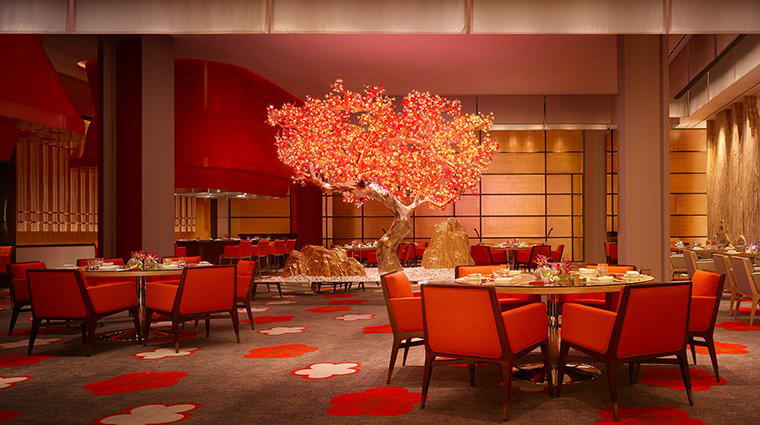
Bars in Macau
All bars in Macau →



Chef Tam's Seasons
The wine
Chef Tam's Seasons holds the Wine Spectator Best of Award of Excellence, which Wine Spectator gives to lists of usually 350 or more selections.
- Wine program
- Deep wine list
- Wine Spectator
- Wine Spectator Best of Award of Excellence
- Selections
- 870
- Bottles in cellar
- 21,500
- List strengths
- Champagne, Burgundy, Bordeaux, France, China, California, Italy, Spain
- Wine director
- Just Wong
- Extensive wine list
- Sommelier-led
Details
- Elegant
- Sophisticated
- Modern
- Intimate
- Special Occasion
- Celebration
- Business Dinner
- Date Night
- Hotel Restaurant
- Open Kitchen
- Private Dining
- Extensive Wine List
- Sommelier Led
- Local Sourcing
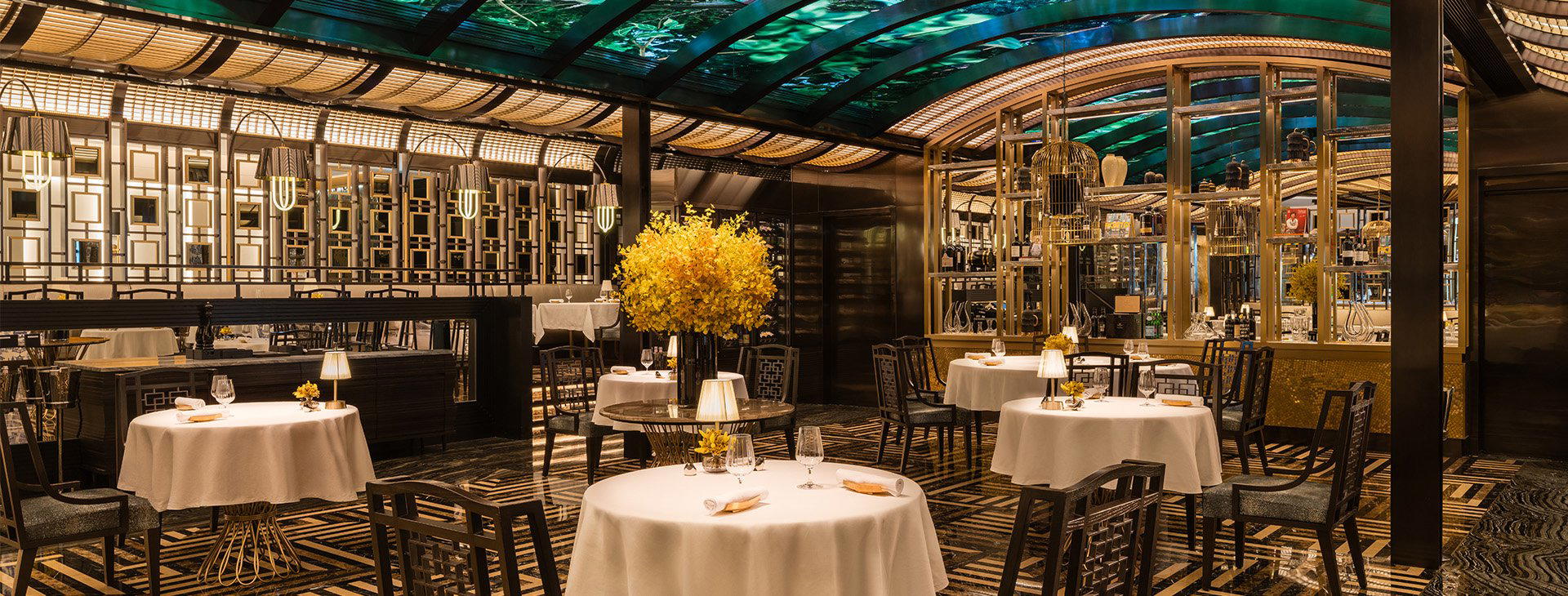
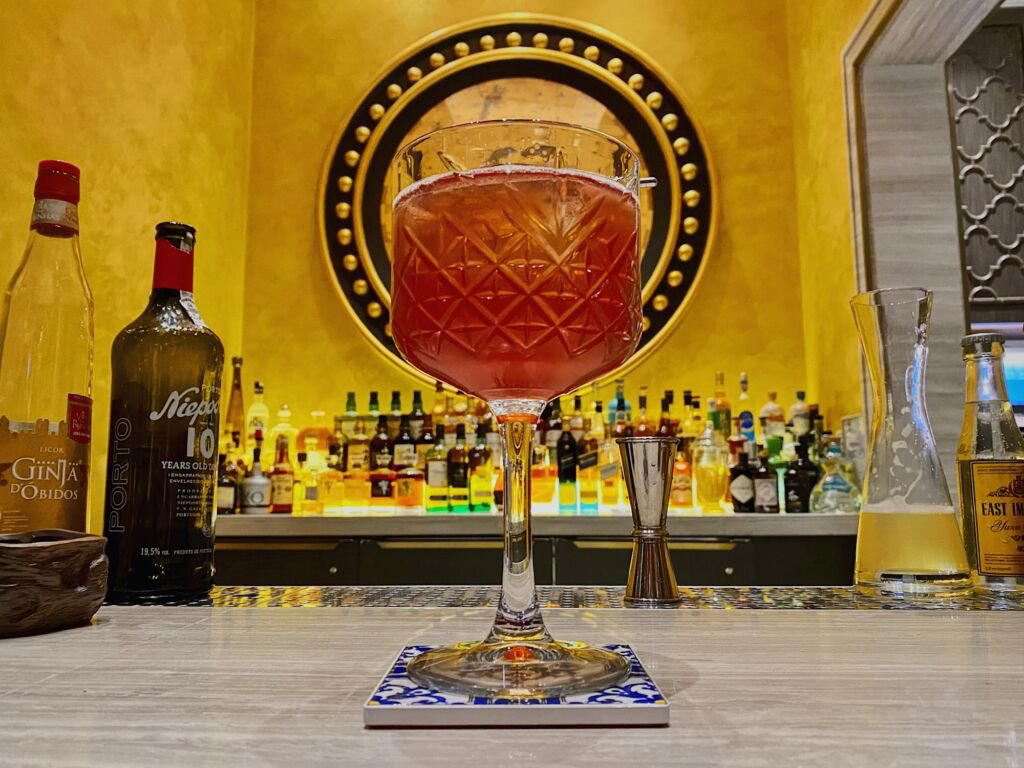
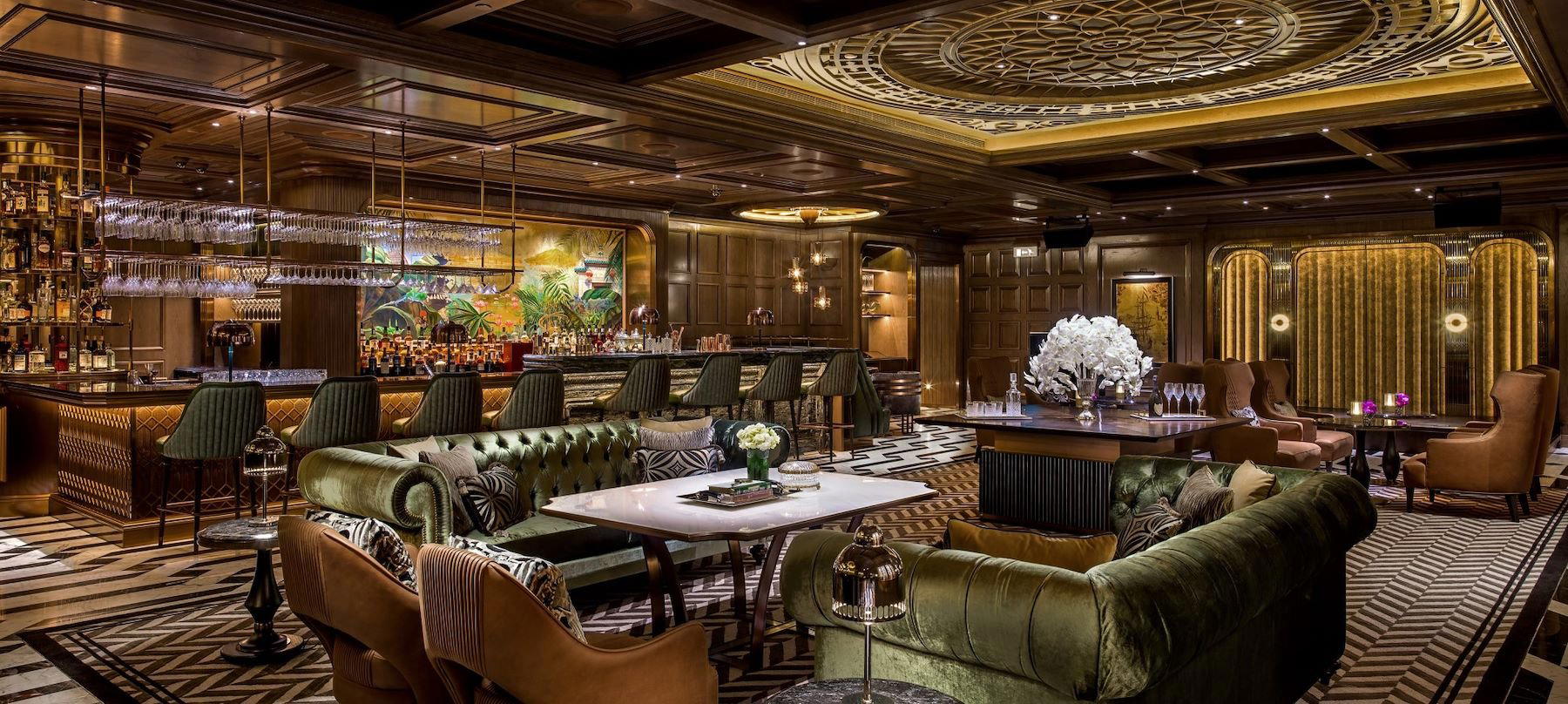
Softly lit and spotless dining room with contemporary Asian design, warm lighting, elegant table settings, and gold accents that convey understated luxury without ostentation.