
1 Michelin Star
Our verdict
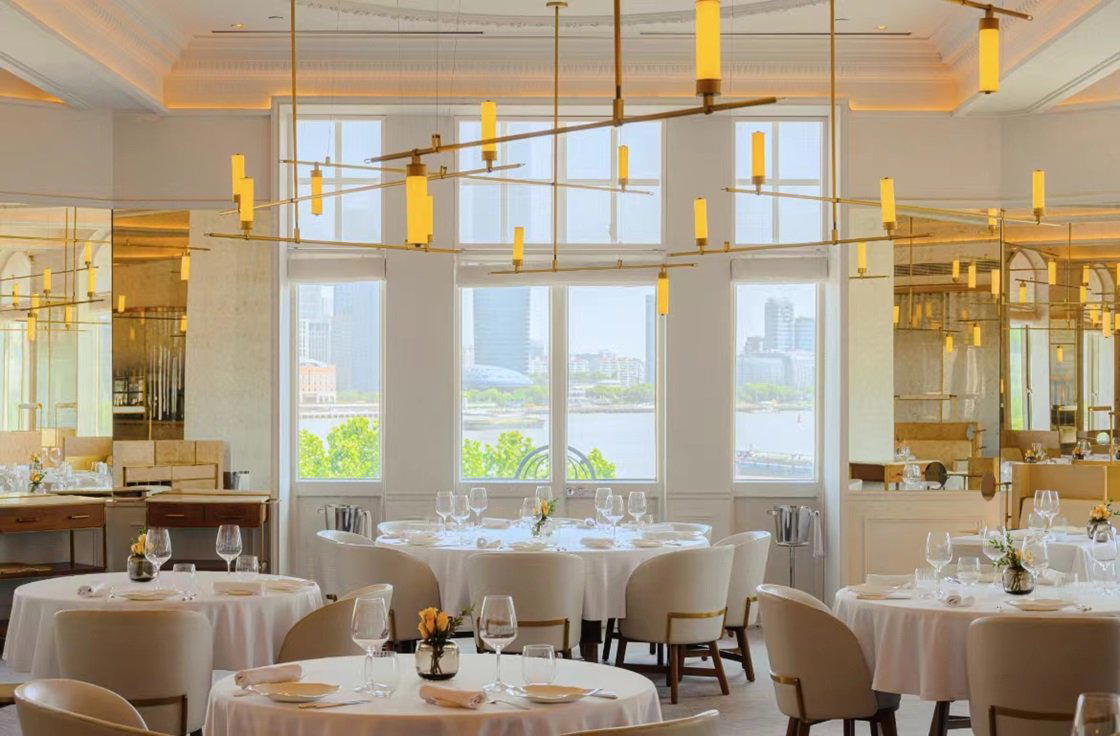
Dai Yuet Heen holds a Michelin one-star rating (2025) and brings Cantonese cooking to Nanjing's Zhongshan Road corridor at the ¥¥¥ price tier. The kitchen operates under Chef Laurence and positions itself as the city's most formally credentialled Cantonese address, drawing diners who come specifically for the dim sum programme and broader Cantonese canon in a city defined by Huaiyang and Jiangzhe traditions.

Pearl is the En Primeur Club membership app, where members save venues, book tables and use the concierge.
The menu
What to order
- Crispy-skin chicken
- Sautéed baby lobster with radish cake
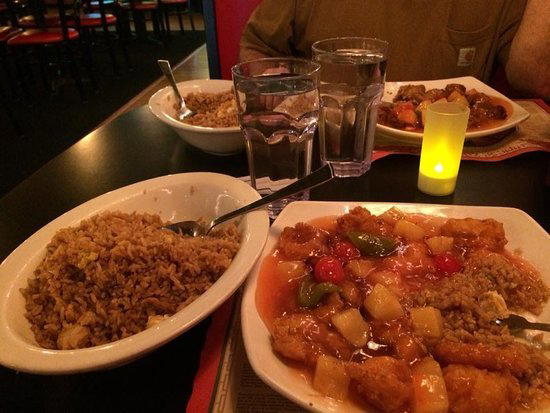
- Sweet and sour pork
Cantonese in a Huaiyang City
Nanjing's restaurant identity is built on Huaiyang and Jiangzhe cooking: the braised pork, the slow-simmered soups, the delicate knife work that treats river fish and seasonal vegetables as the centrepiece of the table. Against that backdrop, a Cantonese kitchen earning Michelin recognition is a meaningful signal. It means the city's dining public, and the Michelin inspectors who followed them, found something worth returning to that sits entirely outside the local culinary default. Dai Yuet Heen, on Zhongshan Road, is that address. Its 2025 one-star award places it in a small cohort of Michelin-recognised restaurants in Nanjing, alongside Huaiyang-focused rooms like Jiangnan Wok · Yun, and marks the only Cantonese kitchen in the city to carry that credential.
That positioning matters because Cantonese restaurants in inland Chinese cities have historically operated as secondary dining propositions: hotel banquet rooms filling corporate demand, or casual teahouses with limited culinary ambition. The Michelin model for Cantonese cooking, well-established in Hong Kong, Macau, and Guangzhou, demands something different: consistent technical execution, ingredient sourcing discipline, and a dim sum programme that can hold up to comparison with the tradition's home cities. Dai Yuet Heen is making that argument in a market that did not previously require it.
The Morning Ritual, Translated North
Yum cha, the Cantonese tea-and-dim-sum ritual, is one of the few dining formats that carries genuine social weight independent of the food itself. In Guangdong province, going for morning tea is a multi-generational habit, a way of structuring a Sunday, an occasion for family and business alike. In cities outside the south, that ritual loses some of its cultural scaffolding. The food has to carry more weight on its own.
At Michelin-recognised Cantonese kitchens across mainland China, the dim sum programme is typically where the star-level argument is made most clearly. The pleating count on a har gow skin, the glutinous give of a properly steamed cheung fun, the balance of fat and lean inside a siu mai: these are the benchmarks that separate technically accomplished Cantonese kitchens from competent hotel operations. They are also the details that inspectors and experienced diners use to calibrate a kitchen's overall discipline. A dim sum programme that executes at star level signals that the same precision runs through the broader menu.
Chef Laurence leads the kitchen at Dai Yuet Heen. Beyond the name on the record, the relevant fact is the credential implied by a Michelin star in this category in this city: the kitchen is operating at a level the Michelin Guide considered worth flagging to readers in 2025, in a cuisine where the comparison set includes some of the most technically demanding kitchens in the world. For Cantonese benchmark comparisons, Forum in Hong Kong and Jade Dragon in Macau represent the regional ceiling of the tradition. Dai Yuet Heen operates in a different city and at a different scale, but the Michelin credential places it in a conversation those names define.
What the Dim Sum Programme Signals
Across mainland China, the Michelin-recognised Cantonese kitchens that have built sustained reputations share a few common characteristics. The dim sum list tends to be disciplined rather than exhaustive: fewer items executed consistently rather than a long menu hedging between categories. The steamed section, where technique is most visible, anchors the offering. Roasted proteins, particularly char siu and roast duck, carry the kitchen's flavour identity alongside the dim sum register. And the evening menu, where Cantonese cooking moves into whole-fish preparations, braised abalone, and slow-cooked soups, typically reflects the same sourcing standards that hold the dim sum programme together.
Within Nanjing's broader restaurant scene, the ¥¥¥ price tier places Dai Yuet Heen above mid-market operations like Chi Man and Du Shi Li De Xiang Cun, and alongside the Huaiyang-focused Jiangnan Wok · Yun, which carries its own Michelin one-star at the ¥¥¥¥ tier. The price-to-credential comparison is relevant: Dai Yuet Heen offers Michelin-recognised cooking at a price point that sits one tier below the most expensive Nanjing addresses. That gap is part of what gives the room its particular position in the city's dining order.
For a broader read of how Cantonese cooking at this level is evolving across major mainland Chinese cities, it is worth comparing the Nanjing context to what Imperial Treasure Fine Chinese Cuisine in Guangzhou and Xin Rong Ji in Chengdu represent in their respective markets. Cantonese kitchens in non-Cantonese cities are operating as culinary ambassadors for a tradition that has deep technical standards and a global reputation. The pressure that creates is real, and the Michelin star is evidence that Dai Yuet Heen is meeting it.
Zhongshan Road and the Surrounding Food Scene
Zhongshan Road runs through one of Nanjing's most historically significant corridors, connecting the city centre to areas with strong commercial and cultural weight. Dining in this part of the city tends toward established, formal operations rather than the street-level and neighbourhood formats that characterise Nanjing's older food quarters. The address at No. 18 Zhongshan Road places Dai Yuet Heen in a setting that aligns with its positioning: a kitchen oriented toward a clientele that is choosing between formal dining options across cuisines, not browsing a food street.
For those building a wider Nanjing itinerary, the city's other credentialled addresses cover very different culinary territory. Qiang Ye Fan Dian on Changbai Street and Fang Po represent the local small-eats tradition at the opposite end of the price scale, while Jiangnan Wok · Yun anchors the Huaiyang fine-dining register. Dai Yuet Heen fills a gap that none of those addresses can: formally credentialled Cantonese cooking that does not require travel to Shanghai or Guangzhou.
Nanjing's broader dining and hospitality scene is covered across the EP Club guides for the city. The full Nanjing restaurants guide maps the full range from street-level eating to Michelin-recognised rooms. For accommodation choices near the Zhongshan Road corridor, the Nanjing hotels guide covers the relevant options. The Nanjing bars guide, wineries guide, and experiences guide complete the picture for visitors planning more than a single meal.
Planning a Visit
Dai Yuet Heen holds a Michelin one-star rating for 2025 and sits at the ¥¥¥ price tier, which in practical terms means a spend that reflects the ingredient and technique standards the award implies, without reaching the top tier of Nanjing fine dining. For visitors specifically seeking the dim sum experience, the general pattern at Michelin-recognised Cantonese kitchens in mainland China is that morning and early afternoon service carries the full dim sum programme; advance reservation is advisable for weekend slots. Booking via the hotel or through a local concierge is the most reliable approach given the absence of a listed direct booking channel. The address at No. 18 Zhongshan Road is direct to reach by taxi or metro from central Nanjing.
For those building a broader picture of Cantonese cooking at this standard across the region, Chef Tam's Seasons in Macau, Ru Yuan in Hangzhou, and 102 House in Shanghai provide useful comparison points across different city contexts. The Xin Rong Ji on Xinyuan South Road in Beijing demonstrates how regional Chinese traditions perform at star level in a market outside their home base, which is precisely the challenge Dai Yuet Heen is addressing in Nanjing.
What Should I Eat at Dai Yuet Heen?
The kitchen's Michelin credential (2025) is anchored in the Cantonese tradition, which means the dim sum programme across steamed, baked, and fried categories is the entry point that reflects the kitchen's technical level most directly. At star-level Cantonese rooms, the har gow, siu mai, and cheung fun benchmarks are where inspectors and experienced diners assess execution. Beyond dim sum, Cantonese kitchens at this tier typically extend into roasted proteins, wok-fried seafood, and slow-cooked soups that reflect sourcing quality. Chef Laurence leads the kitchen; the specific current menu is best confirmed at the time of booking, as Cantonese programmes at this level adjust with ingredient availability and season.
Frequently asked questions
What should I eat at Dai Yuet Heen?
The 2025 Michelin one-star recognition is rooted in the Cantonese kitchen tradition, which makes the dim sum programme the primary reason to visit. Michelin-recognised Cantonese kitchens at this tier typically anchor their reputation across steamed, baked, and fried categories, where technical control shows most clearly. The ¥¥¥ price point suggests a meal built around multiple courses rather than a single dish, so ordering across the dim sum range gives the fullest picture of what chef Laurence's kitchen is doing.
What's the price range at Dai Yuet Heen?
Pricing at Dai Yuet Heen is listed as ¥¥¥.
Where do I go for Dai Yuet Heen?
Dai Yuet Heen is located at No, 18 Zhongshan Rd, Nanjing, China, 210018, Nanjing.
Who's behind the kitchen at Dai Yuet Heen?
The chef associated with Dai Yuet Heen is Laurence.
Booking and Cost Snapshot
A compact comparison to help you place this venue among nearby peers.
| Venue | Cuisine | Price | Awards | Notes |
|---|---|---|---|---|
| Dai Yuet HeenThis venue (the venue you are viewing) | Modern Cantonese Fine Dining | $100–150 | 1 Michelin Star | Not listed |
| Jiangnan Wok · Yun | Contemporary Huaiyang | Not listed | 1 Michelin Star | Huaiyang |
| Man Ho | Modern Huaiyang and Cantonese Fine Dining | $50–100 | Michelin Plate | Huaiyang |
| Wan Guo Chun Chinese Restaurant | Traditional Huaiyang Cuisine | $30–50 | Michelin Plate · Relais Chateaux Award | Chinese |
| Chi Man | Jiangzhe | Not listed | Michelin Bib Gourmand | Not listed |
| Fang Po | Nanjing Small Eats | Not listed | Michelin Bib Gourmand | Small eats |
Recognition history
Dated appearances from independent guides and award organizations, with the underlying list record or original source where available.
Michelin 1 Star
Michelin
Continue exploring
More in Nanjing

Details
- Elegant
- Sophisticated
- Ornate
- Business Dinner
- Special Occasion
- Private Event
- Hotel Restaurant
- Private Dining
- Panoramic View
- Extensive Wine List
- Skyline
- A La Carte
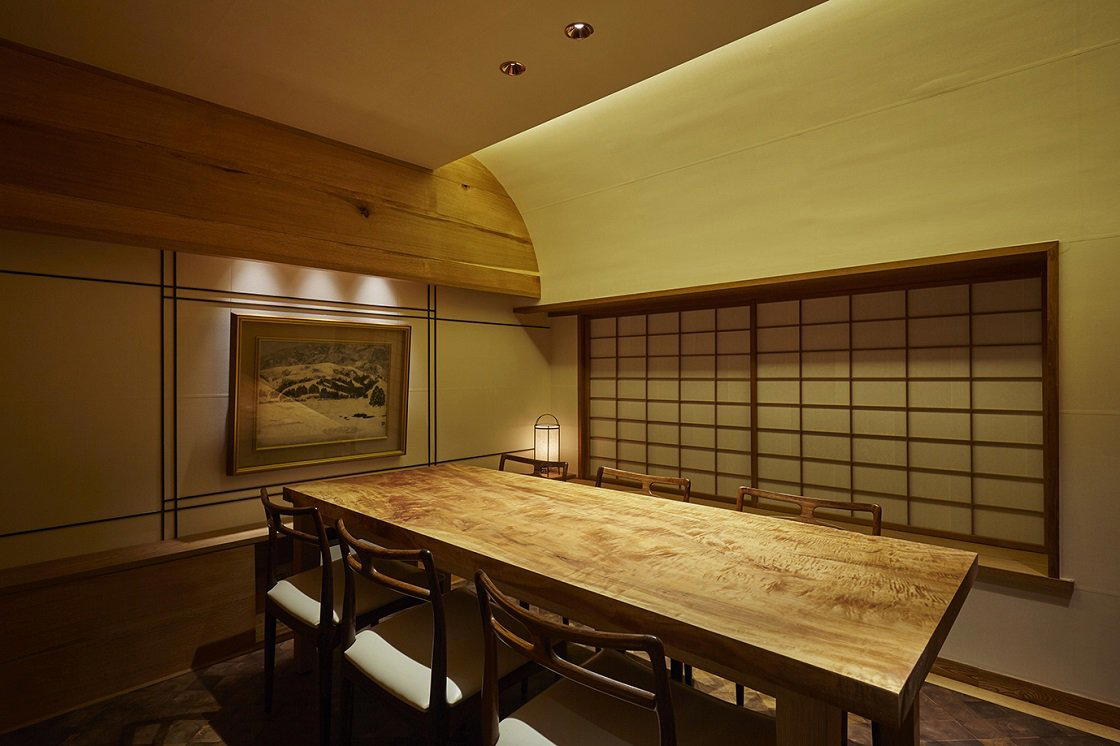
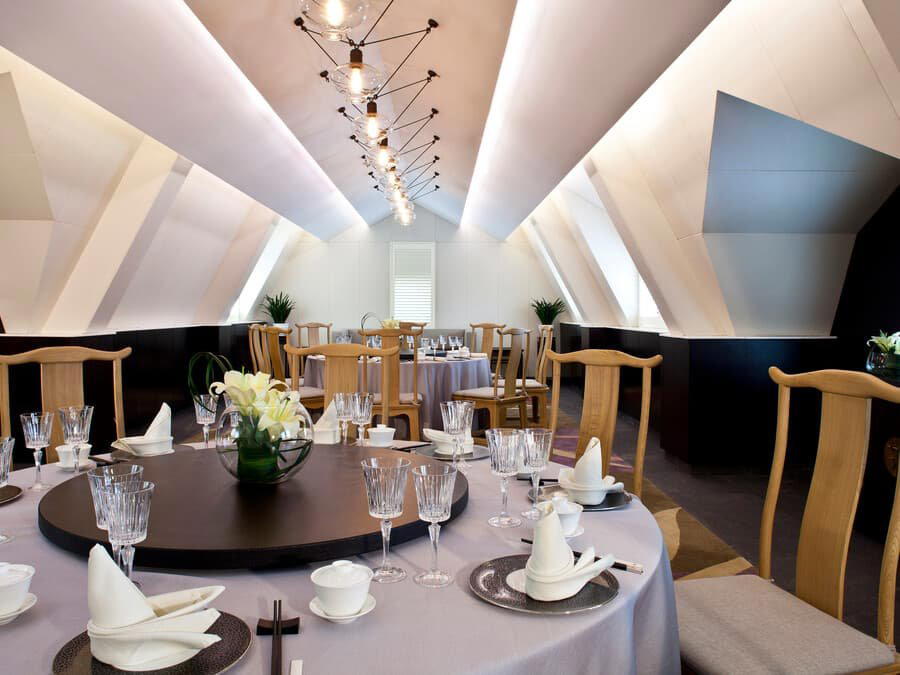
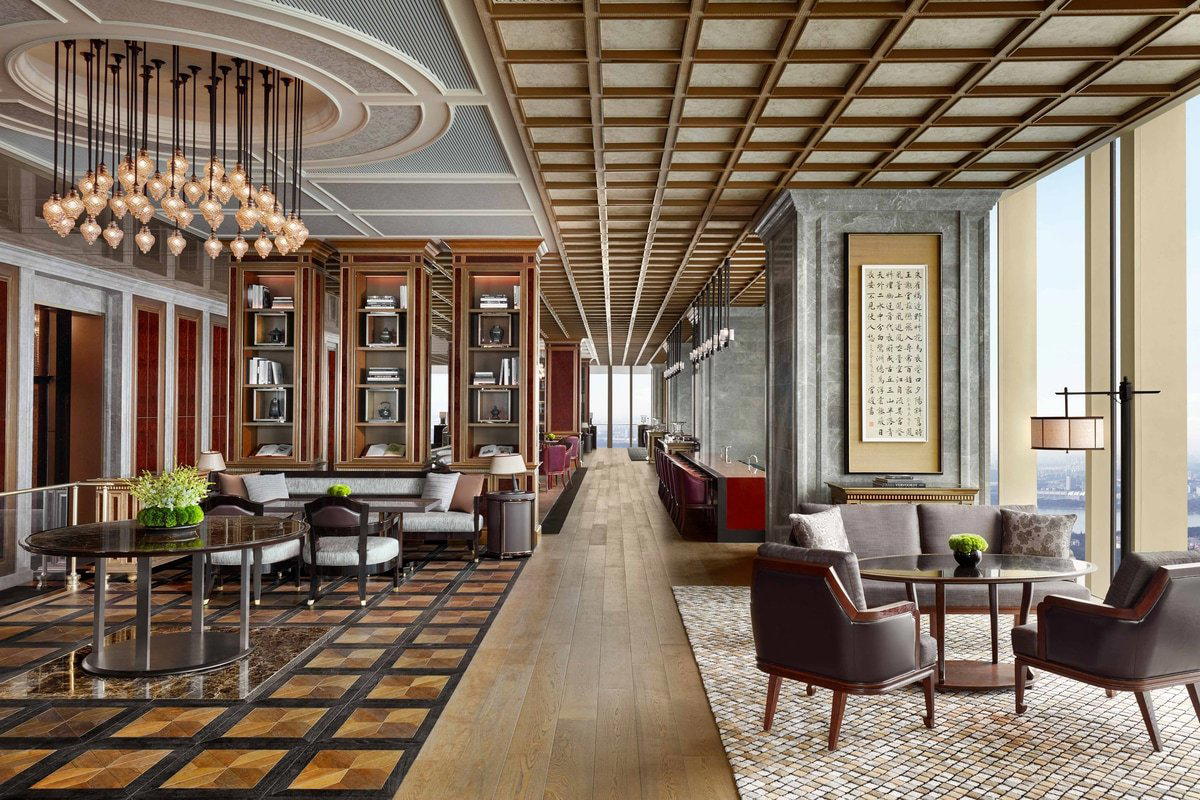
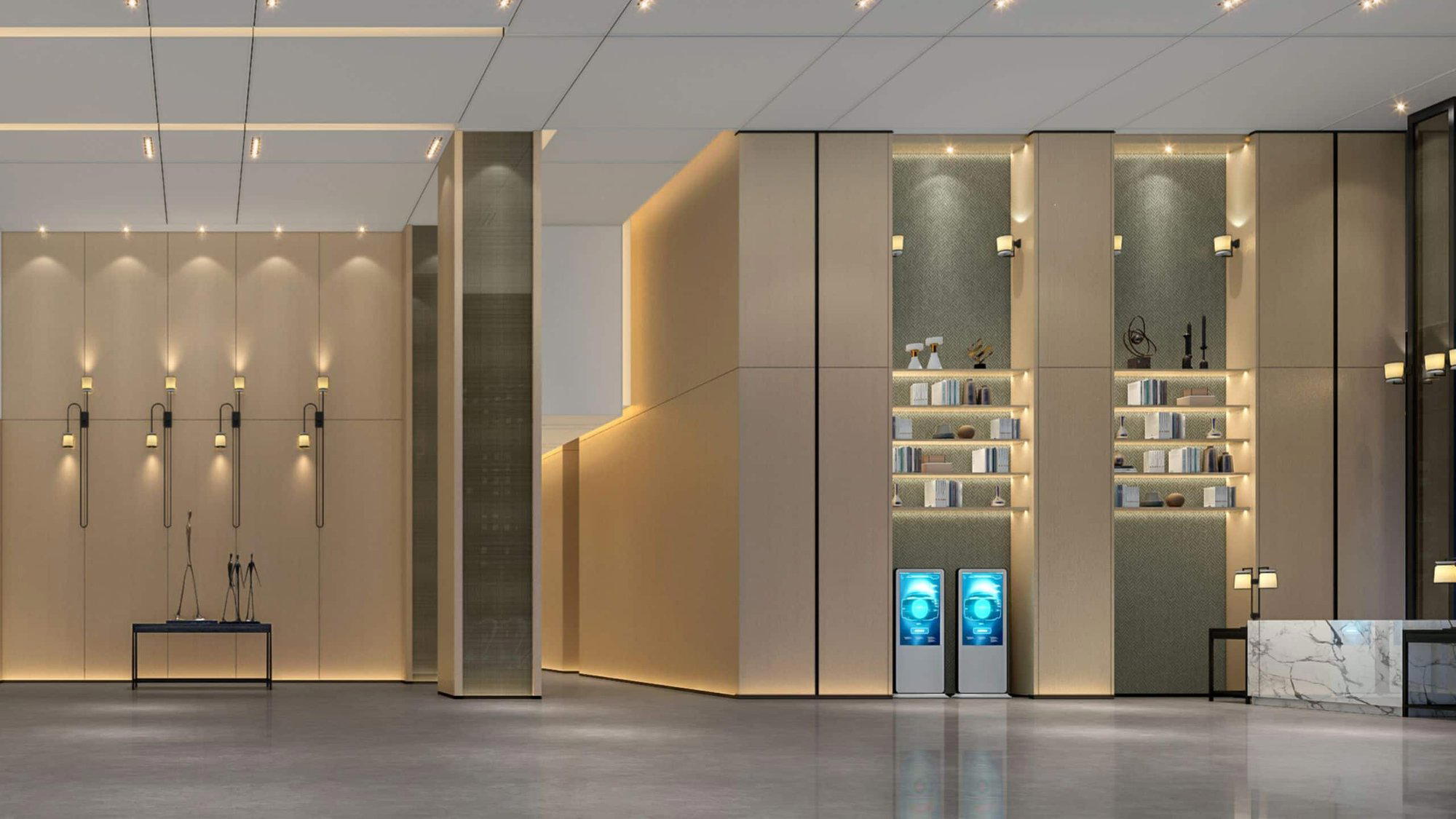
Contemporary Eastern elegance with sweeping city views from the 39th floor.