


Michelin Selected · La Liste Top Hotels · Forbes 4-Star
Occupying a narrow, flat-iron building on Sanlitun's main strip, InterContinental Beijing Sanlitun earned 92 points in the La Liste Top Hotels 2026 rankings. Five dining outlets, a fifth-floor asymmetrical pool with skyline views, and Club InterContinental's 22nd-floor lounge position it as the Chaoyang district's most design-forward IHG address.

Pearl is the En Primeur Club membership app, where members save venues, book tables and use the concierge.
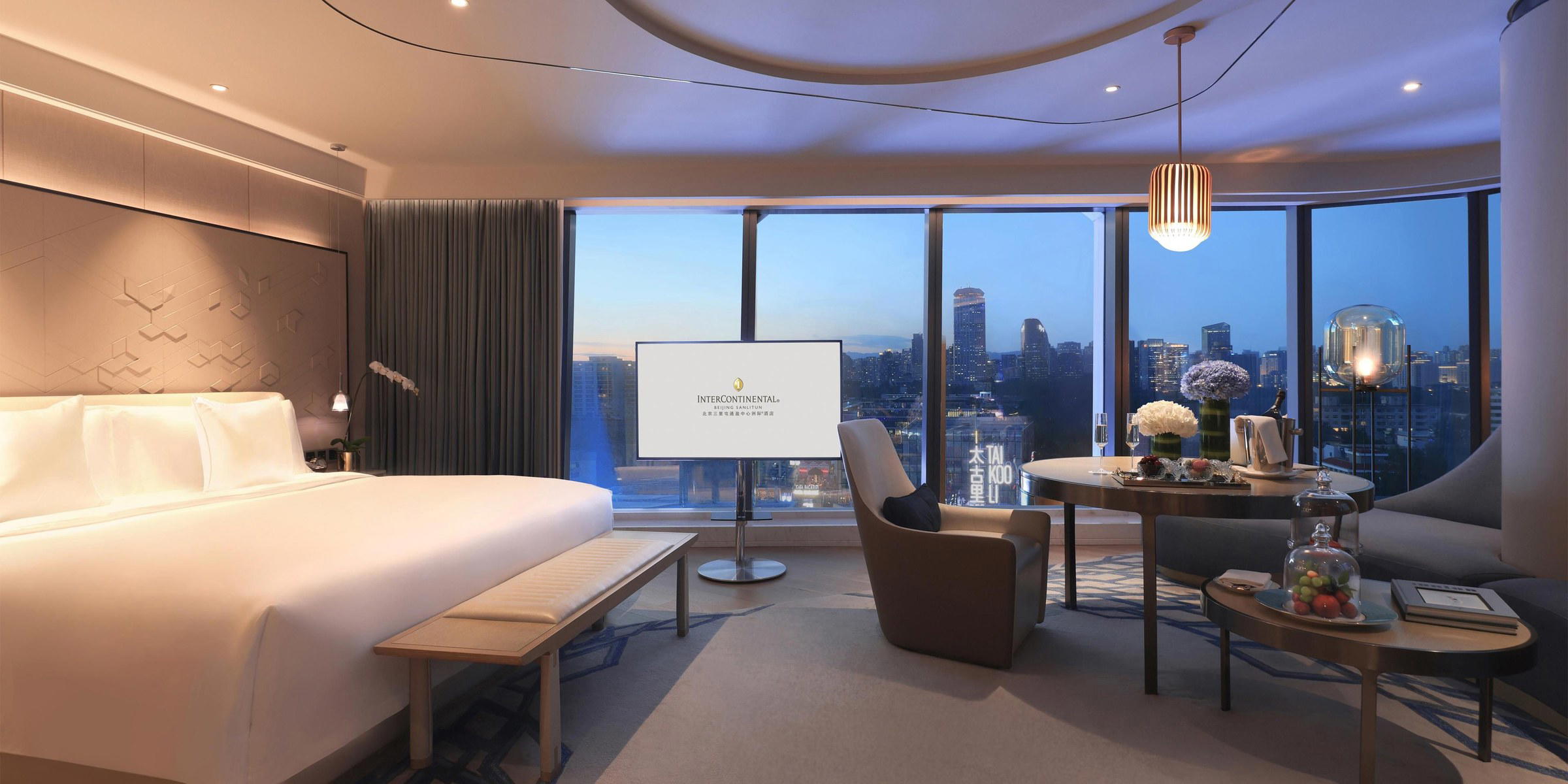
Sanlitun's Defining Address
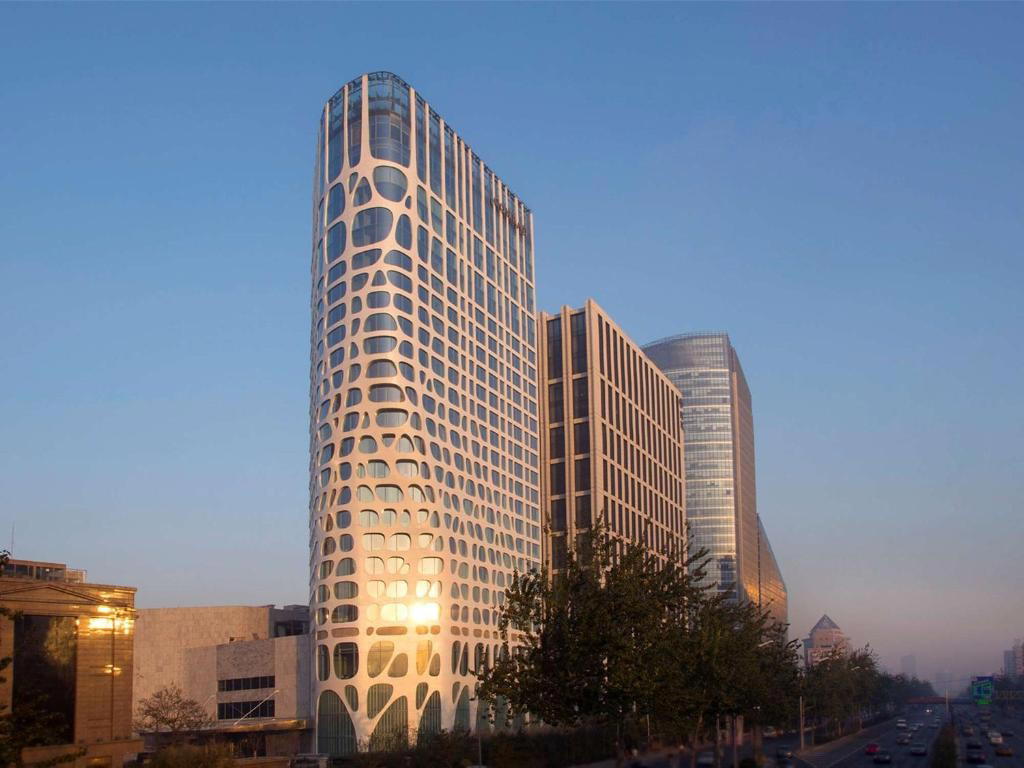
Sanlitun has spent the better part of two decades becoming Beijing's clearest expression of the city's appetite for international culture, retail energy, and after-dark programming. The strip running through Chaoyang's embassy quarter hosts the densest concentration of flagship boutiques, concept restaurants, and live-music bars in the capital, and the hotels that have succeeded here are those that read as part of that fabric rather than visitors to it. The InterContinental Beijing Sanlitun, which opened in 2016 at No. 1 South Sanlitun Road, has settled into that role with some conviction. Its narrow, flat-iron silhouette is now a recognisable part of the northern end of the district, and the building's curving geometry creates room layouts that are genuinely unusual by the standards of any international chain. La Liste placed it among its Leading Hotels for 2026 with 92 points, a score that reflects considered execution rather than sheer scale.
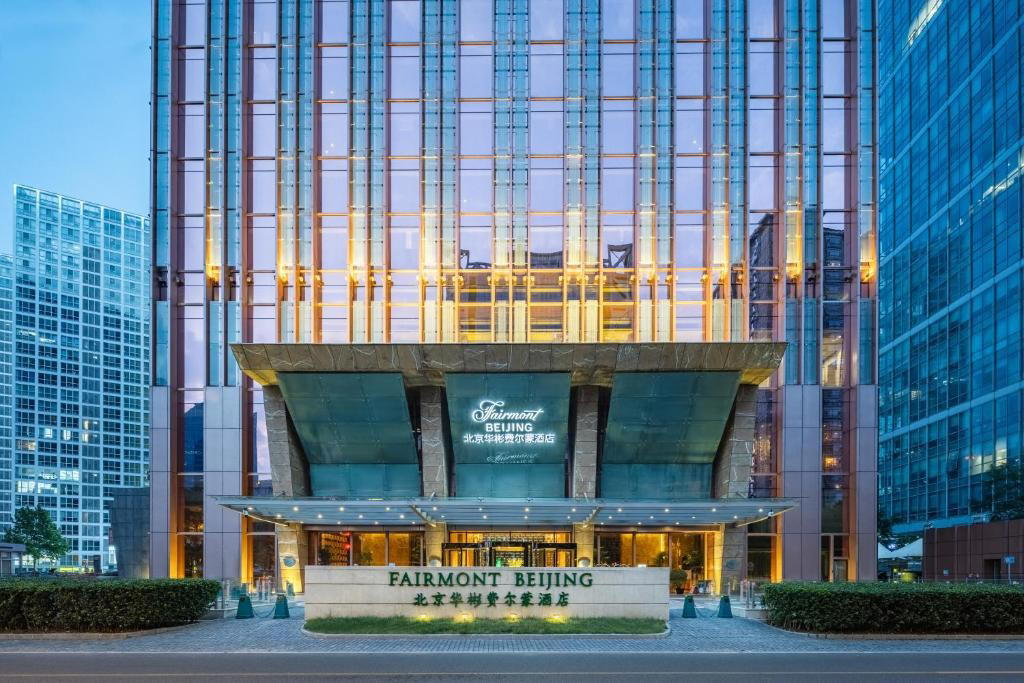
The hotel belongs to IHG's flagship InterContinental brand, which positions properties in this chain at the upper tier of the group's portfolio. In Beijing specifically, that puts it in competition with addresses like the Fairmont Beijing Hotel and the Conrad Beijing, hotels that operate in similar price territory but with different locational logic. Those properties anchor themselves to business-district convenience; the InterContinental Sanlitun anchors itself to the neighbourhood itself, which is either the right or wrong call depending entirely on why you are visiting Beijing.
What the Building Does to the Experience
The flat-iron form is not incidental to the stay. Because the building tapers toward the northeast corner, rooms follow curved and circular floor plans that break from the standard rectangular hotel-room formula. Classic Rooms take on a near-circular shape that feels considered rather than cramped; the Presidential Suite runs the full northeast corner and reads the Beijing skyline through an uninterrupted wall of floor-to-ceiling glass. These are not rooms that happen to have views; the architecture is specifically organised to make the cityscape part of the interior. All 300 accommodations include a freestanding white ceramic tub alongside a separate shower, and the second floor houses a sandalwood-scented spa for those who prefer not to stay in the room for their soak.
Lobby sets up expectations immediately. A vaulted, cathedral-proportioned space is divided into separate lounges by vertical brass cable bookshelves engineered to mimic harp strings. It is an unusually quiet piece of hotel design for a building in one of Beijing's noisiest districts, and the premium teas served in that space are worth treating as a destination in themselves rather than an arrival formality.
Fifth floor holds the property's asymmetrical swimming pool, aligned so that floor-to-ceiling windows frame the skyline at water level. The geometry creates the optical effect of the pool extending directly into the city beyond the glass. A 3,229-square-foot gym on the same floor includes a bookable private room for solo sessions, which requires advance reservation during peak hours.
Dining Across Five Kitchens
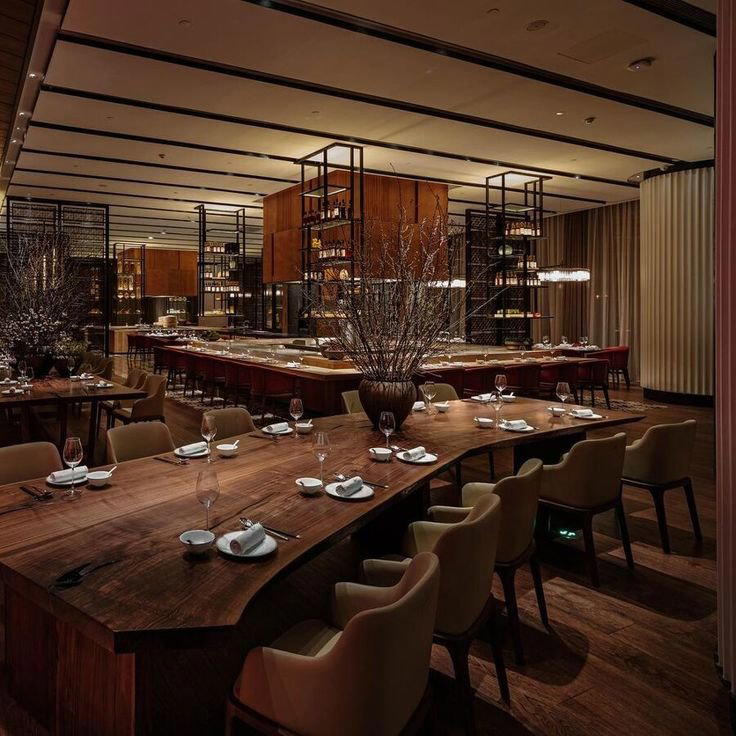
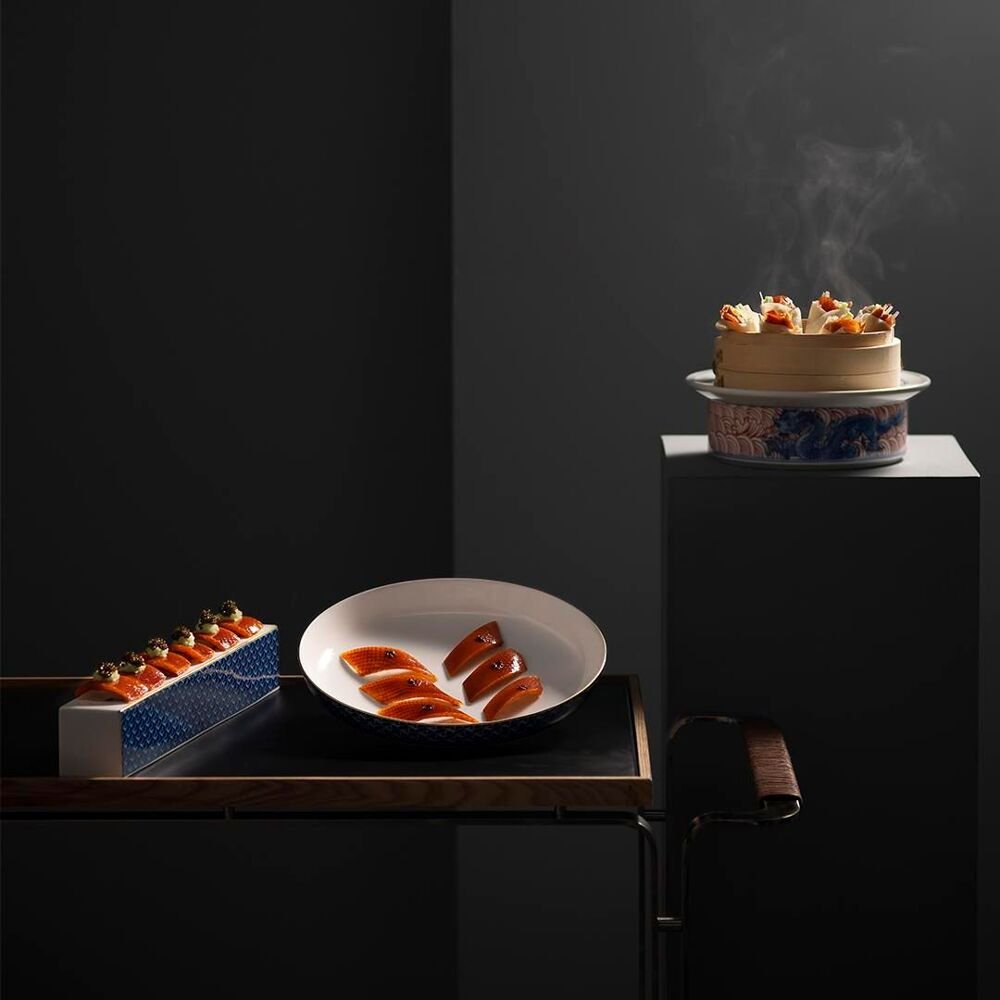
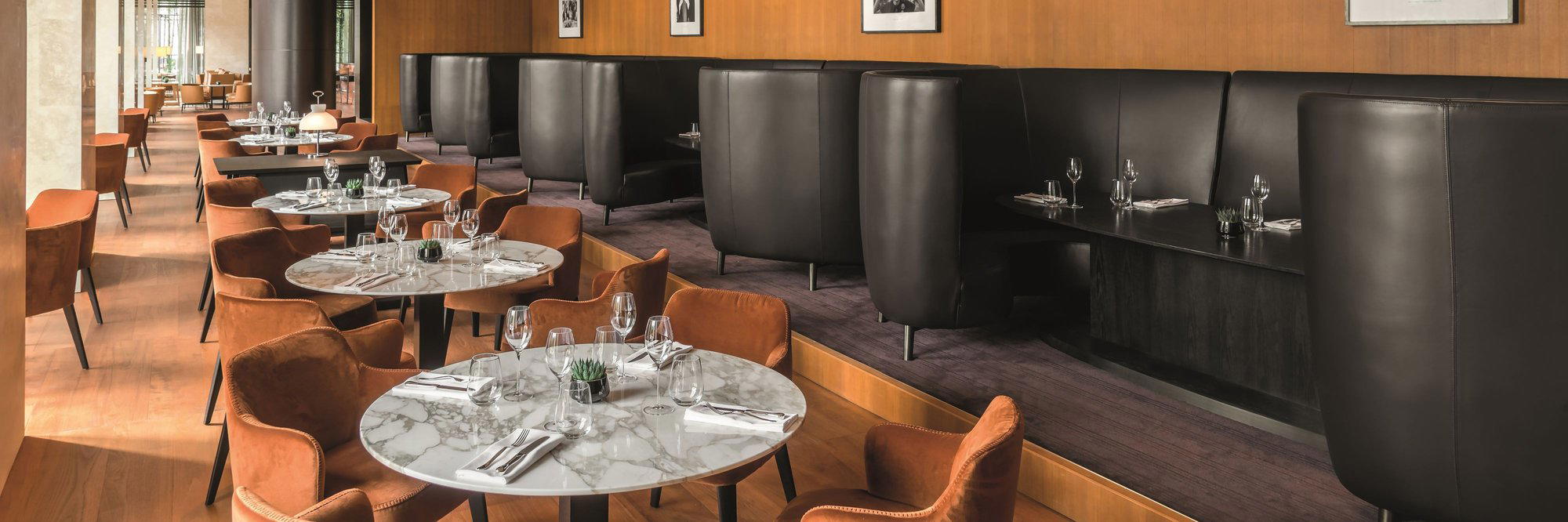
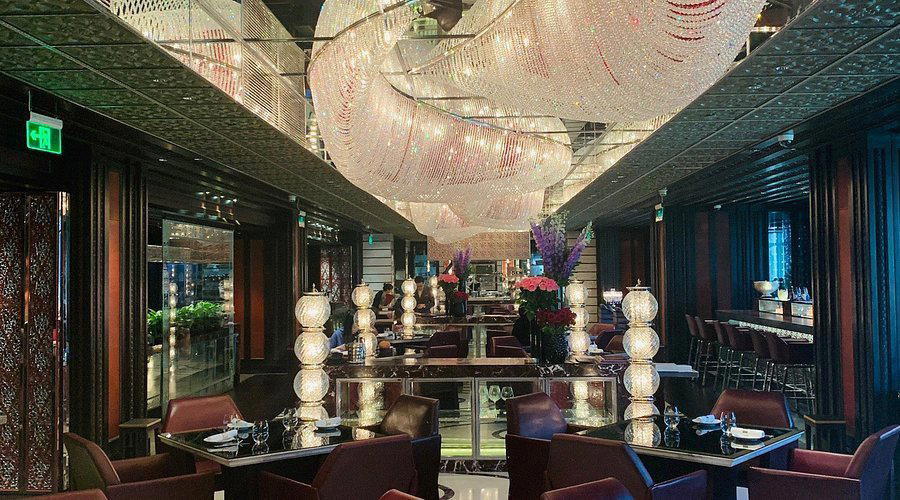
Beijing's hotel dining scene has moved well past the era when international properties simply needed a generic all-day dining room and a business-lunch Chinese restaurant. The InterContinental Sanlitun runs five distinct food and drink outlets, which is a meaningful spread for a 300-key property. The mix runs from classic Cantonese cooking to Spanish-style tapas, giving guests a range that maps loosely onto the neighbourhood's own multicultural programming. Leading Tapas, the Spanish-format outlet, shares a floor with Leading Bar, the hotel's signature bar, where a live band performs against a terrace backdrop. Tuesday evenings carry a specific draw: the whiskey sour is on a two-for-one promotion, and the bar draws a crowd for it. The drinks list at Leading Bar is built around international whiskey alongside both local and imported beer, a selection that reflects the area's cosmopolitan consumer base rather than a strictly Beijing-focused offering.
Guests seeking a quieter evening at the bar should factor in the district's rhythm. Sanlitun traffic, particularly on weekends, creates bottlenecks that make even short crossings slower than they look on a map. Building extra time into any itinerary that involves moving through the district, rather than staying within the hotel's five-outlet ecosystem, is practical advice rather than a caution.
Club Level and the 22nd Floor
The most operationally intelligent choice for guests who want to extract maximum value from the building's location is the Club InterContinental tier. The 22nd-floor lounge produces arguably the clearest refined sightlines in this part of Chaoyang, and the access it provides to complimentary breakfast, evening canapés, and cocktails makes it a distinct proposition from standard rooms. The lounge also houses an Enomatic wine-dispensing machine, a detail that signals the hotel's positioning toward guests who travel with wine literacy and want access to pours-by-the-glass without committing to a bottle. For travellers comparing Club-level upgrades across Beijing's international hotels, the floor height and skyline orientation at Sanlitun put this lounge in a strong position relative to properties in the CBD.
There are also reported plans for a rooftop bar addition, which would extend the building's vertical programming further and reinforce its identity as a Sanlitun nightlife participant rather than merely a hotel adjacent to one.
Where It Fits in Beijing's Hotel Geography
Beijing's premium hotel market distributes itself across several distinct zones. The Aman Summer Palace operates at the city's northwestern edge against imperial garden grounds, producing a stay that is essentially a withdrawal from Beijing's energy. The Mandarin Oriental Qianmen anchors itself to historic Qianmen's southern reach, near the Temple of Heaven. The Bvlgari Hotel Beijing and China World Summit Wing, Beijing operate from within the CBD's financial concentration. Each of these properties reflects a specific read on what Beijing means and which version of the city a guest should be handed on arrival.
The InterContinental Sanlitun makes a different bet: that the most interesting version of contemporary Beijing is the one playing out in a shopping and nightlife district with a strong international dining scene and a live-music bar open late on a Tuesday. That is a legitimate argument, particularly for travellers whose interest in the capital runs through its present tense rather than its historical inventory. Properties like the Eclat Beijing stake out a design-art niche in a quieter Chaoyang pocket; the InterContinental Sanlitun opts for placement at the centre of the action. The Brickyard Retreat at Mutianyu Great Wall represents the furthest possible departure from the Sanlitun logic, trading urban density for rural quiet at the Great Wall's edge.
For the business traveller working out of the embassy quarter, the location on South Sanlitun Road is functionally excellent. For the leisure traveller who wants Beijing's international-facing culture rather than its historical monuments as a primary frame, Sanlitun is the correct district and this building is among its most coherent hotel options. See our full Beijing restaurants guide for how the neighbourhood's dining scene extends beyond the hotel's own outlets.
IHG's reach across China also means the Sanlitun property is part of a network that extends to properties like the Hyatt Place Nanjing Xuanwu in Nanjing and further afield to destinations including 1 Hotel Haitang Bay, Sanya and Altira Macau, useful context for travellers building multi-city China itineraries around a single loyalty programme. Those looking beyond China entirely might consider how properties like Aman New York or The Fifth Avenue Hotel in New York City handle the equivalent challenge of placing a luxury hotel inside a high-energy urban district.
Planning Your Stay
The hotel sits at No. 1 South Sanlitun Road in Chaoyang District, postal code 100027. Weekend traffic through Sanlitun is a consistent friction point, and the hotel's own materials flag it as something to plan around rather than ignore. Guests arriving on weekdays will find the district considerably easier to move through. Club InterContinental access requires a room upgrade at booking; given the lounge's orientation and the included food and drink provisions, the differential is worth pricing against the cost of separate breakfast and evening drinks in the neighbourhood. The private gym room requires advance reservation. Leading Bar's Tuesday whiskey sour promotion runs alongside live music, making it the highest-energy night in the hotel's weekly calendar.
Same-City Peers
Comparable venues nearby, for context on price, style, and recognition.
| Venue | Cuisine | Price | Awards | Notes |
|---|---|---|---|---|
| InterContinental Beijing SanlitunThis venue (the venue you are viewing) | Contemporary luxury hotel in the heart of Sanlitun shopping district | Not listed | Michelin Selected · La Liste Top Hotels | Not listed |
| China World Summit Wing, Beijing | Luxury skyscraper lifestyle sanctuary | $200–300 | Forbes 4-Star · Virtuoso Luxury Hotel Partner | Chaoyang |
| Conrad Beijing | Contemporary luxury with natural wood, stone elements, and panoramic city views | $200–300 | Forbes Recommended | Tuanjiehu |
| Sofitel Beijing Central | Contemporary luxury hotel with French brand heritage positioned for culture industry professionals and younger affluent travelers seeking modern design and lively nightlife. | $100–200 | Michelin Selected | Balizhuang |
| Four Seasons Hotel Beijing | Contemporary luxury blending modern furnishings with traditional Chinese design elements; residential ambiance with state-of-the-art technology and bespoke wellness philosophy. | $500–750 | Michelin Selected · La Liste Top Hotels | Sanlitun |
| Park Hyatt Beijing Hotel | Contemporary luxury tower in Beijing CBD with panoramic views | Not listed | Michelin Selected · La Liste Top Hotels | Chaoyang |
Recognition history
Dated appearances from independent guides and award organizations, with the underlying list record or original source where available.
Michelin Selected
Michelin
La Liste Top Hotels
La Liste
Forbes 4-Star
Forbes
Full recognition history (4 entries)
Forbes 4-Star
Forbes
Continue exploring
More in Beijing
Hotels in Beijing
All hotels in Beijing →
Bars in Beijing
All bars in Beijing →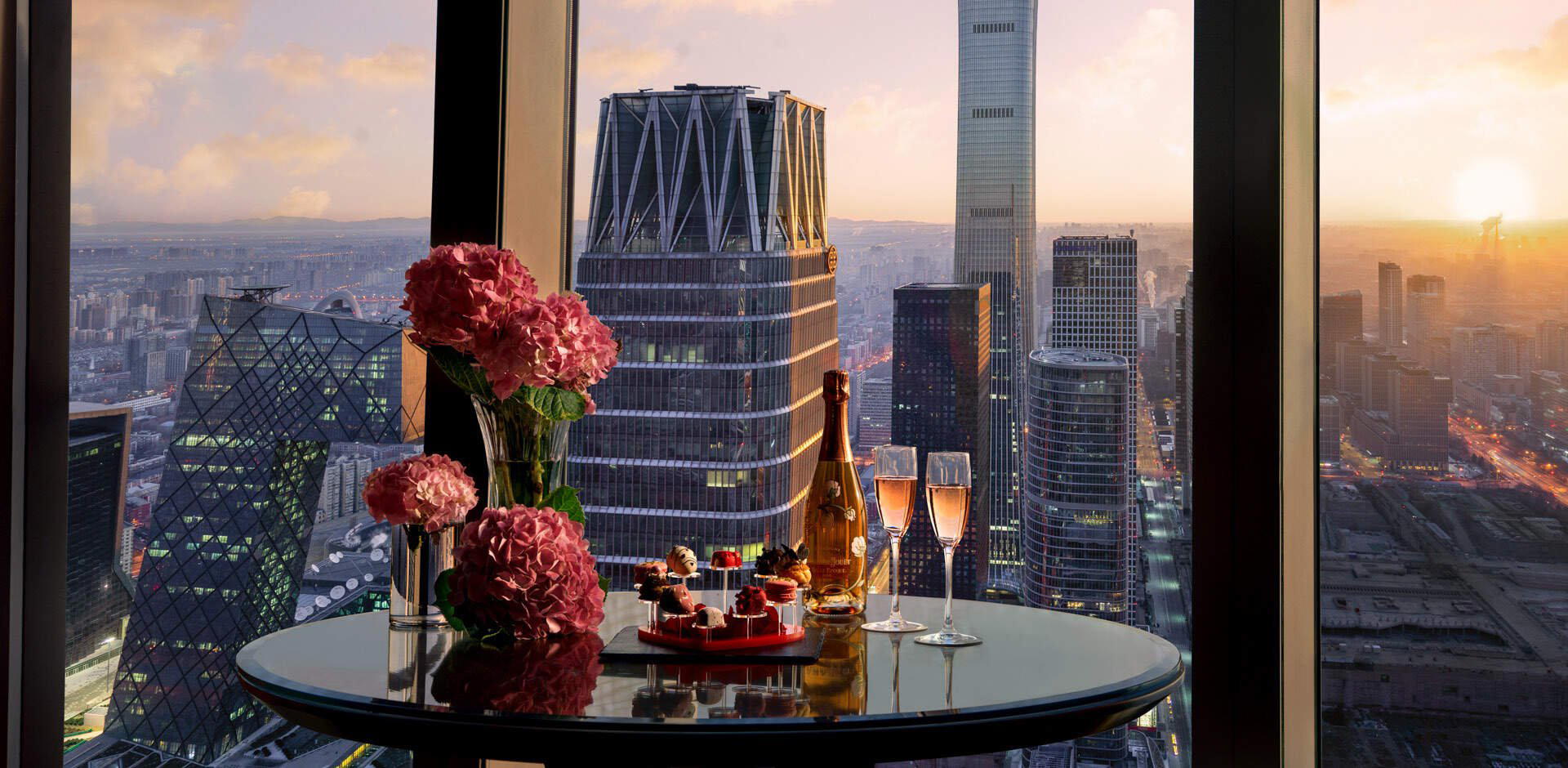
Details
- Modern
- Trendy
- Sophisticated
- Elegant
- Business Trip
- Weekend Escape
- Rooftop Pool
- Historic Building
- Wi Fi
- Pool
- Spa
- Fitness Center
- Room Service
- Concierge
- Business Center
- Skyline
- Street Scene
- Wheelchair Accessible
- Elevator
Modern and stylish with sleek upscale bathrooms, plush bedding, soundproofed rooms, and a distinctive lobby featuring glass and bookshelves, creating a trendy yet comfortable urban retreat.