



Michelin Plate · Black Pearl 1 Diamond · Forbes 4-Star
Our verdict
At the top end of Beijing's international dining tier, Mio sits inside the Four Seasons on Xiaoyun Road with a 2025 Michelin Plate, a Black Pearl Diamond, and a crowd of embassy staff, executives, and media creatives to match. The Southern Italian menu runs from charcuterie and oysters to lobster pasta and Wagyu bolognese, with a weekday business lunch format that makes the room accessible at both pace and price.

Pearl is the En Primeur Club membership app — saves, bookings, and concierge access live there. Same editors, same standards.
- Address
- 15-18 Xiaoyun Rd, Chao Yang Qu, Bei Jing Shi, China, 100028
- Phone
- +86 10 6595 5135
- Directions
- Get directions
- Booking
- Book on OpenTable
The menu
What to order
- Vitello
- Plin
- Tonno
- Parmigiana
Southern Italian in the Capital's Diplomatic Quarter
Beijing's northeast third ring road has quietly become one of the more concentrated stretches of high-end international dining in mainland China. The cluster of five-star hotels around Xiaoyun Road and Liangmaqiao puts several serious Western kitchens within walking distance of each other, alongside Chinese restaurants like Xin Rong Ji and Chao Shang Chao operating at the ¥¥¥¥ tier. In this company, Mio on the third floor of the Four Seasons Beijing holds a clear position: it is the room you choose when the occasion calls for polished Italian cooking, marble surfaces, and a dining room that reads as socially charged as any in the city.
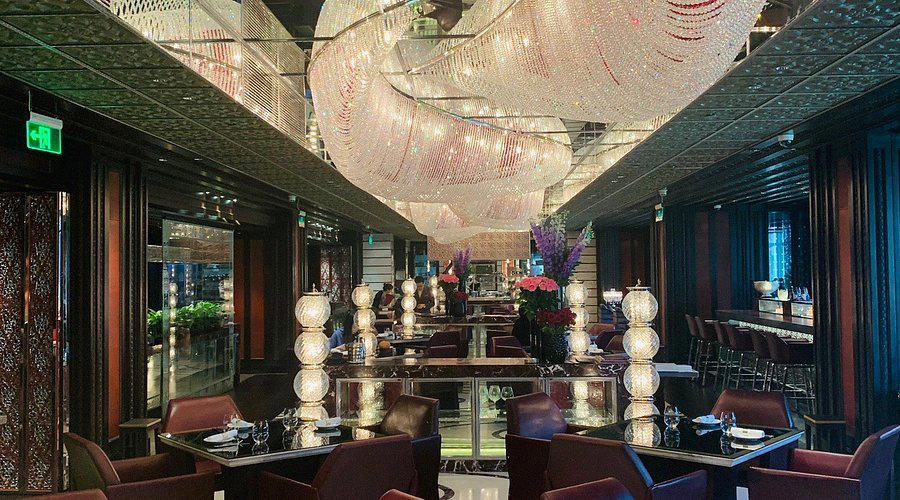
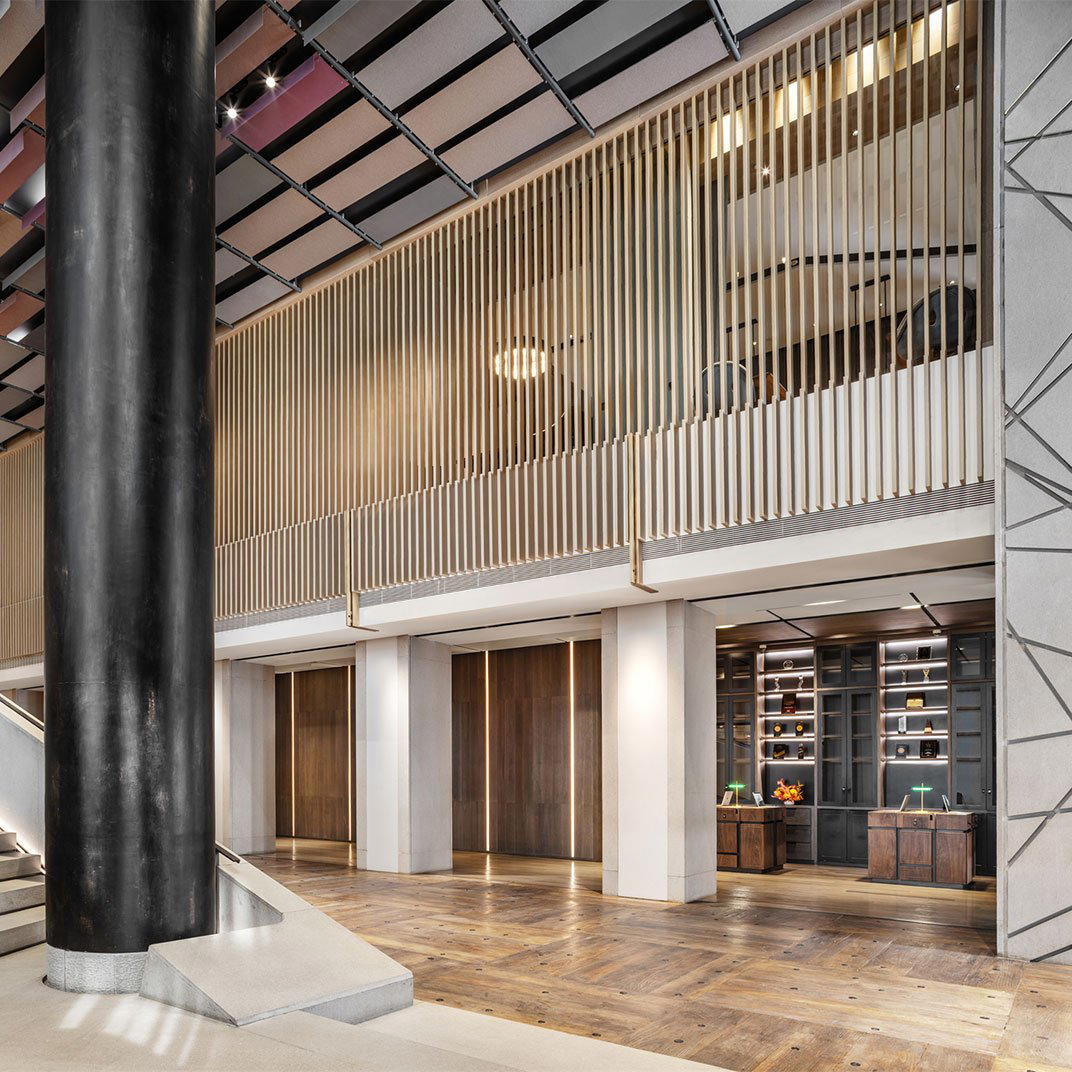
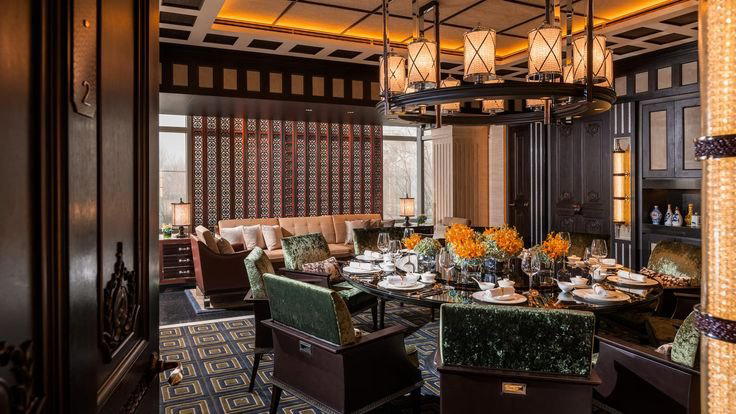
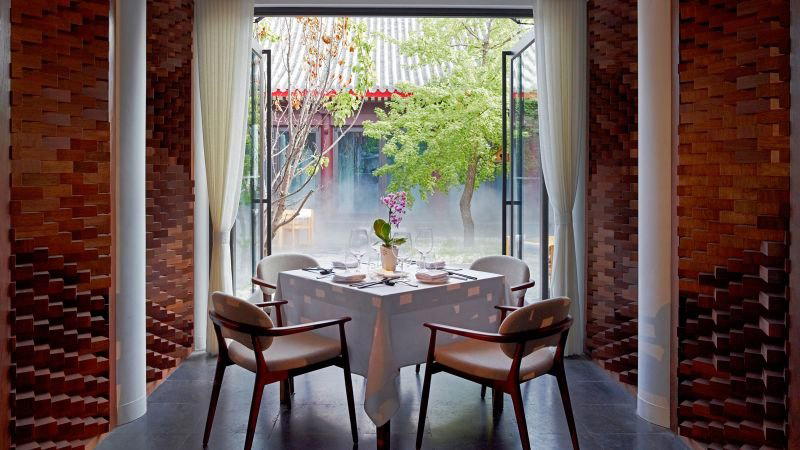
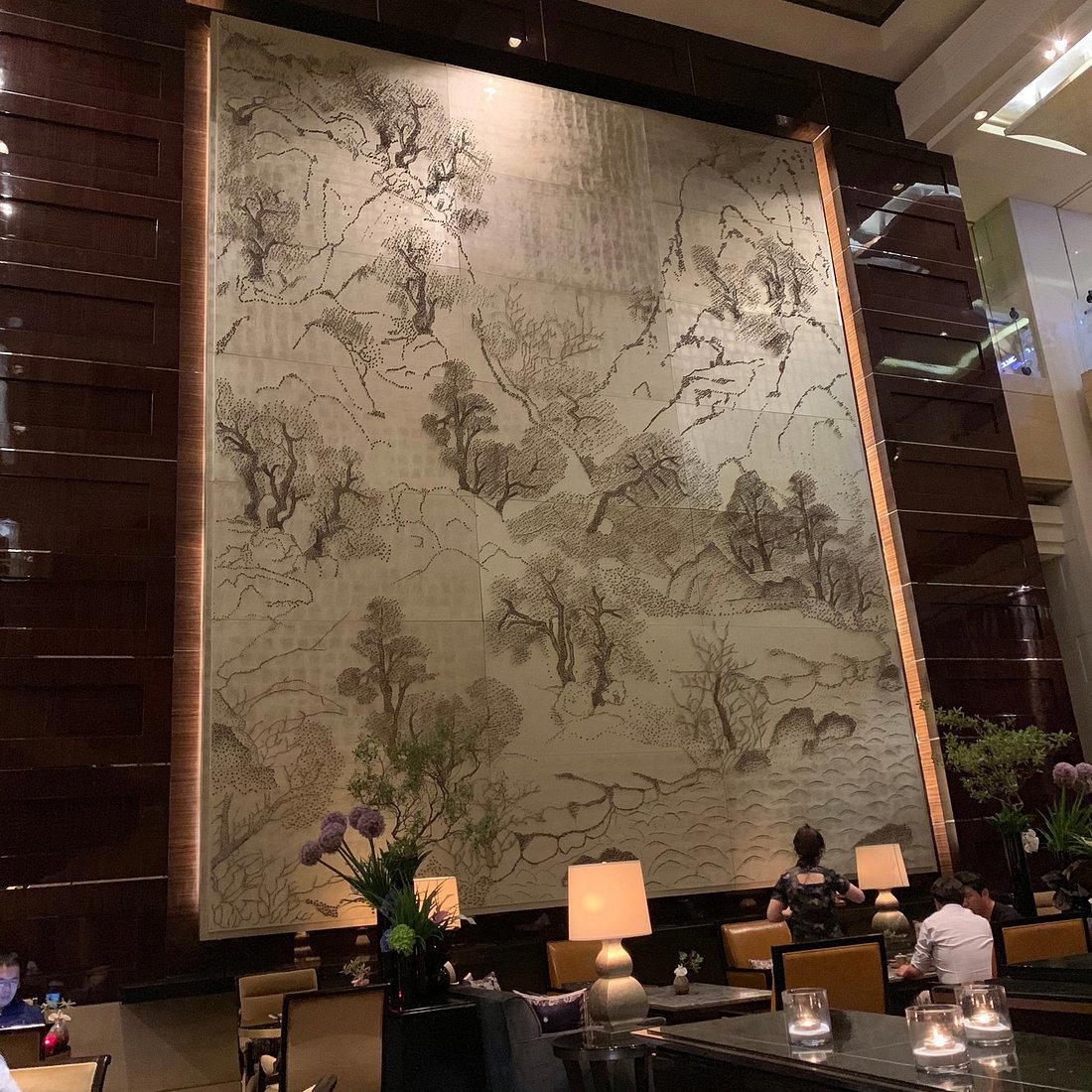
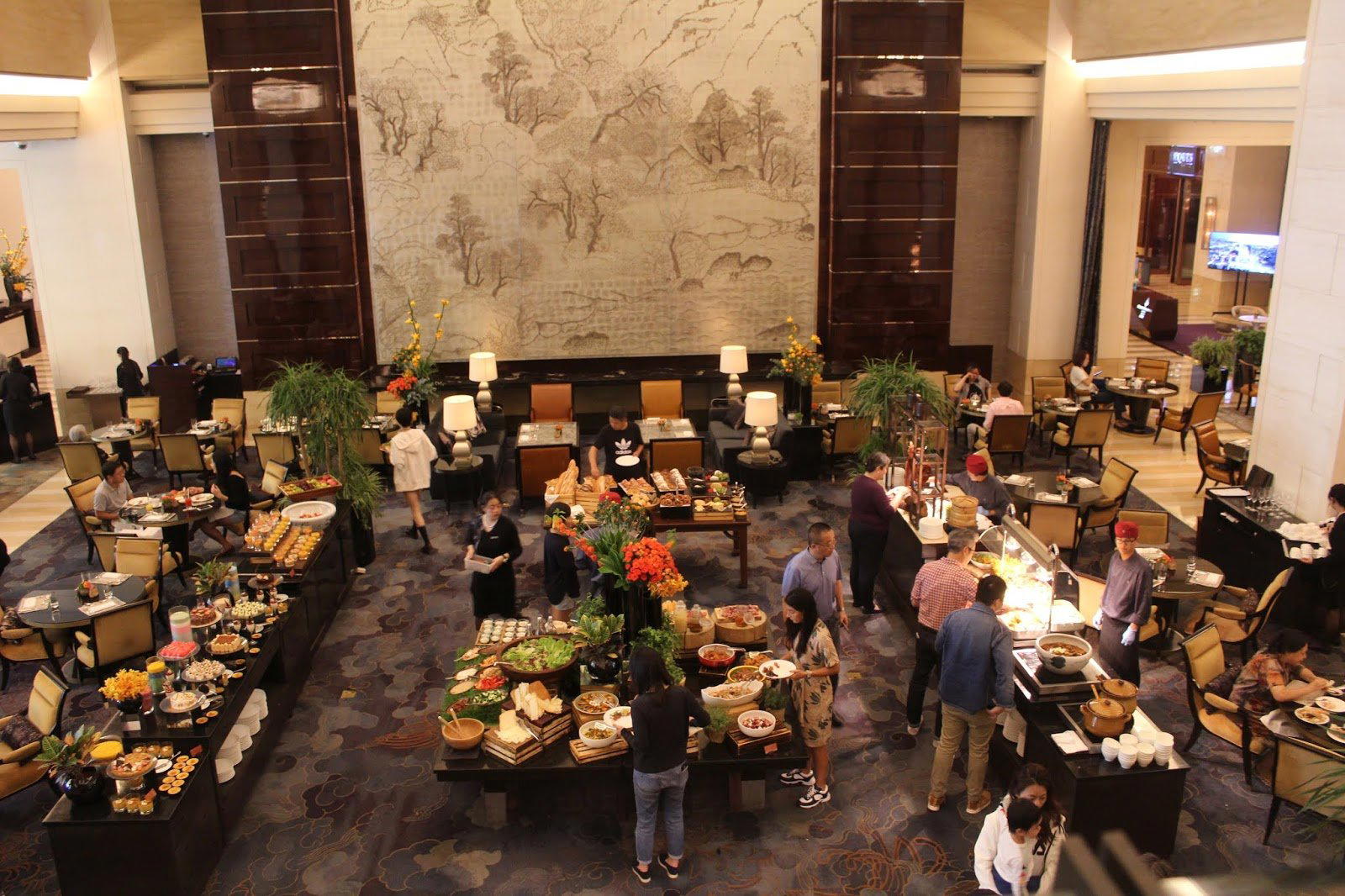
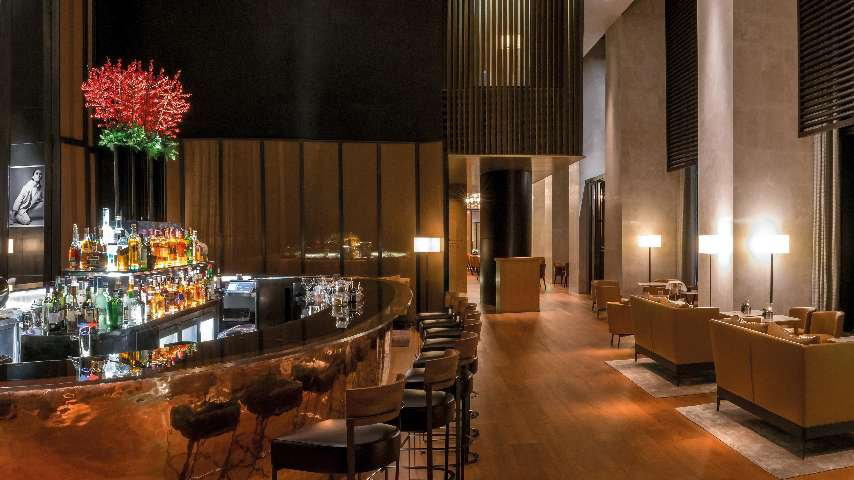
The physical environment makes its intentions clear before a menu arrives. White marble, gleaming surfaces, and an open kitchen staffed by chefs who appear, as one inspector put it, self-consciously spotless, combine to produce a space that rewards dressing for. There is no formal dress code, but the room's register makes casual clothes feel like an oversight. The clientele reinforces this: the Japanese, German, and US embassies are a short distance away, and their staff share tables with young Chinese executives, media creatives, and Four Seasons regulars. It is a mix that produces a particular kind of energy, less stiff than a traditional hotel restaurant, more considered than a neighbourhood trattoria.
How the Room Shifts from Noon to Night
The most instructive way to assess Mio is to consider how differently it functions across the day, because lunch and dinner here are not simply the same menu served at different hours. They represent two distinct value propositions and two different versions of the room.
At dinner, the ¥¥¥¥ pricing places Mio squarely in Beijing's top tier of international restaurants, a bracket where the comparison set includes contemporaries at similarly credentialed hotel addresses. The full menu extends to lobster pasta, Wagyu bolognese, charcuterie, caviar, and oysters on the half shell, alongside Italian staples like minestrone, Caprese salad, and wood-fired pizza. The kitchen operates under Chef Matteo Re Depaolini, and the approach to Southern Italian cooking is more generous in scope than purist: familiar reference points are maintained, but the ingredients reach upward. This is the version of Mio that appears in the recognition data — a 2025 Michelin Plate, a 2025 Black Pearl 1 Diamond, and a ranking at number 430 in the Opinionated About Dining Leading Restaurants in Asia list for 2024 (recommended the year prior). For Beijing's international dining scene, that is a credible sustained record across multiple independent assessment frameworks.
Lunch is the more accessible entry point, and by design. On weekdays, a two- or three-course business menu is available, a format that brings the room within reach of a different kind of visit: time-constrained, value-conscious, and often solo or small-group. The atmosphere shifts accordingly. The marble and the gleam remain, but the pace quickens, the tables turn, and the crowd skews toward the professional rather than the social. For visitors staying elsewhere in Chaoyang who want to understand what Mio is doing culinarily without committing to a full dinner spend, the weekday lunch is the practical solution.
This lunch-versus-dinner split is not unusual at hotel restaurants of this caliber. What makes it worth noting at Mio is that the evening room is genuinely animated in a way that hotel dining in Beijing does not always achieve. The inspector's observation that dining here confers membership among "the cool kids" reads as shorthand for something more structural: the venue has built a non-hotel clientele alongside its hotel one, which is the harder task and the one that tends to determine whether a hotel restaurant has real standing in a city or simply serves guests by default.
The Menu's Range and Its Logic
Southern Italian cooking in Beijing occupies a narrower niche than French or pan-Asian formats. The cuisine's identity, built around wood-fired techniques, high-quality preserved meats, and pasta with regional specificity, translates to a luxury context more naturally than it might seem: the ingredient ceiling is high, the techniques are legible to international diners, and the register of the food sits comfortably alongside a room that signals occasion.
Mio's menu uses that range deliberately. The charcuterie and oyster section at the opening of the meal anchors the list in European luxury-ingredient territory, similar in intent to the opening moves at credentialed European-style rooms like Le Bernardin in New York or tasting-format restaurants such as Atomix, where the early courses establish a quality signal before the kitchen's range becomes apparent. Here, that signal comes through charcuterie and caviar before the menu opens into pasta, pizza, and the more substantial mains. The result is a list broad enough to accommodate a business lunch and considered enough to justify a celebratory dinner.
The signature white pizza, built on wood-fired focaccia dough and finished with a baked organic egg and shavings of Alba white truffle, is the dish that appears most consistently in assessments of the kitchen. It represents the menu's logic well: a familiar format (pizza) taken seriously through both technique (wood-fired dough, focaccia-style texture) and ingredient (genuine Alba truffle rather than truffle oil). Playful creativity, as the inspector notes, runs through both the food and the décor, and this dish exemplifies that without tipping into novelty for its own sake.
Where Mio Sits in Beijing's Broader Dining Picture
Beijing's serious dining scene has diversified considerably at the leading end. Vegetable-forward formats like Lamdre and King's Joy operate at ¥¥¥¥ with Michelin recognition of their own. Beijing cuisine specialists like Jingji hold the local end of the premium tier. Mio's position as a credentialed Southern Italian room inside a flagship hotel is distinct from all of these, which means it does not compete directly with the Chinese options in its price bracket so much as it complements them, serving a different set of occasions and a different set of guests.
The comparison that matters more for Mio is against other high-end hotel restaurant formats across the region. Venues like Chef Tam's Seasons in Macau, Imperial Treasure in Guangzhou, and Dai Yuet Heen in Nanjing represent the Chinese fine dining end of that hotel restaurant bracket. Mio is the Western-kitchen counterpart in Beijing, and its sustained presence in the Michelin and Black Pearl frameworks over multiple years suggests it has held that position without slipping into the generic international-hotel mode that tends to sink rooms at this address type.
For a broader picture of what the city offers across categories and price points, the EP Club Beijing restaurants guide covers the full range, while the Beijing hotels guide, bars guide, wineries guide, and experiences guide provide the surrounding context. Elsewhere in mainland China, comparable Italian or European-format rooms worth benchmarking include 102 House in Shanghai, Ru Yuan in Hangzhou, and Xin Rong Ji in Chengdu for a sense of how premium dining formats are evolving across the country.
Planning Your Visit
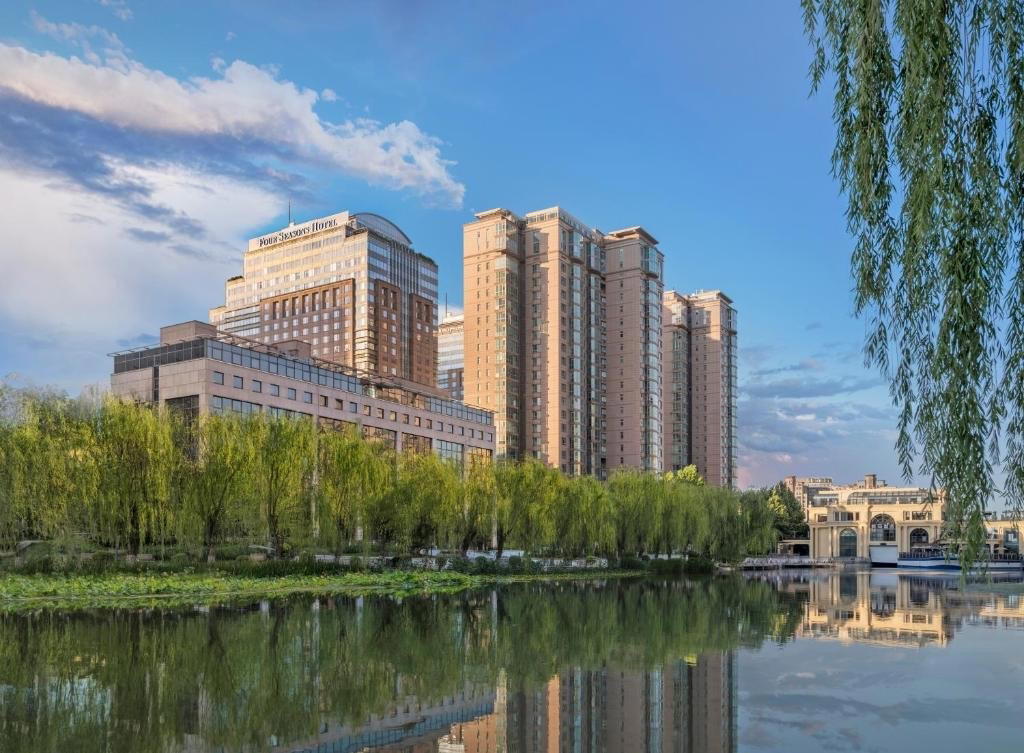
Mio is located at 15-18 Xiaoyun Road in Chaoyang, on the third floor of the Four Seasons Beijing. The hotel sits close to the airport expressway, making it a practical first or last stop for itineraries arriving into or departing from Capital Airport. The Sanlitun shopping and dining district is a short cab ride away, which positions Mio as a natural anchor for an evening that continues elsewhere in Chaoyang. For weekday visitors, the two- or three-course business lunch is the most direct way to assess the kitchen at a lower spend. Dinner is the fuller version of what the room is set up to do, and the crowd that fills it most evenings confirms that the Four Seasons address has not limited Mio to a hotel-guest audience.
What Dish Is Mio Famous For?
The signature white pizza is the dish most closely associated with the kitchen: a wood-fired focaccia base topped with a just-baked organic egg and finished with shavings of genuine Alba white truffle. It anchors the menu's playful-but-serious register, applying a format familiar to any Italian dining room to ingredients that belong at the top of the price bracket. Among a list that includes lobster pasta and Wagyu bolognese, the white pizza functions as the clearest expression of what the kitchen is doing: direct technique, high-grade ingredients, and a result that needs no elaboration. Chef Matteo Re Depaolini's recognition across the 2025 Michelin Plate and 2025 Black Pearl 1 Diamond frameworks gives the kitchen's approach independent validation, but the white pizza is the single dish that appears consistently in accounts of the room.
The Essentials
| Venue | Cuisine | Price | Awards | Notes |
|---|---|---|---|---|
| MioThis venue — the venue you are viewing | Modern Northern Italian | $50–100 | Michelin Plate · Black Pearl 1 Diamond | Not listed |
| Jing | Modern French with Asian Influences | $300–500 | 1 Michelin Star · Black Pearl 1 Diamond | French Contemporary |
| Xin Rong Ji (Xinyuan South Road) | Taizhou Chinese Fine Dining | $300–500 | 3 Michelin Stars · World's 50 Best #84 | Taizhou |
| Chao Shang Chao (Chaoyang) | Modern Teochew (Chaoshan) Fine Dining | $200–300 | Michelin Plate · La Liste Top Restaurants | Chao Zhou |
| Lamdre | Modern Plant-Based Chinese Vegetarian | Not listed | 2 Michelin Stars · World's 50 Best #17 | Vegetarian |
| Jingji | Imperial Beijing Royal Cuisine | $200–300 | 2 Michelin Stars · La Liste Top Restaurants | Beijing Cuisine |
Recognition history
Dated appearances from independent guides and award organizations, with the underlying list record or original source where available.
Michelin Plate
Michelin
Black Pearl 1 Diamond
Black Pearl
Forbes 4-Star
Forbes
Opinionated About Dining Top Restaurants in Asia Recommended
Opinionated About Dining
Full recognition history (9 entries)
Black Pearl 1 Diamond
Black Pearl
Forbes 4-Star
Forbes
Michelin Plate
Michelin
Opinionated About Dining Top Restaurants in Asia Ranked #430
Opinionated About Dining
Opinionated About Dining Top Restaurants in Asia Recommended
Opinionated About Dining
Mio
Featured Guides

Details
- Elegant
- Modern
- Sophisticated
- Date Night
- Business Dinner
- Special Occasion
- Open Kitchen
- Private Dining
- Hotel Restaurant
- Extensive Wine List
- Street Scene
- A La Carte
- Tasting Menu
- Vegetarian Friendly
- Vegan Options
- Gluten Free Options
Lavish and richly textured with strings of glass beads from the mirrored ceiling creating a dazzling sculpture, noble and luxurious decoration that feels comfortable and inviting.