


Holding a Michelin star and a 95-point La Liste score, Mansion Cuisine by Jingyan operates from a remodelled Chaoyang courtyard mansion and applies a contemporary lens to the Beijing canon. Peking duck arrives three ways, sea cucumber is served with a traditional pork sauce, and most dishes are assembled to order. At ¥¥¥¥, it occupies the same price tier as Beijing's other premium capital-cuisine houses.
Pearl is the En Primeur Club membership app — saves, bookings, and concierge access live there. Same editors, same standards.
- Address
- China, 8, Chaoyang, Xinyuan S Rd, 8号CN 北京市1层启皓北京东塔 邮政编码: 100027
- Phone
- +86 10 8663 2999
- Website
- techsmith.com
- Directions
- Get directions
 Saves & bookings on Pearl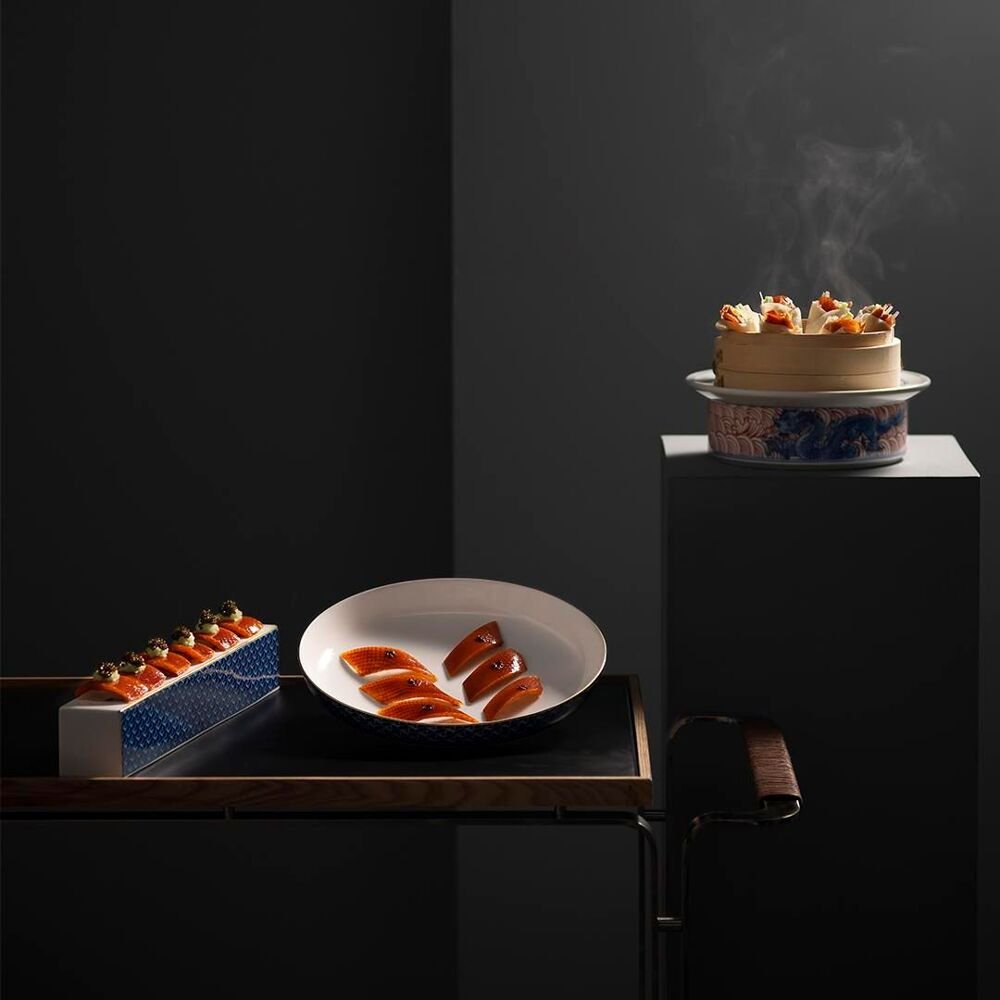
A Courtyard Repurposed, A Tradition Reconsidered
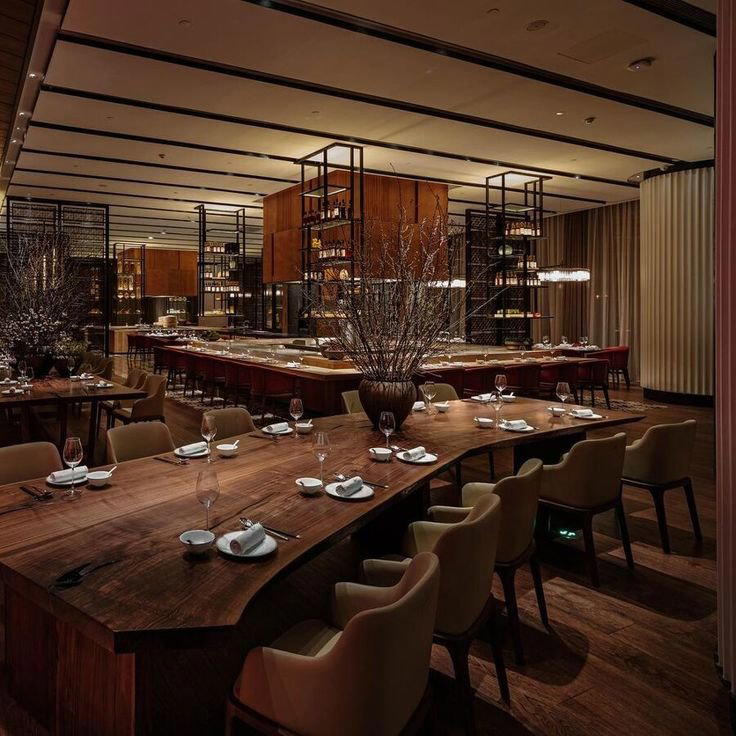
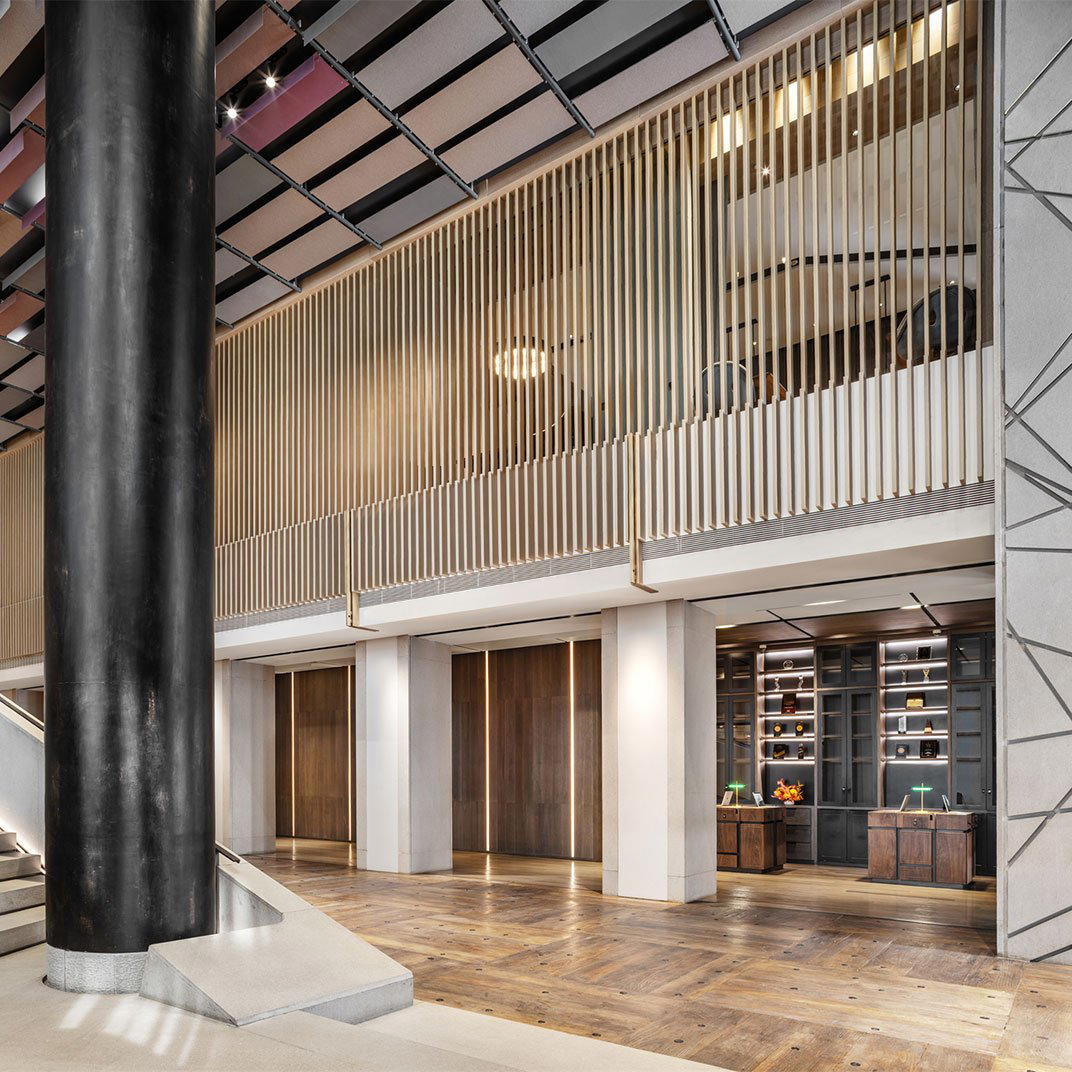
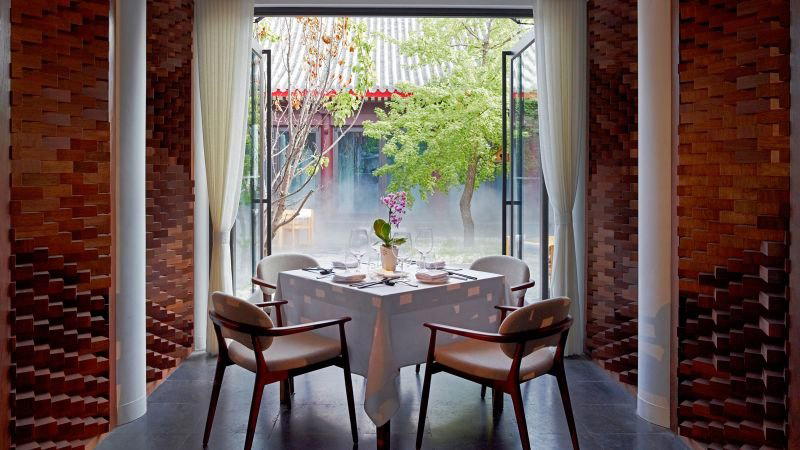
Mansion Cuisine by Jingyan is a Michelin-starred Beijing restaurant in Chaoyang, awarded one Michelin star in 2024, with a ¥¥¥¥ price tier. The high-ceilinged courtyard mansion on Xinyuan South Road, remodelled in 2013, is precisely the kind of architectural frame that shapes expectations before a single dish arrives. Chaoyang's restaurant row has absorbed many iterations of modern Chinese dining over the past two decades, from regional specialists to international crossovers, but the physical setting here signals something specific: a deliberate alignment between old Beijing built form and a kitchen that takes the city's culinary history as its primary material. The space is less a museum piece than a working argument that tradition and reinvention are not competing propositions.
That argument is now recognised at the level of serious institutional endorsement. A Michelin star, awarded in 2024, and a 95-point placement on the La Liste Leading Restaurants list for 2026 place Mansion Cuisine by Jingyan inside a small cohort of Beijing restaurants where both critical systems converge on the same address. Among Beijing-cuisine specialists operating at the ¥¥¥¥ tier, that combination of awards is a meaningful differentiator. For comparison, Jingji occupies the same cuisine category and price tier, making the two particularly direct reference points for anyone assessing where the premium end of capital-cuisine dining currently sits.
The Reinvention of the Beijing Table
Beijing cuisine carries a heavier institutional weight than almost any other regional Chinese tradition. Imperial kitchens, Manchu-Han banquet formats, and the long twentieth-century period of state-dining orthodoxy all left residue in how the city's dishes are understood and served. For most of that history, the definitive Beijing meal was experienced in large, formal dining rooms where adherence to classical preparation was the measure of quality. The remodelling of 2013 and the kitchen direction that followed it represent a departure from that model, not by abandoning classical technique but by treating the canon as a starting point rather than a ceiling.
Particularly direct illustration is the Peking duck programme. In classical service, roasted duck arrives whole or carved, with accompaniments calibrated to support the bird rather than reframe it. Here, the duck is presented three ways: with caviar, with black truffle, and in a traditional 108-slice carve that preserves the lacquered skin and juicy flesh that define the dish at its most orthodox. The first two formats situate a locally rooted preparation inside a global luxury register; the third demonstrates technical fidelity to the method that made the dish. Offering all three simultaneously is an editorial position. It says that Beijing cooking is capacious enough to hold both gestures without contradiction.
This approach to reinvention is legible across the broader menu. Most dishes are made to order, a production commitment that affects pacing and kitchen organisation in ways that standardised banquet service does not require. Some dishes involve tableside preparation, which shifts part of the work of the meal from the kitchen pass to the dining room itself. Both choices align with a premium-casual register that Beijing's more ambitious dining addresses have been refining since the mid-2010s, pulling away from the stiff formality of older luxury Chinese restaurants toward something more animated without surrendering precision.
Sea Cucumber and the Longer Tradition
The sea cucumber with Peking-style pork sauce is the dish that critics and the La Liste assessors have singled out, and it is worth understanding why this particular combination carries weight. Sea cucumber has been a prestige ingredient in Chinese banquet cooking for centuries, appearing in both imperial and regional repertoires as a marker of occasion. The pork sauce it is paired with here is drawn from zhajiangmian's culinary DNA, the fermented soybean and pork mixture that defines one of Beijing's most recognisable everyday preparations. Bringing the two together, a luxury-tier protein and a street-level sauce tradition, is a compression of the city's own dining range into a single dish. The outcome represents exactly the kind of cross-register fluency that distinguishes the more considered end of contemporary Chinese cooking.
The phenomenon is not distinctive to Beijing. Across mainland China, a generation of restaurants has been rethinking what regional cuisine can mean when applied with culinary rigour rather than nostalgia. 102 House in Shanghai, Ru Yuan in Hangzhou, and Xin Rong Ji in Chengdu each apply a version of this logic to their respective regional canons. At the higher end of Macau and Guangdong dining, Chef Tam's Seasons in Macau and Imperial Treasure Fine Chinese Cuisine in Guangzhou operate in a comparable register. Even beyond China's borders, Dai Yuet Heen in Nanjing reflects the same broader shift. The Beijing version of this story has its own inflection, shaped by the capital's particular history, but it belongs to a national conversation about what rigorous regional cooking looks like in the twenty-first century.
For those specifically interested in how Beijing cuisine travels beyond its home city, Sheng Yong Xing in Shanghai's Huangpu district and Do It True in Taipei's Xinyi both maintain Beijing-cuisine programmes in diaspora contexts, which makes comparison useful for understanding what the home kitchen holds that the export version cannot replicate.
Where It Sits in Chaoyang's Dining Architecture
The Xinyuan South Road address places Mansion Cuisine by Jingyan in a part of Chaoyang that has accumulated a concentration of serious restaurants over the past decade. Poetry Wine on Dongsanhuan Middle Road and Fu Man Yuan in Xinyuanli represent adjacent parts of the same dining corridor, each operating at a price point and ambition level that has made this stretch of northeast Beijing one of the city's more densely rewarded areas for serious eating. Jing Hua Lou extends the geography further, and Fortune Long on East Xinglong Street offers a ground-level counterpoint in the same culinary tradition at a different price register. Together, these addresses illustrate the vertical range of Beijing cuisine as a category, from casual noodle houses to Michelin-starred courtyard restaurants, all operating within a few kilometres of each other.
At ¥¥¥¥, Mansion Cuisine by Jingyan sits at the summit of that range alongside Jingji in the Beijing-cuisine category. The comparable addresses in adjacent Chinese regional traditions, Taizhou-specialist Xin Rong Ji on the same road and Chao Zhou-focused Chao Shang Chao nearby, operate at identical price levels, which suggests that the ¥¥¥¥ premium Chinese restaurant has become a reasonably stable format in this part of the city regardless of regional origin. What distinguishes the restaurant within that tier is the specific combination of Beijing identity, courtyard architecture, and a duck programme broad enough to function as a defining menu statement.
Know Before You Go5 (11 reviews)Booking Contact details not listed; advance reservation strongly advised given award status Hours Not listed; confirm directly before visiting
The Short List
Comparable venues nearby, for context on price, style, and recognition.
| Venue | Cuisine | Price | Notes |
|---|---|---|---|
| Mansion Cuisine by JingyanThis venue — the venue you are viewing | Sanlitun, Modern Beijing Cuisine | $$$$ | Not listed |
| Fu Chun Ju | Dongcheng, Modern Cantonese | $$$$ | Not listed |
| Xin Rong Ji (Jianguomenwai Street) | Sanlitun, Taizhou Seafood | $$$$ | Not listed |
| Seventh Son Restaurant Beijing | Hujialou, Michelin One-Star Cantonese | $$$$ | Not listed |
| Poetry‧Wine (Dongsanhuan Middle Road) | Chuiyangliu, Modern Beijing Fine Dining | $$$ | Not listed |
| Gastro Esthetics DaDong | Not listed | $$$ | Yayuncun, Modern Chinese - Peking Duck Haute Cuisine |
Recognition history
Dated appearances from independent guides and award organizations, with the underlying list record or original source where available.
Black Pearl 2 Diamond
Black Pearl
La Liste Top Restaurants
La Liste
Michelin 1 Star
Michelin
Michelin 1 Star
Michelin

At a Glance
- Elegant
- Sophisticated
- Intimate
- Classic
- Date Night
- Business Dinner
- Special Occasion
- Courtyard
- Historic Building
- Sommelier Led
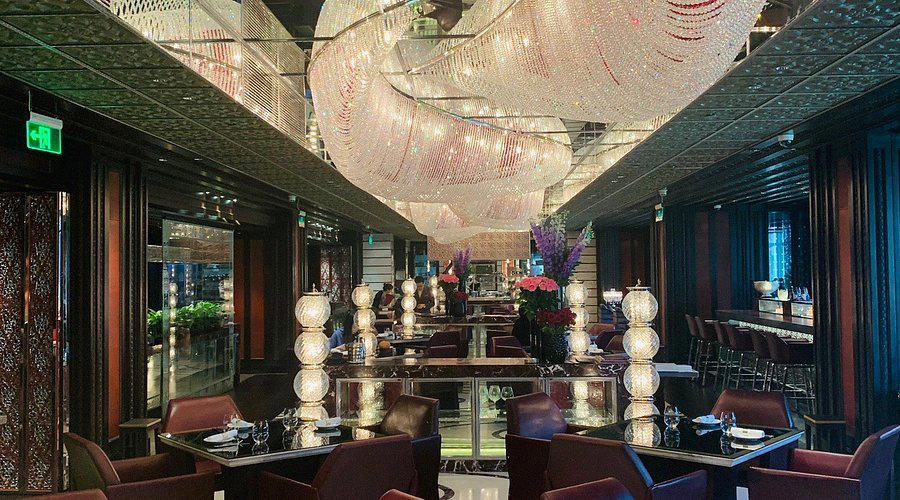
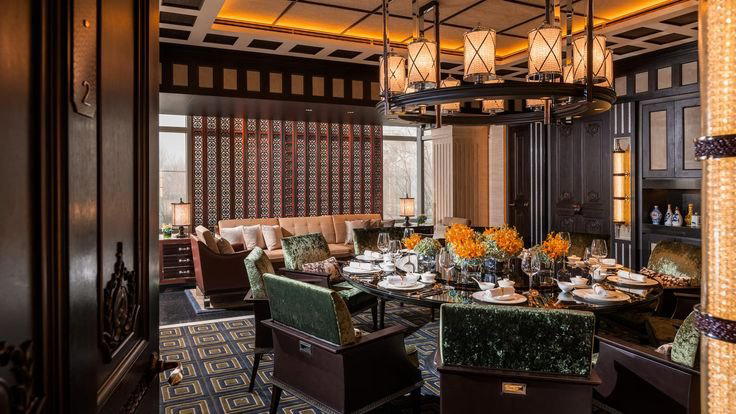
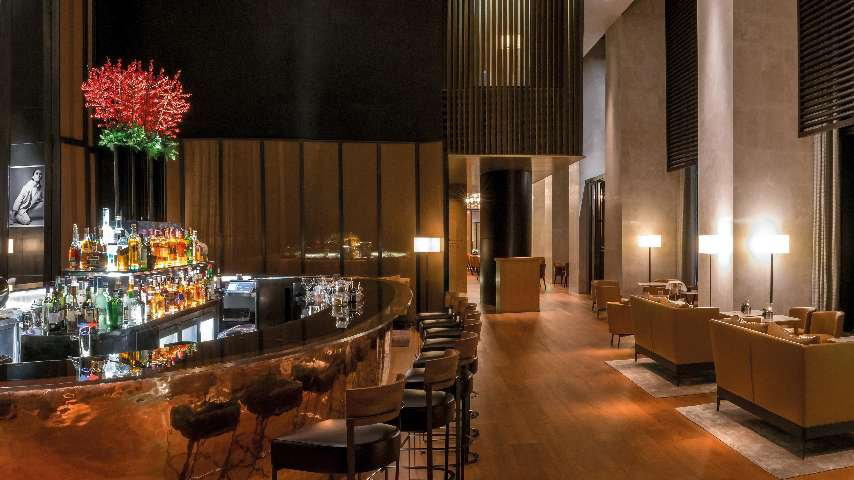
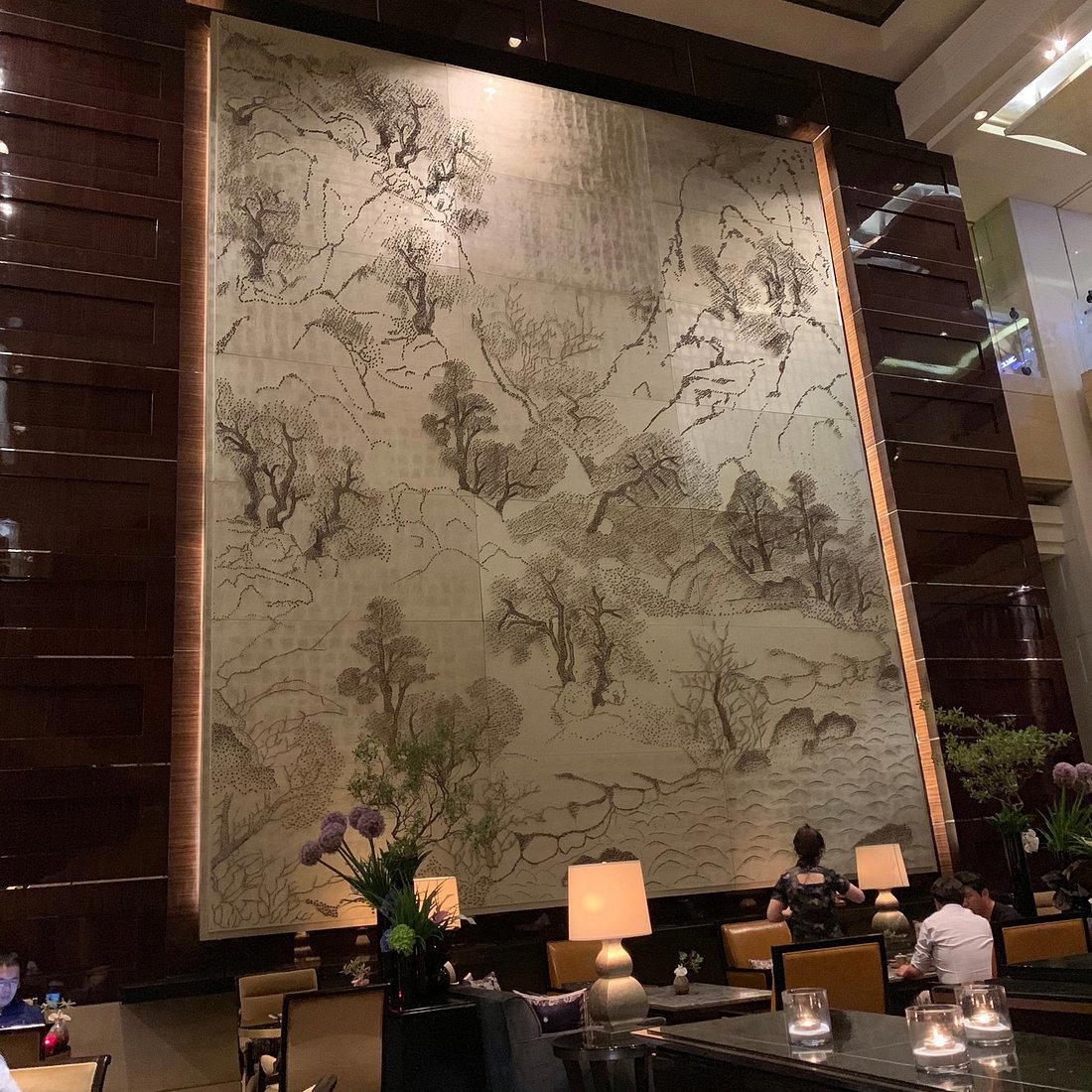
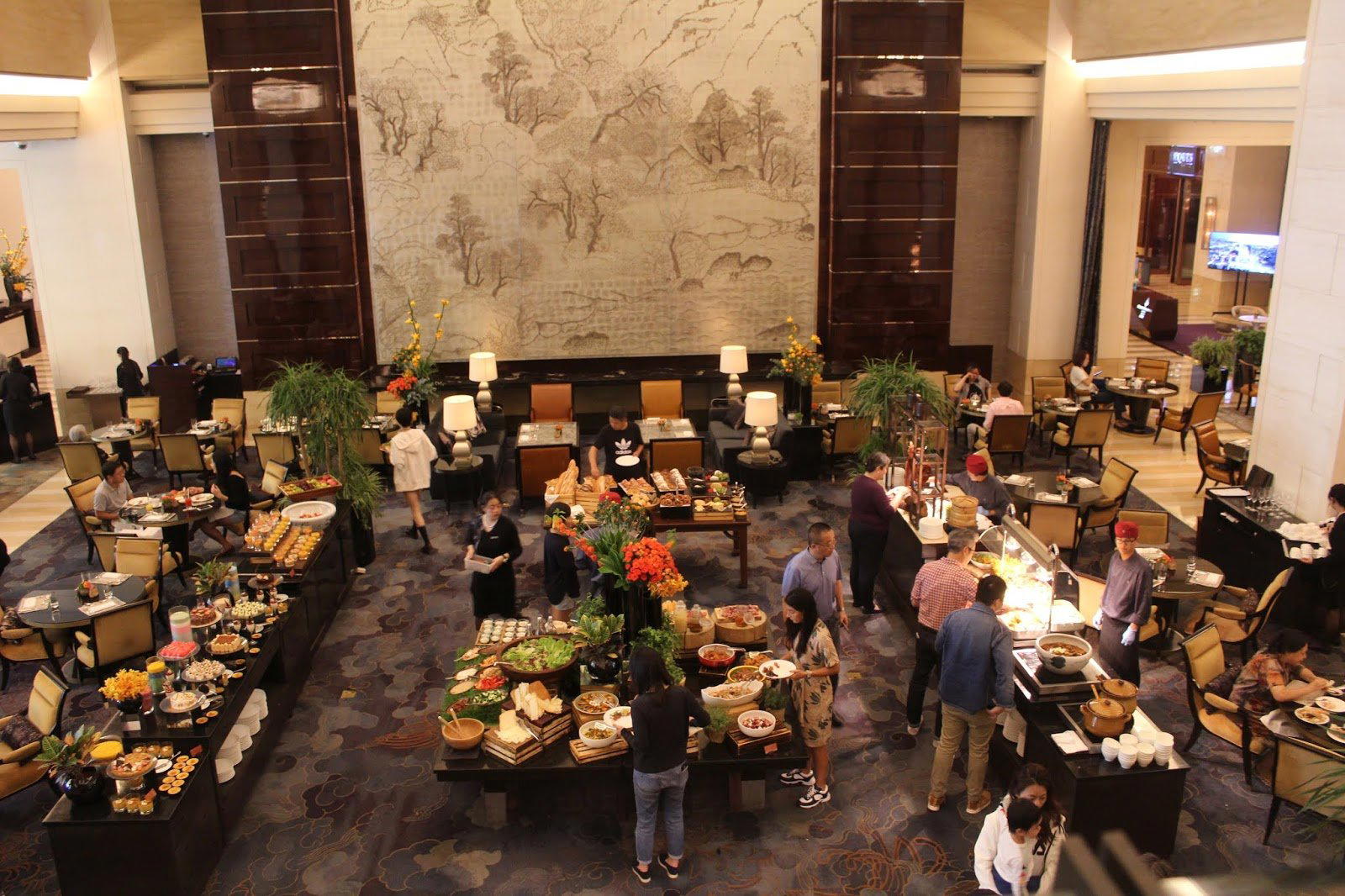
High-ceilinged courtyard with polished wood, natural light, and quiet exclusivity; hushed atmosphere with low tones and refined details.